The Rivers

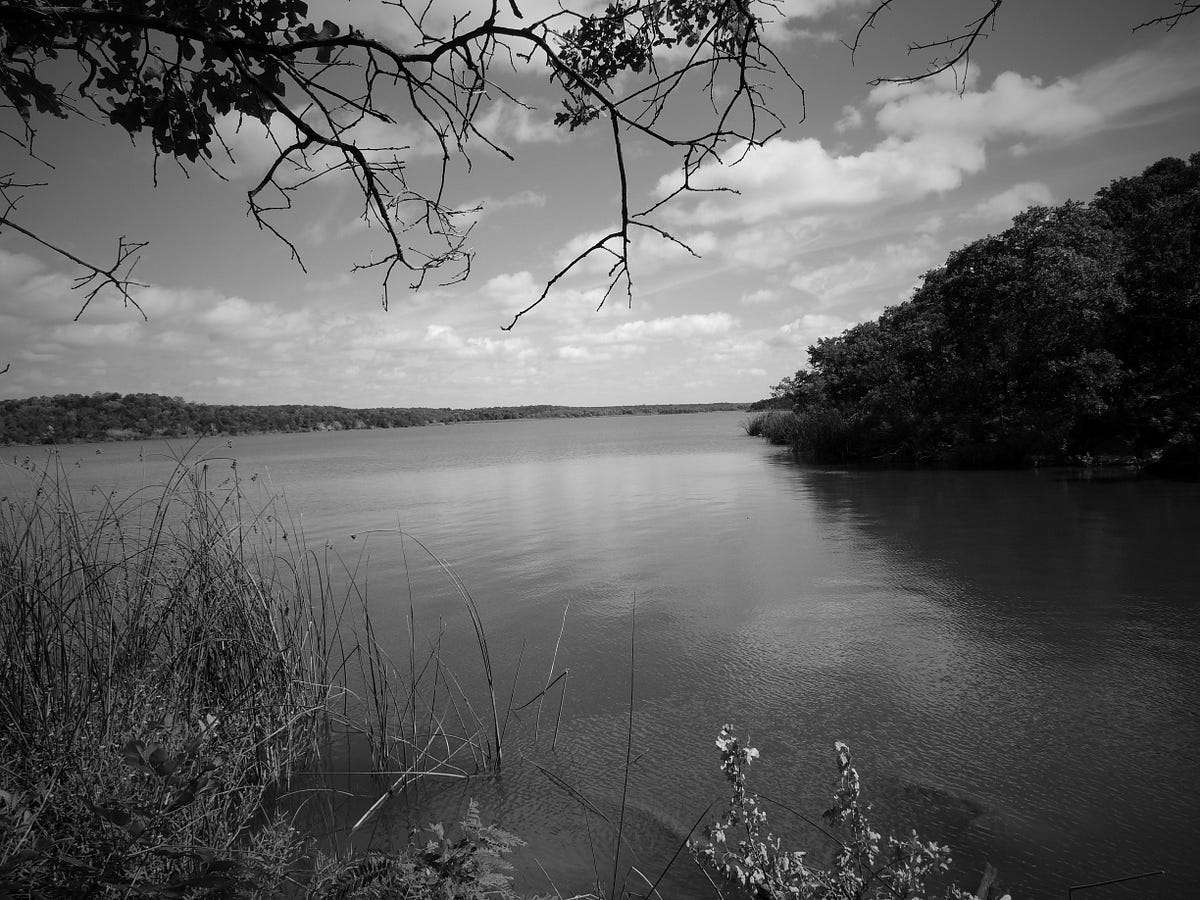
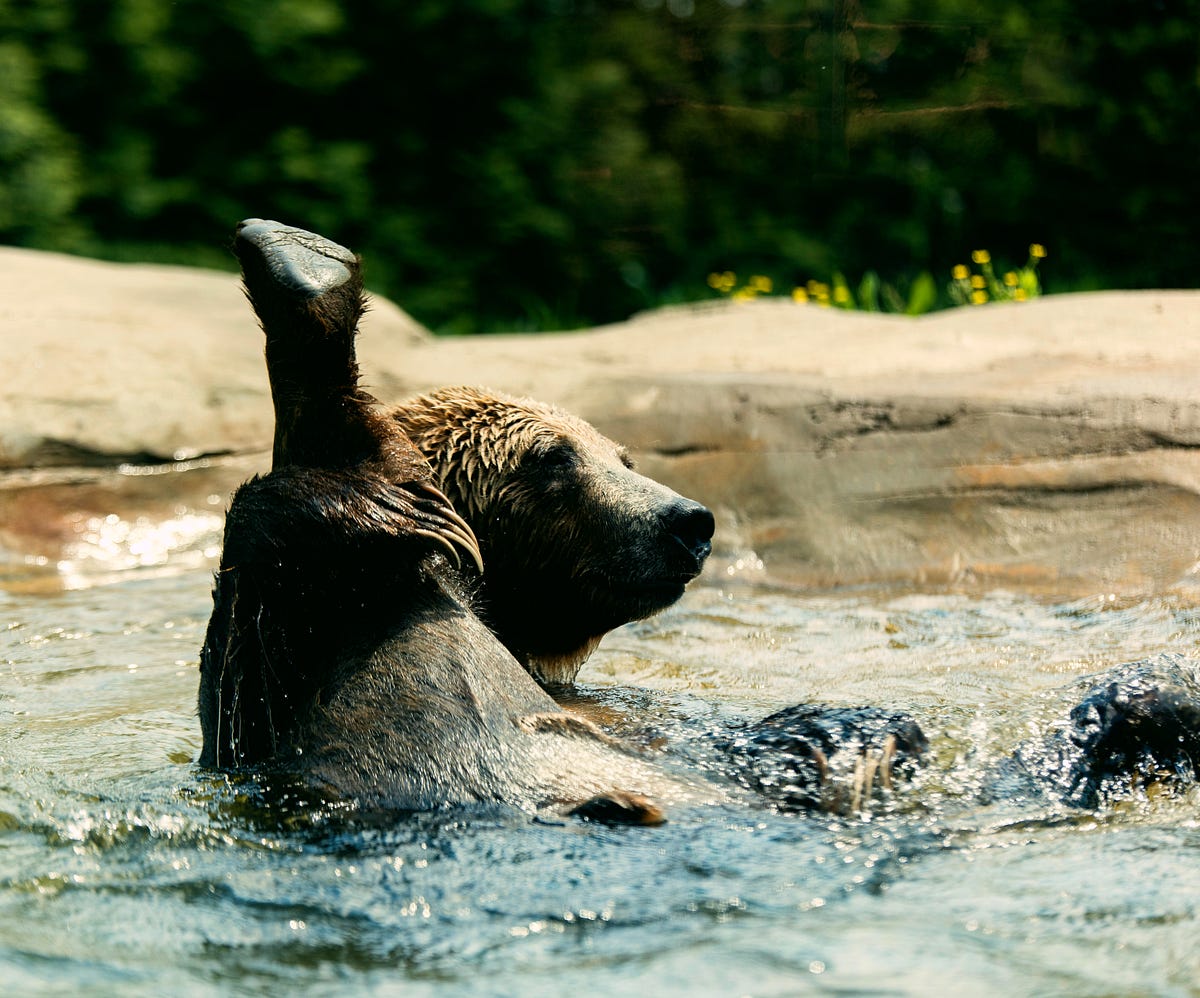
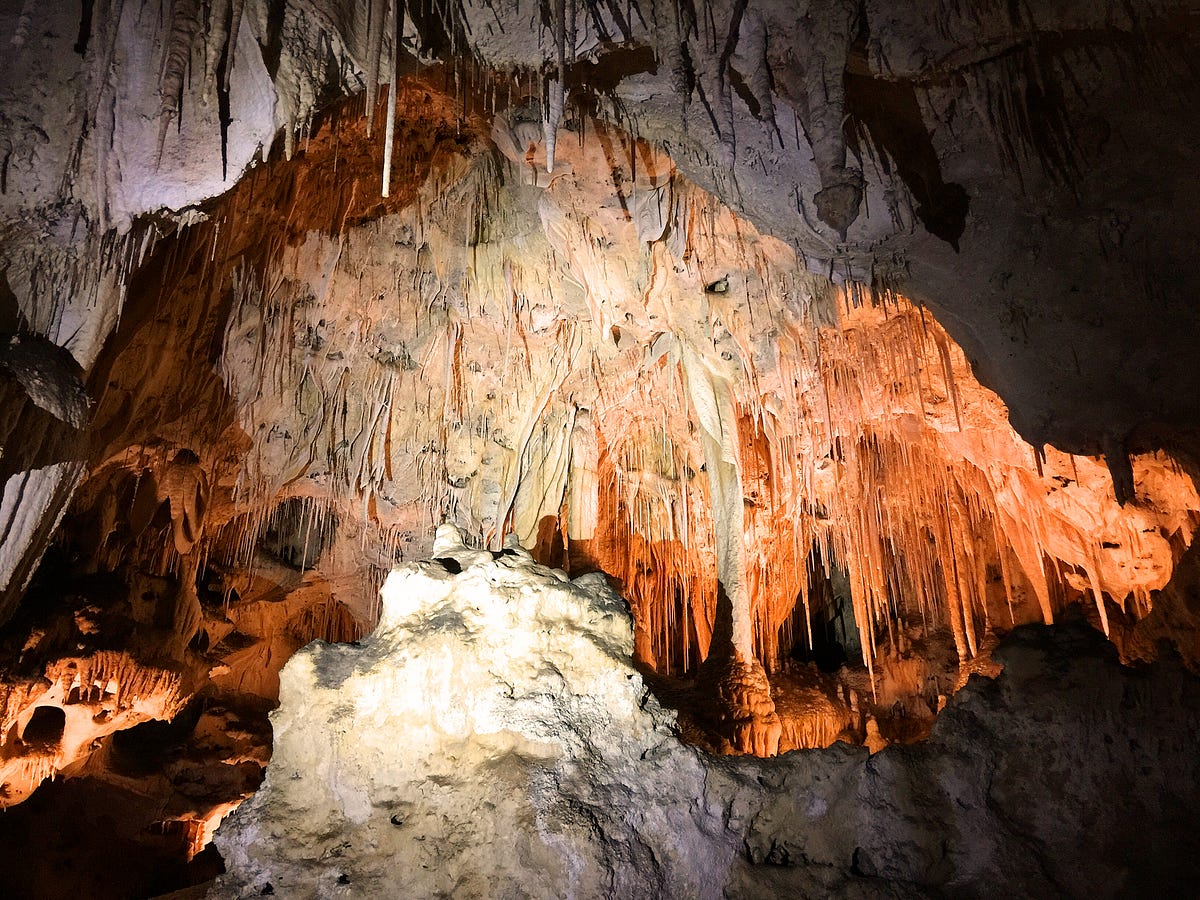
Photo by Terrye Turpin — Llano, Texas
We arrived in San Saba, Texas, the Pecan Capital of the World, in the hot late afternoon, in time to check into our hotel and stash the packs filled with what we thought we’d need for the weekend. My fiancé, Andrew, and I wandered down the small town street while I sipped a cup of coffee from a waxed paper cup. Our reflections cast back in mirrored glass and revealed a late middle-aged couple dressed in comfortable, travel wrinkled clothes. We stretched our legs and popped joints stiff from the three hour drive. We did our best to outwit the Texas sunshine by dodging along the shade cast on the sidewalk from awnings over businesses closed for the holiday weekend. I set down the paperboard cup at last to step through the doorway and into Harry’s Boots.

Photo by Terrye Turpin

The store, established in 1939, seemed to fill half the city block. Shelves and racks lured shoppers with pearl snapped and buttoned western shirts in peacock colors or solemn, solid dyes. Sturdy denim jeans, in every size that man or woman might exist, lay neatly stacked and folded into cubbies along the walls. But the main attractions, and those which filled the space with the heady fragrance of leather and the clean, sharp scent of saddle soap and polish, were the boots.

Boots in sizes dainty through durable, made from every type of hide imaginable. Boots from alligator, ostrich, lizard, goat, buffalo, and rattlesnake. I would not miss this last, but I cringed to pick up a pair labeled “elephant.” We left after browsing through rooms crowned with hats, straw and Stetson, felt and ten gallon, fit for cowboys, cattle barons, and weekend tourists with money to spare.

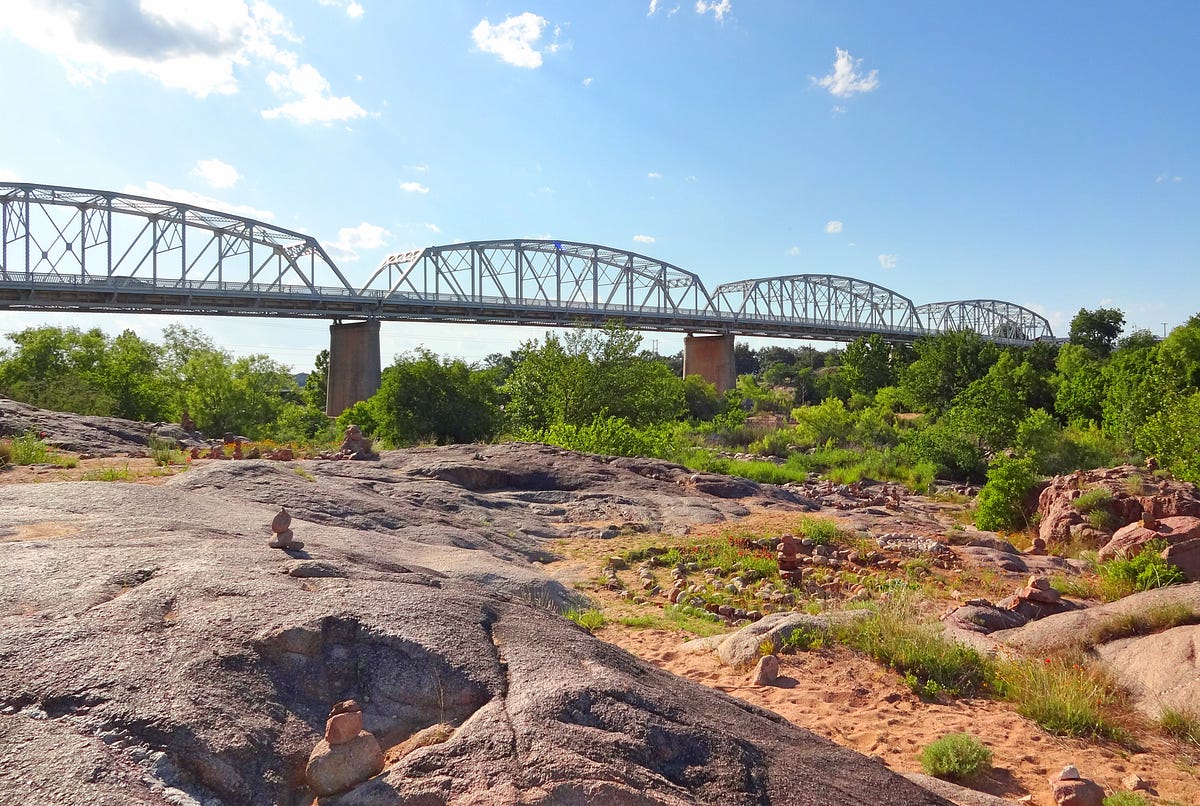
Bridge over the Llano River, photo by Terrye Turpin

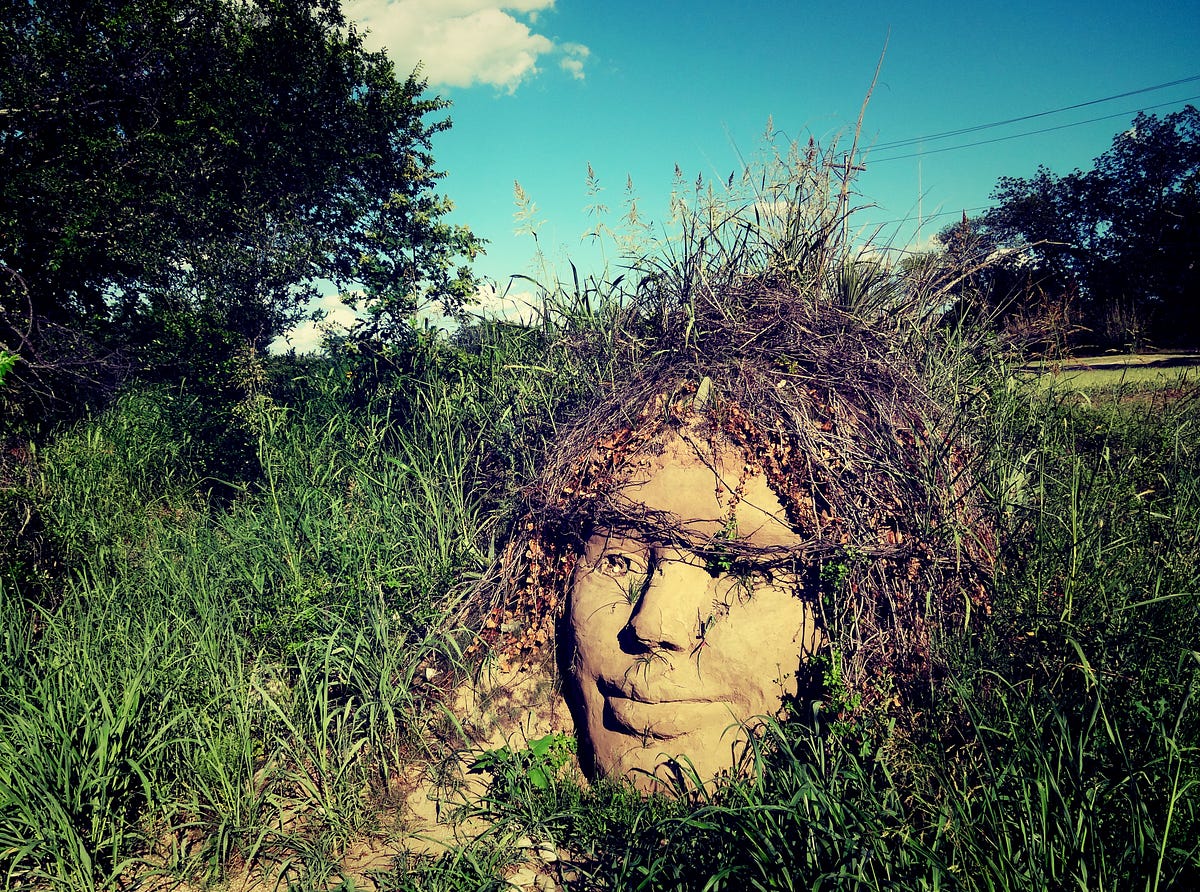
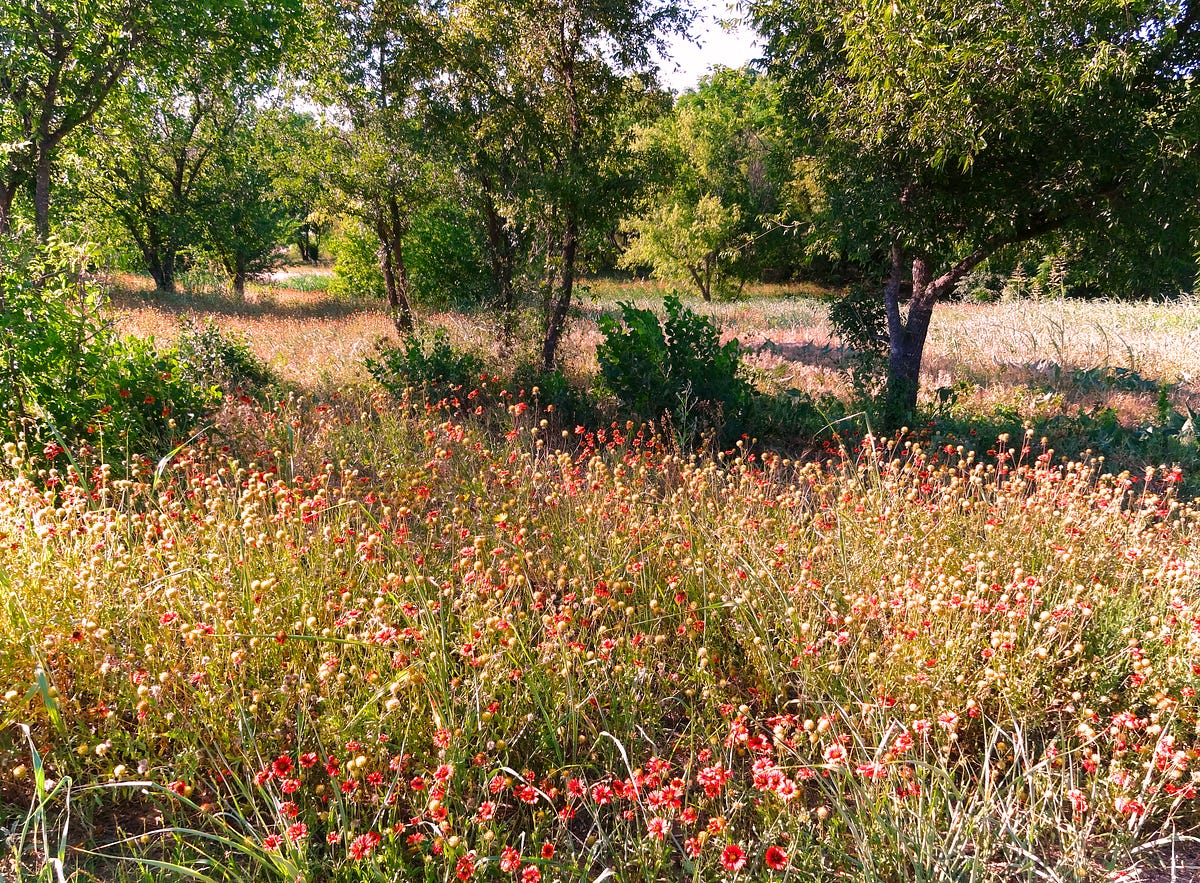
Too early for dinner, we cruised down the road to Llano, leaving the San Saba River behind and seeking the Llano in the city that bore its name. We hiked along the river bank and wondered at sculptures woven into the landscape, they seemed to have sprung up like the wildflowers, unassisted by human hands.

Photo by Terrye Turpin

Photo by Terrye Turpin

Back in San Saba we walked again, this time along a concrete trail through a park along a different river and through stands of pecan trees whose branches weaved overhead like lovers holding hands. Twilight came upon us while we bickered over which path led back to our car. Andrew held out his phone for a flashlight as we traced our steps back, past neon yellow bursts from fireflies waking to search for love. A family of deer lifted their ears and paused in their grazing to mutely ask what we thought we were up to, lingering so long near sundown.

Photo by Terrye Turpin

Photo by Terrye Turpin — Pecan trees in San Saba, Texas

Safely back in our room at the Dofflemyer Hotel, I pushed back the curtains to look down upon a street I imagined traveled by horses instead of Hondas. We turned in early after a snack of pecans roasted in butter and salt and left for us instead of mints on the pillow. I dreamed of Texas, a big land for sure, to hold those whose faith and fitness drew them here. Like the pecan I am native with roots that tap to green river water. If others wonder why I so long linger here, I’ll take a breath to remember the scent of leather boots, the charm of fireflies at dusk, and the graceful bend of prairie grass to wind.

The Changing Room

Photo by Terrye Turpin

The scar on my breast is a dark reddish brown, fading slowly at the edges. It is curved, like a parenthesis. There is a slight indentation, a flat spot under the blemish that shows when I stand in profile. The scar is hidden, even by my most revealing bathing suit. Most of the time I don’t even think about it, except when I’m undressed.

My usual routine when I can’t fall asleep consists of surfing the internet for cat memes and funny videos. The other night I sat up, bolstered on both sides by the collection of pillows my boyfriend and I have on our bed, and picked up my phone. The dark bedroom was lit by the tiny bluish glow from the screen, and I turned the volume down low so that Andrew wouldn’t hear and come in to remind me I had to get up early for work the next day.

I found a comedy sketch on YouTube that started with a woman entering a gym. Her dark hair piled on top of her head, she carries a gym bag over her arm as she walks up to the smiling young woman in a green polo shirt at the front desk. As she signs in an alarm sounds and the uniformed staffer stands up and congratulates the woman. The visitor has just turned forty, and the attendant leads her back to a special area that she is now entitled to enter. It is a changing room filled with naked women. They sprawl on benches and strut around the space without as much as a towel to hide behind. One of the women appears to be shaving her pubic hair. Another lifts her breasts and towels off underneath them. When the birthday girl protests that she’s not that comfortable with nudity, her clothes magically disappear and she’s left standing there, naked. She does, however, still have the gym bag over her arm. The other women gather around to welcome her to “not giving a shit at the gym.”

I have never been comfortable in locker rooms. I don’t like undressing in front of anyone unless they’re going to have sex with me or give me a medical exam. A changing room filled with other people has always necessitated contortions worthy of a gymnast or a Chinese acrobat. I can both remove and replace my bra without taking off my t-shirt. If I’m at the lake I can completely undress and put on a one piece bathing suit while wrapped in a beach towel. It’s not the scrutiny of strangers that bothers me, it’s being seen naked by someone I might encounter later at the grocery store.

Last year, I hesitated when one of my coworker friends invited me to come with her to a Korean spa. My friend is in her thirties, two decades younger than I am. She’s blonde, single, and a frequent shopper at Groupon, where she found a great deal on the spa visits.

“Isn’t there a lot of walking around naked at a Korean spa?” I asked her. It’s one thing to picture people without their clothes when you’re nervous about giving a presentation, but it’s another thing entirely to know exactly what they look like without their underwear. After my friend assured me that the mineral baths were the only area where nudity was required, I went with her, but I arrived later and undressed by myself in a different part of the locker room. I put on the baggy pink shirt and shorts assigned to me by the spa, and wore my bathing suit underneath.

When I told my son Robert about my visit, he encouraged me to go back and try out the mineral baths. “The nude part is no big deal, Mom” he said. Robert makes his living as a plumber, a job requiring both physical skill and tolerance for messy situations. My son is very comfortable with his body. One Christmas he arrived at a gathering of friends and family and announced “I have a new piercing!” I often wish I had his confidence, and that he had my tact.

I considered his suggestion, and I went back to the spa by myself. I decided I would take advantage of every area, including the mineral baths in the women’s locker area. I checked in with the twenty-something year old blonde girl at the counter, and paused before answering “No” when she asked if I would be consuming alcohol. She strapped the electronic device that looked like a watch on my wrist. It stored my credit card information, and I would use it to both open my assigned locker, and pay for any food or drink I might want purchase. It didn’t cover much of my body, but it did eliminate the need for pockets.

After I took off my shoes and socks, I stowed them away in the first locker area and then made my way barefoot down the white tiled hallway toward the changing room. I stopped to pick up the uniform I would wear after the bath. The friendly girl at the counter handed me a folded pair of pink shorts and a faded pink t-shirt and said “Have a good visit!” Because I was still fully dressed, except for my feet, I smiled back at her and said thanks.

After checking to make sure no one there was even remotely familiar, I undressed and stowed my belongings in my locker. Had I spotted my favorite barista from Starbucks the whole deal would have been off, but I bravely set off for the shower area. I discovered that walking naked through a crowded changing room required a degree of relaxed composure I didn’t possess. I couldn’t walk through the place with my eyes closed, but I didn’t want to be seen staring at someone’s nipples either. Direct eye contact is uncomfortable for me. Even if I am fully dressed I tend to look away nervously as if I’ve just stuffed a handful of collection plate money in my purse. I gave up staring at my feet after I almost walked into a column, and finally found that the area between the collarbone and the bottom of a person’s ear lobe is a nice, neutral area. I could avoid both running into obstacles and giving the impression that I wanted to have a conversation.

The glass walls around the mineral bath area were fogged with condensation and as I walked closer, I was greeted with warm, moist air that smelled like chlorine and salt. The first spa had just two women, an elderly Asian grandmother and a middle aged Asian woman who could have been her daughter. Their eyes were closed in blissful relaxation. I lowered myself into the hot whirlpool, and found that if scooted down on the seat around the edge of the bath, the churning water safely concealed most of my body. If I closed my eyes I could imagine myself alone, and not sharing a bath with naked strangers.

Photo by Terrye Turpin

I haven’t been back to the spa since my lumpectomy. The mass in my breast was familiar to me. It was there, in the upper right quadrant of my right breast, a small, hard lump that had been felt, scanned, and needle biopsied in the three years since I first discovered it. But when I went in for my annual well woman checkup, my gynecologist, a young woman with freckles and shiny black hair in a ponytail, paused during the breast exam.

“Was this lump there last year?” She gently tapped her fingers over my breast as I lay on the examining table. I raised my head a little bit to look at her instead of focusing on the many pictures of babies plastered on the walls. Her usual smile was replaced by a slight scowl. We had discussed this same lump last year. I even had a follow up ultrasound, but I felt as though I had conspired to hide this growth from her, maybe tucked away under my shoulder or behind my ear, one of the few places on my body not exposed during the annual exam.

“Yes.” I replied, “But maybe it’s bigger?” At this my doctor nodded her head and sent me off to a mammogram.

“You need an ultrasound.” The female technician, dressed in scrubs patterned with small hearts, frowned at me after the mammogram. Her eyes squinted at the images pinned up on the lightbox. She pushed her glasses up and pointed to the black and white pictures on the lightbox. “You have dense breasts” she said, shaking her head and blowing out a little puff of air. This was not news to me, although her tune was new, I’d heard the same refrain throughout my adult, yearly mammogram life.

I took my dense, uncooperative breasts for an ultrasound, which led to a referral to a specialist, a breast surgeon. My familiar lump had grown from the size of a small pea to slightly larger than a marble in the space of a year. The radiologist, a young man with dark hair and serious, black framed glasses, told me the growth did not look like cancer, but I would need a biopsy to be sure. The diagnosis read “Intermediate suspicion of malignancy”, which I took to mean I should make the appointment with the surgeon soon.

The next month I had the first surgery and a biopsy of the tumor. The week after that I met with my surgeon, a slim woman with a slight southern accent and soft, sure hands. Her walls were decorated with reassuring accolades and degrees. I sat on the examining table at her office and listened while she looked over the incision on my breast and discussed the lab results. The paper on the table crinkled as I shifted position.

“You have a phyllodes tumor” she explained. She went on to say that it wasn’t malignant, but that sometimes these tumors can come back, and develop into malignancies. “They are nasty” she said. I imagined a face on my tumor, like the Grinch from How the Grinch Stole Christmas. Nasty. I could choose to have her go back and remove the rest of the tumor, and the margins of tissue around it, or I could wait and monitor it with screenings. I imagined myself crossing off the days on the calendar until my insurance would cover the next ultrasound. I knew that I would feel the need to constantly check my breast, fingers measuring the skin over the lump, comparing and wondering if it had grown. If this urge overtook me in the grocery store check-out line it might be disturbing to the cashiers, so I chose the second surgery.

The scar, like the memory of the surgery that created it, fades more each day. Like the other bumps, stretch marks, and wrinkles, it is just a punctuation mark on my body, the grammar to my life story. If I were naked, the scar might require an explanation. I’m not embarrassed by it, but by the assumptions that might come from its presence. It is a purple heart from a battle that I did not have to fight.

I pull the covers up to my chin and slip down in my bed. The sheets smell pleasantly of floral fabric softener and they feel softly worn against my skin. I queue up the video again on my phone, and watch as the woman enters the gym. Once more the alarm sounds and the smiling attendant takes the lucky lady back to the changing room. The light from my phone screen lights up my face in the dark as I watch the naked women greet the newcomer. They all seem happy and relaxed, like friends I believe I would like to meet for coffee. I hear their laughter echo against the metal cabinets, as though from a distance. I think that maybe I am getting closer to where they are, in that kind and accepting place where everyone is welcome, as long as they are at least forty. As I turn off my phone for the night I take comfort in the thought that somewhere there is a room, a place for women, where no explanations or apologies are needed, and no one there gives a shit.

Originally published in The Same.

Nature Calls

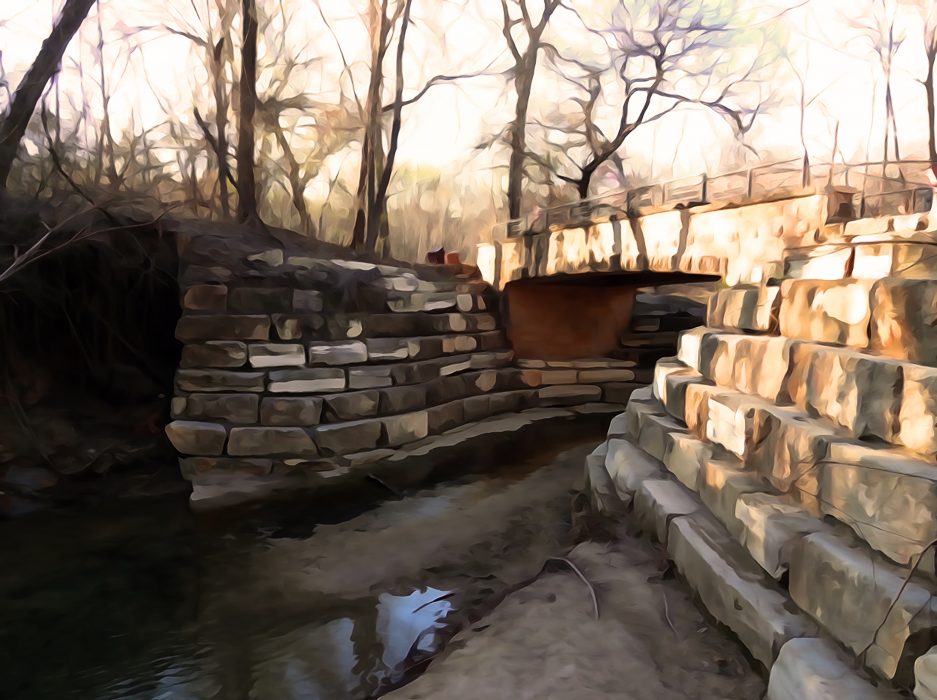
The Bridge at Arbor Hills Nature Preserve Photo by Terrye Turpin

The Artist Challenge

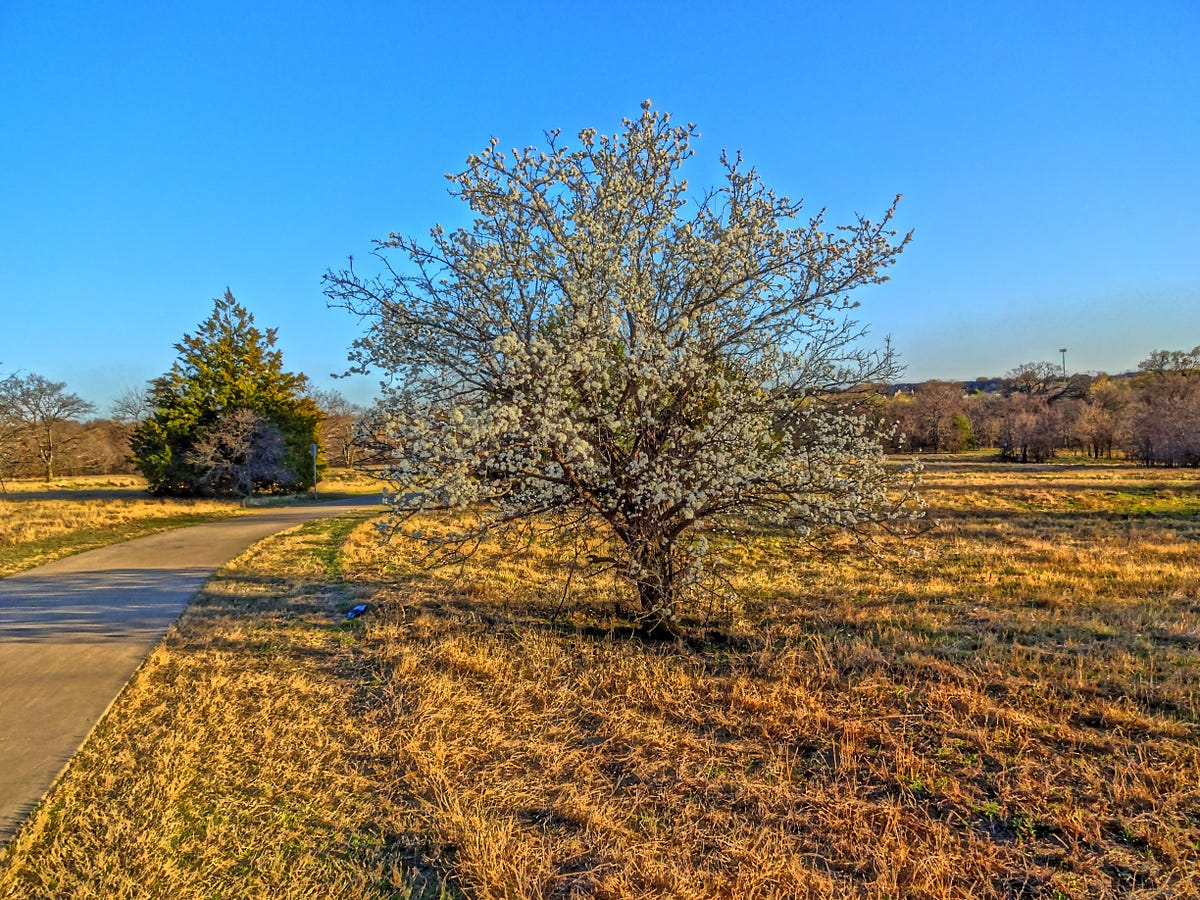
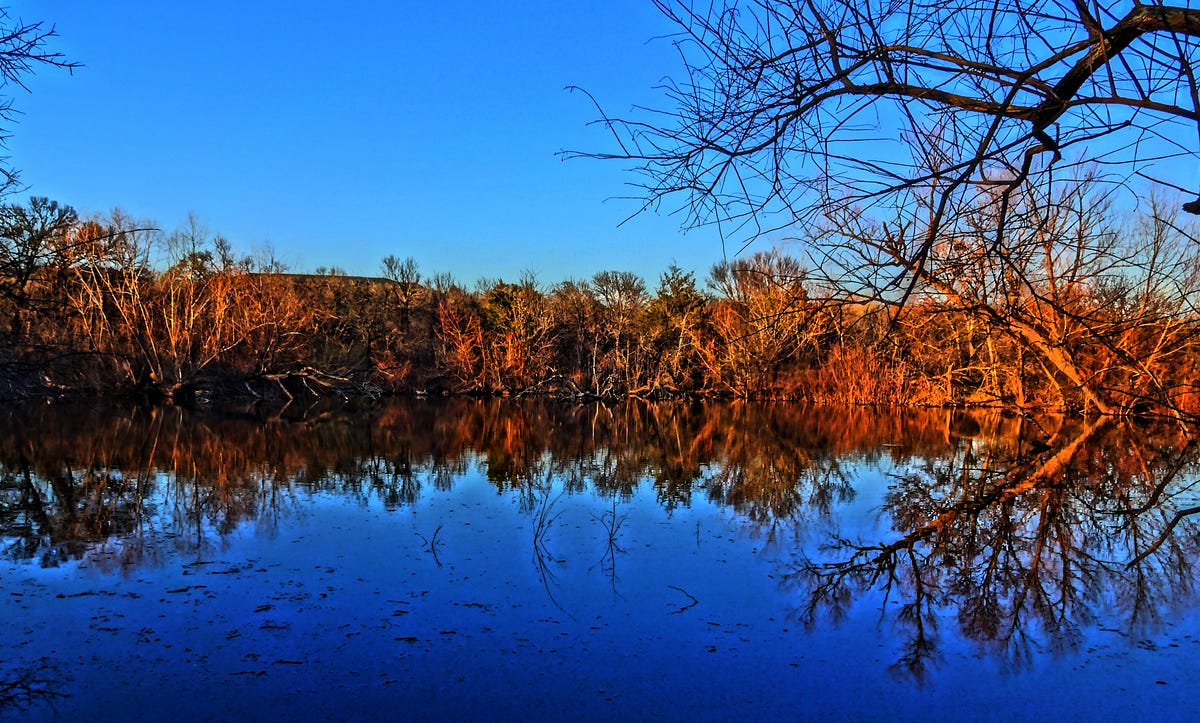
The first three photographs, the bridge, the concrete trail, and the pond, were taken with my little point and shoot Sony Cyber-shot using the “Painting” filter on the camera.

The Concrete Trail Arbor Hills Nature Preserve Photo by Terrye Turpin

The Pond Arbor Hills Nature Preserve Photo by Terrye Turpin

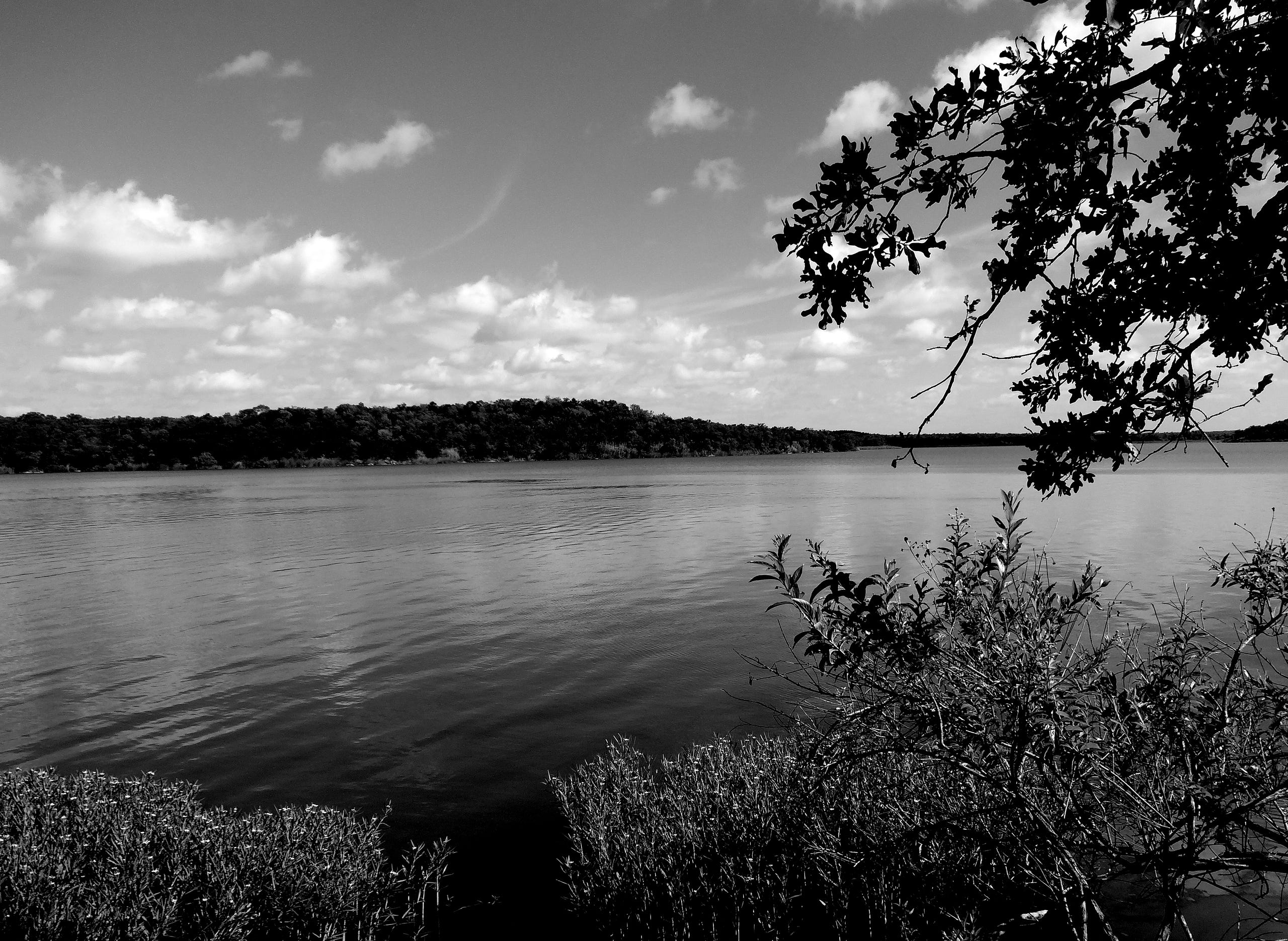
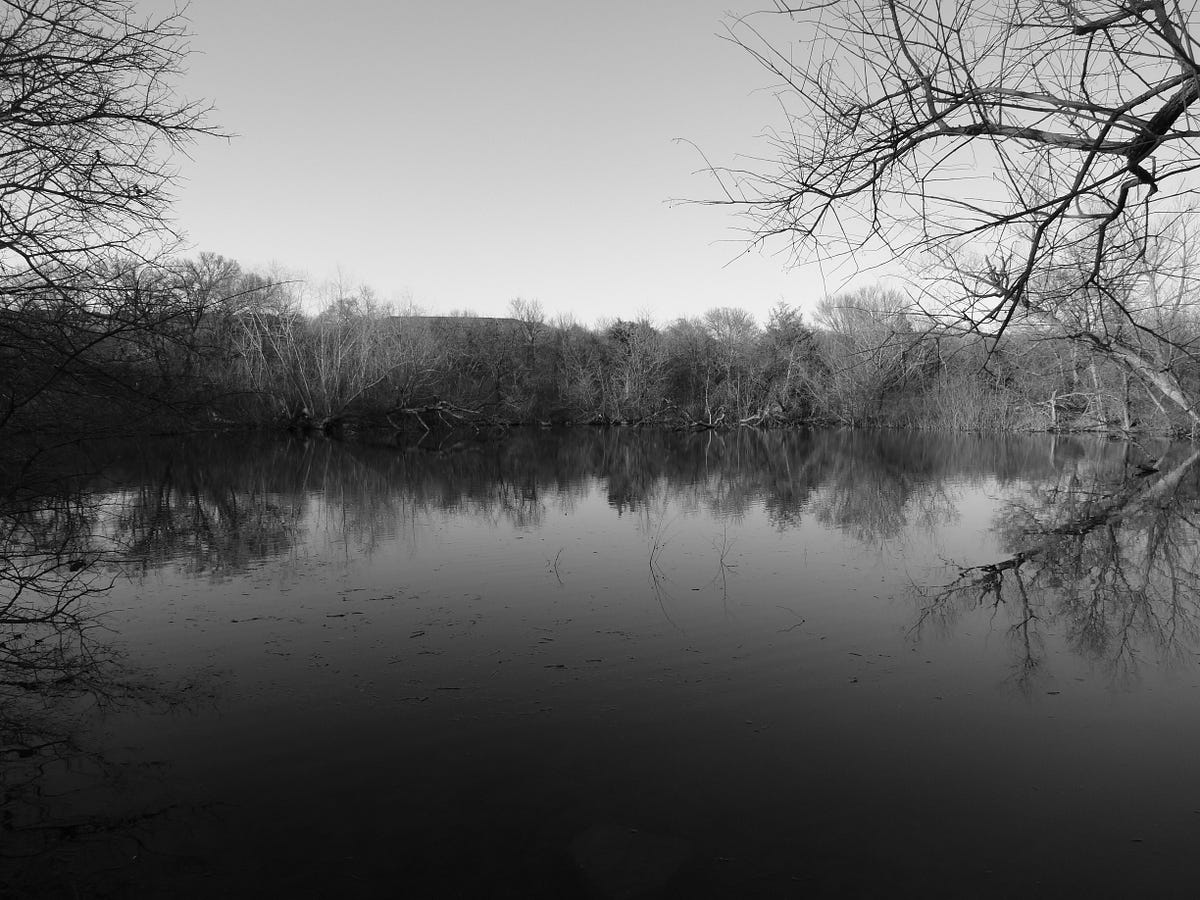
The photo below is a slightly different view of the pond at Arbor Hills Nature Preserve, without the “Painting” filter and edited to black and white.

Photo by Terrye Turpin

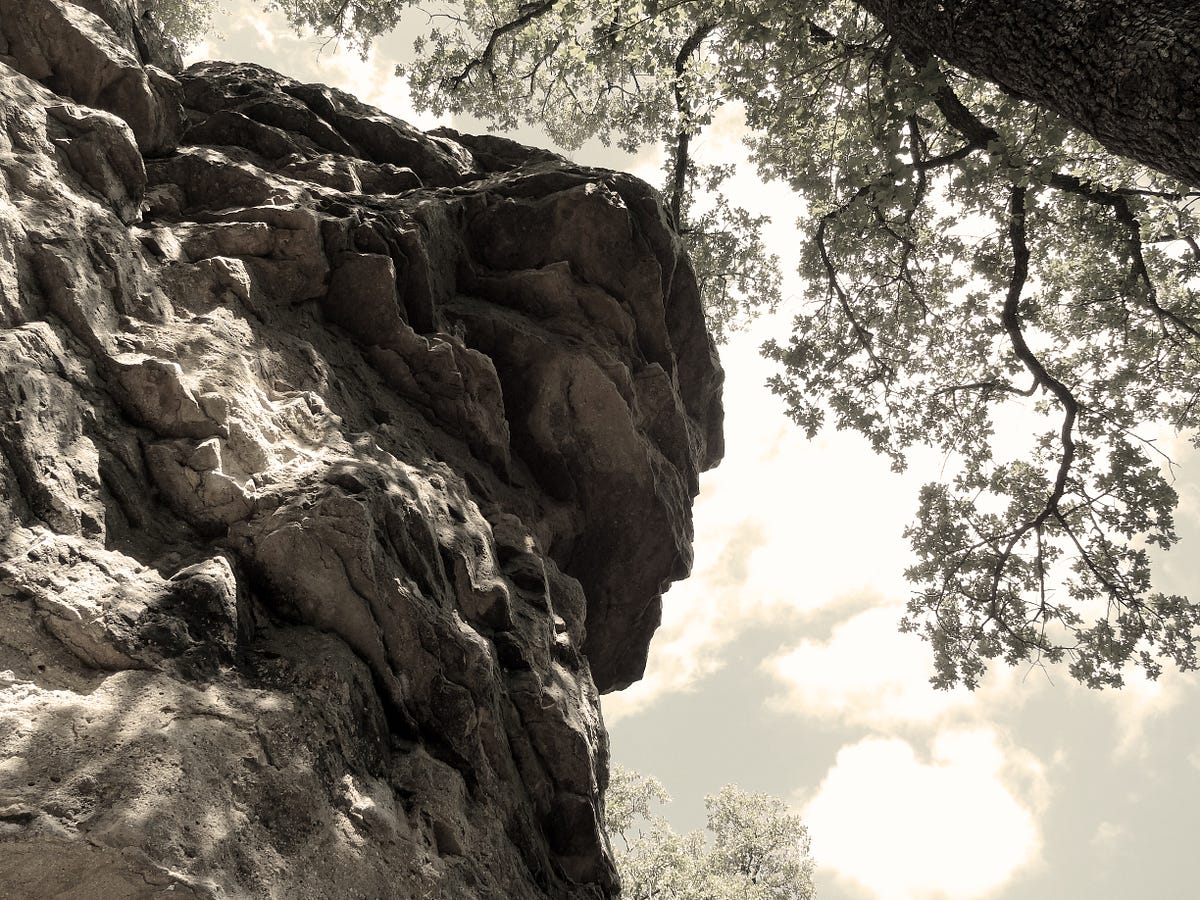
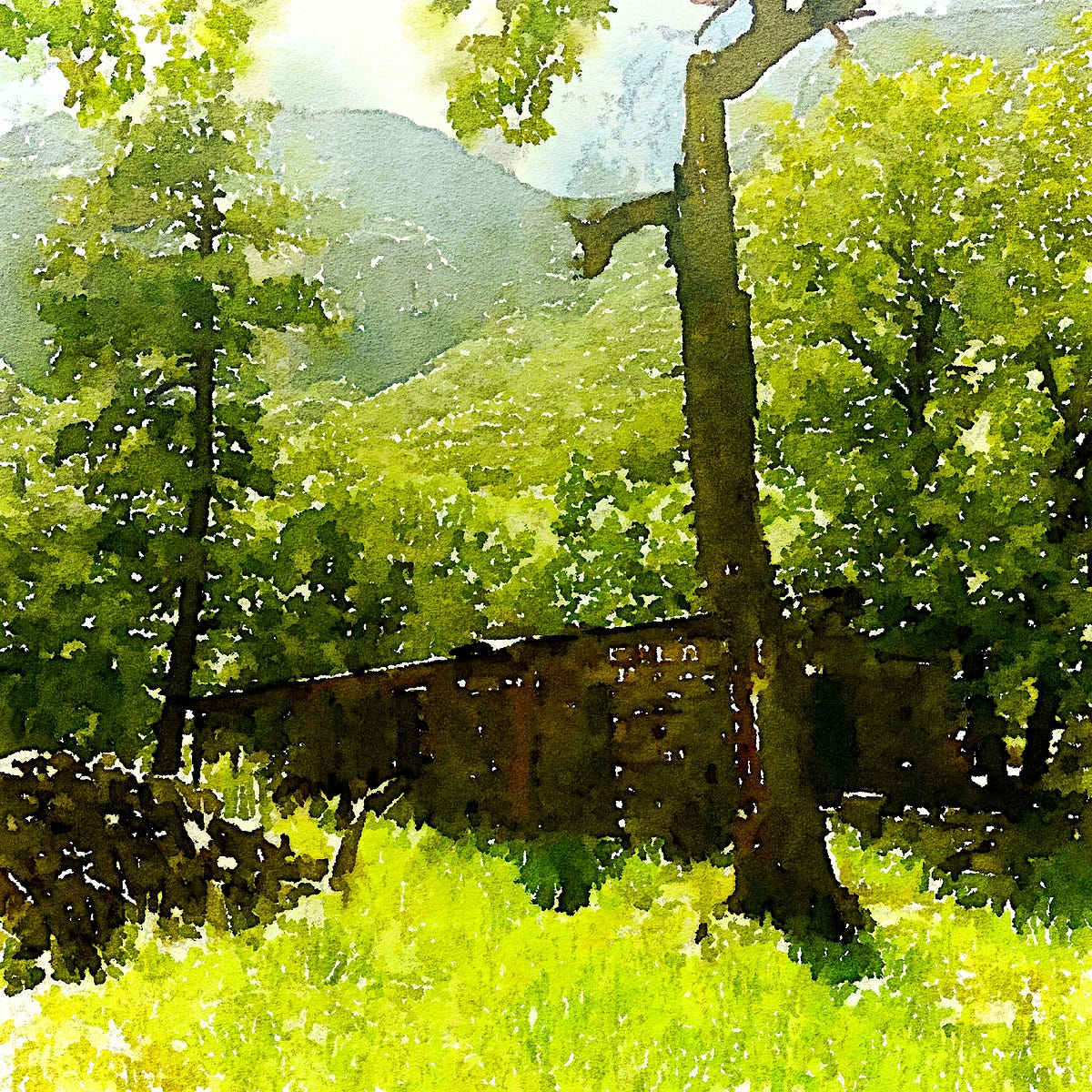
The photo below was taken at Guadalupe Mountains National Park with my iPhone 6 plus, and edited with the Waterlogue app on my phone.

Photo by Terrye Turpin

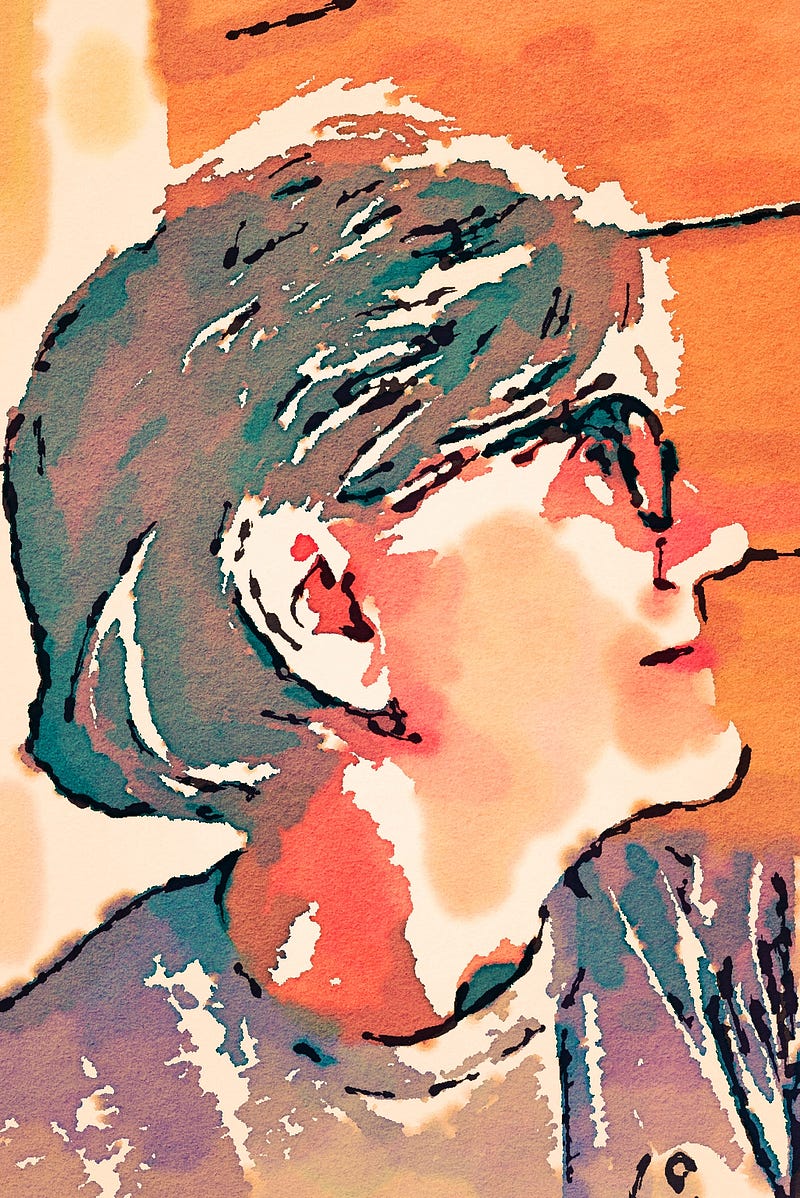
Finally, a self portrait, taken with my iPhone 6 plus, and edited with the Waterlogue app.

Self Portrait by Terrye Turpin

I look much younger in watercolor.

Once for Yes and Twice for No

Photo by Terrye Turpin- seen in an antique store in Denison, Texas

“Do you love me?” she asked.

“Clap once for yes and twice for no.”

He froze, too long considering his reply.

Photo by Terrye Turpin — Denison, Texas

The Guardian


To her chagrin, she discovered that the entrance to the underworld was not guarded by Cerberus, the monstrous three-headed dog, but rather by a small, disgruntled toad.

Hello From the 1960’s

At three years old, I’ve never worn this much makeup since.

Mini me challenge

I was born on my mother’s 42nd birthday, an unexpected present.

My siblings were all much older than me, the youngest were the twins, my brother Ronnie and sister Janice. They were teenagers when I was born.

Christmas Day 1963

For playmates I had dolls and stuffed animals and imaginary friends.

Papa Bear in his well deserved retirement.

Some of them are still around.

Online Dating Tips for Senior Citizens

A Guide for the Out of Practice Romantic

Photo by Terrye Turpin

After my divorce, I decided to try online dating. Any sane person would not take back up an activity they hadn’t pursued in over 30 years. I was caught up on all the past seasons of Grey’s Anatomy and I needed something to do in the evenings. My friends warned me that the internet was filled with people who wanted to murder me and/or steal all my money. Despite this I gave OK Cupid a try, and eventually met my fiance. I am still alive and I have most of the money I started with, so I consider my experience a success.

If, like me, your last real date occurred when shoulder pads and parachute pants were a thing, these tips are for you.

1. Chose Your Platform

While there are a great number of programs available, I advise you to pass on Tinder. You don’t want to take the chance of one of your grandkids swiping right on your profile.

Try out one of the free sites first, then if you decide to spend some money on a subscription, talk it over with your kids. With a little bit of persuasion you should be able to get them to kick in on the cost. Tell them you’re afraid of dying alone. If that doesn’t work, mention that you plan on moving in with them so they can support you in your golden years.

2. Create a Snazzy Profile

Here I am meeting new friends in Ennis, Texas

Pick out some flattering photos, preferably ones that show you participating in interesting activities.

Guys, don’t send pictures of yourself shirtless. Unless you’re planning on spending the first date at a sauna, she can wait to see you naked.

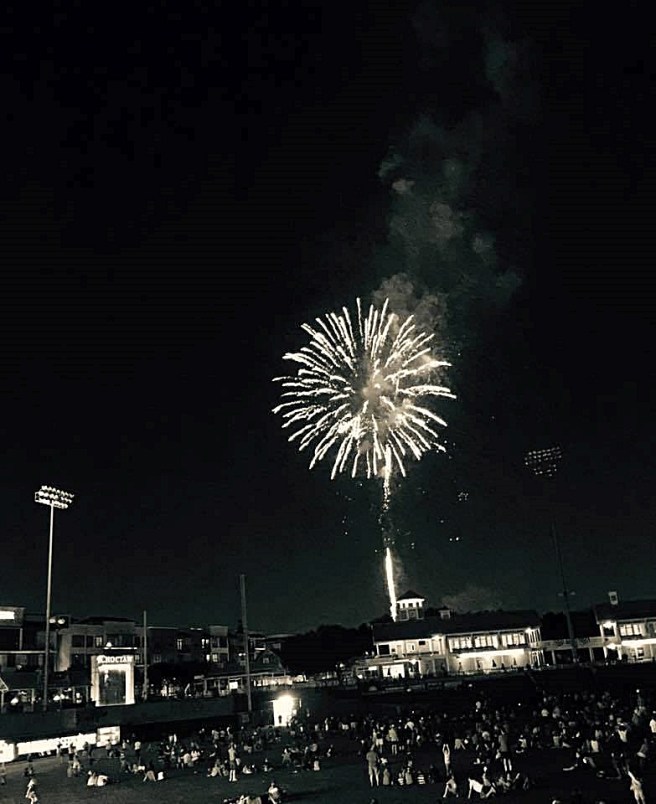
Fourth of July — I love a good celebration!

The turtle is not real

Include photos of your pets, always good for a conversation starter.

Leave off the pictures of your car, motorcycle, vacation home, or boat. You aren’t creating a For Sale ad on Craigslist.

If you post photos of yourself wearing a hat, put at least one in there without the hat. Potential dates want to know you aren’t hiding a third eye or evil alien twin under there. They really don’t care about your bald spot.

3. Communicate

A magic candle won’t hurt your chances

The initial conversation after you match with someone is important. There are only so many times you can message someone “Hi! How are you?” before you should move on to chatting about the weather.

Ask questions to get to know the other person. “Do you have a job?” is a good icebreaker. Try and sort out the difference between “retired” and “unemployed.” Either way they will have plenty of free time to spend with you.

Decide on an acceptable age difference. For example, I felt that the person I dated should be closer in age to me than he was to the age of my oldest child. This requires some math, but it’s good to keep your brain active. Try and sort out the age thing ahead of time, that way you aren’t at the first date crunching numbers on your phone’s calculator and pretending that you’re checking the weather.

Be cautious if your match asks if you like children. We all know we’re past reproduction age. If you say “yes” chances are you’ll wind up babysitting their grandkids.

4. Meeting Your Match in Real Life!

Maybe not the best place for a stroll

The first time you meet your match in real life is exciting, but try not to get carried away. Literally, I mean. Until you’re sure that person isn’t a serial killer, don’t get in the car on the first date. Take their picture and their fingerprints and text them to everyone on your contacts list.

I have a friend who got in the car on the first date, and it didn’t end well. She wasn’t killed, but the car broke down and her date texted his ex-wife to come pick them up. They all wound up at his ex-mother-in-laws house and she spent the rest of the evening watching Matlock while they waited for a tow truck.

Meeting up to do volunteer work can be fun, but make sure you’re actually doing the work for Habitat for Humanity and not just painting his or her apartment.

Turn on those location services!

For our first date my fiance met me at a local park. It was more of a nature preserve, with lots of brush and ground cover. I made sure the location services on my phone were turned on, in case the police needed to locate my body later.

He seemed all right after that first meeting, so for our second date I invited him to my place to assemble some IKEA furniture. When he stuck around after that I knew we were a good match.

In conclusion, don’t be afraid to get out there, you probably won’t be murdered.

Smoke Rings Like Halos

My mother, Christine, as a teenager

Sometimes I’ll strike a match, and the sulfur scent brings back that sweet tobacco taste from the first draw on a fresh cigarette. I remember the blue-white smoke curling in tendrils and the hot orange glow of embers illuminating a dark room like secrets shared. Cigarettes were a secret I kept hidden from my mother.

I picked up smoking in college. Away from home on the first lap toward adulthood, I embraced every bad habit I had once railed against. My mother didn’t smoke, but my father did. He wasn’t allowed to smoke in the house, and during my childhood, before their divorce, he sat in a metal glider in the backyard while I lectured him on the evils of nicotine. I accepted, however, the little brown and cream colored coupons from the packs of his Raleigh smokes. You could exchange them for prizes in a catalog, and I was saving up for a transistor radio.

My cigarettes were Benson and Hedges Deluxe Ultra Lights — menthol. Inhaling one of those was like smoking a breath mint. My path through higher education started while the legal drinking age was eighteen. Cigarettes were cheaper than alcohol back then so I exchanged my bottle thick glasses for contact lens and imagined myself in an old black and white movie. I played at cool and sophisticated while I tried and failed to produce a perfect smoke ring.

I balanced painful shyness with a desire to separate from my mother and went away to school a mere 52 miles from what I left behind. When I gazed at the view from my dorm room balcony, I saw the highway that led back to my hometown, a straight asphalt line like an arrow over the horizon.

College was an escape from my mother’s obsessive compulsive disorder. In my mother’s house each daily routine magnified into a complex ritual. Simple tasks like dusting became chores that lasted half a day because every ceramic bird or glass vase had to be removed then placed back in the same position. If they were moved even one quarter of an inch I would have to start the whole task over again.

Home on weekends and holidays it was easy to hide the smoke odor on my clothes. Each time I entered the house I had to stop, strip naked in the laundry room, and drop my clothes in the washer. I walked naked to the bathroom where I showered and scrubbed off the outside world. The whole process would have come in handy at a nuclear power plant.

One weekend my mother announced that she would come visit me on campus. I broke the news the day before her arrival to Ann, my best friend since elementary school, and now, roommate. Ann glanced around our dorm and asked, “Does this mean we need to dust?”

“No,” I replied, then suggested we open the windows and turn off the lights. Books, papers, food wrappers, and discarded clothing covered the surfaces in our room. There was a noticeable coating of dust on our bookcase, which held not books but an assortment of empty liquor bottles.

My mother showed up wearing a light blue polyester pant suit she’d had at least six years. That pantsuit, with easy to wash material and elastic waist pants, was her uniform of choice whenever she left the house. She had other clothes, but she chose the comfort of the familiar over style. I led my mom on a speedy tour of the campus, avoiding any place where I might be recognized. We picked up a pizza to share with Ann back at the dorm.

After we ate we all leaned back, drowsy the way you are after a large meal. The room smelled of pepperoni and as I pushed aside the empty cardboard pizza box, I thought about how much I would like a cigarette. My mother opened her bag, the size and shape of a small black leather suitcase, and bent over to fish around inside it. She set things aside, not looking at them as she searched through her purse. Out came a lipstick, a coin purse, her wallet, and right before she found the tissue she was searching for, she pulled out and set down a pack of cigarettes.

“When did you start smoking?” I asked. I wondered how she got around washing the packs before she opened them.

“Oh, it’s a bad habit I used to have, I’ll quit again soon.”

I wouldn’t have been more surprised if she had confessed to being a serial killer. I laughed and brought out my own pack, then asked if she wanted to step out onto the balcony.

From left to right — my father, mother and my Uncle Buddy

Years later I would discover old photographs, tucked away in albums and stashed hidden in a desk drawer, and in them my mother posed in high heels and dresses. It was hard for me to reconcile the woman she had become, the one who had to wash every grocery item before she stored it away in the pantry, with the smiling woman in the sepia tinted photos.

My mom eloped and got married at fifteen, worked as a cook on a farm cooperative, had seven children, and divorced my dad when I was thirteen. Back then I feared that I would become my mother. As though genetics would dictate I inherit not only her nose and her eyes, but her personality, her failings, her mental illness.

My mother

We drew on our cigarettes and stared out over the silent courtyard below. The lights from passing cars flashed along the stretch of dark highway that led back toward my hometown. I glanced over at my mother, dressed in her familiar pant suit as she stood beside me, the smoke from our cigarettes curling over our heads like wispy halos.

Don’t Fence Me In Wichita Falls

My fiance, Andrew, loves Wichita Falls. We drove up there this weekend and he pitched an earnest plea for us to buy his childhood home.

Childhood home

Besides the lack of a down payment, I was not swayed by the quaint architecture or the quiet neighborhood.

“They had Fox News playing in the hotel dining room,” I said.

The hotel featured full length mirrors at the end of every hallway. Every time I passed one it startled me, as though I were encountering myself in some other dimension. They also served to remind me that I didn’t need that cinnamon bun from the breakfast buffet. The atmosphere was somewhere between The Shining and The Biggest Loser.

Full Length Mirror

“Oh that’s just the hotel,” Andrew replied. “The only public liberal arts school in Texas is here.”

The oil boom and bust left Wichita Falls stranded like a second string prom date. The city is filled with empty high rise buildings, evacuated like the set of a dystopian movie. Something with zombies or plague. But it’s also lovely and stocked with my favorite sort of shops – cheap antique stores and artsy coffee shops.

Wichita Tower

old building

Coca Cola old building
I took this photo standing in the middle of the street while Andrew was distracted by a window display.

Wichita Falls is home to the World’s Smallest Skyscraper, the Newby – McMahon building. A con artist collected money from investors in 1919 and proposed to construct a high rise office building, but the oil men he conned didn’t notice that the blueprints listed the size in inches, not feet.

Little Skyscraper front
World’s Smallest Skyscraper
Forever and a Day
There are also several breweries in downtown Wichita Falls

Fuzzy Hat

We’re getting married in October, and I found this floofy hat that I thought I might wear, but Andrew made the same sort of face I made when he suggested moving to Wichita Falls.

I’ve been thinking about wedding vows, and I don’t think I will include Ruth 1:16 “Where you go I will go, and where you stay I will stay. Your people will be my people.”

Poodle Wichita Falls

I had to kneel down to get this shot. When I tried to stand up my knees locked and I waved at Andrew to try and get his attention, but he was looking at real estate listings on his phone and didn’t see me. I grabbed his arm and managed to pull myself up as I decided all future photography would be taken at eye level.

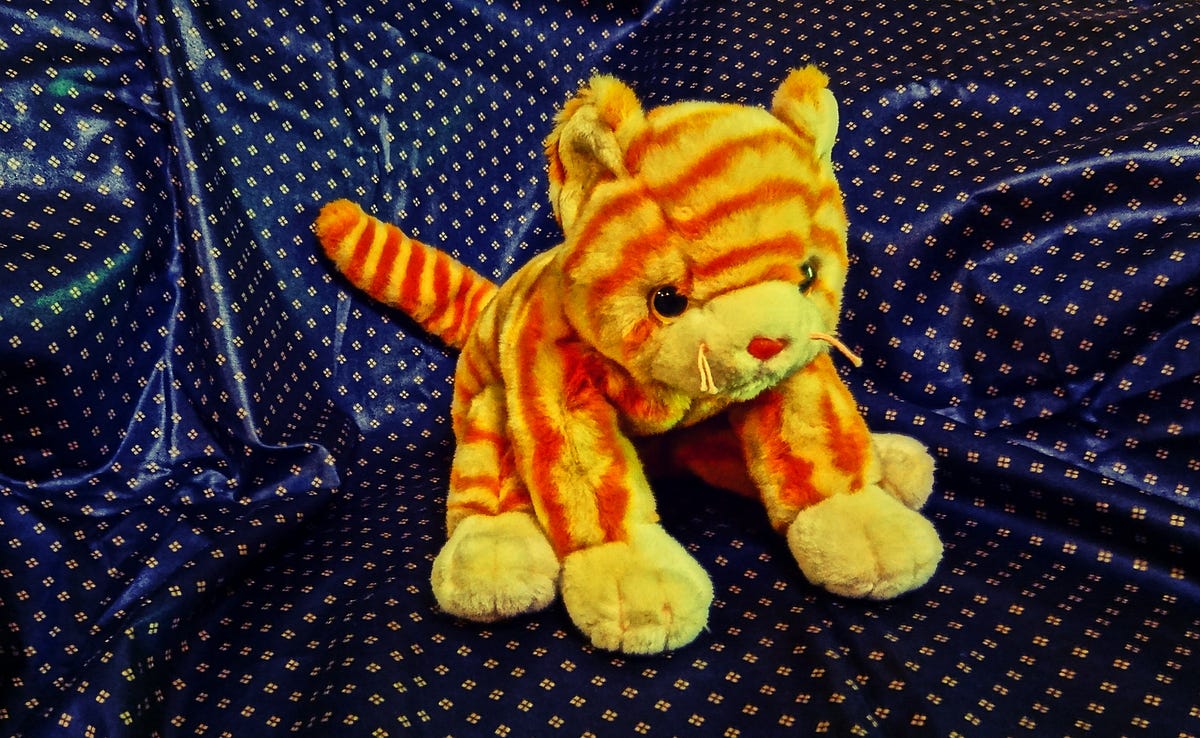
Cat on a chair
I don’t know if this was an actual cat before it was stuffed.

As we drove around Wichita Falls I noticed an interesting art display near a large, spooky building that turned out to be a grain elevator.

Attebury Grain

Don't Fence Me In

I convinced Andrew to pull over so I could take some pictures.

More fencesFences and Attebury

Andrew standing at fence
Here’s Andrew, peeking out to see if I had finished taking pictures.

As we strolled past a construction worker spray painting a store front, Andrew remarked on how well they were doing, renovating the downtown area.

“I still don’t want to move here though,” I said. “And don’t think the 6,000 liberal arts students will sway me either.”

In the last place we stopped I wandered away from Andrew, drawn to a display of vintage clothing. Nothing fit, the folks were all much smaller back then. You never see that in time travel movies, but really us future folk would be giants. I turned a corner, looking for Andrew, and ran into this guy.

Lion Guy

I don’t know what’s more startling, the lion head or the bare feet.

I weaved through aisles of antique glassware, stacks of crumbling books, and bins filled with old records in cardboard jackets. I couldn’t find Andrew and just as I stopped to take a deep breath, he popped up from behind an antique wardrobe.

“I’d know that sigh anywhere,” he said.

I was glad to see him, and glad to load up the car with our purchases and head home. Maybe I could change that verse a bit, make it “Where you will go I will go, as long as it’s convenient to a nice shopping area and has a hospital with a good reputation. Along with reasonable real estate prices and a decent commute to work and a theater.”

Rooster 1

The Care of Cast Iron

My mother on the far left, cooking over an open fire.

I cannot find my mother’s frying pan. The one she gave me before she moved into the nursing home, before she died, and after she stopped cooking for herself.

Her hands were rough, large and knotted with arthritis. They shook as she held out the frying pan. “You want this?” she asked as she picked up the heavy skillet from the inside of the oven where she stored her pots and pans. I took it because it was one of the few things in her apartment that didn’t smell like pine cleaner.

Other people hold on to things. They remember birthdays and anniversaries, and know exactly who inherited their grandmother’s silver. I misplace my scissors and the remote to the television but you would think something large and useful like a frying pan wouldn’t just float off out of sight.

My parents started their married life as farmworkers. My father drove a combine, and my mother cooked for the field hands in the 1930’s. She didn’t speak of it much. I am left to picture her aproned and bending to tend to a wood fired stove and stooping to wipe the sweat from her forehead with the back of her hand. After the farm job she cooked for her husband and children and then just for herself and me, the last in the line of seven offspring.

Her cast iron skillet had a surface polished mirror smooth and jet black from years of fried potatoes, scrambled eggs, pork chops, and scratch made pancakes with golden brown circles dotted with pale spots where the butter melted. I was in high school when my parents divorced and our meals changed to things barely recognizable as food.

My mom, with her eighth grade education, found work as a housekeeper. She spent long days cleaning and cooking for other people, so at home we had frozen pizzas, chili and soup from a can. Evenings we settled in front of the television and suffered through boil-in-bag meals, little plastic packets pulled from the freezer and dunked into boiling water to cook. We dumped the contents out and spooned up Chicken a la King or Salisbury steak over instant potatoes. The boil-in-bag meals had an unpleasant aftertaste, like you had licked a plastic bucket and decided to melt it and serve it for dinner.

Married with two children, I had a frying pan when my mother gave me hers. My cast iron skillet was new and not well seasoned, the surface still pitted with small imperfections.

I didn’t notice when my mother stopped eating. She didn’t trust food prepared by others. She quit attending holiday meals, refusing even the plates brought to her by family. She liked hamburgers from Wendy’s so I often picked up a burger and fries to drop off on my way home. I have worked in fast food restaurants, but I never mentioned that her meal had most likely been prepared by someone with tattoos and a nose ring.

The microwave confused her, and she never learned how to use the one in her apartment. On our weekly trips to the grocery store she bought whatever frozen meal she could cook in her toaster oven. I carried her groceries in and stood in the entryway while she took off her shoes. One by one she ferried the items to the kitchen counter where she washed each box and bottle in harsh cleaner before putting them away.

My mother’s mental illness went untreated for most of her life. The obsessive compulsive disorder that locked her into rituals of cleaning didn’t appear until most of my brothers and sisters had grown up and left her house. I guess it might have been worse for me, growing up in a home with easy to mop vinyl floors in every room. At least she wasn’t a hoarder. I had to strip my clothes off and toss them into the washer before I walked through the living room but I didn’t have to wonder if there was a dead cat hidden under the couch.

She lived alone, in an apartment complex for senior citizens. They had a concierge to carry off the trash, so I didn’t notice the empty peanut butter jars that stuffed the bags of garbage while unused dinners filled the freezer. She began phoning 911, certain she was having a heart attack. I made the twenty minute drive from my house, arriving in time to find her sitting up and flirting with the young, attractive emergency medical technicians. When I mentioned the dizziness and confusion to her doctor, he suggested that it might be caused by malnutrition.

My mother’s frying pan stayed stashed in the cupboard. I don’t remember packing it up when I moved out of our house after my divorce, but I must have. There’s a vague memory of giving it to one of my grown children, but when I asked they both could not remember anything about it.

“I have a skillet, but it’s not that old,” said one.

“I think I got mine at Goodwill,” the other replied to my text.

To properly season a new cast iron skillet you must first scrub it with hot, soapy water to remove the grime from manufacturing. You dry the pan, rub the surface with oil and bake it for one hour at 375 degrees. I wish I remembered what I did with my mother’s frying pan. If I made a gift of it, I wish I had given it with the ceremony and pomp it deserved. Perhaps then one of us would recollect where they’d last seen it. A seasoned cast iron skillet will last a lifetime, and heat and use will wear the surface smooth and brilliant and precious.