Gardening in the Apocalypse

Bunnies and humans are a greater threat than zombies

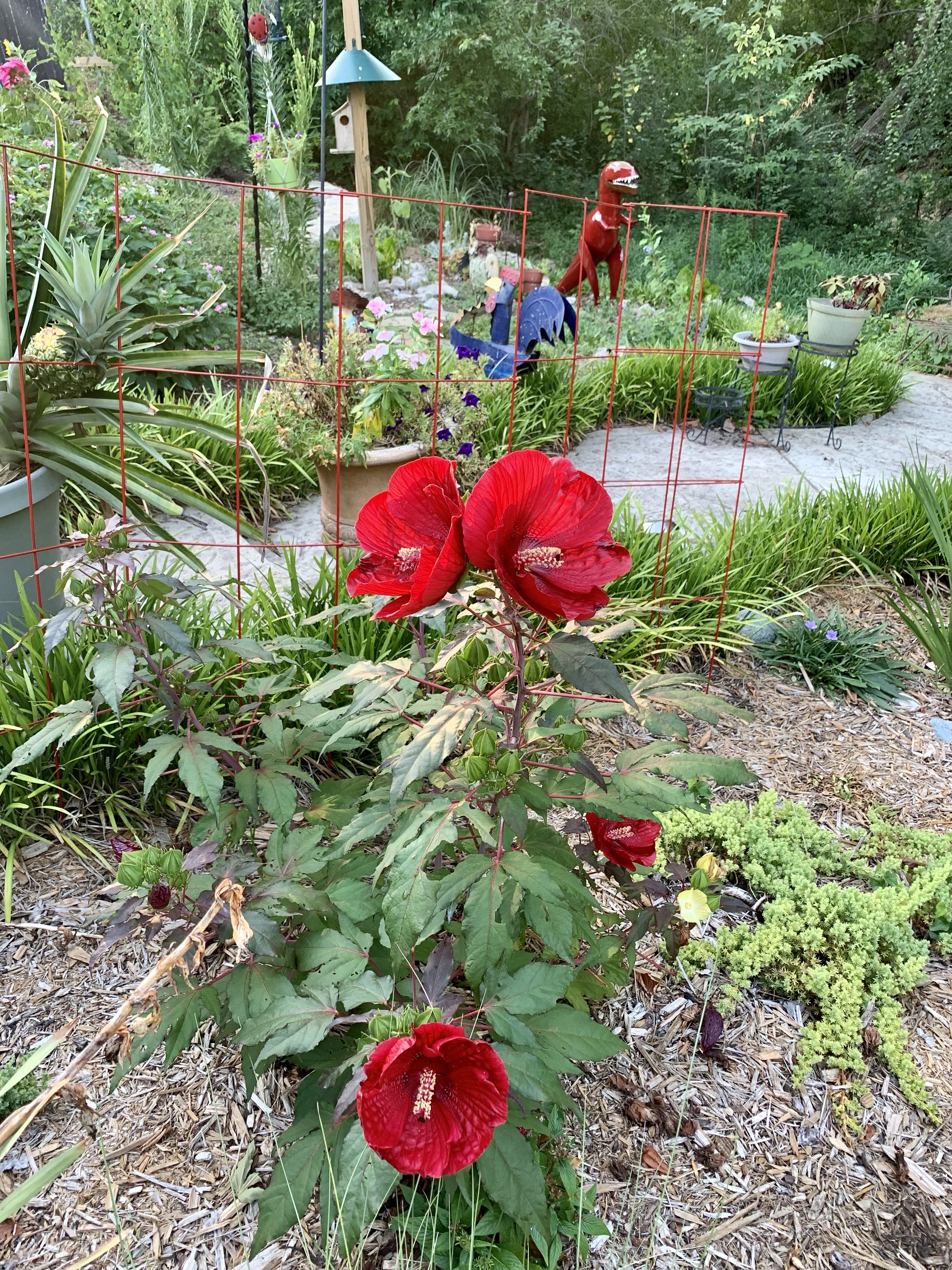
Our garden – guarded by metal chickens and a t-rex

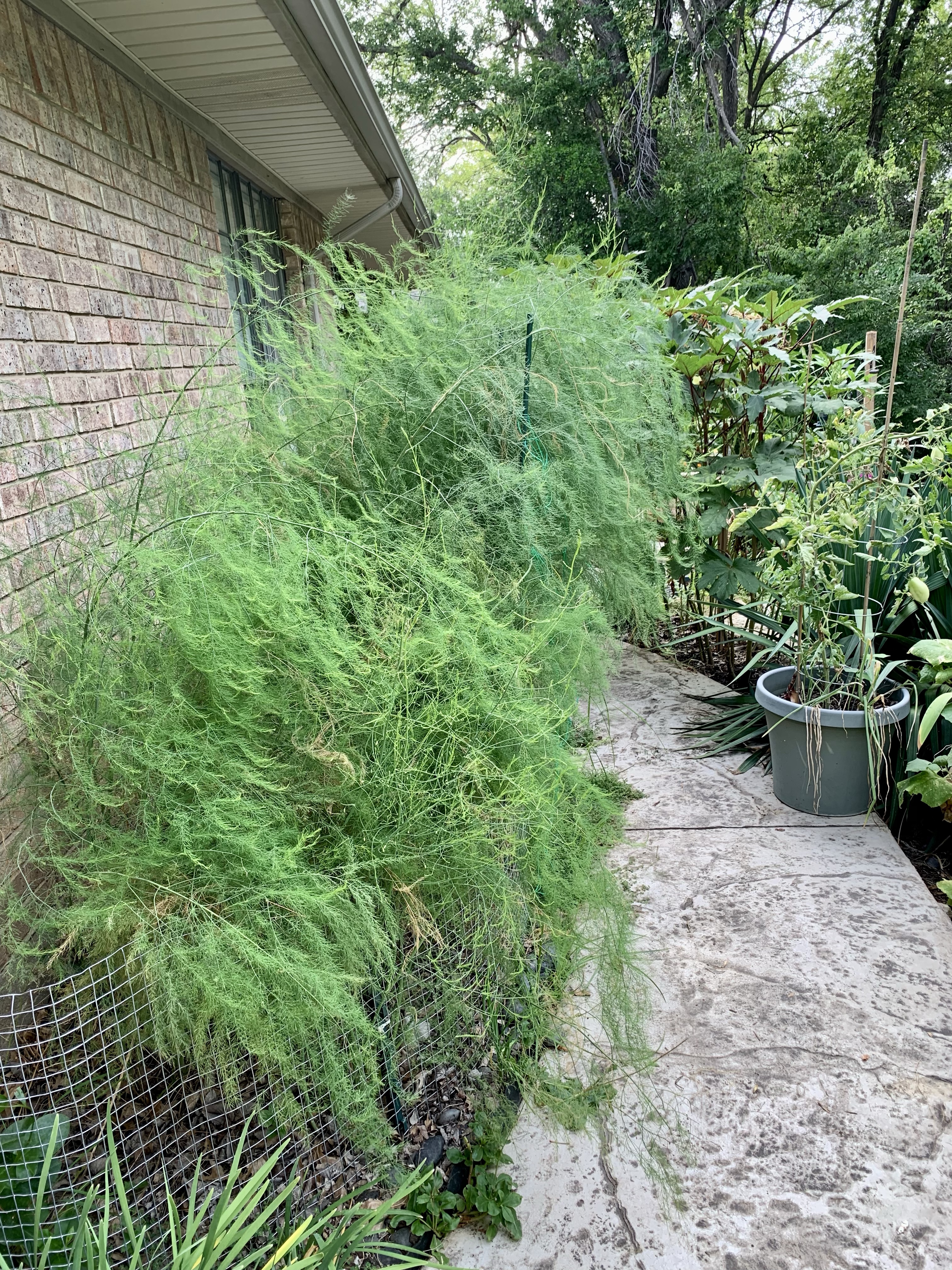
Here in Texas we are finishing another week of 100 plus degree temperatures. So far the tropical plants – the hibiscus, okra, wax mallow, and the Rose of Sharon – are thriving. But not all plants, nor all humans, are designed to survive in a climate akin to a blast furnace. While the mallow gang laugh at August, my tomatoes have wilted, the peppers gave up their blooms, and the vining plants dried up and crumbled off their stakes. Somehow the asparagus continues to force out new sprouts. I planted the roots two years ago, so next year will be the year of spears. The ferns have overgrown their little patch, hanging over the sidewalk so they brush against me when I wander past. I can’t resist running my hands through the soft tops and whispering to them, “Soon.”

The asparagus patch

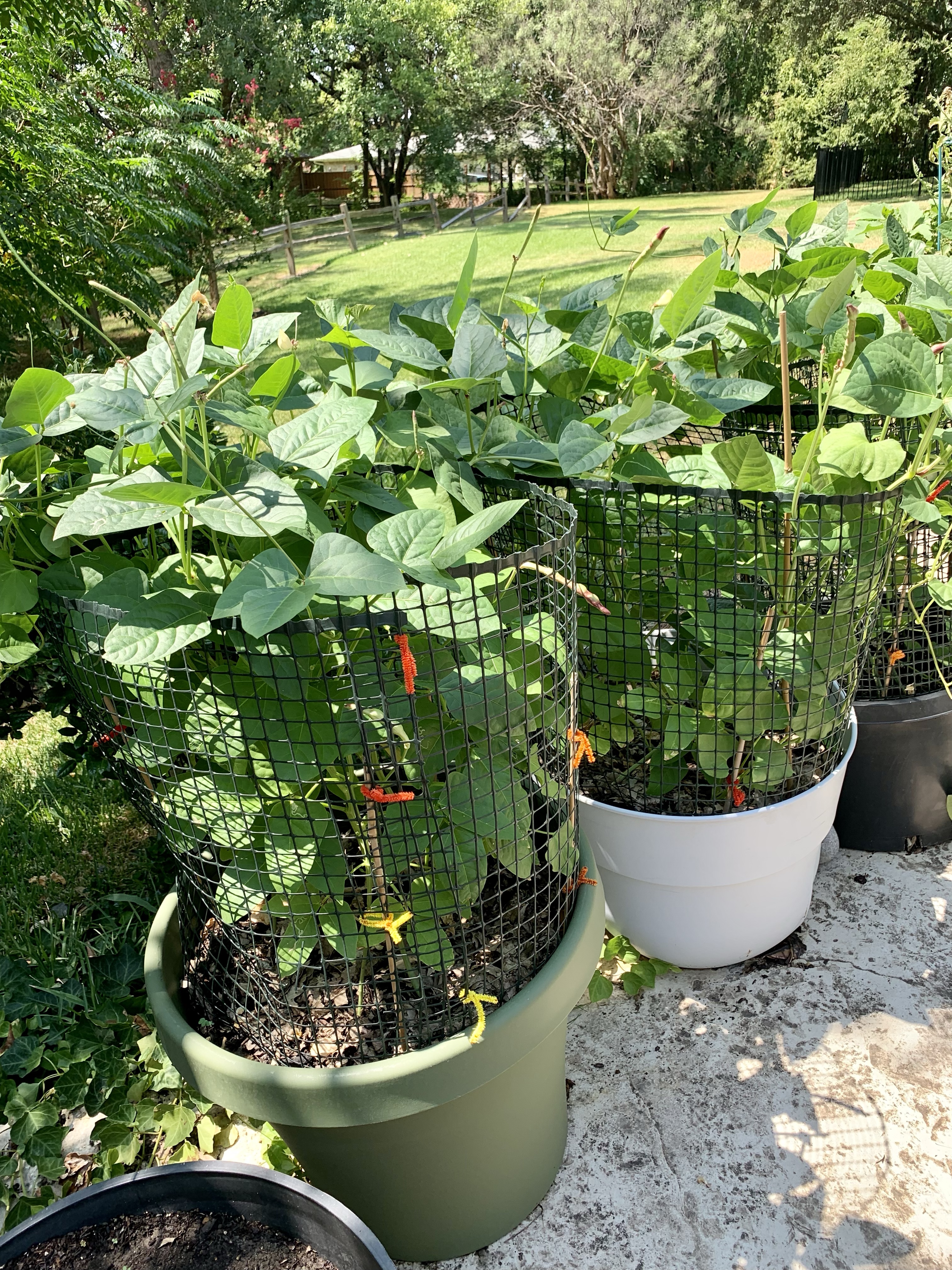
Right after the asparagus began shooting up spears, I noticed that overnight the plants would disappear. Rabbits, I discovered, like the taste of fresh asparagus. The greater insult in this was that I could not yet harvest the spears for my own meals. Our solution was to install a short fence around the plot. Not so tall that I couldn’t reach over it, but tall enough that the bunnies could not. Eventually I enclosed most of my plants in some sort of fence. It has given me a new respect for the battle between Farmer McGregor and Peter Rabbit.

Black-eyed peas and sweet potatoes in pots

My parents always had a small garden and our summers were filled with fresh vegetables. My main motivation for growing my own food has always been an appreciation for the taste of home grown tomatoes and okra. The restful meditation that comes from working with plants is a much enjoyed side benefit.

Like many people, I felt an extra urgency to produce my own food during the Covid lockdowns, when we dealt with shortages. Back then, I remember trying to order seeds online and coming up empty with each click. Mostly I grew radishes and hot peppers on our apartment balcony, not exactly enough to sustain two grown adults. Since buying our house two years ago, I’ve expanded to large pots, grow bags, and some space in our flower beds. The dry Texas summer has turned our front lawn to brown straw, and I believe I am close to convincing Andrew to till it all under and plant corn.

One of the scariest movies I ever watched was Interstellar. It wasn’t marketed as horror, but science fiction. The plot revolved around a team of scientists who were searching for alternate planets that would support life, since earth had undergone so much ecological damage that world wide famine had resulted. This was a little too close to reality. I love horror, but I’d rather watch and read stories about zombies, demonic serial killers, and haunted houses. In those cases, I can close the book, exit the theater, turn off the television and reassure myself that those things are safely secured away from my own world. However, I only have to step outside in the blazing summer heat to imagine global ecological destruction. In that case, I always think of George Carlin’s words – “The planet will be here for a long, long, LONG time after we’re gone, and it will heal itself, it will cleanse itself, ’cause that’s what it does. It’s a self-correcting system. The air and the water will recover, the earth will be renewed.”

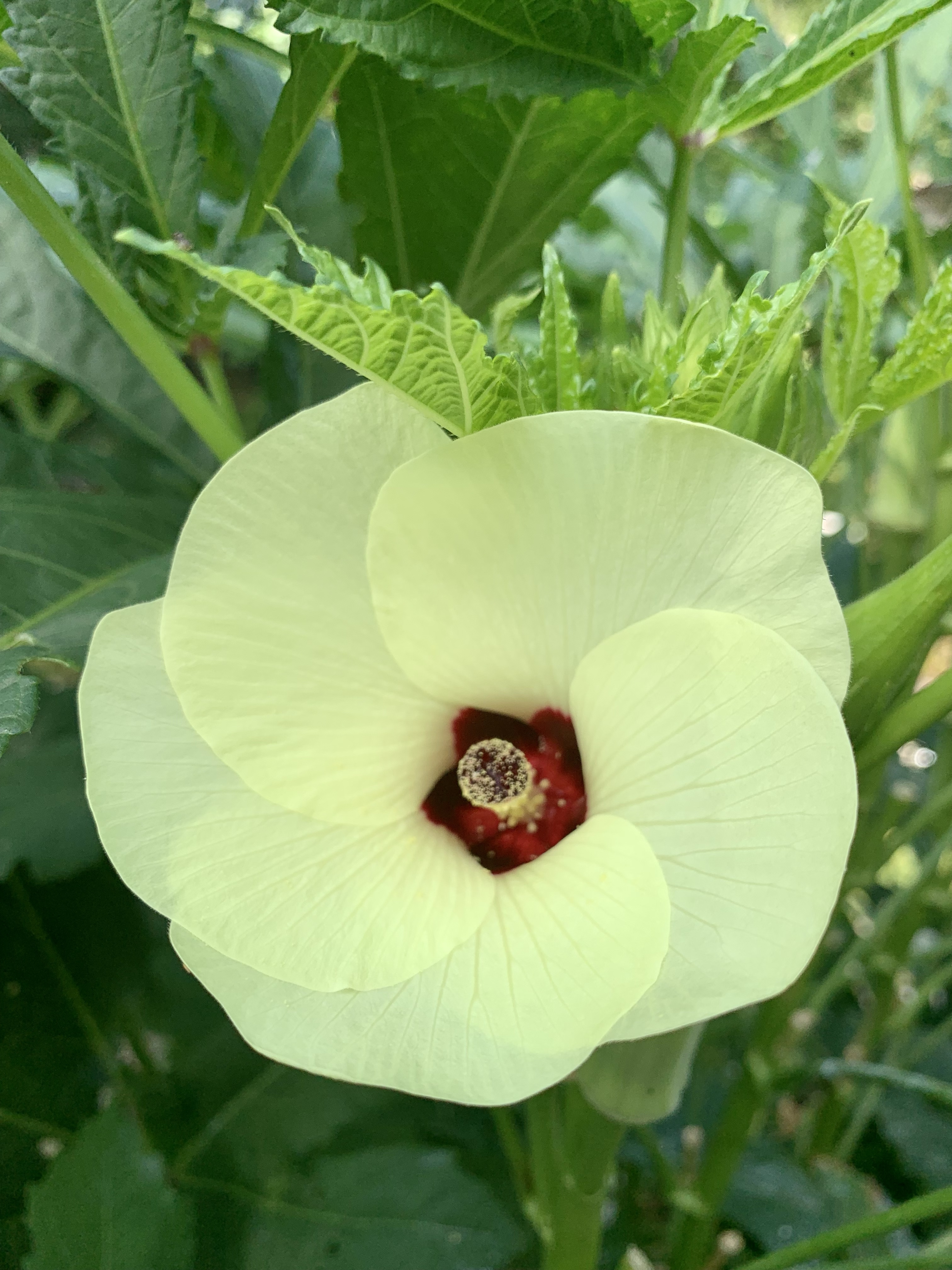
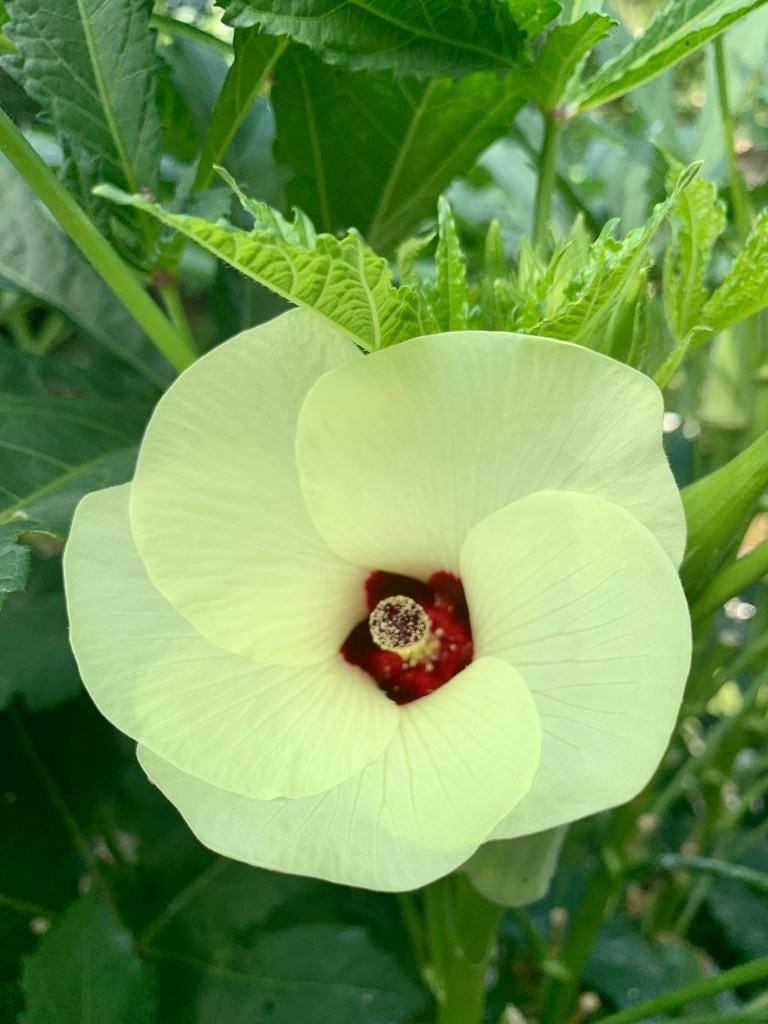
Okra blossom

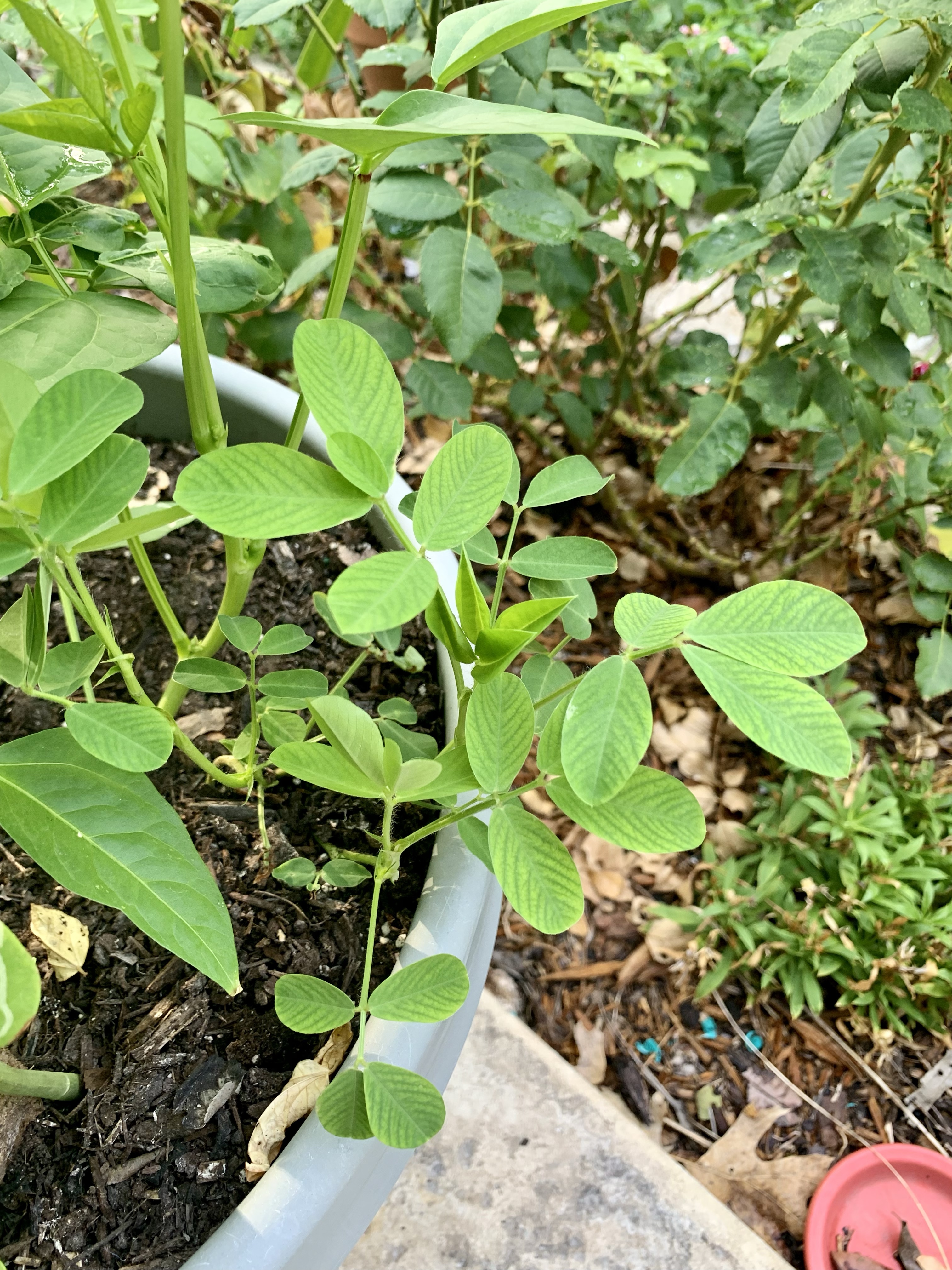
While we wait for the ecological apocalypse, the black-eyed peas and sweet potatoes thrive in their pots and don’t seem to mind the heat. Bunnies are not welcome in the garden. Birds and squirrels are okay, because they occasionally do their own cultivating – like the sunflowers that sprout around the bird feeder or the peanut plant that emerged from a flower pot of peas. It’s all good because my favorite color is green.

Peanuts planted by the squirrels

Dealing with Triffids and Other Creeping Horrors

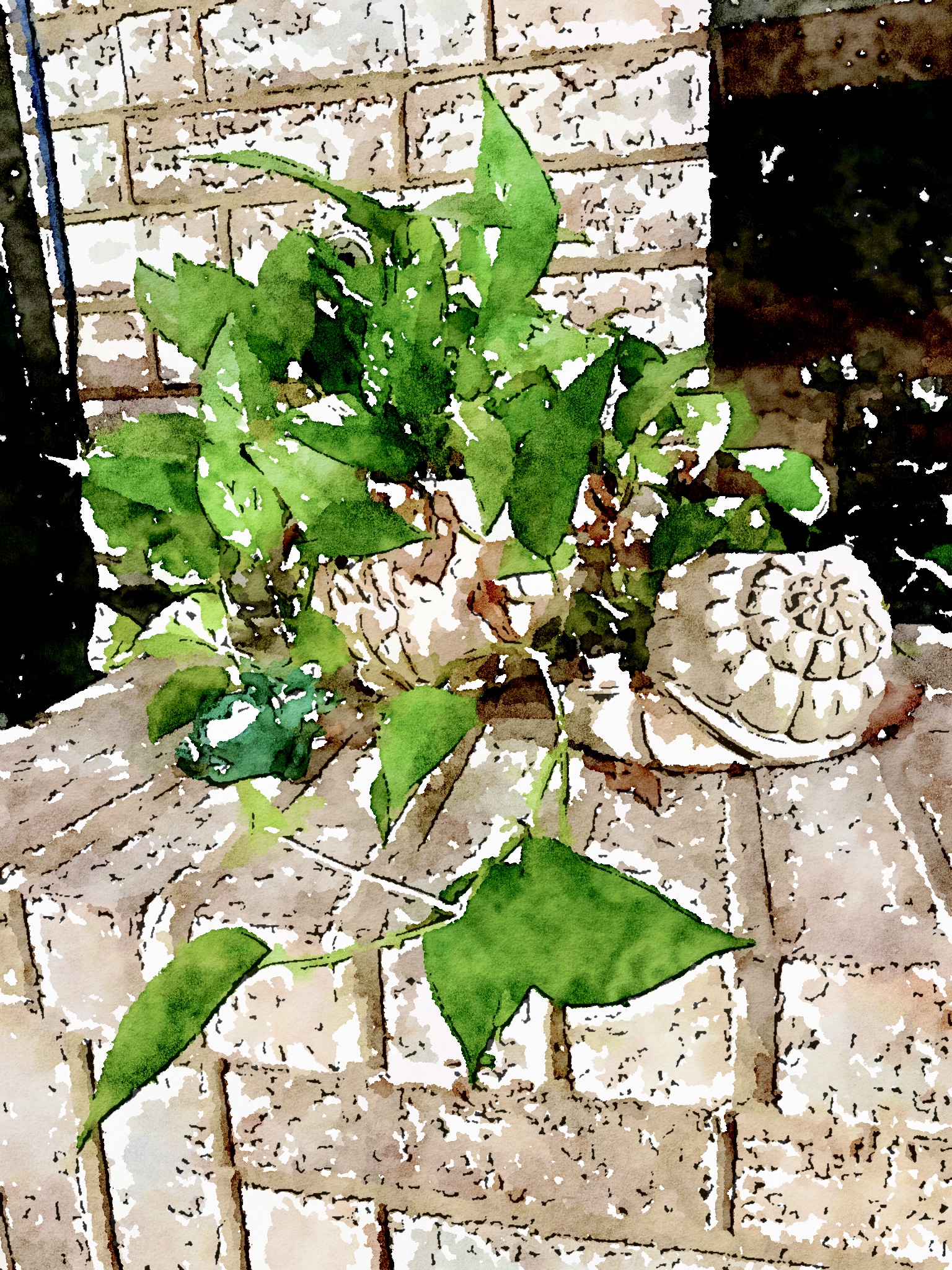
The Devil’s Ivy at home on the hearth – Photo by the author

I learned the other day that Pothos is also called Devil’s Ivy. The poisonous nature of its leaves inspires that name, surely undeserved. Pothos are very hard to kill. I can testify to their hardiness. During the lock down days of Covid, I abandoned a pot of ivy. Left to fend for itself in my office cubicle, the plant went two months with no water. I found the poor thing shriveled and dusty, its dry leaves scattered across the windowsill. I had at least left it with a decent view of the parking lot.

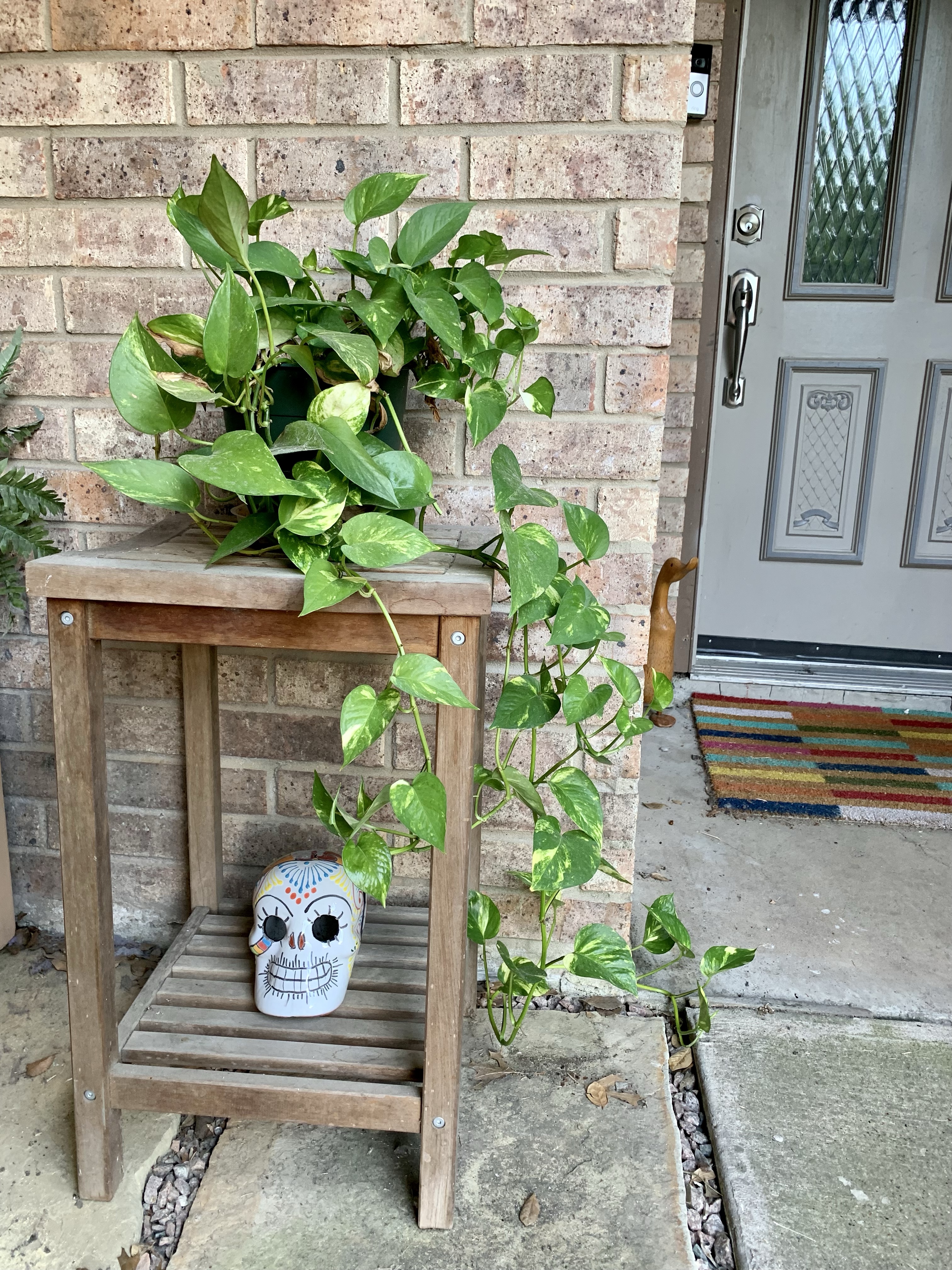
True to its name, the plant resurrected, and it is now determined to take over our fireplace hearth. Five years ago, I had one Pothos. Now I have eight. All started with clippings from that original pot. The vines can grow one foot every month. If my plants were sentient, they would take over the world. 

I think it is trying to reach our front door. Photo by the author

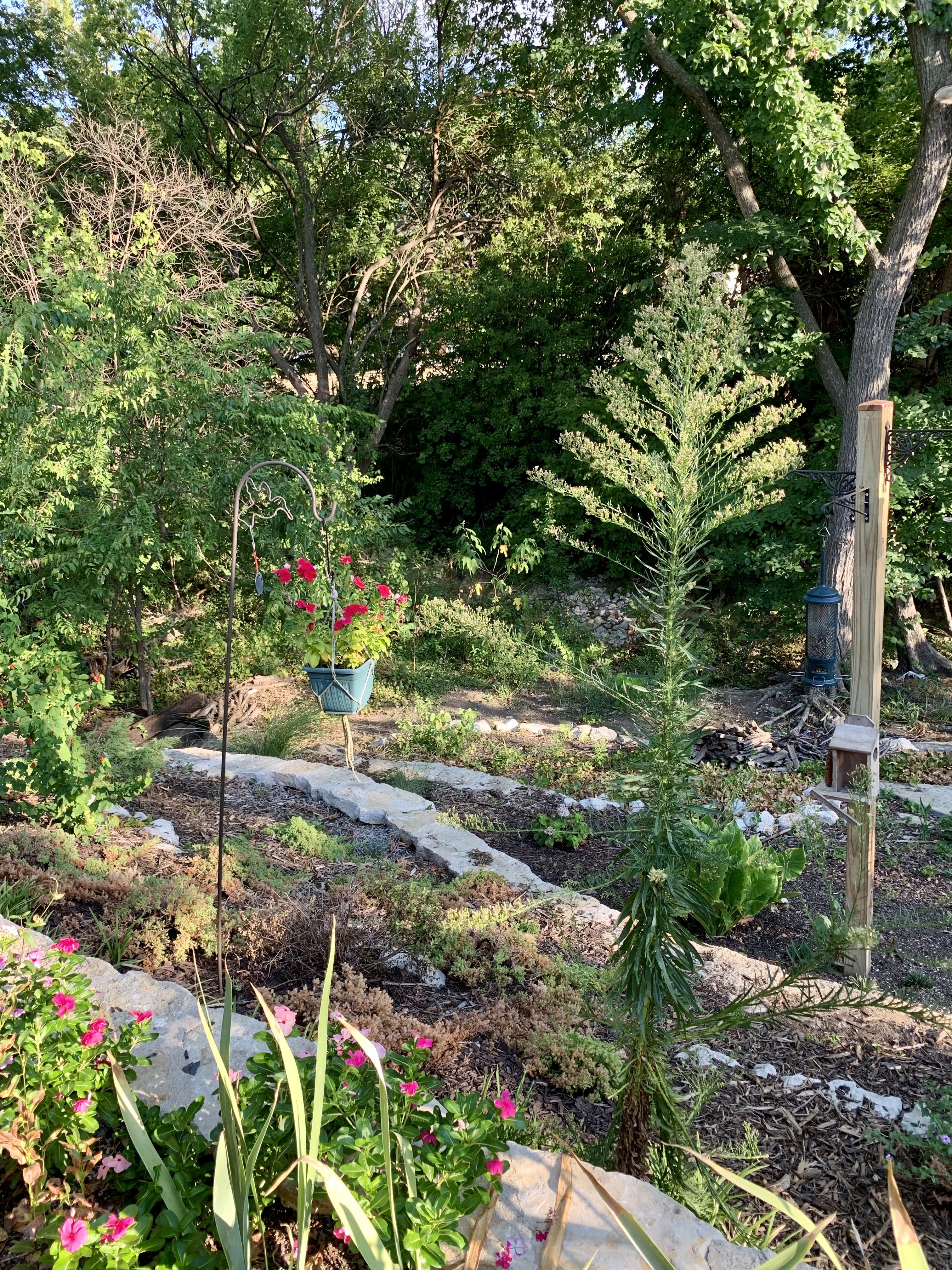
The recent rains have revived our garden. The roses are once again blooming. During July and August, they wilted in the heat like a southern belle at a cotillion. Throughout the summer, only the okra and a strange weed flourished. I identified the odd specimen with the help of a phone app—marestail, also called horseweed. Flamboyant and exotic, it sprang up to bloom in clusters of delicate flowers on a tall, leafy stem. It became the center point of our flower bed. The sight of it, upright and waving its limbs in the breeze, brings to mind a horror movie of the 1960s – Day of the Triffids. 

Horseweed standing tall in our garden. Photo by the author

The movie’s plot involves a meteor that crashes on earth, spreading alien plant spores and striking everyone blind. In the ensuing darkness, sentient ambulatory plants called Triffids take their creepy revenge on humankind. Although it would be ridiculously easy to outrun a walking plant, this film terrified me when I was a child.  

My pots of devil’s ivy unfurl their vines like arms. Perhaps they reach for me as I sleep. Would they curl their lovely, poisonous leaves across my face and into my mouth? I hope my gentle Pothos has nothing but concern as it stretches across the hearth, down the bookcase, along the windowsill. It needs me. Who would water it if I was gone? The roots carry the memory of that lonely isolation.

I have replaced my fear of Triffids with other creeping horrors. Old age, pain, dementia, debt. These are the terrors that keep me up at night. I’d gladly exchange them, not for blindness, but for Triffids. Even my stiff hips could outrun a sentient, ambulatory plant.

Communion with Cornmeal

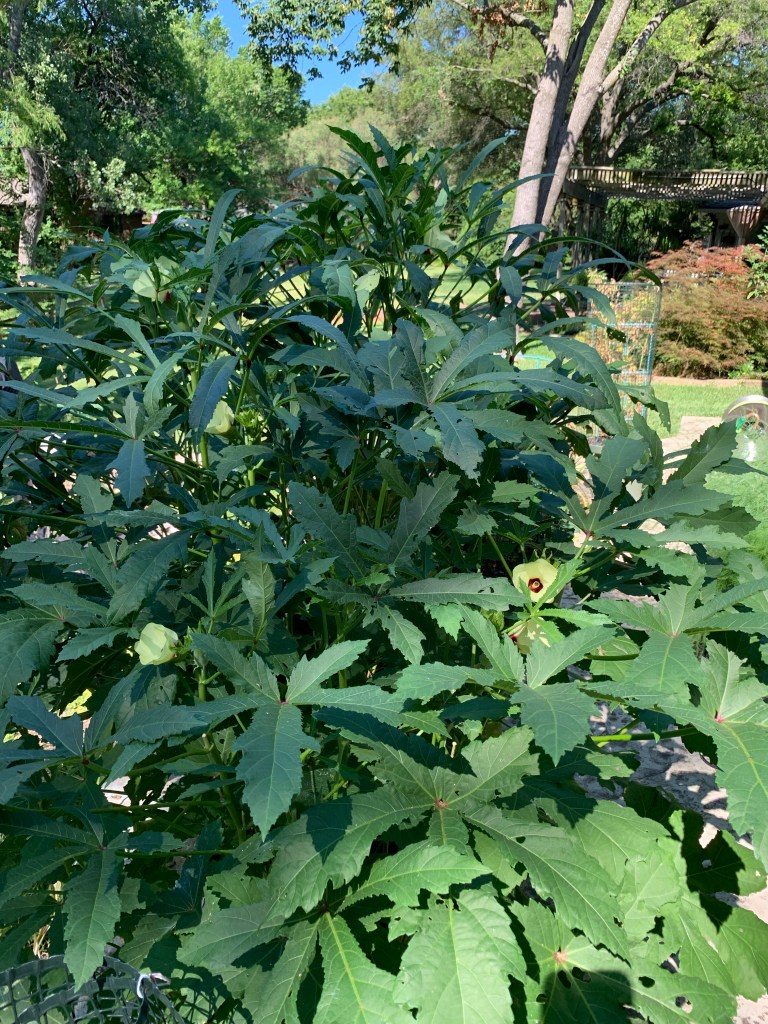
I come from generations of gardeners. When we moved into our house last year, it was too late in the summer for planting. I vowed an early start in the next season. This year, however, brought mostly failed experiments with container gardening. My tomatoes grew weary in the dry heat, dropping leaves and blossoming worth with small, wrinkled fruit. I tried summer squash – remembering the butter yellow vegetables my mother grew. My plants protested confinement in pots, however large. But one hardy vegetable flourished in the ten square feet I allotted it. Okra, that heat-loving Southern staple.

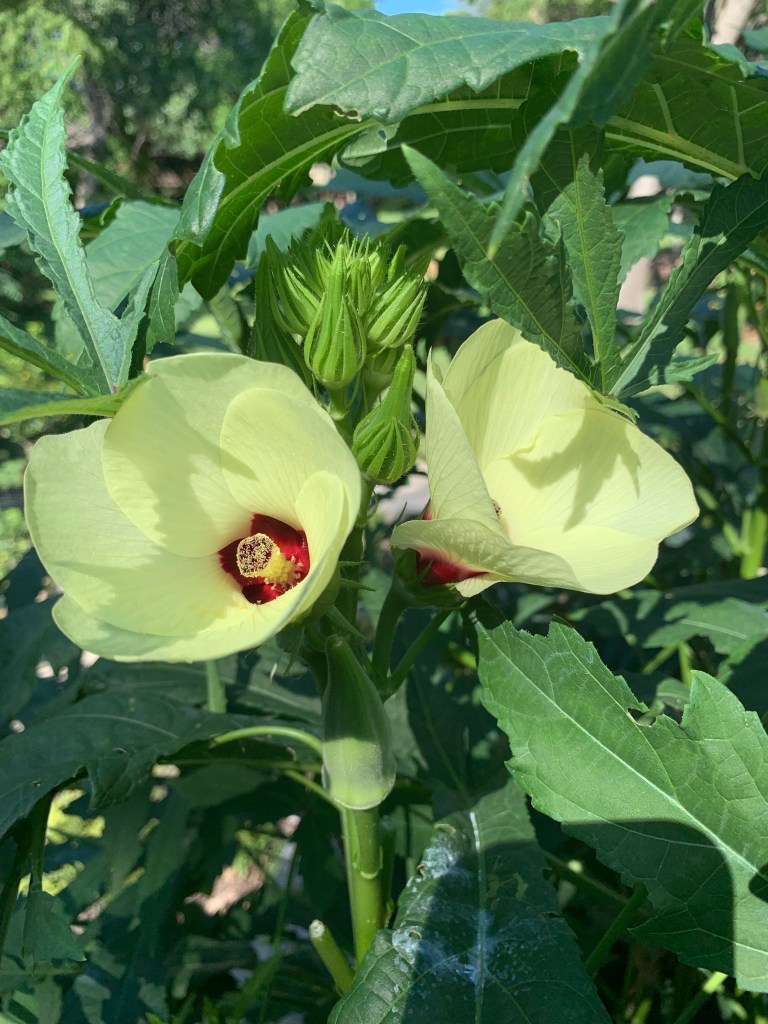
It’s one of the easiest plants to grow, and it makes an interesting addition to your garden. The yellow blossoms with their deep red centers reveal the plant’s place in the mallow family, a relative of the hibiscus. A little water, lots of sun, and you’re rewarded with hardy, heat-loving stalks and enough okra pods to share with your friends and family. Okra is best right after it is picked. The stuff you see in a grocery store most likely will be soft and wilted. If you don’t have a spot to grow it yourself, pick it up at a Farmers Market. Okra is delicious roasted. Boiled it makes a tasty thickener for stews and gumbo. My favorite way to cook it is to bread it in either corn meal or flour and fry it.

Okra

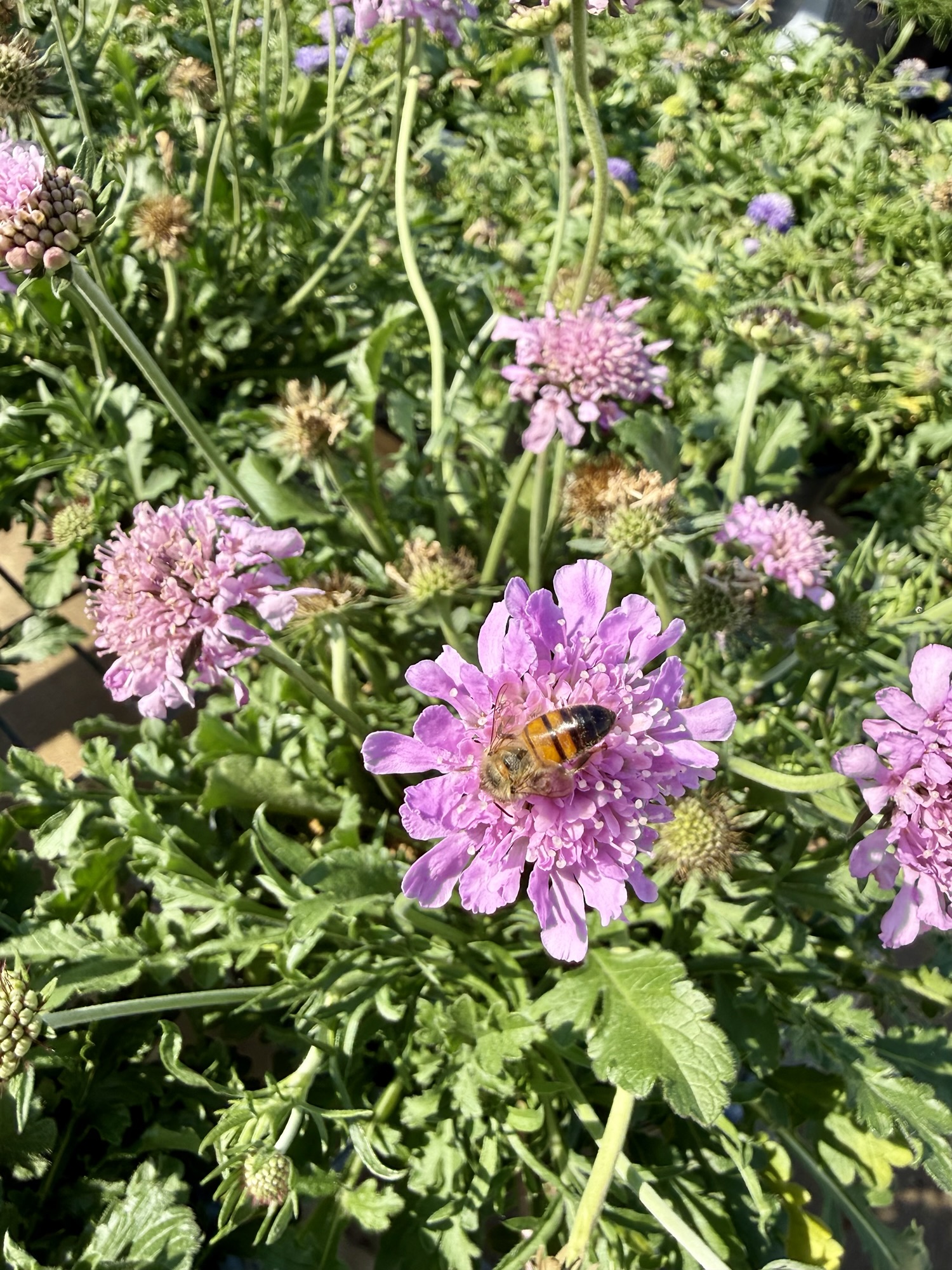
The blooms open in the early morning sun, around the time I set aside for harvesting the pods. Bees circle the plants, landing and picking up their fill of pollen while I brush aside the broad leaves and search for the tasty green okra. I’m growing Clemson Spineless – a kinder variety from the one I picked as a child in my mother’s garden. Those plants and their pods were covered in prickly spines that raised red welts on the tender flesh of my arms. The rash, however, was payment for the reward – plates of crunchy, cornmeal breaded and fried okra.

Okra plants in my garden

As I pick the pods, I can imagine the taste of the crispy chunks. Okra has a flavor that reminds me of cool green grass. It tastes like summer. I remember my mother, setting the table with fried okra and red slices of tomato. She pan-fried her okra in shortening with a little bacon grease mixed in for flavor. I cook mine in canola oil and skip the bacon grease. Like my mom, I use a cast iron skillet. Each bite I take I taste the past.