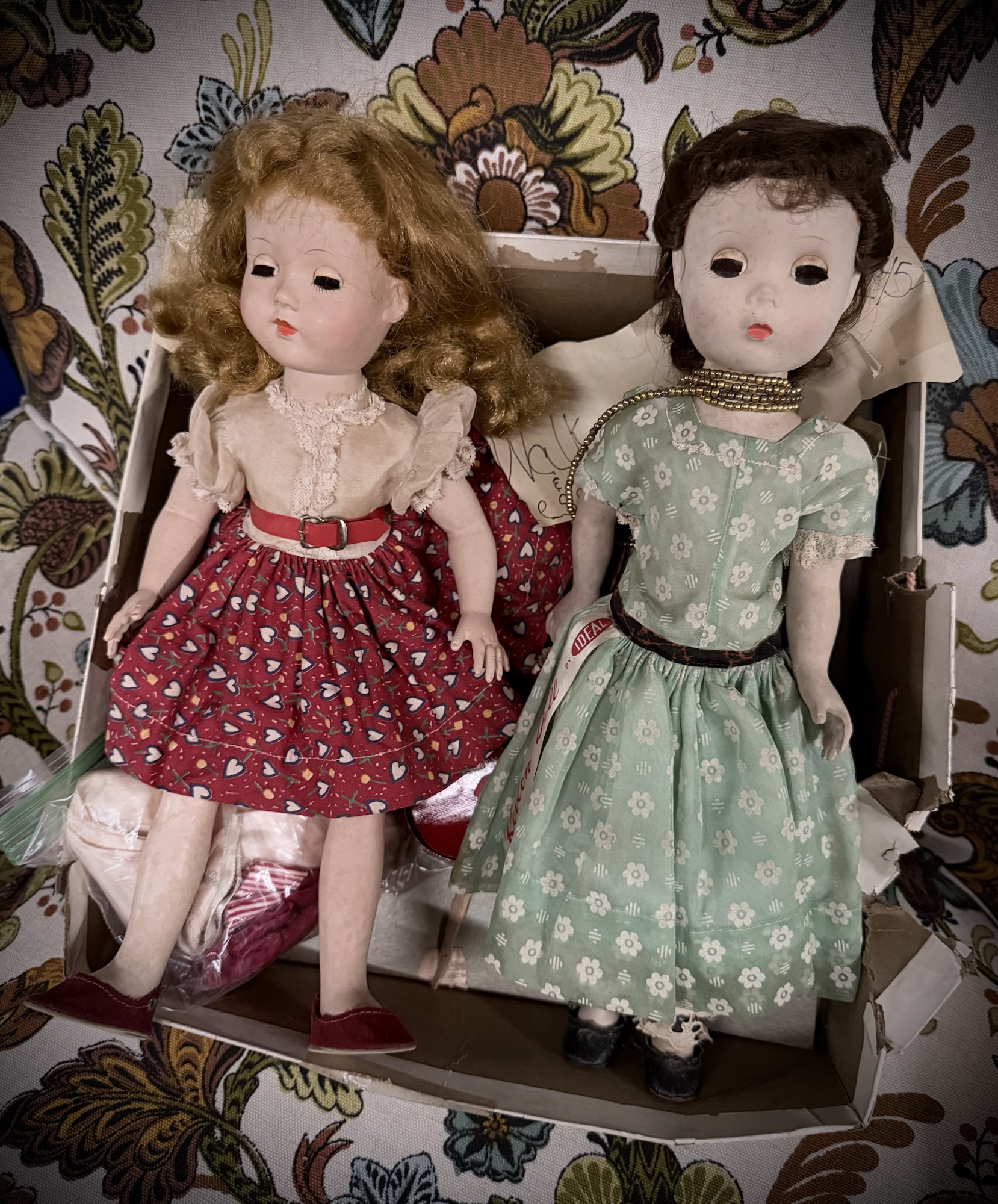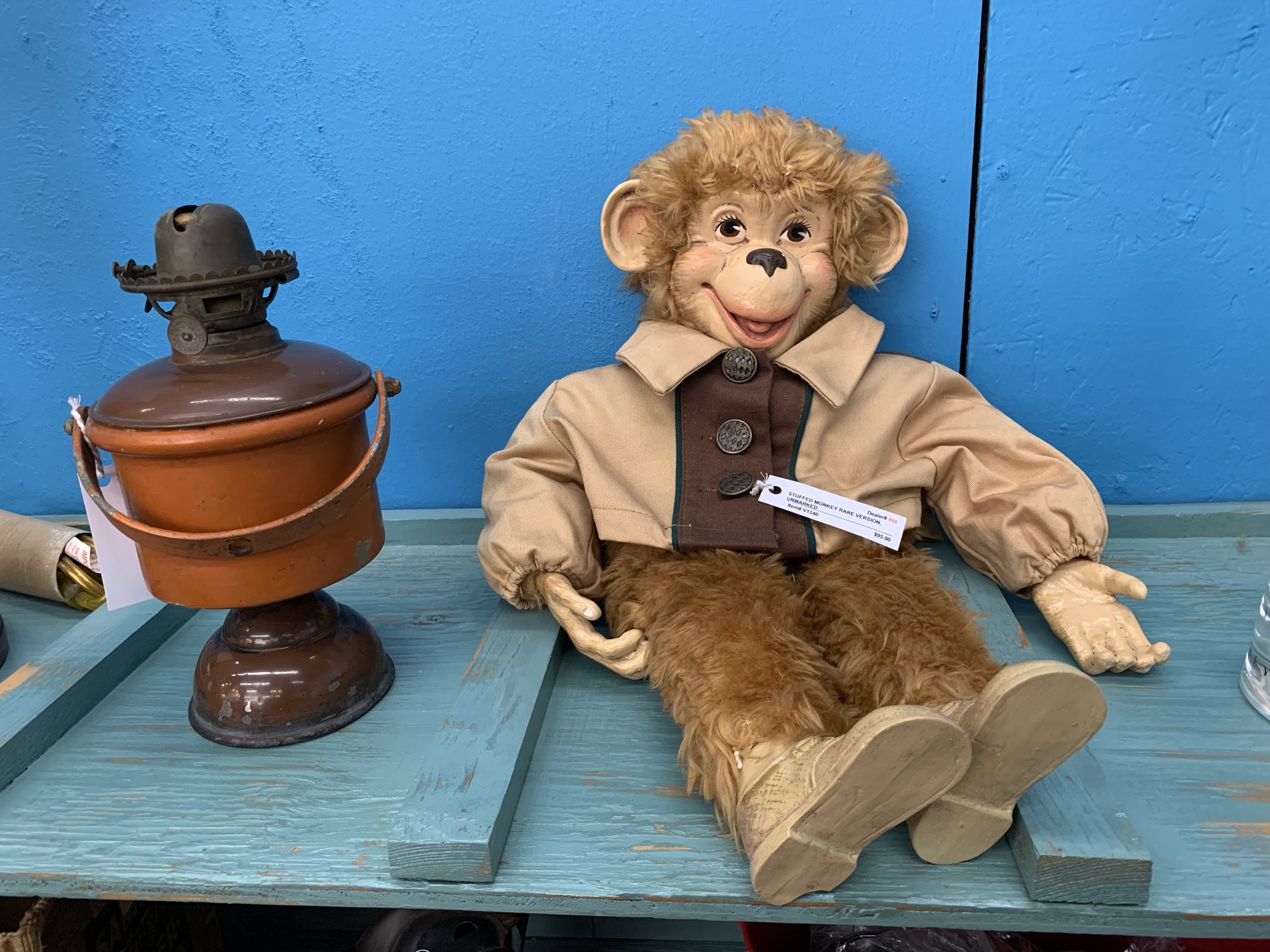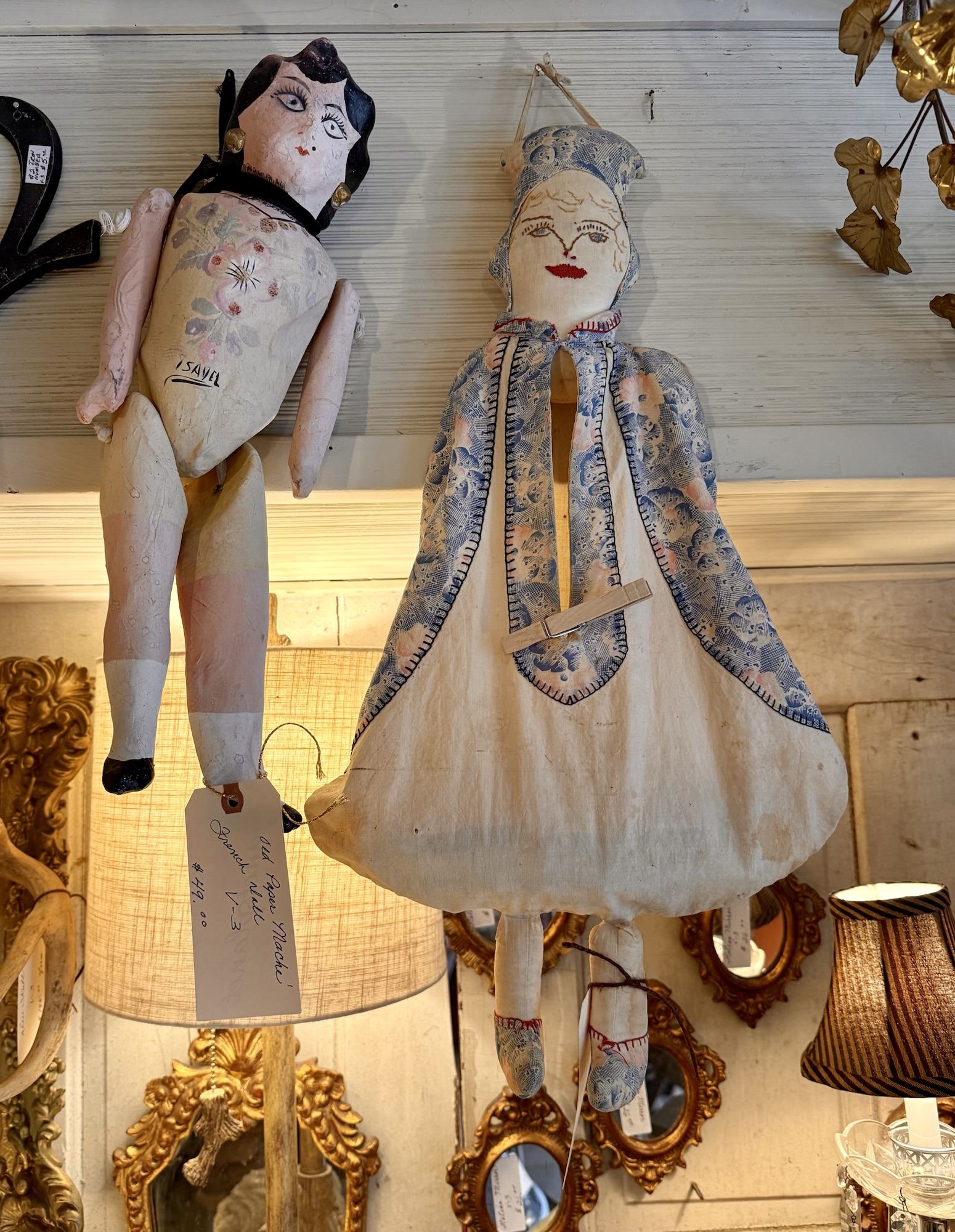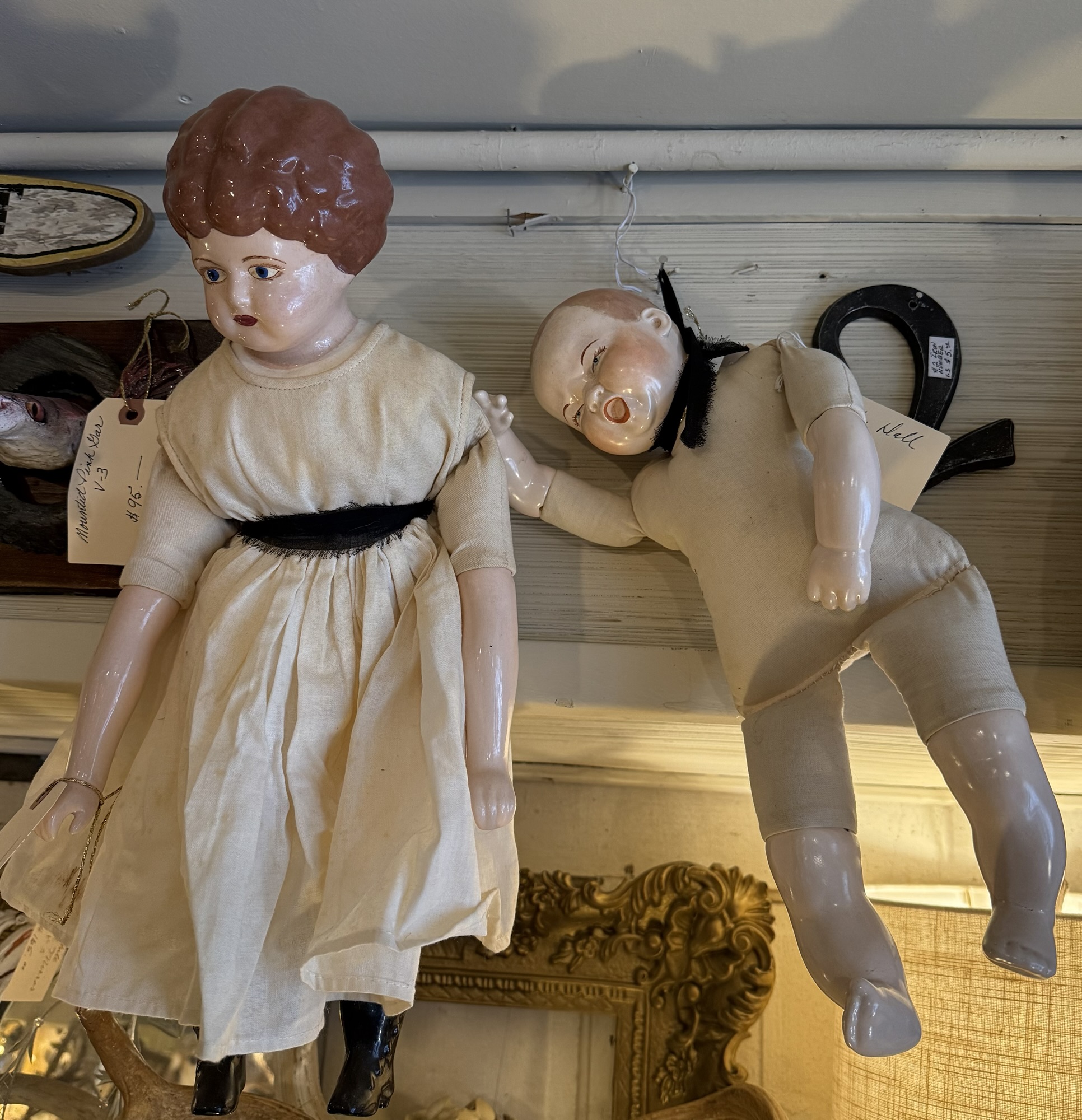
Well Hello Dolly

Not the life she imagined but the life made for her

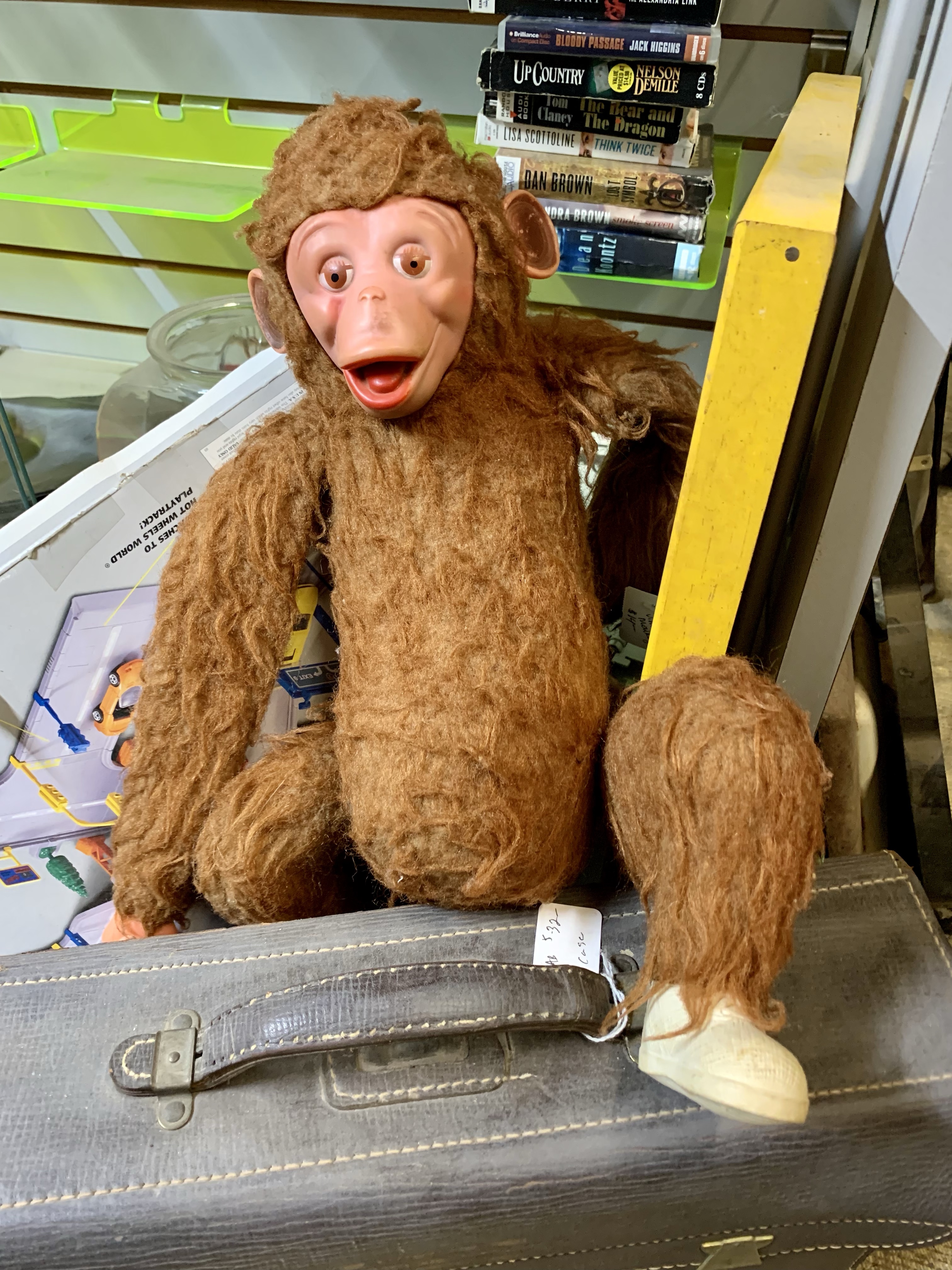
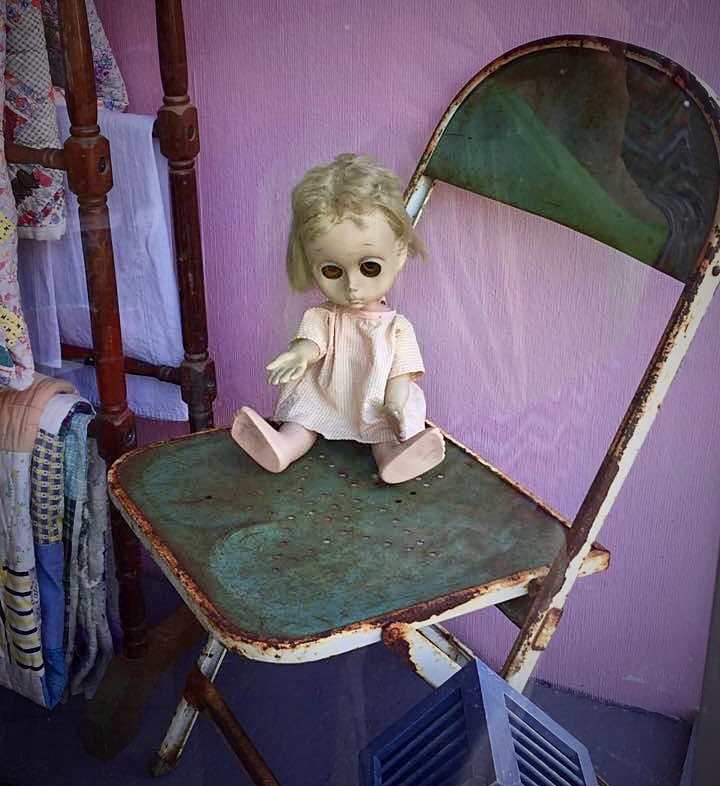
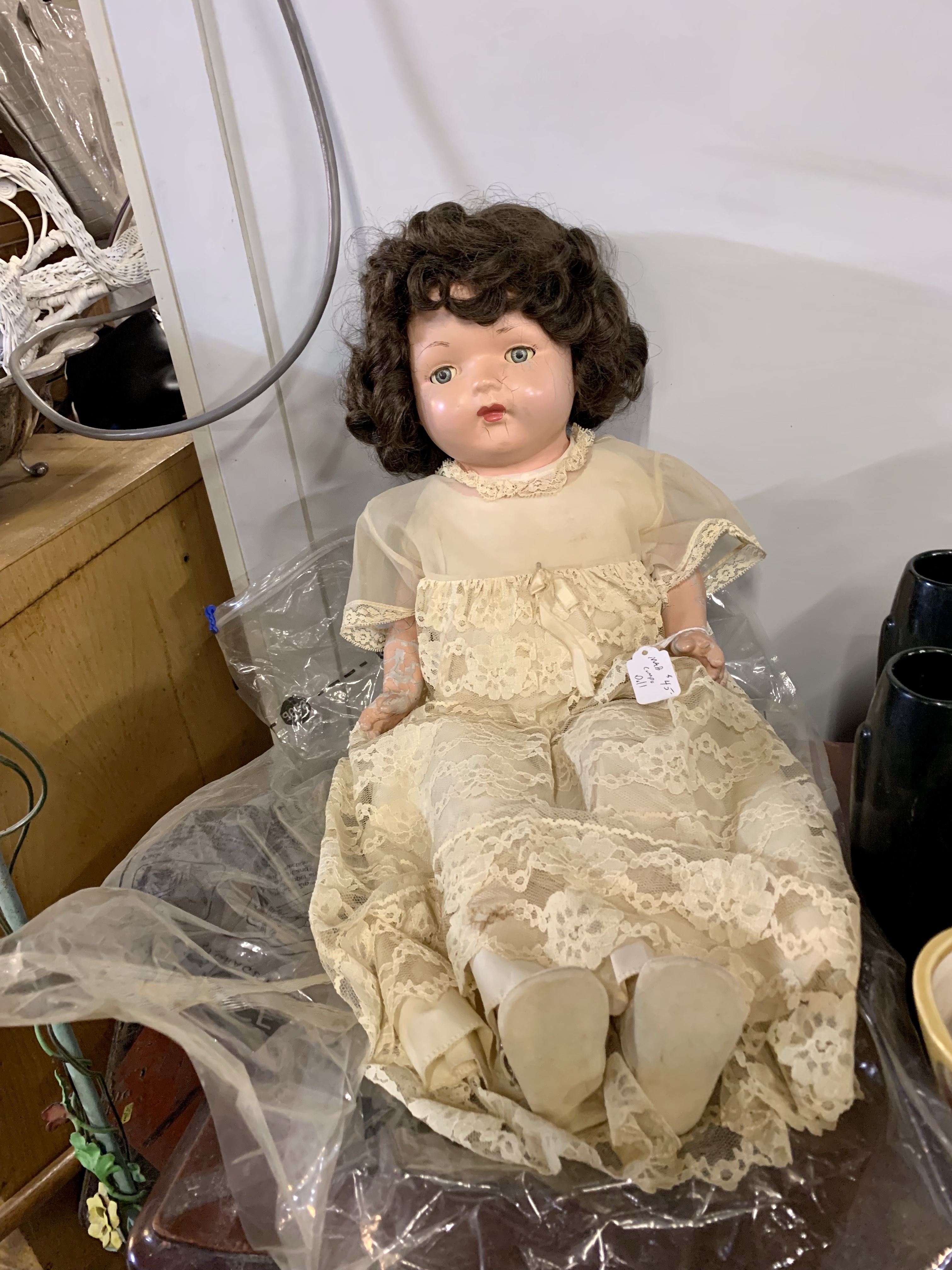
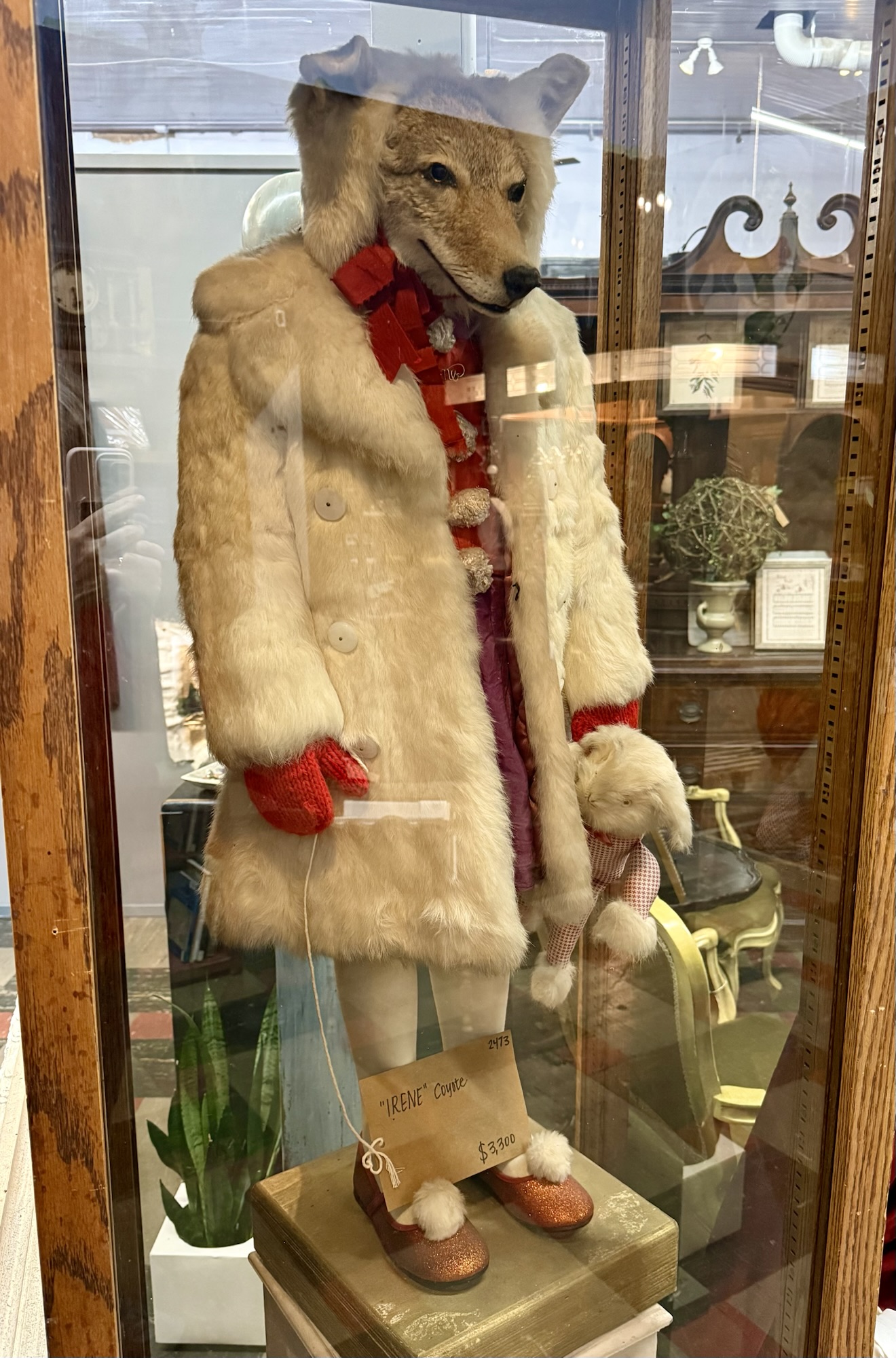
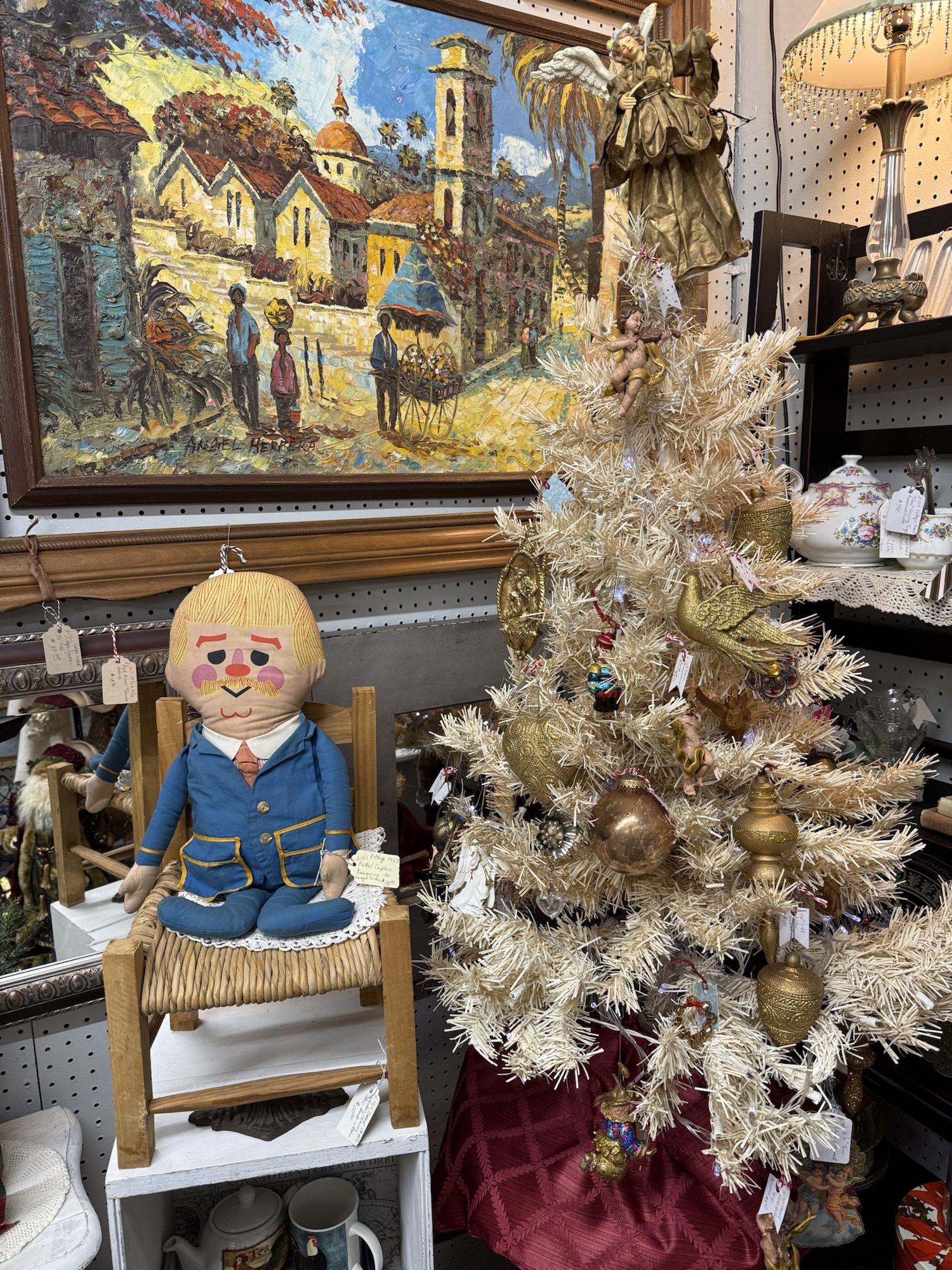
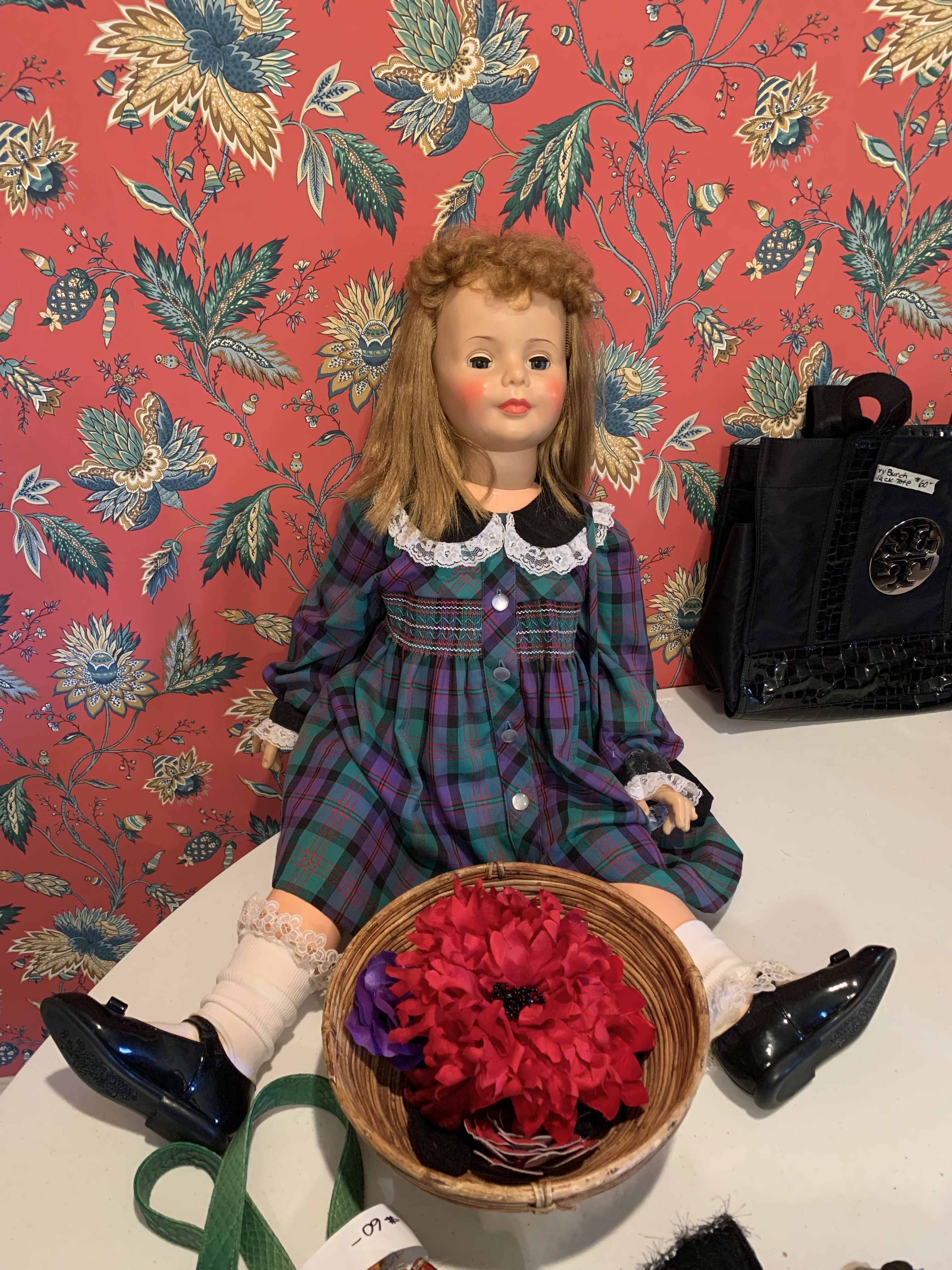
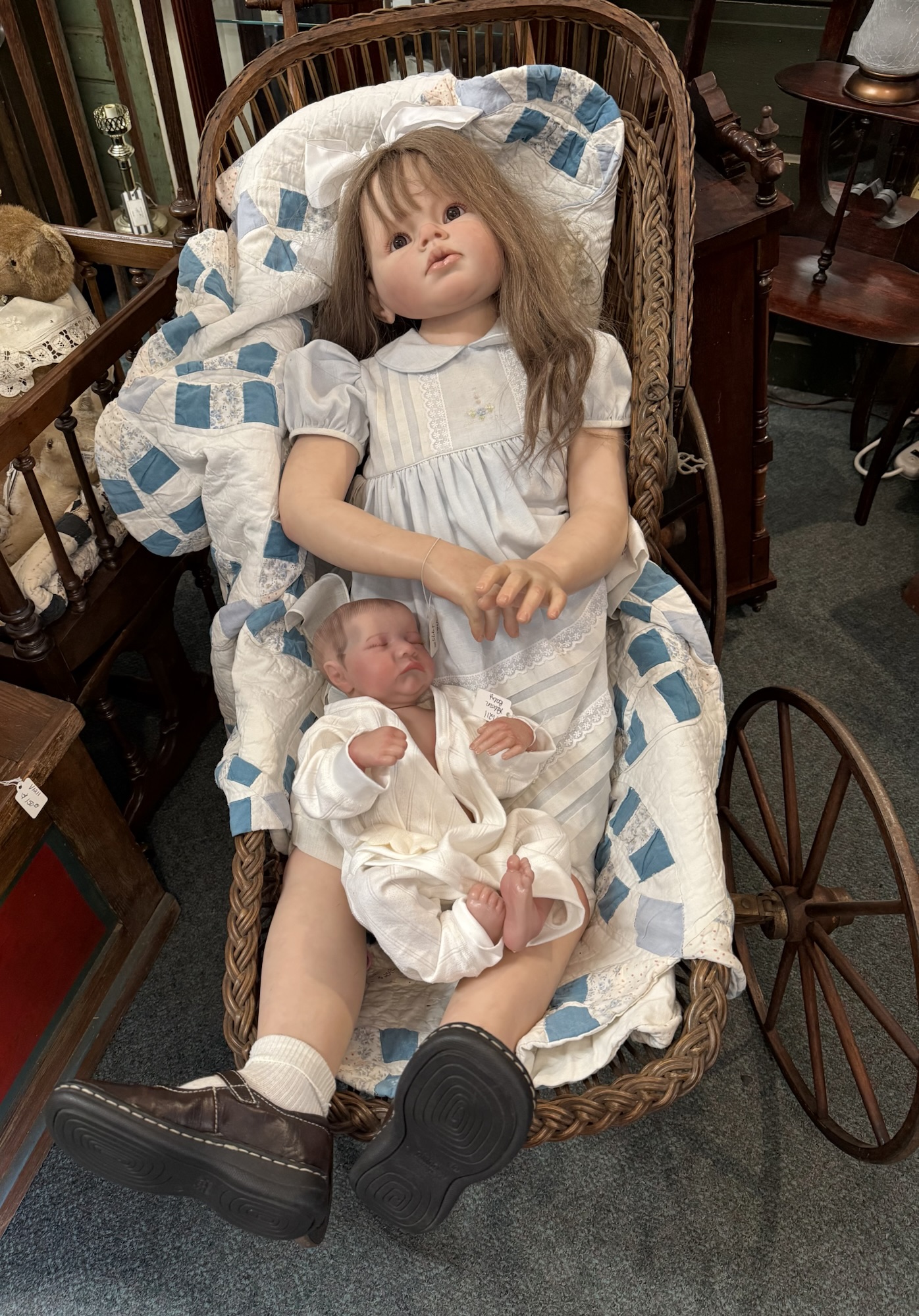
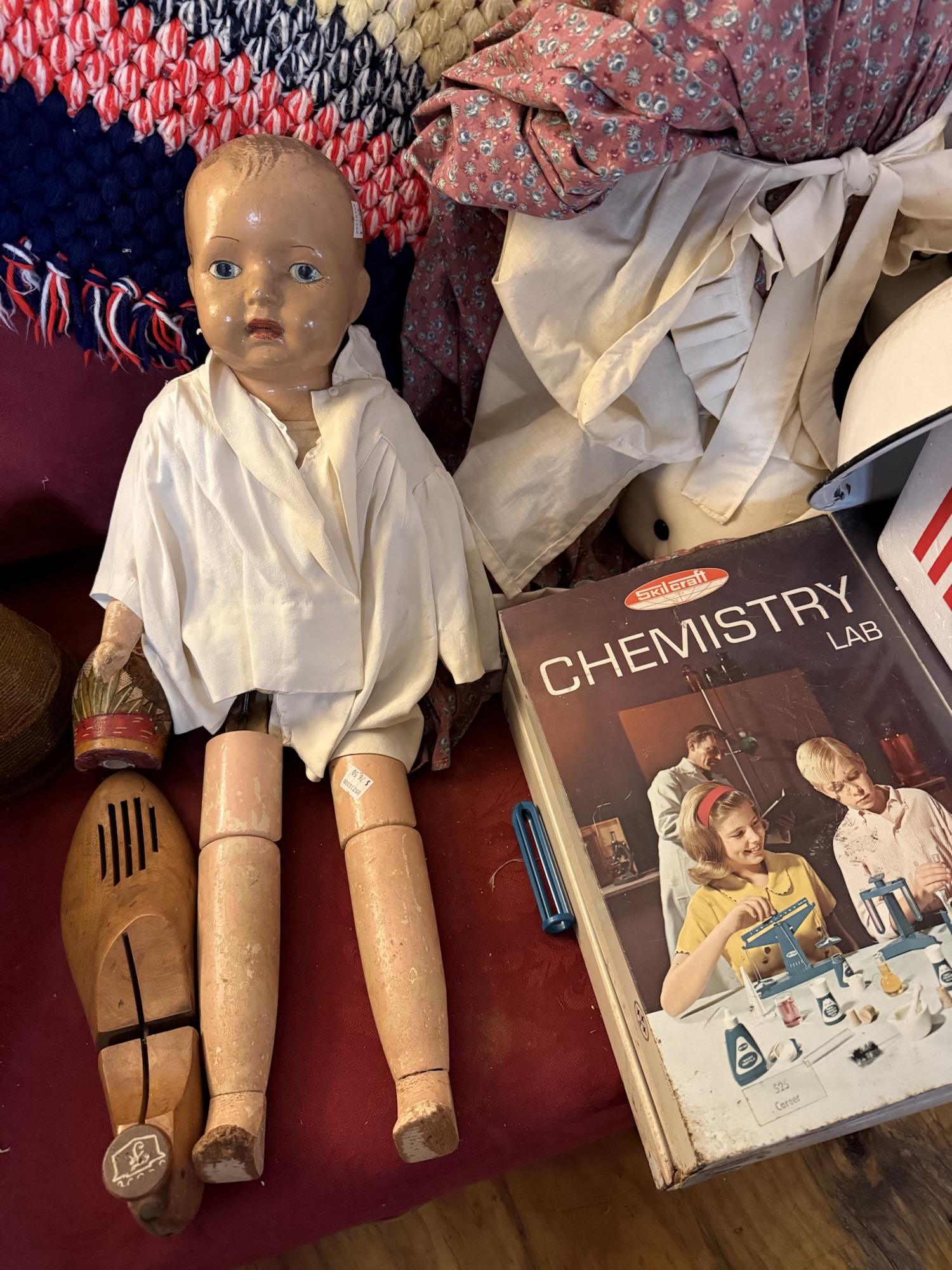
Mannequin in a Wichita Falls antique store – Photo by the author

Andrew and I have recently taken on the task of clearing out his mother’s storage unit. Roby no longer has need or use for the cartons of fine china, boxes of shoes and purses, racks of designer clothing, or bags of vintage dresses. Over the past four years we’ve managed to sell off or donate most of the bulkier items – the dressers and chairs, the dining room table. There’s still a lot left. Enough to fill a small U-Haul. Our goal is to move enough of it out that we can set up a lower priced, smaller unit close to our house and save her the expense of renting the space.

Until then, we’ve turned our living room into a sort of staging area, bringing over car loads of clothing and sorting through it for anything that might be worth selling. We discovered that Roby’s collection of vintage 1970s to 1980s Diane Freis dresses have become popular again. Imagine the sort of outfits worn by the actresses on the set of Dynasty, Designing Women, or Dallas. Think shoulder pads, wild colors, and lots and lots of polyester. To better display these dresses, I ordered a mannequin on Amazon. Andrew named her Molly Mannequin, but I call her Dolly.

Molly Dolly wearing a Diane Freis 100% Silk dress – Photo by the author

Dolly is easy to dress – pop off her head, slip her arms out of their sockets, and drape the dress over her torso. The first set of photos we put up on Ebay featured her smooth, bald head. Andrew suggested she wear a hat, but I didn’t have one that matched the outfits. Except for this one.

Dolly – Photo by the author

The hat, in my opinion, gave her a confused, wistful look. As though she couldn’t believe she had landed here.

Dolly – Photo by the author

In the second box of clothing we discovered an acrylic wig. This was better, it gave Dolly a more life-like appearance. The wig had seen better days. It also looked like it had seen some really bad days. Frizzled strands stuck up across the surface of the artificial hair, giving Dolly an urchin look. It fit, however, with the bohemian vibe of many of the dresses. I remembered a trick recommended to smooth out the fake tresses on dolls and I soaked Dolly’s hairpiece in fabric softener. It worked, but she still didn’t seem happy, despite having smooth locks.

Dolly in a sequined Diane Freis dress – Photo by the author

Something about the racks of frilly clothing and the dressing and undressing of Dolly felt familiar. The clothes were unlike anything I would choose to wear. My wardrobe is made of t-shirts with catchy slogans and sweatpants with elastic waistbands. In another life, however, I could imagine strolling through a garden party or dancing under disco lights. Maybe plotting my revenge on J.R. Ewing or Blake Carrington.

Dolly – Photo by the author

Flipping through the rack, the soft ruffled skirts brushing against my hands – I couldn’t help but smile at some of the whimsical patterns. How fun it would be to dress in one of these. I understood the attraction, the desire to own them all. At last I realized why this felt so familiar. Hadn’t I done the same thing as a young girl?

It was with another fashion icon.

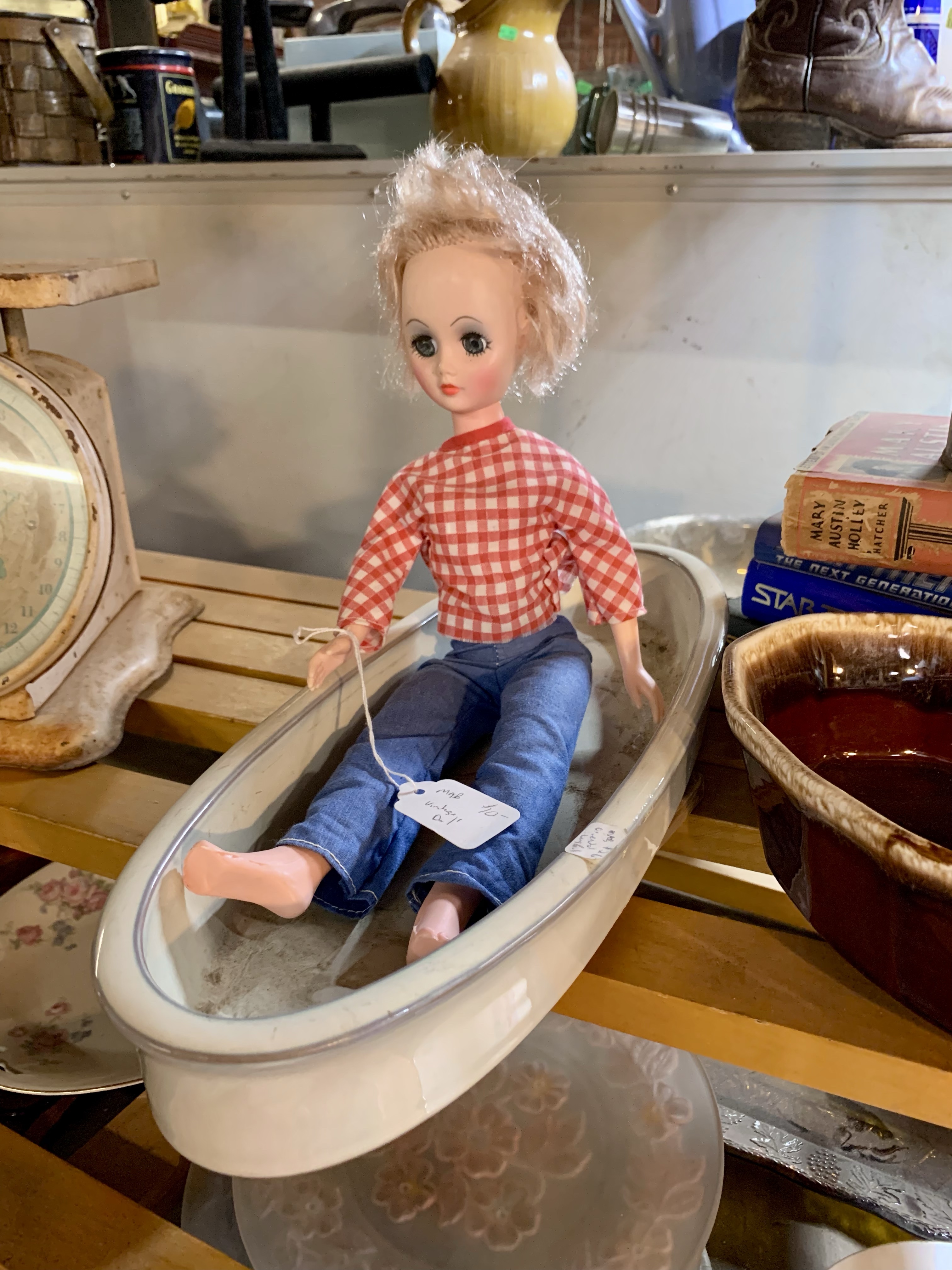
Barbie aloof – Photo by the author

Brain Like a Junk Drawer

Photo by the Author

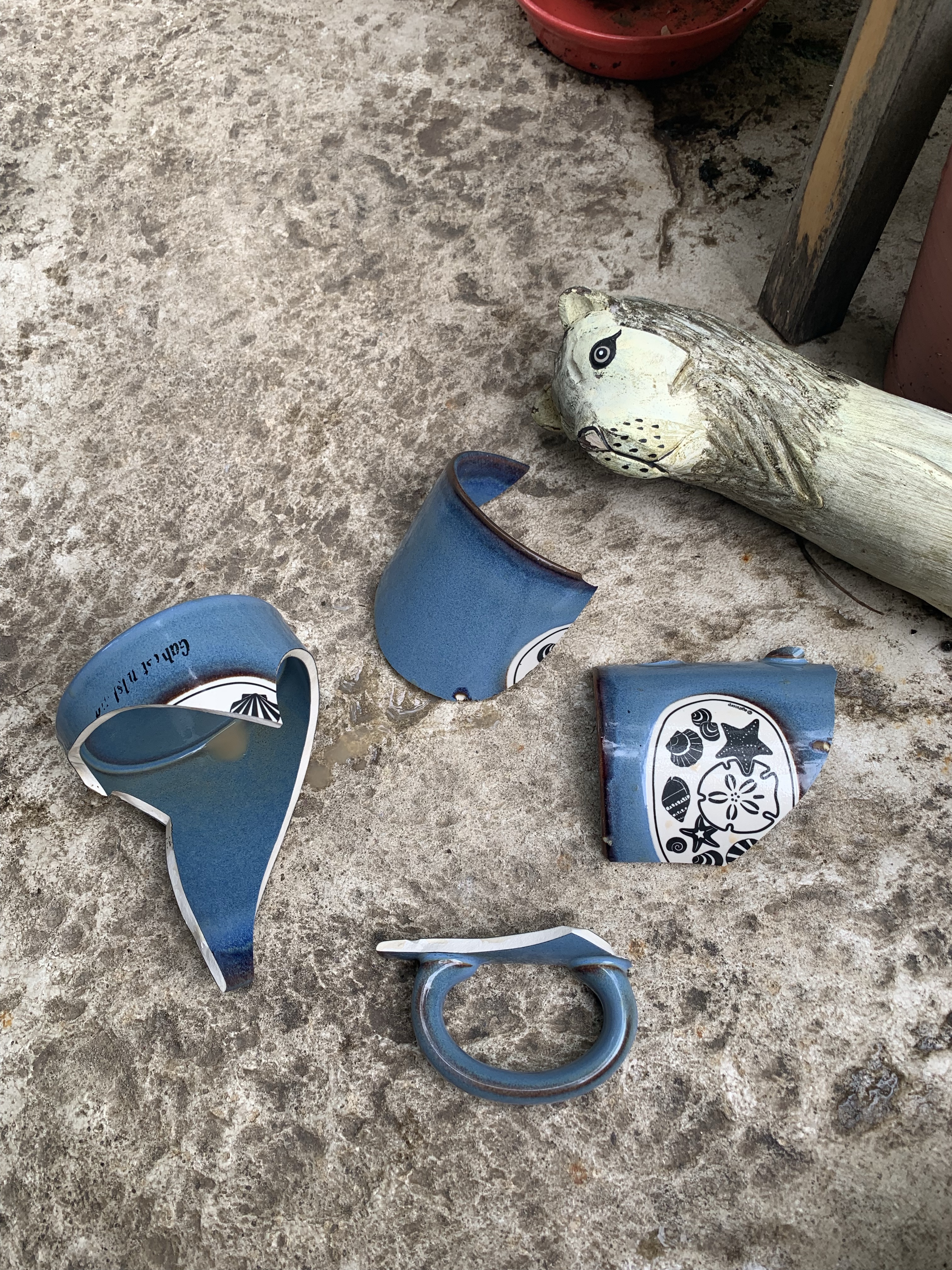
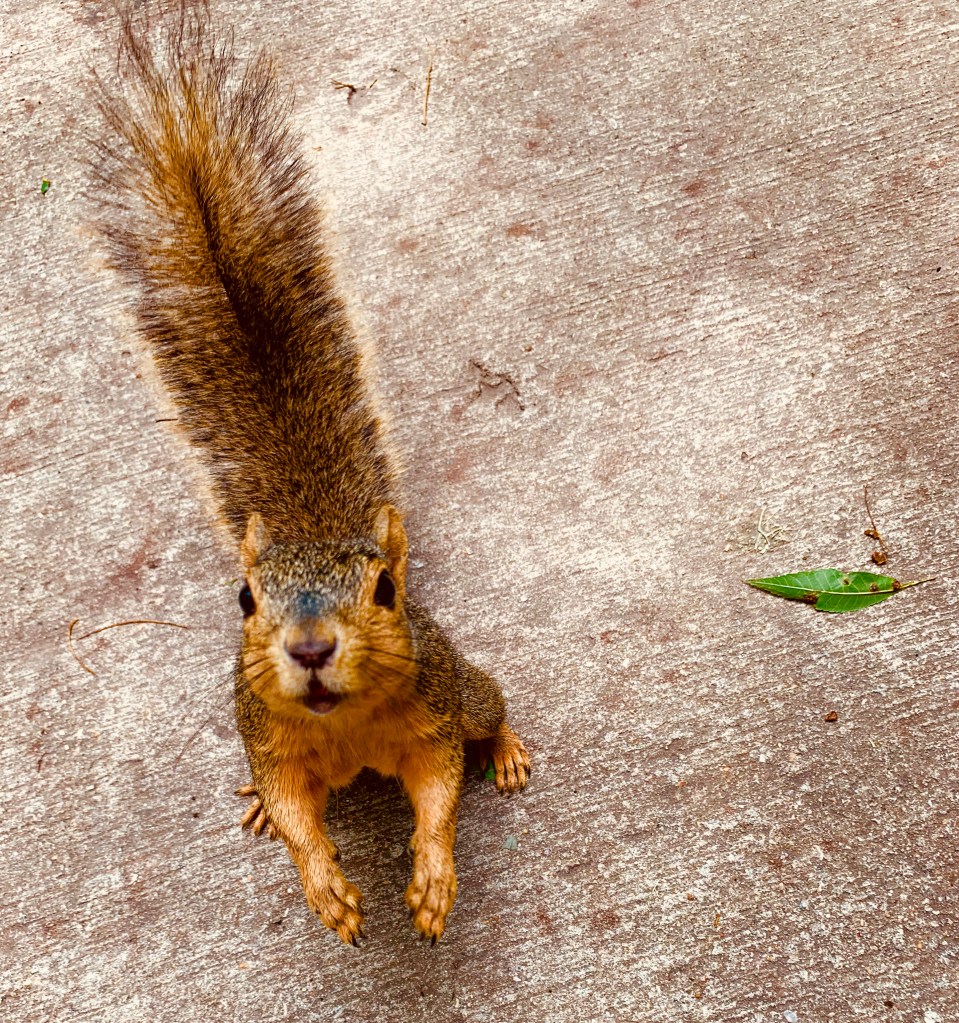
My memories are fragile as porcelain. I long to hold on to every second, recall and relive each happy moment before they slip and shatter, like my coffee mug this morning. Andrew and I were enjoying the view from our back porch, when I went to toss a peanut to a visiting squirrel. My right hand lobbed the treat, and my left hand joined in the motion, throwing instead my Galveston souvenir coffee mug to a confused and startled squirrel. The mug tumbled from my grip and broke into pieces on the concrete.

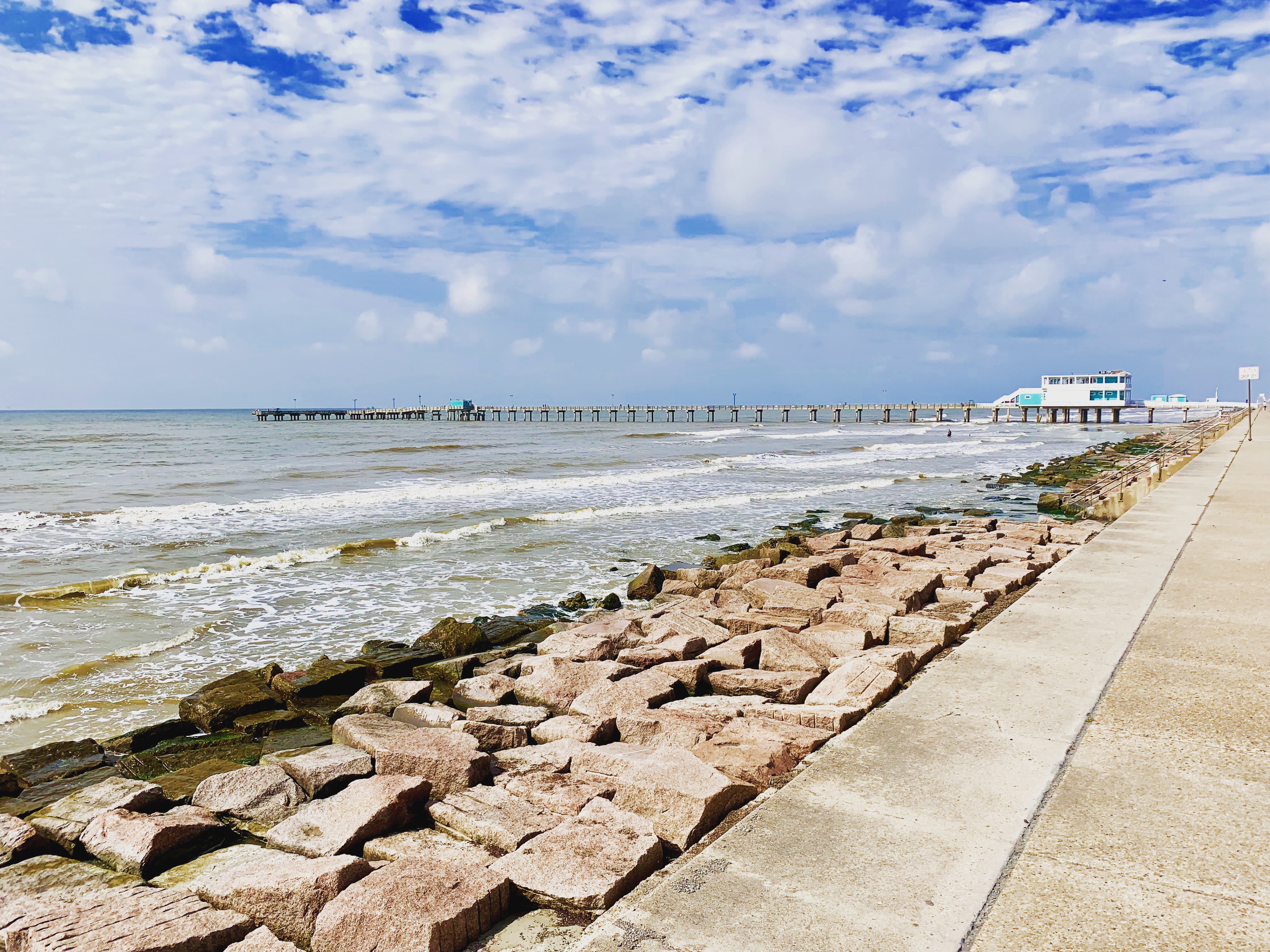
Photo by the author – Galveston Seawall

We visited Galveston after we married and before Covid. I can’t recall the year unless I look it up. Never good at remembering dates, I rely more and more on my phone, calendars, sticky notes. The desk in my office holds a rainbow of colored squares. I keep lists – groceries to buy, books to read, movies to watch, places to visit. This method works until I can’t decide whether “Luce” is a book, movie, or shorthand for lettuce.

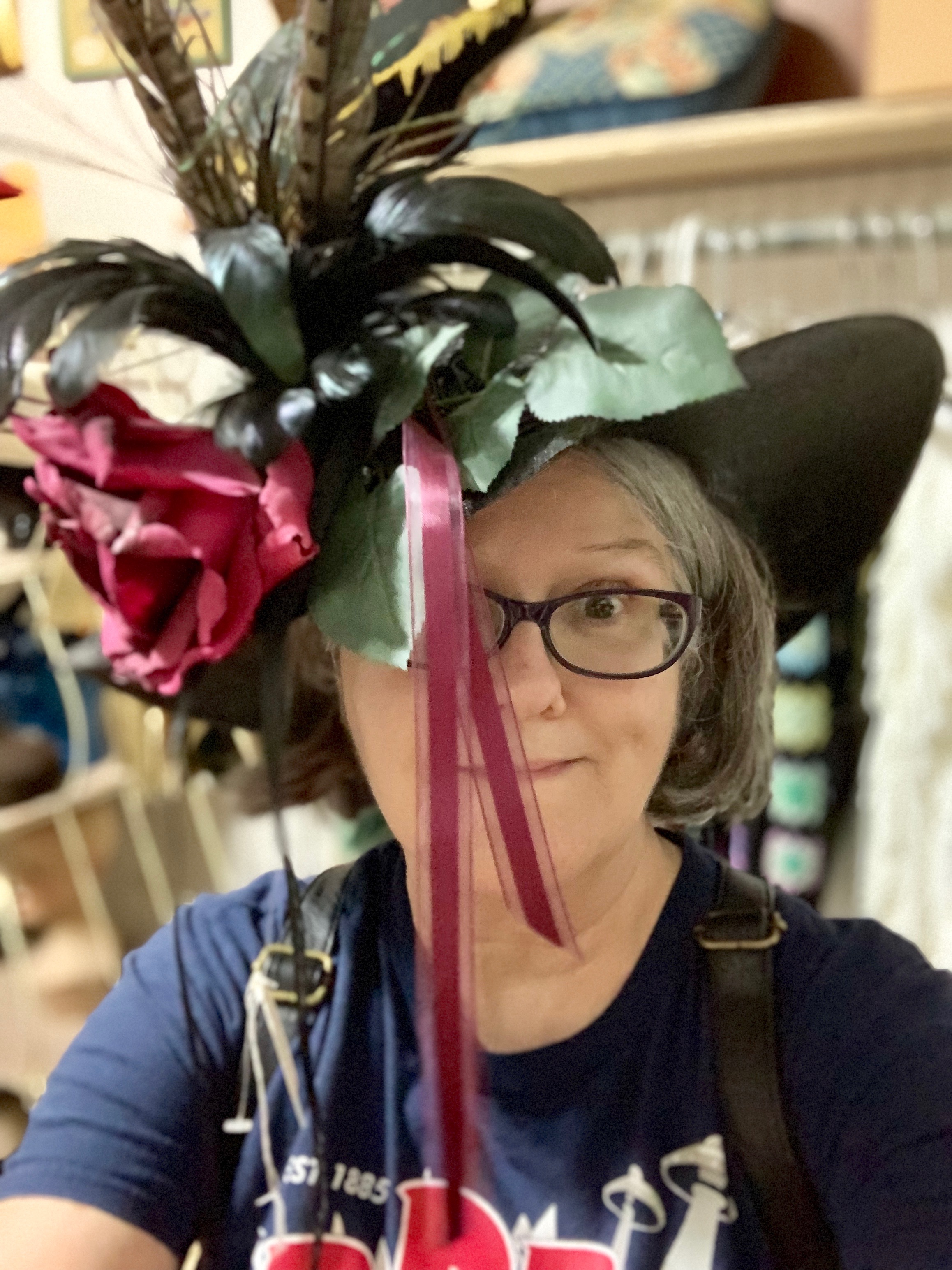
The author – trying on a hat at a shop in Galveston

“I’ll buy you another mug,” my husband said. “I bet I can find one on eBay.”

“No. It won’t be the same.” How to explain that the kitchsy souvenir held not just my morning coffee, but memories of strolling along the seawall. “We will have to go back to Galveston.”

I pushed the broken bits aside. No more physical remembrance, but I could look at the pictures we took on that trip if I wanted to recall the way the golden hour lit up the historic cemetery we toured.

Photo by the author – the Broadway Cemetery in Galveston

I have begun a journal detailing each trip we take – the towns we visit, shops where we find the best bargains, fun things we did and might want to do again. I don’t trust my mind to hold the details. There is so much already stuffed there. Why do I recall the register code to ring up a chicken chimichanga, twenty-eight years after I last waited tables at El Chico? It’s 808. The phone number at my childhood home was 542-0549. I can’t tell someone my current work number unless I have my business card at hand.

Do I remember how to drive to a friend’s house, what store carries the salsa that I like best, how many pints are in a quart? Absolutely not. But I do know that the dad from The Brady Bunch was an architect, and Darrin Stephens on the tv show Bewitched worked for an advertising firm.

We made plans to visit Galveston again, this time in cooler weather. I’ll record the trip in my journal, and note the places we go. We’ll wander through The Strand and visit the souvenir shops on the seawall. I’ll look for a replacement for my coffee mug, but this time I’ll buy two, in case I decide to chunk one at a squirrel.

The Mob Rules Our Garden

An adventure in unintended consequences

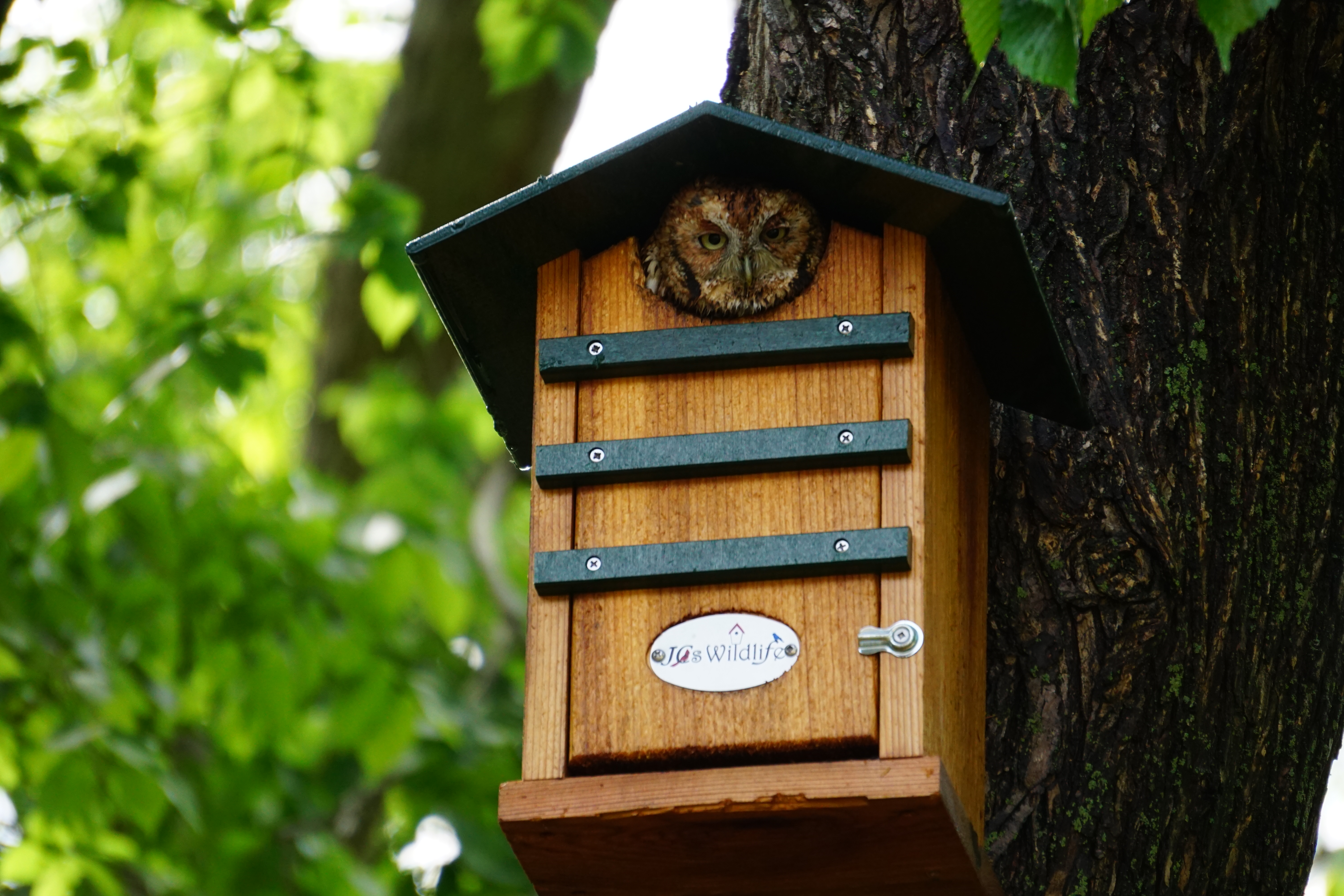
Photo by Andrew Shaw

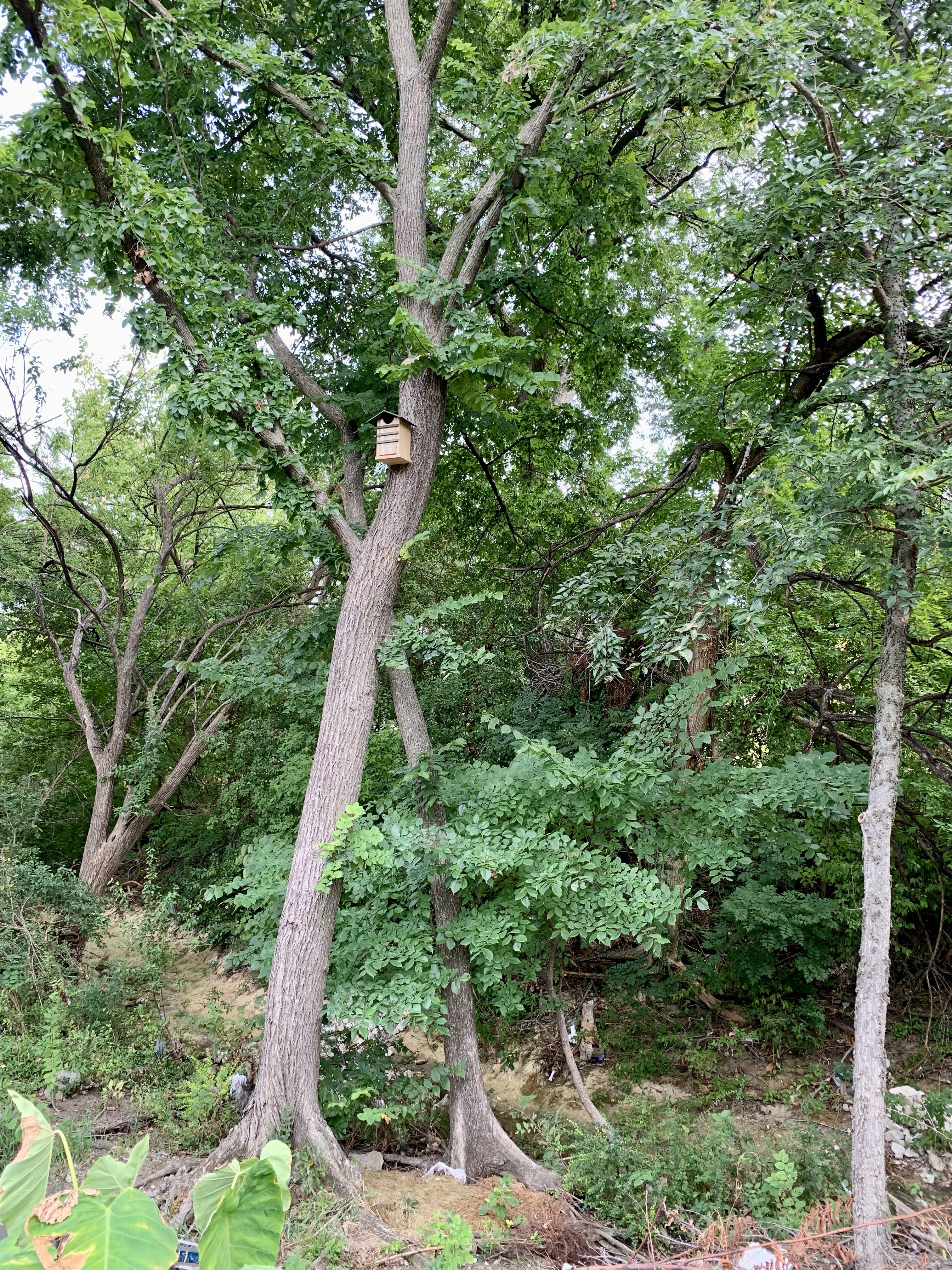
We installed the owl house with the goal of attracting a predator to our yard. Months back, we’d been overrun by a mischief of rats. They flooded our backyard every evening – a scurrying gray sea of rodents. Winter arrived and the tide of rats receded. Then, in late spring, we received our first resident owl. At first, Andrew and I rejoiced, happy to have our own rodent assassin on hand if the little buggers returned. Would we be blessed with owlets?

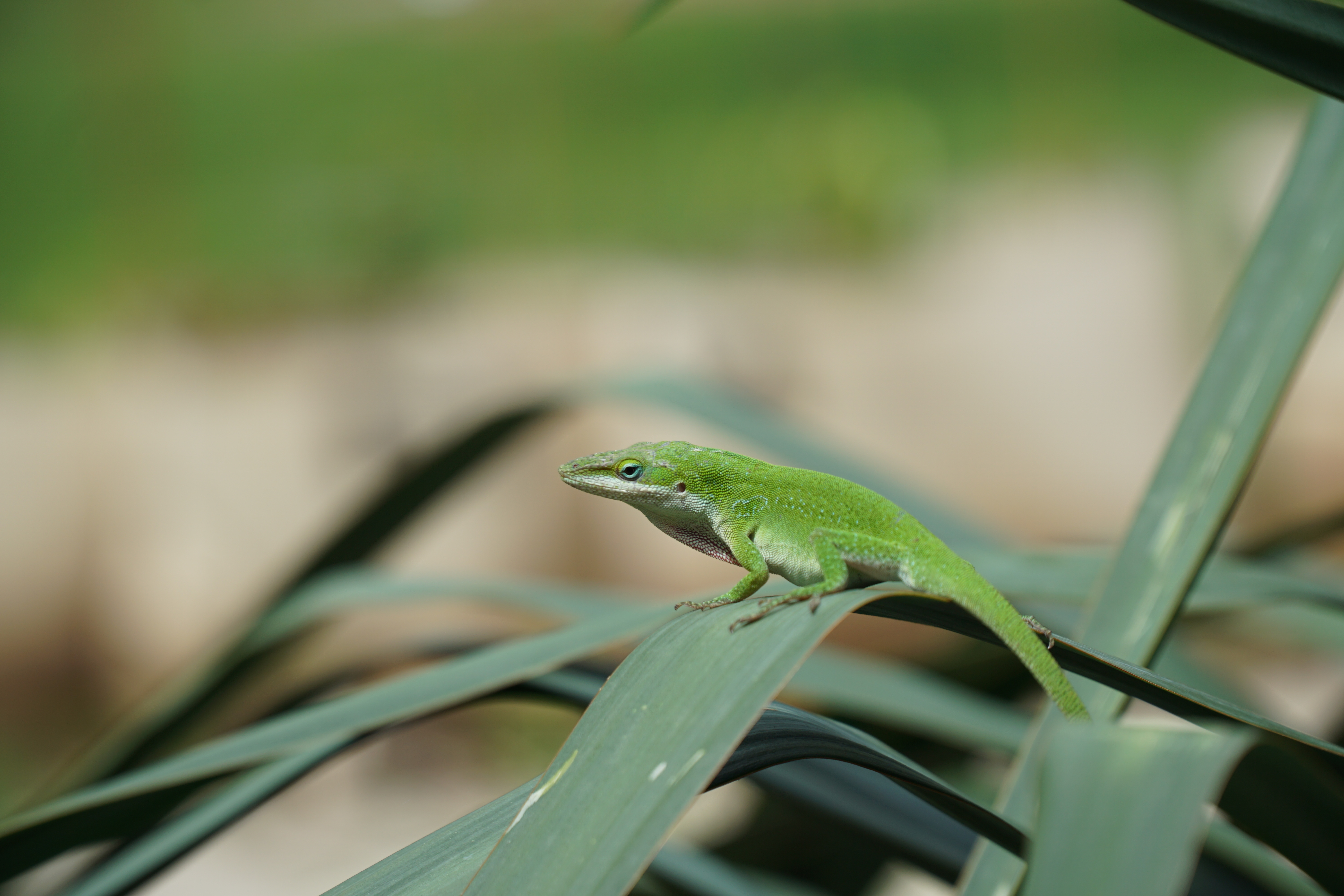
Excited, we broke out the binoculars. Andrew grabbed his camera and zoomed in for a portrait. With a creek bordering our property, we never want for wildlife. We were blissfully unaware of the consequences of inviting a bird of prey into our little sanctuary. After all, we had observed bobcats, raccoons, and possums wandering through our garden. I rely on a squadron of little green lizards to keep unwelcome bugs at bay.

Photo by Andrew Shaw

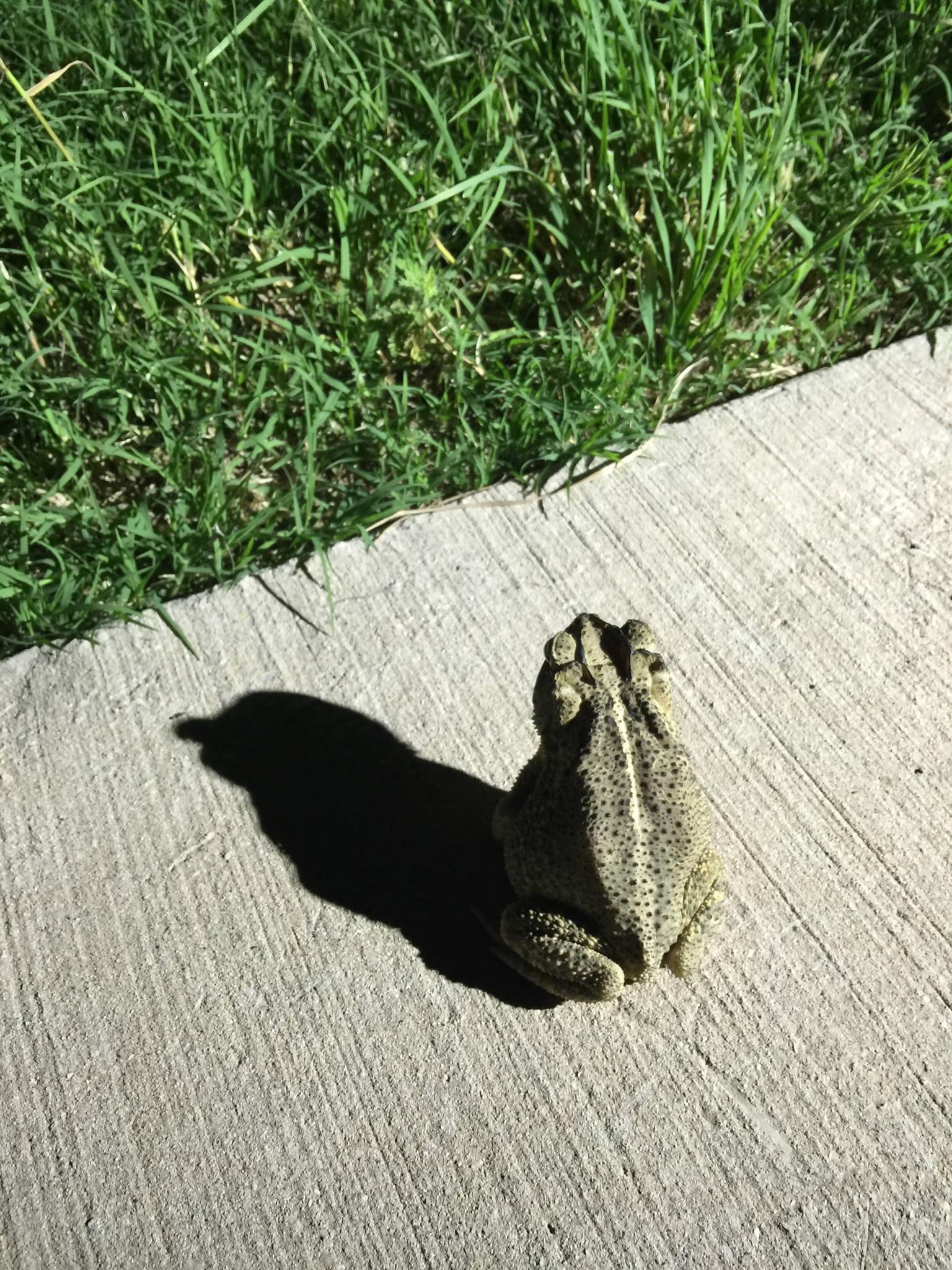
Along our sidewalk, toads alert on night patrol wait for juicy June bugs to stumble into their path.

Photo by Andrew Shaw

Not long after the owl first revealed itself, a chorus of squawks, chitters, and shrill whistles rose from our yard like a concert from an out of tune orchestra. Our visitor ducked back into the cover of the wooden house.

“What are they doing?” I waved at the flock of jays – a blur of blue feathers dive bombing the owl house.

Andrew stated the obvious. “They don’t like the owl.”

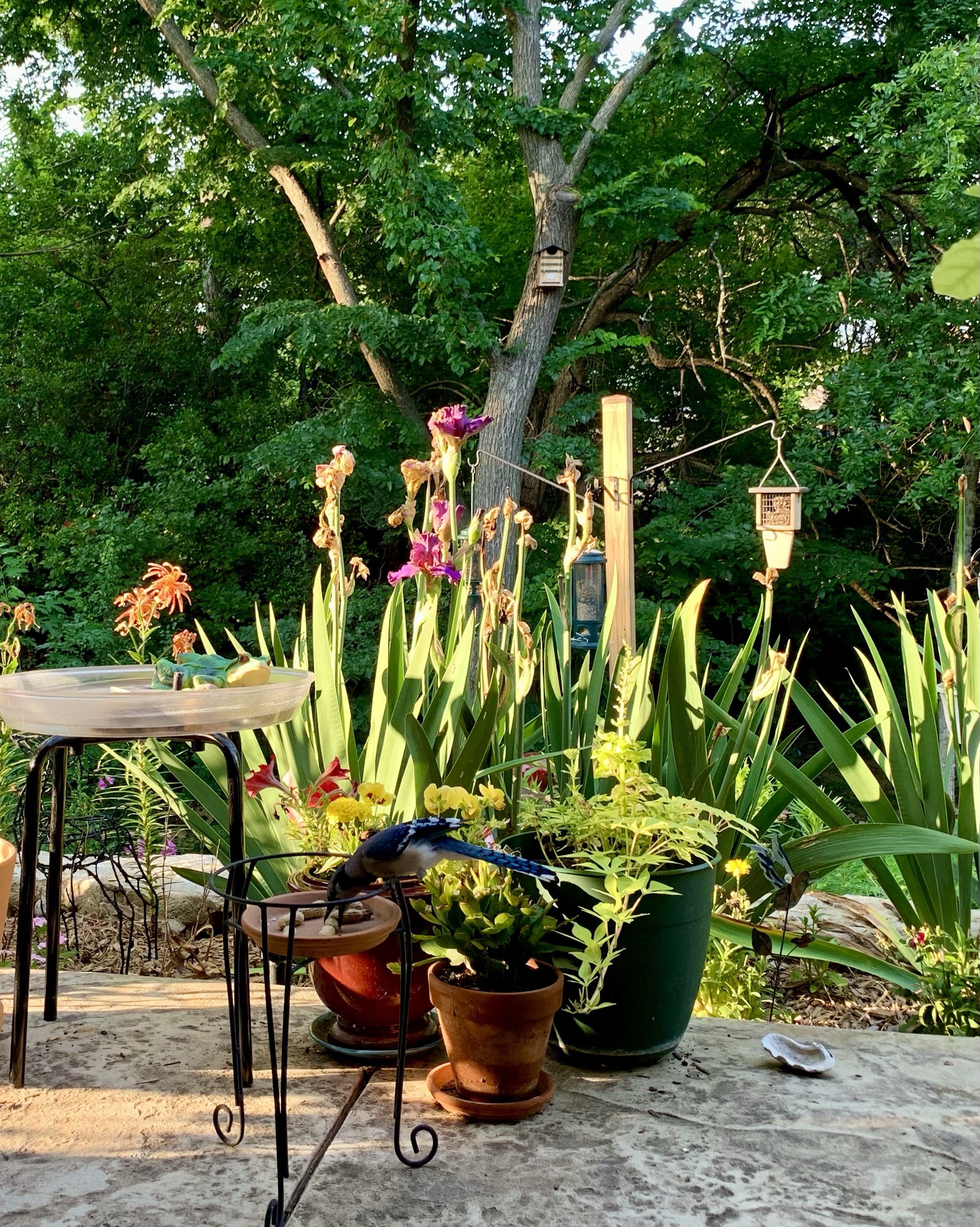
And no wonder. I realized we had placed the bird house directly overlooking our feeders. The ones where every morning a queue of owl-bite-sized wrens, chickadees, and finches appeared. Not so good for the victims, but a perfect opportunity for the bird of prey. We had installed a hotel room with a complementary breakfast buffet.

Photo by the author

Andrew and I joined in the ruckus, jumping and waving our hands while yelling “Shoo! Shoo!” The owl, unimpressed, poked his head out now and again to glare at us. Our songbirds – blue jays, cardinals, and chickadees – continued to squawk and dive bomb the bird house. This behavior is known as “mobbing” and occurs when birds feel threatened by a predator. They band together to harass the intruder. This continued throughout the day. The mobbing behavior reminded me of the short story The Birds by Daphne Du Maurier. Most people remember the Alfred Hitchcock movie based on the story. “We better remember to keep the feeders filled,” I told Andrew.

At last, at dusk, with the mob dispatched to their night time roosts, the owl emerged. He flew to the creek for a quick drink, then disappeared into the trees. We haven’t seen an owl since then, but we hear them sometimes. Possibly they are sharing the bad review of our noisy bed and breakfast.

A Lovely Home with a Wonderful View

Photo by the Author

I dumped a shovel of dirt over the body. The corpse in question, a dead rat, stared at me with a glazed eye before I covered it with a quart of potting soil. Miracle Grow, guaranteed for beautiful blooms. I hope nothing sprouts from this planting.

The rat expired less than a foot from where I’d been digging that morning. I wondered if I’d accidentally clonked him with the shovel as I set out the milkweed plant. Or maybe he’d nibbled on the fresh addition. I’d read that milkweed was poisonous, but I didn’t expect such a fast-acting result.

Of all the solutions to our rat problem, we decided the best answer would be owls. No harmful chemicals, no grisly traps to empty, nothing but the swoop of wings and a quick death to rodents. After Andrew ordered the owl house we discovered it most likely wouldn’t be inhabited until next spring, during nesting season.

“We’ll hang it now in case they decide to move in early,” Andrew said.

My husband is fearless. I’m afraid of climbing heights greater than four feet from the ground, crawling through small spaces, and purchasing things on credit. I admire anyone who is brave enough to scamper up a sixteen-foot ladder. However, someone has to stand at the bottom and hold the ladder steady. I felt the owls would be perfectly happy with a home half as high in the tree, but Andrew disagreed.  

Our vacant owl house – Photo by the author

I stood there, clutching the shaking ladder, while Andrew scurried up, carrying the owl house and a drill. My mother believed that owls were bad luck. When she was a child, her family had lost two homes to fires. “We heard an owl calling on the roof both times,” she told me. I felt the blaze was more likely because of a faulty chimney or bad wiring, and maybe the owl was just trying to warn them.

The owl lodging secured in place, Andrew climbed down the ladder. I had to admit, now that he was safely at ground level, the house looked nice and snug, high in the tree.

We had a little chickadee investigate the structure, but so far, no owls. At night, though, we can hear their trilling hoots as we stroll through our neighborhood. A creek winds down the back of our property, and native trees crowd along the bank. “It’s a lovely home, perfect for raising a family,” I entreat the birds, “with a wonderful view.”

I have a story on Vocal, inspired by owls. As a bonus, there’s also a dead rodent. You can read it here: A Death Redeemed.

Here We Go A-Wandering

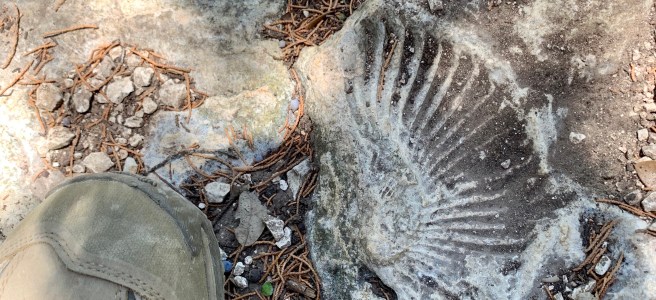
Photo by the author – Ammonite fossil on the hiking trail at Cleburne State Park, Texas

There are times when you just have to go somewhere. I imagine every unmasked stranger carries not just Covid-19, but some alien spore that will launch from their chest like a special effect in a John Carpenter movie. We are living in a badly plotted horror flick. When I heard the Texas state parks were open again with limited capacity, I signed up for a day pass to Cleburne State Park.

My husband Andrew and I arrived at the park just before noon. Texas in June is more suited to early morning or late-night hikes, but we had packed plenty of water in our CamelBak hydration packs. Andrew chose the trail. Although it was marked on the map as “Challenging” it also appeared to be the one with the most shade. Equipped with boots, hat, and hiking staff – I felt I could handle the route.

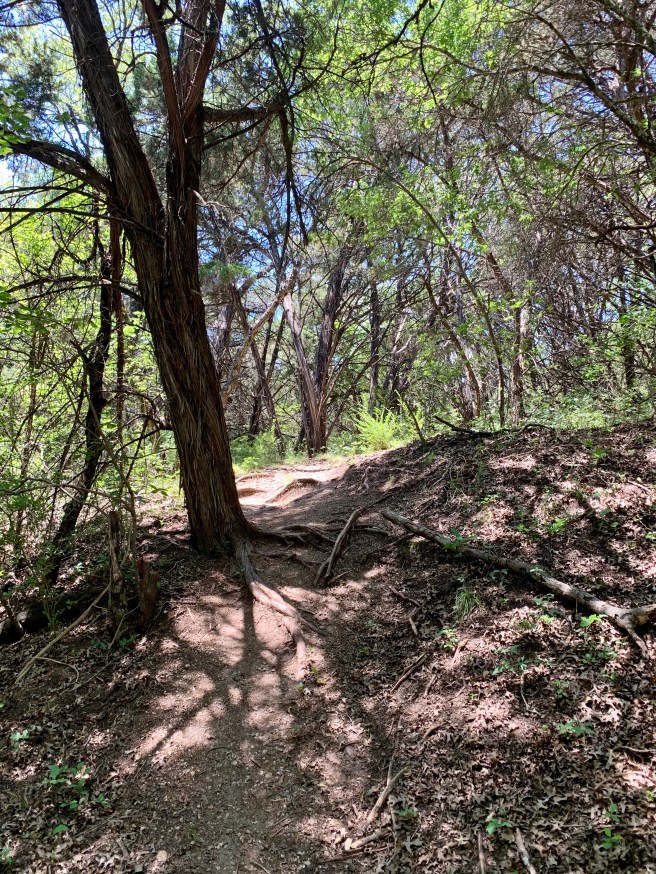
At the start of our hike, as we trod smartly along the tree-lined path, I hummed the tune to The Happy Wanderer.

Photo by the author

If you went to school in the 1960s or early 1970s, I bet you know this song. We sang it at every choir practice or music class. It was written by Florenz Friedrich Sigismund (1791–1877) and since I’m sure the copyright has long since passed, here are the lyrics:  

“I love to go a-wandering,
Along the mountain track,
And as I go, I love to sing,
My knapsack on my back.

Chorus:
Val-deri,Val-dera,
Val-deri,
Val-dera-ha-ha-ha-ha-ha
Val-deri,Val-dera.
My knapsack on my back.”

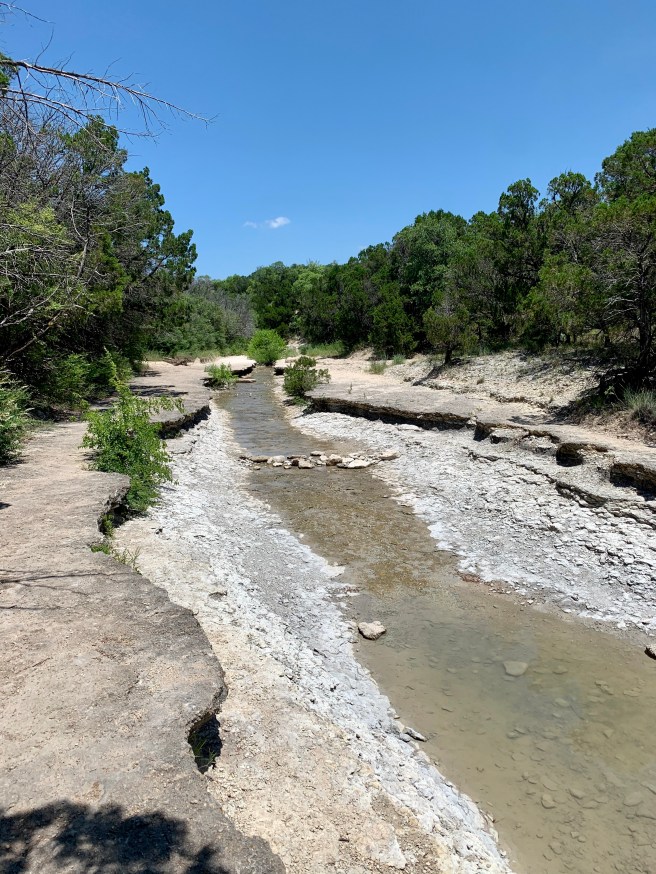
We passed a little stream as I reached the second verse.

Photo by the author

“I love to wander by the stream
That dances in the sun
So joyously it calls to me
Come join my happy song”

The trail Andrew and I climbed, while not exactly mountainous, did have enough elevation change that I felt compelled to stop every few feet and rest. Panting might help dogs to cool off, but it did not work for me. I would have collapsed on the juniper needles blanketing the path, but for the green poison ivy poking up in every level spot.

“How much farther?” I asked Andrew.

He pulled out the map and considered it. “I think we are a little less than halfway to the scenic overlook.”

“I hope there’s a bench there,” I said.

We continued along, Andrew in the lead and me following. I stared at the trail, carefully avoiding anything resembling a stick that might turn out to be a snake in disguise. We spotted a lovely ammonite fossil and I stopped to take a picture.

The fossil reminded me the area we hiked was, in prehistoric times, the floor of an ocean. The limestone we walked on was made up of the skeletal remains of marine life that inhabited that sea. If only we were wading through that cooling water now.

“Do you still have plenty of water?” Andrew asked as we paused and I soaked a towel with cool water from my pack.

“I’m good.”

“We don’t want to get heat-stroke,” Andrew said, “but I’ve heard that’s a pleasant way to die. You just pass out and go.”

“I’ve never thought of any sort of dying as pleasant.”

“Well, yes, but of all the ways to go,” Andrew continued, “I think if you kick off first, I’ll just head to the desert and walk until I’m gone.”

The trail leveled out along a stretch of wildflower filled, sunlit fields. I sipped my water and mentally checked off the symptoms of heat-stroke. I occurred to me that worrying over heat exhaustion had so consumed my thoughts that afternoon that I hadn’t thought once about dying in the pandemic. Not even when we passed other, unmasked hikers on the trail.

At one point we scrambled down an incline of loose scree, our feet sliding almost from under us. I grabbed at the cedar tree branches bent over the trail, in order to slow my descent. Andrew waited for me at the bottom, then held my hand and helped me climb up the other side. I studied Andrew’s back as he pushed on upwards. His hiking boots kicked up tufts of dried leaves and gravel.

“If I die first and you decide to go off hiking in the desert,” I said, “box up my ashes and take them with you. That way you won’t be alone.”

“All right, I suppose that could work.”

Right after, we discovered we’d been on the wrong trail. We ended up at the point where we’d begun the loop, not a bad thing as we were near the trail sign that pointed to the exit.

I’ll be back inside next week, waiting out the pandemic. I’ve never liked crowds, or crowded places where large groups congregate, so I don’t miss those types of gatherings. I do like my solitary pursuits – reading and writing, but I’m always glad of Andrew’s company. When you’re on a journey, I think it’s nice to have someone by your side. Or leading the way, watching for snakes.

Did I Say That Out Loud?

Photo by the author

My husband Andrew and I have both been working from home the past few weeks. There have been some adjustments related to space. We’ve agreed all pooping is to take place in the bathroom farthest from where our desks are set up.

It’s funny the things you notice when you spend 24 hours a day with another person. Andrew discovered I have a “work voice.” It’s like a secret identity where my superpower is cursing.

I binge watched Tiger King last week. I’ve decided Carole Baskin did kill her husband, but it probably didn’t have anything to do with them working together. Maybe. There are no tigers at our apartment complex.

We do have squirrels. They’ve grown used to the both of us being home everyday and they march right up to the glass door on the patio. Like they’re ordering food at Jack in the Box. We’re giving them names. I call the one that knocks over my plants You Bastard.

While we’re in quarantine I’m trying new things. I’ve got a sourdough starter going. Everything I’d read made the process sound pretty easy, but I’ve found it’s like raising a third child. I have to feed it twice a day and keep it warm. I’m knitting it a scarf.

Freaks at the Fair

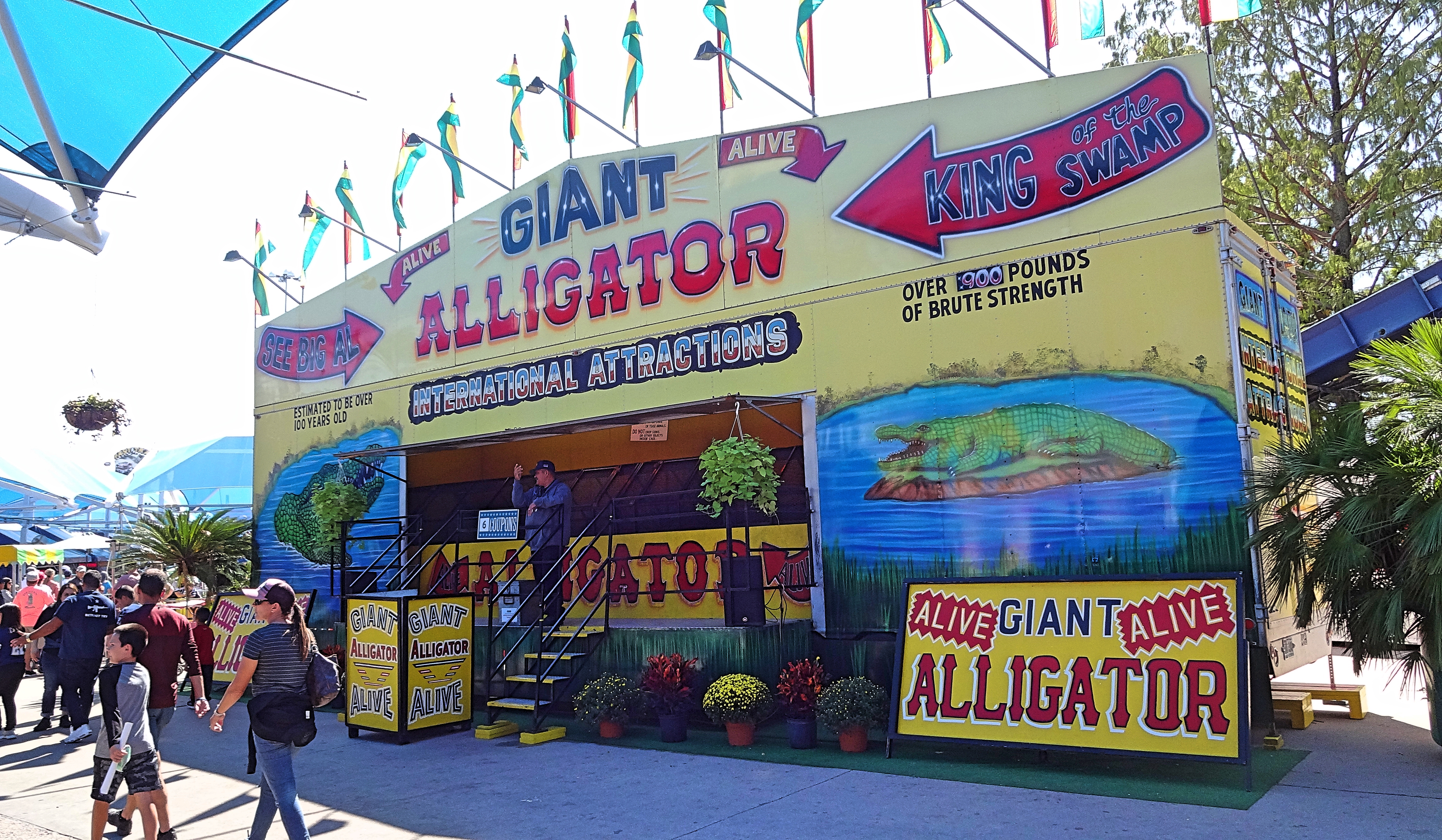
DSC03128_Fotor
Photo by the author

When I was seven years old, my parents lost me at the State Fair of Texas. Their last sight of me, I’d slipped into a crowd of folks shuffling into a garish tent on the midway. I imagine them watching as I stood in line, my hair done up in twin pony-tails in the style we called “dog ears” and my sweaty little fist clutching the ticket to the freak show.

You’d be hard pressed to find a decent freak show now. This was 1967, when no one thought it unusual or awkward to put people on display. We have the internet for that now, but in the 60s you had to show up in person. I didn’t know what to expect from the sideshow. A bright splash of colored posters flapped against the outside of the tent and promised many miracles. An alligator boy, a sword swallower, the pincushion man, the world’s ugliest woman—they all waited inside.

The last one on this list drew me in. I’d started wearing glasses, a homely set in thick tan plastic that magnified my eyes to the size of saucers. Coupled with the elastic waisted pants and polyester tops mom dressed me in, from a distance I resembled a short, middle-aged housewife. Add in my under-bite, square jaw, and the nose I grew into, and you’ll get the picture. I couldn’t wait to spot the world’s ugliest woman.

Once inside the tent I fidgeted through the first part of the show. The only audience member shorter than five feet, I faced a solid fence of adult backsides. I hopped up and down, afraid I’d miss the one act I’d wanted to see. I caught the flash of metal as the sword swallower flourished his props, and from the collective sighs and gasps as the other performers took the stage, I understood they had displayed wonderful things.

At last the slick sideshow barker announced we could all move into a curtained off area to the side of the stage. “Only one additional dollar, folks,” he said, “and you will witness a site certain to frighten children!” The barkers gaze skimmed the crowd, measuring the size of our wallets. “Any patrons with weak hearts might want to skip the act.” I dug the last of my allowance from my pocket.

Half the crowd jostled through the curtains to arrive in a roped off space the size of my living room at home. I pushed my way to the front, determined not to miss a bit of the show. We faced a wooden platform, taller than I was, and barely large enough to support the plain kitchen chair placed in the center. Another set of curtains covered the back of this makeshift stage.

“Presenting the world famous…”

I don’t remember the woman’s name, the color or length of her hair, I couldn’t guess her age. The curtains at the back of the platform parted to allow her passage onto the platform where she settled on the little chair and dropped the robe that covered her body.

There must be some mistake, I remember thinking. This was not the World’s Ugliest Woman. Extraordinary designs—red dragons, blue and yellow birds, circles and flowers and bright flourishes covered every inch of her. I supposed the parts hidden behind her bikini top and shorts were also inked. When she smiled the tattoos moved along her face, as though they held a separate life from hers. She perched on the chair, smiling down at us, her supplicants. I wondered what she thought of me, so plain, so ordinary, without a single story drawn upon my skin.

I didn’t notice the others slipping out from the tent as I stood there, entranced until the sideshow barker, with a gentle nudge, told us, “Thanks for visiting folks.”
Released onto the fairgrounds, I wandered out into the sunlight to find my mother and father standing on either side of a uniformed policeman.

“Where were you?” My mother snatched my arm, dragging me away from the dark shadow of the sideshow tent as though it might suck me back in.

For answer I waved behind us, as a new stream of fair goers exited from the front of the tent. This was where most of the group I’d been a part of had left the show, strolling out past my waiting parents. I’d appeared almost twenty minutes later, from the back of the tent.

“Never again!” My mother vowed.

That was my first, last, and only visit to the freak show. Years passed and they replaced the freak show with exhibits of bizarre animals. The two-headed turtle, the world’s largest snake, the sheep with six legs—none of them had the alluring charm of the World’s Ugliest Woman. There was a brief time when the midway claimed to have a girl without a body, but we all knew that floating head trick was done with mirrors.

I went to the fair this year with my husband, Andrew, on a Sunday, a day when the crowds shuffled shoulder to shoulder past booths selling sheets, candles, cookware, and beef jerky. The air smelled of cotton candy, stale beer, and manure from the livestock barn. We left the carnival music of the midway fading and ducked behind a row of food stalls. With Andrew’s help I perched atop a concrete retaining wall, above the crowd as they streamed past. I wore a t-shirt with the smiling face of Big-Tex, the 55-foot statue greeting the crowd at the fairgrounds. His cheeks stuffed with fair food matched mine as I enjoyed my meal. I nodded to those passersby who met my gaze, and waved to the onlookers, the audience at the show.

5A48BB6C-83DC-426D-BDE3-1A86C3A7832C
The author and Big Tex


The Onion Capitol

Snowcones_Fotor
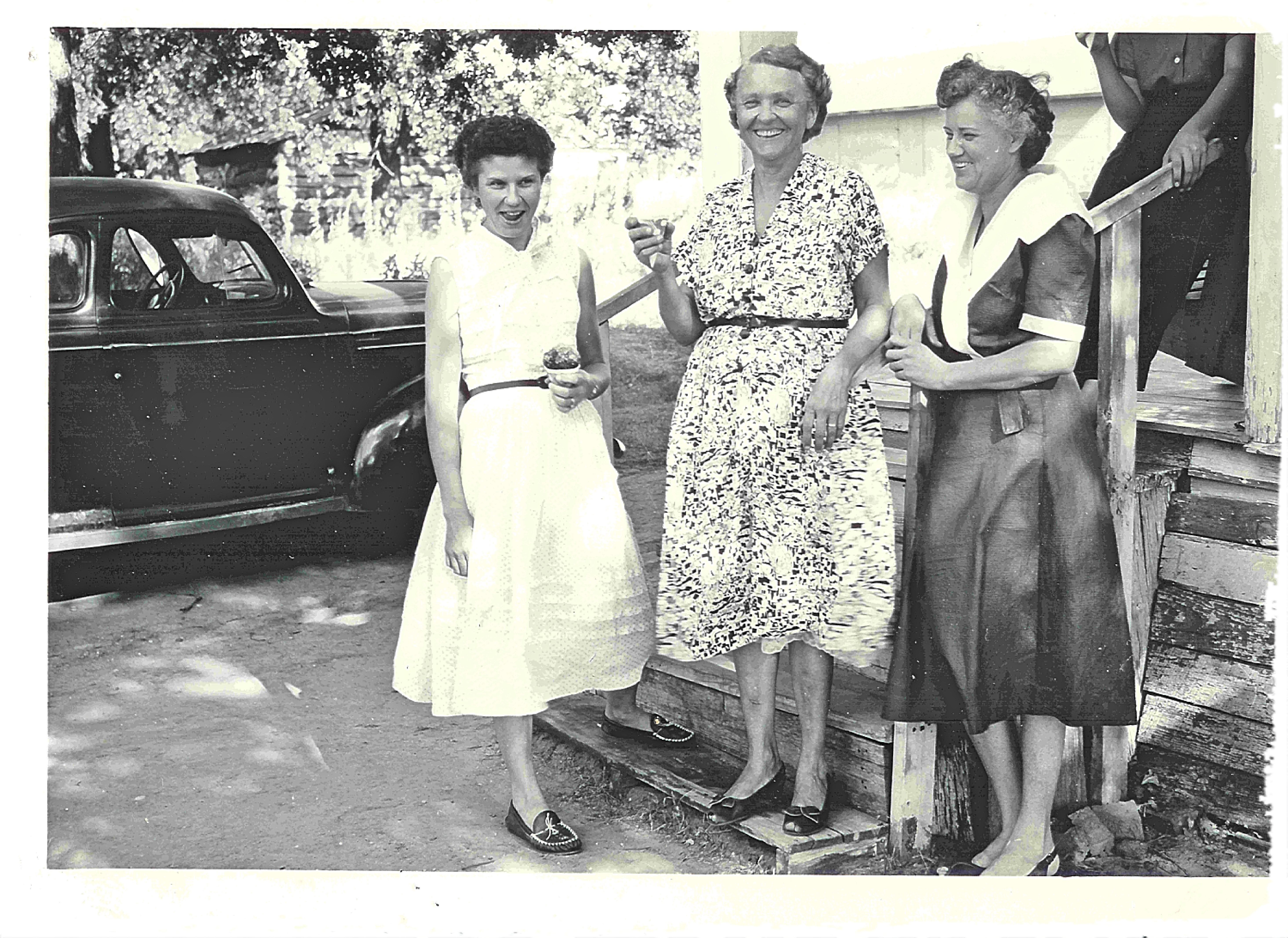
My mother, grandmother, and aunt in Farmersville in the 1950s 

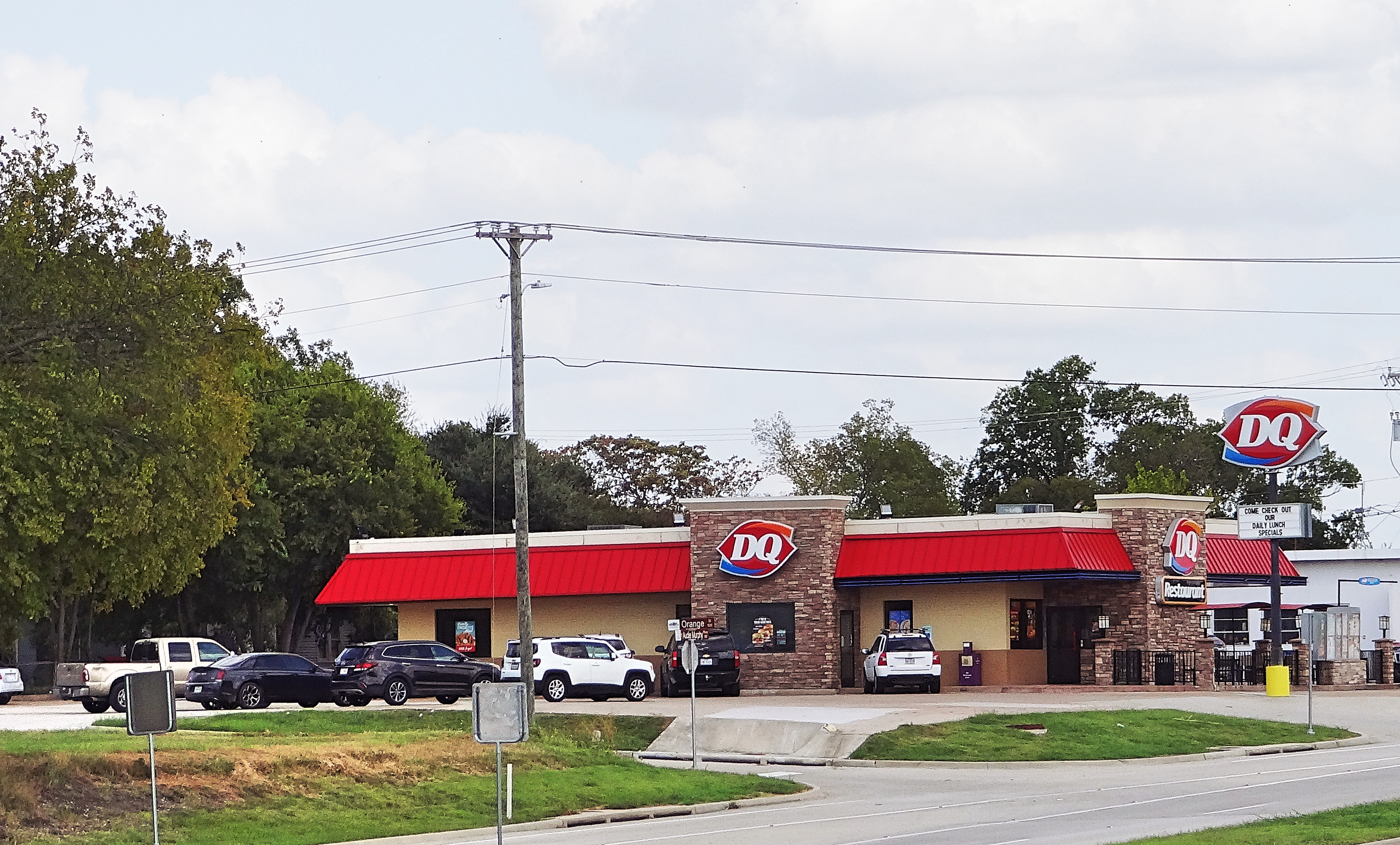
The places we visit are never as perfect as they are in our memory. My grandmother’s house in Farmersville, Texas no longer exists. A remodeled version of the Dairy Queen I visited as a barefoot child sits beside the highway and still serves up chocolate dipped cones and cheeseburgers. You can see the Dairy Queen from the overpass where I used to stand with my cousin and spit on the cars passing below. 

DSC03124_Fotor
Dairy Queen – Photo by the author


My husband and I drove up to Farmersville on the weekend, a short day trip from our home. Over bridges spanning the lake, past trailer parks and fireworks stands to the little town that was once the Onion Capitol of North Texas.

IMG-0718_Fotor
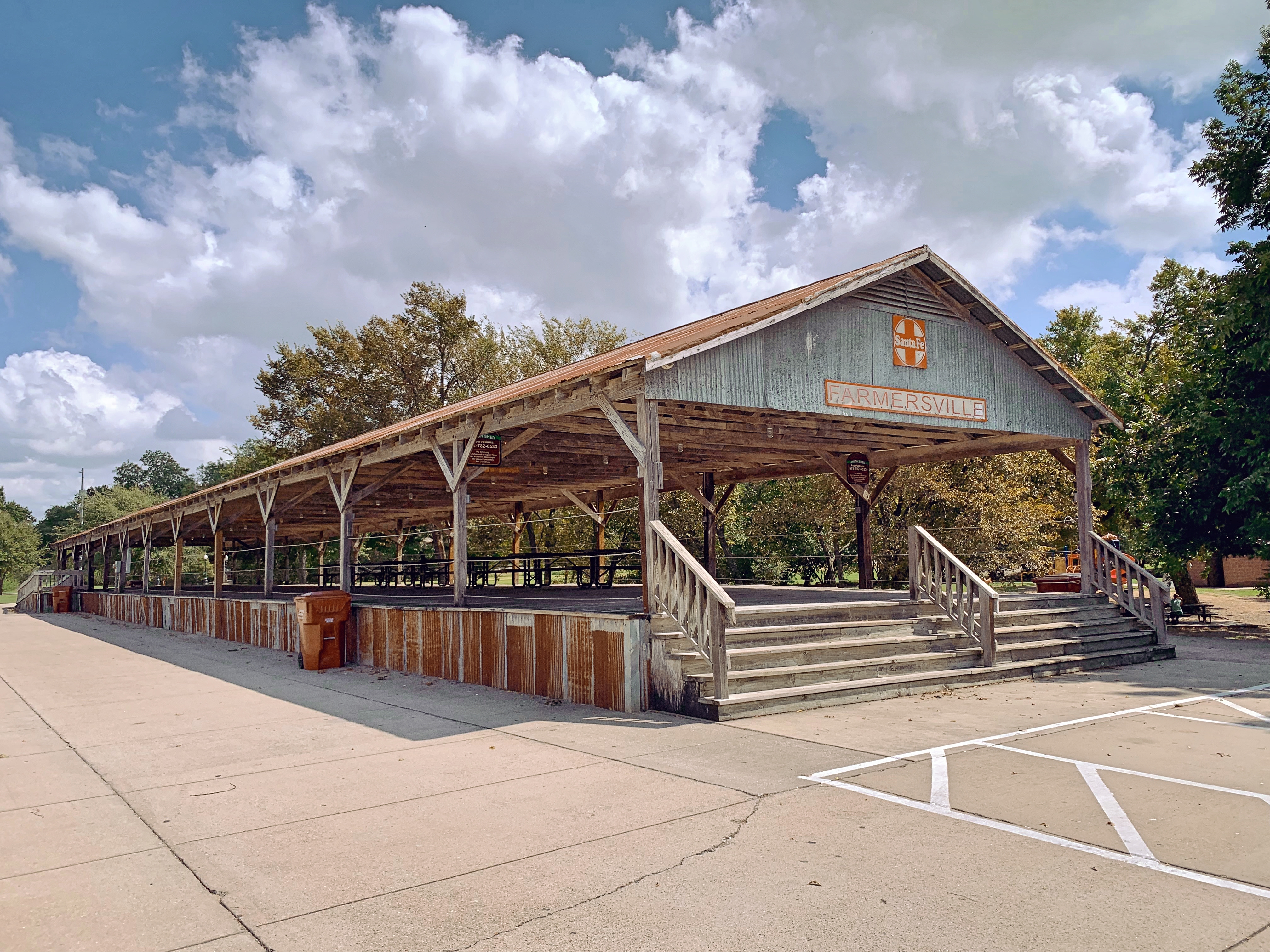
The Onion Shed in Farmersville, Texas – Photo by the author

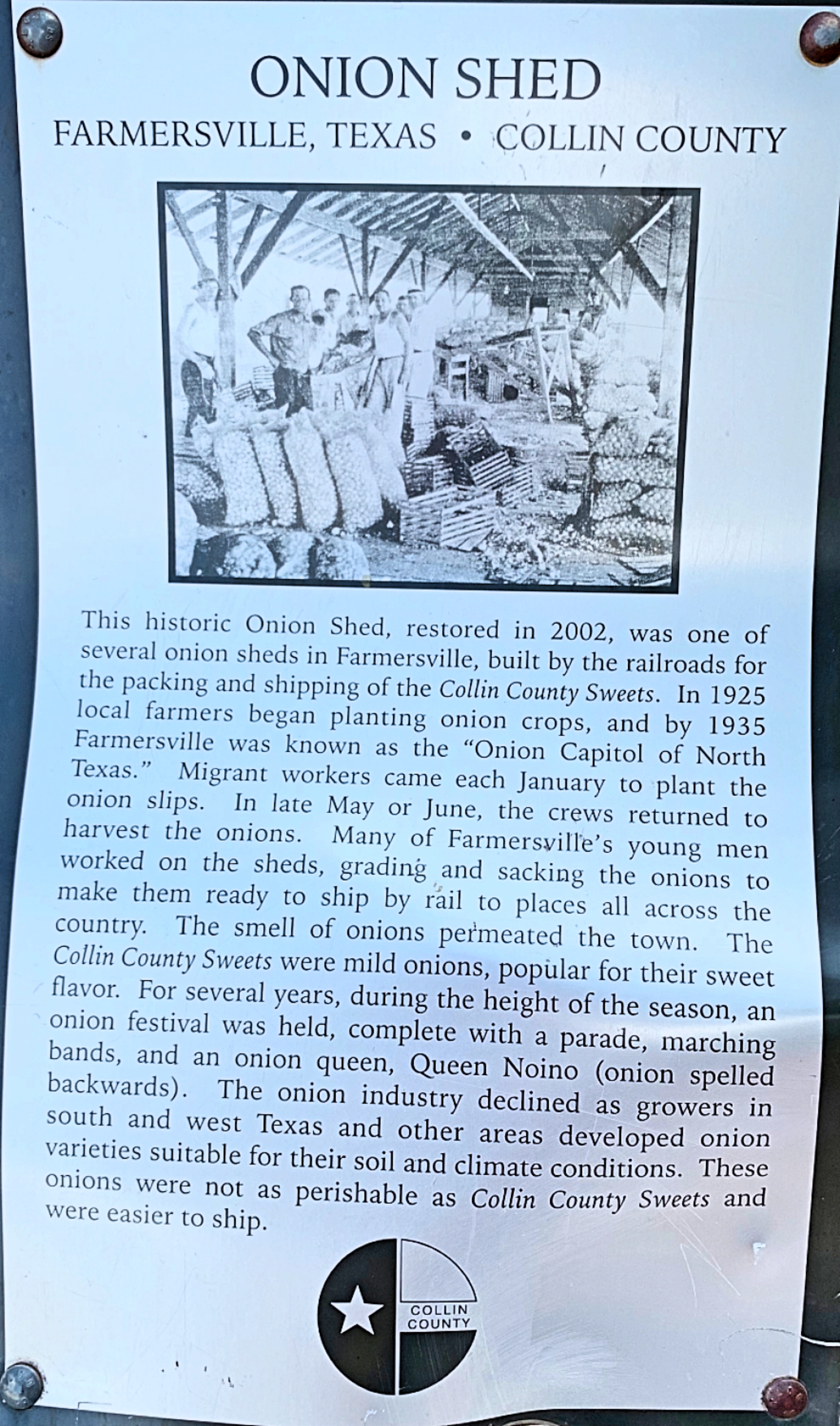
The Onion Shed sits near the town square. In the 1960s I helped my mother and grandmother fill burlap sacks with discarded onions, the rejects spilled and tossed onto the grass from the railway cars where the Collin County Sweets were loaded for shipment. No longer filled with the round yellow bulbs, you can find a flea market there on the first Saturday of each month. 

IMG-0719_Fotor
The plaque at the Onion Shed


Clay Potter Auction_Fotor
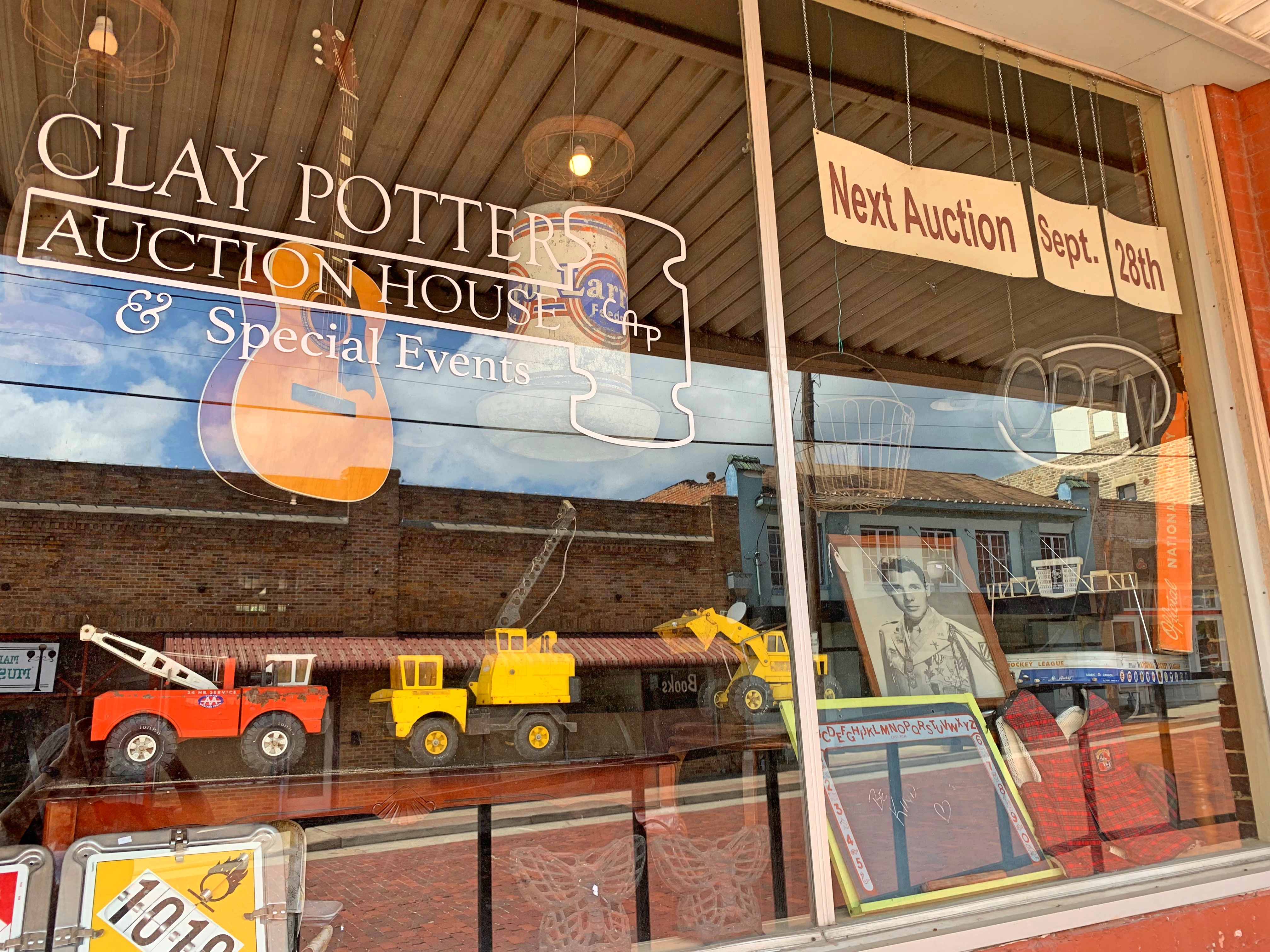
A portrait of Audie Murphy among the items for sale at the Clay Potter Auction House

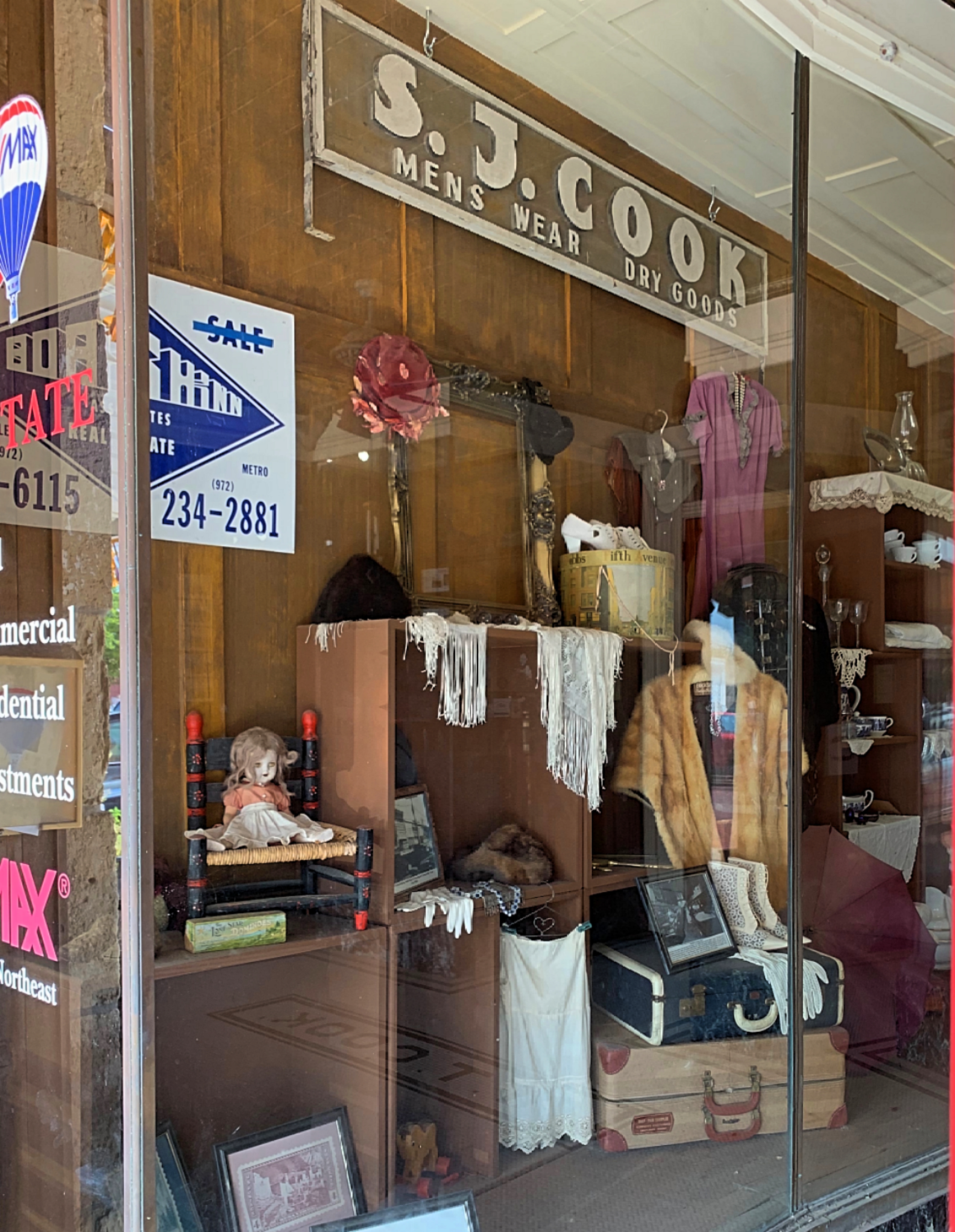
We wandered through antique stores on the town square. I am always surprised to find the toys like those from my own childhood, stacked on dusty shelves and labeled “vintage.”
There were no toys in my grandmother Mattie’s wood frame house. A print of Jesus knocking at the door and a framed copy of the TV Guide with Johnny Carson on the cover decorated her living room wall. If I slipped from my mother’s view I would have just enough time to explore Mattie’s bedroom. I could hide under the fuzzy chenille bedspread and peak out through the fringe skirting the bottom where it brushed the floor.  Visiting children were turned out into the yard, chased from the house by apron-wearing women too busy with cooking and serving to put up with our foolishness.

IMG-0723_Fotor
Window display – Photo by the author

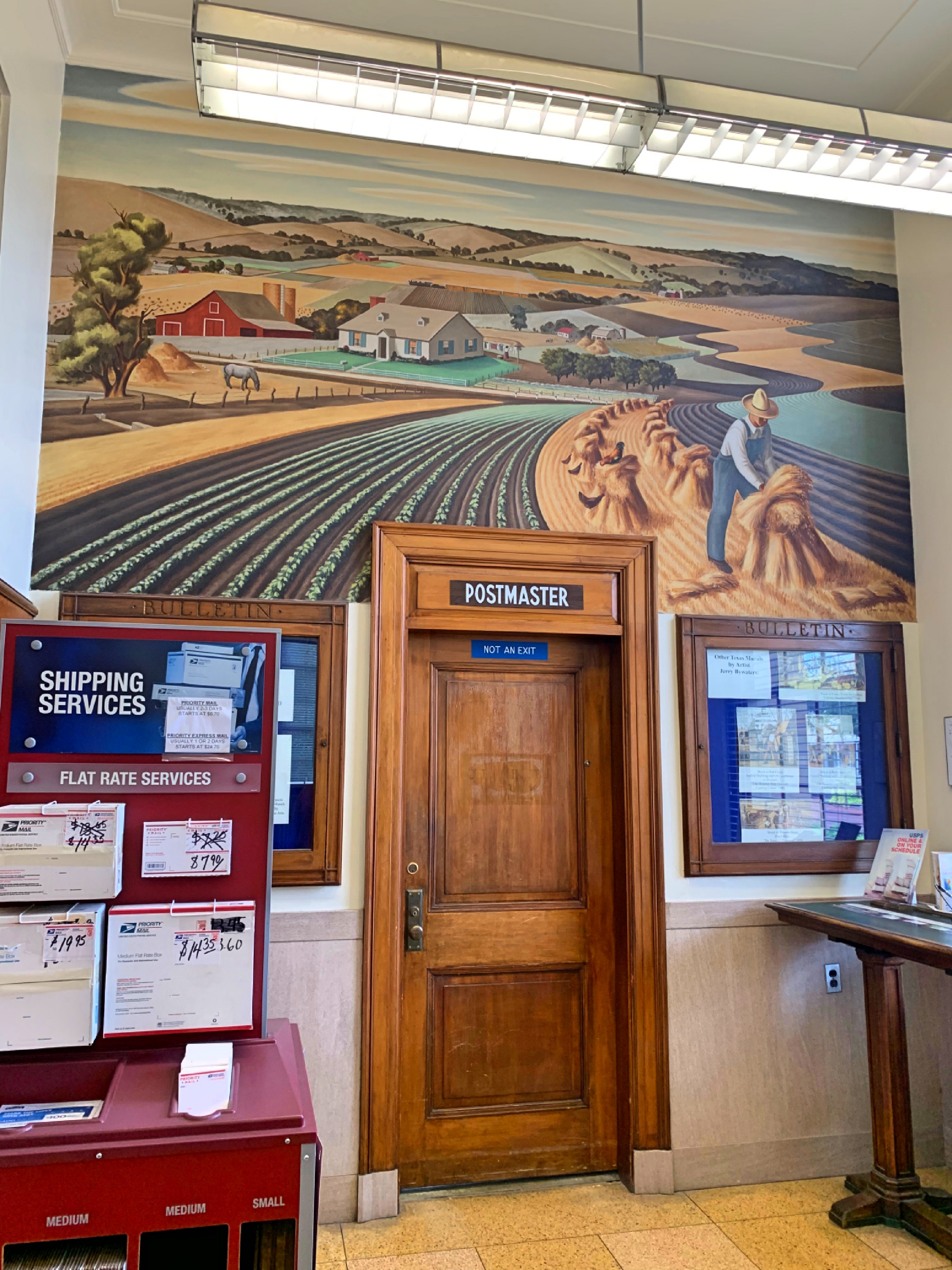
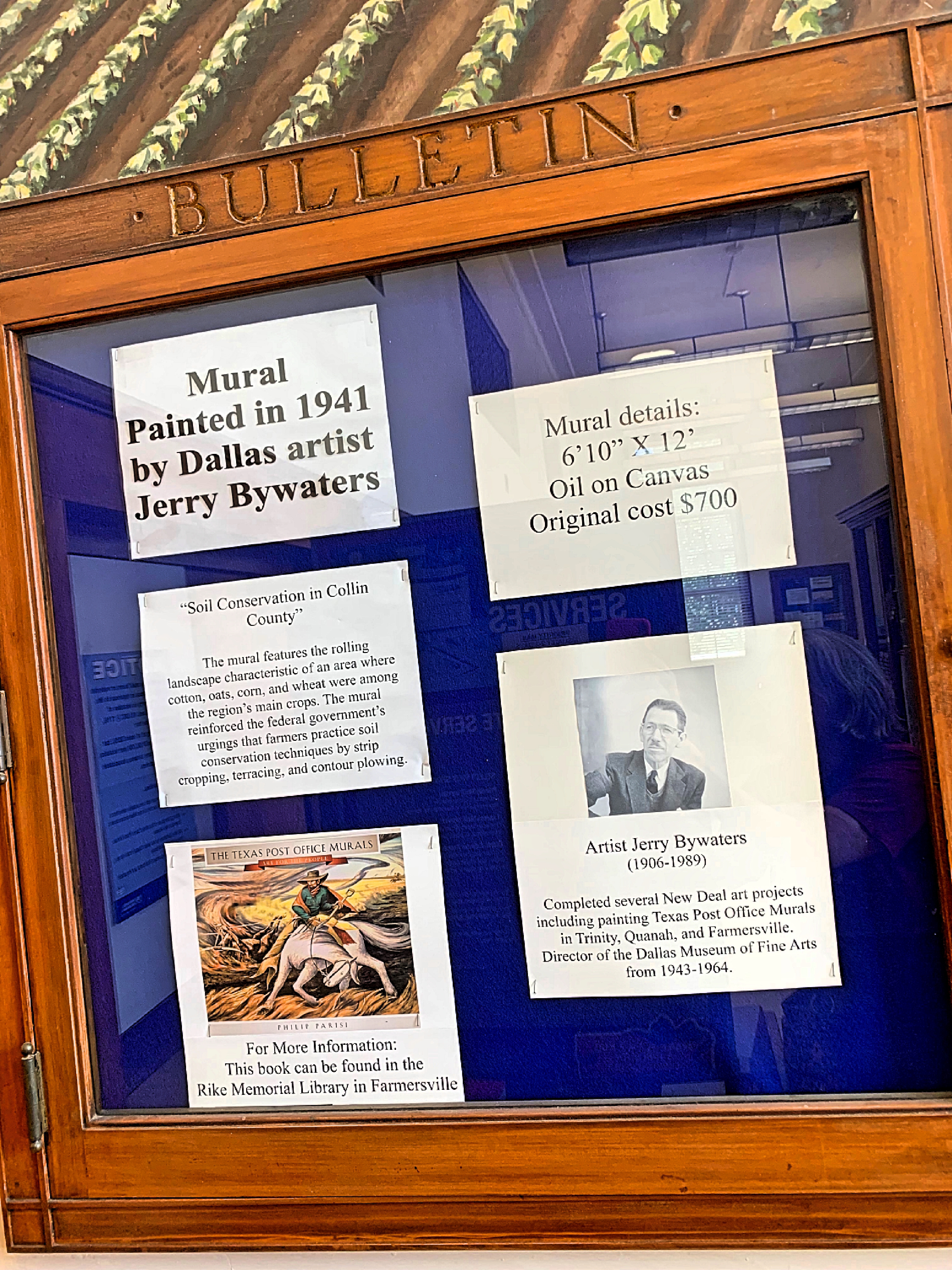
Small towns often have treasures tucked away, to be uncovered by those with time and patience to wander. The post office sports a mural painted in 1941 as part of the Works Progress Administration (WPA).

Mual_Fotor
WPA mural in the Farmersville Post Office – Photo by the author

IMG-0714_Fotor


A short walk to downtown from Mattie’s house, over the railroad tracks and to the pecan tree shaded park, and I could find the snow cone stand there in summer. Crushed ice in a paper cone that dissolved as the treat itself melted to slush in the heat. But I could drink the last of it, my hands, lips, clothes stained red, purple, blue, green.

DSC03111_Fotor
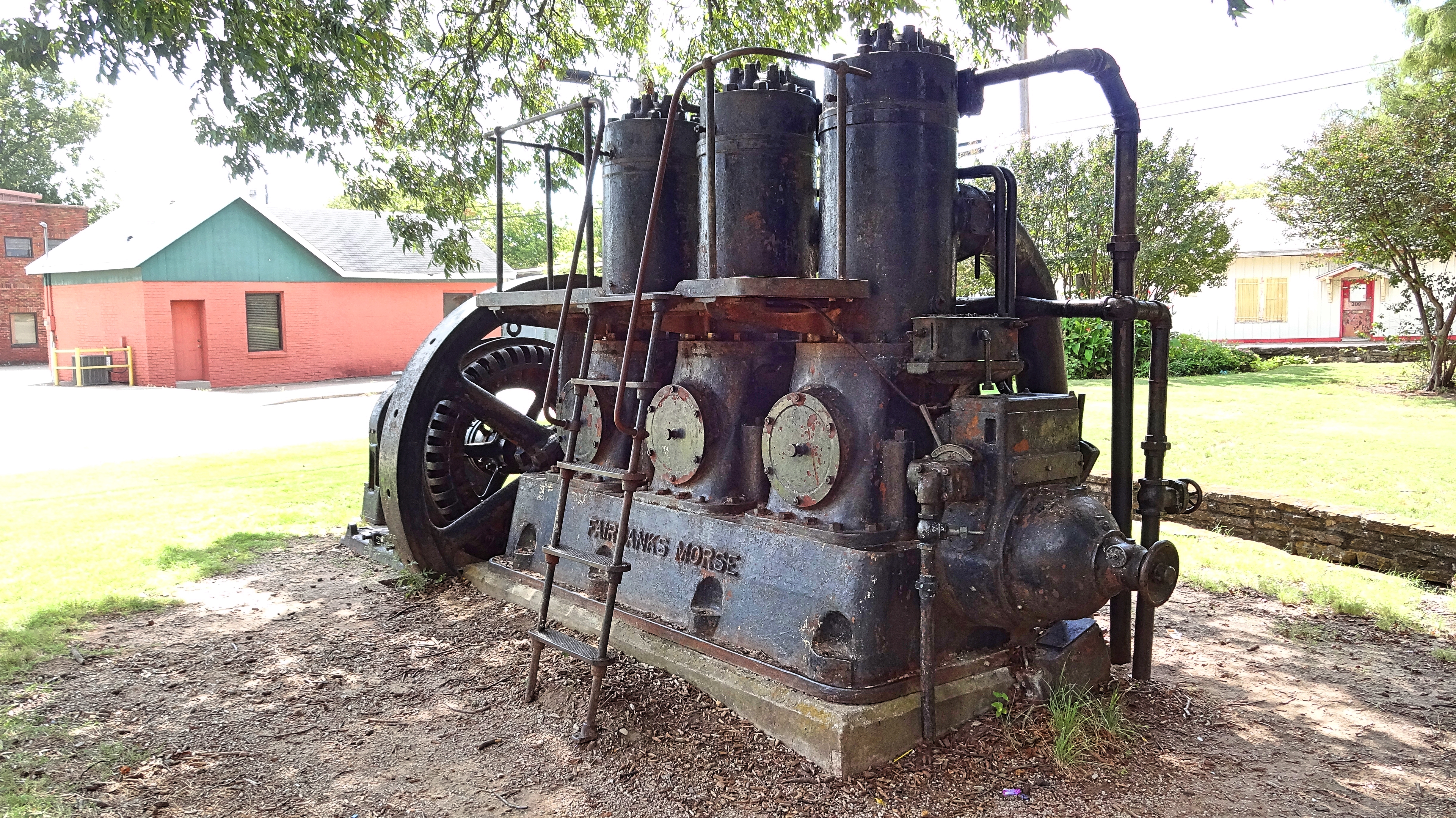
Old Electricity Generator in the city park – Photo by the author


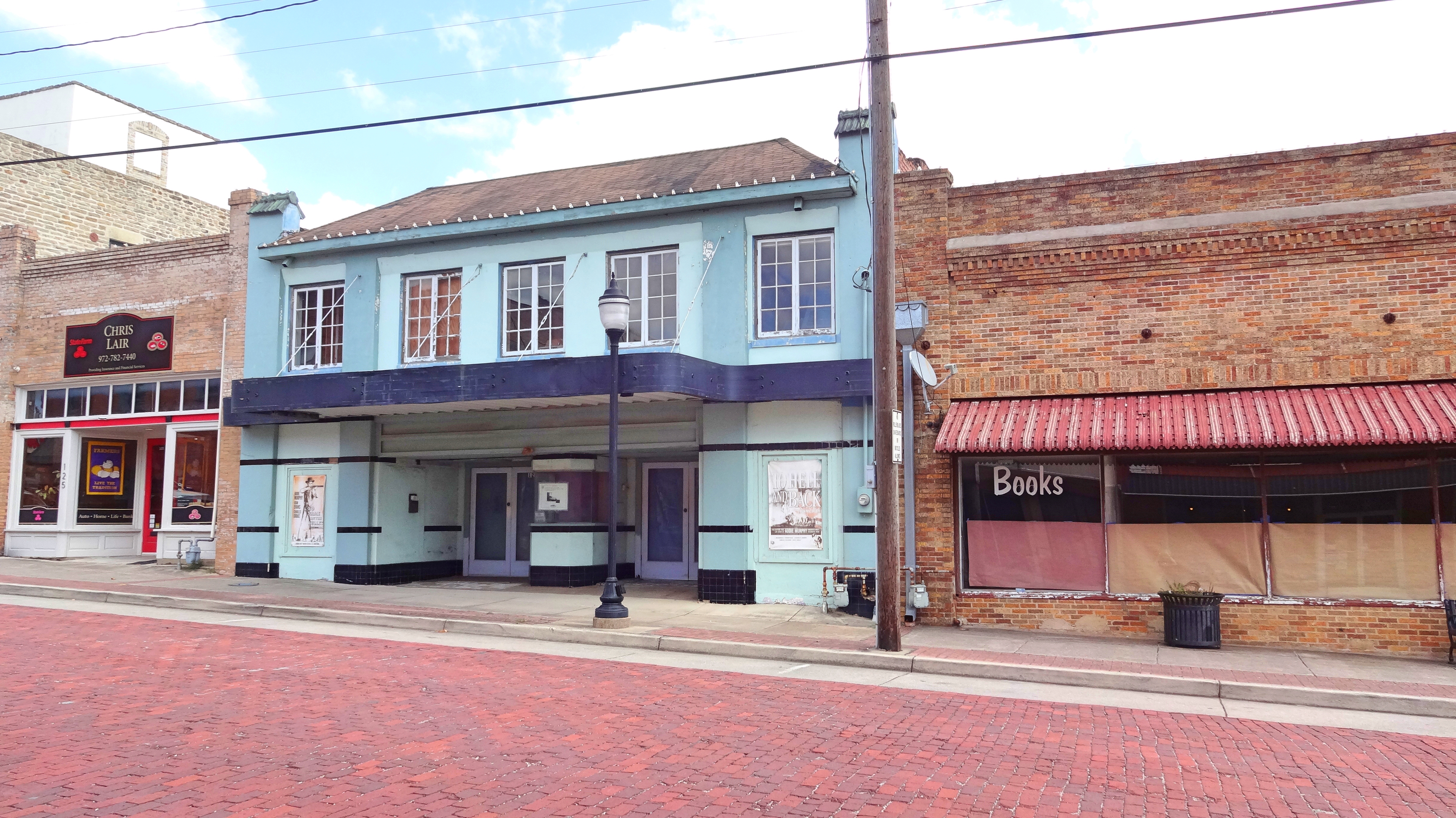
There were no snow cones for sale on the day we visited, but I bought a Dr. Pepper from one of the stores. Andrew and I sat and shared the drink on a bench near the old movie theater downtown.

DSC03105_Fotor
The movie theater in downtown Farmersville, Texas – Photo by the author

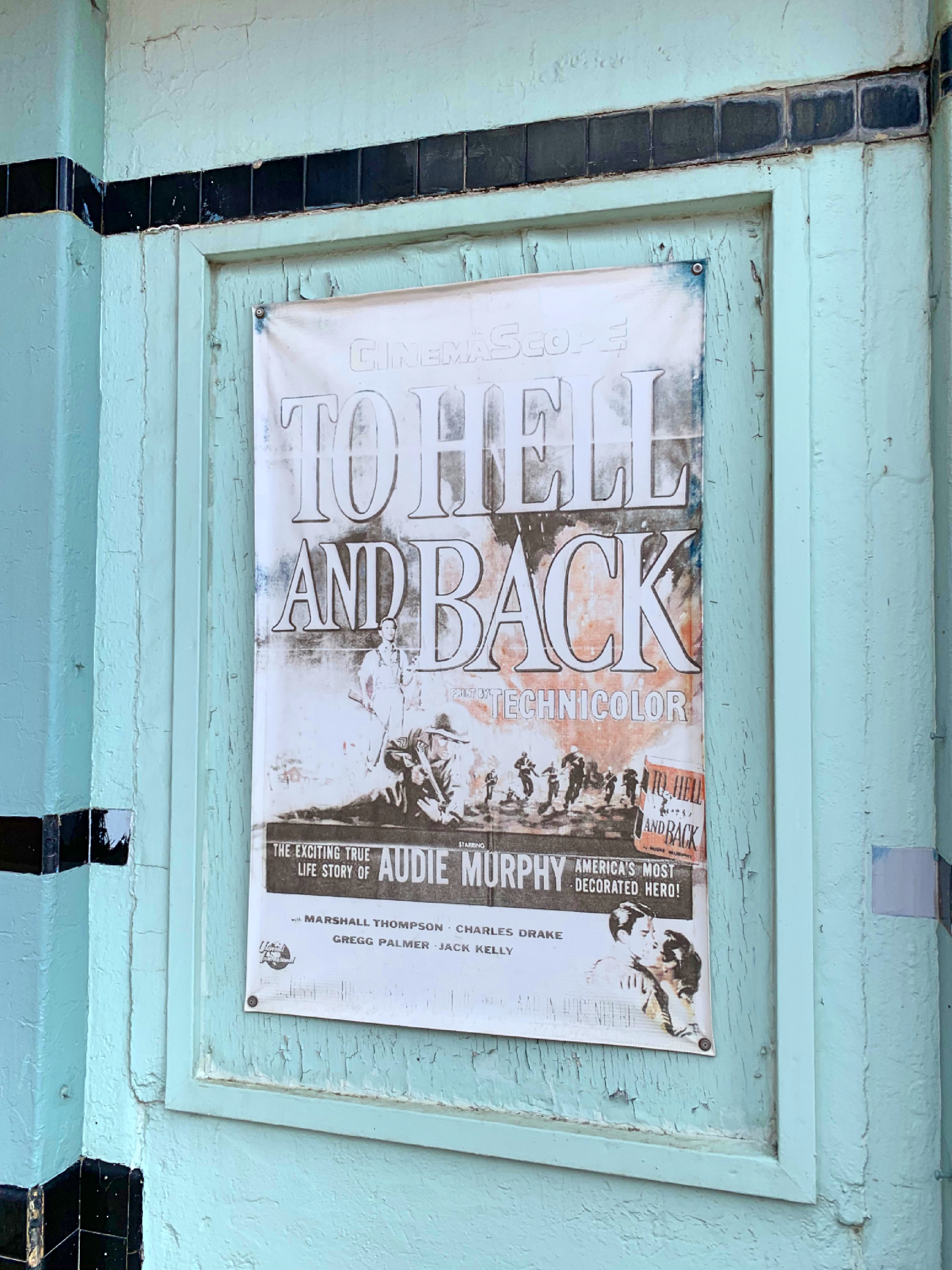
Closed for years, posters from films starring the hometown hero, Audie Murphy, hang on the front. I imagine my mother there on a Saturday night, palms slick with butter from the popcorn.

IMG-0720_Fotor


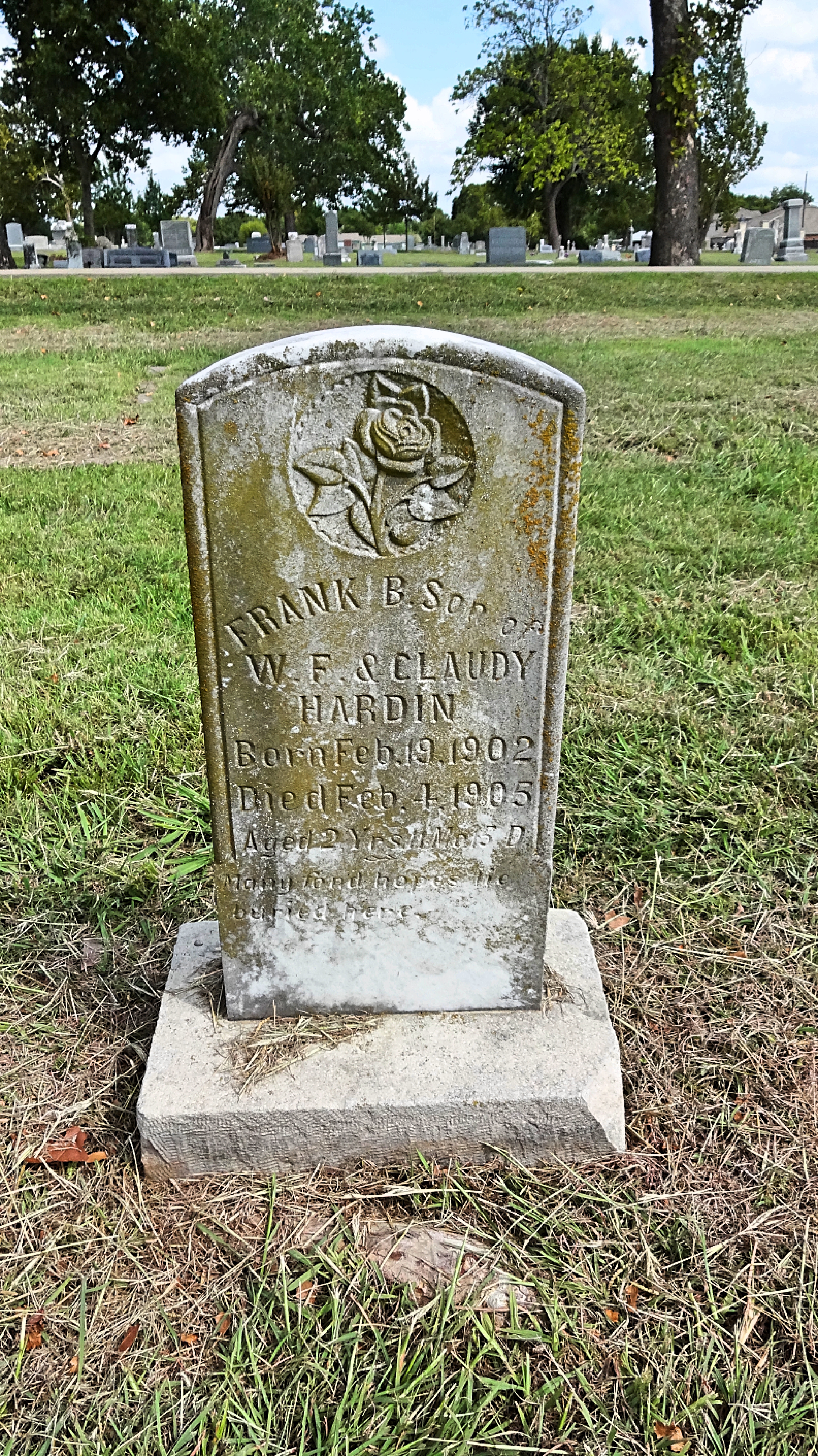
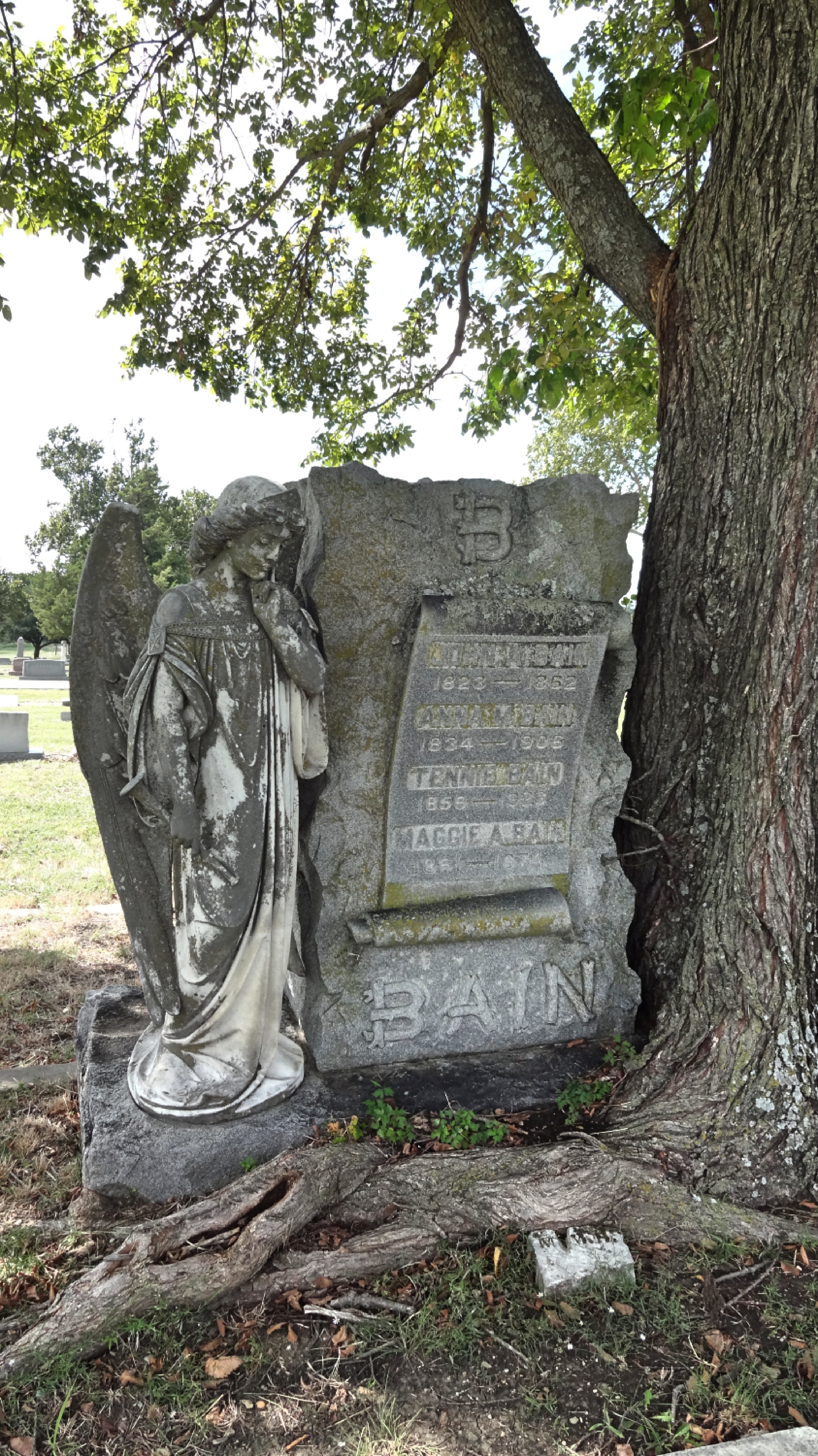
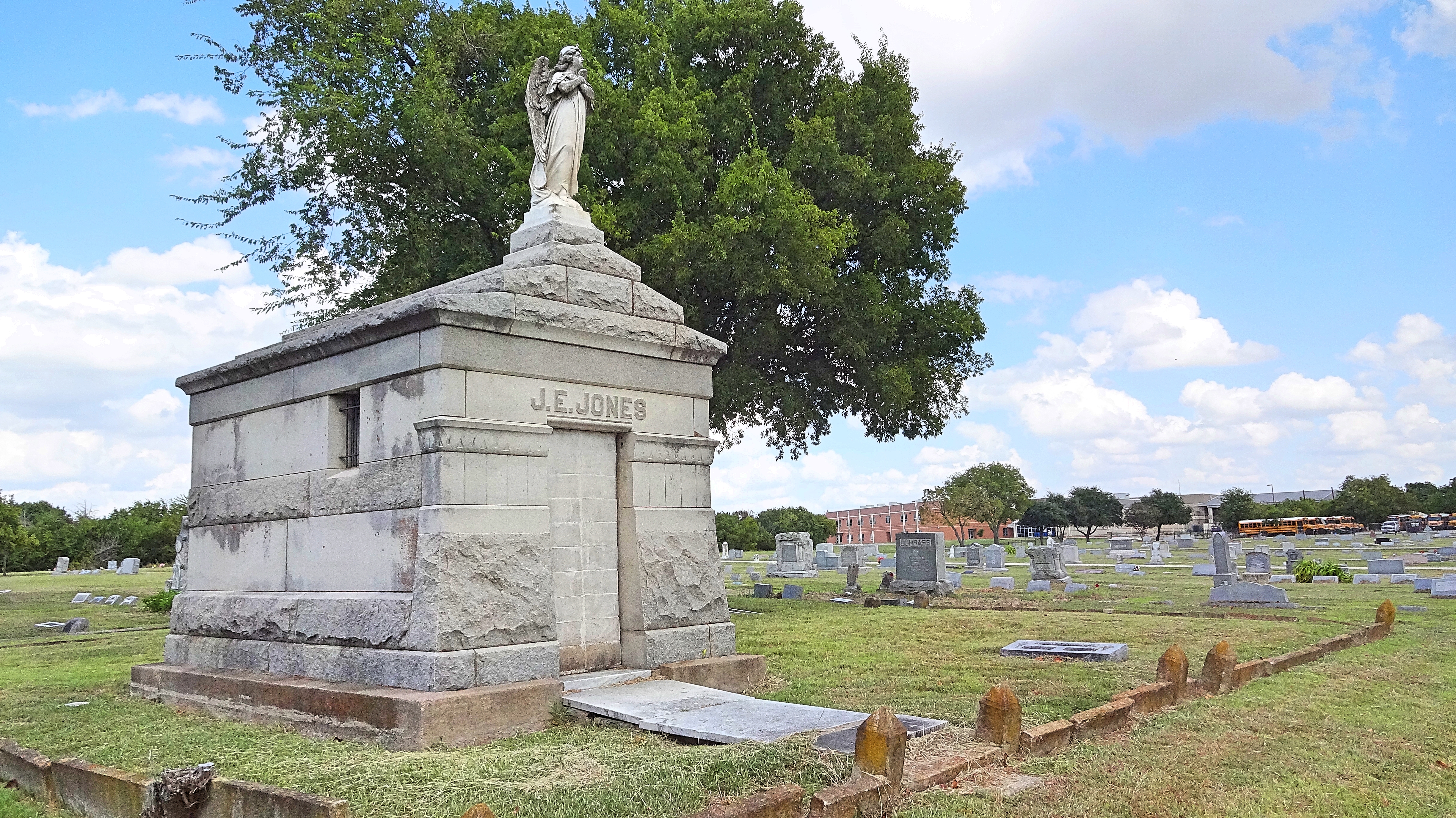
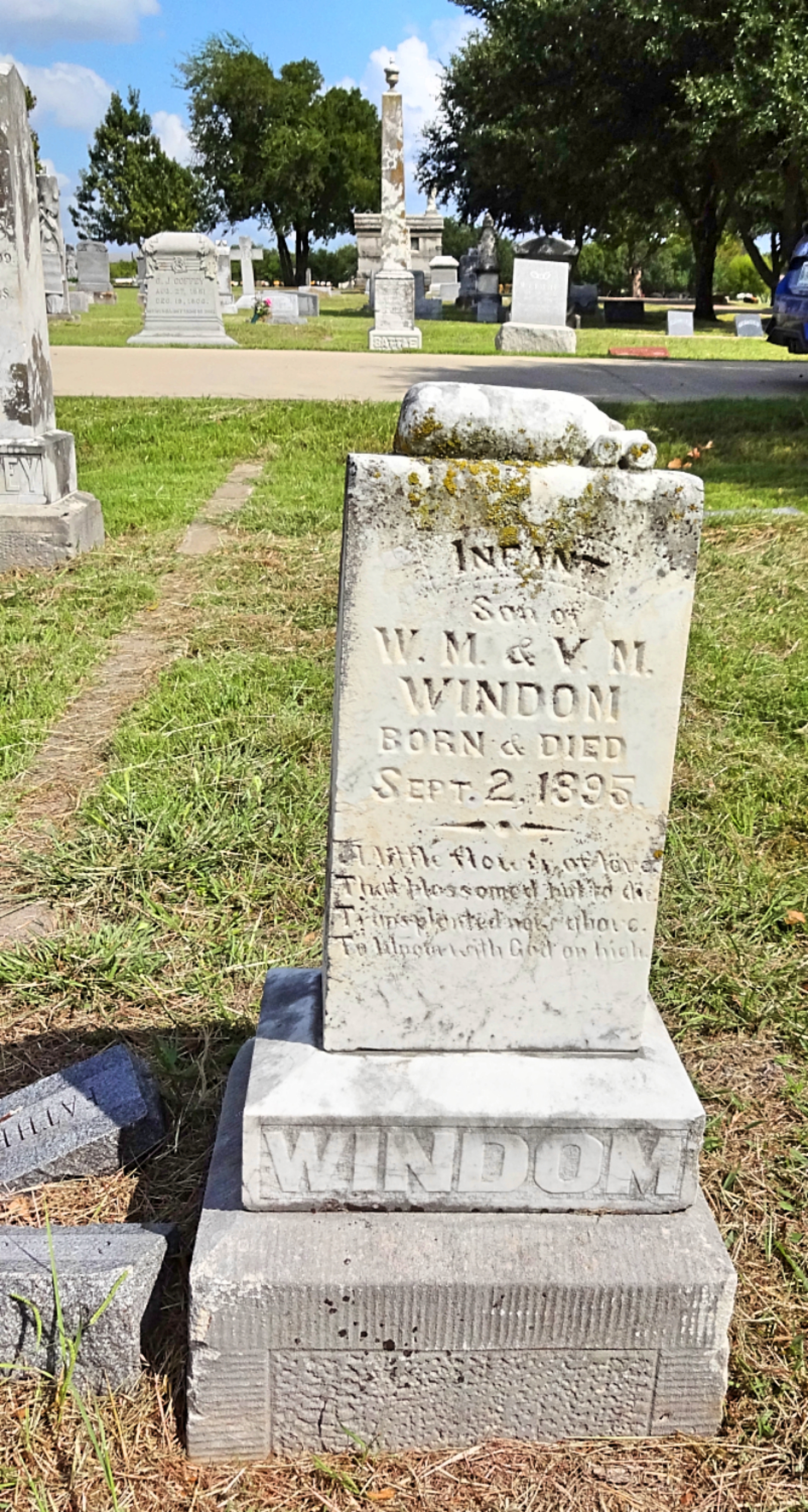
We ended our visit with a stop at the Odd Fellows Cemetery. My grandparents, Grover Cleveland Cullum and Mattie Elizabeth Watson Cullum, are buried there, as are their parents. We searched for their graves but couldn’t locate them. I hadn’t been there in years and the day was too hot for much effort. The one place in town that hadn’t changed but I couldn’t rely on my memory to find the family plot.

We did see some interesting gravestones.

DSC03115_Fotor
Farmersville 100F Cemetery/Odd Fellows Cemetary

DSC03121_FotorDSC03113_Fotor

DSC03119_Fotor

“Some of these people were alive during the Civil War,” Andrew commented.
“Yes,” I said.

Tired and sweaty, we climbed into our air conditioned Honda and headed home. Past the shops downtown, the onion shed, the park, the railroad crossing, stopping at last near the overpass so I could hop out and snap a photo of the Dairy Queen. Then onto the highway and home, leaving behind the layers of memory. My mouth, dust dry as I lean over a metal guardrail, the low mournful train whistle in the dusk, the sharp scrape of sidewalk on bare feet, the candy syrup from a grape snow cone, icy cold contrast to a dog summer day. The scent of sweet onions, yellow and round as baseballs, hidden like Easter Eggs in the soft green grass.


How Sweet It Is

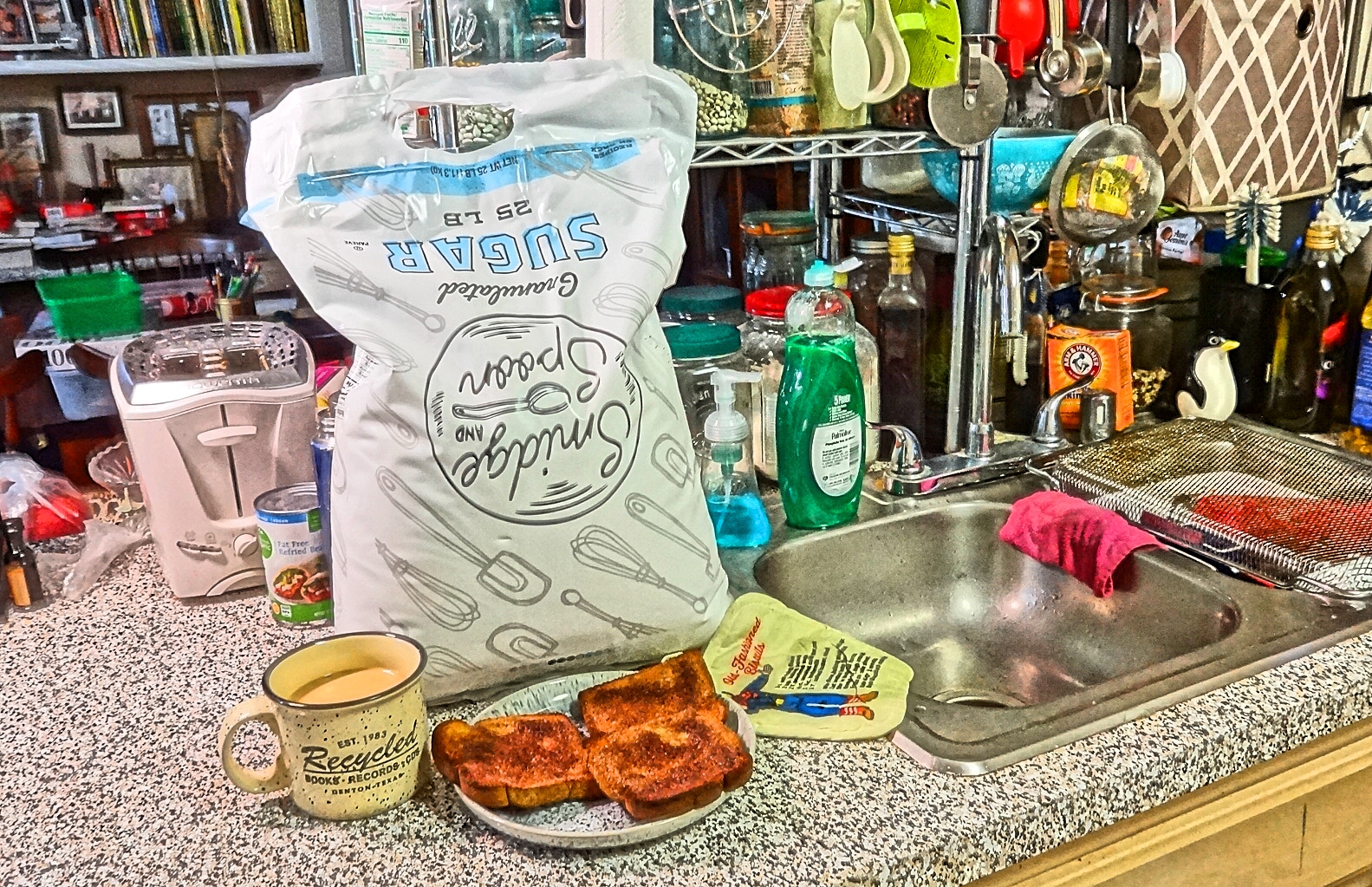
Sugar 1Photo by the Author

We didn’t need twenty-five pounds of sugar, but I felt a small thrill of satisfaction as I lifted the plastic bag onto my cart. The sensation could have been a stab of pain from hefting the heavy sack.

“What will we do with that much sugar?” My husband, Andrew asked.

“I’ll use it for my tea and coffee,” I answered. “It won’t spoil,” I added, after calculating how long the hoard would last if I drew out my usual ½ cup per week. I pointed to the back of the bag. “And here’s a recipe for sugar cookies.”

When I first spotted the shiny white package in the clearance aisle at Kroger, I thought it contained pool chemicals. I stepped over the bag where it lay on the floor, snugged against the lowest shelf as though someone had lost the strength to lift it back into place.

“Twenty-five pounds for $4.89! That’s…” My accountant brain calculated the price per pound—“a great bargain.”

If asked to list the features of their dream home, most people would include a lovely kitchen, a spacious backyard, a sparkling pool. My perfect house would contain lots of closets. Closets with shelves, racks, walk-in closets, storage spaces tucked under stairs, coat closets so wide and deep you’d think there’s a door to Narnia in the back. I need space for my stuff.

“It’s not hoarding if it’s something we will eventually use,” I told Andrew as I crammed twelve skeins of mulberry hued yarn into a cardboard box, to stash under the bed. Buy-one-get-one, how could you refuse?

When I was a child, my mother paid for our family groceries with food stamps. We stood in line for government commodities—five pounds of cheese, flour, canned vegetables, and sometimes sugar. Having survived the Great Depression, my folks were certain that economic ruin lay just around the corner. My dad held onto a booklet of sugar rationing stamps from World War II until the 1970s, when he passed them on to me.

I’ve inherited my parents’ insecurity, as sure as I’ve inherited my dad’s under bite and my mother’s nose. Like them, I ease my anxiety over the future with a full pantry. I consider my Costco membership as thrilling as a ticket to an amusement park. There’s a cult of clutter-clearing going around, but I wonder if any of them have experienced the life-changing magic of buying in bulk.

At home, I transferred five pounds of rice into several smaller jars, dumped a pound of beans into a pot to cook for dinner, and repurposed a plastic tub I had reserved for the ten-pound bag of cornmeal forgotten in the back of the pantry. The twenty-five pounds of sugar had landed on the clearance aisle because of a small hole in the package’s top. I discovered this at the store when I lifted the bag onto the register to scan the price tag.

“No problem,” I reassured Andrew while I swept grains of sugar off my clothes. “I’ll put it up in something when we get home.”

“The ants will love it,” he said, as he knocked sugar from the bottom of his shoes.

Safely secured in large tubs, glass jars, plastic totes, and the china bowl next to the coffee maker, I sighed with relief knowing my sugar future was secure. If we find ourselves in an apocalypse before my hoard runs out, drop by. We will have cookies.

*Originally published on Medium at https://medium.com/@TurpinTerrye/how-sweet-it-is-351b7df85876?source=friends_link&sk=08d4c1eb2f285f01bbffa7f28b0c65f3


Whistle Britches

Andrew and I were wandering through the clearance section in men’s clothing at Macy’s when we spotted them. A row of corduroy pants in vivid orange and royal blue.

“No one wants the whistle britches,” Andrew commented.

“Do you think they have my size?” I asked. I love a bargain.

“Please, no.”

Andrew does not like to draw attention, and it’s hard to be discreet when you’re dressed in colors loud as caution flags. Plus, everyone would hear the swish-swish of your legs, making it impossible to sneak up on anyone.

I had an entire corduroy outfit in Ninth Grade. The brown pants and matching tunic were hand sewn by a seamstress my mother worked for, cleaning her house. They worked out an exchange, my mother scrubbed and in return the seamstress fashioned my freshman year wardrobe. I don’t remember the rest of the clothing from that year, but the brown corduroy set was extraordinary. I must have resembled a large teddy bear swooshing down the hallways of my high school. Either that, or a giant, rustling paper bag.

I bought a purse at the mall, from one of those pop-up kiosks. An unusual transaction for me, as I usually race-walk past those shops before I’m attacked with a salt scrub or an offer to clean my glasses.

img_0015

The purses, however, caught my eye with their loveliness. Handwoven by women of the Wayuu tribe in Columbia, each bag resembled more a work of art than a place to stash your lip balm and that paperback you’ve been carrying around for six months. Dazzled by the dozens of bags, I pulled out my credit card (not an easy task as it was buried in the IKEA backpack I tote when I visit the mall).

The saleswoman couldn’t get her payment processing software to work with the mall’s lousy internet service. She tried standing in the doorway of a nearby shop and leeching off their connection, while I wondered if dozens of strange purchases would pop up on my Capital One account. I offered to scoot down to the ATM and bring back cash. At the last minute I remembered the purse, wrapped and tucked in my IKEA backpack. I handed it back to the saleswoman with a teary-eyed promise to return, like Odysseus at the start of his journey to Troy.

You can find out more about the purses here, and even buy one if you have a good internet connection.

https://tamboraexchange.com/wayuu-people

The purse I took home –


If you enjoy reading about my adventures click the Follow button at the top of the page on my website and I’ll send you my newsletter, with updates on what I’ve published and the collection of stories I’m working on.

You can unsubscribe at any time – but I hope you’ll stick around.