The Places We Go When We Look for Love

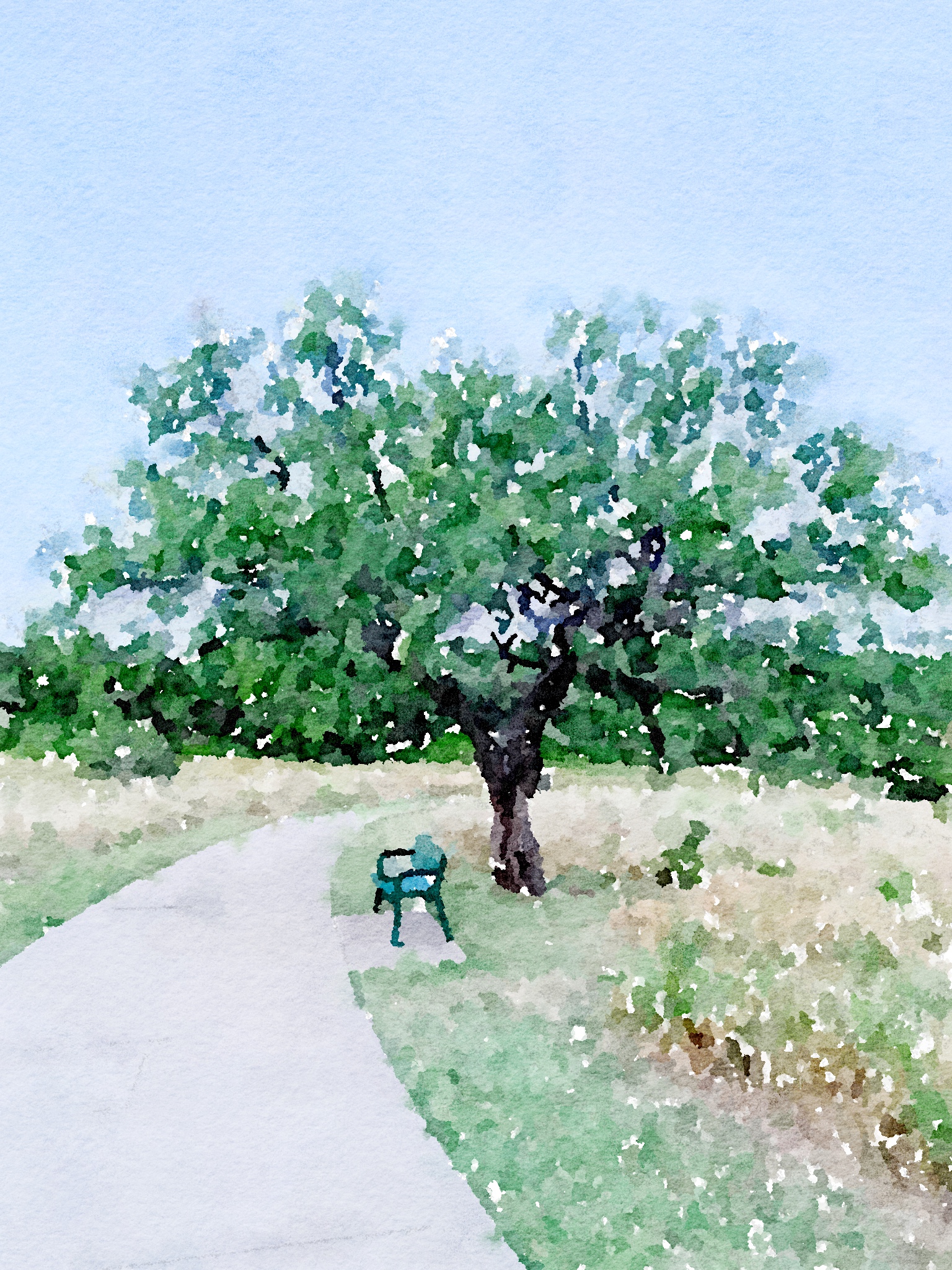
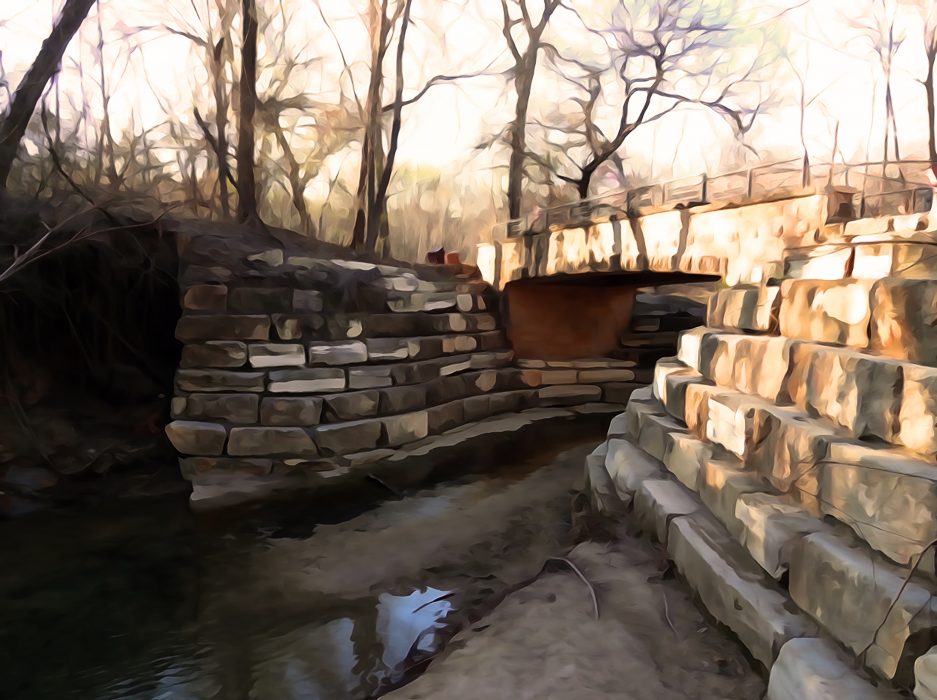
Photo by the author. Edited with the Waterlogue App

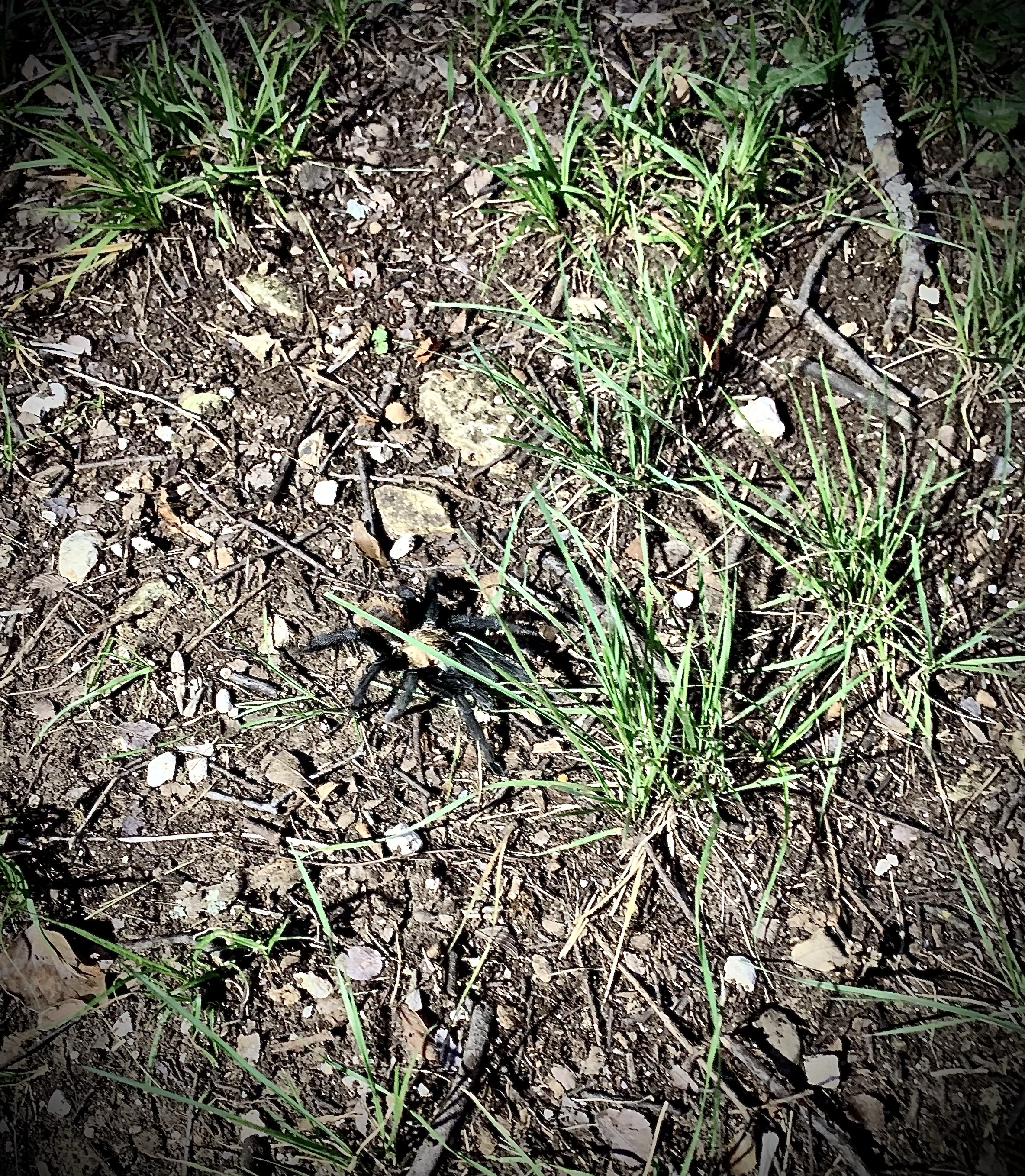
Summer is the season of love – for Texas tarantulas. Despite having eight appendages, they have no opposable thumbs and no way to access a special spider dating site. Like a shy single guy, the males venture out as the sun sets, searching for that one special arachnid lady. He must make a hasty love connection as the male tarantulas only live seven to eight years, while the females can live up to the ripe old age of twenty to twenty-five.

Photo by the author – male tarantula spotted at Arbor Hills Nature Park, Plano Texas

He hunts for his special love by scent, tracking a possible mate to her burrow. Once there, he taps on the fine webs at the entrance and hopes she’ll respond by swiping right in spider fashion. If the answer is yes, perhaps they’ll go out to dine on a fine meal of crickets before or after the romantic hook-up. However, if the female is not in the mating mood, she is apt to make a meal of her suitor instead. Either way, someone will have a nice dinner.

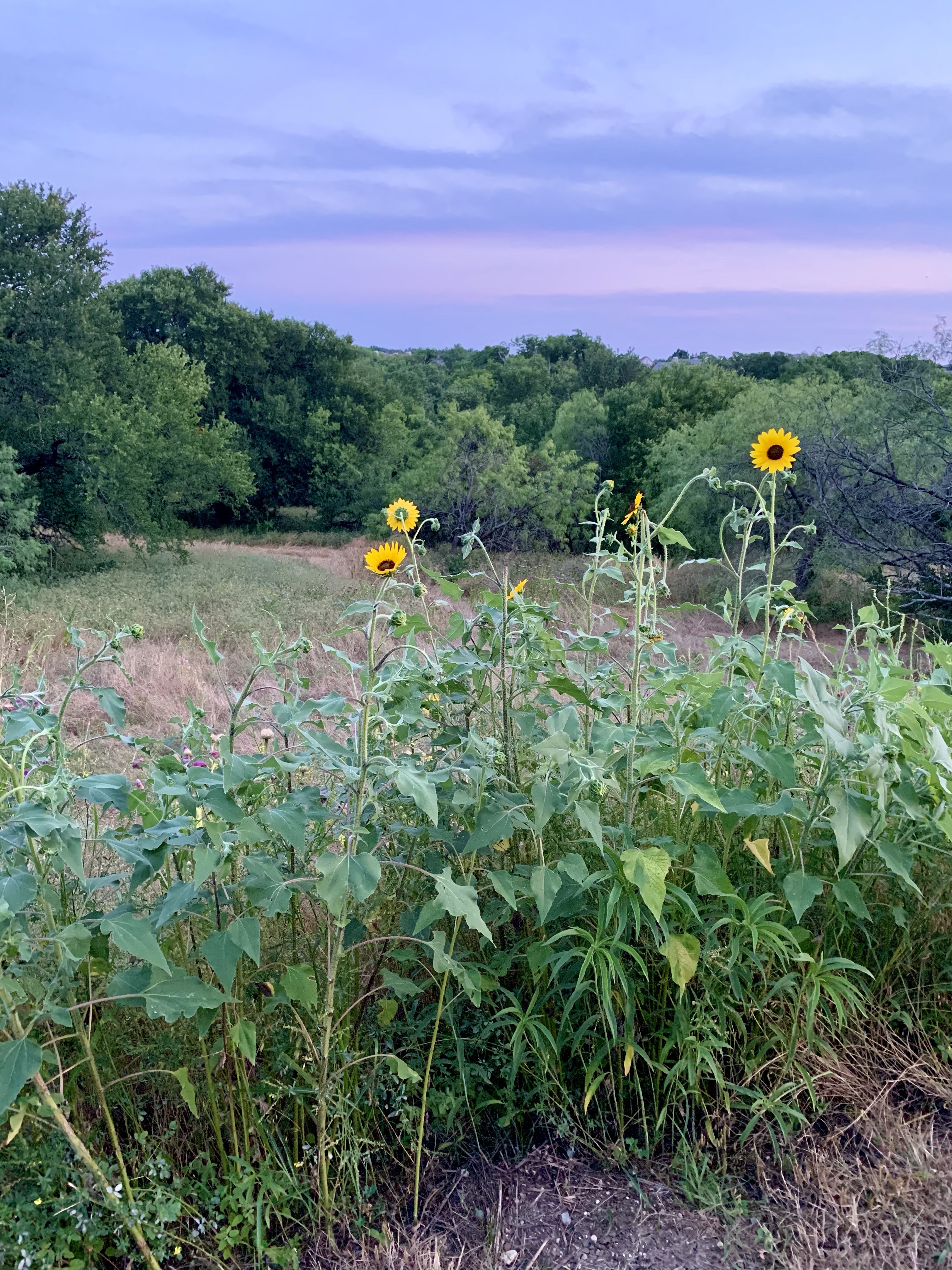
Photo by the author – Arbor Hills Nature Park, Plano Texas

I met Andrew, my husband, at Arbor Hills Nature Park. We had connected on a dating site and arranged our first date online. No need for a scent trail, I spotted him holding a Frisbee as he stood in a field near the parking lot.

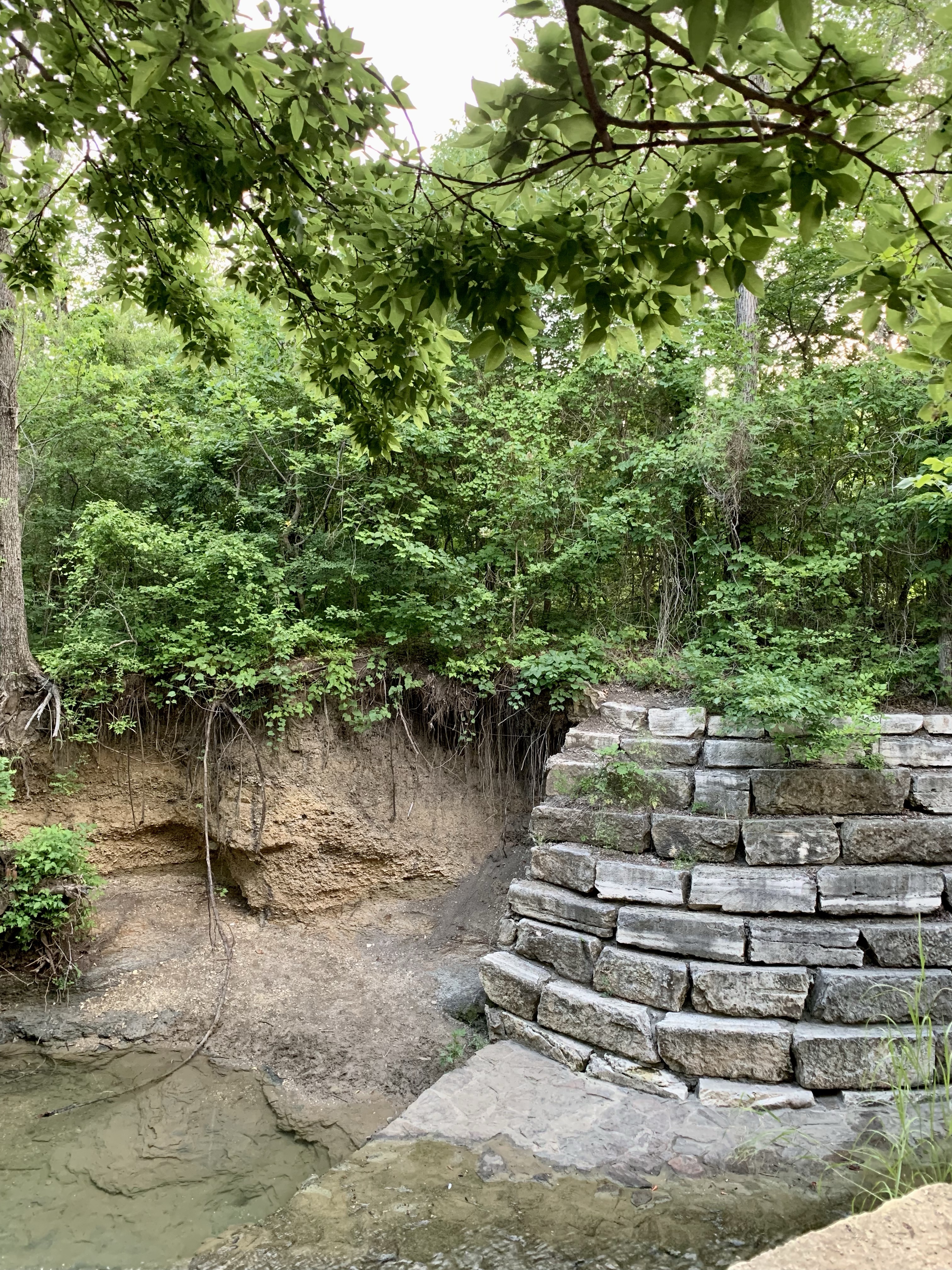
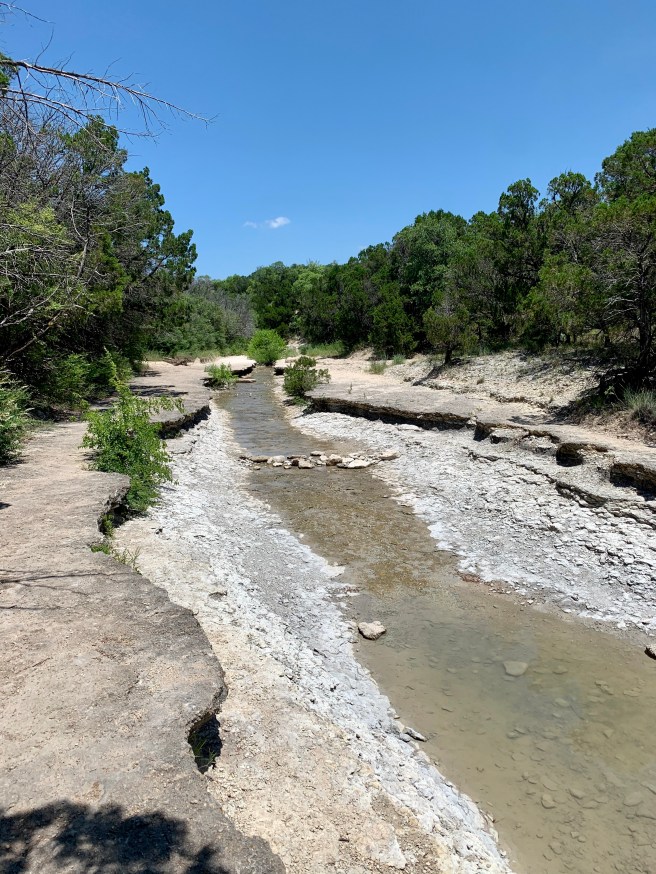
Photo by the author – the creek at Arbor Hills

Over the next few years we visited the park often, eventually sharing an apartment, our own cozy burrow, next to the nature area.

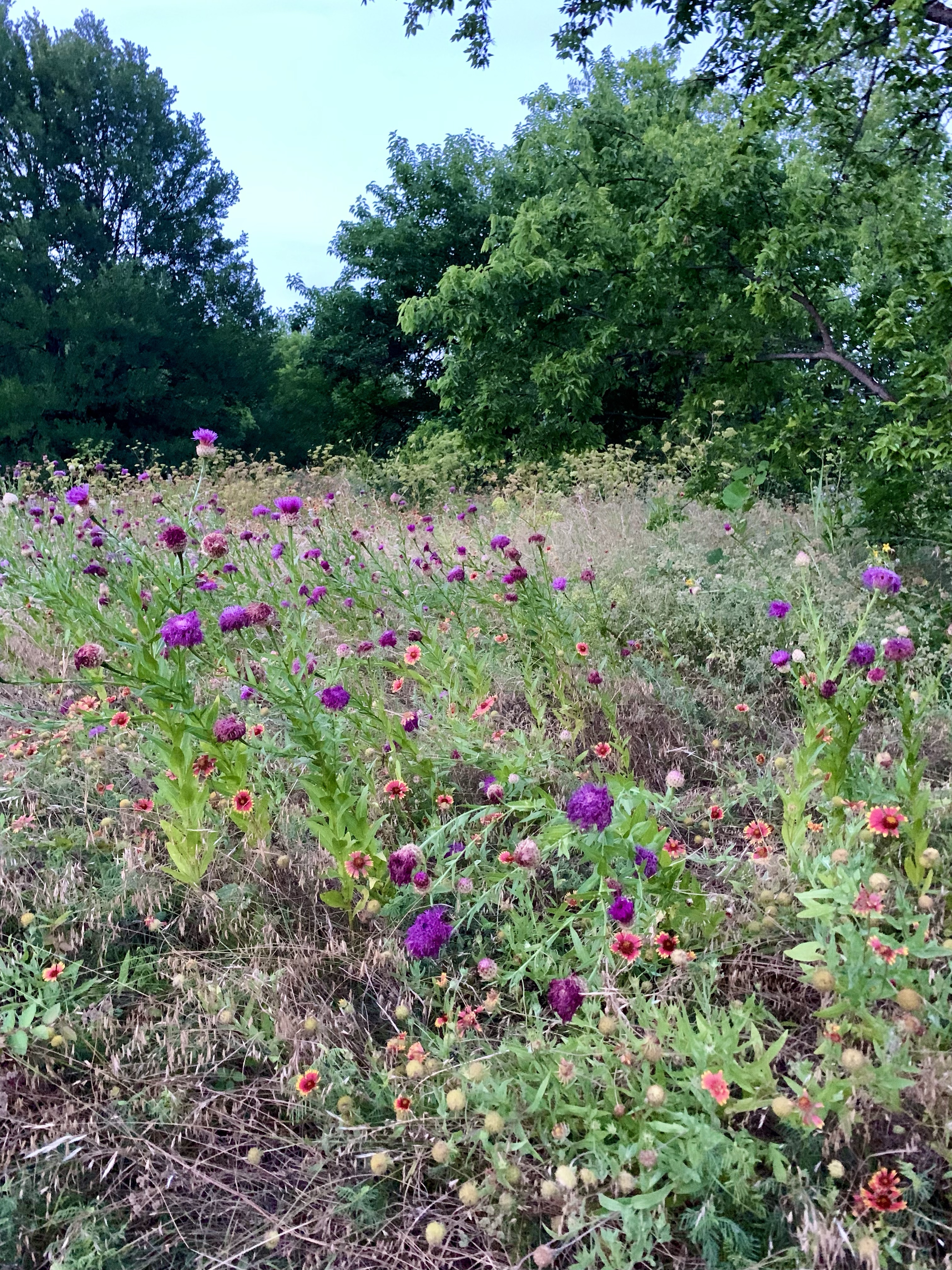
Photo by the author – wildflowers

Two years ago we bought a house and moved farther away from the park, too far to walk or drop in for night time strolls. Three weeks ago, before the summer heat turned the sidewalks to griddles hot enough to melt the rubber soles of our shoes, Andrew suggested an evening stroll at Arbor Hills. “The tarantulas might be out already,” he said.

Photo by the author – thistles and flowers

We arrived at dusk, at the last of the golden hour, right before the sky turned from blue to twilight lavender. Carrying flashlights, we hiked along the concrete trail that wound three miles through the park. In past visits we had often encountered the palm-sized, furry, brown female tarantulas. They crawled across the paths like something from a science fiction/horror flick, scurrying along on their own spidery missions.

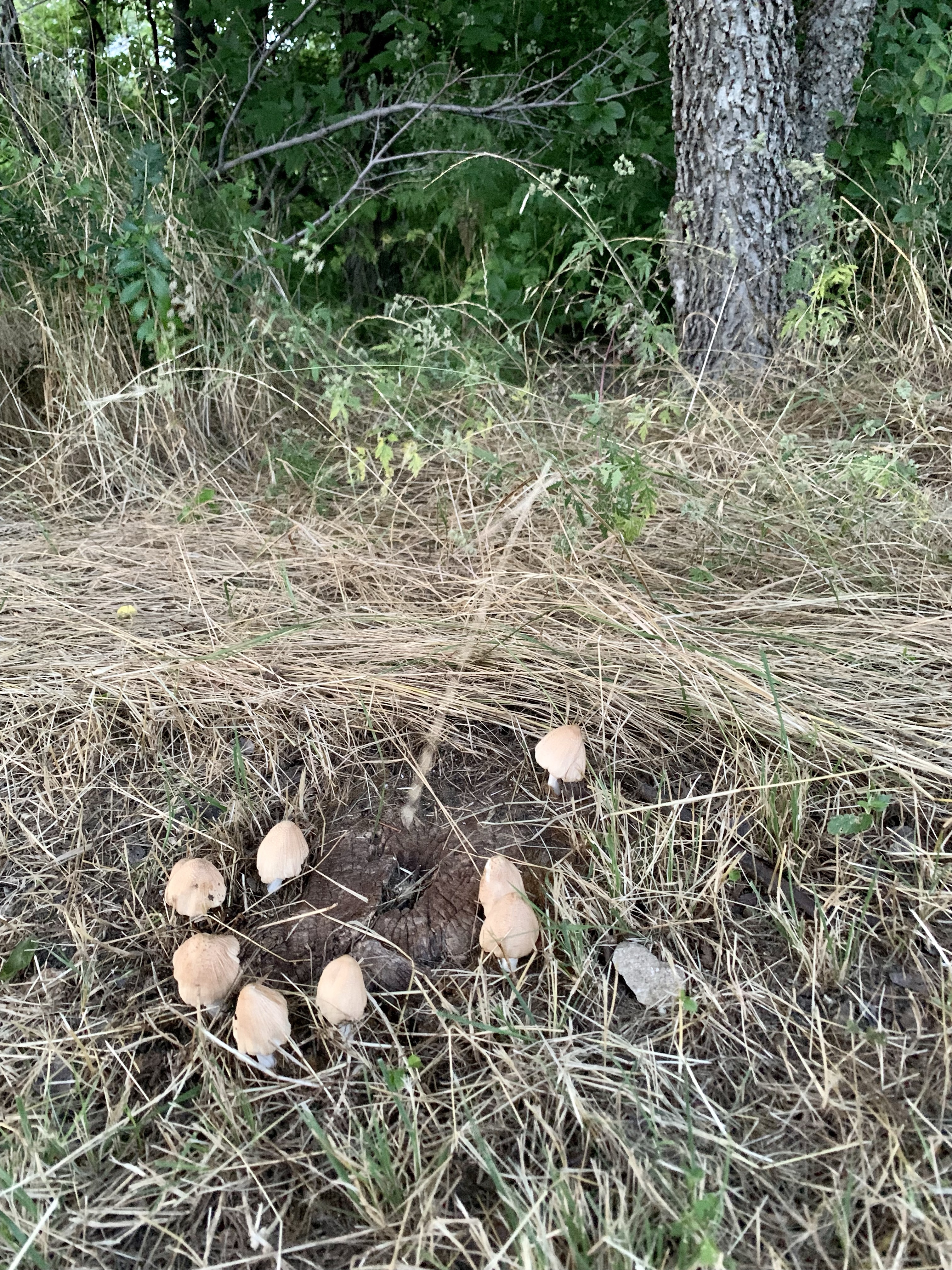
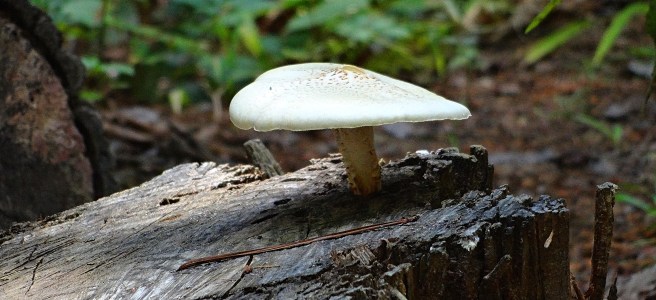
Photo by the author – mushrooms around a tree stump

“When will they be out?” I asked Andrew, as we drew near the back of the park.

“Look in the grass beside the trail. We’ll see the males first.”

A circle of mushrooms, a tiny Stonehenge, stood tucked in the dry grass. Andrew was the first to spot the tarantula.

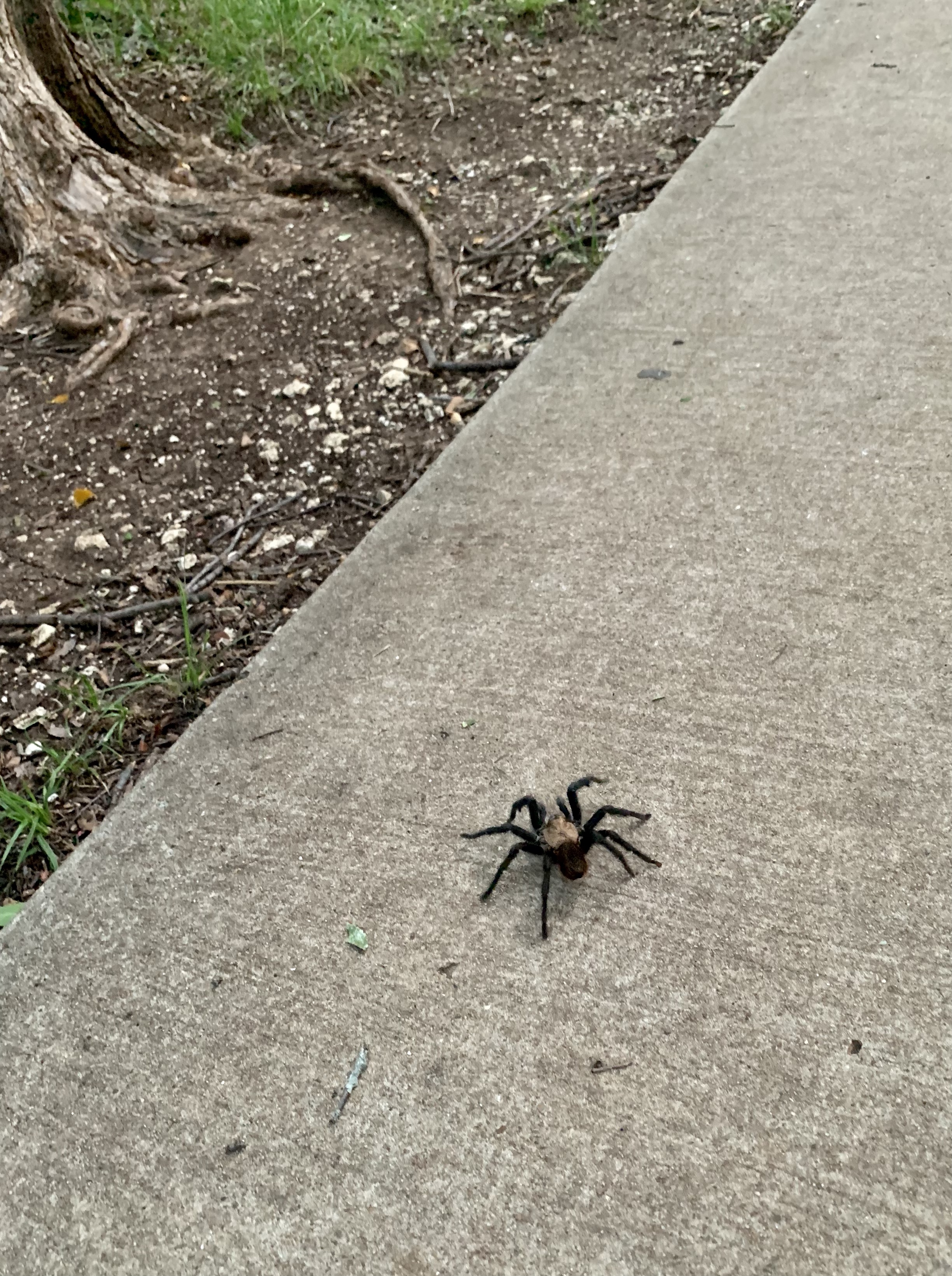
Photo by the author

He emerged from the weeds and leaves and crawled onto the trail in front of us. Not monstrous at all, the tarantula weaved side to side along the concrete, like a bar patron leaving at last call. I snapped pictures and waved as he set out, determined to find love. I hoped he would find a mate that night, or if not, that he would keep searching. Arbor Hills was, after all, a good place to start.

Photo by the author – tarantula

Time Travel in Ladonia Texas

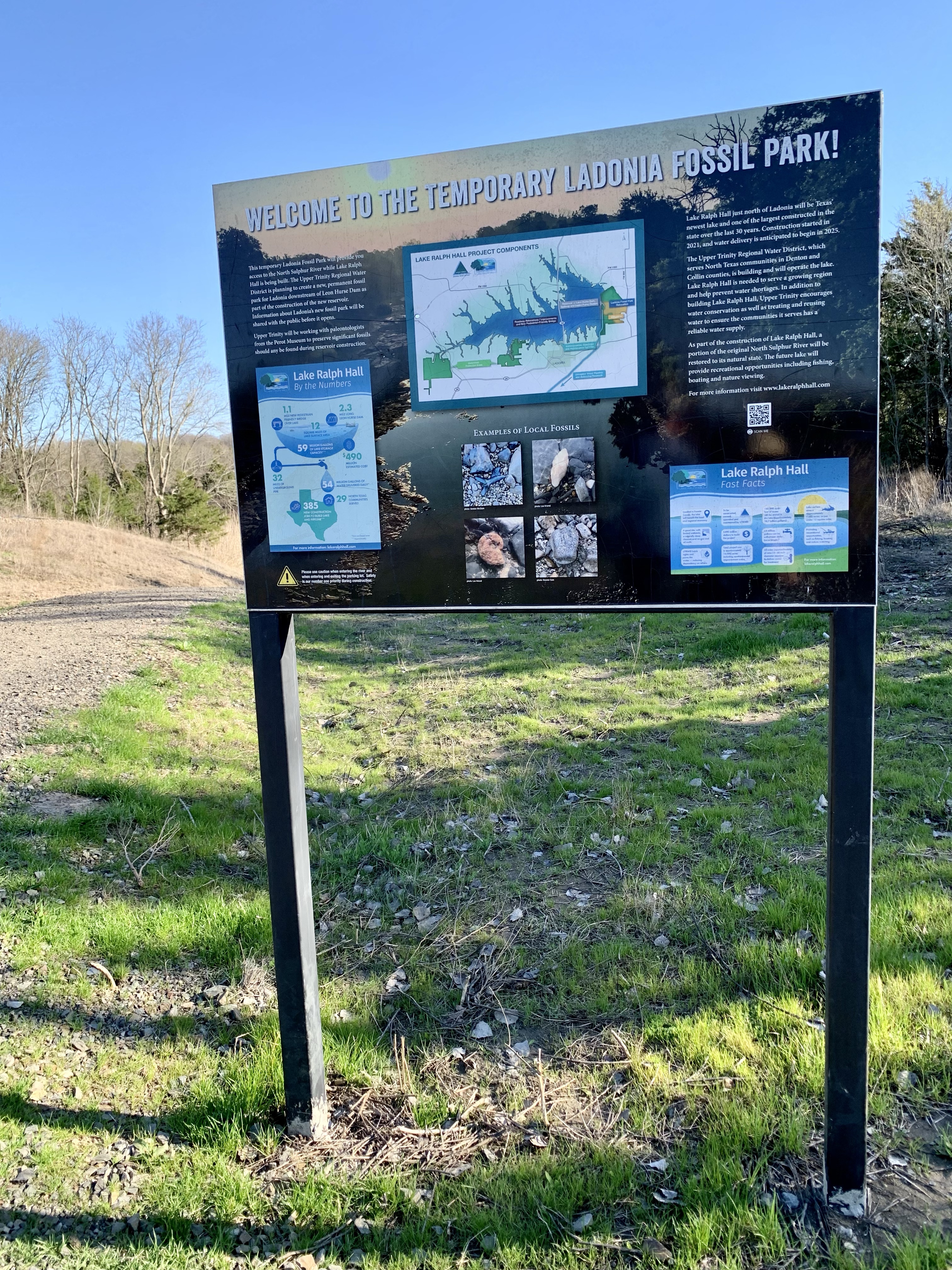
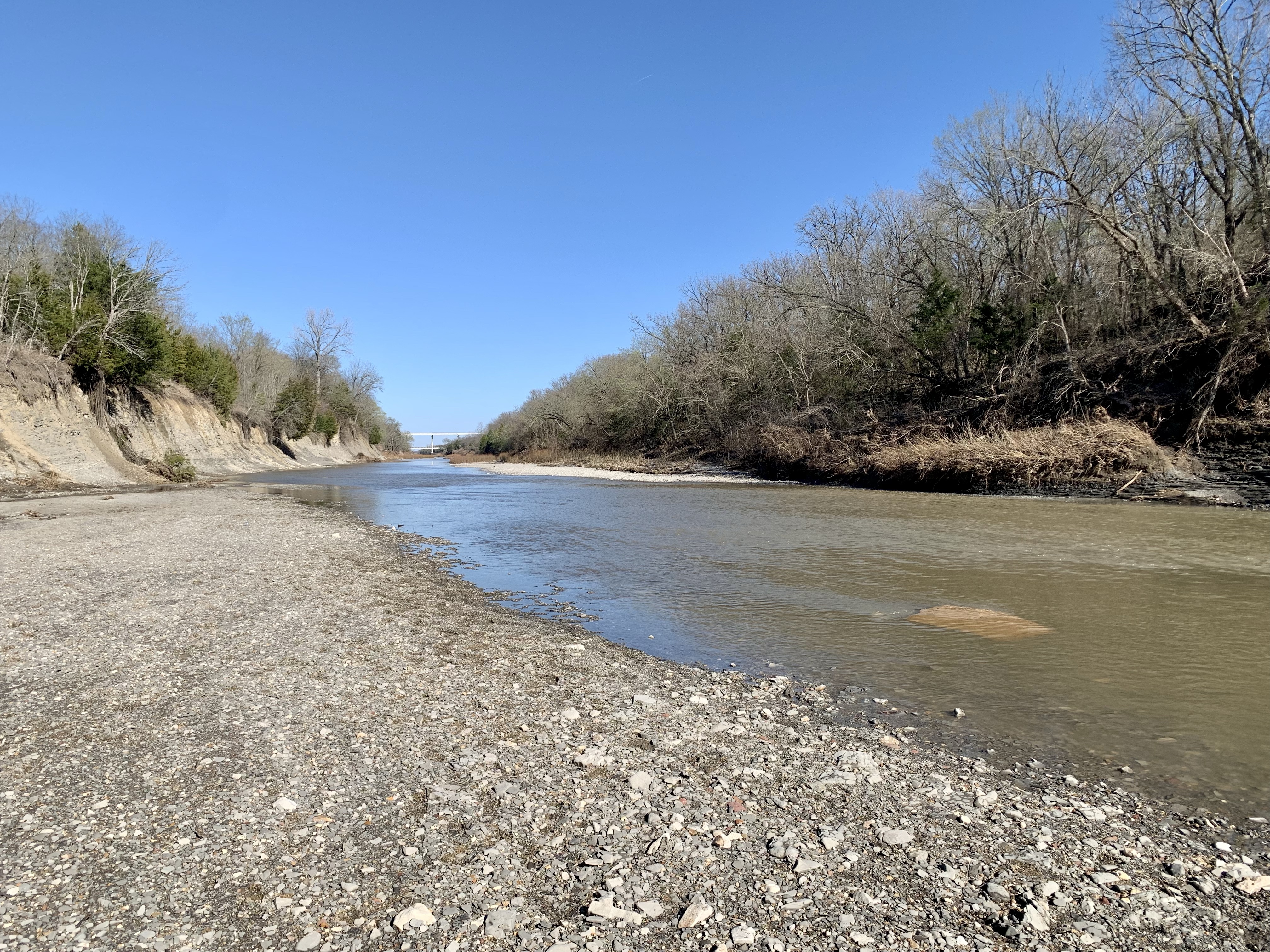
This past weekend Andrew and I drove out to the Ladonia Fossil Park. We’d been there before, during Covid. I remembered the solitude and peacefulness of strolling beside the North Sulphur River.

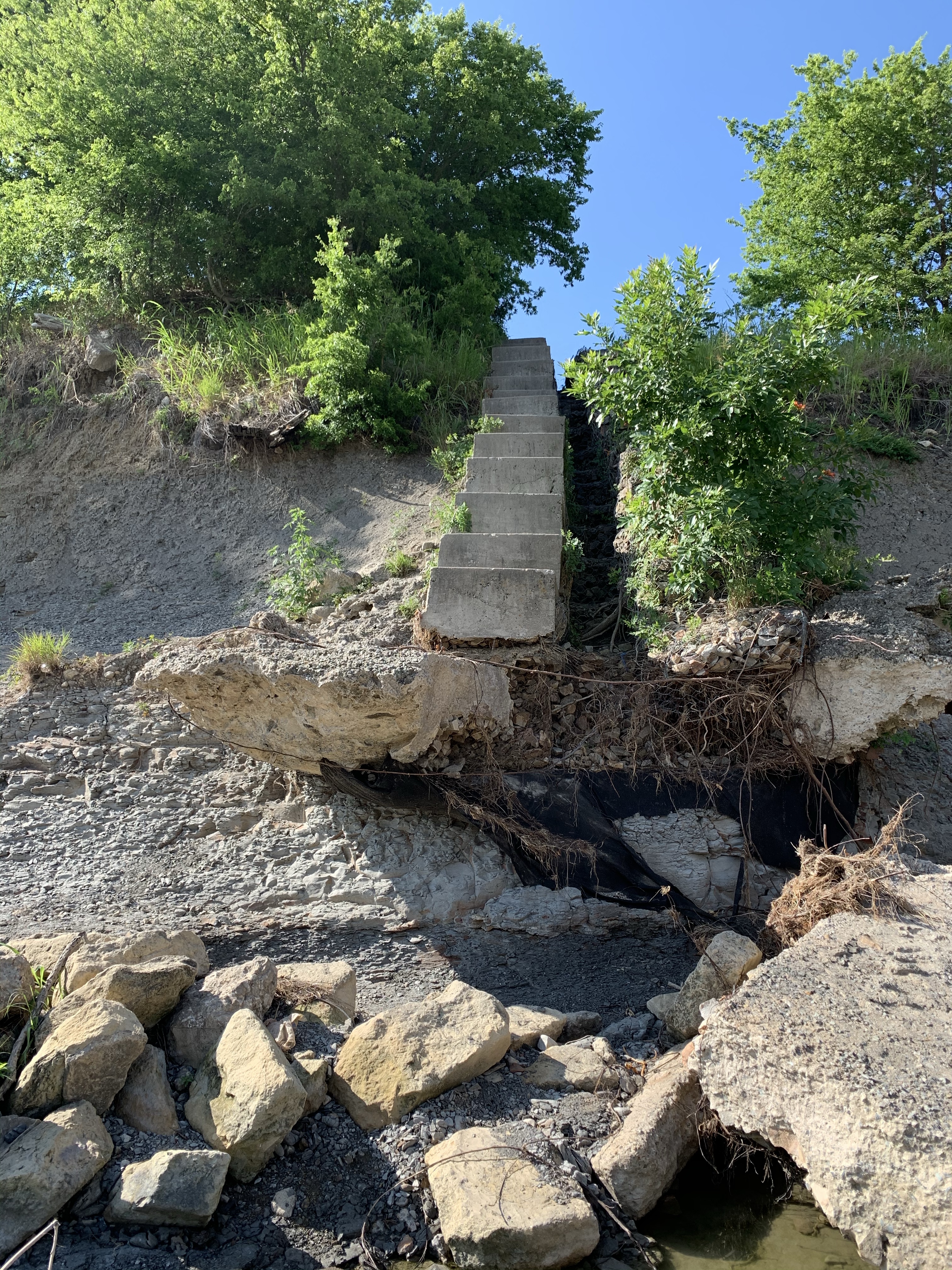
I had delayed a return trip, due to my terror of the steps leading down to the river. When we’d last visited, I’d resorted to scrambling along beside them down the slope to the water. Fear of breaking a hip overcame any insult to my dignity.

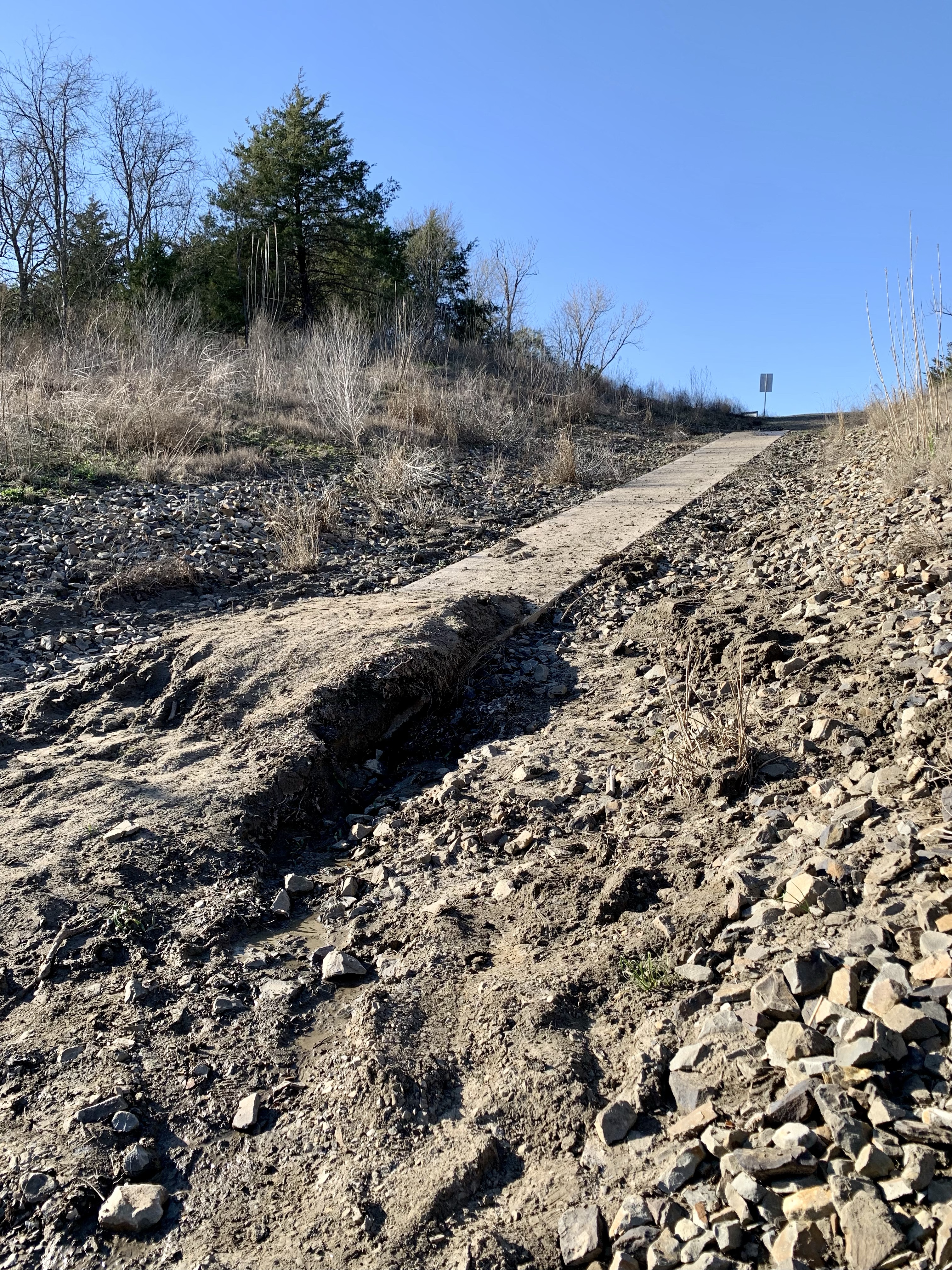
Now, however, the Fossil Park has moved upstream from the old location and they’ve installed a concrete ramp. If I stumbled on the ramp, I would roll on down the concrete until my journey ended at the mud pit below.

While Andrew set up to dig through a pile of loose rock, I wandered off on my own, enjoying the burble of the water beside me and the warmth of the sun on my back. Every now and then bursts of laughter drifted past from a group of children wading upstream. Scuffing my shoes through the gravel, I hoped to find something interesting. This area was once covered in water, an ancient sea filled with sharks, mosasaurs, oysters, and cephalopods dating back to the Cretaceous period, 145 million years ago.

It takes a sharp eye to spot the fossils, tucked as they are amongst the ordinary bits of quartz, shale, and dirt. But if you take wonder in small things, you’ll be pleasantly surprised at what you find.

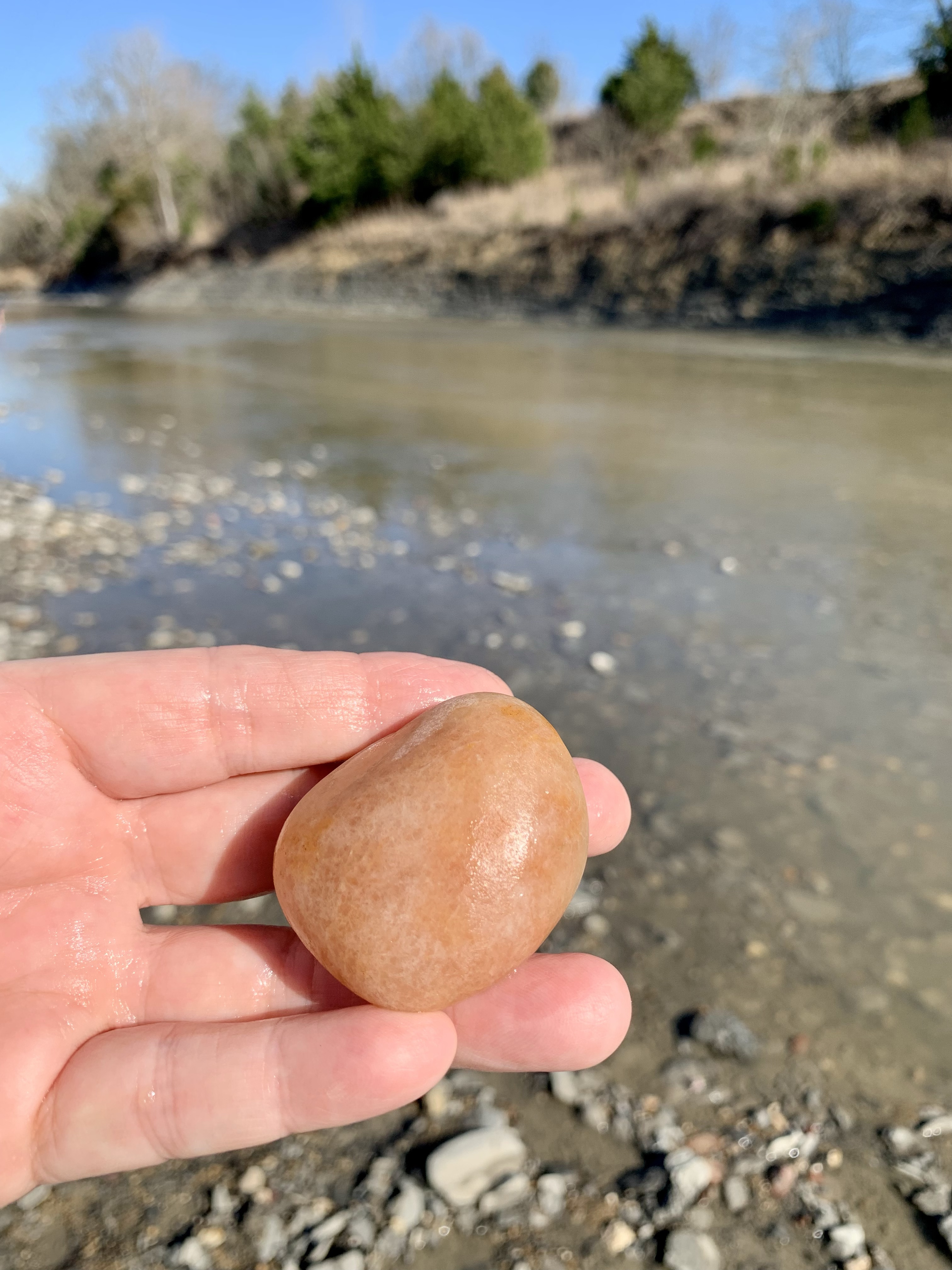
I picked up a rock, worn slick and rounded as a peach by the river.

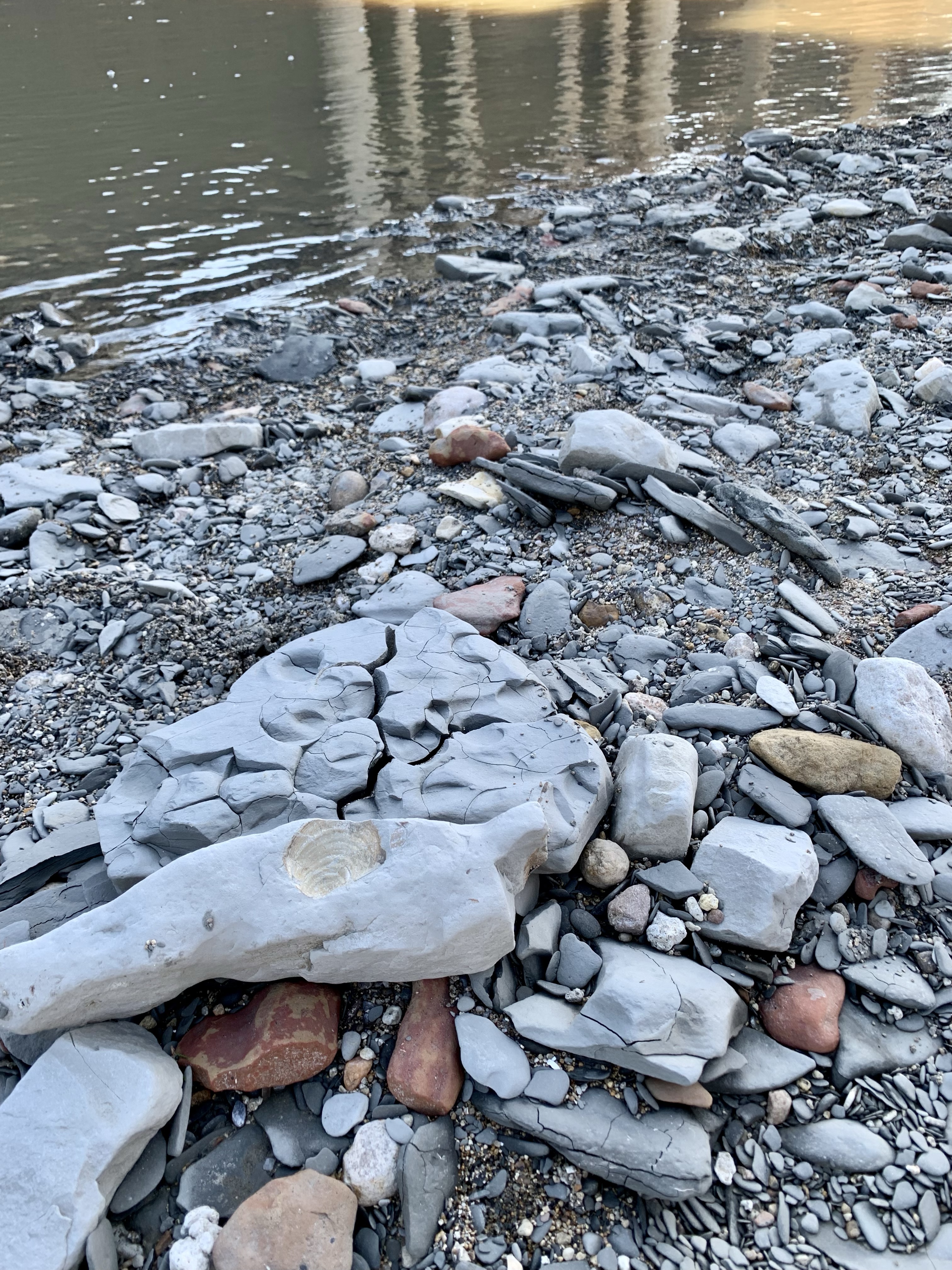
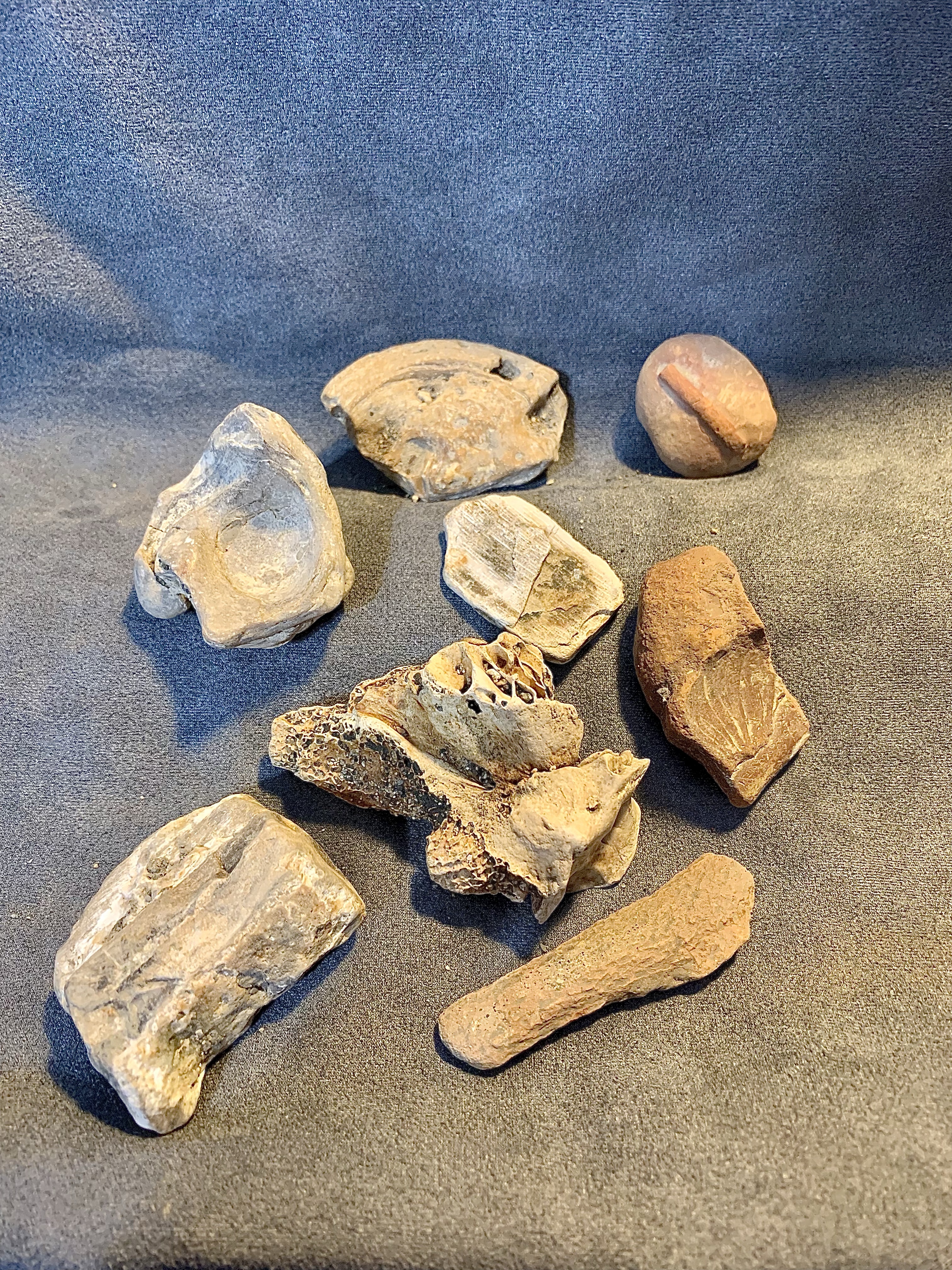
I discovered other things too, bits of petrified wood and bone, shells and imprints of shells, cemented forever in hardened clay.

I traced the curve of a shell, marveled at the smooth lines of petrified wood, and wondered at the lace-like pattern in a bit of bone. What a miracle that these things have persisted, so many millions of years. Not everything leaves such a trace behind. Sometimes, that’s a good thing.

A Mischief of Rats

Photo by Joshua J. Cotten on Unsplash

The bunnies were cute until they began dining on my asparagus. Squirrels raided the bird feeders but they were cute and their antics fun to watch so we forgave them. A creek borders our back yard, making us a way station for all sorts of wild life. We’ve had raccoons knocking over the plants on the patio, flower beds disrupted by armadillos, and an aloof bobcat hiding behind the planters to spy on our birdfeeders. The neighborhood box turtle visited often enough that we researched her gender and named her Myrtle.

We enjoyed our status as open air zoo – tossing out sunflower seeds for the jays, peanuts for the squirrels and an occasional lettuce leaf for Myrtle. Then the rats arrived.

A clatter and rustle from the dark yard prompted us to flip on the patio light. There, exposed in the brief flash before they melted away in a wave of fur and long, skinny tails, we spied at least a dozen rats enjoying a late night snack on our birdfeeder. A plague of rats, a pack, a swarm – enough to send us stomping and yelling back to the safety of our living room.

Further horror ensued when my husband spotted one burrowing under our house. “They probably have a whole rat tunnel system under our foundation!”

We purchased pebbles and rock and filled in the holes while blotting out the image of stranded rats slowly decomposing among our plumbing pipes.

I wondered if we would have found them so despicable had they had the soft, fluffy tails of squirrels. The sight of those rats clinging to our birdfeeder reminded me of the movie Willard. It came out in 1971, when I was eleven years old. I saw it at the movie theater, probably on dollar night and with my friends. I don’t remember much about the plot, except that it involved revenge, and a lot of rats. The main character, a young man named Willard, formed a friendship with a pair of intelligent rats. There are many directions the movie could have taken from that point, but this is a horror movie, so I’ll just tell you the final scene involved a rat army led by their commander, Ben.

The odd thing about this movie, when I look back on it, is that I remember feeling sympathy for the animals and not the human characters. Strange how our perspective shifts when we identify with the monster.

We solved the rat issue by bringing in the bird feeder each night. I picture them gathering at the base of the pole where the feeder hung, wondering who took away their buffet dinner. The collective noun for a group of rats could be pack, plague, colony, swarm but they can also be called a mischief.

You can read about the movie Willard at the AFI Catalog site.

Willard inspired a sequel two years later – the movie Ben. This film featured a song by Michael Jackson. Try to listen to it and remember he is singing about a rat.

Leave the Right Trace

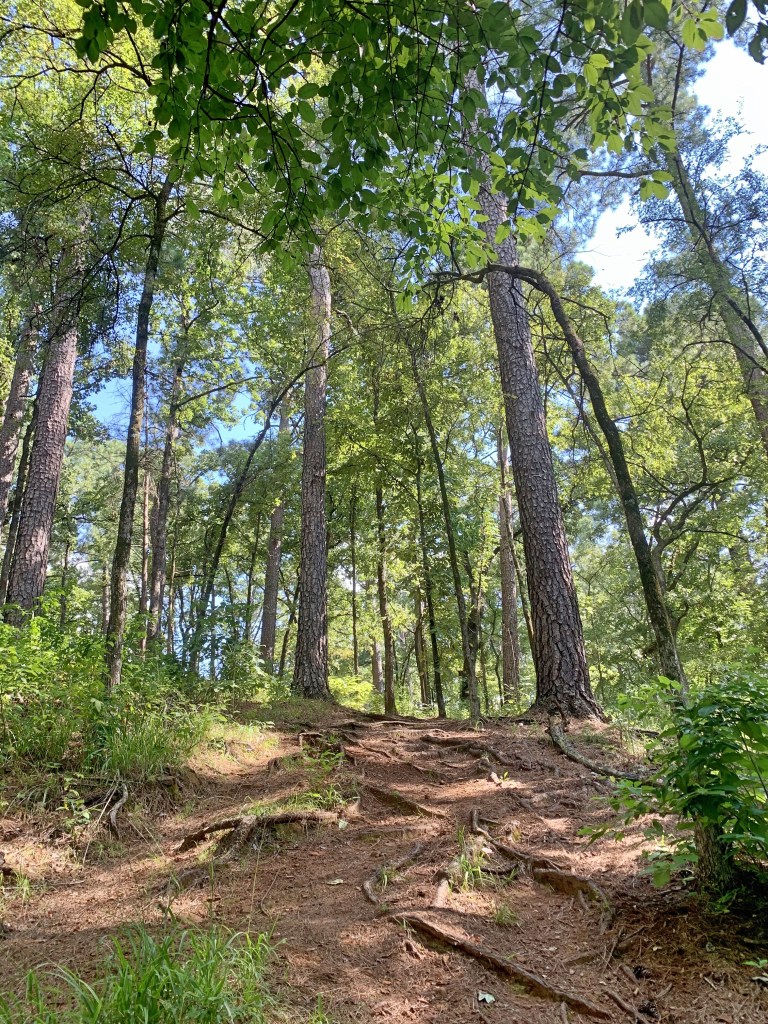
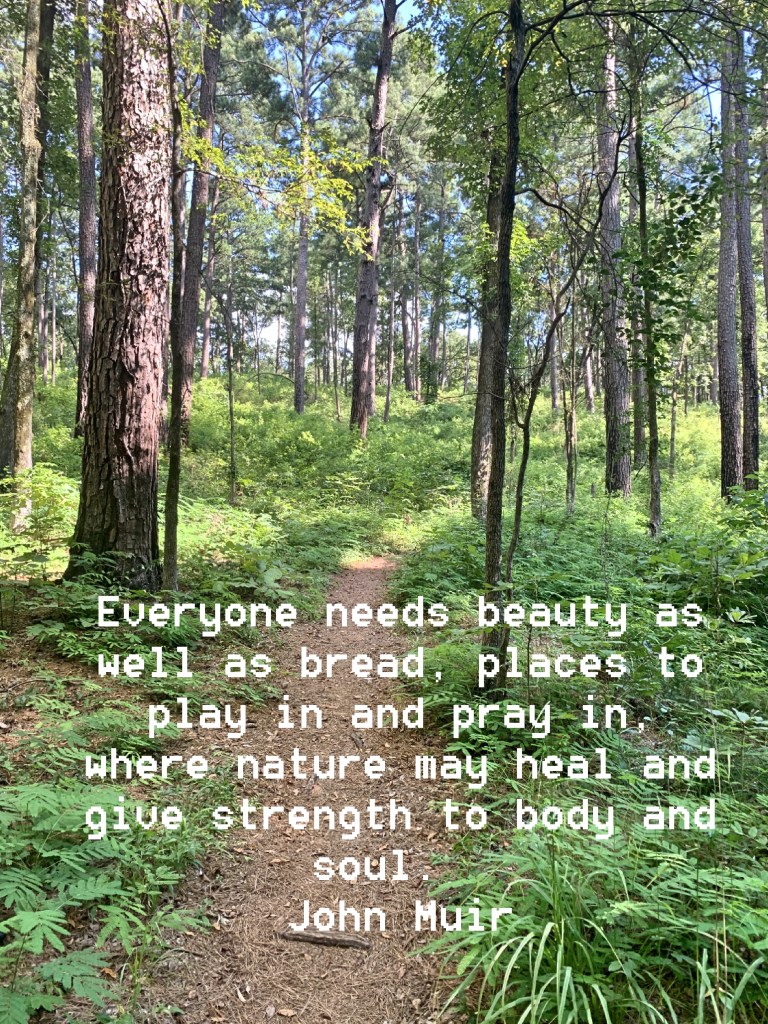
Whispering Pines Nature Trail at Tyler State Park – Photo by the author

I’ve been wondering, lately, what I’ll leave behind. What mark will I make on the world? Not that I’m planning to kick off anytime soon, but recent events have certainly brought that to mind. When you have to gear up for a Target run like you’re preparing for the apocalypse, it brings home the certainty of your own mortality.

Mushroom Along the Trail – Photo by Andrew Shaw

Andrew and I have determined the safest space for us is outdoors. We might encounter a snake, have to brush off a tick, or bring home a rash from poison ivy, but there’s little risk of inhaling a deadly virus, as long as we keep our distance from our fellow hikers. There’s plenty of room for all outside.

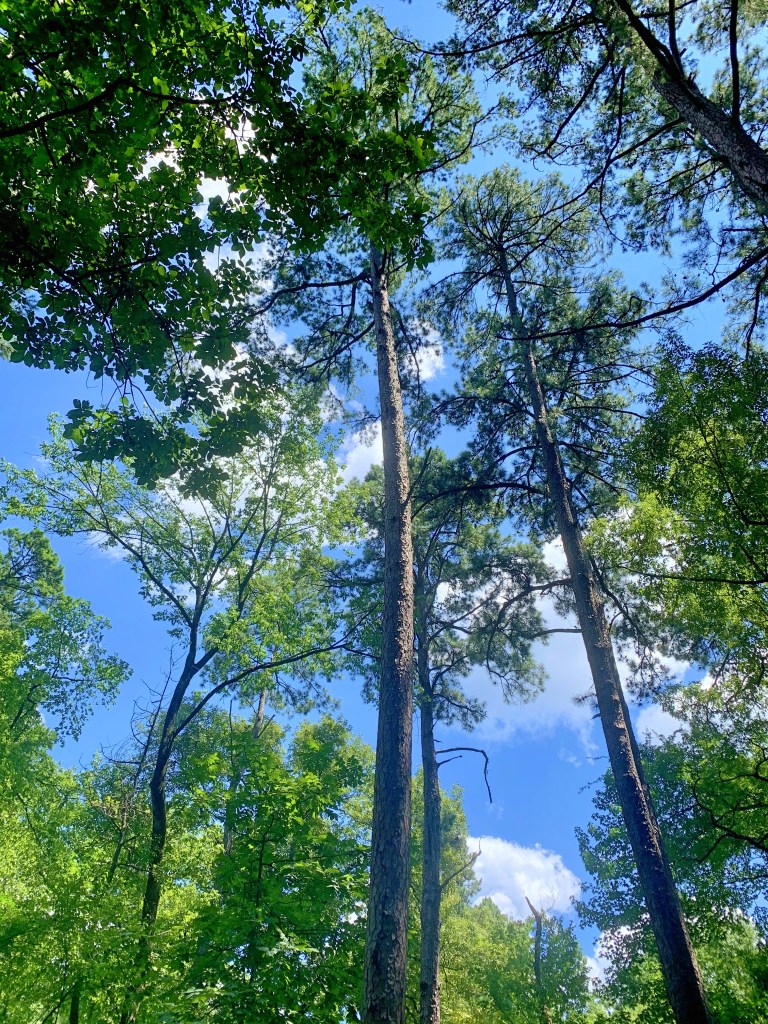
Loblolly Pines at Tyler State Park Photo by the author

We traveled down Interstate 20, to Tyler State Park. As we grew closer to our destination, the earth beside the highway changed from the blackland prairie soil to the red clay dirt of East Texas.

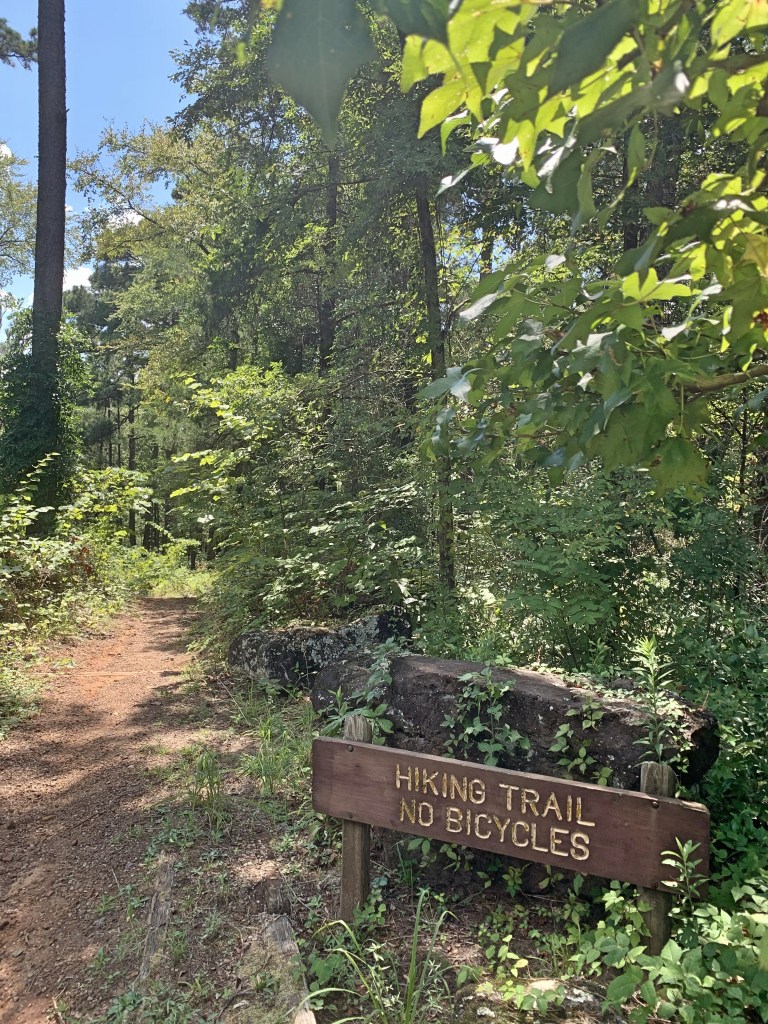
Hiking Trail at Tyler State ParkPhoto by the author

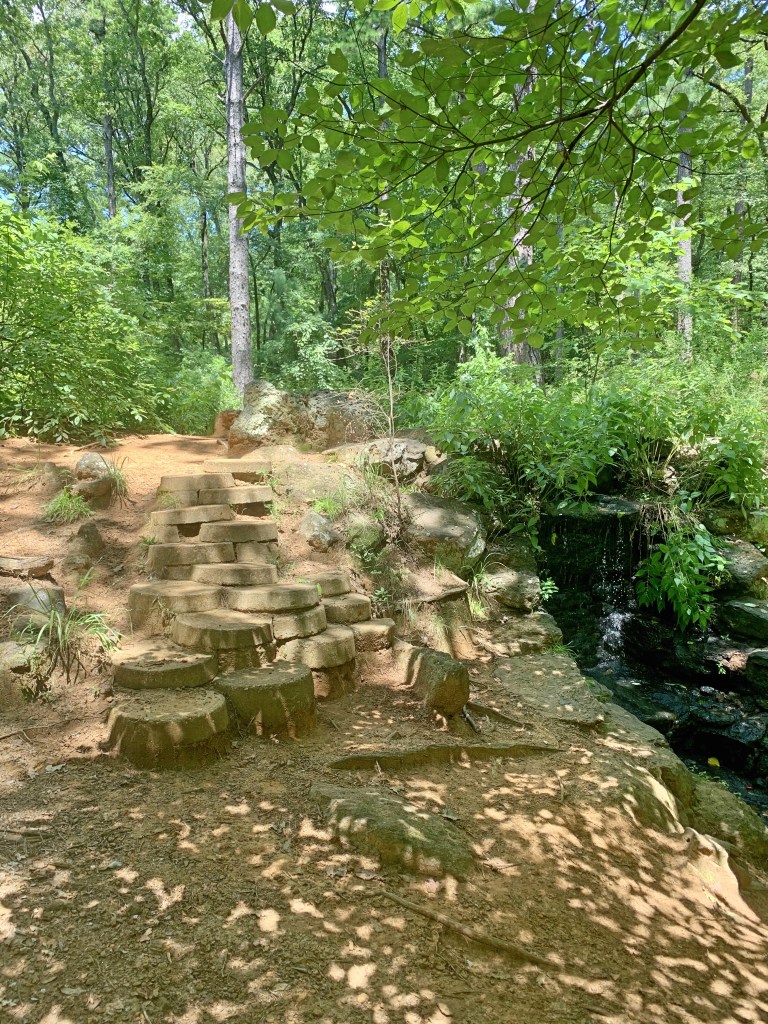
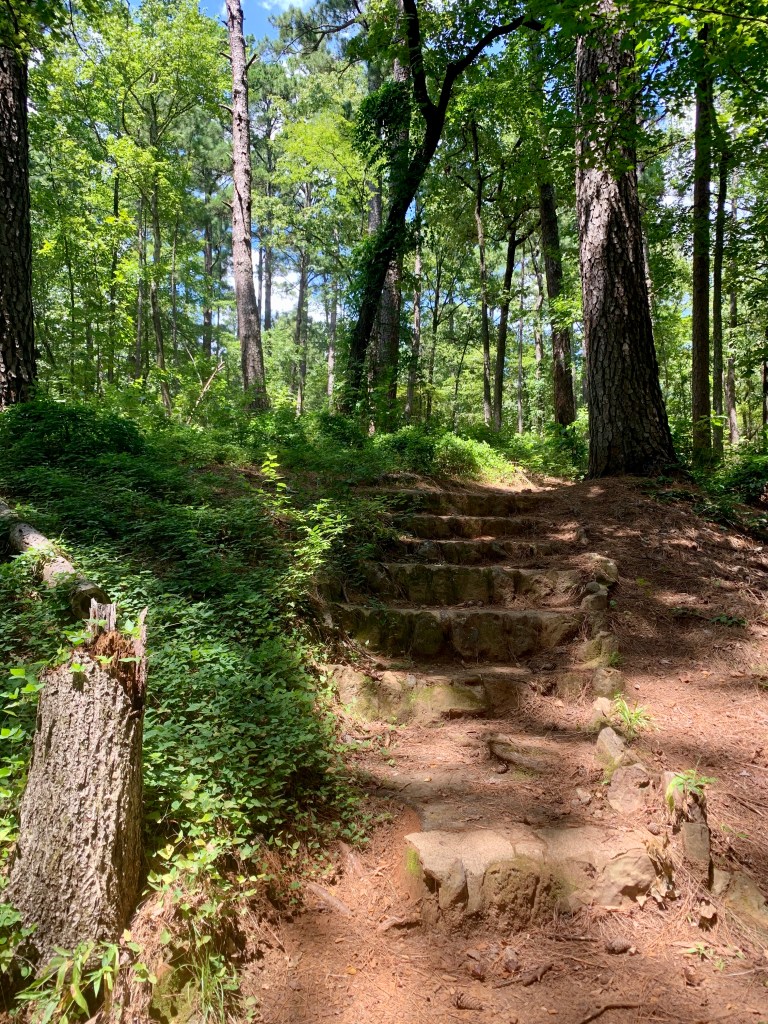
Like many of our beautiful national and state parks, Tyler State Park was constructed by the Civilian Conservation Corps (CCC) during the Great Depression. Andrew and I hiked along a trail and climbed steps laid into the ground over eighty years ago.

Steps and Waterfall Built by the Civilian Conservation Corps in 1938Photo by the author

Outdoor etiquette instructs us to be careful, to leave no trace when we hike. Our footprints on the trail, stamped into the dust, will be swept aside by the next traveler. We take nothing but peace from the space. As we trekked along, under a canopy of green, I thought what a wonderful trace the young men of the CCC had left behind.

Whispering Pines Nature Trail at Tyler State ParkPhoto by the author

How fortunate our land had Franklin Delano Roosevelt as president during that trying time. When FDR established the Civilian Conservation Corps, he created hope and opportunity, not just for the men who would lend their labor to creating a legacy that would live on past their lifetimes, but for all who would visit the parks in decades to come. The challenge then, for each of us, will be to examine our steps and determine what trace our actions will leave for future generations.

Tyler State Park, Tyler, Texas – Photo by the author

Here We Go A-Wandering

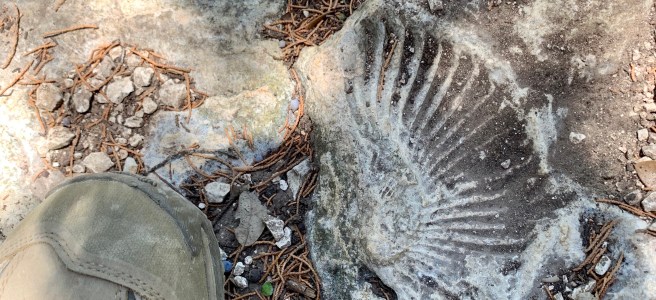
Photo by the author – Ammonite fossil on the hiking trail at Cleburne State Park, Texas

There are times when you just have to go somewhere. I imagine every unmasked stranger carries not just Covid-19, but some alien spore that will launch from their chest like a special effect in a John Carpenter movie. We are living in a badly plotted horror flick. When I heard the Texas state parks were open again with limited capacity, I signed up for a day pass to Cleburne State Park.

My husband Andrew and I arrived at the park just before noon. Texas in June is more suited to early morning or late-night hikes, but we had packed plenty of water in our CamelBak hydration packs. Andrew chose the trail. Although it was marked on the map as “Challenging” it also appeared to be the one with the most shade. Equipped with boots, hat, and hiking staff – I felt I could handle the route.

At the start of our hike, as we trod smartly along the tree-lined path, I hummed the tune to The Happy Wanderer.

Photo by the author

If you went to school in the 1960s or early 1970s, I bet you know this song. We sang it at every choir practice or music class. It was written by Florenz Friedrich Sigismund (1791–1877) and since I’m sure the copyright has long since passed, here are the lyrics:  

“I love to go a-wandering,
Along the mountain track,
And as I go, I love to sing,
My knapsack on my back.

Chorus:
Val-deri,Val-dera,
Val-deri,
Val-dera-ha-ha-ha-ha-ha
Val-deri,Val-dera.
My knapsack on my back.”

We passed a little stream as I reached the second verse.

Photo by the author

“I love to wander by the stream
That dances in the sun
So joyously it calls to me
Come join my happy song”

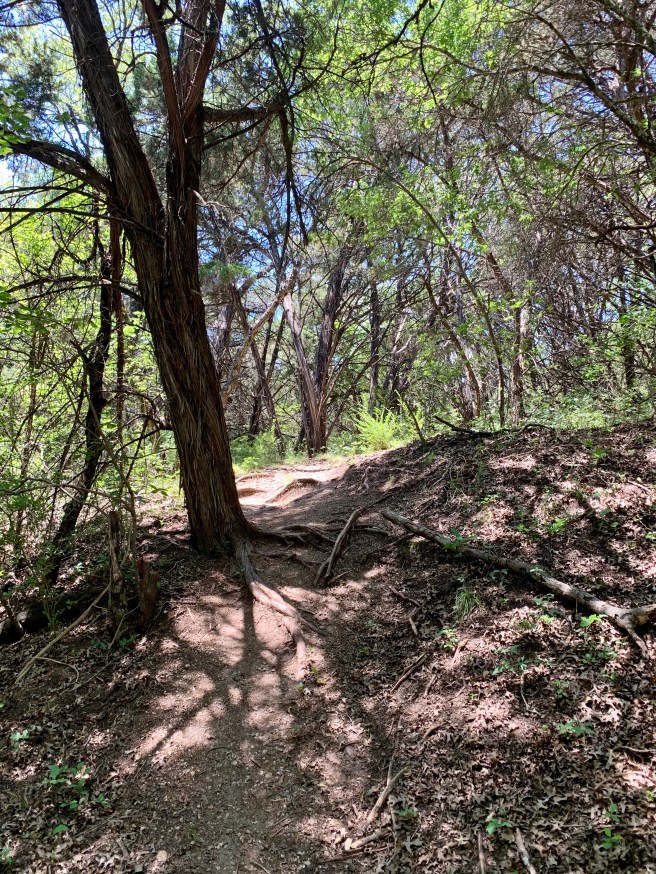
The trail Andrew and I climbed, while not exactly mountainous, did have enough elevation change that I felt compelled to stop every few feet and rest. Panting might help dogs to cool off, but it did not work for me. I would have collapsed on the juniper needles blanketing the path, but for the green poison ivy poking up in every level spot.

“How much farther?” I asked Andrew.

He pulled out the map and considered it. “I think we are a little less than halfway to the scenic overlook.”

“I hope there’s a bench there,” I said.

We continued along, Andrew in the lead and me following. I stared at the trail, carefully avoiding anything resembling a stick that might turn out to be a snake in disguise. We spotted a lovely ammonite fossil and I stopped to take a picture.

The fossil reminded me the area we hiked was, in prehistoric times, the floor of an ocean. The limestone we walked on was made up of the skeletal remains of marine life that inhabited that sea. If only we were wading through that cooling water now.

“Do you still have plenty of water?” Andrew asked as we paused and I soaked a towel with cool water from my pack.

“I’m good.”

“We don’t want to get heat-stroke,” Andrew said, “but I’ve heard that’s a pleasant way to die. You just pass out and go.”

“I’ve never thought of any sort of dying as pleasant.”

“Well, yes, but of all the ways to go,” Andrew continued, “I think if you kick off first, I’ll just head to the desert and walk until I’m gone.”

The trail leveled out along a stretch of wildflower filled, sunlit fields. I sipped my water and mentally checked off the symptoms of heat-stroke. I occurred to me that worrying over heat exhaustion had so consumed my thoughts that afternoon that I hadn’t thought once about dying in the pandemic. Not even when we passed other, unmasked hikers on the trail.

At one point we scrambled down an incline of loose scree, our feet sliding almost from under us. I grabbed at the cedar tree branches bent over the trail, in order to slow my descent. Andrew waited for me at the bottom, then held my hand and helped me climb up the other side. I studied Andrew’s back as he pushed on upwards. His hiking boots kicked up tufts of dried leaves and gravel.

“If I die first and you decide to go off hiking in the desert,” I said, “box up my ashes and take them with you. That way you won’t be alone.”

“All right, I suppose that could work.”

Right after, we discovered we’d been on the wrong trail. We ended up at the point where we’d begun the loop, not a bad thing as we were near the trail sign that pointed to the exit.

I’ll be back inside next week, waiting out the pandemic. I’ve never liked crowds, or crowded places where large groups congregate, so I don’t miss those types of gatherings. I do like my solitary pursuits – reading and writing, but I’m always glad of Andrew’s company. When you’re on a journey, I think it’s nice to have someone by your side. Or leading the way, watching for snakes.