The Evolution of a Story

From inspiration to publication
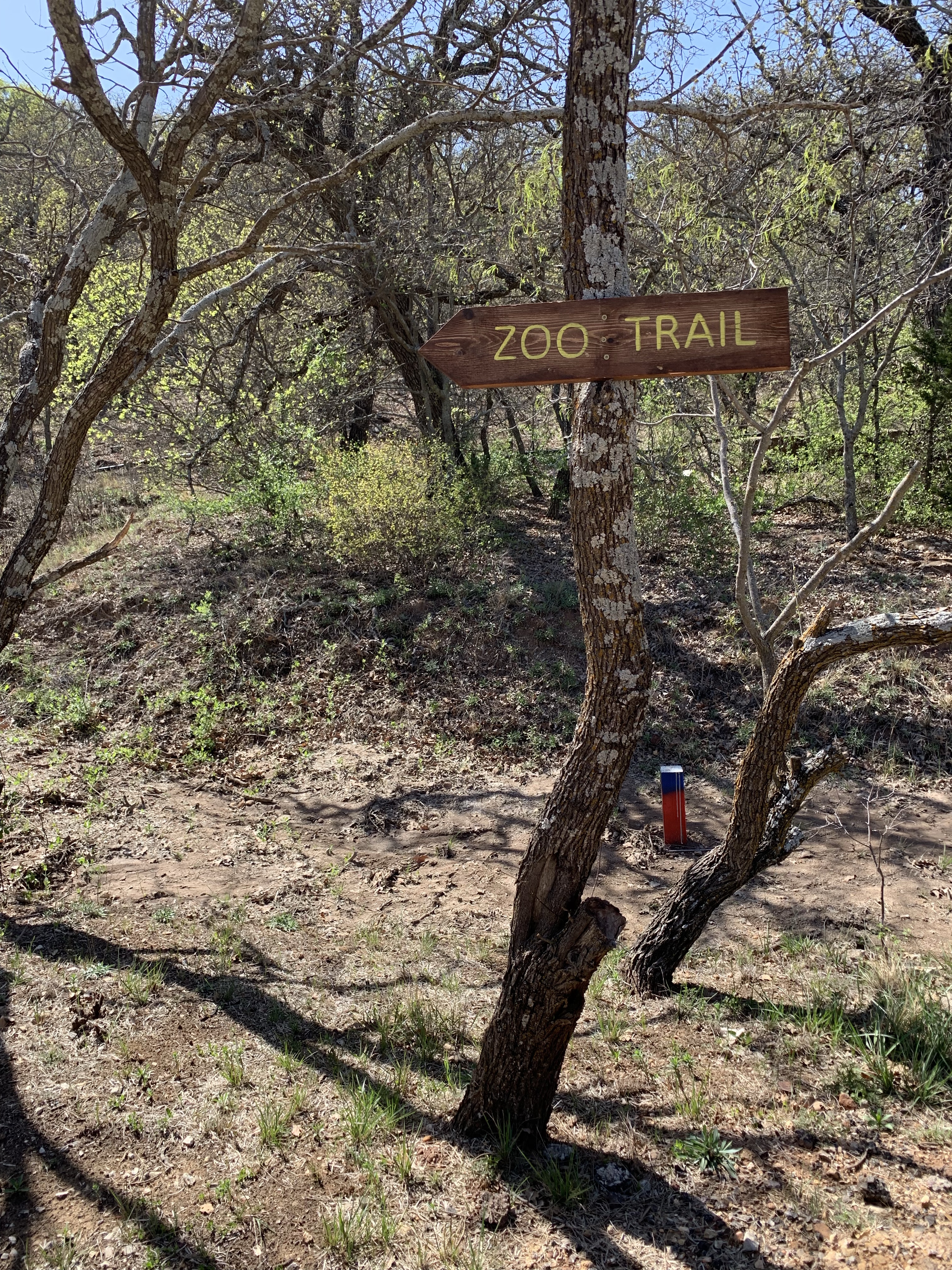
A sign on the trail at the old Cisco zoo. Photo by the author

One of the most common questions that authors get asked is some variation of “Where do you get your ideas?” For most writers, the answer is that we find them in our everyday experiences. This includes people who pen tales about ghosts, demons, and dragons. We don’t encounter those in real life, but we run across settings or objects that spur stories. Stephen King was inspired to write his novel The Shining after a winter stay at the Stanley Hotel in Estes, Colorado. The hotel’s isolated setting and a nightmare about his son gave rise to the plot of the horror story. And a very good one it is.
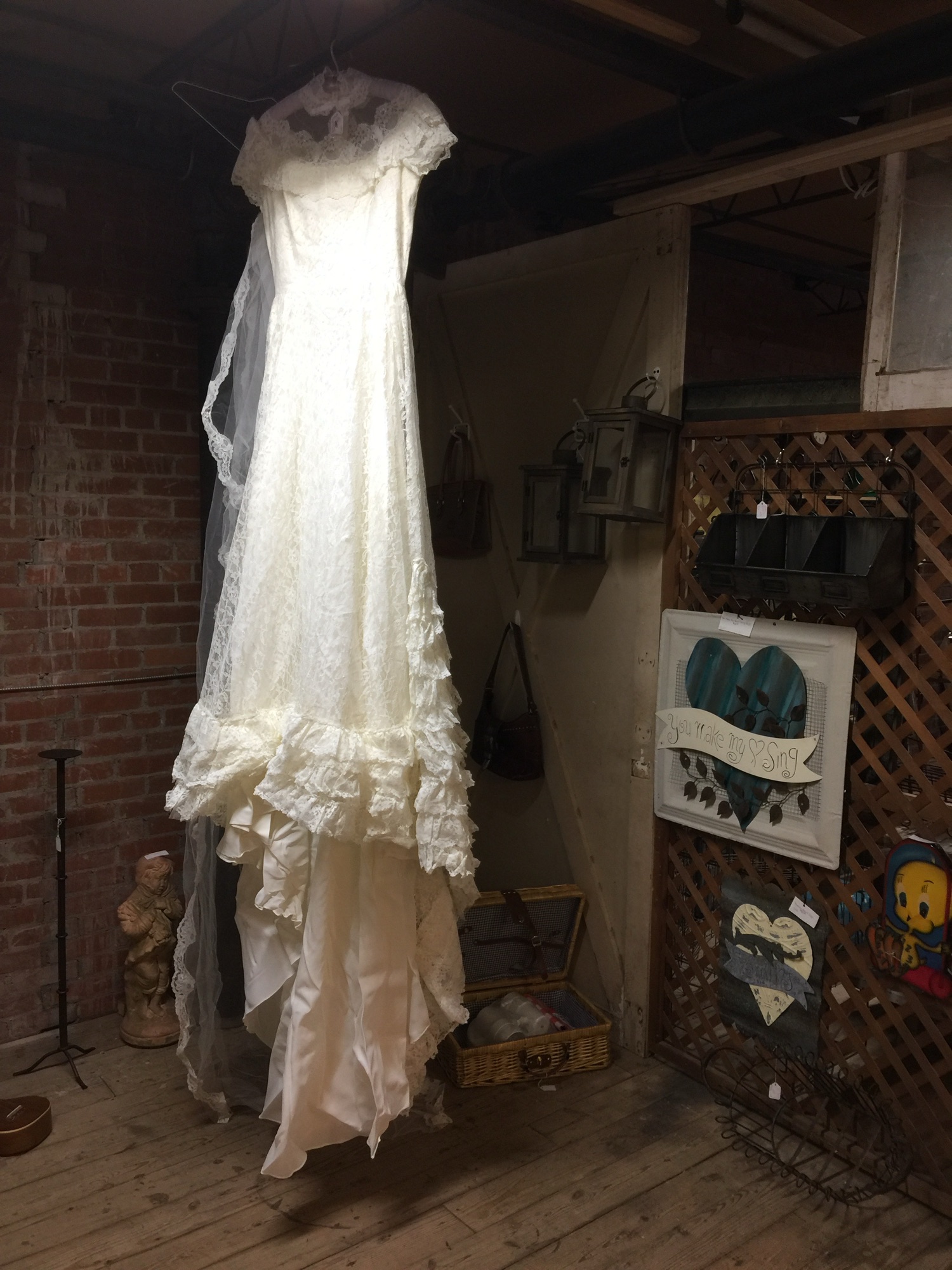
Not a ghost, but a ghostly garment for sure. Photo by the author.

A couple of years back, my husband Andrew and I visited the abandoned zoo trail in Cisco, Texas. I’ve got a separate post about that visit – you can find it on the Road Trip tab and read about it if you’d like. Strolling through that place I felt it would make a great setting. I filed away the memories and images to recall at some later date. They came to life in the Spring 2025 Writing Battle writing contest. I received the prompts “Small Town Secrets”, “Zoo”, and “Rich Aunt.” The minute I saw “Zoo” I knew where to set my story. Once I placed the characters in that abandoned zoo I found the secret that they were keeping.
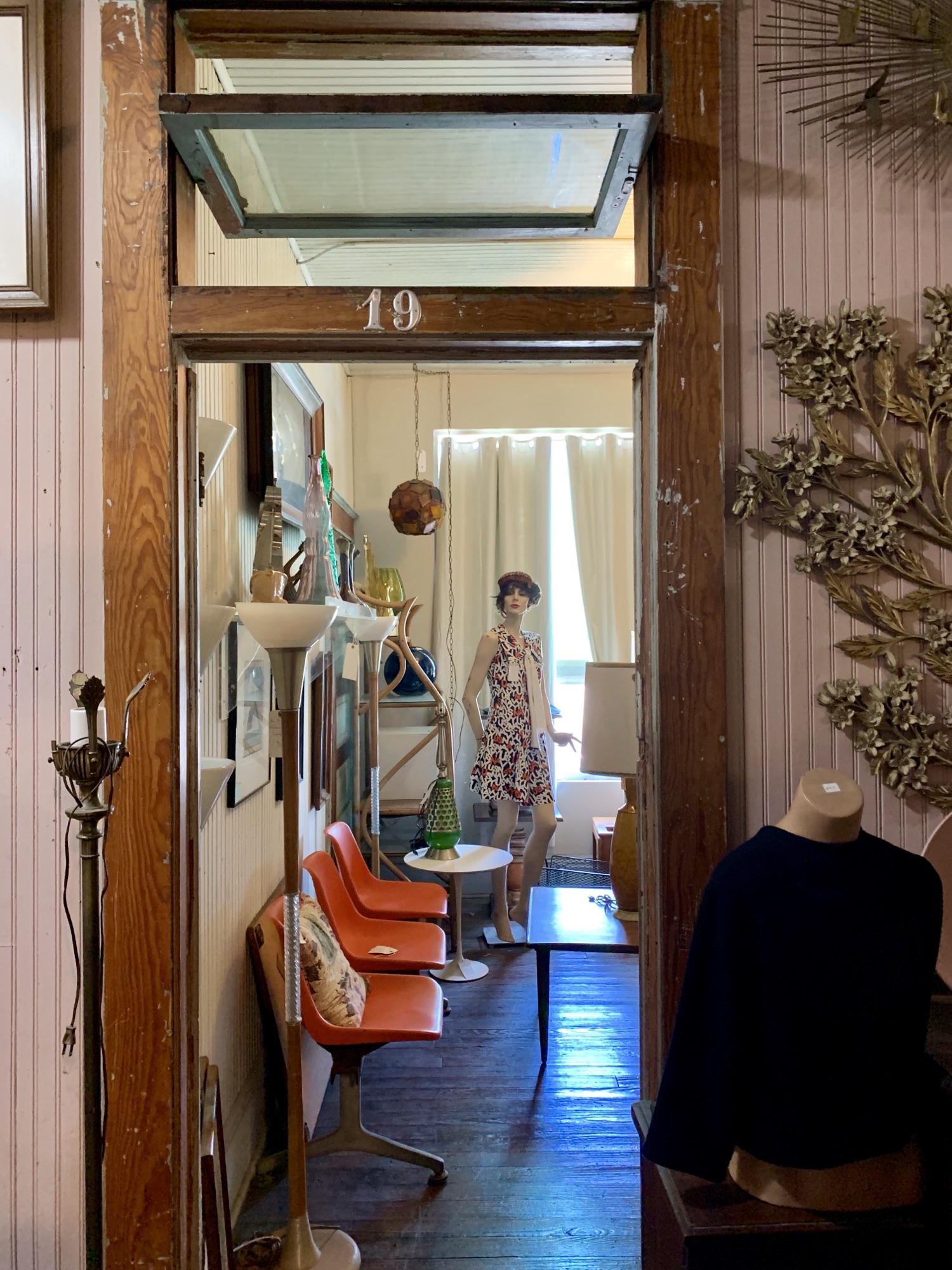
There’s a story waiting inside this room. Photo by the author.

Getting words on the page is the hardest step for me, but the contest had a deadline so that gave me motivation. I ran my first draft through the ProWritingAid app to polish the grammar and eliminate most of the passive voice. After one last edit, I finished the story and submitted it to the contest. It didn’t win any prizes. However, I received some useful feedback from the other contestants. The trick to a good story is that it’s not the writing but the rewriting that makes it stand out. After editing the draft that I had submitted to the contest, I took my pages to my writing group and got their feedback. Then, I submitted the story to the Flash Fiction Magazine’s contest. It didn’t win there either, but one of the editors emailed me afterwards and offered to publish it in the magazine. With some edits, of course. I said yes and off we went on the last round of revisions.
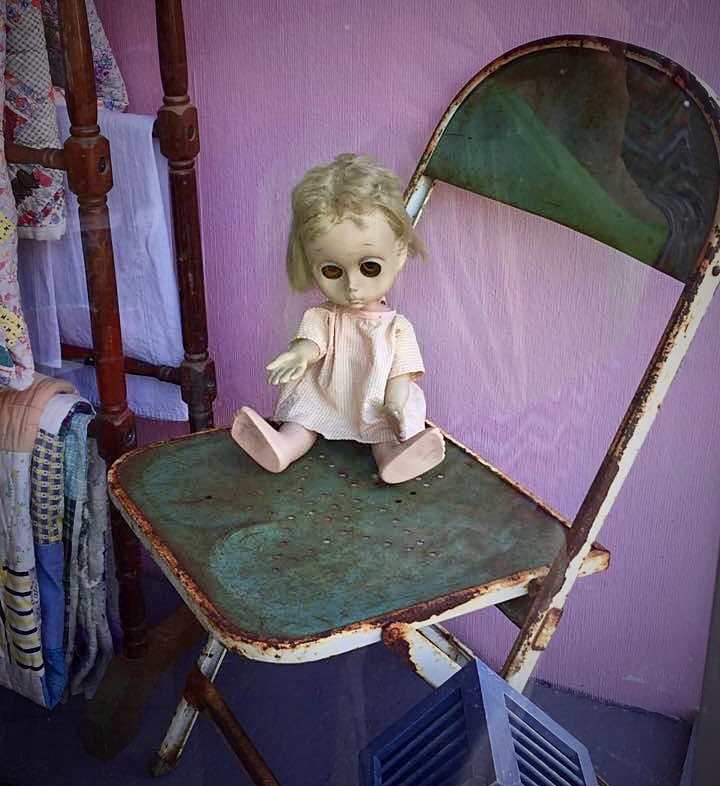
When we encounter haunted objects, there’s story waiting. Photo by the author.

My story, All We Have Abandoned, went through at least six rounds of editing before finally being published. Here is a list of some things that were changed through that process.

  1. The title went from Forsaken but not Forgotten to the current one – All We Have Abandoned. I think the second title brings out the emotions felt in my trip to the old zoo and also fits the plot of the fiction piece better than the first title.
  2. Some of the early readers mentioned that they couldn’t picture the point of view character. I realized that I hadn’t mentioned a gender or even a name for this character until past the halfway point in the story. Way too late – if you don’t introduce the main character early, readers will form their own idea of who that person should be. This can be jarring if they get the wrong picture of them and have to adjust later. I moved the narrator’s name up to the first word in the first sentence and added the phrase “no longer a little boy” as a second reminder of his gender.
  3. I got rid of most of the “rich aunt” details that I had to include in the contest story but kept a couple of things about her character. She wears rhinestone-studded sunglasses and carries a cane with a silver handle. Those details I think will allow the reader to imagine her and also no a little bit about her personality.
  4. My original draft included a full paragraph of back story about the zoo history. Fascinating stuff to me, the author, but not so interesting to readers who just wanted to get into the story. Cutting those lines allowed me room to add a scene where the main character encounters someone in the past.
  5. Speaking of the past, I had a problem with tenses. There’s a flashback while the characters stroll through the zoo, but I wrote almost everything in present tense. Some of my early readers were confused about the timeline until I fixed that problem.
  6. I made a small change to the ending, substituting one word for two in the last sentence. In general, I think it is always a good idea to cut words and this one change gave the story more impact and an ending that will stay with the reader.

Now, if you’d like to read the final, published story, here’s the link to the post on the Flash Fiction Magazine page: All We Have Abandoned

As always, thank you for reading!
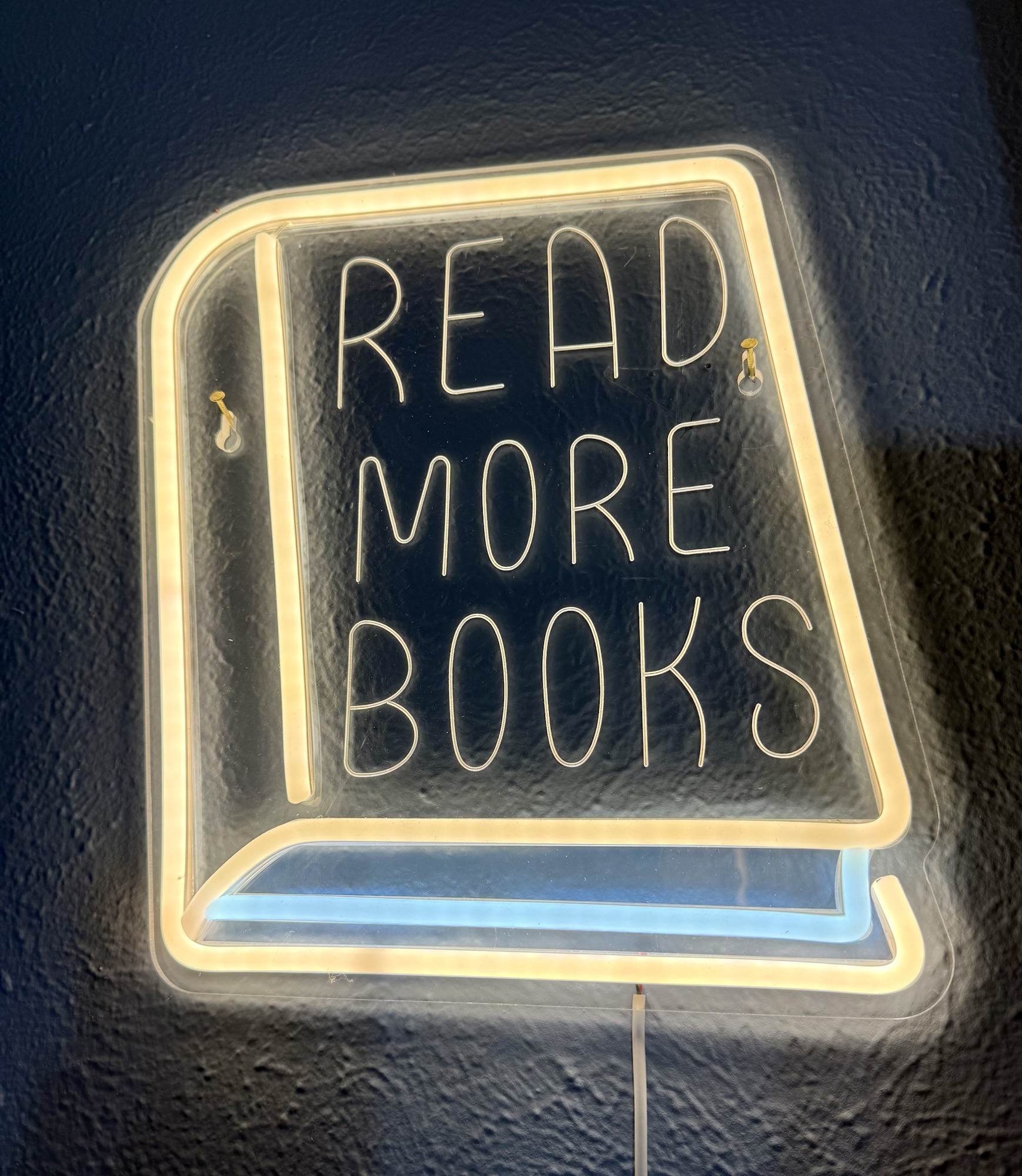
Read More Books

“In the end, we’ll all become stories.” Margaret Atwood

Photo by the author

The neon sign on my office wall is a gift from a friend and a subtle reminder that my “to be read” pile is waiting patiently. They don’t really have a choice, unless those books suddenly become sentient. But that’s a whole other story. For now, I’m trying to settle in with a novel instead of doom scrolling through social media. One practice will improve my writing skills, while the other just results in a rise in my blood pressure.

Once I started studying the craft of writing and actually trying to turn out stories of my own, I noticed that my approach to reading shifted. I do read for enjoyment, but it’s hard to turn off that inner editor. Here’s a few of the books I’ve read so far this month and a bit of a review for each, along with what I learned about writing along the way.

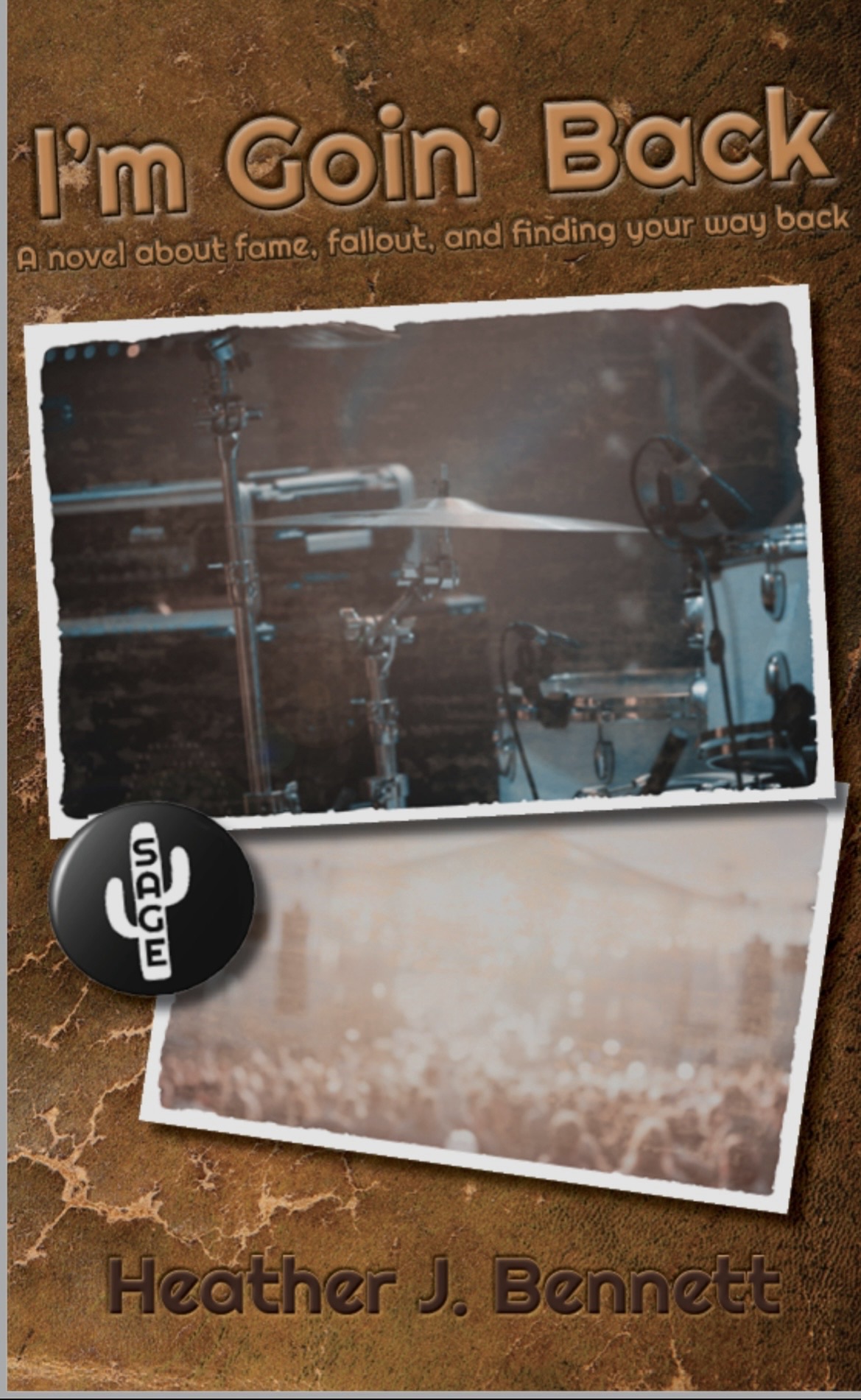
In November I read this novel written by my friend, Heather J. Bennett. She has a way of bringing her characters to life and giving the reader an intimate look at their challenges. Her books capture the 1970s – an era I grew up in – so well that I always feel like I’m settling in with an friend to reminisce about those times. The plots of her novels involve characters in the music industry, most often California rock and roll. Heather brings an authenticity to that setting that brings the reader right along with the characters. Writing wise, it’s good to read and learn from someone with such a good grasp of character development, plot, and setting detail. Plus her books are always a good story!

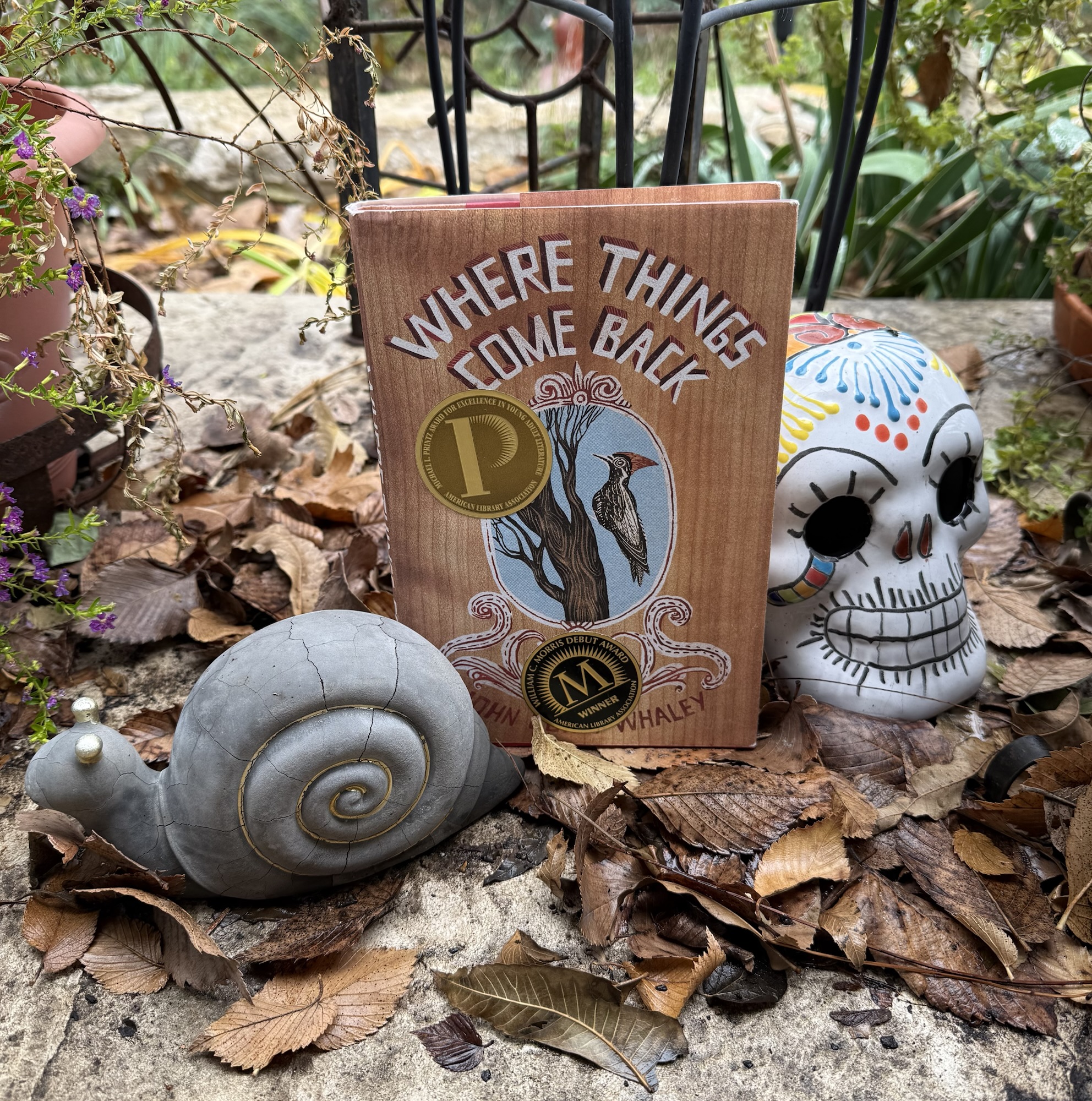
I bought this book at Dollar Tree and it was a $1.25 well spent. The first sentence hooked me in – “I was seventeen years old when I saw my first dead body.” From the title and that sentence, I was expecting something a bit darker from this novel, but I wasn’t disappointed with the story. The main characters are teenagers, so I suppose this would qualify as a “YA” book. There’s a disappearance and dual timelines that eventually converge in an unexpected but satisfying way. I like how the author, John Corey Whaley, tied everything together at the end. There’s a subplot with the town’s reaction to a possible sighting of an extinct woodpecker, and this explains the bird on the cover and also the double meaning of the title. I love it when the writer has a clear picture of how the plot will resolve and doesn’t resort to throwing everything at the conflict in hopes that something will stick. (Riley Sager, stop tossing tropes in the final chapter.)

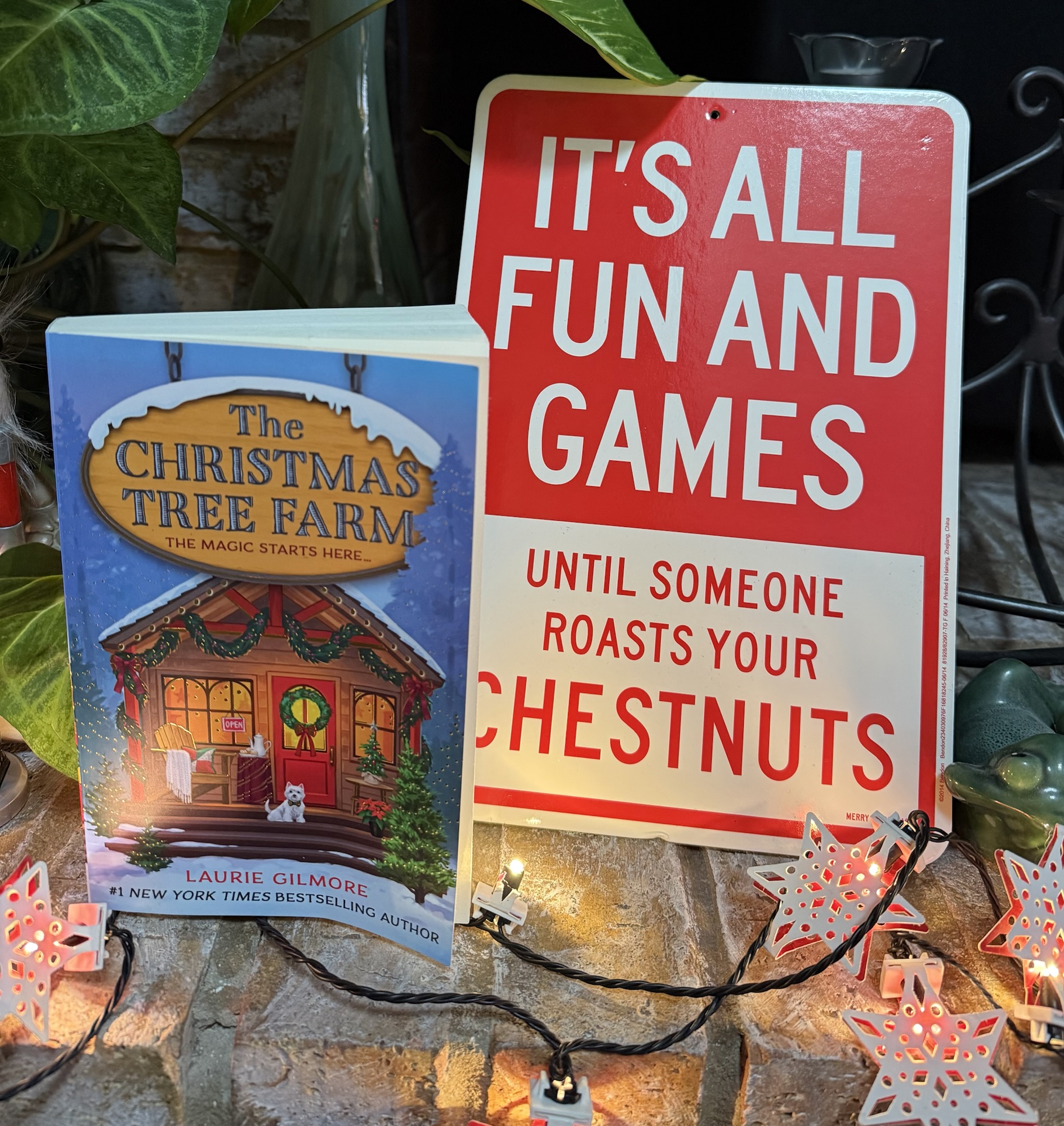
I’ll confess to an occasional binge of romance. I picked up this one based on the cover alone. Plus the author has a whole series set in this town. I loved the Virgin River series, so I thought I’d like these. Going in, I knew there were spicy scenes but I’m an adult, right? How bad could it be? Pretty bad it turns out. I’m not going to smut shame anyone, but if you picked up these books for the sexy parts, be aware the first get together doesn’t happen until about 200 pages in. And then, Kira and Bennett take up almost four pages with dialogue. Enough that I was urging them on to just finish things for heaven’s sake. As for plot, the main character, Kira, buys a Christmas tree farm and meets handsome Bennett. That’s about all that happens, over and over, until they finally hook up during a snowstorm. What I learned from this book – I don’t mind a spicy scene, but I’ve got to care enough about the characters to want them to get busy. I also realized I’ll never write a sex scene. Just coming up with euphemisms for body parts gives me a headache. Unless those parts are being loped off by the grim reaper/slasher who’s been stalking the characters.

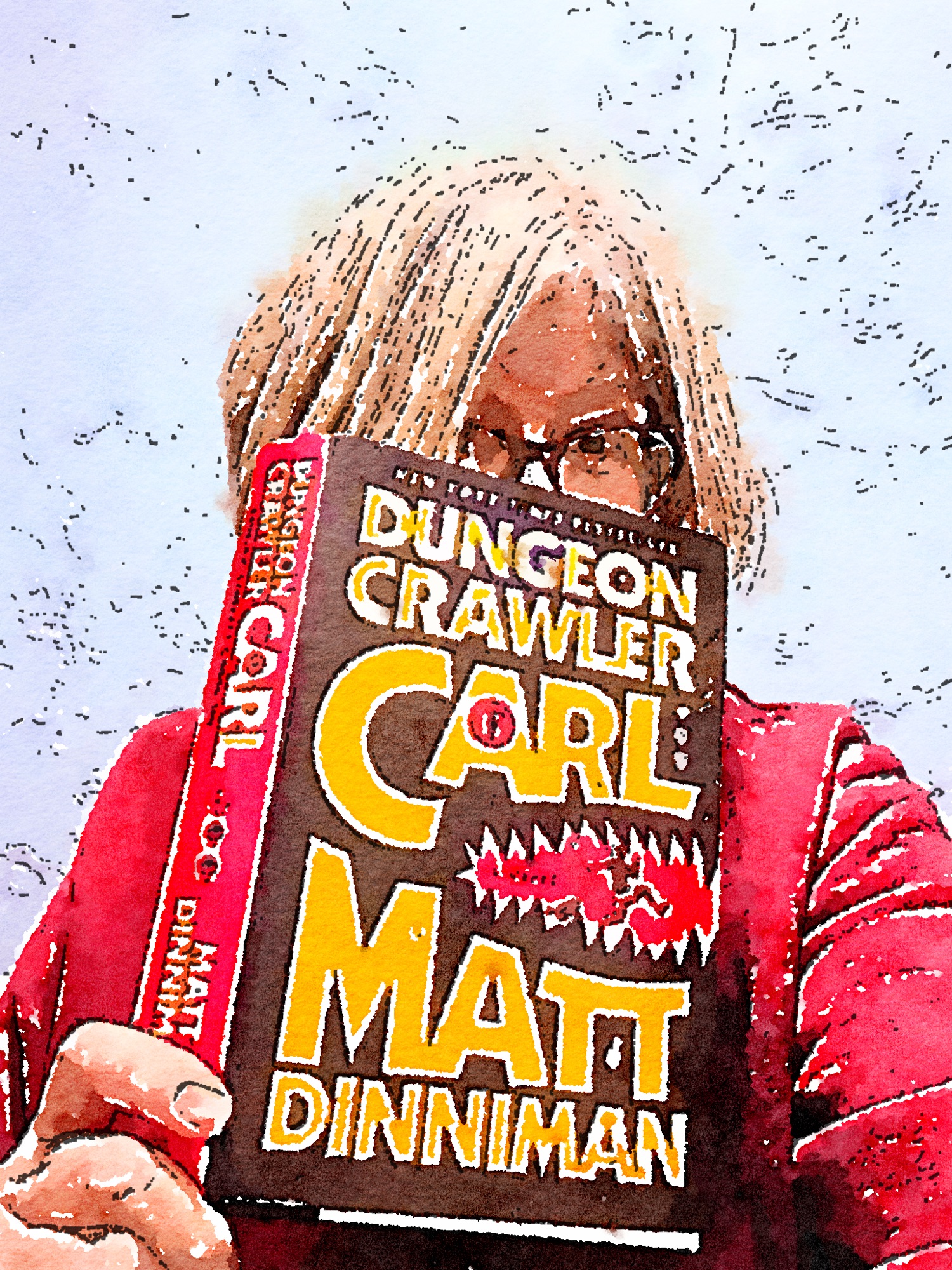
Me and Carl

The last book is also my favorite of the month and possibly the entire year. I binged the first few chapters, staying up later than usual with no regrets. This book is a master class on pacing, conflict, hooks, and characterization. The unlikely plot – aliens have destroyed the Earth and the survivors must compete in an intergalactic game show that takes place in a dungeon – makes perfect sense once you get into the story. There’s magic, violence, fantasy, and a talking cat. The cat, Princess Donut the Queen Anne Chonk, is one of my favorite all time characters. By the end of the first chapter, I was rooting for her and Carl and hoping they didn’t get killed by the drug-dealing llamas or exploding goblins. Writing lesson – once the reader loves the main characters they’ll follow them through the story. Another lesson – give a satisfying ending with each conflict but also introduce a new conflict as a result of that ending. I LOVE these books – I bought the rest of the series (what has been published so far, that is) before I made it halfway through the first book. I’ll be reading the second book over the Christmas holiday next week, which will be much better for my blood pressure than doom scrolling Facebook.

New Year New Goals

Unlike my friend here, I don’t have an excuse for not writing more.

The past year has been a series of “if only” – If only I didn’t have to work full time, if only I had more time, if only I had a dedicated writing space, and on and on and on.

It’s the end of the year and I’m still working a full time job. We have bills to pay, just like most people I know. Whenever I begin to feel sorry for myself and wish for more time, I remember reading about Ray Bradbury toiling away each night, writing short stories after he worked to support his family. He wrote Fahrenheit 451 on a rented typewriter, in the basement of the UCLA library. I have a laptop I could take anywhere to write – including my office in the house we bought this year.

I’m grateful to the group of writing friends I’ve made. I wouldn’t have completed the works I have done this year if it hadn’t been for their support and encouragement.

With 2022 upon us, I’m wishing for a more productive year for everyone. In the meantime, here’s a link below to an older short story of mine that I think turned out well.

Old Long Since

Happy New Year!