The Evolution of a Story

From inspiration to publication
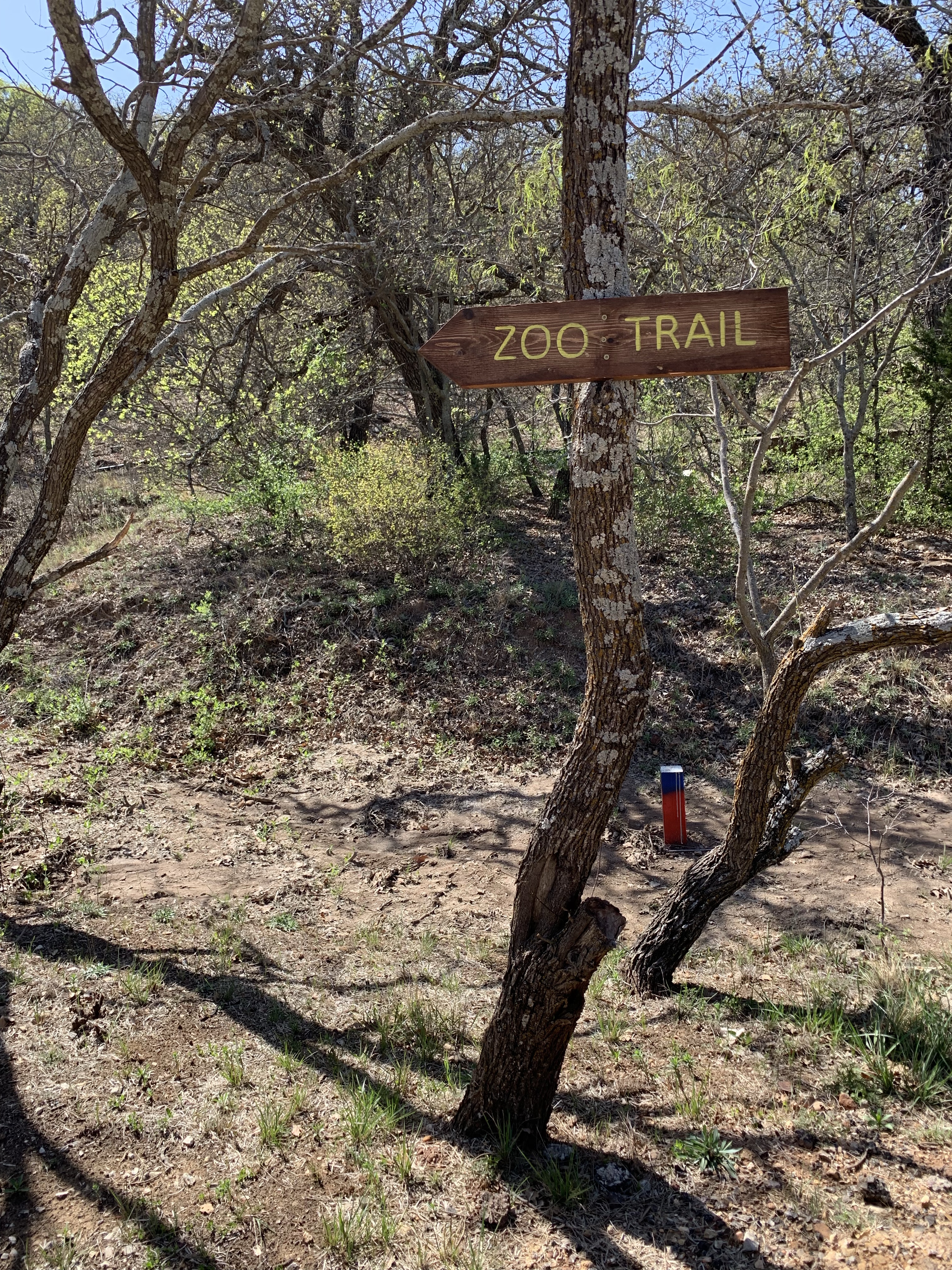
A sign on the trail at the old Cisco zoo. Photo by the author

One of the most common questions that authors get asked is some variation of “Where do you get your ideas?” For most writers, the answer is that we find them in our everyday experiences. This includes people who pen tales about ghosts, demons, and dragons. We don’t encounter those in real life, but we run across settings or objects that spur stories. Stephen King was inspired to write his novel The Shining after a winter stay at the Stanley Hotel in Estes, Colorado. The hotel’s isolated setting and a nightmare about his son gave rise to the plot of the horror story. And a very good one it is.
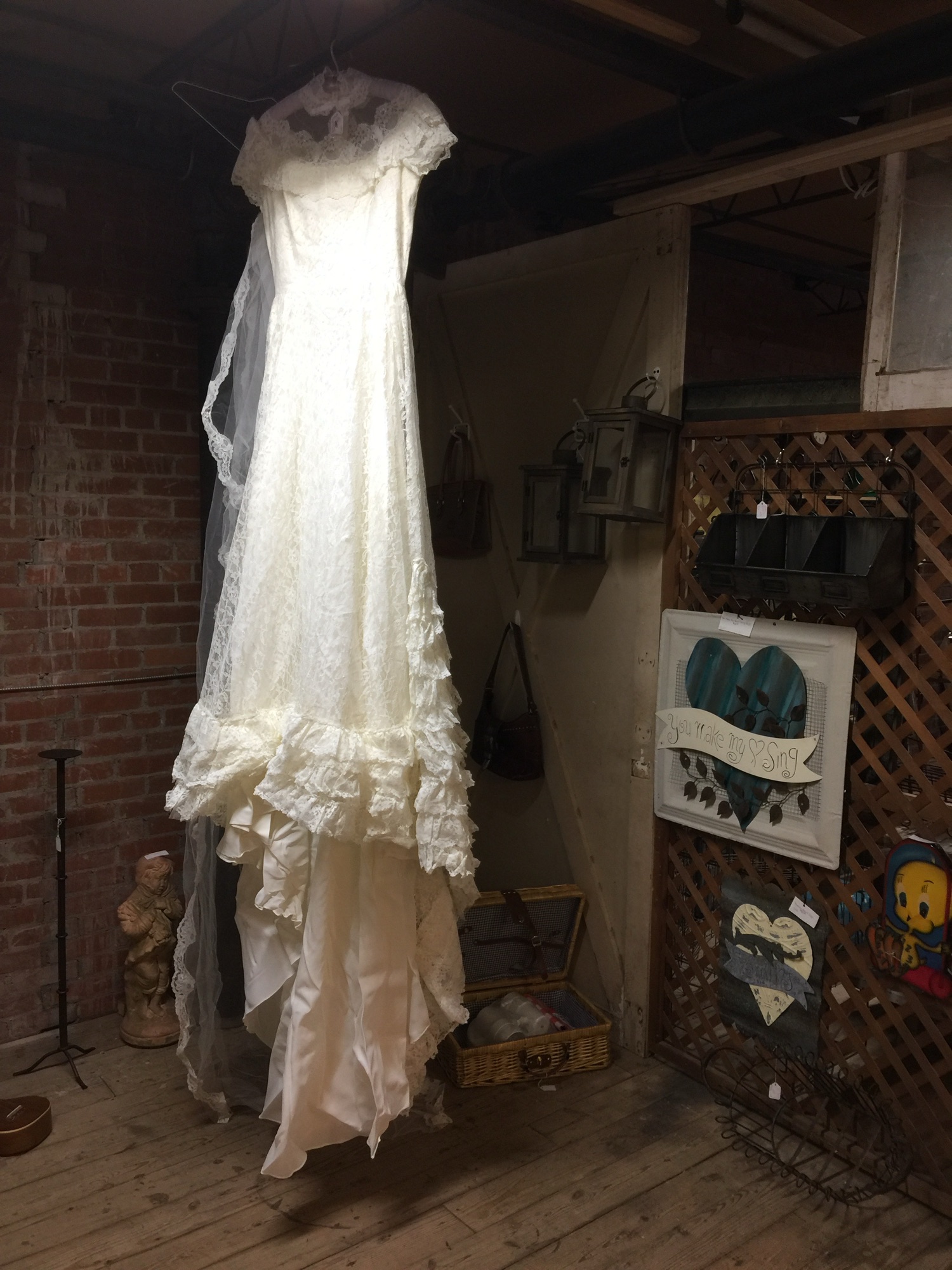
Not a ghost, but a ghostly garment for sure. Photo by the author.

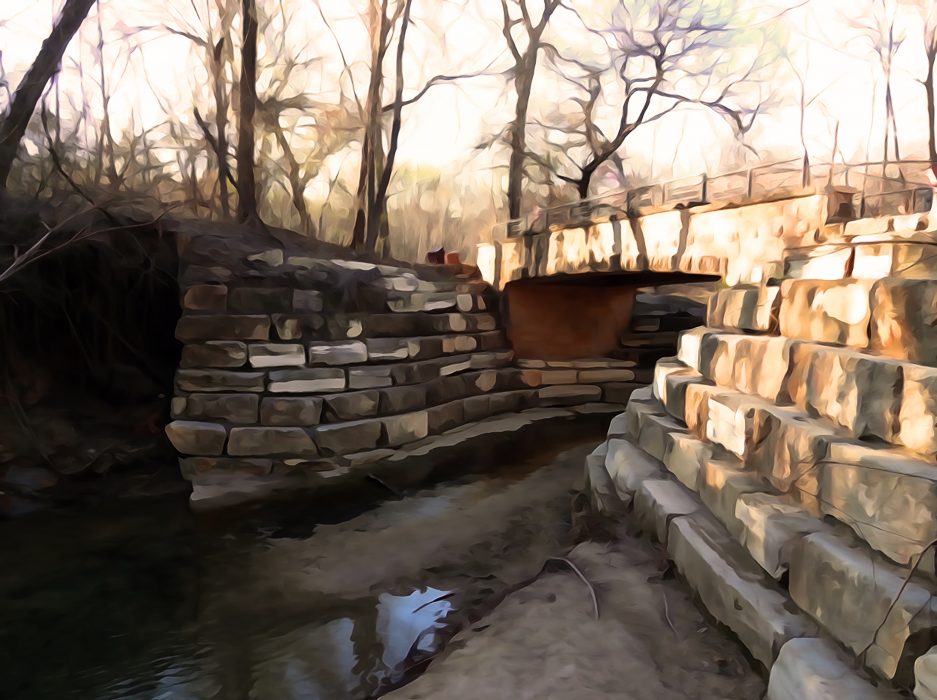
A couple of years back, my husband Andrew and I visited the abandoned zoo trail in Cisco, Texas. I’ve got a separate post about that visit – you can find it on the Road Trip tab and read about it if you’d like. Strolling through that place I felt it would make a great setting. I filed away the memories and images to recall at some later date. They came to life in the Spring 2025 Writing Battle writing contest. I received the prompts “Small Town Secrets”, “Zoo”, and “Rich Aunt.” The minute I saw “Zoo” I knew where to set my story. Once I placed the characters in that abandoned zoo I found the secret that they were keeping.
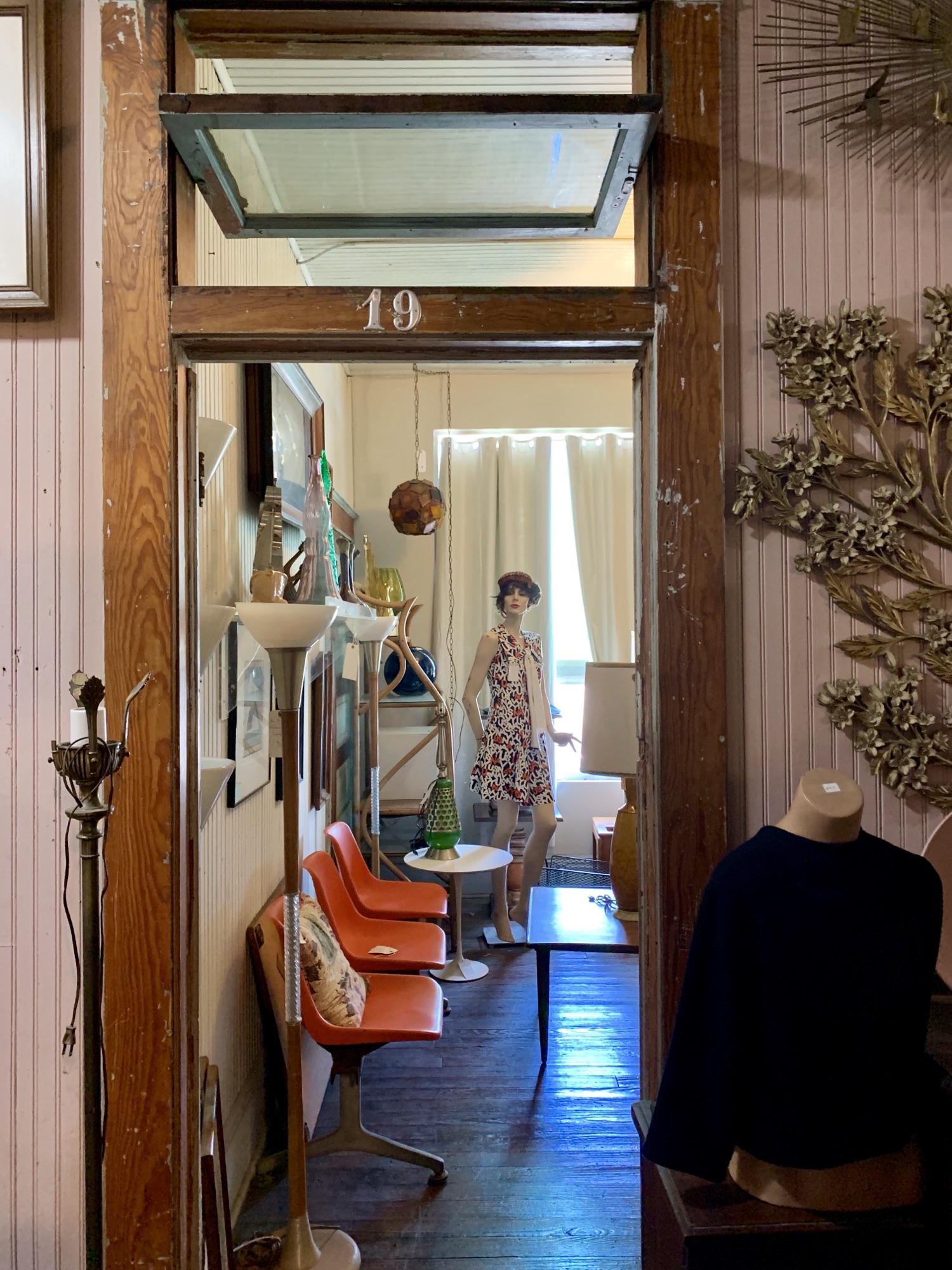
There’s a story waiting inside this room. Photo by the author.

Getting words on the page is the hardest step for me, but the contest had a deadline so that gave me motivation. I ran my first draft through the ProWritingAid app to polish the grammar and eliminate most of the passive voice. After one last edit, I finished the story and submitted it to the contest. It didn’t win any prizes. However, I received some useful feedback from the other contestants. The trick to a good story is that it’s not the writing but the rewriting that makes it stand out. After editing the draft that I had submitted to the contest, I took my pages to my writing group and got their feedback. Then, I submitted the story to the Flash Fiction Magazine’s contest. It didn’t win there either, but one of the editors emailed me afterwards and offered to publish it in the magazine. With some edits, of course. I said yes and off we went on the last round of revisions.
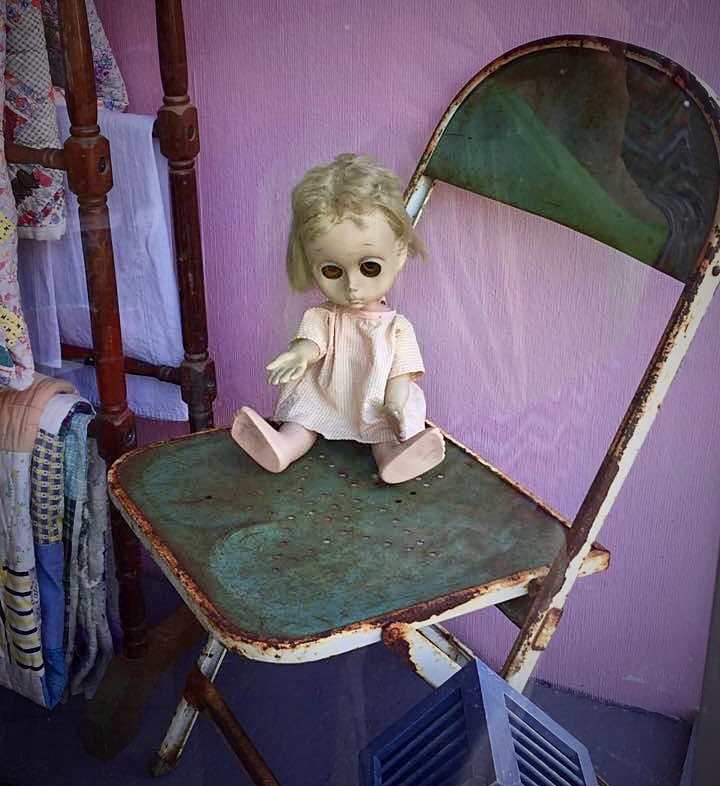
When we encounter haunted objects, there’s story waiting. Photo by the author.

My story, All We Have Abandoned, went through at least six rounds of editing before finally being published. Here is a list of some things that were changed through that process.

  1. The title went from Forsaken but not Forgotten to the current one – All We Have Abandoned. I think the second title brings out the emotions felt in my trip to the old zoo and also fits the plot of the fiction piece better than the first title.
  2. Some of the early readers mentioned that they couldn’t picture the point of view character. I realized that I hadn’t mentioned a gender or even a name for this character until past the halfway point in the story. Way too late – if you don’t introduce the main character early, readers will form their own idea of who that person should be. This can be jarring if they get the wrong picture of them and have to adjust later. I moved the narrator’s name up to the first word in the first sentence and added the phrase “no longer a little boy” as a second reminder of his gender.
  3. I got rid of most of the “rich aunt” details that I had to include in the contest story but kept a couple of things about her character. She wears rhinestone-studded sunglasses and carries a cane with a silver handle. Those details I think will allow the reader to imagine her and also no a little bit about her personality.
  4. My original draft included a full paragraph of back story about the zoo history. Fascinating stuff to me, the author, but not so interesting to readers who just wanted to get into the story. Cutting those lines allowed me room to add a scene where the main character encounters someone in the past.
  5. Speaking of the past, I had a problem with tenses. There’s a flashback while the characters stroll through the zoo, but I wrote almost everything in present tense. Some of my early readers were confused about the timeline until I fixed that problem.
  6. I made a small change to the ending, substituting one word for two in the last sentence. In general, I think it is always a good idea to cut words and this one change gave the story more impact and an ending that will stay with the reader.

Now, if you’d like to read the final, published story, here’s the link to the post on the Flash Fiction Magazine page: All We Have Abandoned

As always, thank you for reading!
Short Story or Vignette?

One needs a plot, the other doesn’t

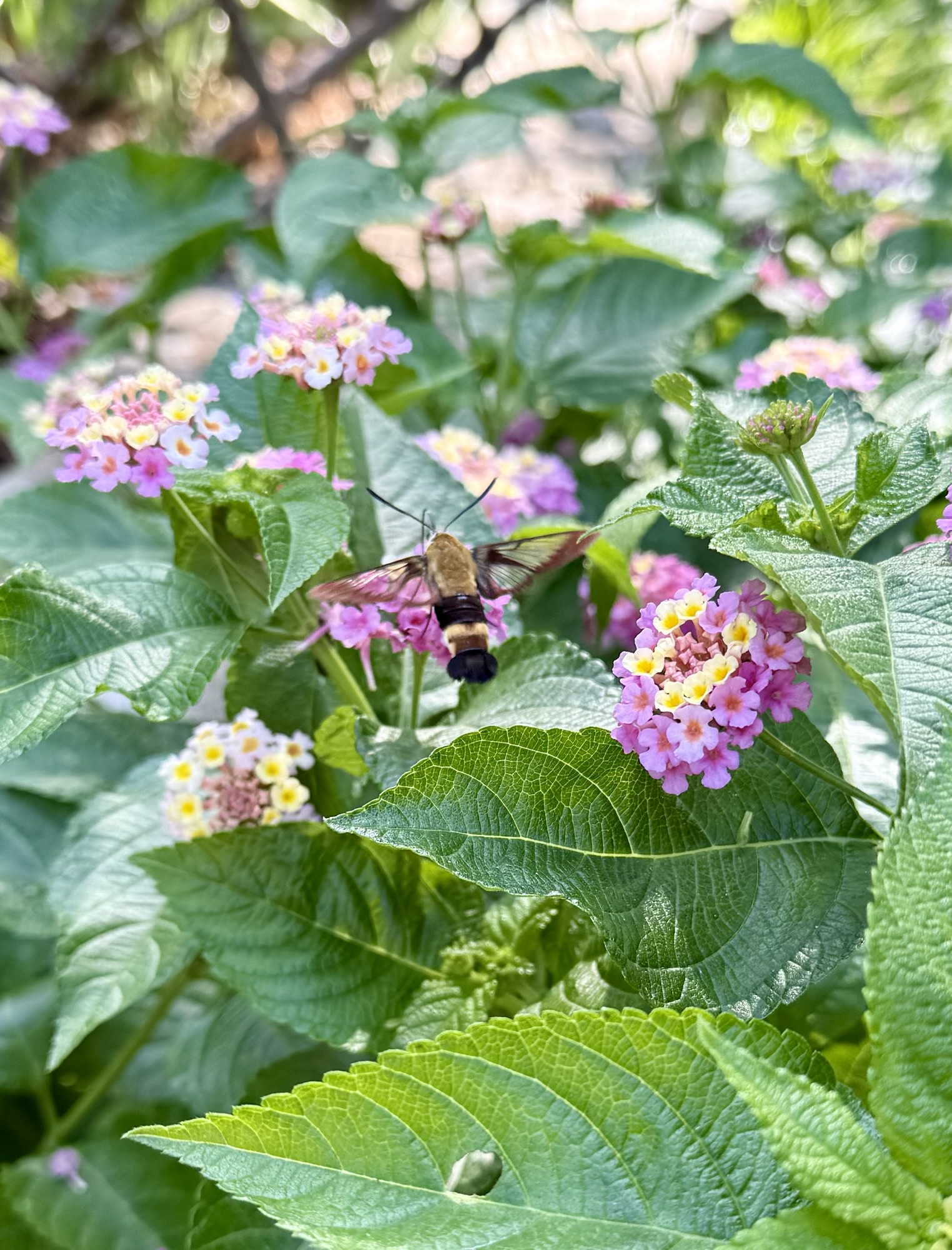
Moth on Lantana – photo by the author

I’m sharing another piece from a Writing Battle contest. This one had a limit of 250 words. The question I struggle with when writing very short, micro fiction is this: “How do you produce a complete story with characterization, rising and falling action, plot, and resolution when you only have X number of words?” Sometimes I feel like I hit the sweet spot on all those things that make a story a story, and sometimes I just have to be happy writing a vignette.

Vignette: a brief evocative description, account, or episode.

The story below made it to the top 16 in my category, but didn’t win any prizes. My genre was “Summer Fling”, I had to have a character “Bumbling Adventurer” and I had to include the word “Prudent.”

After the contest, I tried to expand the piece and I submitted it to a couple of other contests, only to get it back with the feedback that it wasn’t a complete story. Anyway I like it, so here it is. What do you think? Short story or vignette?

Lantana

Alina rolled through life like a tumbleweed — reckless, never prudent. She wore odd combinations—crimson flowers on an orange shirt and blue striped shorts, as though she dressed in the dark. One summer morning, she braided her sun-gold hair and set off to meet her latest boyfriend, Jay, at the pier. 

She strolled across the sand toward a Ferris wheel outlined against a periwinkle sky. After she lost a shoe in the surf, Alina stopped at the gift shop and bought a pair of rubber sandals.

When she found Jay, he held a paper container of fries. His kiss tasted of salt. Holding hands, they weaved past carnival games and their clanging, ringing, flashing lights. A summer season of popcorn bits and peanut shells crunched underfoot. Alina purchased a souvenir cup topped with a plastic dolphin’s head. They shared a pink puff of cotton candy, the hot-sugar stickiness clinging to their fingers. So sweet, before dissolving to nothing.   

They paused at a giant wooden track. Overhead, cars filled with screaming passengers rattled past. “Last chance, ride it with me?” Alina asked.

“I don’t do roller coasters.”

She thrust the dolphin cup at him and joined the queue for the ride. At the second hill, the coaster froze at the summit. In the moments before the cars resumed their plunge, Alina stretched her arms overhead. The wind carried a hint of coolness, heralding summer’s end. She searched the ground for Jay. Below, he lifted the cup in salute, or farewell.

THE END

The Things I Kept

Photo by Don Agnello on Unsplash

I packed up my apartment in one afternoon, amazed at the amount and the variety of useless stuff I collected in fourteen months. Some of it I had when I moved in, but not the one hundred plus ketchup packets or the fifty little plastic sleeves of soy sauce. I certainly didn’t remember owning hundreds of clothes hangers. It’s funny the items you consider worthwhile when you are choosing which to leave and which to take. Two of my possessions I consider valuable enough to be the first on the “keep” list — a small statuette of a sad dog in a Boy Scout uniform, and my 1958 Barbie doll.

Photo by Terrye Turpin

The ceramic dog was a present from my father. By the time I came along he no longer led a scout troop, but I liked the little statue and asked him for it. The Barbie doll might be worth some money if her feet weren’t marked with the imprint of my childish teeth. Barbie and the little dog were among the first things I took out of the home I left to my ex-husband.

The more stuff you own the more dusting you need to do. If I could, I would reduce all my possessions down to what would fit into a backpack. I could make do with a travois I guess and drag the lot along behind me. I fled a twenty-five-year marriage with just what fit into my car, plus a futon. A small price to pay for a quick retreat.

Three months after I appeared alone in court to finalize the divorce, my ex-husband’s sister asked if I wanted anything from the house. They were selling it in a last gasp effort to avoid foreclosure. I brought friends, boxes, and a pickup and arrived to find the front door of the house covered in plywood. Law enforcement had kicked in the door, looking for a man my ex had let stay at the house. We loaded up photo albums, dishes, books, odds and ends I thought I might want.

I wound up with a collection of novelty coffee mugs, a flock of ceramic roosters and chickens, battered pots and pans with loose handles, puzzles, games, blankets, paperback books and bookcases–it grew exhausting dragging it all along behind me. I decided to hold a garage sale. I convinced my son, Andy, that he should let me hold the sale at his house by offering to split the proceeds with him.

I’ve lived long enough to have suffered through several garage sales, they seem to come in ten-year cycles, like a plague of locusts. The day of the big event I set up in Andy’s driveway with a cup of coffee and watched the sun rise while our first customer arrived. The woman struggled out of the passenger seat of an older model pickup truck with a bed piled high with used furniture. She ambled toward me and asked “Is your lawnmower for sale?”

I explained that we didn’t own a lawnmower, let alone have one for sale, and she huffed, turned around, and walked swaying back to the truck. The treasure hunters appeared. They rummaged through the mismatched coffee mugs, torn sheets and worn out bath towels, boxes of puzzles with just one piece missing, and clocks that no longer worked. They turned to ask, “You got any gold or silver jewelry?”

I had my wedding ring, but I didn’t sell it. Not then. I kept it stashed in a wooden jewelry box for a year after the divorce. I sold it at a store front with a large black and yellow banner proclaiming “We Buy Gold! Silver! Top Dollar!”

Each item that sold meant one less thing to pack up and move. I felt lighter as the boxes of knick-knacks, throw rugs, and collections of paperback books left with each buyer. I had been carrying the weight of these things for years. By ten o’clock on the second day of the sale I was down to several dozen coffee mugs, some pots and pans, a used television antennae, and a warped dresser with loose knobs and sticky drawers.

Andy joined me on the driveway as we watched people cruise by, checking out the remnants from the safety and air conditioning of their cars. Our last customers were a pair of older Hispanic men who paid two dollars for a dozen coffee mugs. Before they left, they asked if we would like to buy some tamales. The men led us to their car, parked at the curb in front of the house. They popped the trunk and lifted a foil wrapped bundle from a red plastic cooler. The tamales were warm, fragrant with chili and garlic. My son and I closed our enterprise. We packed up the left-over goods to donate to charity and placed the bulkier stuff out by the curb with a sign that read “Free.”

I still have the Barbie doll and the ceramic dog. The other things I own do not all fit in a backpack and I doubt I could get it all into my SUV. The possessions we own and the memories they contain can weight us down and bind us in one place like anchors, keeping us from moving on toward a better destination. And sometimes our things act as ballast, giving our life balance, reminding us of where we came from and holding us steady on our course.