Smoke Rings Like Halos

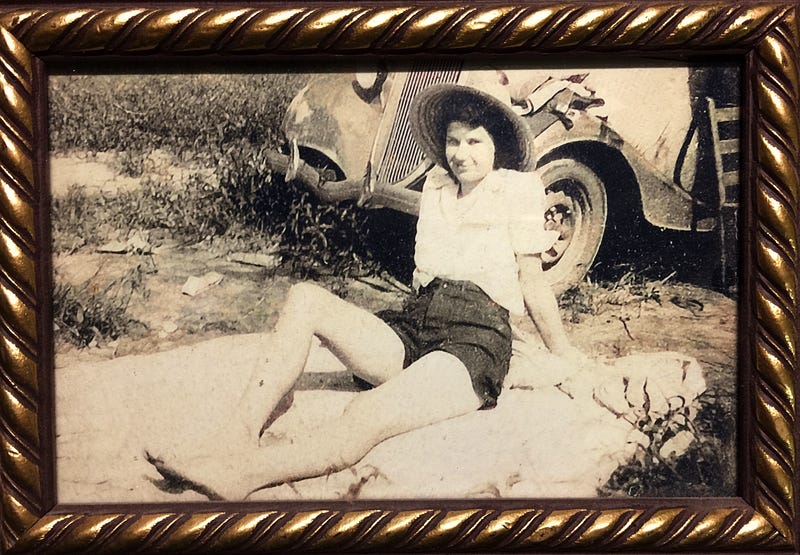
My mother, Christine, as a teenager

Sometimes I’ll strike a match, and the sulfur scent brings back that sweet tobacco taste from the first draw on a fresh cigarette. I remember the blue-white smoke curling in tendrils and the hot orange glow of embers illuminating a dark room like secrets shared. Cigarettes were a secret I kept hidden from my mother.

I picked up smoking in college. Away from home on the first lap toward adulthood, I embraced every bad habit I had once railed against. My mother didn’t smoke, but my father did. He wasn’t allowed to smoke in the house, and during my childhood, before their divorce, he sat in a metal glider in the backyard while I lectured him on the evils of nicotine. I accepted, however, the little brown and cream colored coupons from the packs of his Raleigh smokes. You could exchange them for prizes in a catalog, and I was saving up for a transistor radio.

My cigarettes were Benson and Hedges Deluxe Ultra Lights — menthol. Inhaling one of those was like smoking a breath mint. My path through higher education started while the legal drinking age was eighteen. Cigarettes were cheaper than alcohol back then so I exchanged my bottle thick glasses for contact lens and imagined myself in an old black and white movie. I played at cool and sophisticated while I tried and failed to produce a perfect smoke ring.

I balanced painful shyness with a desire to separate from my mother and went away to school a mere 52 miles from what I left behind. When I gazed at the view from my dorm room balcony, I saw the highway that led back to my hometown, a straight asphalt line like an arrow over the horizon.

College was an escape from my mother’s obsessive compulsive disorder. In my mother’s house each daily routine magnified into a complex ritual. Simple tasks like dusting became chores that lasted half a day because every ceramic bird or glass vase had to be removed then placed back in the same position. If they were moved even one quarter of an inch I would have to start the whole task over again.

Home on weekends and holidays it was easy to hide the smoke odor on my clothes. Each time I entered the house I had to stop, strip naked in the laundry room, and drop my clothes in the washer. I walked naked to the bathroom where I showered and scrubbed off the outside world. The whole process would have come in handy at a nuclear power plant.

One weekend my mother announced that she would come visit me on campus. I broke the news the day before her arrival to Ann, my best friend since elementary school, and now, roommate. Ann glanced around our dorm and asked, “Does this mean we need to dust?”

“No,” I replied, then suggested we open the windows and turn off the lights. Books, papers, food wrappers, and discarded clothing covered the surfaces in our room. There was a noticeable coating of dust on our bookcase, which held not books but an assortment of empty liquor bottles.

My mother showed up wearing a light blue polyester pant suit she’d had at least six years. That pantsuit, with easy to wash material and elastic waist pants, was her uniform of choice whenever she left the house. She had other clothes, but she chose the comfort of the familiar over style. I led my mom on a speedy tour of the campus, avoiding any place where I might be recognized. We picked up a pizza to share with Ann back at the dorm.

After we ate we all leaned back, drowsy the way you are after a large meal. The room smelled of pepperoni and as I pushed aside the empty cardboard pizza box, I thought about how much I would like a cigarette. My mother opened her bag, the size and shape of a small black leather suitcase, and bent over to fish around inside it. She set things aside, not looking at them as she searched through her purse. Out came a lipstick, a coin purse, her wallet, and right before she found the tissue she was searching for, she pulled out and set down a pack of cigarettes.

“When did you start smoking?” I asked. I wondered how she got around washing the packs before she opened them.

“Oh, it’s a bad habit I used to have, I’ll quit again soon.”

I wouldn’t have been more surprised if she had confessed to being a serial killer. I laughed and brought out my own pack, then asked if she wanted to step out onto the balcony.

From left to right — my father, mother and my Uncle Buddy

Years later I would discover old photographs, tucked away in albums and stashed hidden in a desk drawer, and in them my mother posed in high heels and dresses. It was hard for me to reconcile the woman she had become, the one who had to wash every grocery item before she stored it away in the pantry, with the smiling woman in the sepia tinted photos.

My mom eloped and got married at fifteen, worked as a cook on a farm cooperative, had seven children, and divorced my dad when I was thirteen. Back then I feared that I would become my mother. As though genetics would dictate I inherit not only her nose and her eyes, but her personality, her failings, her mental illness.
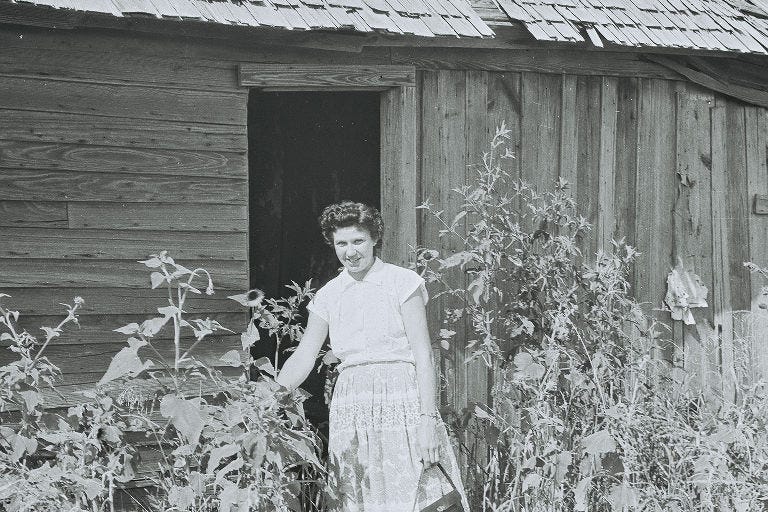
My mother

We drew on our cigarettes and stared out over the silent courtyard below. The lights from passing cars flashed along the stretch of dark highway that led back toward my hometown. I glanced over at my mother, dressed in her familiar pant suit as she stood beside me, the smoke from our cigarettes curling over our heads like wispy halos.
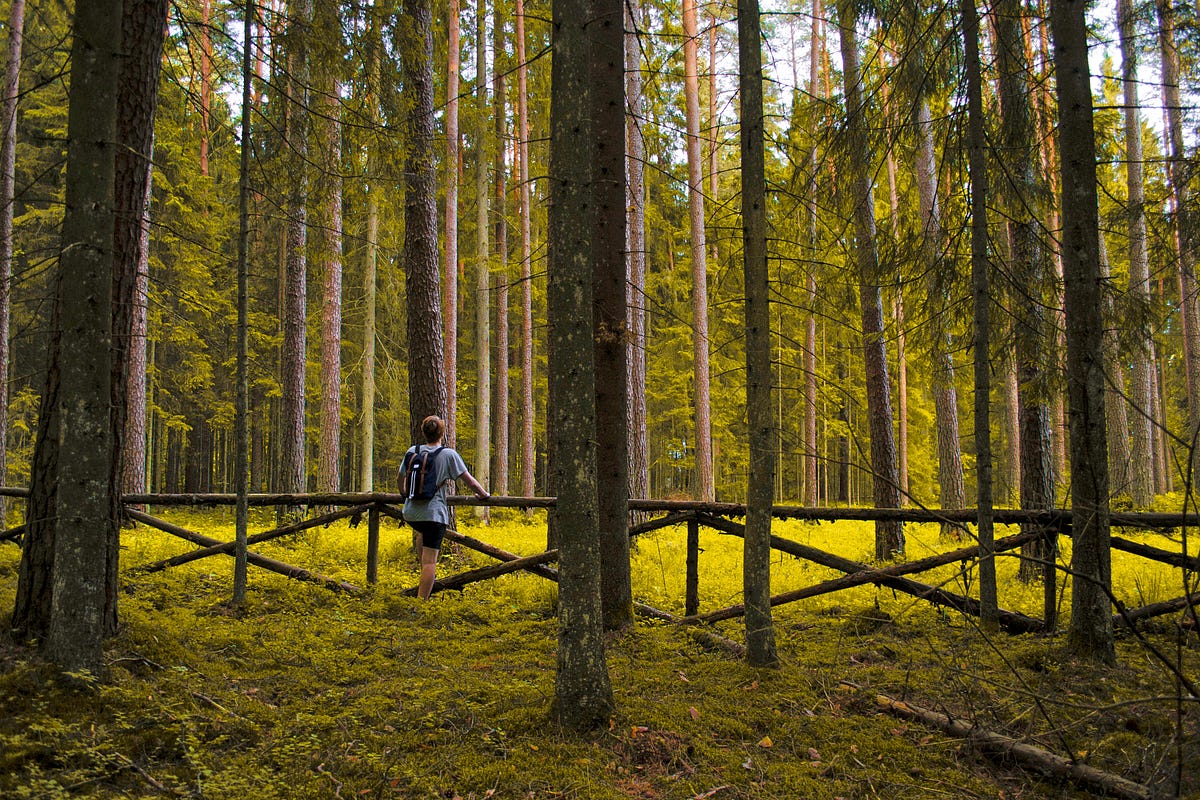
Lost Not Missing

Photo by Sandis Helvigs on Unsplash

When my younger son, Andy, was 19 years old he was so thin the vertebrae in his back looked like rungs on a knobby ladder. Our nights were interrupted by Andy stumbling through the dark into the bathroom to throw up. His primary care doctor pronounced him “a little underweight.” This was like calling the Donner Party a little hungry. He gave us a referral to a gastrointestinal specialist and handed me a sample pack of antacids.

When Andy went for his checkup, his dentist suggested that he might be diabetic. The dentist took one look inside Andy’s parched mouth and then took a second glance at the 20 ounce bottle of water my son had at his side. When we met the next day with the specialist, I mentioned the dentist’s suggestion and Dr. P. ordered fasting lab work.

When the lab results came back, Dr. P. called me and told me to go find my son. The rest of the story included a trip to the emergency room where a nurse who wasn’t much older than Andy met us at the door with a wheelchair. I jogged along behind her bouncing pony tail as she pushed my son down a tiled hallway that echoed with the moans coming from the curtained rooms we passed. We did not stop to fill out paperwork or answer billing questions.

When Andy was three years old, I lost him while Christmas shopping. One moment I had his damp, sticky hand clenched in mine, the next I let him go so I could flip through a display of clearance sale clothing. It was enough time for him to slip from the store and vanish, swept along by the current of holiday shoppers. I grabbed my older son, Robert, and demanded, “Where’s Andy?” as though he had stashed him away like a toy he didn’t want to share.

Just as I found a security guard, we spotted two older women walking toward us. Grey haired bookends in sensible shoes, they each had a firm grip on my son. Andy did not look concerned at all. I thanked them over and over, and despite their quiet reassurances, I felt I should explain that I was a good mother, and I had at least managed to keep one child in sight.

During his hospital stay Andy mastered the art of insulin injections and glucose level testing. Soon after his release, he found a job at the local ice cream distribution center. He came home at night and told us “You can eat all the ice cream you want!”

“That doesn’t seem like the best job for a diabetic,” I remarked.

He worked in a refrigerated warehouse, tossing pallets of ice cream into the back of a waiting truck, an activity that required a heavy parka and protective gloves to guard against frostbite.

His career at the ice cream warehouse came to an unfortunate end after the plant manager locked him in the company parking lot one evening. Andy called to let me know he would be late for dinner, and might spend the night in his truck. I made the twenty minute drive to rescue him in less than fifteen minutes, and managed not to damage any property, run over any animals, or become the focus of a helicopter police chase.

As I pulled up to the padlocked gate at the parking lot, I saw Andy leaning against his bright red truck on the other side of the ten foot tall, wrought iron fence. We met at the padlocked gate and discussed options.

“I could throw a rock through the office window and set off the alarm,” he offered.

“I believe a more reasonable alternative is calling 911,” I replied. When the dispatcher answered I asked her to call the emergency contact person listed for the ice cream company. While my voice shook as I mentioned that Andy was diabetic, hers remained quiet and calm, and she assured me she would keep trying the contact number until someone answered.

I left Andy abandoned at the junior high school one night after band practice. My work schedule changed, and I thought my mother-in-law would pick him up, but she forgot I had asked. By the time I arrived home from work the street lights were clicking on in the dusk. I realized that Andy had been waiting for a ride home since four that afternoon. When I got to the school and pulled into the parking lot, there was enough light left to see Andy waiting outside the band hall, sitting on the ground and leaning against the brick building. When I asked him why he didn’t call someone to come get him, he replied, “I knew you’d miss me and come get me.”

While we were waiting for the 911 operator to call back with good news, a patrol car arrived. The policeman, a young man with perfectly clipped dark hair, rolled down his window as he pulled up behind my car. At first I wondered if his appearance had something to do with my 911 call, but when I asked the officer he said no. We must have made a curious pair of vandals, a middle aged woman in baggy shorts and house shoes, and a skinny, long haired boy in faded jeans loitering on the other side of the fence.

“How did you get in there?” The police officer strolled up to stand beside me at the gate.

“I stopped to check my oil and everybody left,” Andy replied.

I noticed the officer kept his hand near the cuffs on his belt, and I mentally went through the list of people who might provide bail money.

“My son is diabetic,” I said. I hoped the policeman would look at us less like criminals he might need to arrest.

The officer squinted in at Andy.

“Are you okay in there?” the cop asked, and glanced back toward his idling patrol car, outfitted with a crash bar. I imagined scenes from action movies where the hero busts through the gates and escapes. The officer seemed disappointed when Andy replied he was okay, but he was a little thirsty.

When the plant manager arrived he rushed up to the gate with his keys in hand and asked my son, “How did you get in there?”

Andy rolled his eyes and replied, “You locked me in,” and I realized that his future in ice cream distribution was over.

We headed home and I followed along down the highway behind Andy’s bright red truck. He changed lanes and passed cars and vanished over the crest of a rise in the road. I knew we would eventually arrive at the same destination, so I lifted my foot some from the gas pedal and sang along with the car radio. My son went on without me, lost from sight, but not missing.

All Our Wishes Granted

Photo by Andrew Shaw

My oldest son, Robert, is an adult, but he has always been my challenging child. His youth brought parent teacher conferences because he could not sit still in class. In his teenage years he dressed in black and listened to music that screamed pain in lyrics only the young could tolerate. Not loved any less, or more, than his calm, quiet brother, but the child, and now the adult, always at the front of my worries. When my fiancé, Andrew, and I started dating, he understood that to love me was to also love my sons.

When Robert called me up and asked “Could we go look at the stars in Albany?” I asked Andrew if he would bring his telescope. We drove three hours to Fort Griffin State Historic Site, the closest dark sky location, far from the pollution of neon signs and city streetlights. We arrived just as the visitor center was closing, and picked up the keys to the small metal shed where we would all sleep, huddled under blankets on cots, and lulled to slumber by the rattle of the window unit heater.

Photo by Andrew Shaw

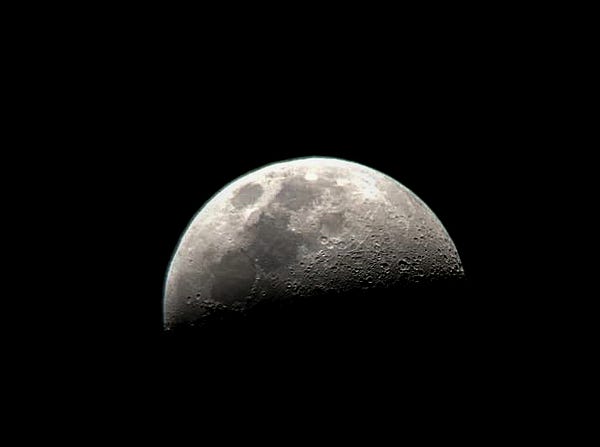
That night the sky was a jewelers’ black velvet coverlet, tossed with millions of diamond stars. We set up the telescope and peered at the moon, a half full round of blue white cheese. Celestial Venus, the bright goddess, graced us with her image. We hoped for shooting stars to tag with our wishes, but the stars refused to drop.

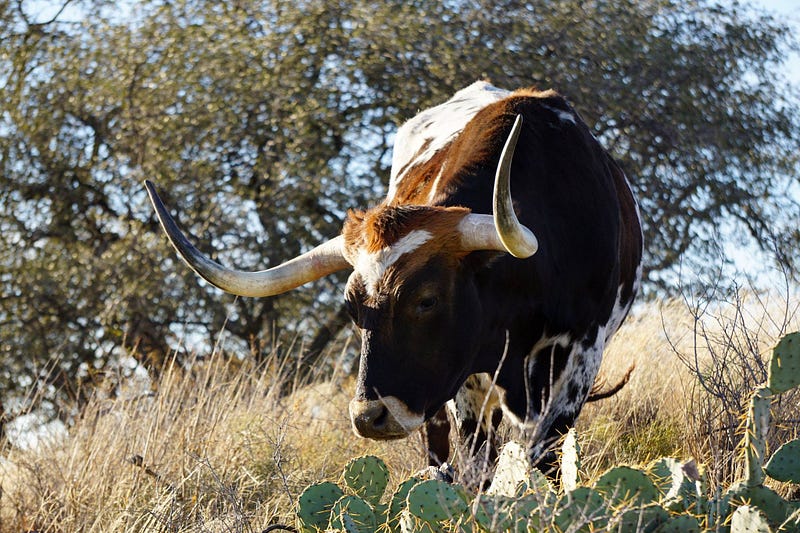
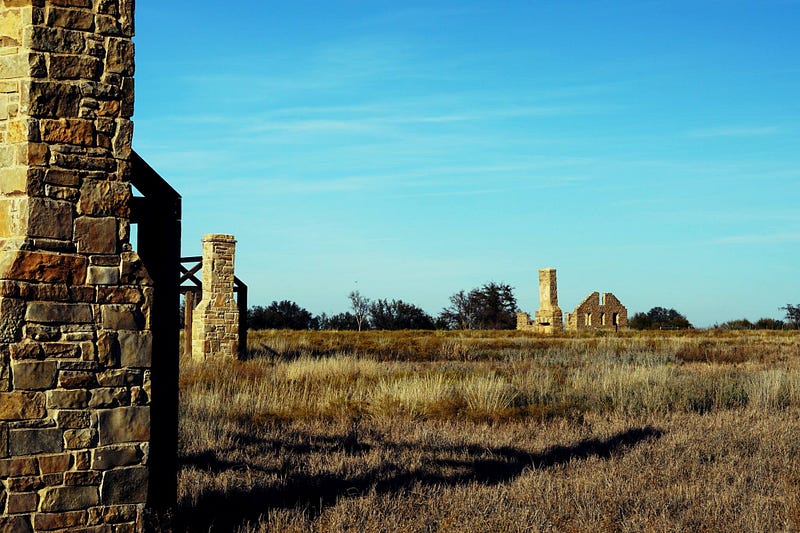
The next day we hiked across the dry brown prairie through the ruins of the fort. We imagined lonely soldiers stationed there, rising and retiring to the bugle call of reveille and taps, waiting out their service on the West Texas plains. We thought of them fishing on the banks of the Clear Fork of the Brazos River, while longhorn cattle grazed nearby among the tumbleweeds. The soldiers are long gone, but the official State of Texas longhorn herd remains, patient guardians of their outpost.

Photo by Andrew Shaw

We took pictures. While I stood at a distance and admired the cattle and their horns, Andrew weaved through the cactus and risked impalement to get a better shot. Robert pulled a black knit beanie onto his head to counter the cold wind, and leaned against the ruins of a stone shelter, alone in shadow under a cloudless sky. Andrew caught this unlikely portrait of Robert standing still, waiting for us to come back around and collect him.

Photo by Terrye Turpin

We left without a shooting star. Filled with the moon, soothed by the prairie, and cheered by the stars, we headed home content, as though nature herself had granted all our wishes.

I recently wrote a Shadorma poem as part of a writing challenge from The Creative Cafe. The poem was inspired by the photo I describe in this piece, and this story is the story behind the photograph behind the poem. You can read the poem, “Alone Not Adrift” here:

https://thecreative.cafe/alone-not-adrift-3c310d4becc1

Join Hands, Give Thanks

For the love we are to receive

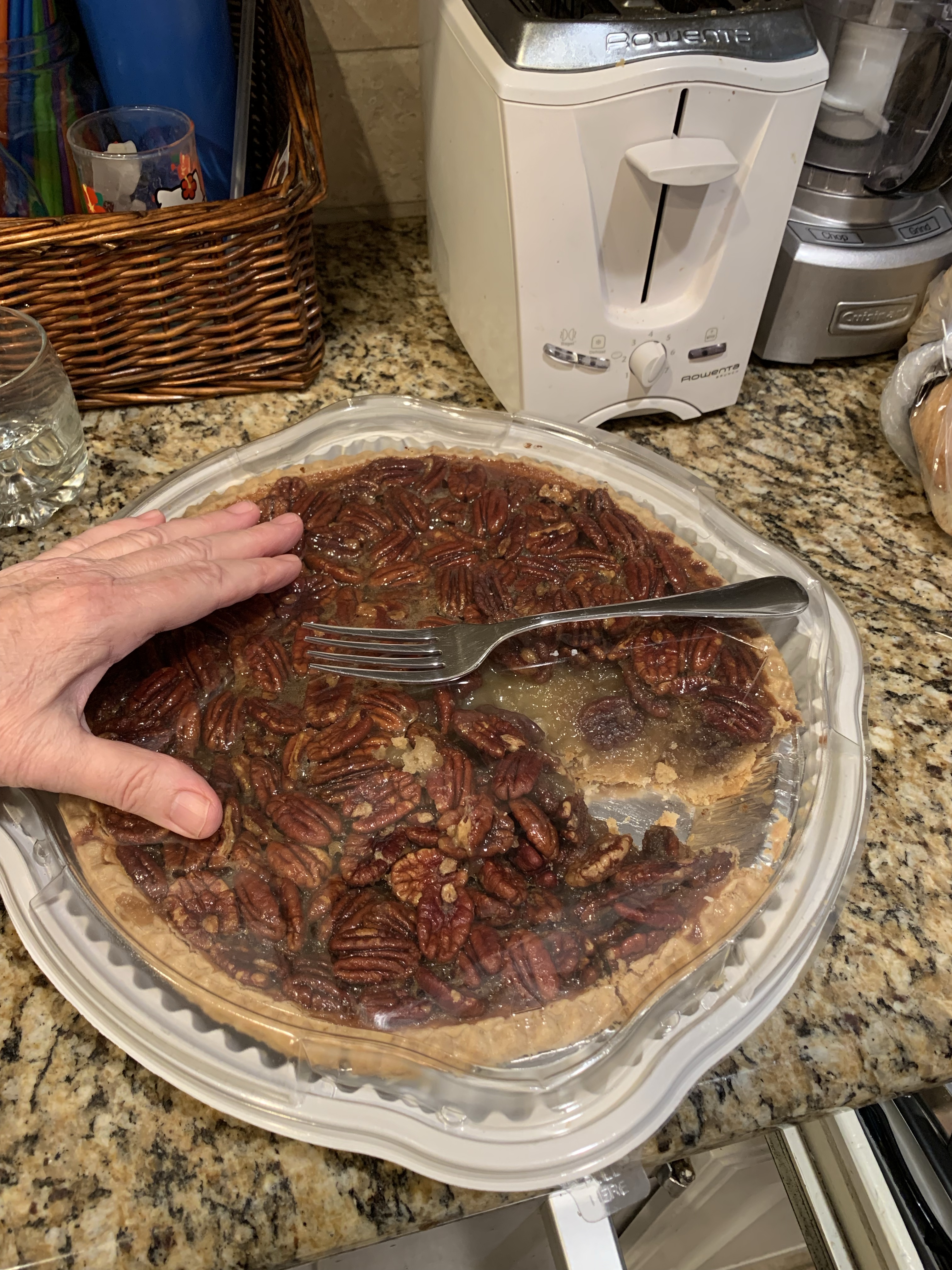
I love pecan pie. Yesterday, our realtor gifted his clients with Thanksgiving pies. We bought our house two years ago, in the middle of a crazy market, when investors were slinging cash like the Monopoly banker. Without his expertise, we wouldn’t have been able to find a place to call home. For that, we are grateful to Kreg Hall. The pie is a bonus. A large bonus as I am the only one in our household who likes or can eat pecan pie. To make it last I’ll freeze portions and enjoy it during the winter months. Each time I sit down with coffee and a slice of pecan pie, warm from the microwave, I’ll lift a fork in gratitude for the blessings we have and the good people in our life. 


Home Baking.jpg

I lived through two decades before I discovered that there were people in the world who made dressing with stale bread cubes instead of fresh cornbread. My oldest sister’s second husband, the nice one, was from somewhere up North, New York I think. He had dark, pomaded hair swept up and back and he smiled and spoke with an accent I had only ever heard on television. He made a bread stuffing with oysters. I forgave him because it was delicious, each mouthful a feast of earthy black pepper mixed with the salty ocean taste of oysters. I was home from college, and my mother volunteered me to drive the two of us up to Malakoff, Texas, where my sister and her new husband had retired to life by the lake. In those days before GPS, I got lost following my sister’s handwritten directions because I didn’t know that “LBJ” was also Interstate 635. We arrived late, but to a feast laid out on their Formica topped kitchen island and still warm. I wish I had asked him for the recipe for that oyster dressing.

My mother made her dish the Southern way, with cornbread. She used white corn meal, soft as sand, with a bit of flour, scooped up and sprinkled in like snow. Baking soda and baking powder for leavening, for we all need incentive to rise. Buttermilk to mix, salt and bacon drippings for flavor, then all poured into her largest cast iron skillet, warmed on the stove so the crust will brown first. It came out like a pale yellow moon and filled the kitchen with the warm, sweet scent of corn. For the dressing she mixed in celery, onions, broth, and enough sage to repel evil spirits.

When I was young, we traveled to my grandmother’s house for Thanksgiving. Not over the river or through the woods, but past the lake and along Highway 380 the 15 miles or so to the town of Farmersville. My mother brought her cornbread dressing and a pie or two as her contribution to the meal. I held the warm pan of dressing on my lap where I sat in the slick vinyl backseat of our 1970 Oldsmobile, and tried not to drool on the foil covering the pan. My grandmother’s wood frame house had a tiny living room decorated with an autographed photograph of a famous televangelist, before the fall. She sent him money and prayed for healing by laying her hands on her Chroma color television while he preached. The children, including anyone under the age of 18, were banished to the back porch. We fought over metal folding chairs and balanced our plates of food on our knees while we fended off the horde of feral cats living in my grandmother’s yard. The cats were only slightly outnumbered by my cousins.

Some years we visited my father’s family, where my aunts made their dressing and gravy seasoned with the chunks of turkey heart, liver, and gizzard that came packaged and concealed inside a store bought turkey. The first time I cooked a turkey I didn’t realize there was this hidden prize inside. I found them after, steamed and tucked under the skin at the front of the turkey, where his neck would have been if it weren’t shoved up into the body cavity. The neck was roasted too, because I didn’t know there was a second, secret scrap part buried inside my turkey.

My first husband was from Missouri, and the bread stuffing his mother made was moist, but thick, and had to be scooped out in chunks. My father-in-law, an honest, hard-working mechanic and assistant Boy Scout leader, led the prayer each year, insisting that we all stand before the table and join hands. You haven’t really experienced Thanksgiving gratitude until you’ve had to convince a squirming toddler to stay still during a ten minute blessing, while the aroma of food wafts over you in a moist cloud of steam you can taste.

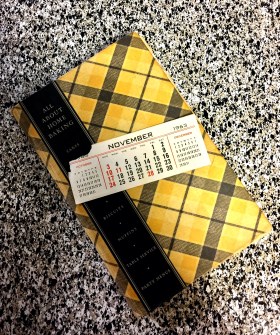
My mother stopped cooking a turkey for Thanksgiving after my parents divorced, when it was just the two of us left at home. She would roast a chicken instead, and make her cornbread dressing. I never saw her consult a cookbook, she cooked from memory mostly, measuring out ingredients to taste except when she was making a pie or cake. After she moved into a nursing home, I found a cookbook tucked away in a box she had stored in her laundry room. The book, All About Home Baking, had penciled notes in the margins and, tucked inside the front cover, scraps of lined paper with recipes written in her delicate, looping cursive. Brittle, yellowed pages from a 1963 calendar fluttered out like falling leaves when I turned the pages of the book.

I roast a turkey every year, even when there are just one or two guests and my vegetarian fiancé at the table. This year I’m cooking both turkey and a ham. I’ll make cranberry relish from fresh cranberries and oranges, and add so much sugar that it passes for jam. We’ll have pumpkin pie and a minced meat pie like my mother used to make, even though no one but me will eat it. It is a deliberate luxury on my part to have a whole pie to myself. My fiancé, Andrew, will mash potatoes so they come out just the way he likes them, a little bit creamy and with a few tiny lumps. When he leaves the kitchen I will sneak in more butter and salt to the dish.

I don’t cook my mother’s cornbread dressing, I’ve fallen from grace and into the boxed, instant variety, but at least it’s the cornbread version. I’ll make traditional green bean casserole with crispy fried onions on top and a spinach rice casserole from a recipe my aunt gave to me. I don’t put marshmallows on the yams, instead I’ll serve them with a pecan streusel topping like my ex-husband’s mother, my first mother-in-law, made.

The guests at the table, the cooks in the kitchen, and the fellowship changes, just as the feast stays the same. I touch my past as my hand stirs the pot, preps the bird, and kneads the bread. I bow my head in silent thanks and join hands with all, even those who are absent from the table. Join hands, bow heads and give thanks, give thanks for the love we are all about to receive.


I’ll Look for You Anywhere

My boyfriend Andrew plays this little trick on me. The prank is funny, because I fall for it every time. And it’s irritating, because I fall for it every time.

We were having pizza at Cane Rosso when Andrew pointed over my shoulder and said “Hey! Is that Robert?” I immediately spun around and tried to spot my oldest son among the people coming in and out of the dining room. I considered and rejected the elderly gentleman leaning on a cane, and the young mother wrestling her toddler into a high chair.

“What? That guy!” The only person who might resemble Robert also outweighed him by about eighty pounds. Mentally I scrolled through images of Robert. There’s Robert as he looked in college, the Christmas I drove out to Lubbock to pick him up. It was snowing, and he came out of the dorm wearing flip flops and a short sleeved t-shirt, a large drawstring bag of laundry slung over his back. He had a scraggly beard and as he walked through the snow to my car, I thought he resembled a homeless Santa Claus. There’s the Robert wearing a ball cap and a plumbing company uniform, his name handily embroidered on the front. Or maybe it’s the Robert with silvery hair from Facebook photos.

I turned back around to Andrew and frowned, but not because I missed the pizza that he robbed from my plate while my back was turned. I was disappointed that the words “Is that Robert?” failed to conjure up my son. After a moment Andrew confessed and returned the pizza. Because what good is a practical joke if no one notices?

Robert and my younger son, Andy live nearby and are busy, grown men with their own lives. I’ll see them on holidays and birthdays, but sometimes I feel I’m more likely to encounter them shopping at Half Price Books or IKEA than sitting across the dinner table. It’s not unreasonable to feel that little thrill of excitement at the prospect of encountering one of them somewhere unexpected. It’s like when someone stops by your cubicle at work and tells you there’s birthday cake in the breakroom.

All it takes is a suggestion from Andrew that Robert might be walking in the door of the restaurant, or strolling through the park, and I immediately scan the faces nearby. We can be close to home, or hundreds of miles away, it doesn’t matter. I’ll feel that small disappointment, a failure on my part because I can’t find my own son in a sea of strangers.

When Robert was an infant I dreamt that I lost him, and I was forced to search through dozens of identical babies, trying to figure out which one belonged to me. Ironically it was his younger brother Andy that wandered off once in a mall. I spent a hellish fifteen minutes imagining him gone forever before I found him. I have never misplaced Robert.

One time I drove past the park where Robert’s first grade class was enjoying a field trip, and I watched from my car as he tossed sand on another child. I hesitated, and wondered if I should intervene, but then remembered that this particular misbehavior was not under my authority, it belonged to his teacher. This was the first time I realized that I would not always have to answer for my offspring, eventually they would find their own way in the world, and others would hold them accountable.

They are my family, but no longer my responsibility. They are my sons, but no longer my children. It is this freedom that makes every chance meeting a joy. Back when they were teenagers and I spotted them somewhere unexpected, it resulted in a series of intense questioning, and not a happy reunion.

I told Andrew that it’s okay if he continues to play the joke on me, as long as he returns the pizza he takes from my plate. But next time, I suggest, maybe he can say “Look! There’s Elvis!” instead.