Bee Story

The hum of bees is the voice of the garden.”
-Elizabeth Lawrence
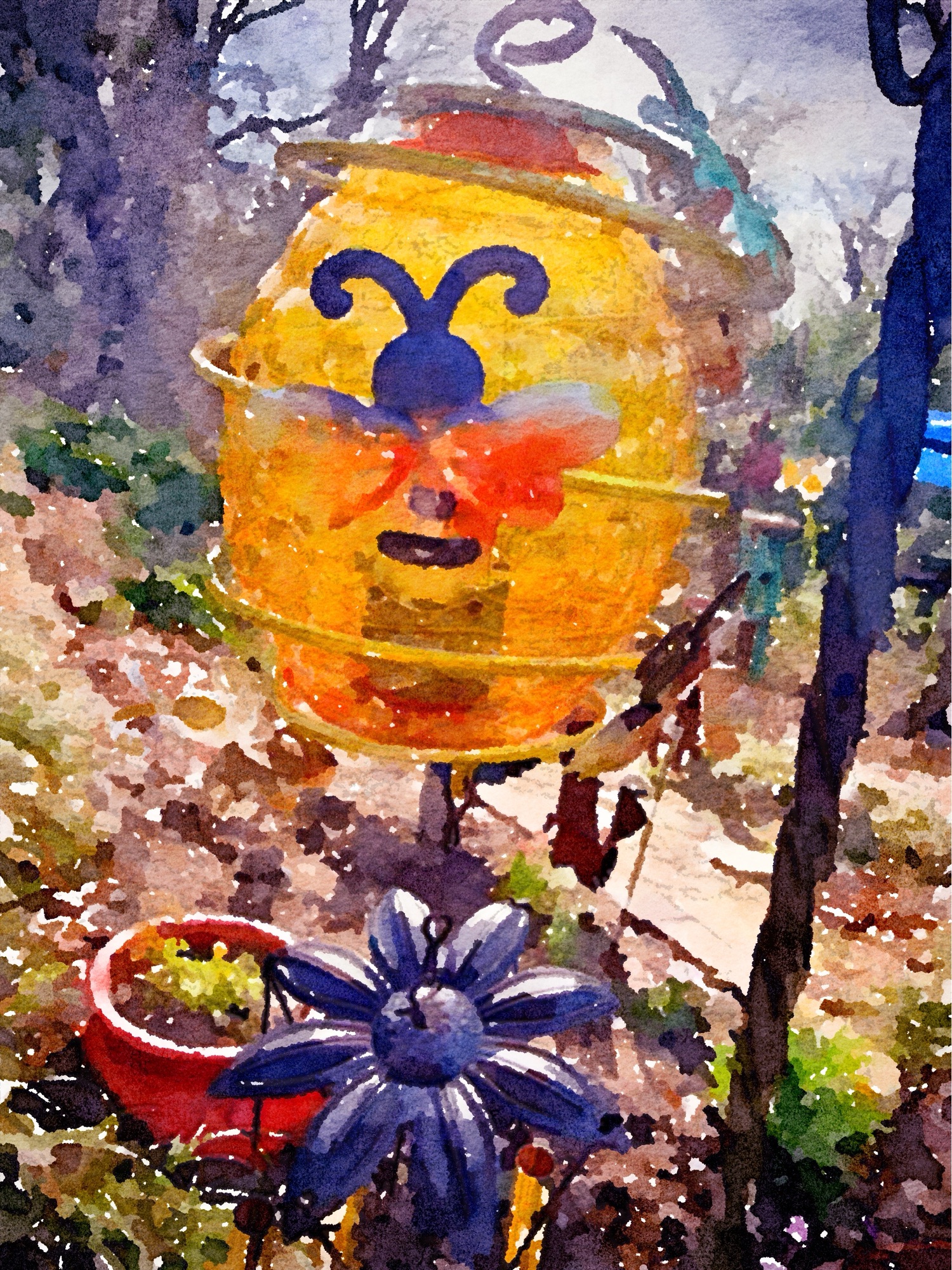
Photo by the author

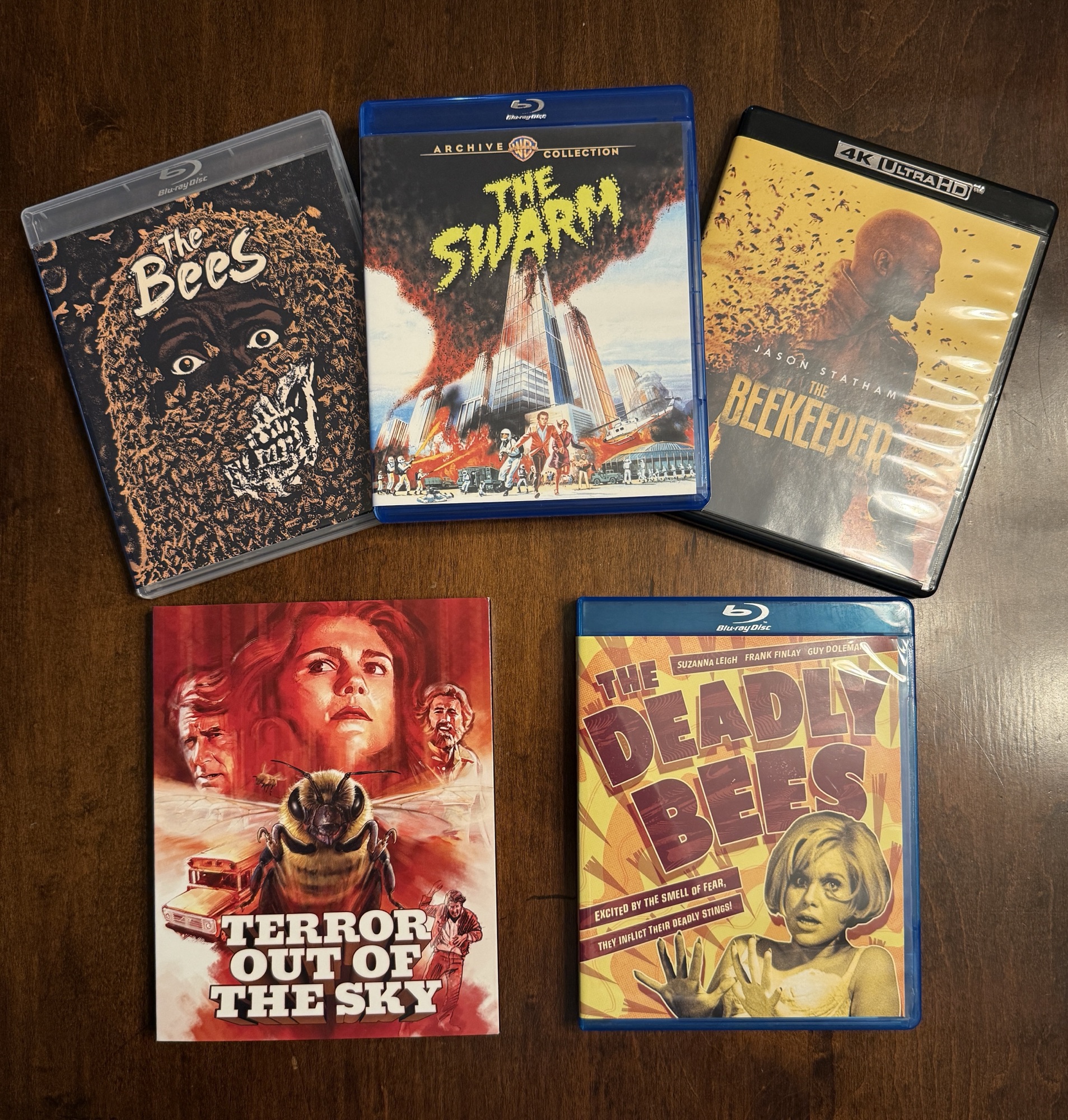
Despite my husband’s collection of movies with homicidal insects, we do love bees. Spring and summer days there is nothing so meditative as working in the garden alongside our happy pollinators.
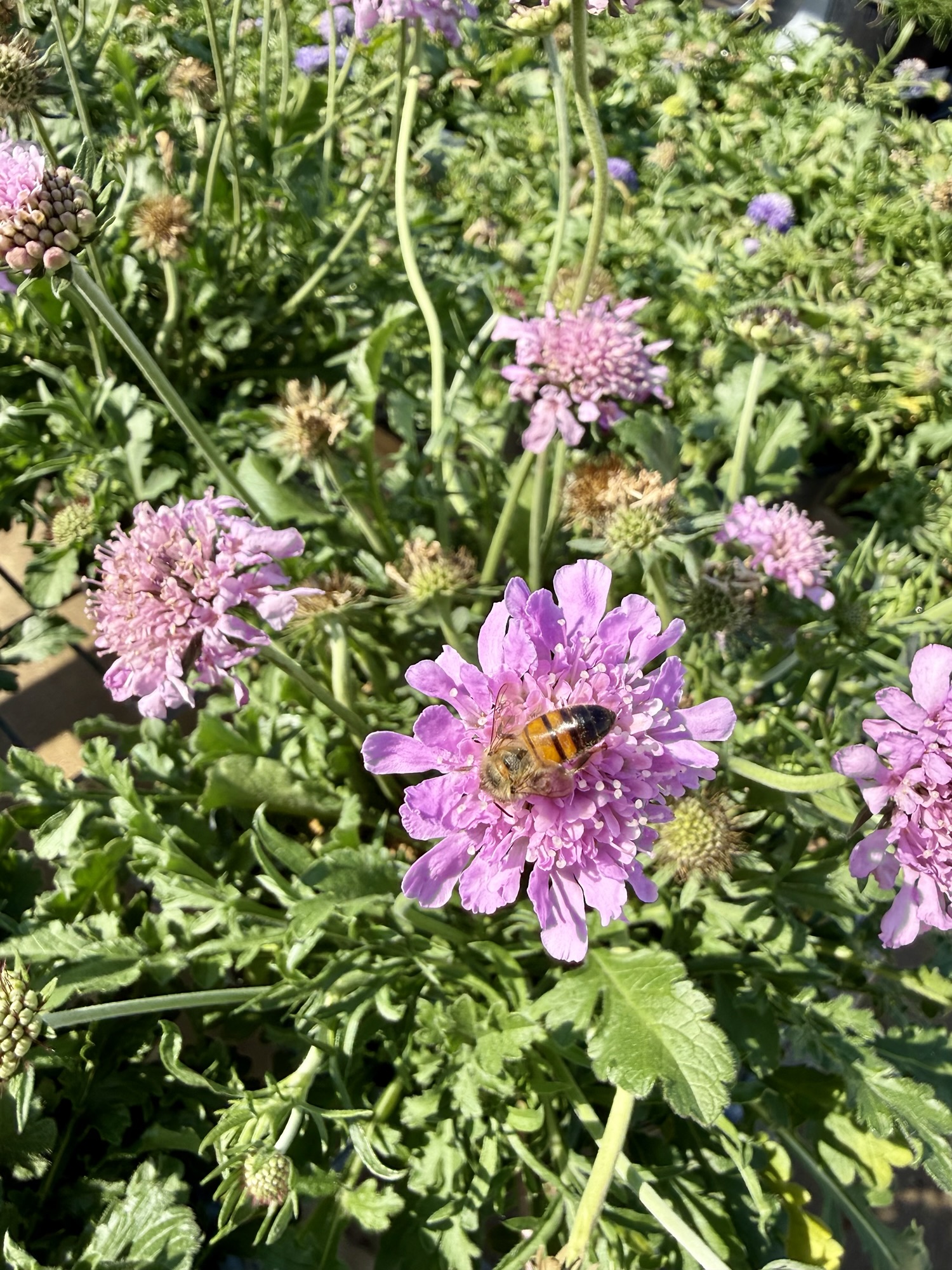
Photo by the author

The early blooming landscape in the front of our home brings a crowd every year. I’m happy to provide a source of pollen, even as I start my yearly round of allergy meds.
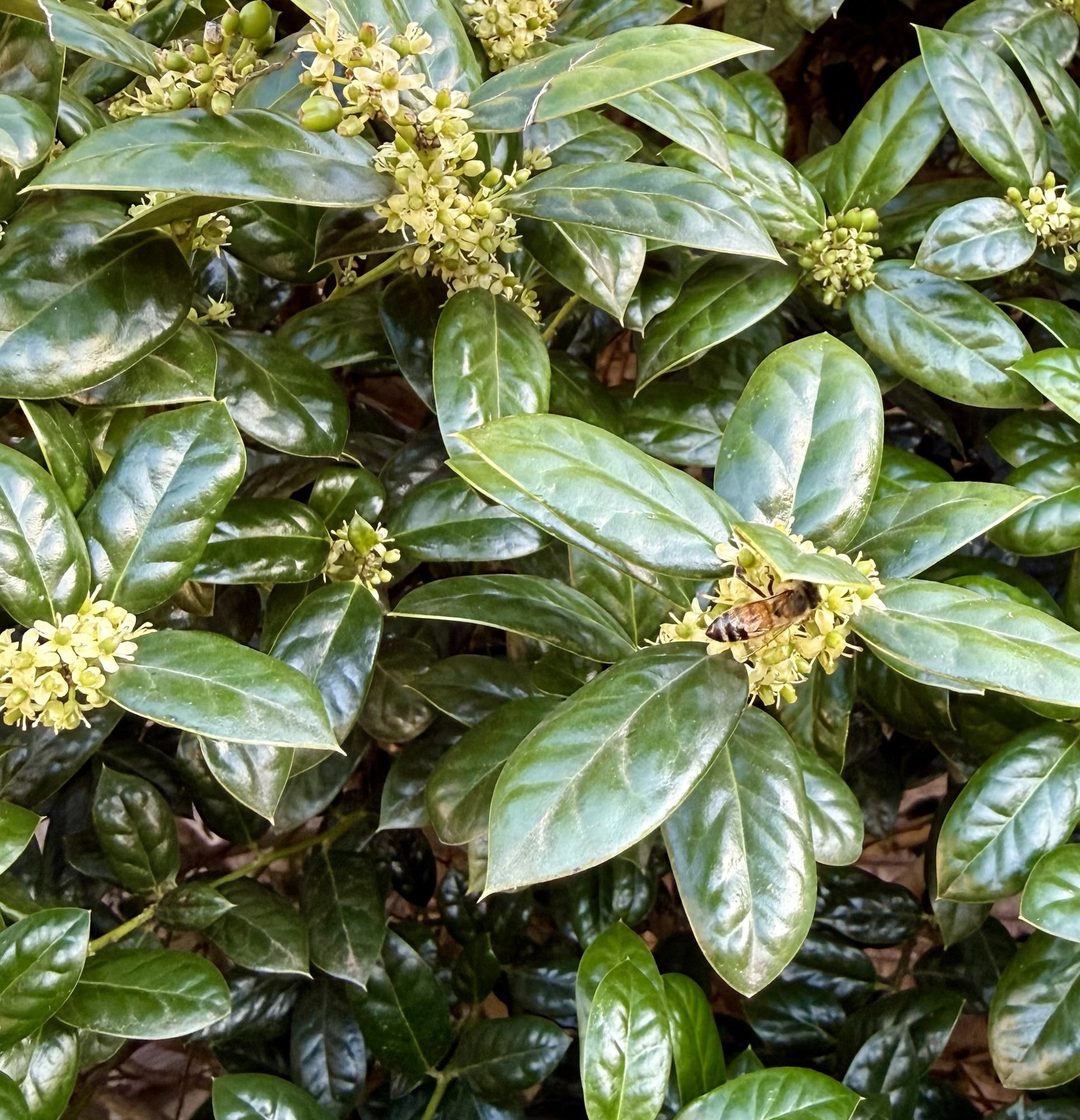
Photo by the author

The first days of warmer weather this year brought an unexpected crowd. A bee swarm arrived overnight, clustered around their queen like fans seeking autographs at a Taylor Swift concert.

They took up residence in an unlikely spot beneath the platform bird feeder. The birds were not happy sharing their space, but like us they left the bees alone. Online research assured me the swarm would leave on its own, once the scout bees found a suitable place for the new hive.

Three days passed – the expected timeline for departure, and the swarm still clung to the bird feeder. Then the forecast predicted rain.

“Should we try and move them?” I wondered to Andrew. “There’s no protection from the weather.”

He considered buying a wooden beehive box. I pictured him swathed head to toe in a white beekeeper suit, one of those hooded hats with a veil topping his head.

We decided to let the bees work it out on their own.
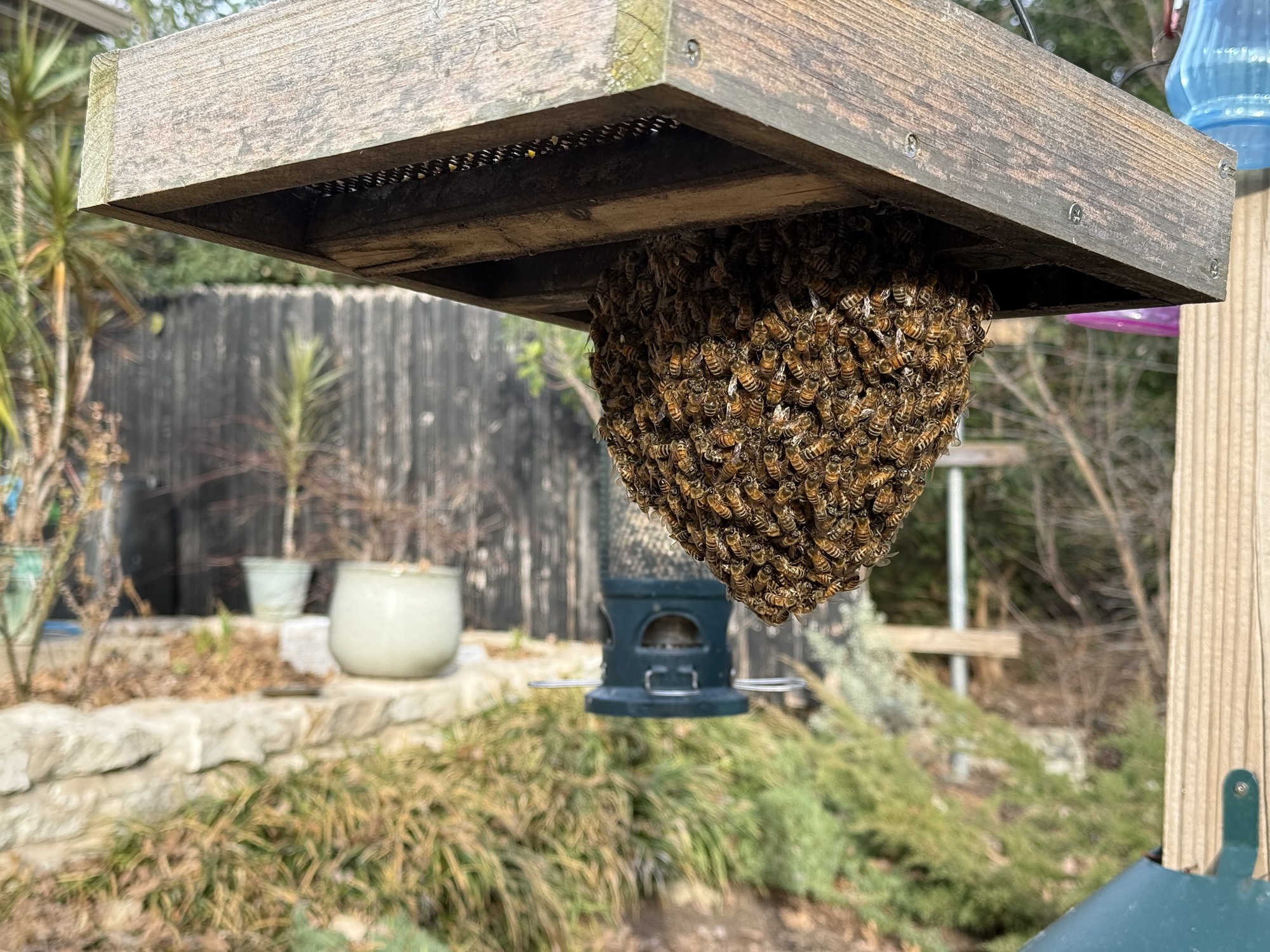
Photo by the author

That evening a storm blew through. We woke the next morning and found the platform empty. We had a moment of rejoicing, then I noticed the clump of sodden bees on the ground. Closer inspection showed movement. They fanned their wings, attempting to dry out enough to fly.

“They need energy!” Andrew found a bottle of hummingbird nectar and poured some on a plate. We weren’t sure if the bees would find it appetizing, but as they gradually regained their flight they gathered around the plate like frat boys at a free beer happy hour.
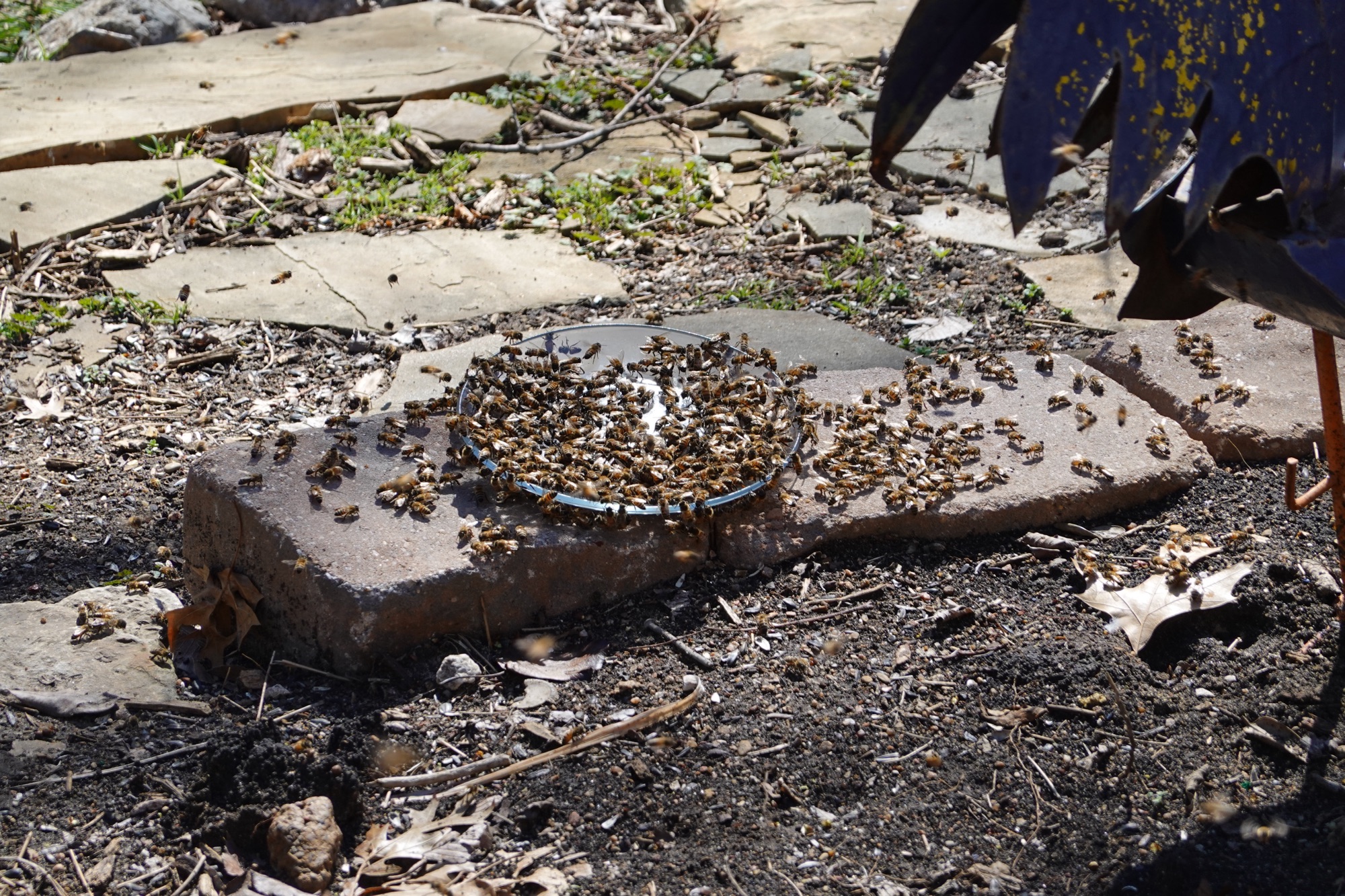
Photo by the author

We expected the bees to find a new home after they filled up on nectar.

They did.

These bees were the type of guests that did not want to turn down free room and board. Ignoring the platform where they had tried to shelter during the rain storm, they migrated to the post holding the platform. At least they were mostly huddled under the metal cone that protected the feeders from curious squirrels.
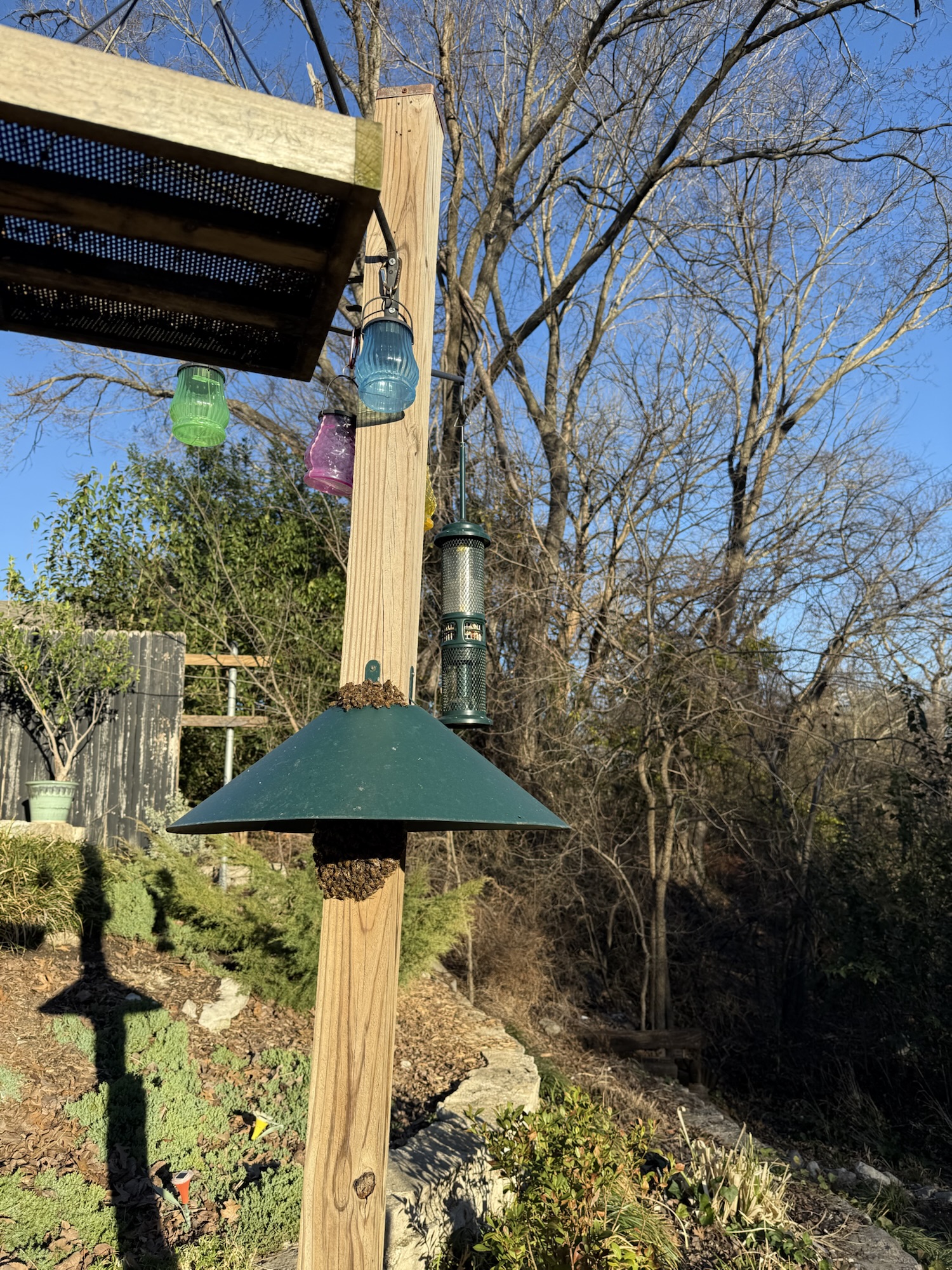
Photo by the author

They stayed on the post for another two days. The scout bees buzzed in tight circles, darting off now and then but always returning to the swarm. Finally, by some bee consensus we weren’t privy to, they decided to leave. I hope they found a good place to set up a new hive. One close enough they can visit and pollinate my vegetables this spring and summer, but far enough away they won’t be tempted for a longer stay.
Andrew’s “B” movies

Gardening in the Apocalypse

Bunnies and humans are a greater threat than zombies

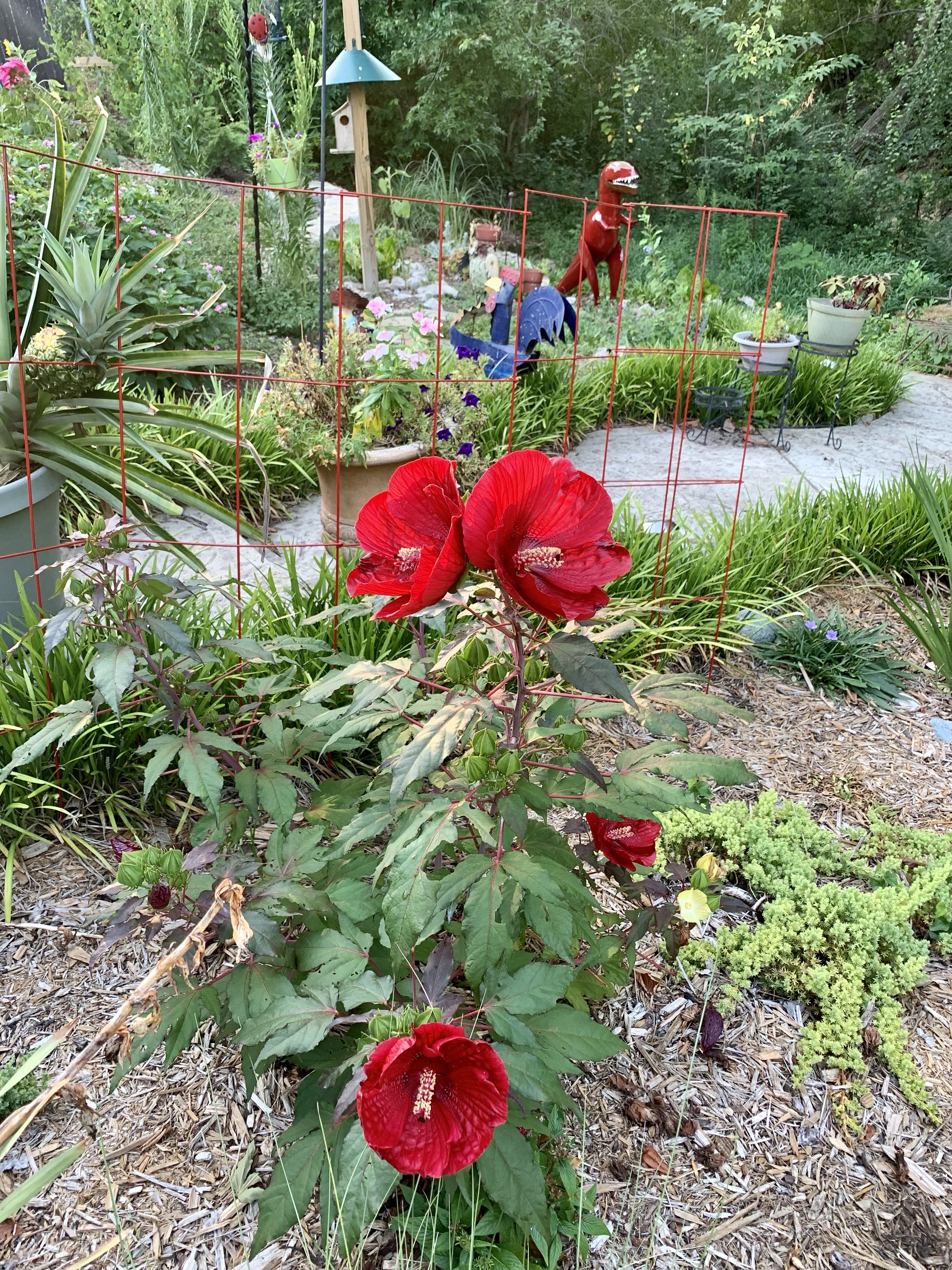
Our garden – guarded by metal chickens and a t-rex

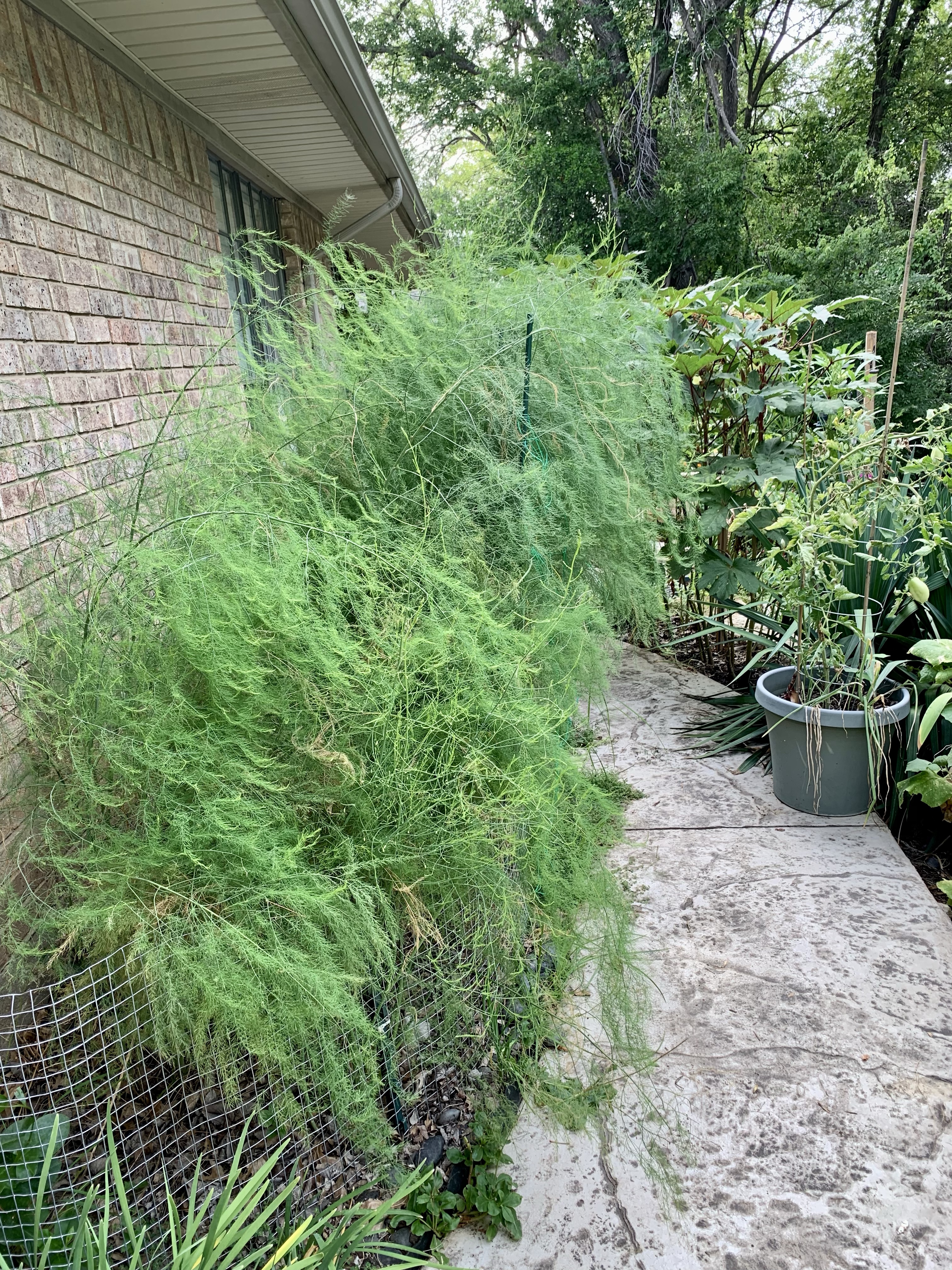
Here in Texas we are finishing another week of 100 plus degree temperatures. So far the tropical plants – the hibiscus, okra, wax mallow, and the Rose of Sharon – are thriving. But not all plants, nor all humans, are designed to survive in a climate akin to a blast furnace. While the mallow gang laugh at August, my tomatoes have wilted, the peppers gave up their blooms, and the vining plants dried up and crumbled off their stakes. Somehow the asparagus continues to force out new sprouts. I planted the roots two years ago, so next year will be the year of spears. The ferns have overgrown their little patch, hanging over the sidewalk so they brush against me when I wander past. I can’t resist running my hands through the soft tops and whispering to them, “Soon.”

The asparagus patch

Right after the asparagus began shooting up spears, I noticed that overnight the plants would disappear. Rabbits, I discovered, like the taste of fresh asparagus. The greater insult in this was that I could not yet harvest the spears for my own meals. Our solution was to install a short fence around the plot. Not so tall that I couldn’t reach over it, but tall enough that the bunnies could not. Eventually I enclosed most of my plants in some sort of fence. It has given me a new respect for the battle between Farmer McGregor and Peter Rabbit.

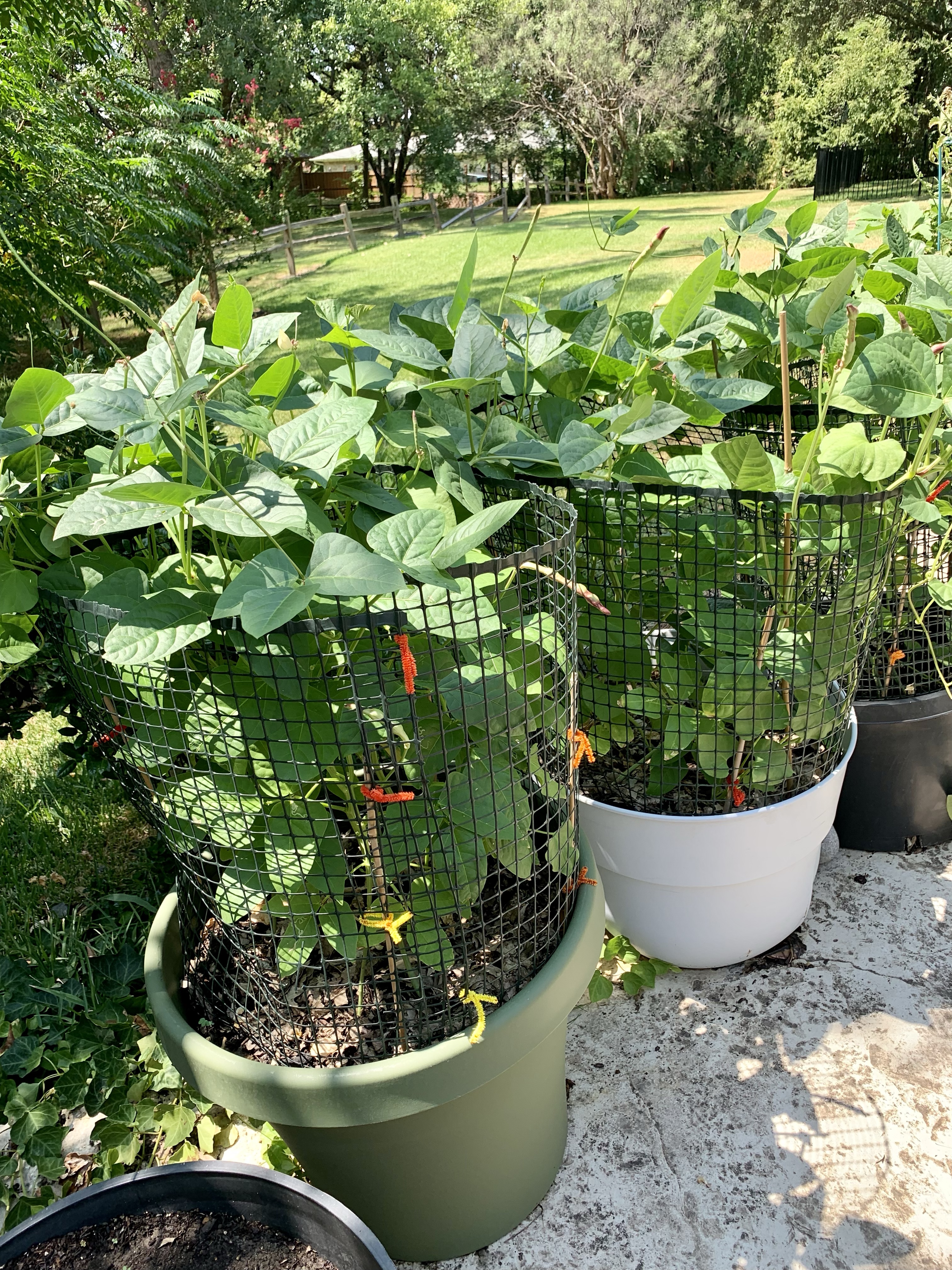
Black-eyed peas and sweet potatoes in pots

My parents always had a small garden and our summers were filled with fresh vegetables. My main motivation for growing my own food has always been an appreciation for the taste of home grown tomatoes and okra. The restful meditation that comes from working with plants is a much enjoyed side benefit.

Like many people, I felt an extra urgency to produce my own food during the Covid lockdowns, when we dealt with shortages. Back then, I remember trying to order seeds online and coming up empty with each click. Mostly I grew radishes and hot peppers on our apartment balcony, not exactly enough to sustain two grown adults. Since buying our house two years ago, I’ve expanded to large pots, grow bags, and some space in our flower beds. The dry Texas summer has turned our front lawn to brown straw, and I believe I am close to convincing Andrew to till it all under and plant corn.

One of the scariest movies I ever watched was Interstellar. It wasn’t marketed as horror, but science fiction. The plot revolved around a team of scientists who were searching for alternate planets that would support life, since earth had undergone so much ecological damage that world wide famine had resulted. This was a little too close to reality. I love horror, but I’d rather watch and read stories about zombies, demonic serial killers, and haunted houses. In those cases, I can close the book, exit the theater, turn off the television and reassure myself that those things are safely secured away from my own world. However, I only have to step outside in the blazing summer heat to imagine global ecological destruction. In that case, I always think of George Carlin’s words – “The planet will be here for a long, long, LONG time after we’re gone, and it will heal itself, it will cleanse itself, ’cause that’s what it does. It’s a self-correcting system. The air and the water will recover, the earth will be renewed.”

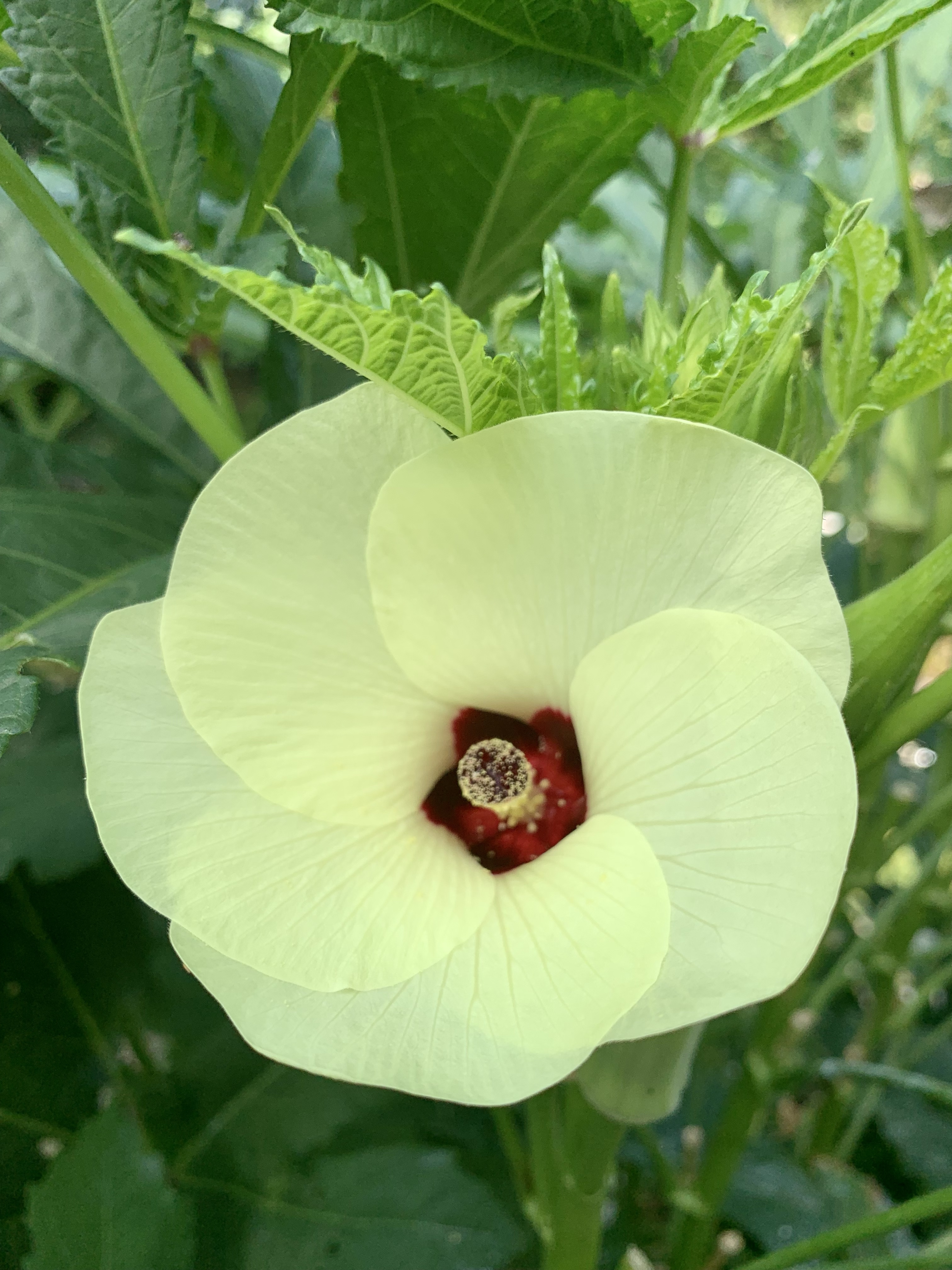
Okra blossom

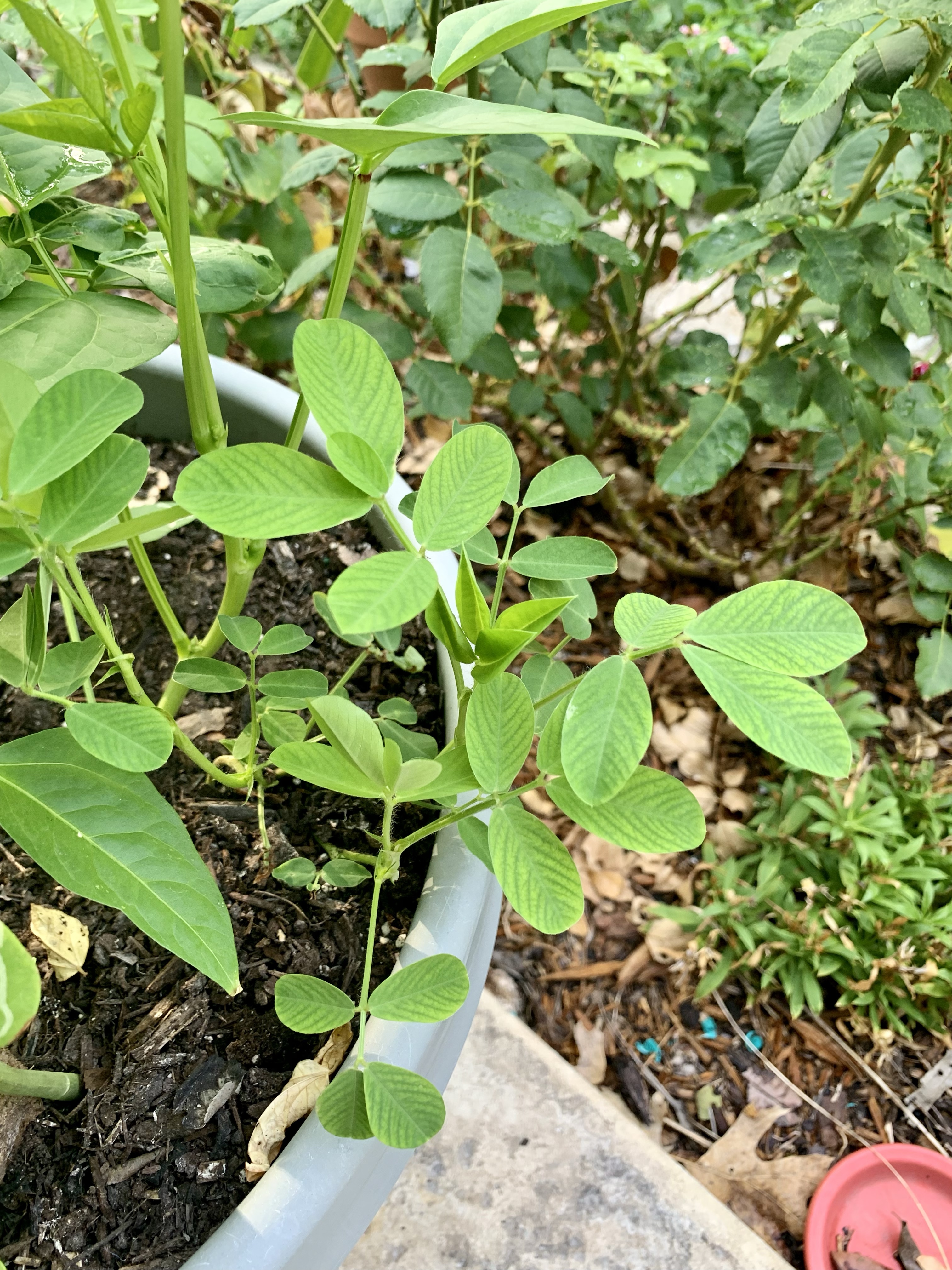
While we wait for the ecological apocalypse, the black-eyed peas and sweet potatoes thrive in their pots and don’t seem to mind the heat. Bunnies are not welcome in the garden. Birds and squirrels are okay, because they occasionally do their own cultivating – like the sunflowers that sprout around the bird feeder or the peanut plant that emerged from a flower pot of peas. It’s all good because my favorite color is green.

Peanuts planted by the squirrels