Breathing in, I calm body and mind. Breathing out, I smile. Dwelling in the present moment I know this is the only moment.– Thich Nhat Hanh
Photo by the author – image enhanced with the Waterlogue App
We got our produce delivery today and the box included four bananas. I still have two bananas left from the previous week. Bananas, it seems, are not in short supply. I haven’t been able to find flour anywhere, and I’ve gone so far as to put a 50 lb bag in my online cart at a restaurant supply store. I would have ordered it too, despite the $20 delivery fee. But it was sold out.
I see folks selling flour on Ebay, for twice the price at the grocery store – if the grocery stores actually had flour in stock. I’m not a charitable person. I’m wishing weevils on all those Ebay capitalists.
Andrew suggested we plant wheat, but our balcony is too shady for large scale farming. I’m trusting my 5 lb bag of flour will last until the current crisis is over.
I have, however, started a crop of a different sort.
Sprouts!
Andrew and I are fortunate. We both have jobs and we’ve been working from home, our only inconvenience the inability to just run out and purchase things. This would be tolerable and healthy for our budget, if it weren’t for the stress the loss of control brings.
This morning as I unpacked our produce box and considered the two sad bananas left sitting on the counter from the previous week, I decided I wanted banana pudding.
“Do you want to go to the store and buy ‘Nilla wafers?” Andrew asked.
I considered the logistics of grocery shopping. Gloves, mask, hand sanitizer, dodging crowds of shoppers who can’t seem to grasp the concept of social distancing – “No thanks,” I said.
I decided instead to make the entire dish from scratch. It turned out pretty well, plus I had the satisfaction of creating something I wanted. Who knew cooking could bring back some sense of control to my life? (I guess the people buying up all the flour already knew about the power of baking.)
I found the recipe for my made-from-scratch banana pudding here: I Am Baker
I’m trying my own sourdough starter next, acting on faith that flour will be back in stock soon.
We didn’t need twenty-five pounds of sugar, but I felt a small thrill of satisfaction as I lifted the plastic bag onto my cart. The sensation could have been a stab of pain from hefting the heavy sack.
“What will we do with that much sugar?” My husband, Andrew asked.
“I’ll use it for my tea and coffee,” I answered. “It won’t spoil,” I added, after calculating how long the hoard would last if I drew out my usual ½ cup per week. I pointed to the back of the bag. “And here’s a recipe for sugar cookies.”
When I first spotted the shiny white package in the clearance aisle at Kroger, I thought it contained pool chemicals. I stepped over the bag where it lay on the floor, snugged against the lowest shelf as though someone had lost the strength to lift it back into place.
“Twenty-five pounds for $4.89! That’s…” My accountant brain calculated the price per pound—“a great bargain.”
If asked to list the features of their dream home, most people would include a lovely kitchen, a spacious backyard, a sparkling pool. My perfect house would contain lots of closets. Closets with shelves, racks, walk-in closets, storage spaces tucked under stairs, coat closets so wide and deep you’d think there’s a door to Narnia in the back. I need space for my stuff.
“It’s not hoarding if it’s something we will eventually use,” I told Andrew as I crammed twelve skeins of mulberry hued yarn into a cardboard box, to stash under the bed. Buy-one-get-one, how could you refuse?
When I was a child, my mother paid for our family groceries with food stamps. We stood in line for government commodities—five pounds of cheese, flour, canned vegetables, and sometimes sugar. Having survived the Great Depression, my folks were certain that economic ruin lay just around the corner. My dad held onto a booklet of sugar rationing stamps from World War II until the 1970s, when he passed them on to me.
I’ve inherited my parents’ insecurity, as sure as I’ve inherited my dad’s under bite and my mother’s nose. Like them, I ease my anxiety over the future with a full pantry. I consider my Costco membership as thrilling as a ticket to an amusement park. There’s a cult of clutter-clearing going around, but I wonder if any of them have experienced the life-changing magic of buying in bulk.
At home, I transferred five pounds of rice into several smaller jars, dumped a pound of beans into a pot to cook for dinner, and repurposed a plastic tub I had reserved for the ten-pound bag of cornmeal forgotten in the back of the pantry. The twenty-five pounds of sugar had landed on the clearance aisle because of a small hole in the package’s top. I discovered this at the store when I lifted the bag onto the register to scan the price tag.
“No problem,” I reassured Andrew while I swept grains of sugar off my clothes. “I’ll put it up in something when we get home.”
“The ants will love it,” he said, as he knocked sugar from the bottom of his shoes.
Safely secured in large tubs, glass jars, plastic totes, and the china bowl next to the coffee maker, I sighed with relief knowing my sugar future was secure. If we find ourselves in an apocalypse before my hoard runs out, drop by. We will have cookies.
In 1980, after my sophomore year in college at Texas Woman’s University, I waited for the letter that would lead to a pivot point in my life. Some months before, I had applied through the Baptist Student Union to be a summer missionary. I signed up, not out of deep religious conviction but because I did not want to spend the months between semesters living in my mother’s house.
Other students testified they had received God’s call, but I would have hung up in a panic, sure the almighty had a wrong number. I hoped to be sent to some distant exotic location. The recruitment flyer posted in the Baptist Student Union featured pictures of happy, smiling young people wearing shorts and working in places like Brazil or Hawaii. I pictured myself returning from summer vacation with a tan and a suitcase full of coconuts. Instead, I landed in West Texas, at a town called Big Spring. My assignment was to work in the chaplaincy department at the state psychiatric hospital located there.
“I’ll be spending my summer in the state hospital,” I told my friends. The joke always got a laugh as long as I explained that I wouldn’t be going as a patient.
My family never talked about mental illness. The youngest of seven children, I was born on my mother’s 42nd birthday. My older brothers and sisters had all escaped from the house by the time I started school. I remember my amazement that my childhood friends could come in and out of their houses at will.
In our house, when I came inside, I had to stop in the laundry room and take off all my clothes and toss them in the washer. Naked, I walked through the house to the bathroom to shower and then dress in clean clothes. We did not have carpet, instead my mother insisted on covering all the floors with vinyl, so she could mop with the pine cleaner she favored.
Everyday activities, like getting ready to leave to go shopping, involved a complex set of steps that ended with my mother putting on her shoes at the back door. Any interruption, like a ringing phone, required her to start the process over from the beginning. I fell on a piece of metal once, slicing my thumb down to the bone. My mother left me sitting on the front porch clutching a bloody washcloth, for almost an hour, while she went through the compulsive rituals that would allow her to leave and drive me to the emergency room.
“Oh, mom just likes things clean.” This was the closest the other family members came to admitting something was wrong with my mother. I never had a birthday party, never had friends overnight, and rarely invited anyone to come play in my yard—they might ask to come in and use the bathroom, and that would require explaining the whole undressing part. My mother’s obsessive-compulsive disorder required hand washing at the minimum after any physical contact. A hug would have required a scrub down like what might occur at a biological warfare lab with a leaky air filter.
My routine at the chapel in Big Spring did not include leading any prayer sessions or bible studies. Instead of torturing the residents with my singing or praying, I handed out hymnals at the Sunday and Wednesday night services, helped lead a puppet group, and visited with the residents. I would often wonder at the ordinary people who were patients at the hospital.
Until that summer I had been taught that mental illness should be hidden away, like something shameful. On a bookcase in our house there was a bowl made up of ceramic tiles. I dusted that shelf and that bowl for years before I learned my mother put it together during a stay at Terrell State Hospital when I was a toddler. Like her anxiety, depression, and OCD, it was there all the time, in plain sight but disregarded as though it were invisible.
One of my duties as a summer missionary was to give speeches at various churches, summer camps, and bible study groups. I abandoned any traditional speech and instead told about the strange guiding force that must have led me to the place I had denied all my life — an understanding of my mother’s mental illness. It wasn’t too far a stretch to speak of forgiveness and acceptance, and of following those with love.
Terrye is a native Texan who enjoys writing stories set in her home state and other strange places. In her free time Terrye enjoys exploring antique, junk, and thrift stores for inspiration and bargains. She’s had stories published in small print and online journals, and writes short, humorous essays for her blog — https://terryeturpin.com/. Sign up with the link below to follow her newsletter.
Sometimes I’ll strike a match, and the sulfur scent brings back that sweet tobacco taste from the first draw on a fresh cigarette. I remember the blue-white smoke curling in tendrils and the hot orange glow of embers illuminating a dark room like secrets shared. Cigarettes were a secret I kept hidden from my mother.
I picked up smoking in college. Away from home on the first lap toward adulthood, I embraced every bad habit I had once railed against. My mother didn’t smoke, but my father did. He wasn’t allowed to smoke in the house, and during my childhood, before their divorce, he sat in a metal glider in the backyard while I lectured him on the evils of nicotine. I accepted, however, the little brown and cream colored coupons from the packs of his Raleigh smokes. You could exchange them for prizes in a catalog, and I was saving up for a transistor radio.
My cigarettes were Benson and Hedges Deluxe Ultra Lights — menthol. Inhaling one of those was like smoking a breath mint. My path through higher education started while the legal drinking age was eighteen. Cigarettes were cheaper than alcohol back then so I exchanged my bottle thick glasses for contact lens and imagined myself in an old black and white movie. I played at cool and sophisticated while I tried and failed to produce a perfect smoke ring.
I balanced painful shyness with a desire to separate from my mother and went away to school a mere 52 miles from what I left behind. When I gazed at the view from my dorm room balcony, I saw the highway that led back to my hometown, a straight asphalt line like an arrow over the horizon.
College was an escape from my mother’s obsessive compulsive disorder. In my mother’s house each daily routine magnified into a complex ritual. Simple tasks like dusting became chores that lasted half a day because every ceramic bird or glass vase had to be removed then placed back in the same position. If they were moved even one quarter of an inch I would have to start the whole task over again.
Home on weekends and holidays it was easy to hide the smoke odor on my clothes. Each time I entered the house I had to stop, strip naked in the laundry room, and drop my clothes in the washer. I walked naked to the bathroom where I showered and scrubbed off the outside world. The whole process would have come in handy at a nuclear power plant.
One weekend my mother announced that she would come visit me on campus. I broke the news the day before her arrival to Ann, my best friend since elementary school, and now, roommate. Ann glanced around our dorm and asked, “Does this mean we need to dust?”
“No,” I replied, then suggested we open the windows and turn off the lights. Books, papers, food wrappers, and discarded clothing covered the surfaces in our room. There was a noticeable coating of dust on our bookcase, which held not books but an assortment of empty liquor bottles.
My mother showed up wearing a light blue polyester pant suit she’d had at least six years. That pantsuit, with easy to wash material and elastic waist pants, was her uniform of choice whenever she left the house. She had other clothes, but she chose the comfort of the familiar over style. I led my mom on a speedy tour of the campus, avoiding any place where I might be recognized. We picked up a pizza to share with Ann back at the dorm.
After we ate we all leaned back, drowsy the way you are after a large meal. The room smelled of pepperoni and as I pushed aside the empty cardboard pizza box, I thought about how much I would like a cigarette. My mother opened her bag, the size and shape of a small black leather suitcase, and bent over to fish around inside it. She set things aside, not looking at them as she searched through her purse. Out came a lipstick, a coin purse, her wallet, and right before she found the tissue she was searching for, she pulled out and set down a pack of cigarettes.
“When did you start smoking?” I asked. I wondered how she got around washing the packs before she opened them.
“Oh, it’s a bad habit I used to have, I’ll quit again soon.”
I wouldn’t have been more surprised if she had confessed to being a serial killer. I laughed and brought out my own pack, then asked if she wanted to step out onto the balcony.
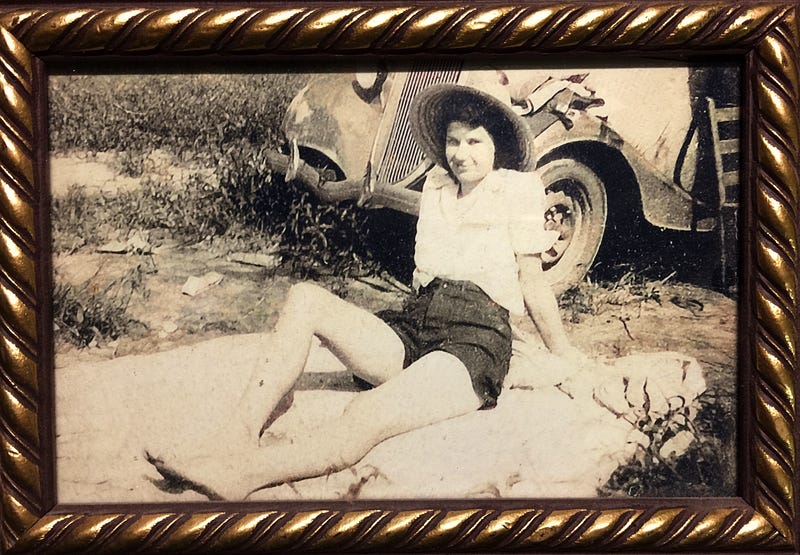
From left to right — my father, mother and my Uncle Buddy
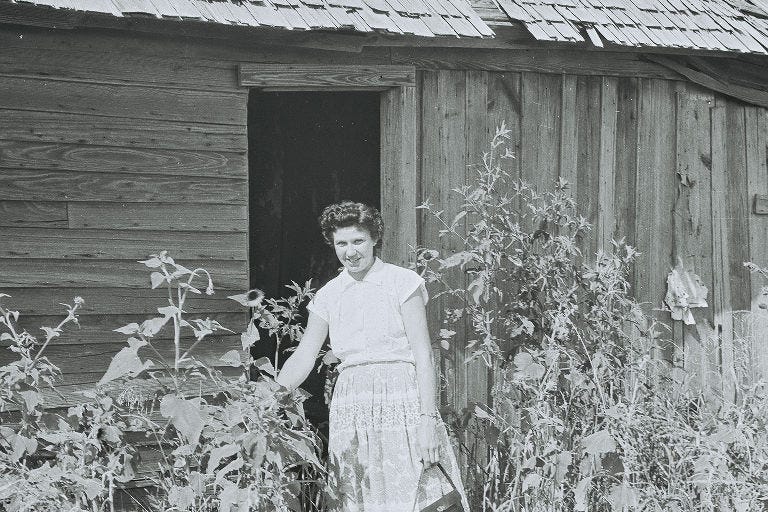
Years later I would discover old photographs, tucked away in albums and stashed hidden in a desk drawer, and in them my mother posed in high heels and dresses. It was hard for me to reconcile the woman she had become, the one who had to wash every grocery item before she stored it away in the pantry, with the smiling woman in the sepia tinted photos.
My mom eloped and got married at fifteen, worked as a cook on a farm cooperative, had seven children, and divorced my dad when I was thirteen. Back then I feared that I would become my mother. As though genetics would dictate I inherit not only her nose and her eyes, but her personality, her failings, her mental illness.
My mother
We drew on our cigarettes and stared out over the silent courtyard below. The lights from passing cars flashed along the stretch of dark highway that led back toward my hometown. I glanced over at my mother, dressed in her familiar pant suit as she stood beside me, the smoke from our cigarettes curling over our heads like wispy halos.

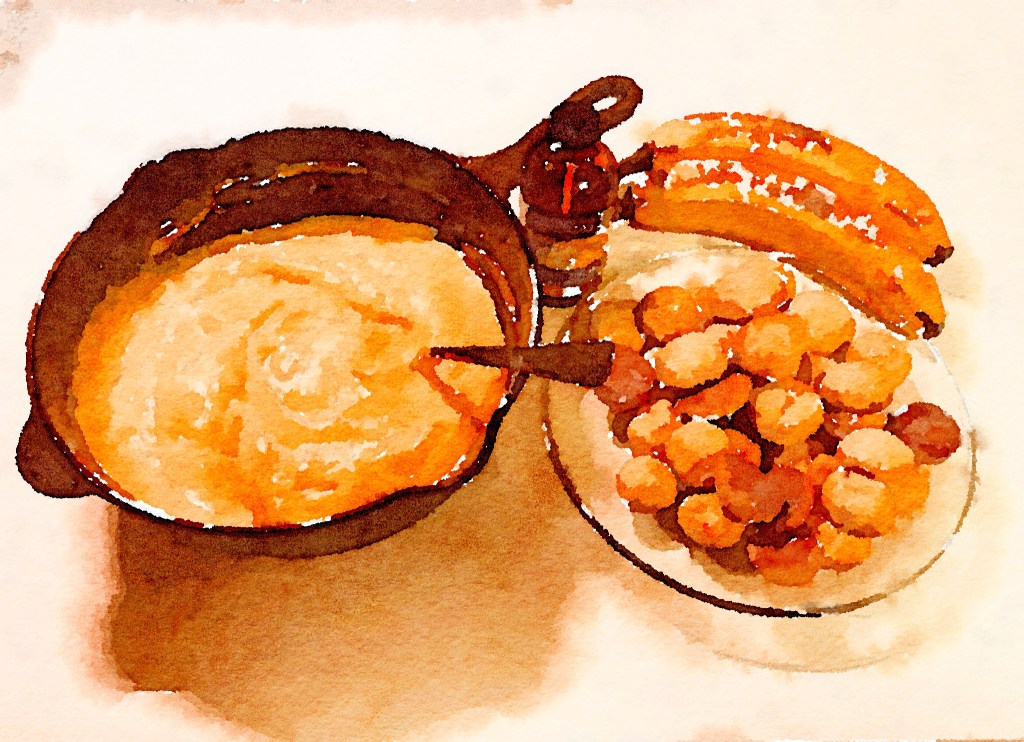
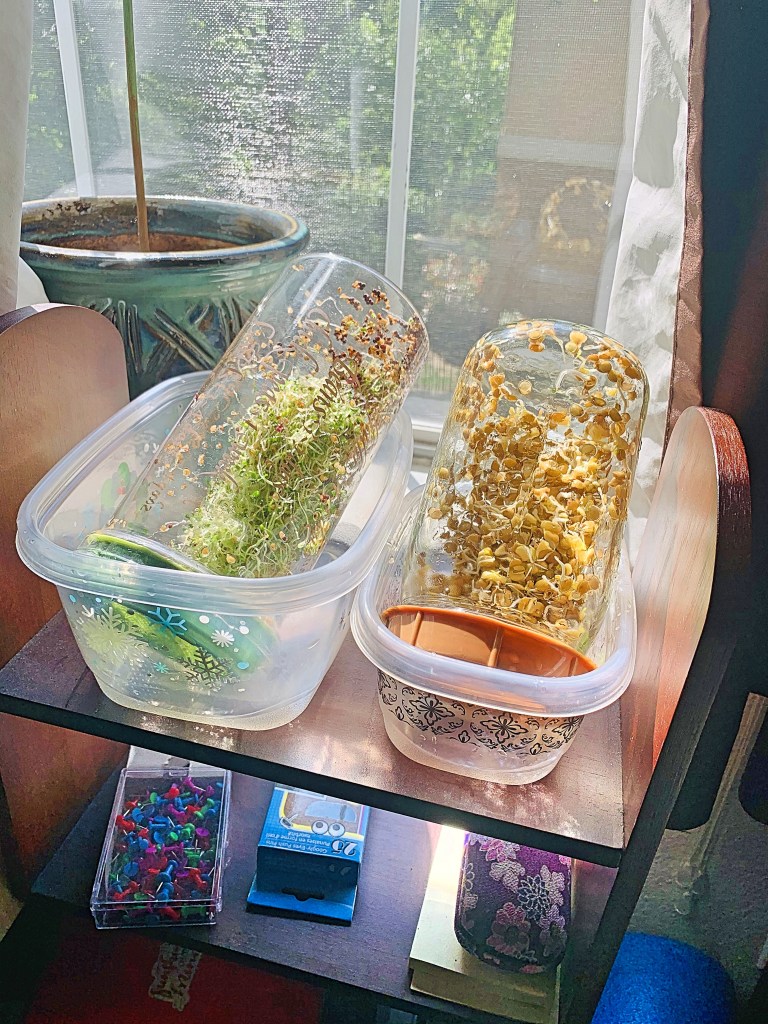
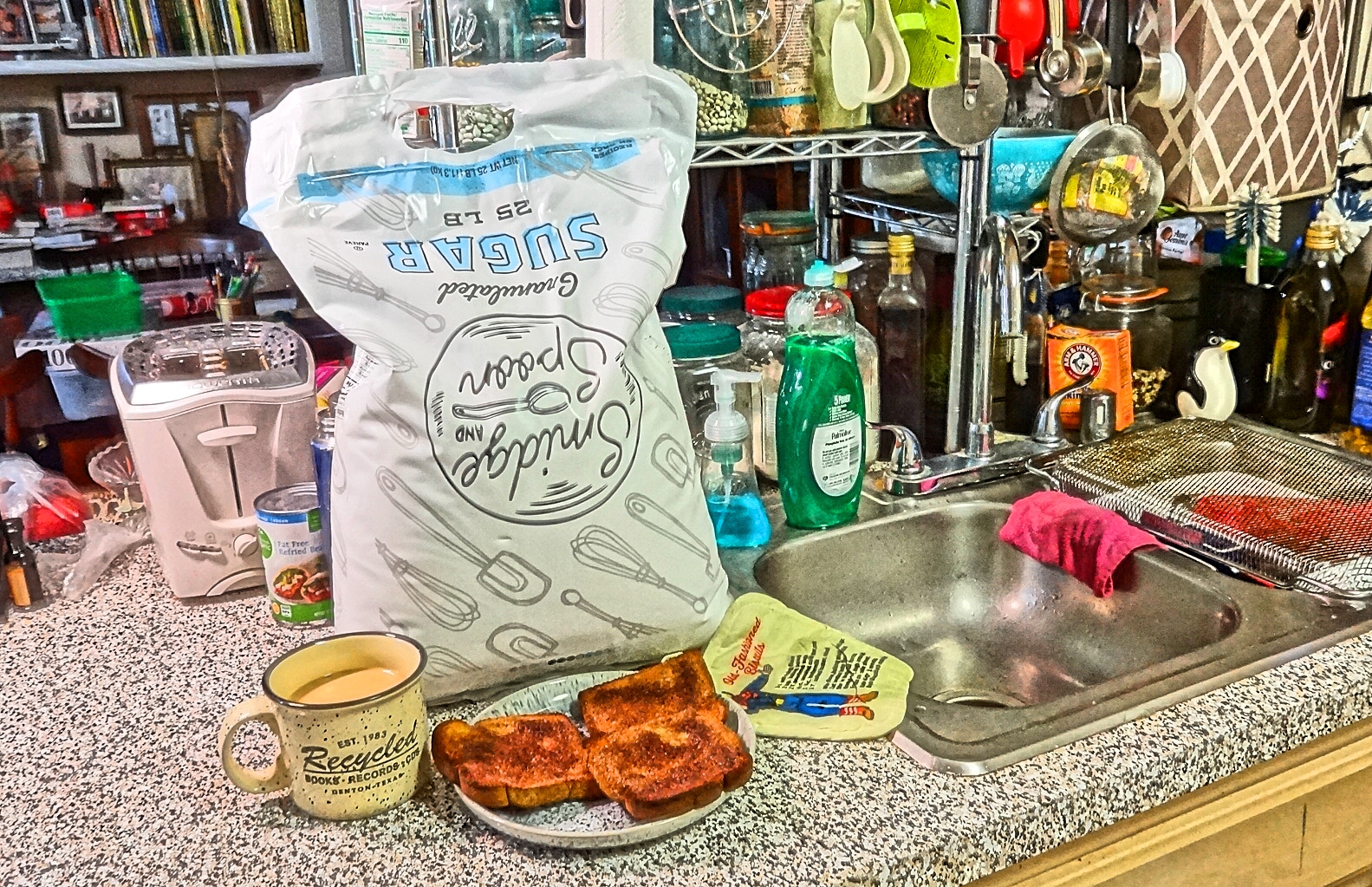 Photo by the Author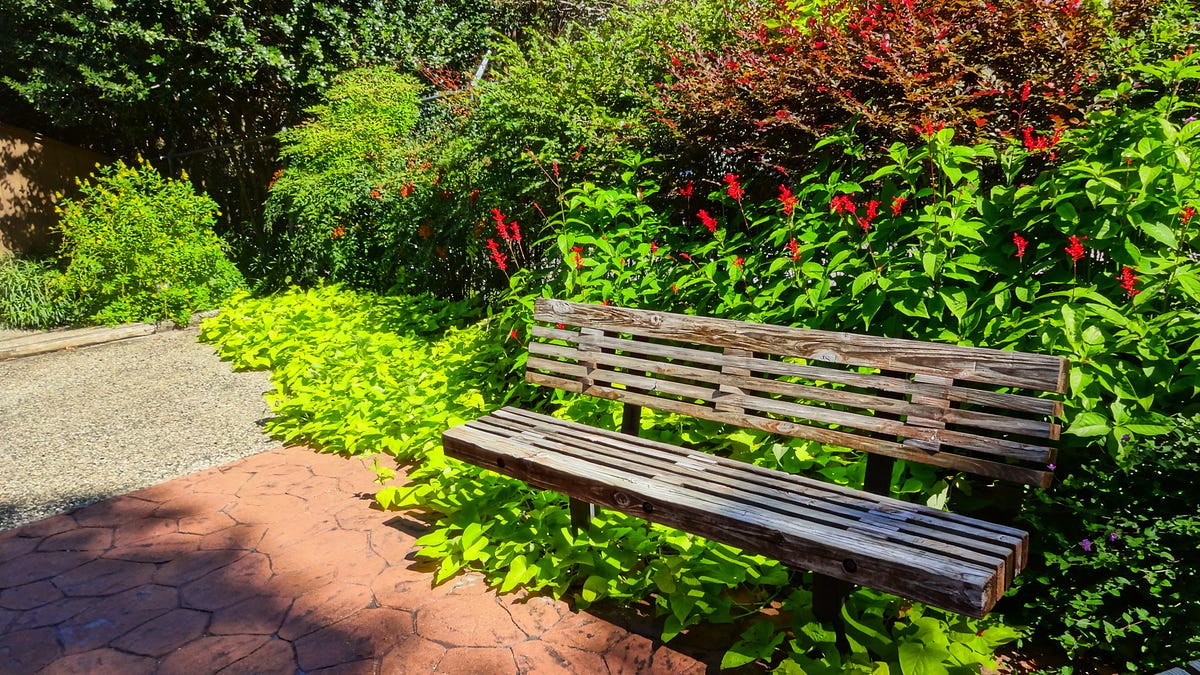


 Let's Get Out of Here