The hum of bees is the voice of the garden.” -Elizabeth Lawrence
Photo by the author
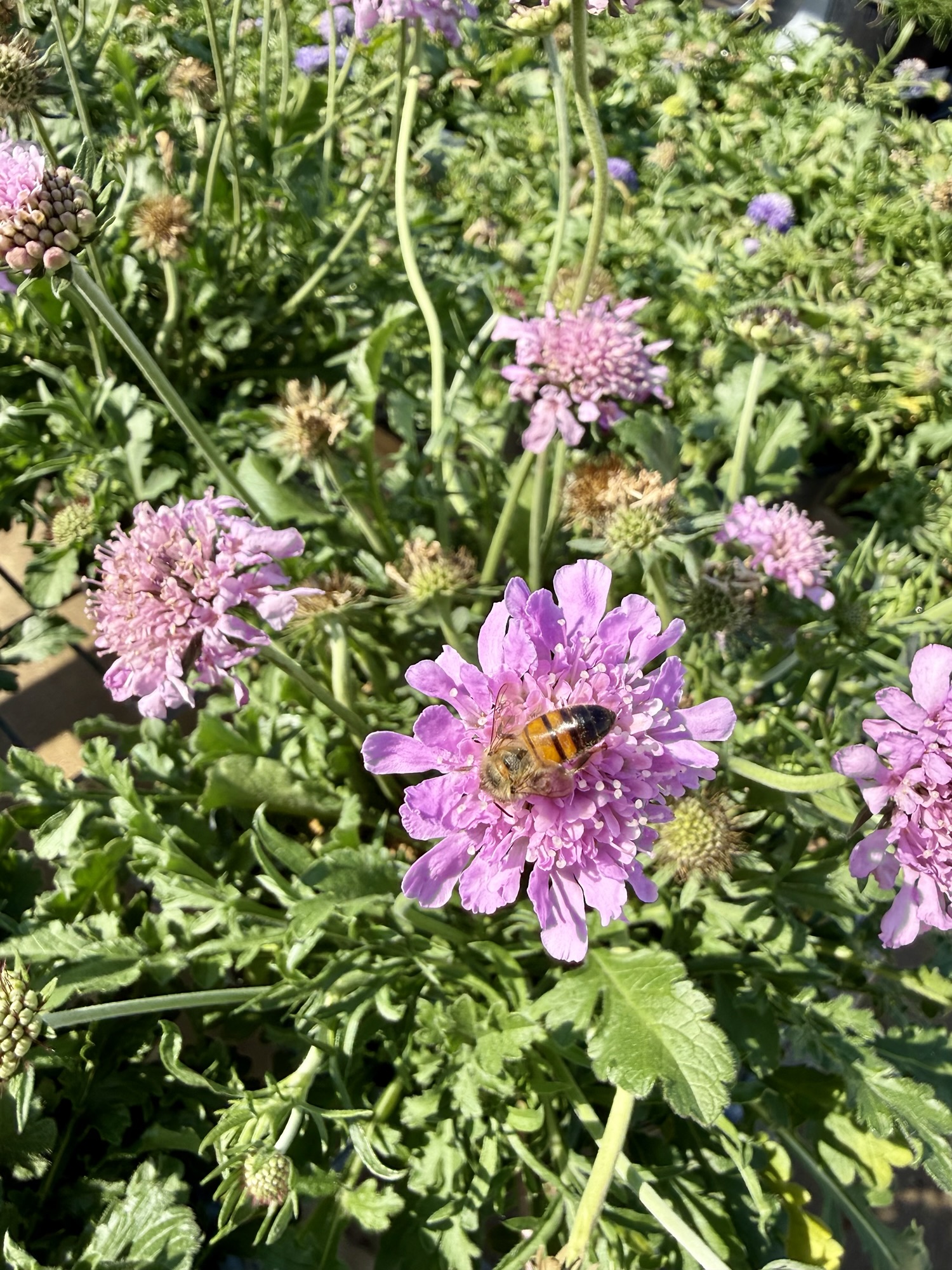
Despite my husband’s collection of movies with homicidal insects, we do love bees. Spring and summer days there is nothing so meditative as working in the garden alongside our happy pollinators.
Photo by the author
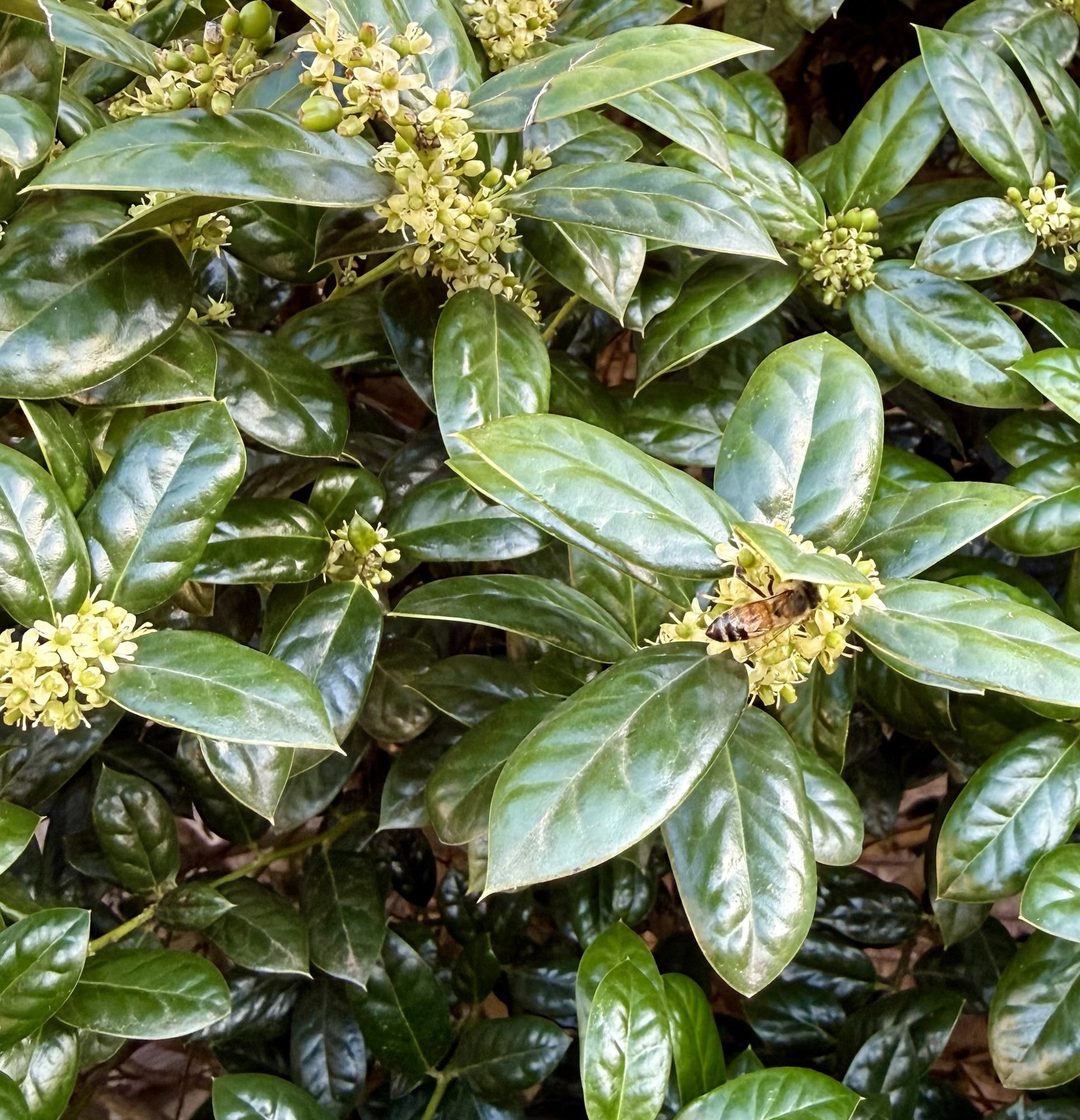
The early blooming landscape in the front of our home brings a crowd every year. I’m happy to provide a source of pollen, even as I start my yearly round of allergy meds.
Photo by the author
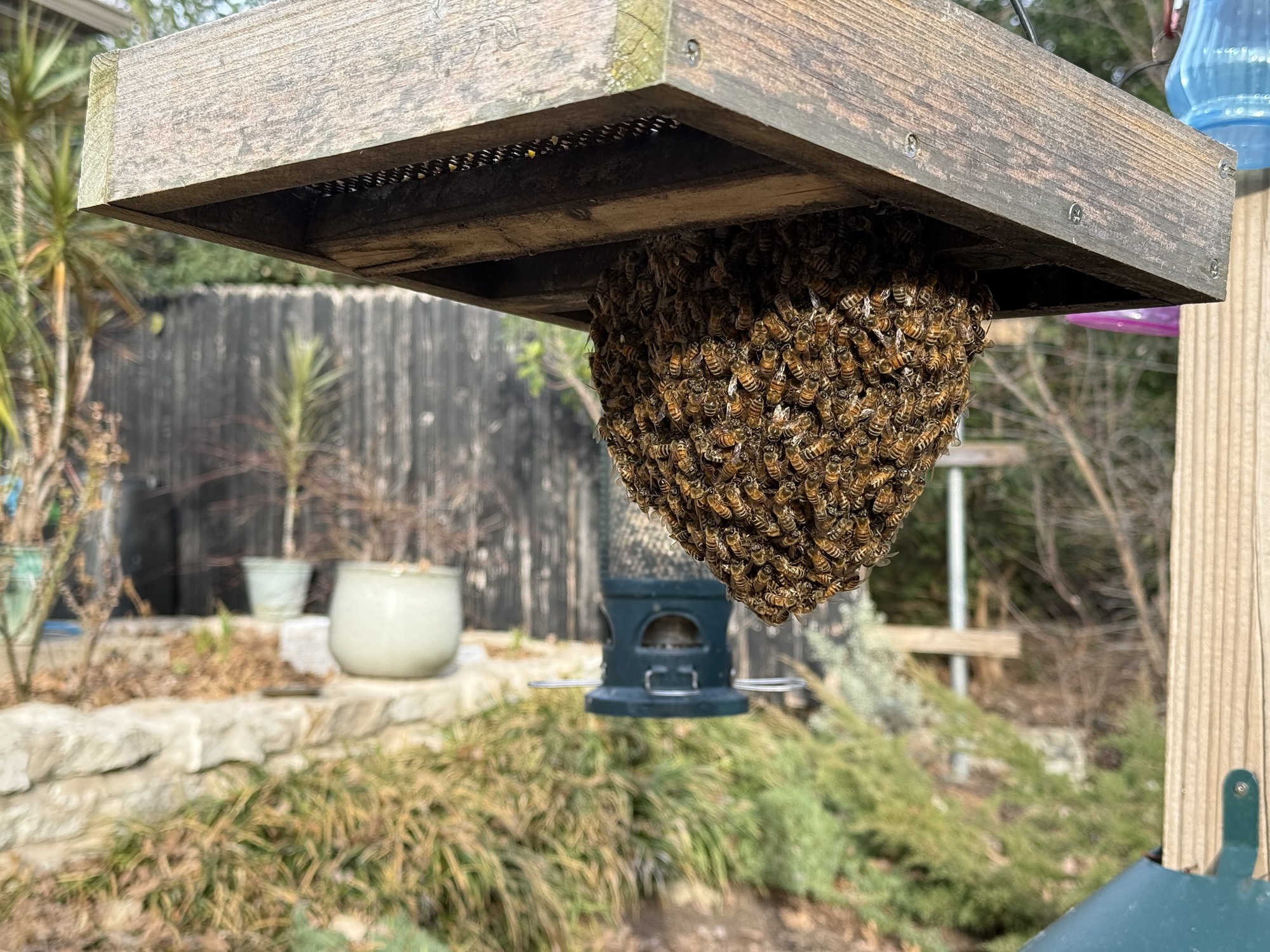
The first days of warmer weather this year brought an unexpected crowd. A bee swarm arrived overnight, clustered around their queen like fans seeking autographs at a Taylor Swift concert.
They took up residence in an unlikely spot beneath the platform bird feeder. The birds were not happy sharing their space, but like us they left the bees alone. Online research assured me the swarm would leave on its own, once the scout bees found a suitable place for the new hive.
Three days passed – the expected timeline for departure, and the swarm still clung to the bird feeder. Then the forecast predicted rain.
“Should we try and move them?” I wondered to Andrew. “There’s no protection from the weather.”
He considered buying a wooden beehive box. I pictured him swathed head to toe in a white beekeeper suit, one of those hooded hats with a veil topping his head.
We decided to let the bees work it out on their own.
Photo by the author
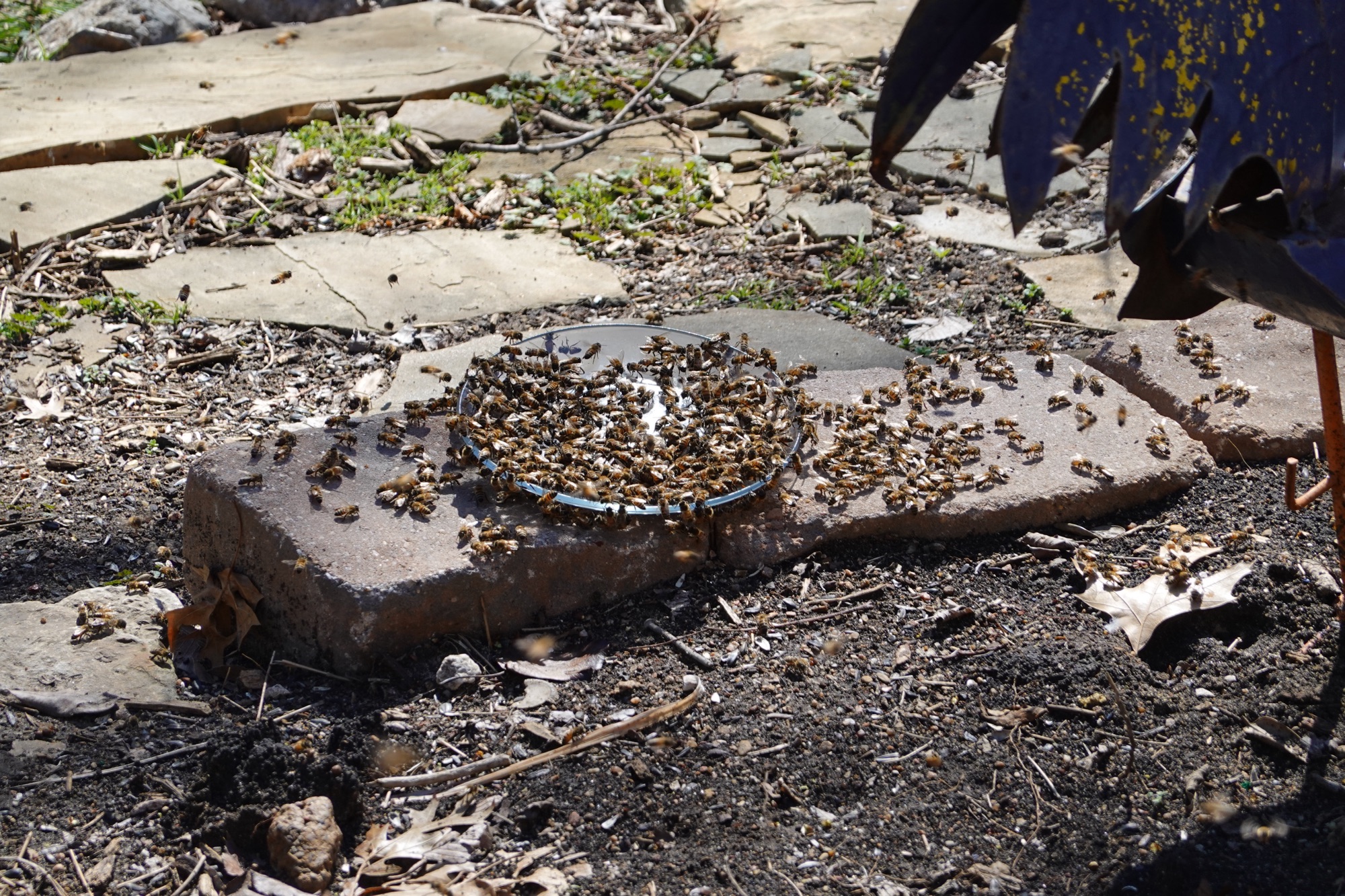
That evening a storm blew through. We woke the next morning and found the platform empty. We had a moment of rejoicing, then I noticed the clump of sodden bees on the ground. Closer inspection showed movement. They fanned their wings, attempting to dry out enough to fly.
“They need energy!” Andrew found a bottle of hummingbird nectar and poured some on a plate. We weren’t sure if the bees would find it appetizing, but as they gradually regained their flight they gathered around the plate like frat boys at a free beer happy hour.
Photo by the author
We expected the bees to find a new home after they filled up on nectar.
They did.
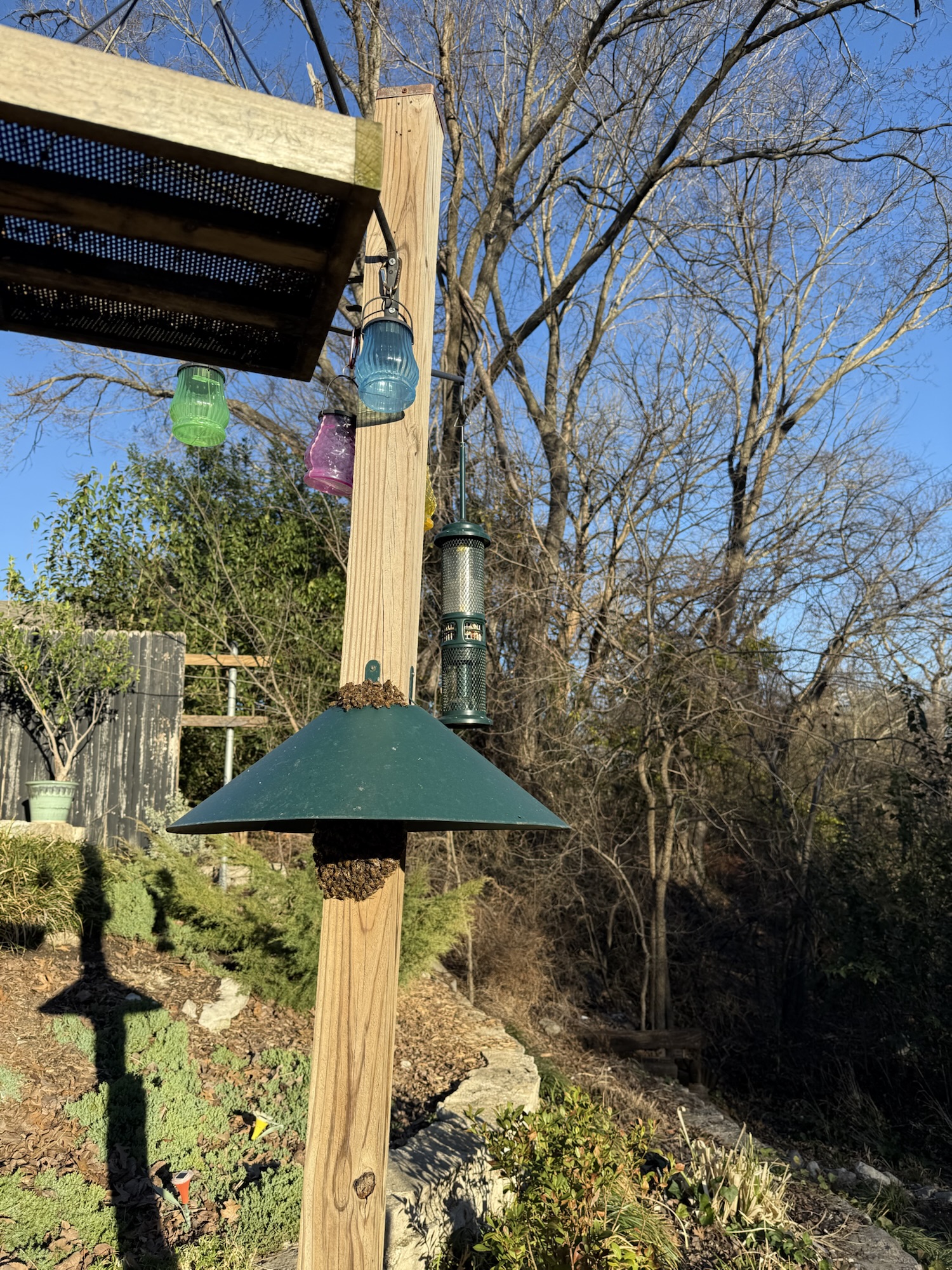
These bees were the type of guests that did not want to turn down free room and board. Ignoring the platform where they had tried to shelter during the rain storm, they migrated to the post holding the platform. At least they were mostly huddled under the metal cone that protected the feeders from curious squirrels.
Photo by the author
They stayed on the post for another two days. The scout bees buzzed in tight circles, darting off now and then but always returning to the swarm. Finally, by some bee consensus we weren’t privy to, they decided to leave. I hope they found a good place to set up a new hive. One close enough they can visit and pollinate my vegetables this spring and summer, but far enough away they won’t be tempted for a longer stay.
Before we went on our vacation to Kauai this September, my husband Andrew and I watched dozens of travel videos on YouTube. We rounded out our research with movies set on the garden isle. One of these, The Perfect Getaway starring Steve Zahn, Milla Jovovich, Timothy Oliphant, and Kiele Sanchez, was a murder mystery thriller where the main characters were hiking part of the Kalalau Trail. The movie was entertaining, although I kept getting distracted by the beautiful scenery. There was enough mayhem, however, to convince me to pass on attempting that trek. Anytime there is a steep cliff in a movie, or in real life, there is potentially someone waiting to toss you off of it.
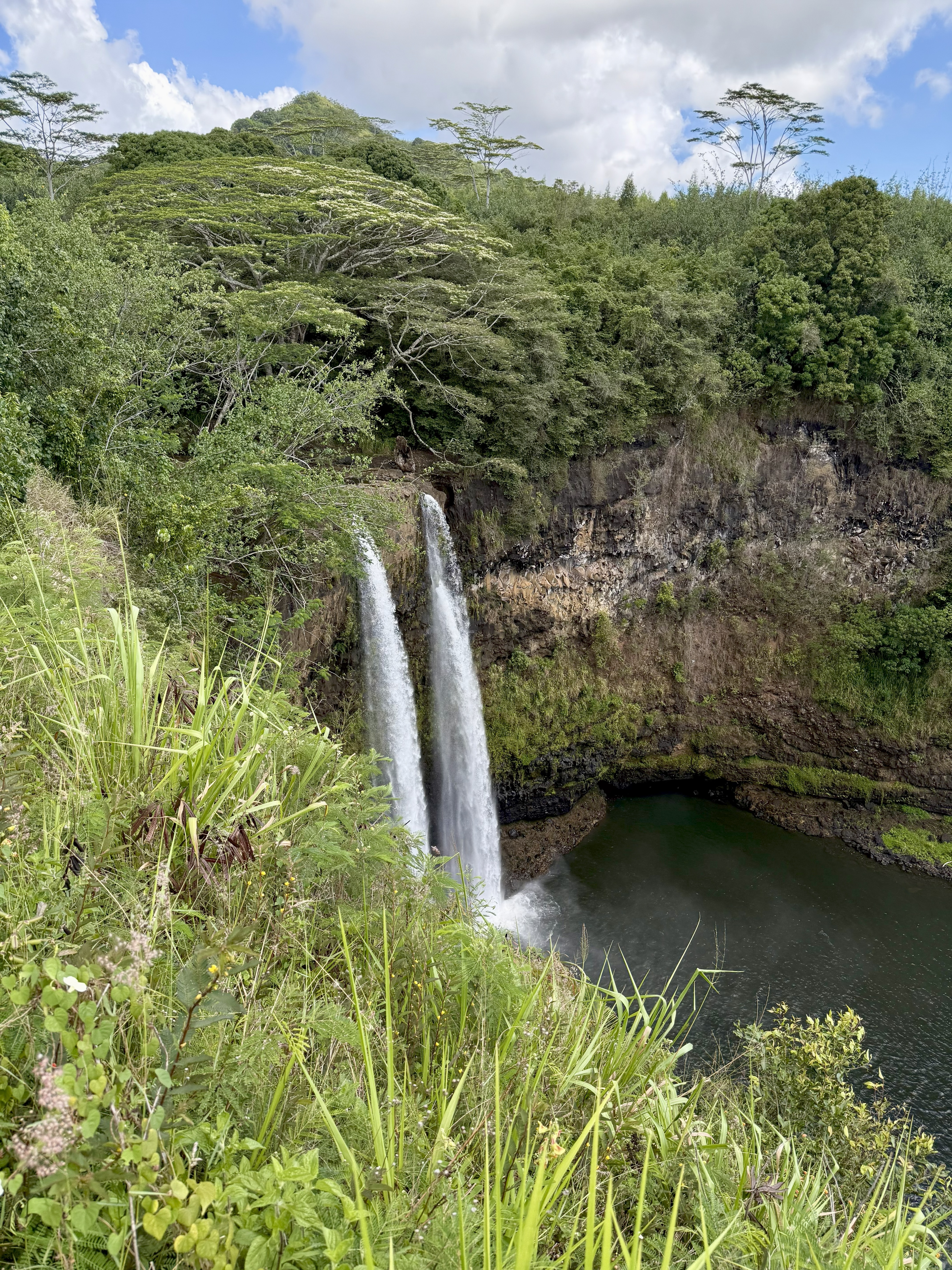
Wailua Falls – Photo by the author
If you looked at the photo above and recited “The plane! The plane!” congratulations, you are old. Saturday nights in the 1970s found me stationed in front of the television, waiting for that opening shot of Fantasy Island. The waterfall is more impressive in person, even if we did have to stand in line at the overlook in order to snap a photo.
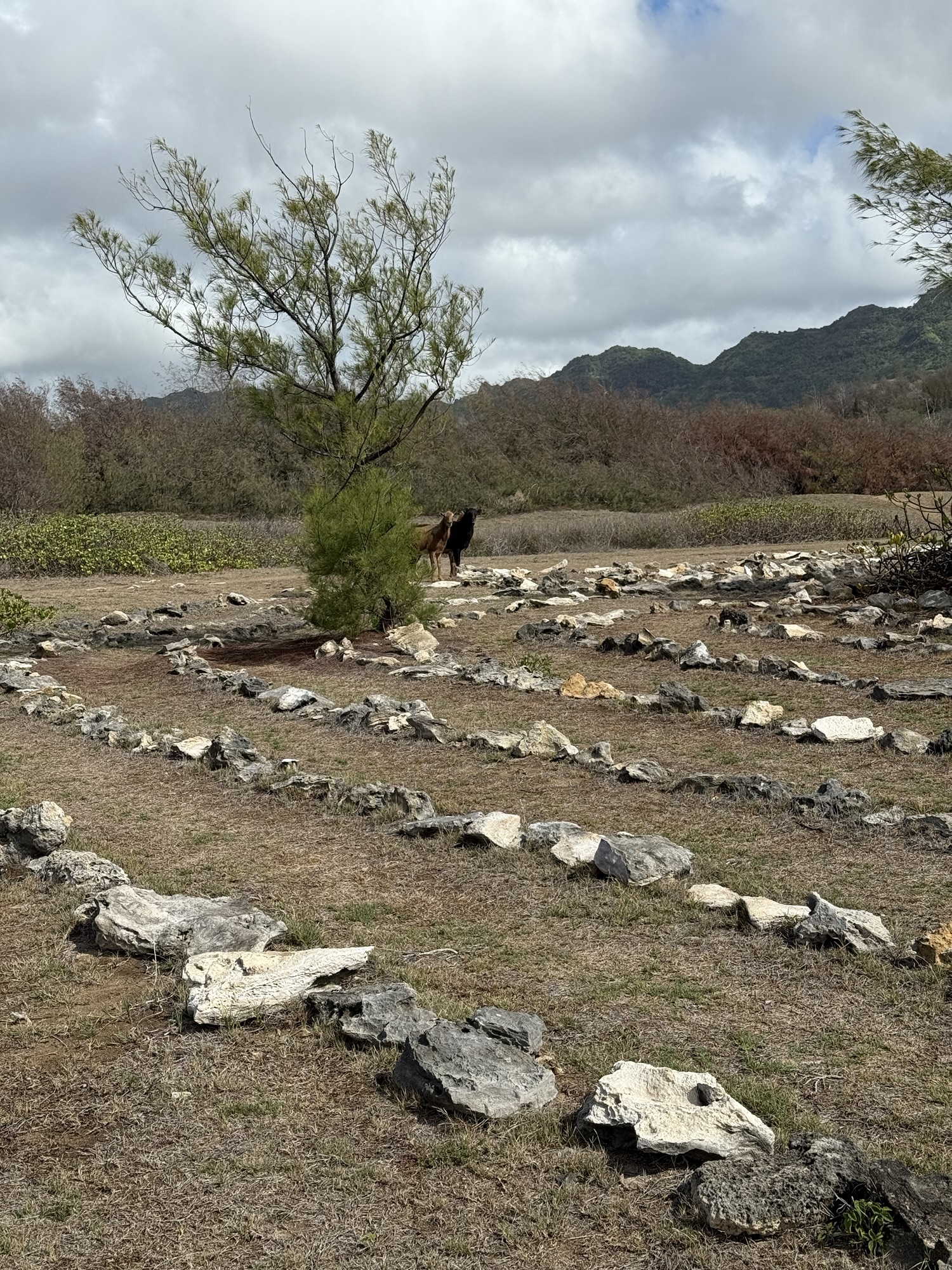
Curious goats – Photo by the author
Our first full day on the island we hiked parts of the Heritage Trail. Meandering along the coastline, we saw few people and almost the same amount of goats. Neither group looked like they might be planning someone’s murder.
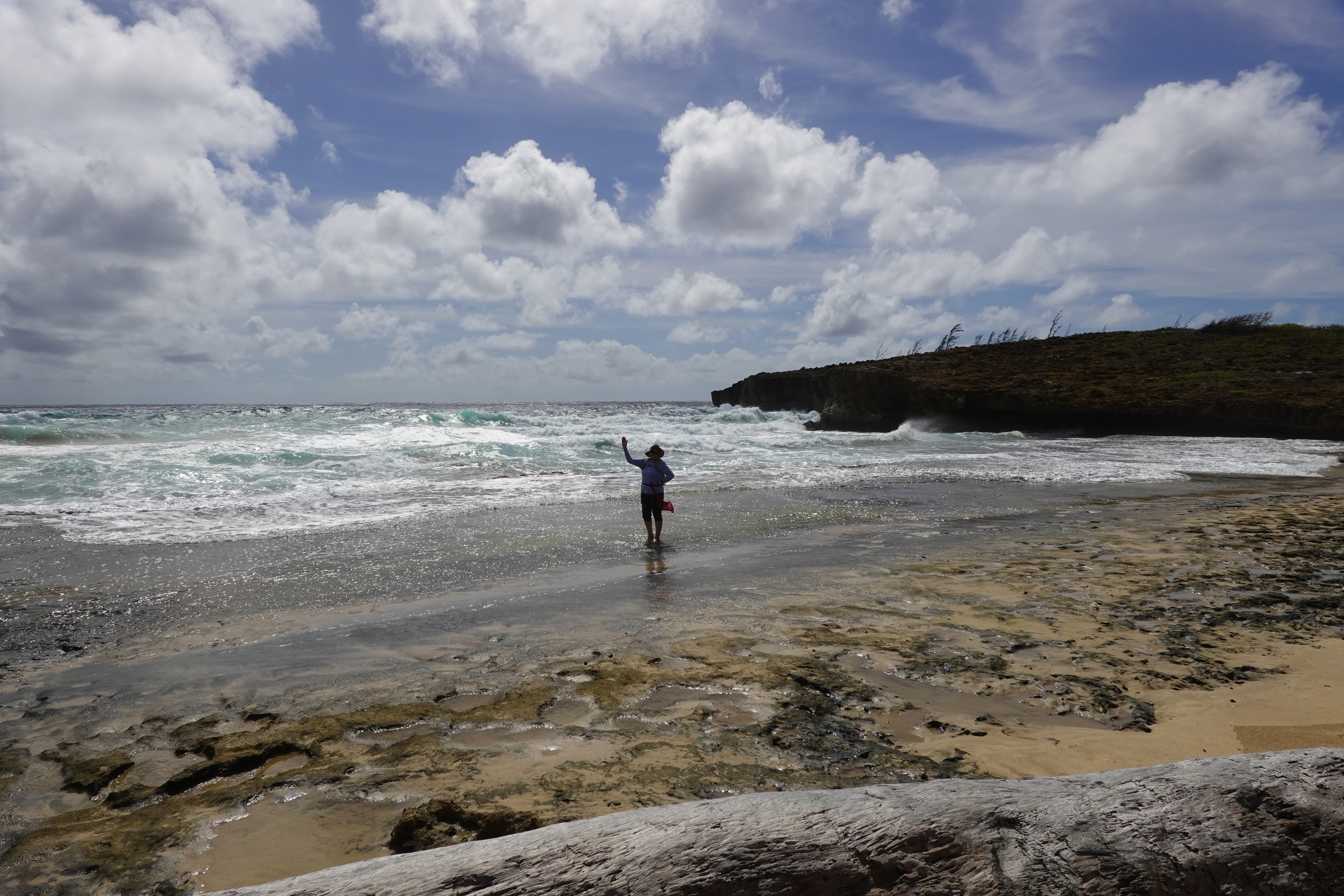
I ventured into the ocean – Photo by Andrew
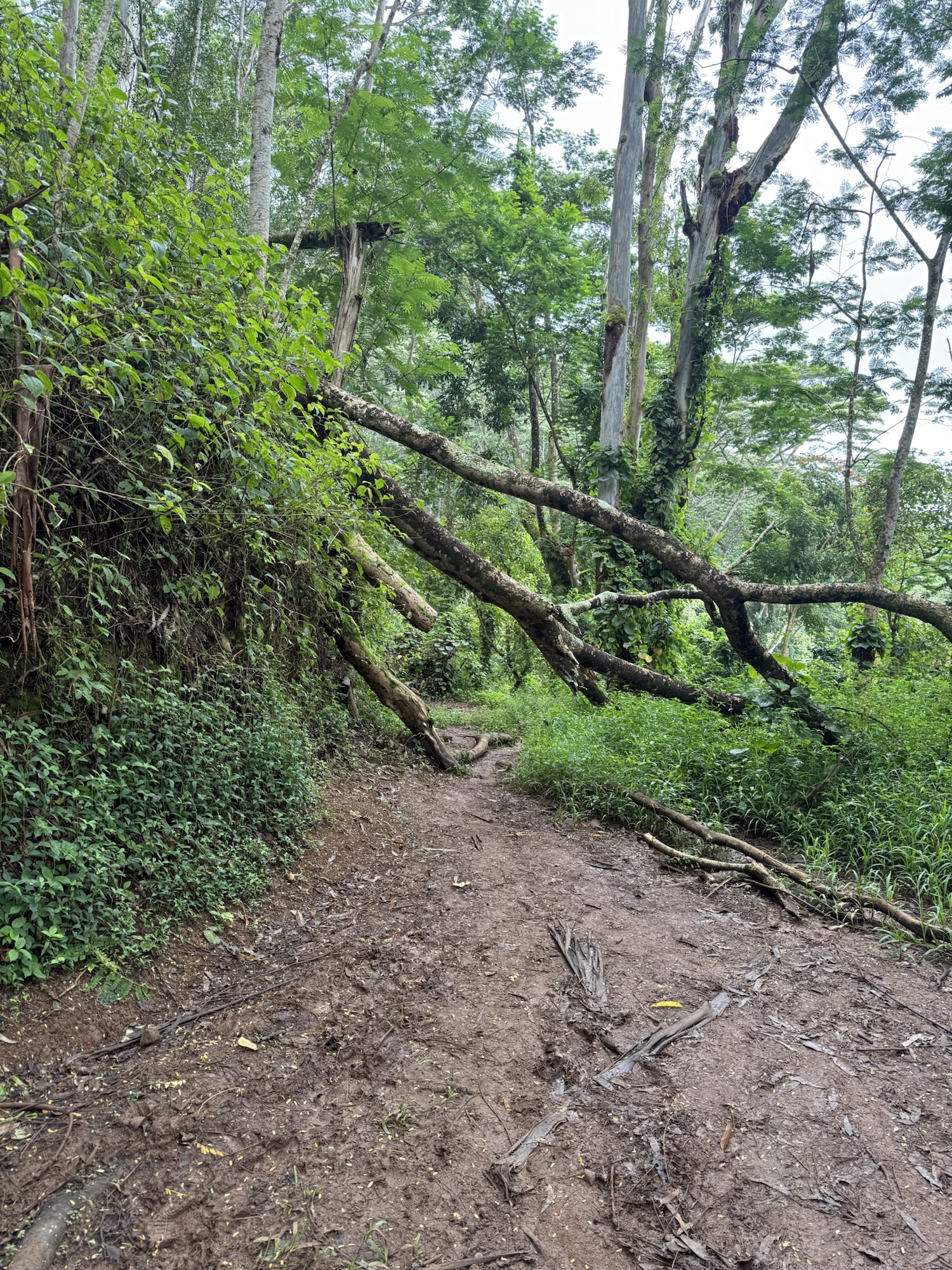
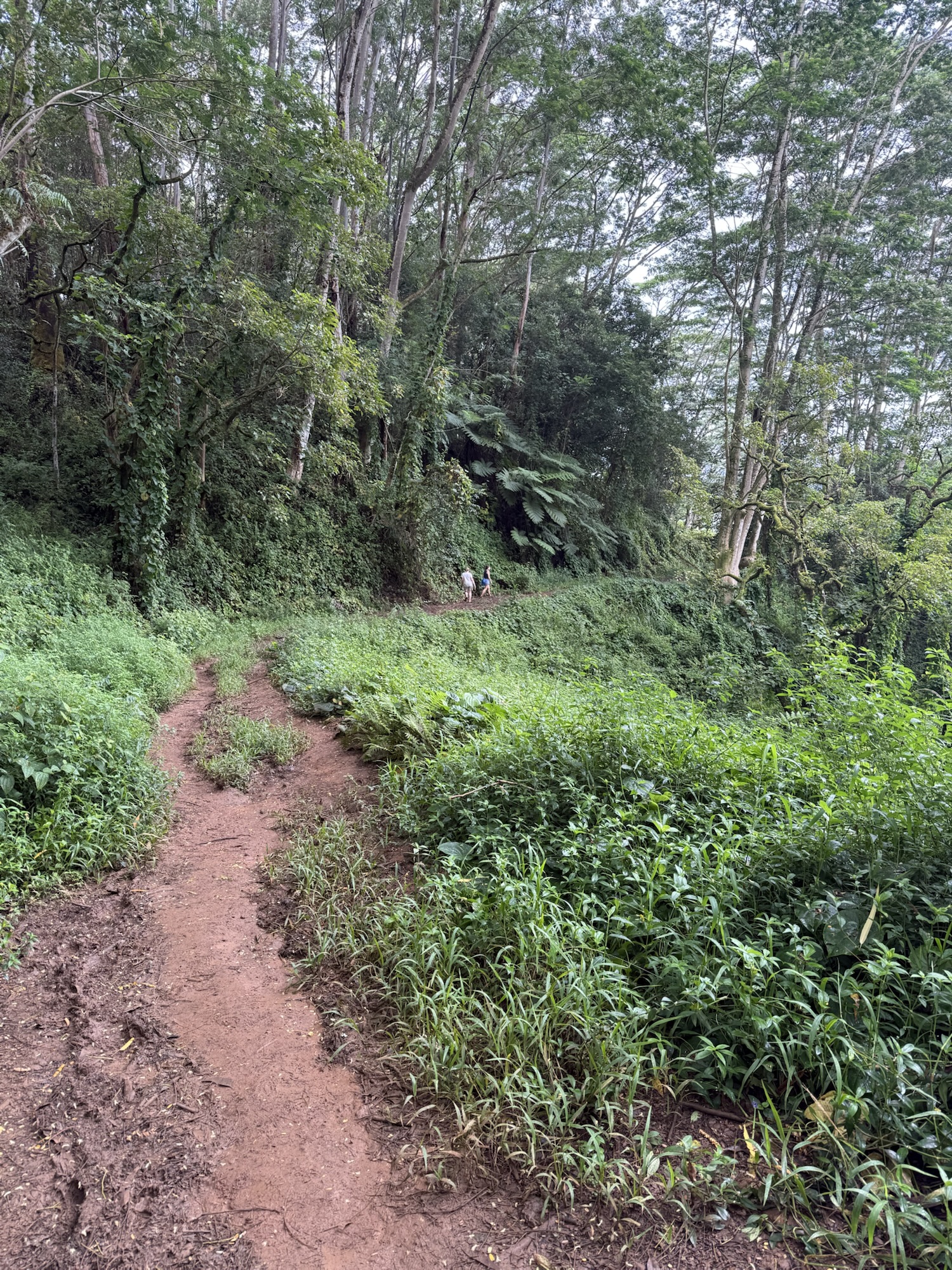
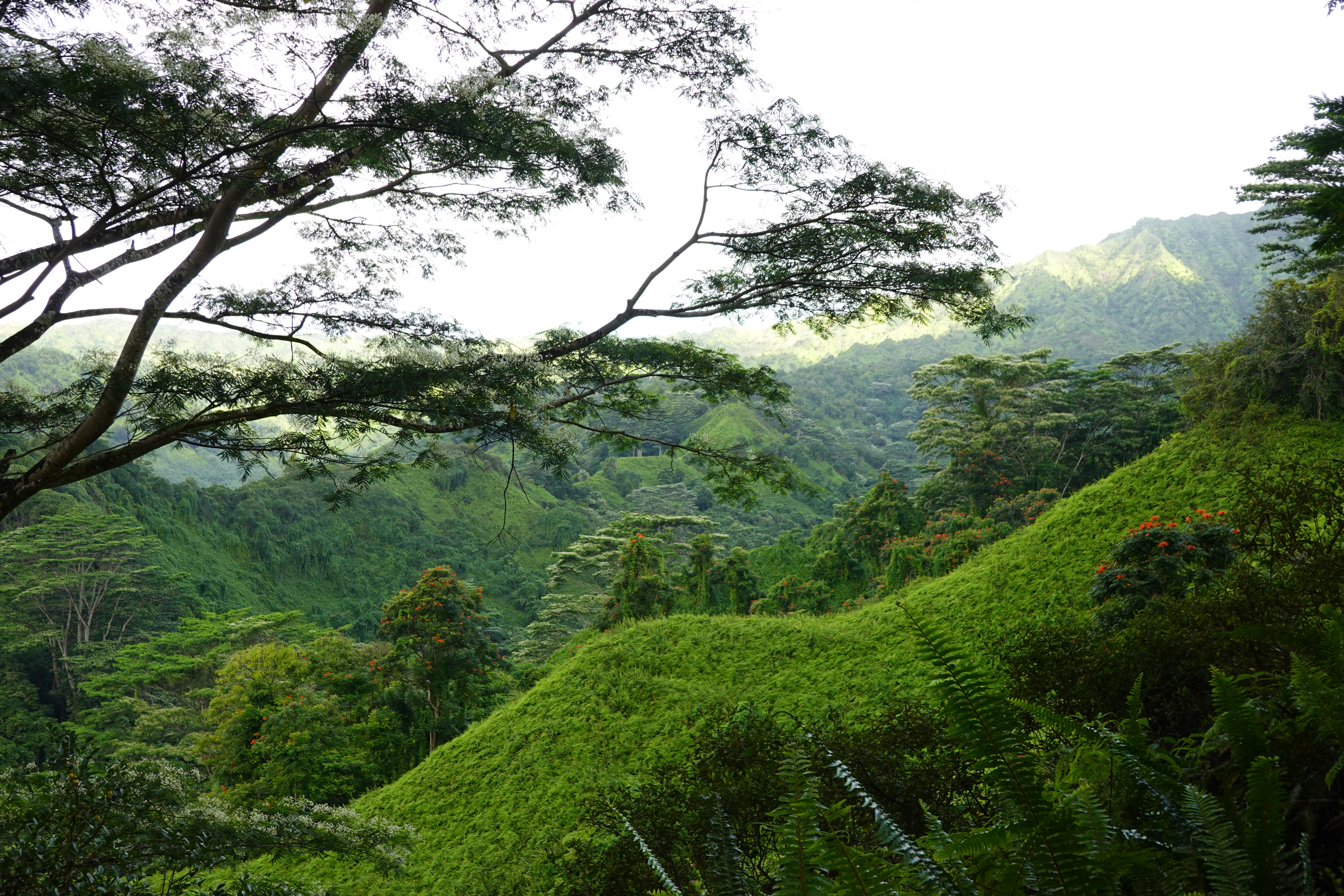
Andrew did complete the hike on the Kalalau trail all the way to Hanakapiai Falls. I passed on that exercise, but joined him on the Kuilau Ridge Trail on a later day.
Photo by the authorPhoto by the authorPhoto by the author
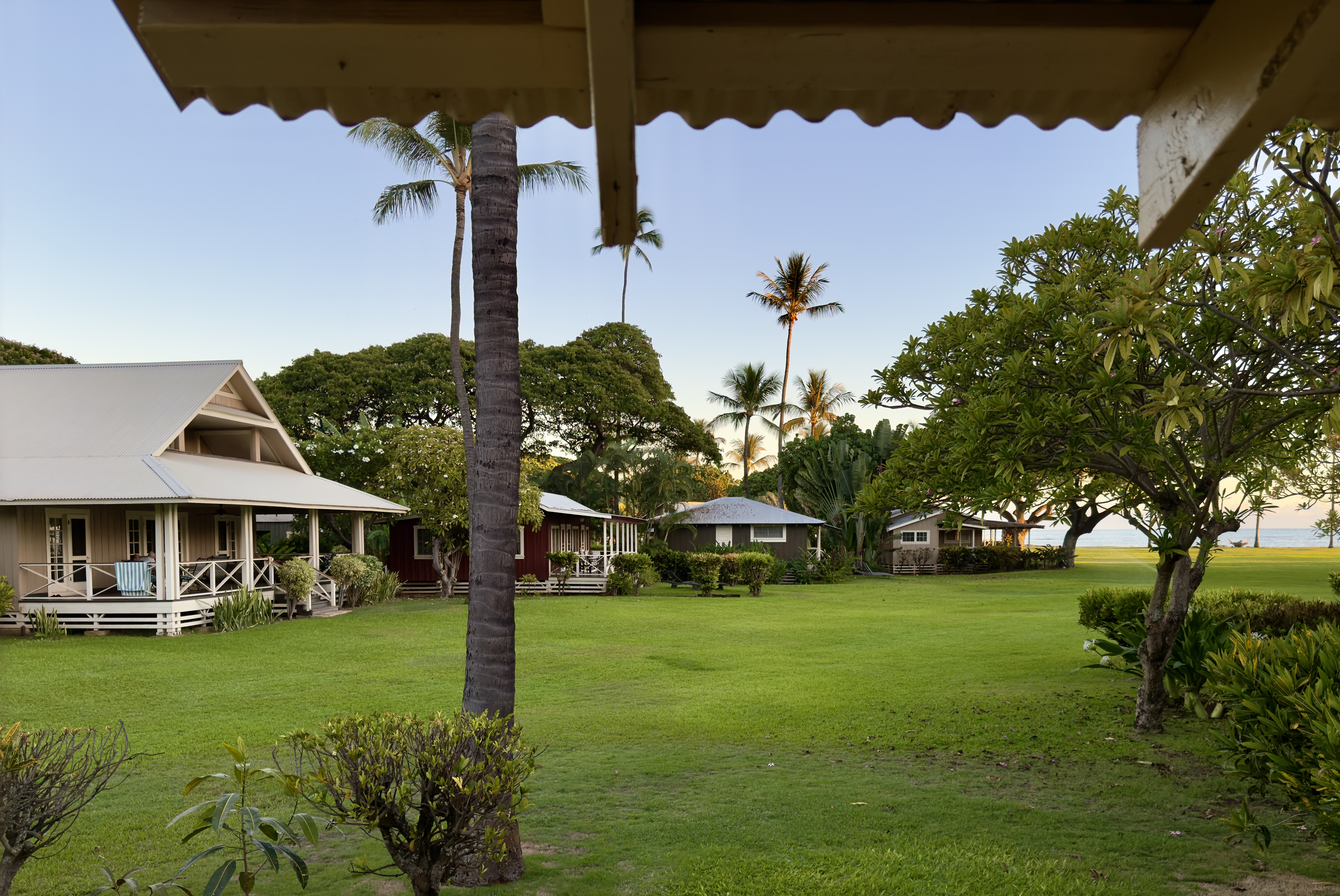
Kauai is steeped in history – many of the buildings in the towns were constructed during the sugar cane and pineapple plantation era in the 1800s. We spent our last two nights on Kauai at Waimea Plantation Cottages. Their cottages were built in the late 1880s to 1930s and moved to the resort site and lovingly restored.
Waimea Plantation Cottages – Photo by the authorSunset on the black sand beach at Waimea – photo by the author
I thought I would do some writing while on vacation, but that didn’t happen. My days were spent enjoying the setting and abandoning the plot.
We have been without a pet for almost three years. Our nerite snail slunk across the rainbow bridge shortly after we moved into our new home. The five gallon aquarium where he lived now sits empty inside the garden shed. Taking care of an animal requires a burden of care that we are not ready to assume. Not while we have the caretaking responsibility for Andrew’s mother. We were fortunate to buy a house already equipped with handrails and wood floors, wide doorways and an extra bedroom. But we found the best blessing in our backyard.
We have frequent visitors to our garden.
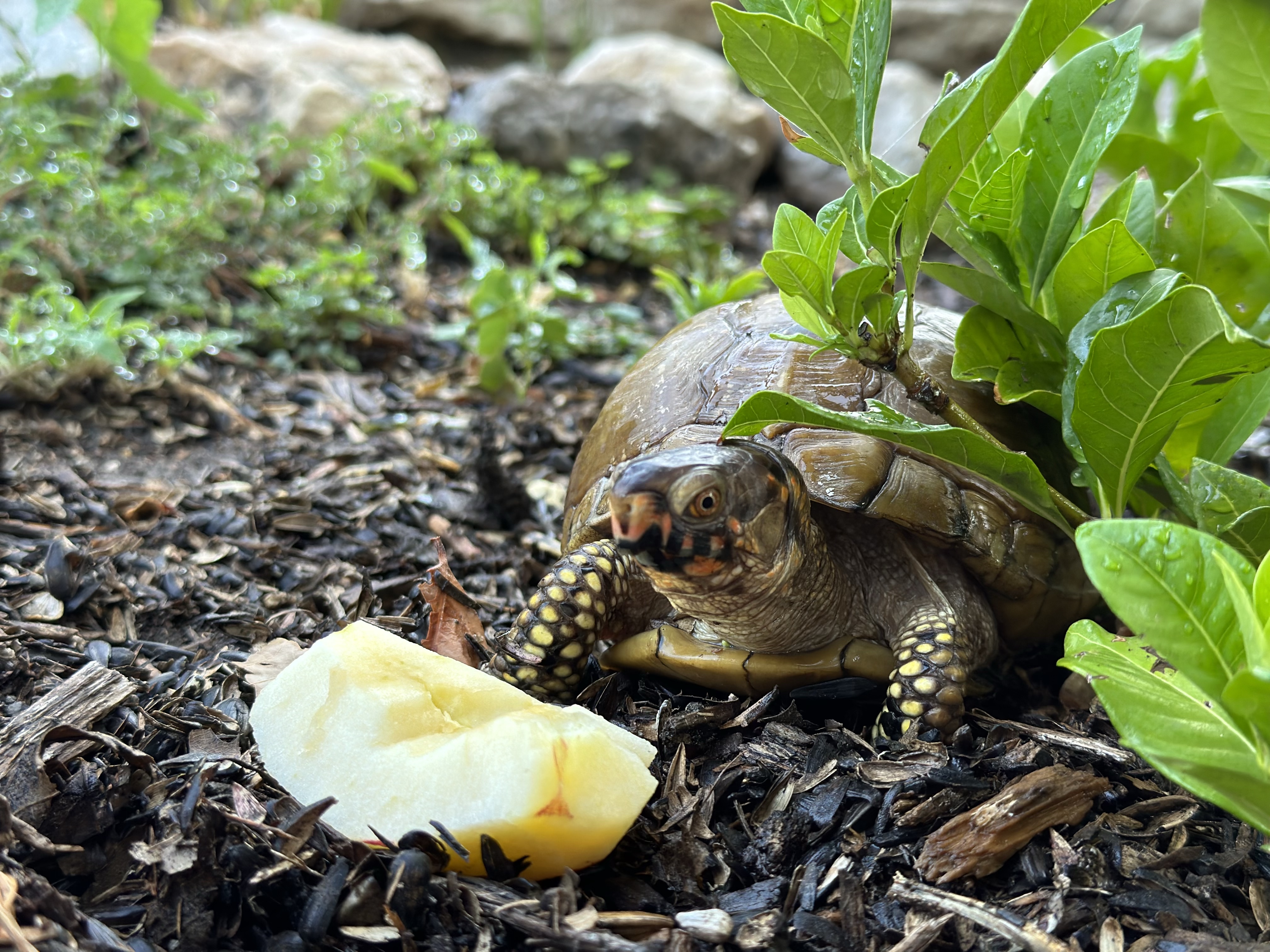
Myrtle the box turtle – photo by Andrew Shaw
This is the second year we have been visited by a box turtle. Last year, after confirming her gender, we christened her Myrtle. Female turtles have brown eyes and their shells do not have a flare at the bottom. Males tend to have red eyes and flared shells. Box turtles are not endangered, but they are listed as “vulnerable” as their habitats are shrinking. If you find one in your yard, don’t try to relocate them as they are territorial. Andrew and I believe Myrtle lived here near our creek long before we met with a realtor. We are happy to see her when we find her strolling through our flowers.
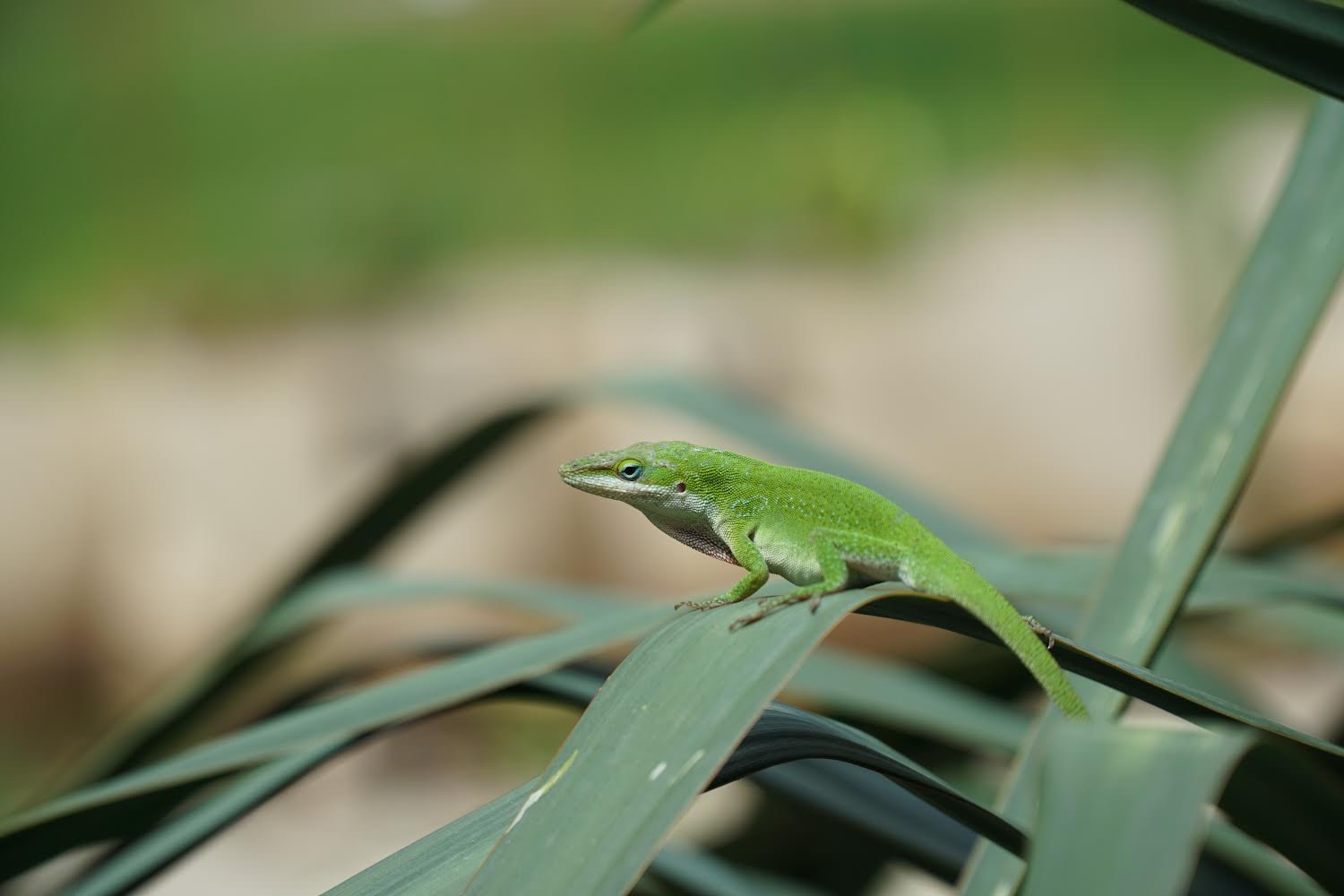
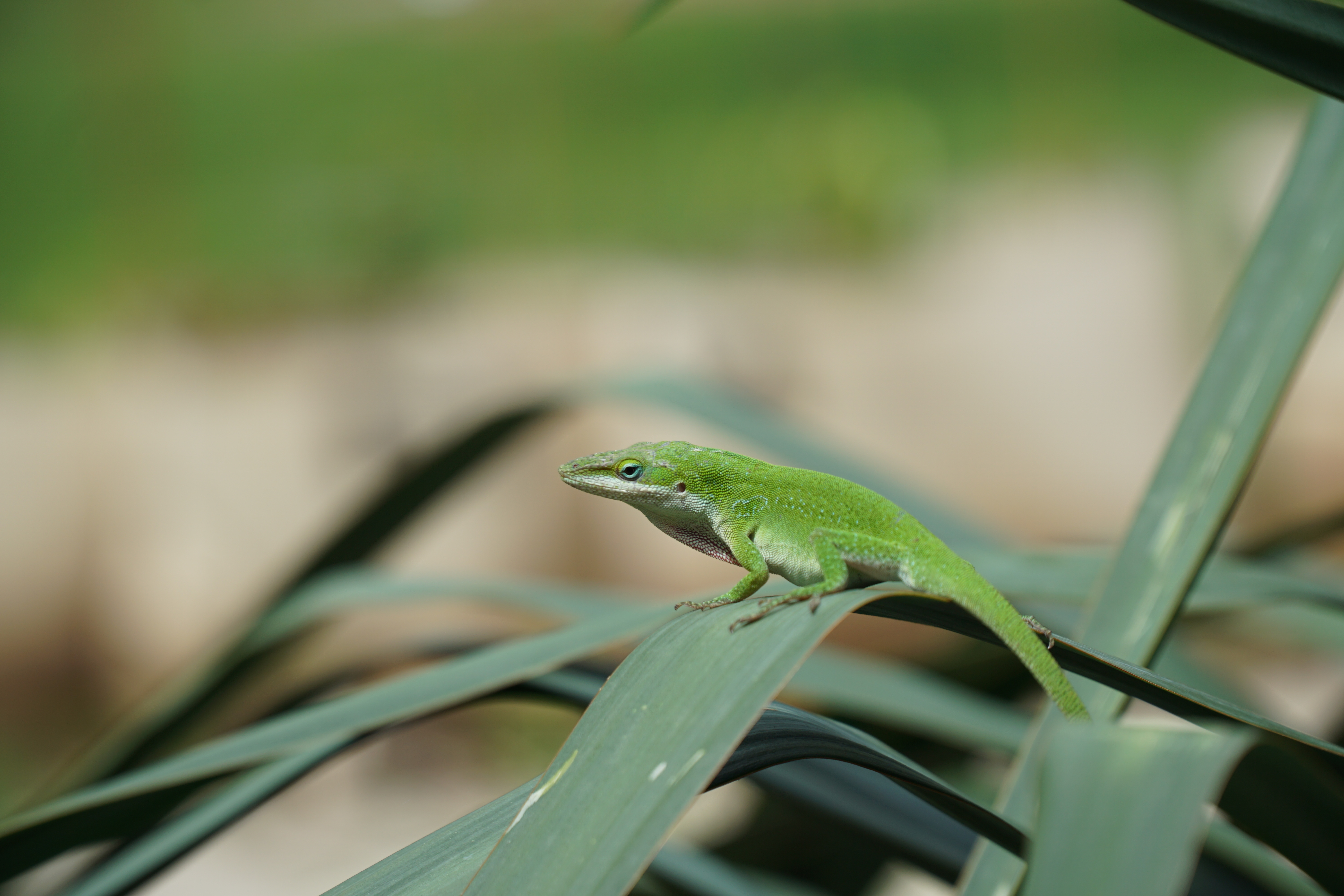
Green anole enjoying the bugs – photo by the author
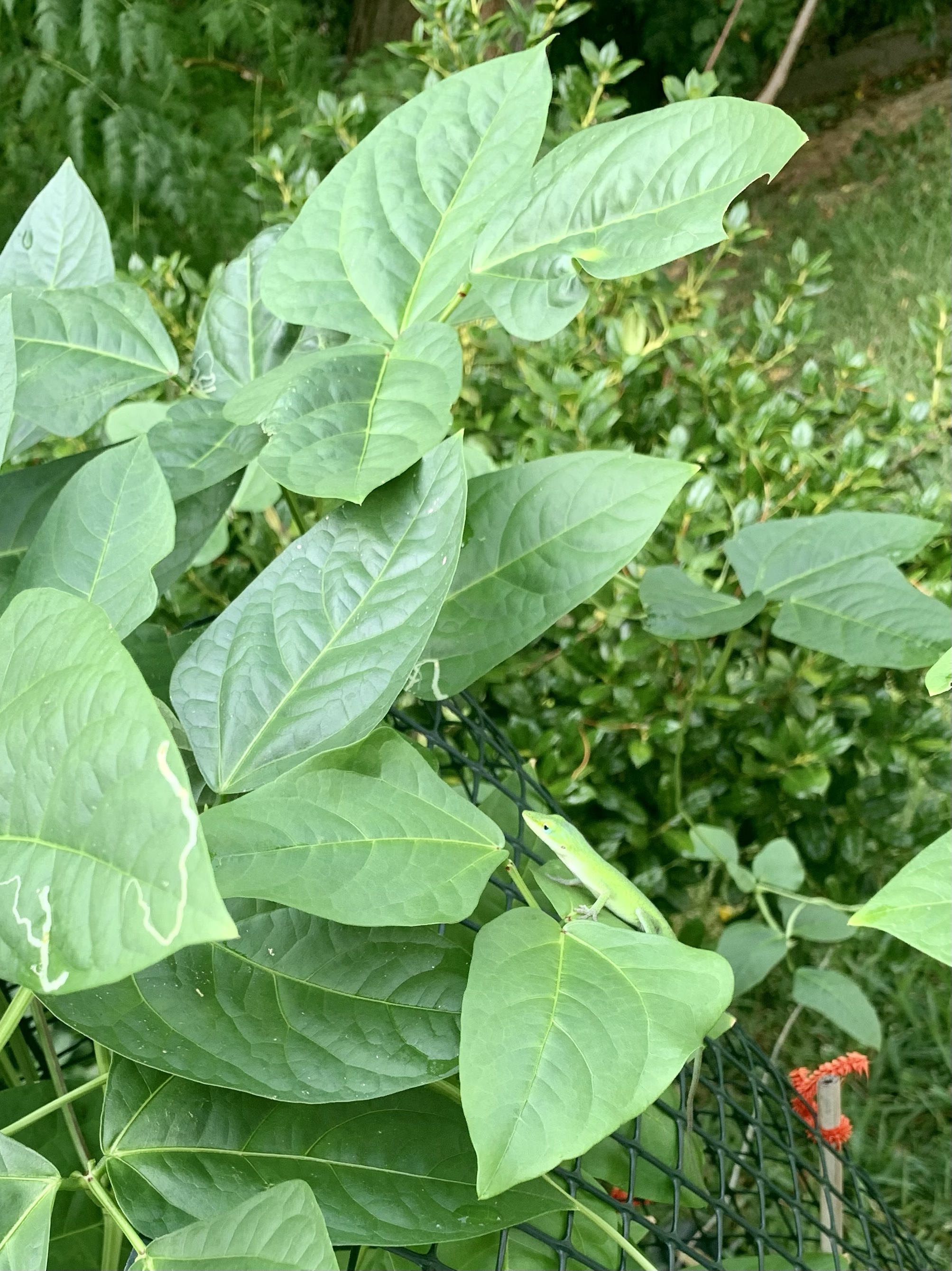
A multitude of little green lizards lurk among the plants. We call them all Jake. They are most likely all related and don’t seem to mind sharing that moniker. If I approach slowly they will allow me to offer them a dried meal worm. This, I feel, is an adequate reward for their hard work clearing the insects from our vegetables.
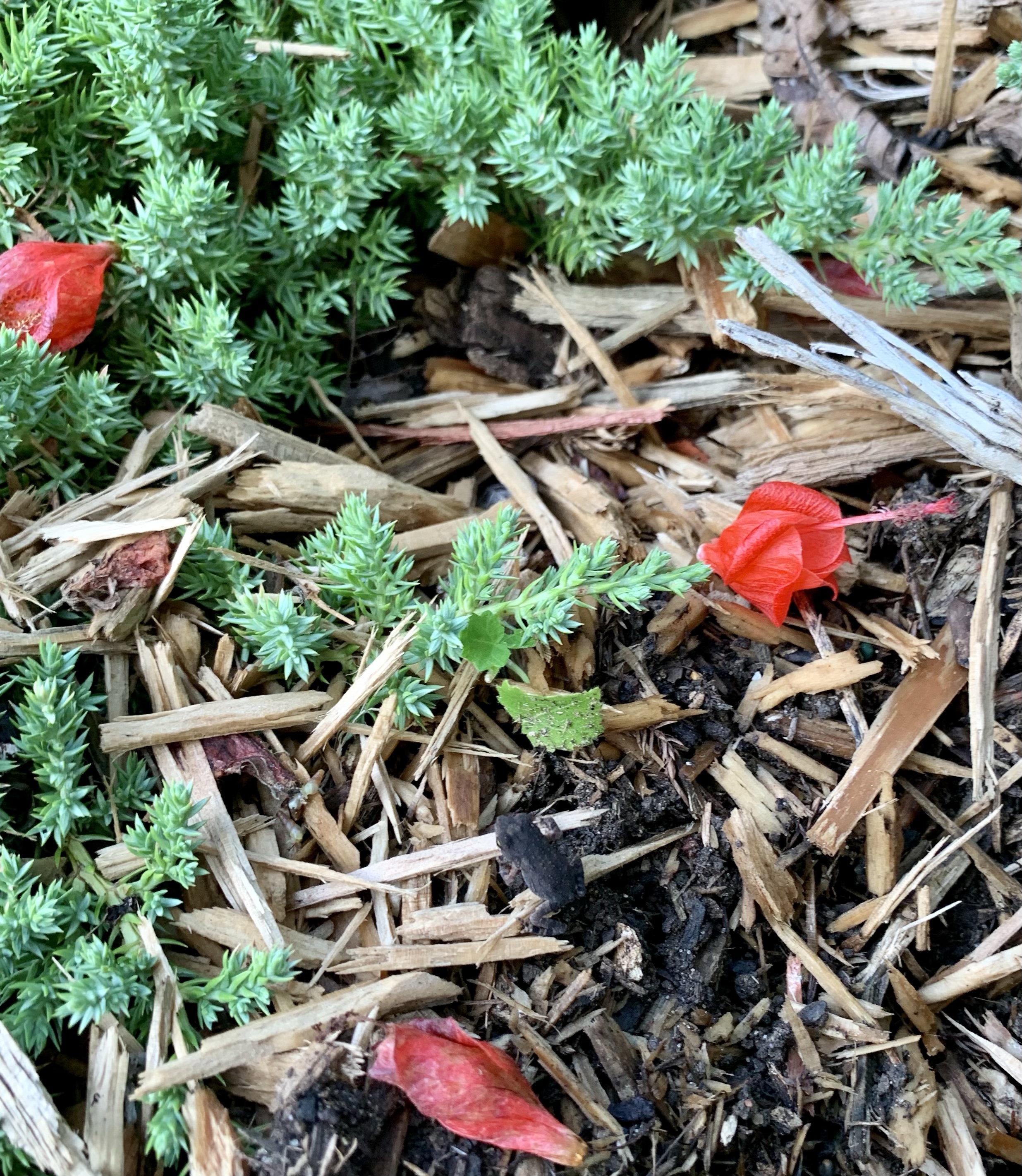
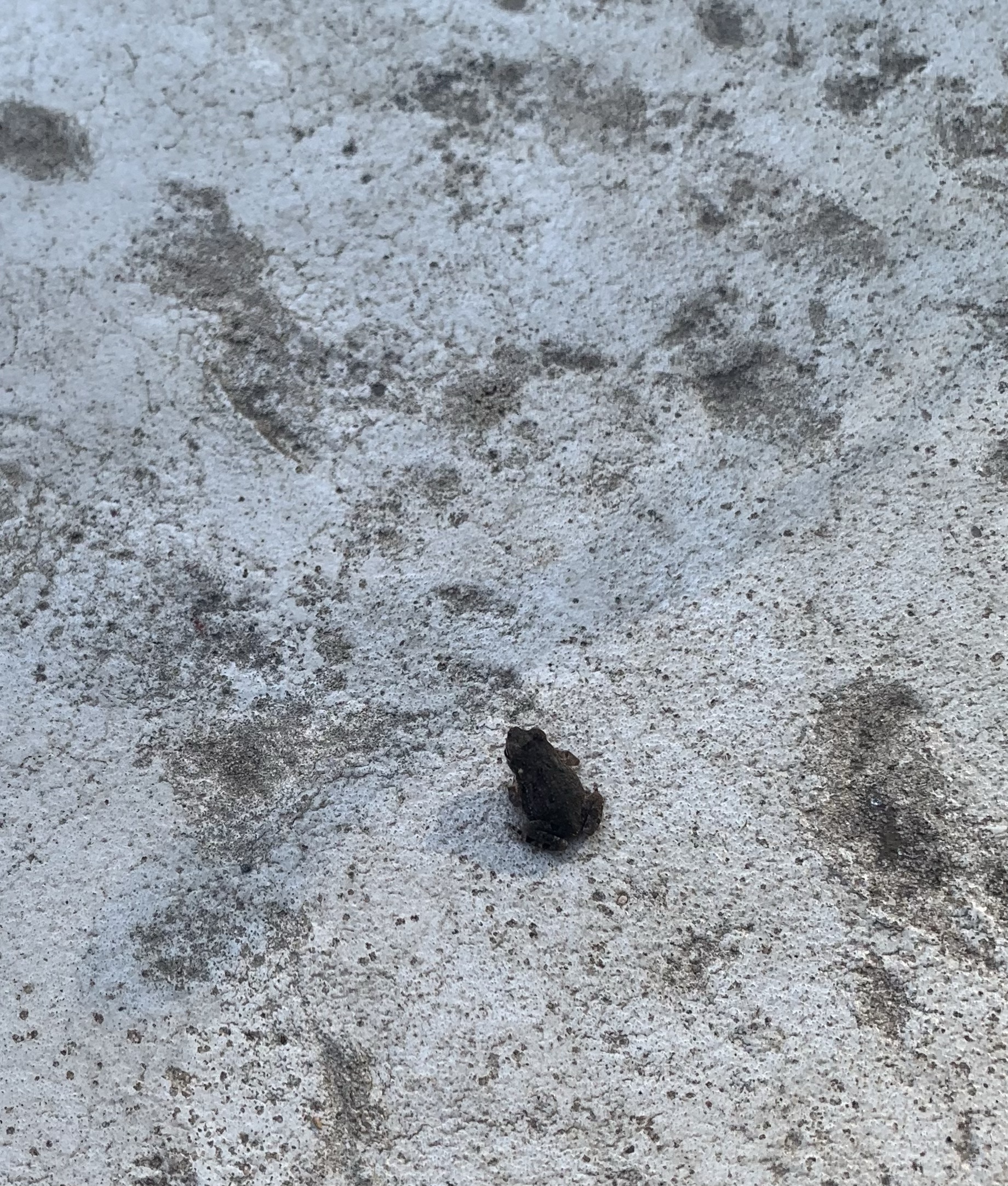
Small toad – photo by the author
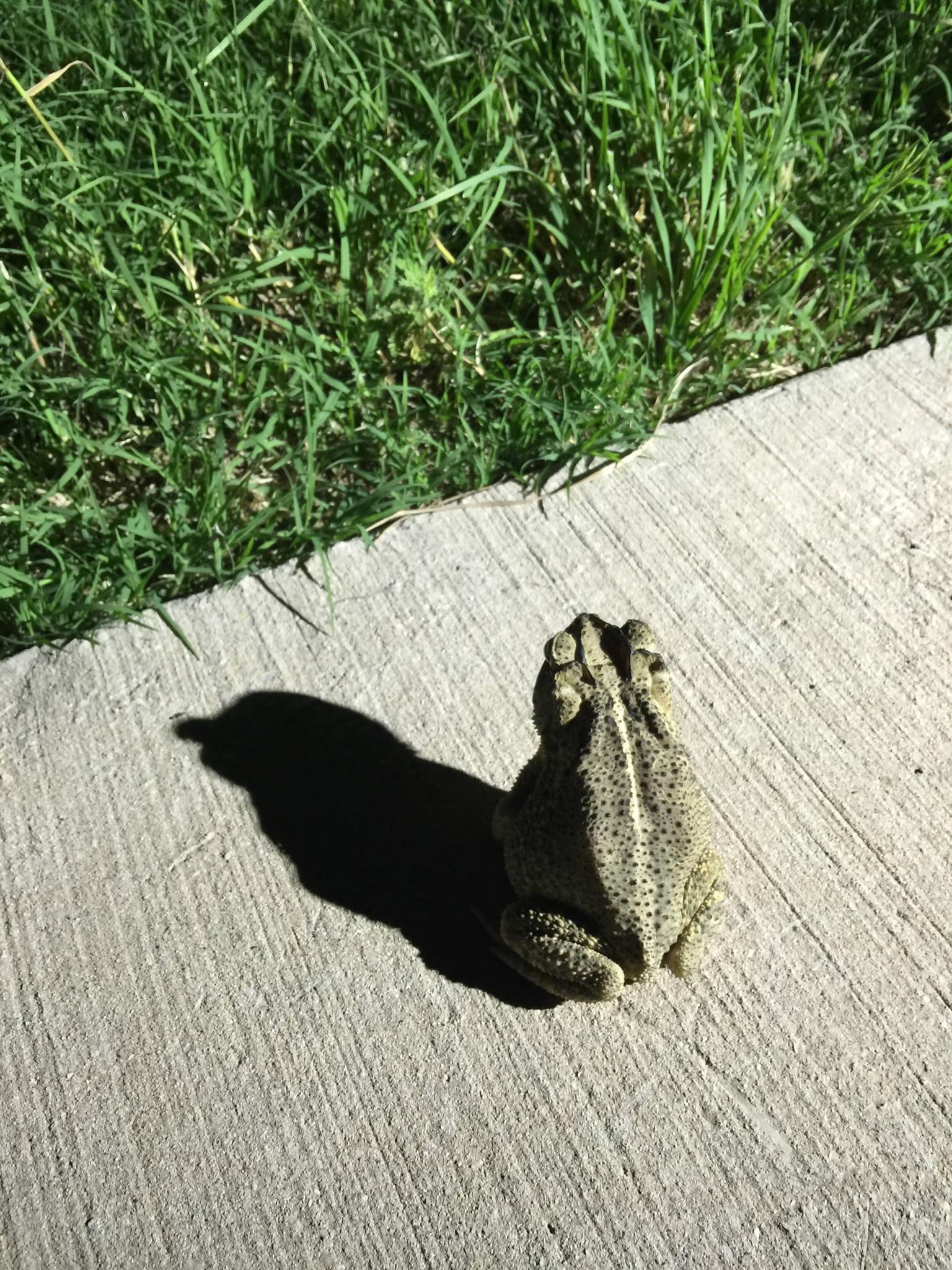
After a late summer rain finally soaked our yard, I found dozens of very tiny toads hopping across the mulch. Each one is barely the size of my thumbnail but they have an impressive jump when startled. I can empathize. The toad in the image above can be found in the center of the bottom third of the photo. If you can’t find him here is another pic of one I found on our walkway.
Very tiny toad – photo by the author
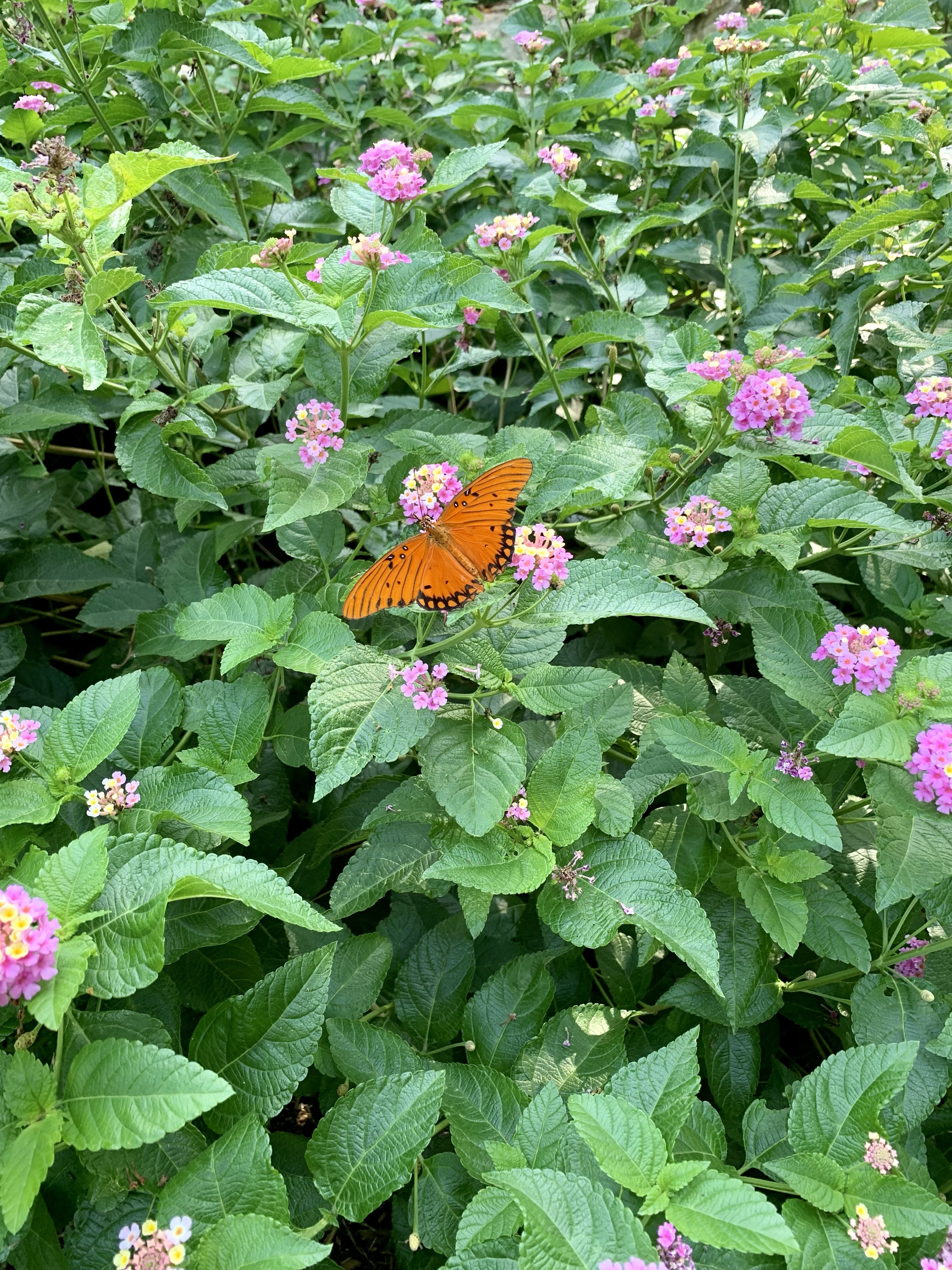
As summer ends, we keep the fallen leaves and brushy plants in the garden. Less work for us and more places for our wildlife to shelter when winter arrives. The lantana in particular has been a colorful home to bunnies and a draw for butterflies and bees.
Lantana – photo by the author
“In every walk with nature one receives far more than he seeks.” –John Muir
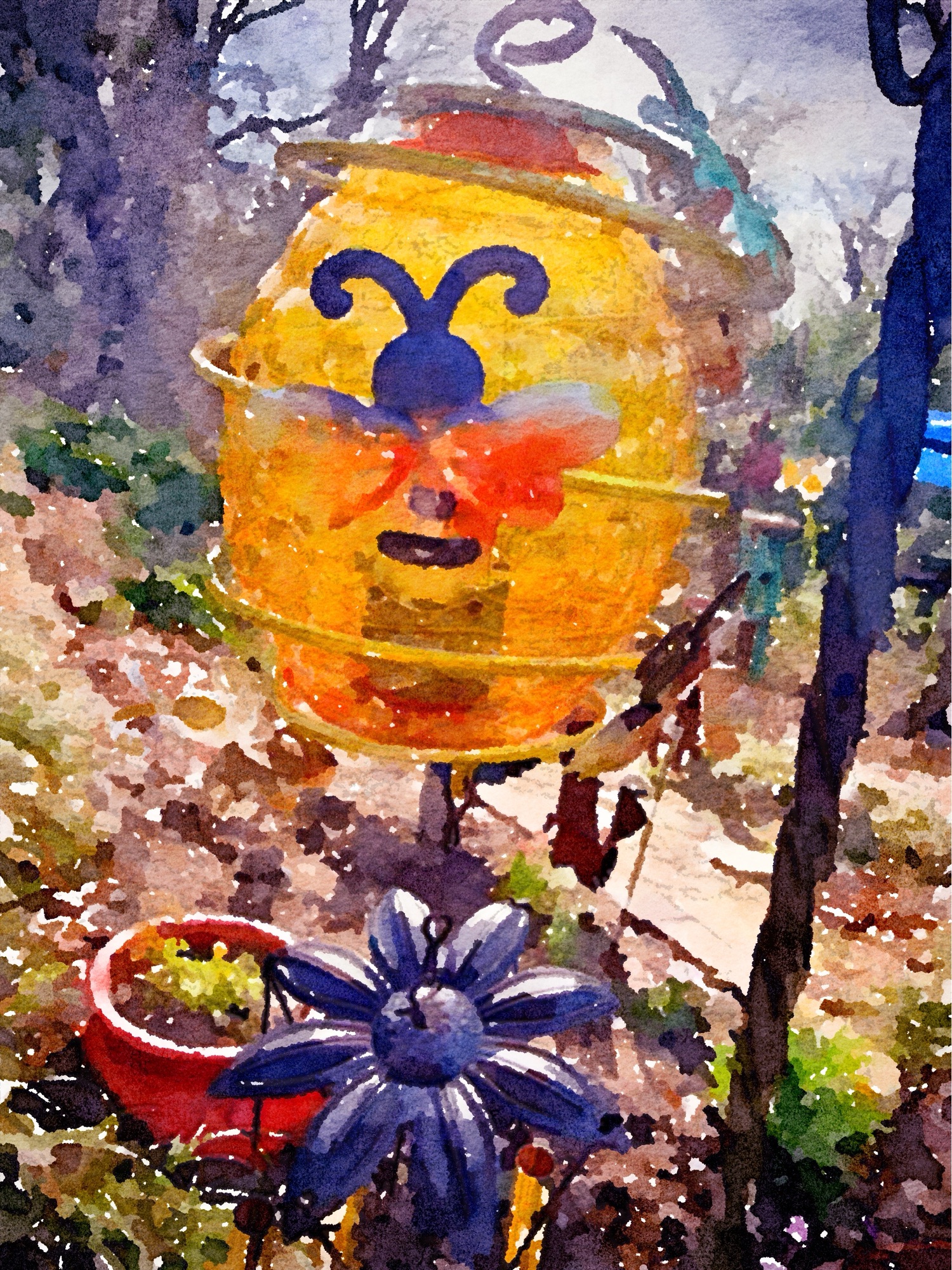
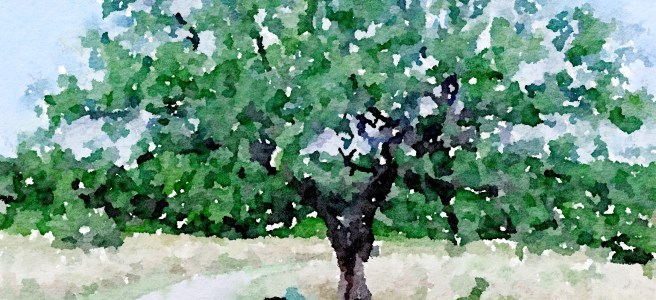
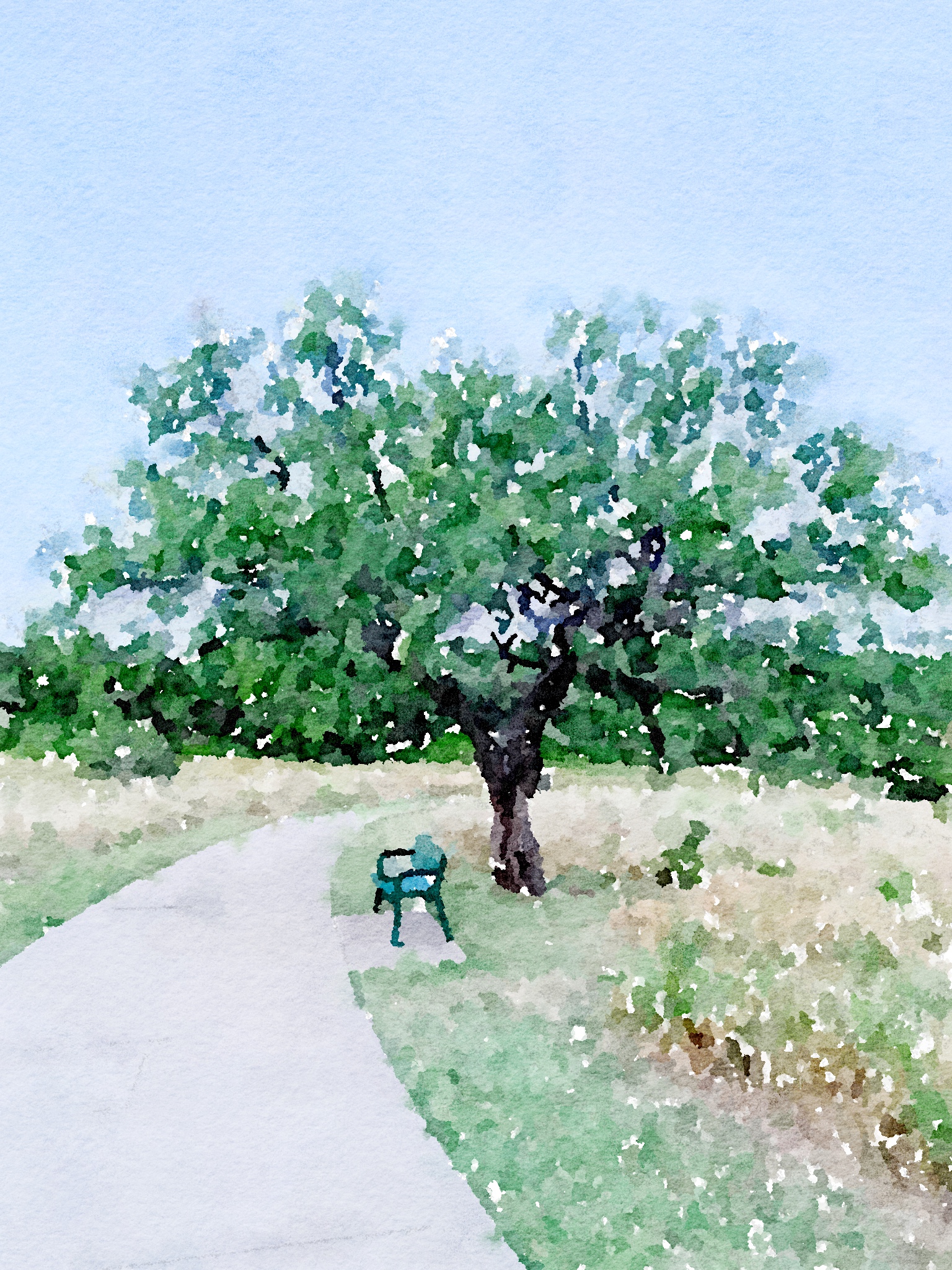
Photo by the author. Edited with the Waterlogue App
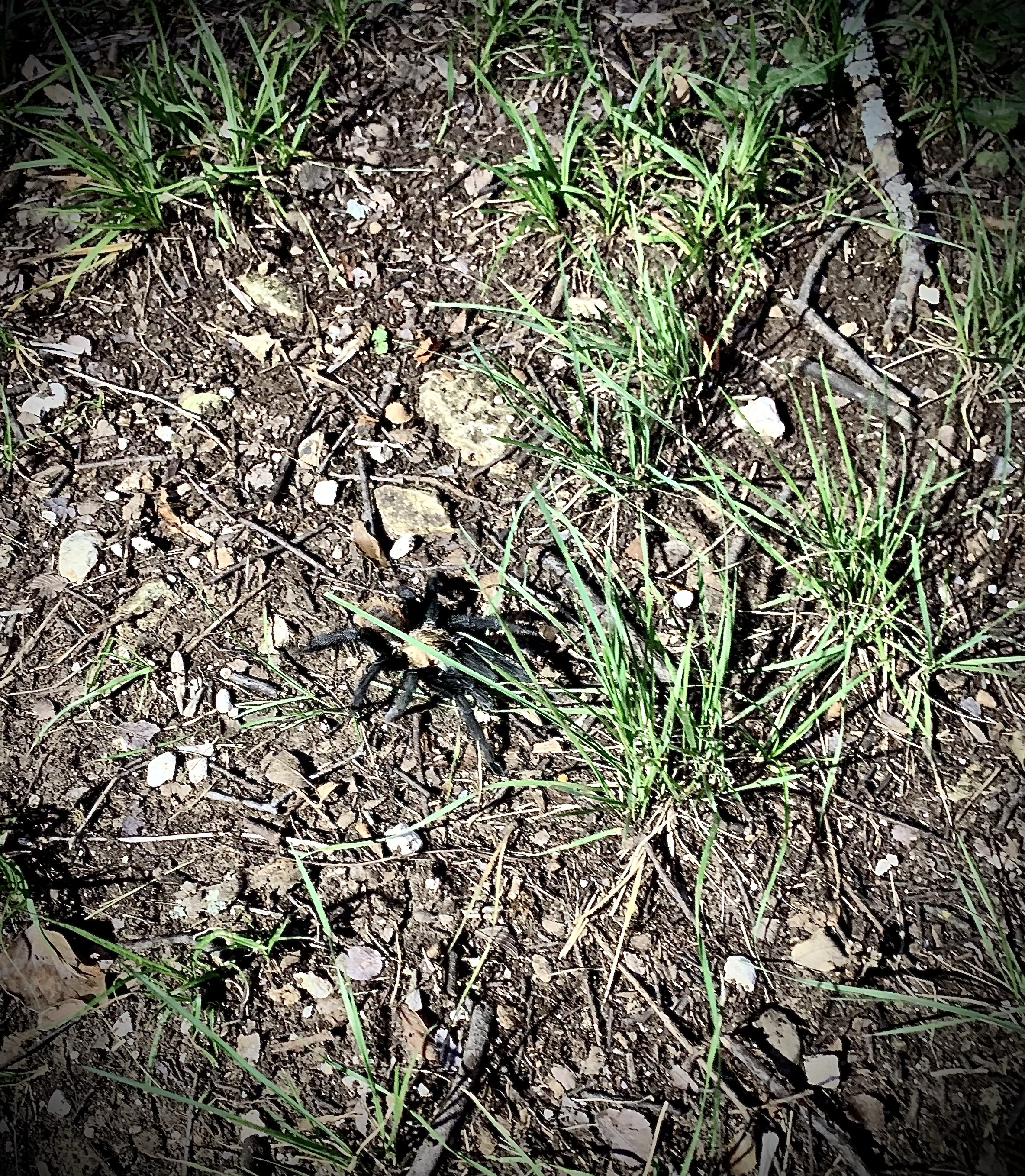
Summer is the season of love – for Texas tarantulas. Despite having eight appendages, they have no opposable thumbs and no way to access a special spider dating site. Like a shy single guy, the males venture out as the sun sets, searching for that one special arachnid lady. He must make a hasty love connection as the male tarantulas only live seven to eight years, while the females can live up to the ripe old age of twenty to twenty-five.
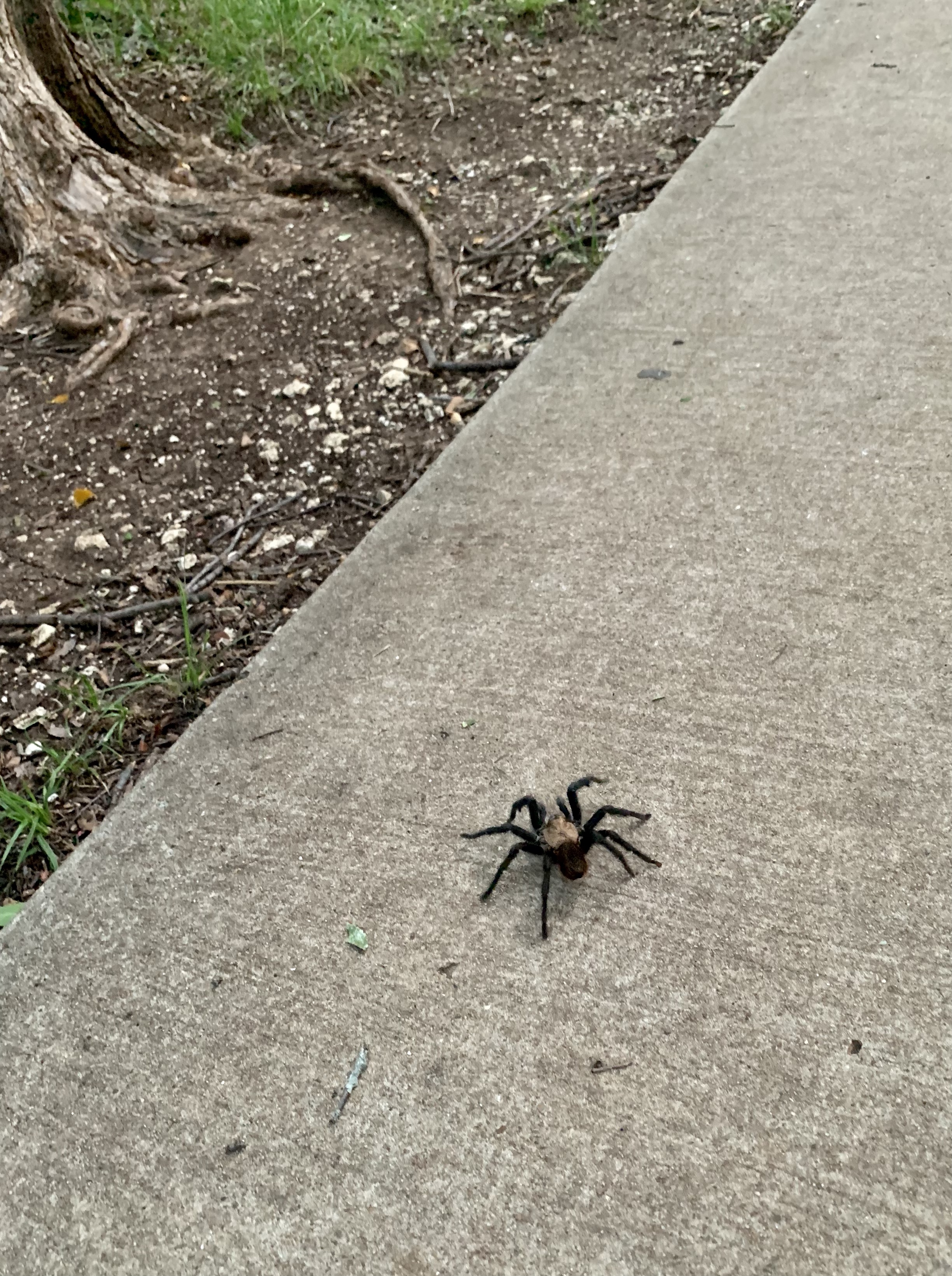
Photo by the author – male tarantula spotted at Arbor Hills Nature Park, Plano Texas
He hunts for his special love by scent, tracking a possible mate to her burrow. Once there, he taps on the fine webs at the entrance and hopes she’ll respond by swiping right in spider fashion. If the answer is yes, perhaps they’ll go out to dine on a fine meal of crickets before or after the romantic hook-up. However, if the female is not in the mating mood, she is apt to make a meal of her suitor instead. Either way, someone will have a nice dinner.
Photo by the author – Arbor Hills Nature Park, Plano Texas
I met Andrew, my husband, at Arbor Hills Nature Park. We had connected on a dating site and arranged our first date online. No need for a scent trail, I spotted him holding a Frisbee as he stood in a field near the parking lot.
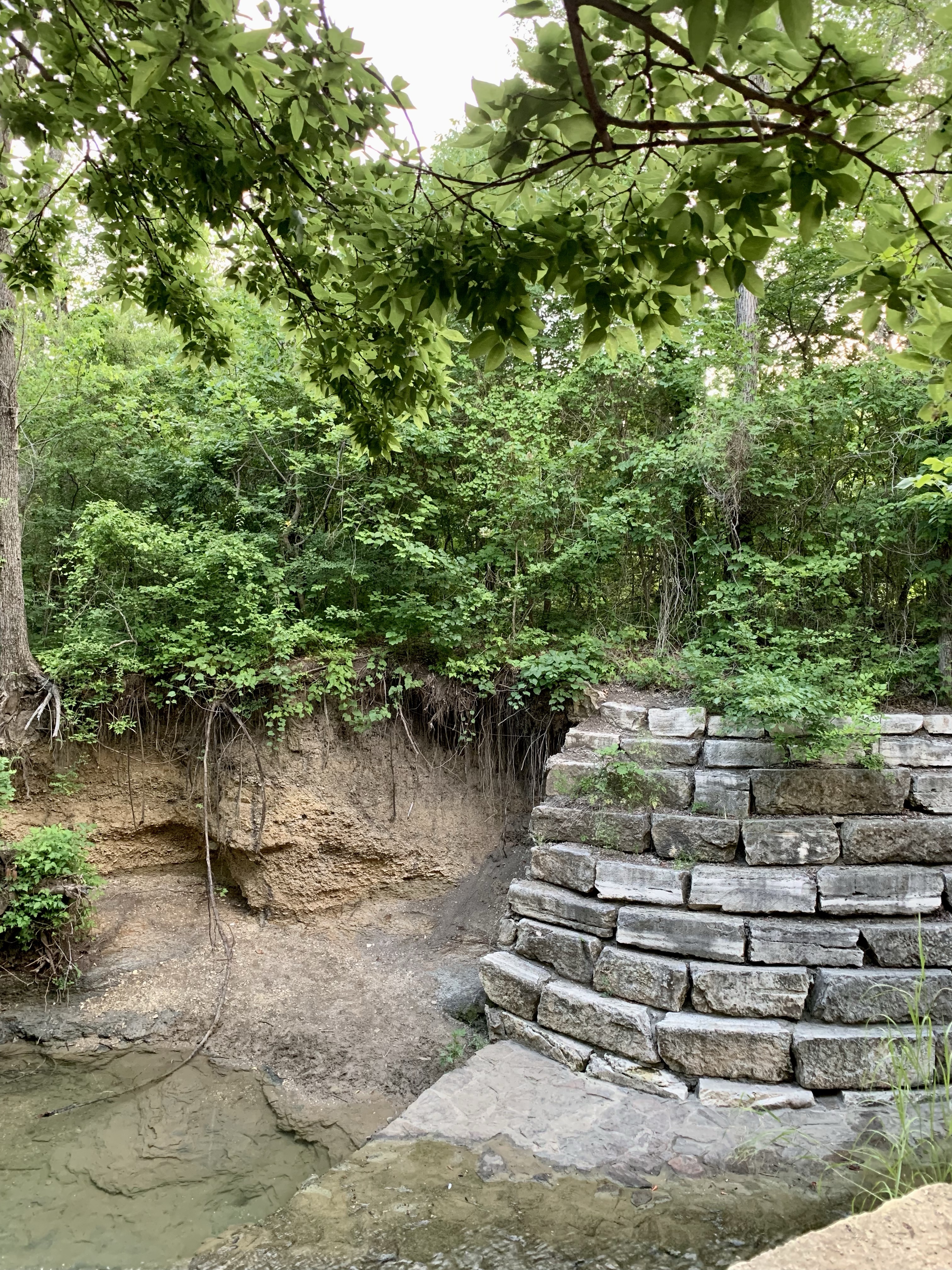
Photo by the author – the creek at Arbor Hills
Over the next few years we visited the park often, eventually sharing an apartment, our own cozy burrow, next to the nature area.
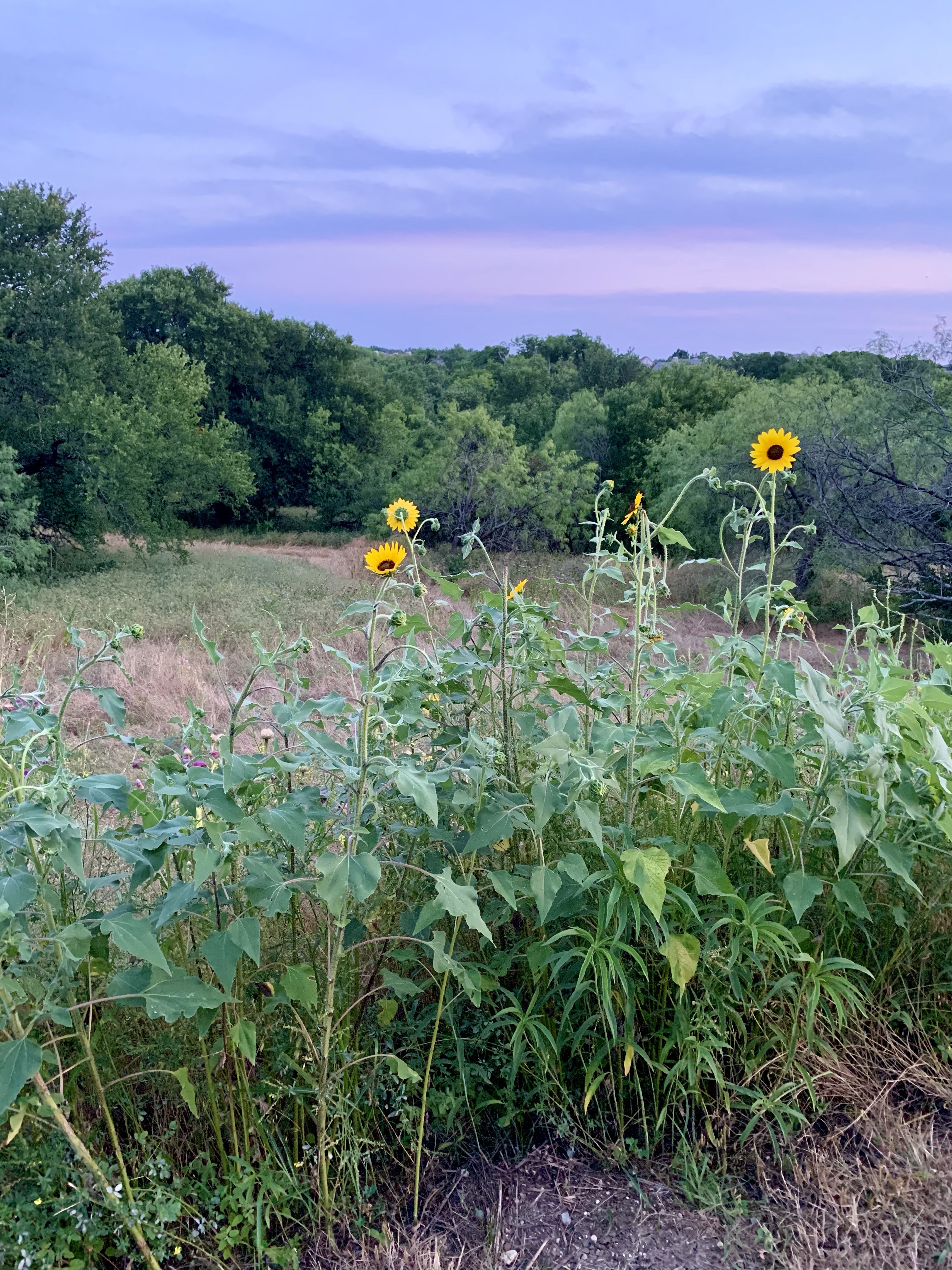
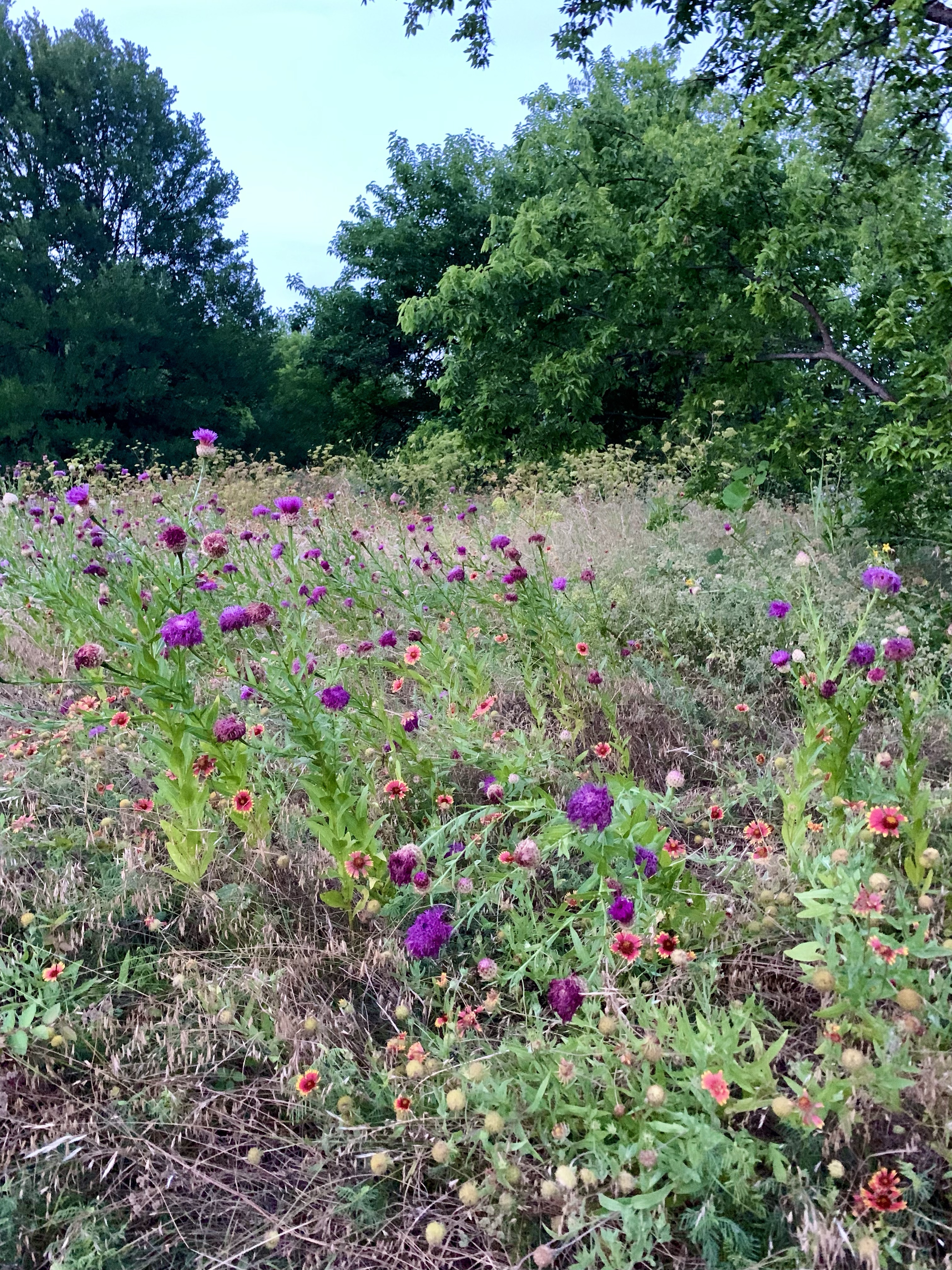
Photo by the author – wildflowers
Two years ago we bought a house and moved farther away from the park, too far to walk or drop in for night time strolls. Three weeks ago, before the summer heat turned the sidewalks to griddles hot enough to melt the rubber soles of our shoes, Andrew suggested an evening stroll at Arbor Hills. “The tarantulas might be out already,” he said.
Photo by the author – thistles and flowers
We arrived at dusk, at the last of the golden hour, right before the sky turned from blue to twilight lavender. Carrying flashlights, we hiked along the concrete trail that wound three miles through the park. In past visits we had often encountered the palm-sized, furry, brown female tarantulas. They crawled across the paths like something from a science fiction/horror flick, scurrying along on their own spidery missions.
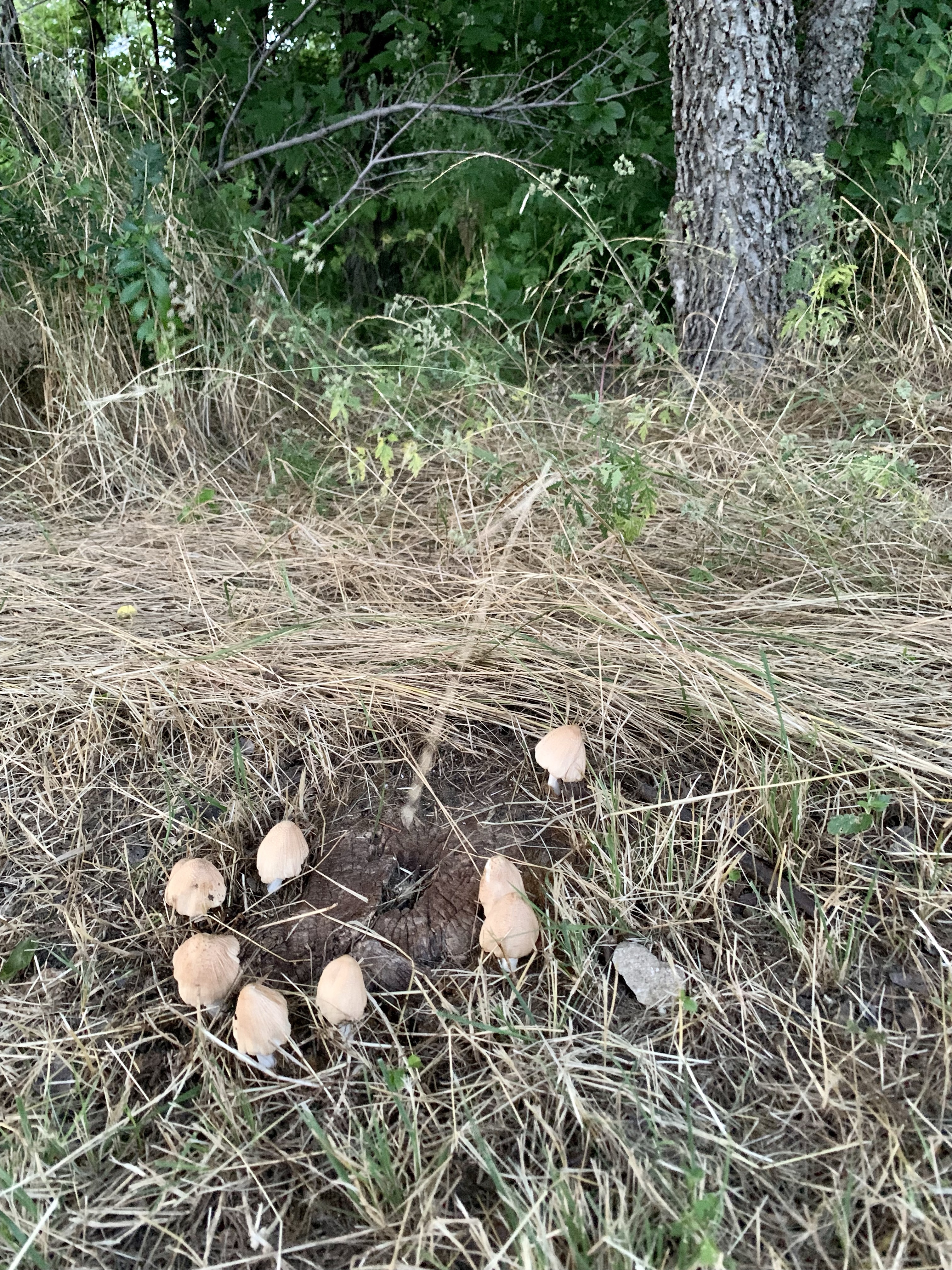
Photo by the author – mushrooms around a tree stump
“When will they be out?” I asked Andrew, as we drew near the back of the park.
“Look in the grass beside the trail. We’ll see the males first.”
A circle of mushrooms, a tiny Stonehenge, stood tucked in the dry grass. Andrew was the first to spot the tarantula.
Photo by the author
He emerged from the weeds and leaves and crawled onto the trail in front of us. Not monstrous at all, the tarantula weaved side to side along the concrete, like a bar patron leaving at last call. I snapped pictures and waved as he set out, determined to find love. I hoped he would find a mate that night, or if not, that he would keep searching. Arbor Hills was, after all, a good place to start.
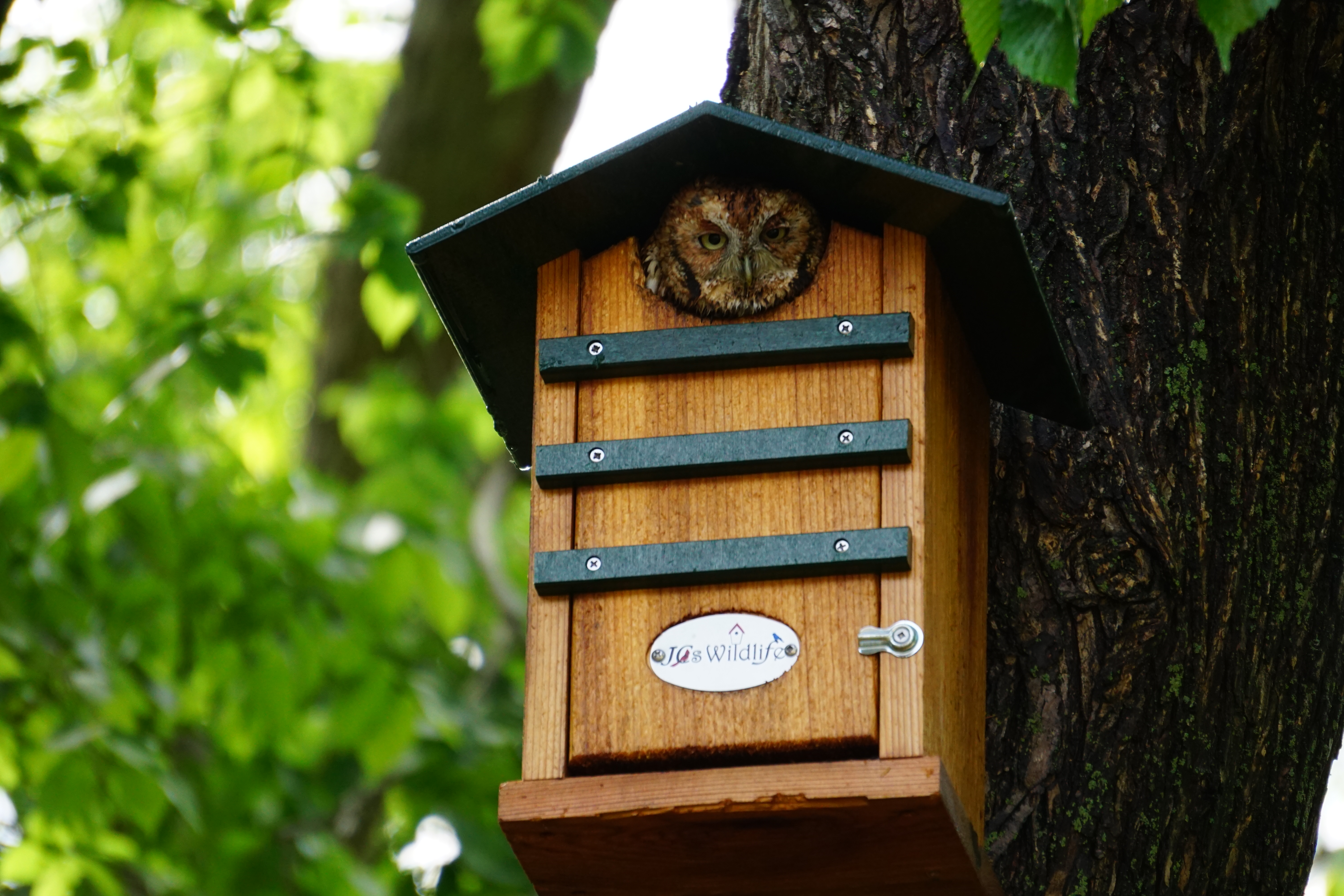
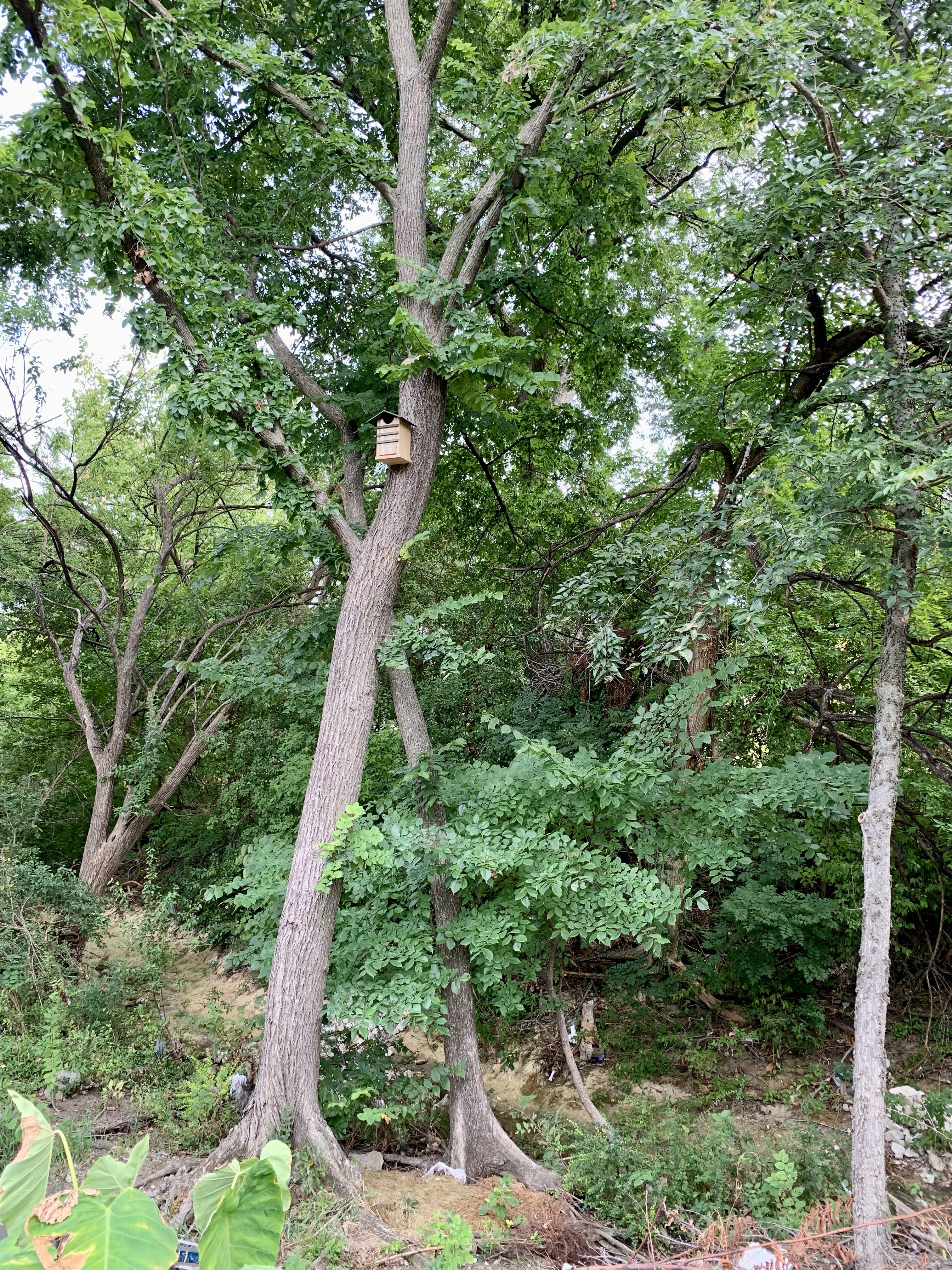
We installed the owl house with the goal of attracting a predator to our yard. Months back, we’d been overrun by a mischief of rats. They flooded our backyard every evening – a scurrying gray sea of rodents. Winter arrived and the tide of rats receded. Then, in late spring, we received our first resident owl. At first, Andrew and I rejoiced, happy to have our own rodent assassin on hand if the little buggers returned. Would we be blessed with owlets?
Excited, we broke out the binoculars. Andrew grabbed his camera and zoomed in for a portrait. With a creek bordering our property, we never want for wildlife. We were blissfully unaware of the consequences of inviting a bird of prey into our little sanctuary. After all, we had observed bobcats, raccoons, and possums wandering through our garden. I rely on a squadron of little green lizards to keep unwelcome bugs at bay.
Photo by Andrew Shaw
Along our sidewalk, toads alert on night patrol wait for juicy June bugs to stumble into their path.
Photo by Andrew Shaw
Not long after the owl first revealed itself, a chorus of squawks, chitters, and shrill whistles rose from our yard like a concert from an out of tune orchestra. Our visitor ducked back into the cover of the wooden house.
“What are they doing?” I waved at the flock of jays – a blur of blue feathers dive bombing the owl house.
Andrew stated the obvious. “They don’t like the owl.”
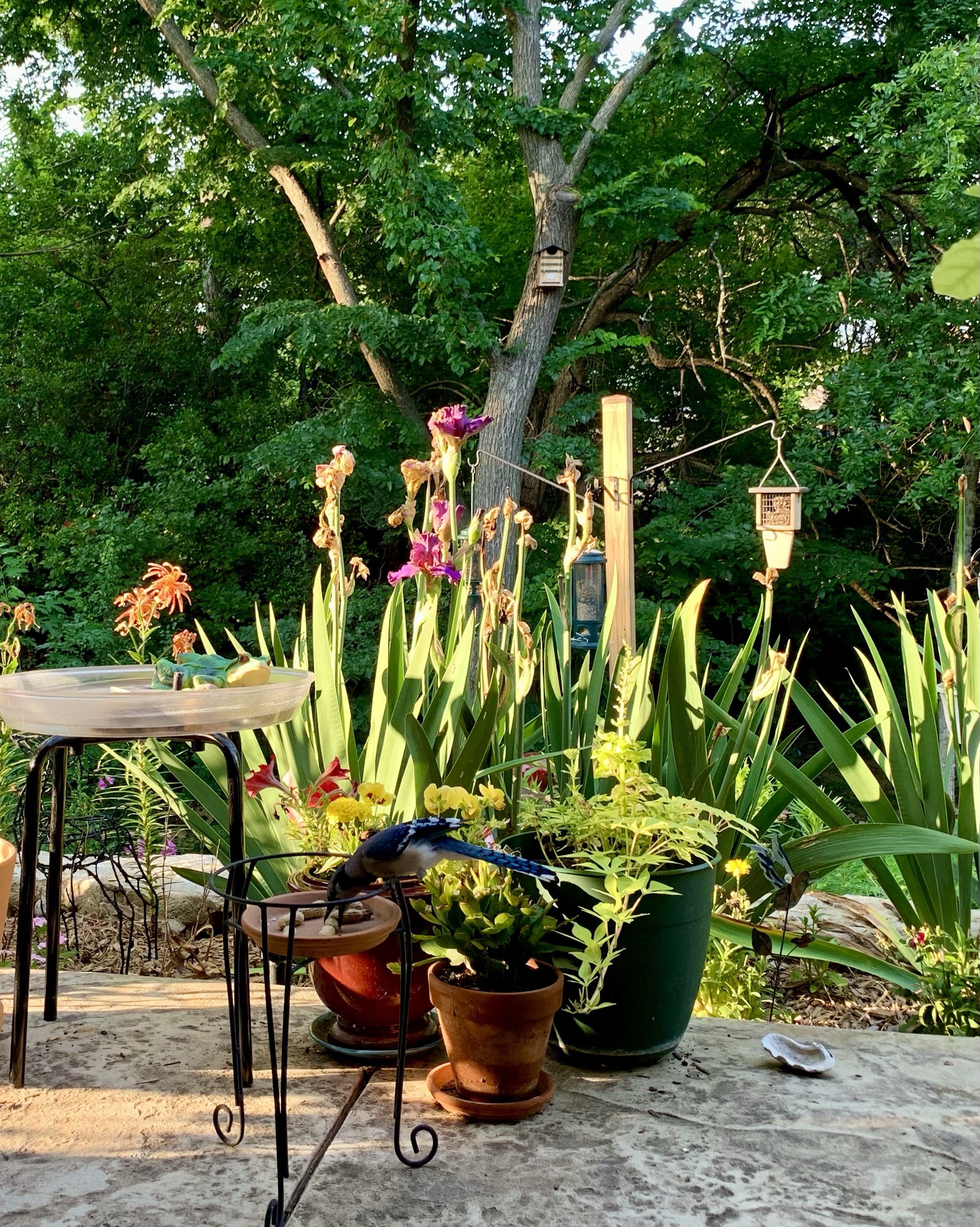
And no wonder. I realized we had placed the bird house directly overlooking our feeders. The ones where every morning a queue of owl-bite-sized wrens, chickadees, and finches appeared. Not so good for the victims, but a perfect opportunity for the bird of prey. We had installed a hotel room with a complementary breakfast buffet.
Photo by the author
Andrew and I joined in the ruckus, jumping and waving our hands while yelling “Shoo! Shoo!” The owl, unimpressed, poked his head out now and again to glare at us. Our songbirds – blue jays, cardinals, and chickadees – continued to squawk and dive bomb the bird house. This behavior is known as “mobbing” and occurs when birds feel threatened by a predator. They band together to harass the intruder. This continued throughout the day. The mobbing behavior reminded me of the short story The Birds by Daphne Du Maurier. Most people remember the Alfred Hitchcock movie based on the story. “We better remember to keep the feeders filled,” I told Andrew.
At last, at dusk, with the mob dispatched to their night time roosts, the owl emerged. He flew to the creek for a quick drink, then disappeared into the trees. We haven’t seen an owl since then, but we hear them sometimes. Possibly they are sharing the bad review of our noisy bed and breakfast.
I dumped a shovel of dirt over the body. The corpse in question, a dead rat, stared at me with a glazed eye before I covered it with a quart of potting soil. Miracle Grow, guaranteed for beautiful blooms. I hope nothing sprouts from this planting.
The rat expired less than a foot from where I’d been digging that morning. I wondered if I’d accidentally clonked him with the shovel as I set out the milkweed plant. Or maybe he’d nibbled on the fresh addition. I’d read that milkweed was poisonous, but I didn’t expect such a fast-acting result.
Of all the solutions to our rat problem, we decided the best answer would be owls. No harmful chemicals, no grisly traps to empty, nothing but the swoop of wings and a quick death to rodents. After Andrew ordered the owl house we discovered it most likely wouldn’t be inhabited until next spring, during nesting season.
“We’ll hang it now in case they decide to move in early,” Andrew said.
My husband is fearless. I’m afraid of climbing heights greater than four feet from the ground, crawling through small spaces, and purchasing things on credit. I admire anyone who is brave enough to scamper up a sixteen-foot ladder. However, someone has to stand at the bottom and hold the ladder steady. I felt the owls would be perfectly happy with a home half as high in the tree, but Andrew disagreed.
Our vacant owl house – Photo by the author
I stood there, clutching the shaking ladder, while Andrew scurried up, carrying the owl house and a drill. My mother believed that owls were bad luck. When she was a child, her family had lost two homes to fires. “We heard an owl calling on the roof both times,” she told me. I felt the blaze was more likely because of a faulty chimney or bad wiring, and maybe the owl was just trying to warn them.
The owl lodging secured in place, Andrew climbed down the ladder. I had to admit, now that he was safely at ground level, the house looked nice and snug, high in the tree.
We had a little chickadee investigate the structure, but so far, no owls. At night, though, we can hear their trilling hoots as we stroll through our neighborhood. A creek winds down the back of our property, and native trees crowd along the bank. “It’s a lovely home, perfect for raising a family,” I entreat the birds, “with a wonderful view.”
I have a story on Vocal, inspired by owls. As a bonus, there’s also a dead rodent. You can read it here: A Death Redeemed.
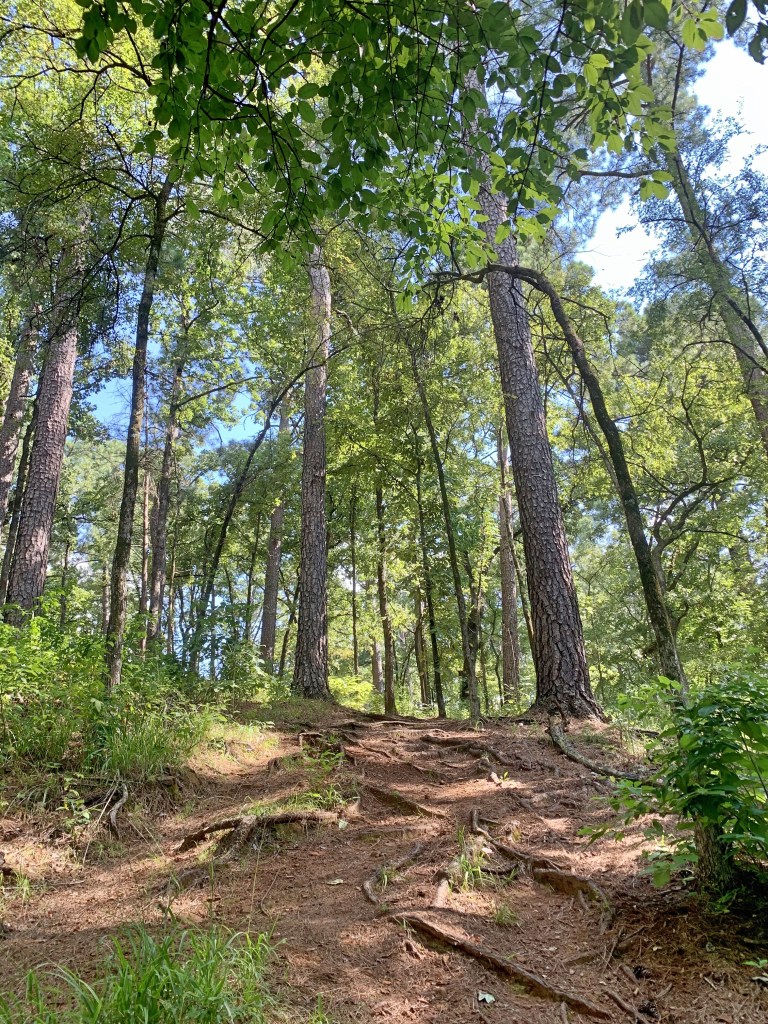
Whispering Pines Nature Trail at Tyler State Park – Photo by the author
I’ve been wondering, lately, what I’ll leave behind. What mark will I make on the world? Not that I’m planning to kick off anytime soon, but recent events have certainly brought that to mind. When you have to gear up for a Target run like you’re preparing for the apocalypse, it brings home the certainty of your own mortality.
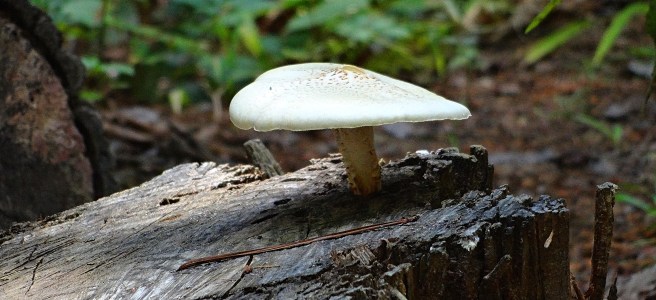
Mushroom Along the Trail – Photo by Andrew Shaw
Andrew and I have determined the safest space for us is outdoors. We might encounter a snake, have to brush off a tick, or bring home a rash from poison ivy, but there’s little risk of inhaling a deadly virus, as long as we keep our distance from our fellow hikers. There’s plenty of room for all outside.
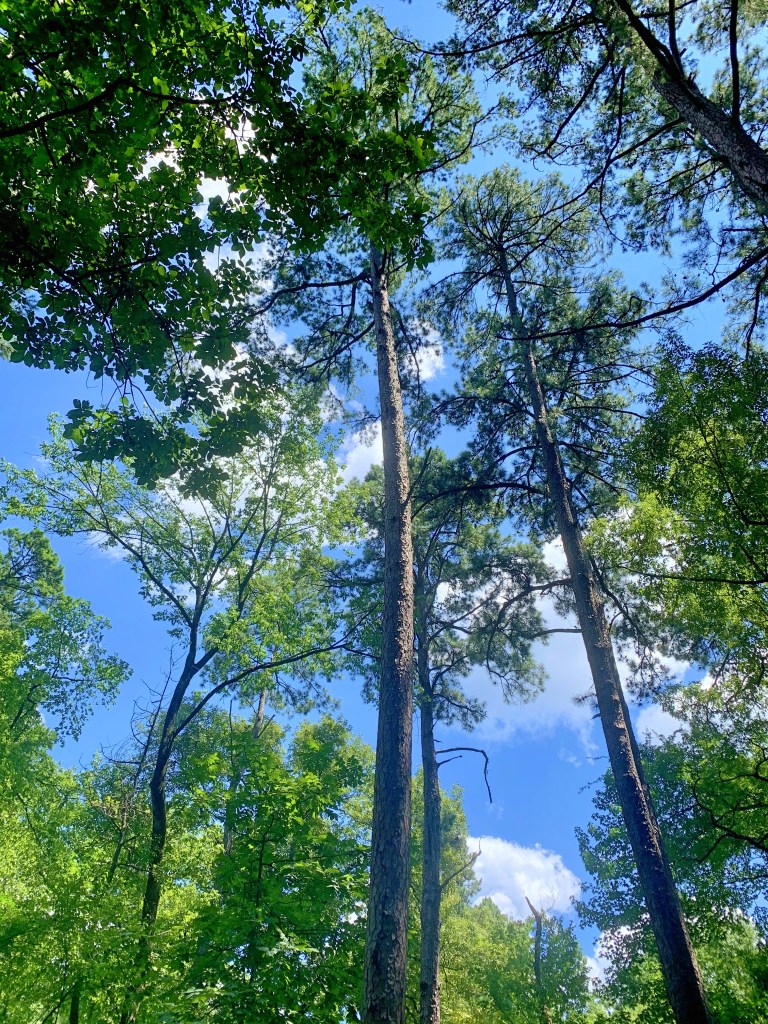
Loblolly Pines at Tyler State Park – Photo by the author
We traveled down Interstate 20, to Tyler State Park. As we grew closer to our destination, the earth beside the highway changed from the blackland prairie soil to the red clay dirt of East Texas.
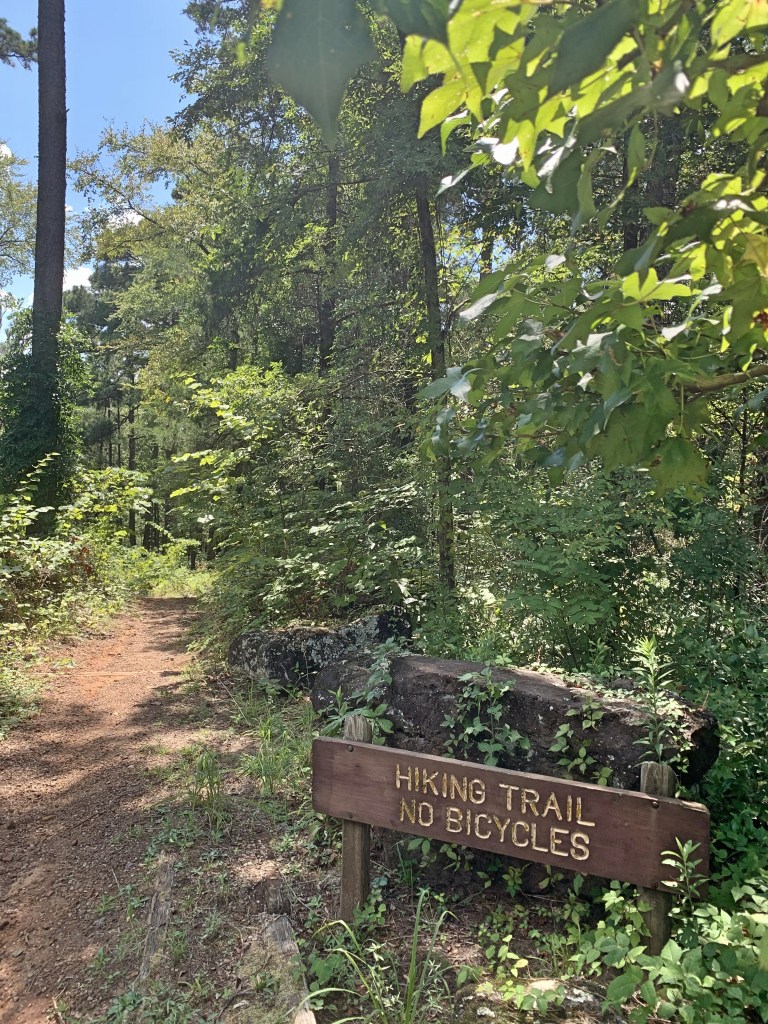
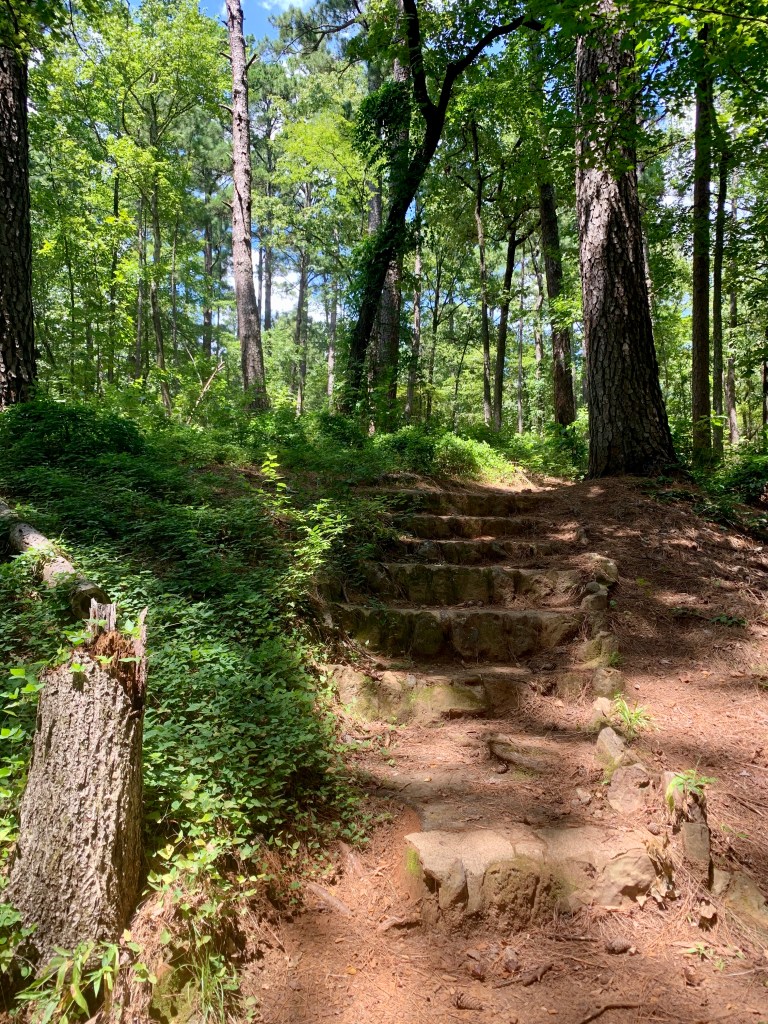
Hiking Trail at Tyler State Park – Photo by the author
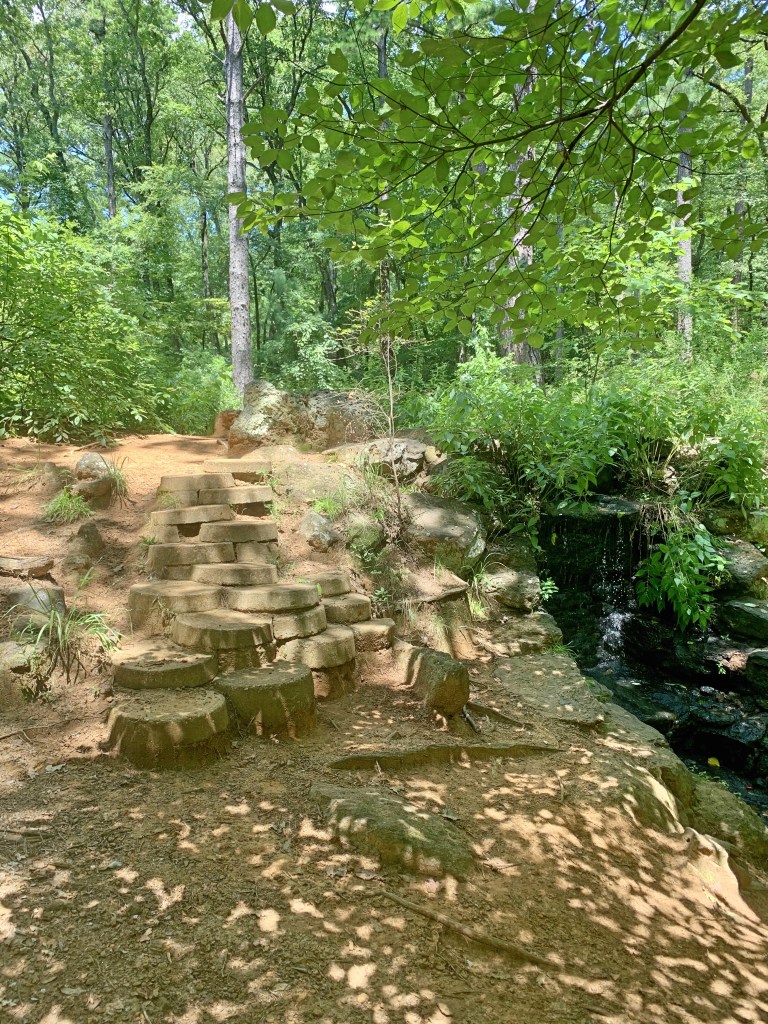
Like many of our beautiful national and state parks, Tyler State Park was constructed by the Civilian Conservation Corps (CCC) during the Great Depression. Andrew and I hiked along a trail and climbed steps laid into the ground over eighty years ago.
Steps and Waterfall Built by the Civilian Conservation Corps in 1938 – Photo by the author
Outdoor etiquette instructs us to be careful, to leave no trace when we hike. Our footprints on the trail, stamped into the dust, will be swept aside by the next traveler. We take nothing but peace from the space. As we trekked along, under a canopy of green, I thought what a wonderful trace the young men of the CCC had left behind.
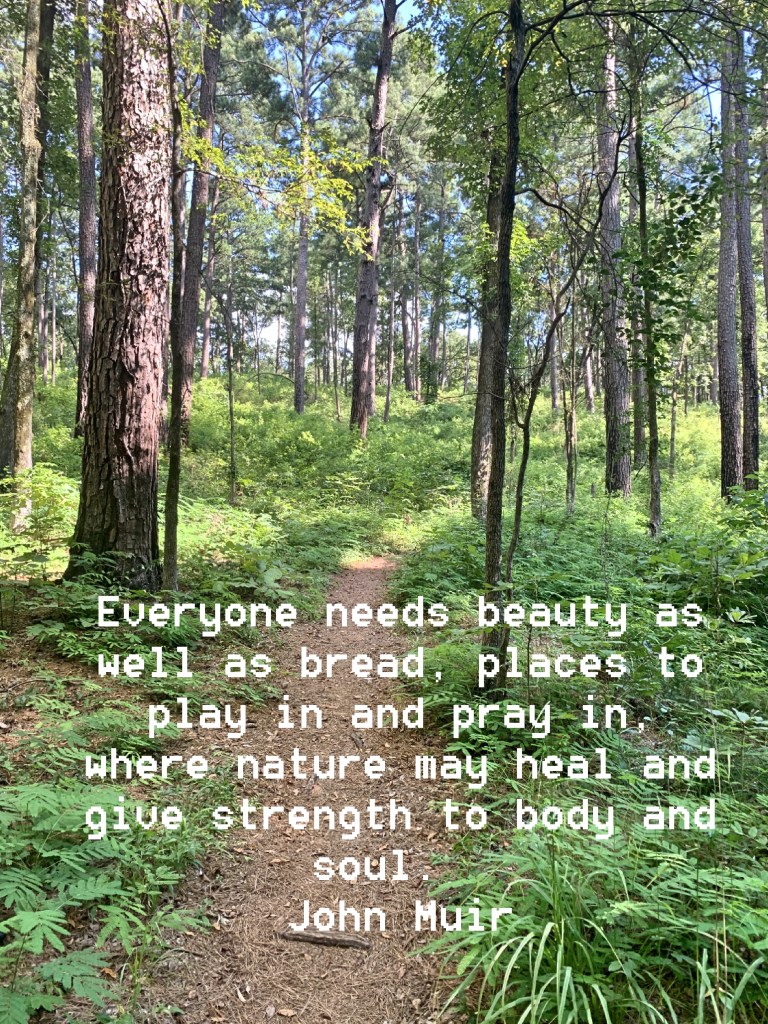
Whispering Pines Nature Trail at Tyler State Park – Photo by the author
How fortunate our land had Franklin Delano Roosevelt as president during that trying time. When FDR established the Civilian Conservation Corps, he created hope and opportunity, not just for the men who would lend their labor to creating a legacy that would live on past their lifetimes, but for all who would visit the parks in decades to come. The challenge then, for each of us, will be to examine our steps and determine what trace our actions will leave for future generations.
Tyler State Park, Tyler, Texas – Photo by the author
I hadn’t planned on sharing the 650 square feet of space I called home. Andrew and I had reached the point in our dating life where he kept a spare toothbrush at my place and I had cleared out a shelf in my closet for him. I could barely fit all my shoes in the closet, so this was a sacrifice on my part.
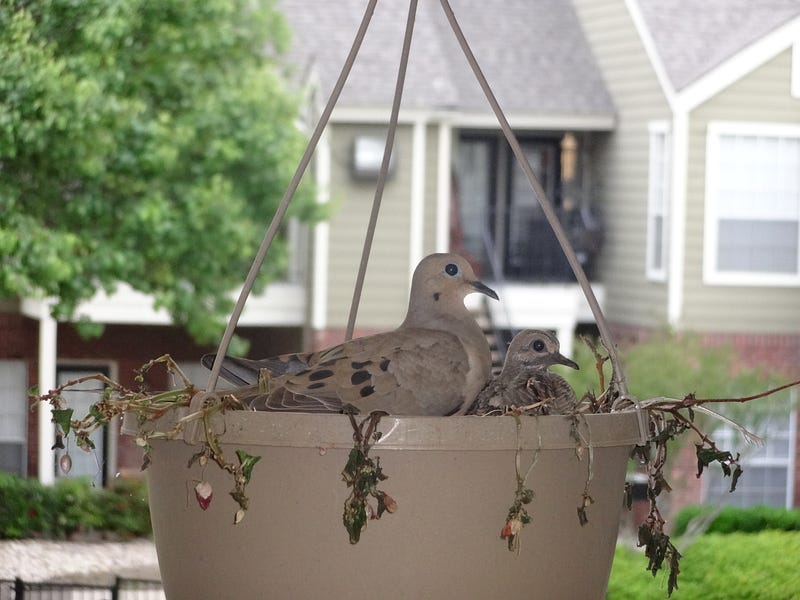
Dovey didn’t move into the apartment. She and her mate Lovey took over the hanging basket on the balcony. When they first showed up, they strutted around cooing at the potted plants. They reminded me of an old married couple scouting out real estate, sashaying around wing to wing, nodding their little bird heads and inspecting the soffit for dry rot.
“They’re looking for a spot to nest,” Andrew warned me as I commented on how sweet they were.
“If they’re moving in, I guess I should name them,” I replied.
When I first settled in my apartment, I decided against owning a dog or a cat. The complex required one fourth of my salary for a pet deposit. And the additional pet fee with each rent payment would mean I might have to give up bathing, since I wouldn’t be able to afford the water bill while paying for a pet. I didn’t plan on adding any animals to my household, but a pair of mourning doves decided my place fit them just fine.
I discovered my home had passed the mourning dove inspection and Dovey had moved in when I went to water my petunias the next day. Even standing on tiptoe I couldn’t see past the flowers blooming in the pot, but with the first stream of cold water she burst forth, scattering blooms and whistling bird curses.
She perched on the gutter above my landing to shake off the water droplets, then roosted there to fix me with the stink eye. I took this opportunity to peek in the basket. A single white egg lay cushioned in a mashed down mat of limp petunias. Two twigs tossed to the side of the egg and some dried grass blades stuck on the edge of the basket made up what passed for a nest.
When I described the nest to Andrew, he told me that doves are bad builders. Dove are the trailer trash of the feathered world, living in what amounts to a tornado-ravaged mobile home.
“They’ll set up anywhere, and patch together the bare minimum for a nest. Most of the eggs drop right out.”
I was horrified, and glad Dovey had chosen the hanging basket for a nursery. After I apologized to the petunias for sacrificing them, I stopped watering the flowers.
Mornings I eased open the back door and announced my presence before I stepped out, so as not to startle the little bird.
“Okay, it’s just me. No reason to get scared, I’m coming out now.”
Sometimes a neighbor would pass by walking their dog, and give me a curious look as I stood there, poking my head out the door and warning the plants of my approach. I must have made an even odder sight a few days later, standing on a chair on the back porch and talking baby talk to the dead, wilted flowers in the hanging basket.
“Oh, what’s you got there? Is you got a baby?”
I would lean forward, toward the basket but not too close to the edge of the railing, since I am not known for my sense of balance.
Dovey puffed up and glared at me while trying to stuff the hatched chick back under her wing. I could understand why she tried to hide him. Every parent is proud of their child, but Baby looked like he was missing feathers from his scrawny neck. I did what most people do when confronted by someone else’s homely offspring — I lied and told Dovey what a cute chick she had hatched.
The first hatchling grew up and left the nest while I was out of town on a business trip. My neighbor Lisa kept me informed by text message. “B is out of the nest?! OMG! Cute!”
I was sad to have missed this baby’s first steps until Andrew reminded me most likely Dovey would be back. She returned, even though by this time the basket was bare dirt, with brown, withered stalks dropping off the sides. Dovey felt this was adequate, without adding twigs or grass to the nest inside.
Photo by Andrew Shaw
This time there were two eggs, and I got to watch them from hatching to when they left the nest and spent three days stumbling around on my balcony like drunken sorority sisters. I read on the internet that dove fledglings “stay around hedges and bird feeders, begging for food from adults.” Sort of like human teenagers, I thought, hanging out in front of an open refrigerator and asking “What’s there to eat in here?”
After the second set of chicks moved on, I took down the hanging basket. I thought I had had enough of running a rookery, but Dovey had other plans. She and Lovey returned and placed a few dried blades of grass on top of an empty ceramic planter balanced at the top of a rickety wooden shelf on the corner of my porch and called it their new home.
“You will need to put that basket back up,” Andrew said.
Since I had already thrown away the old pot, there was only one thing to do. I went shopping, and returned with one of those coconut husk liners and an assortment of bright orange, artificial hibiscus flowers. Andrew and I lined the new basket with trimmings from the coconut fibers, carefully arranged the large fake flowers, and transferred the new nest to the balcony. This arrangement suited the happy couple, and soon after Dovey was raising another pair of chicks in the tropical atmosphere of the new pot.
Dovey left now and then, but she always came back to my balcony. She appeared to be satisfied sharing my porch. I was content too, living in a place where the fake flowers bloomed and I had room for most of my shoes, even if I had to share my closet space. At the end of summer Dovey took off for vacation. While she was gone, I planted a tiny American flag in the basket and added a small wooden plaque to welcome her return — one that read, “Home Sweet Home.”
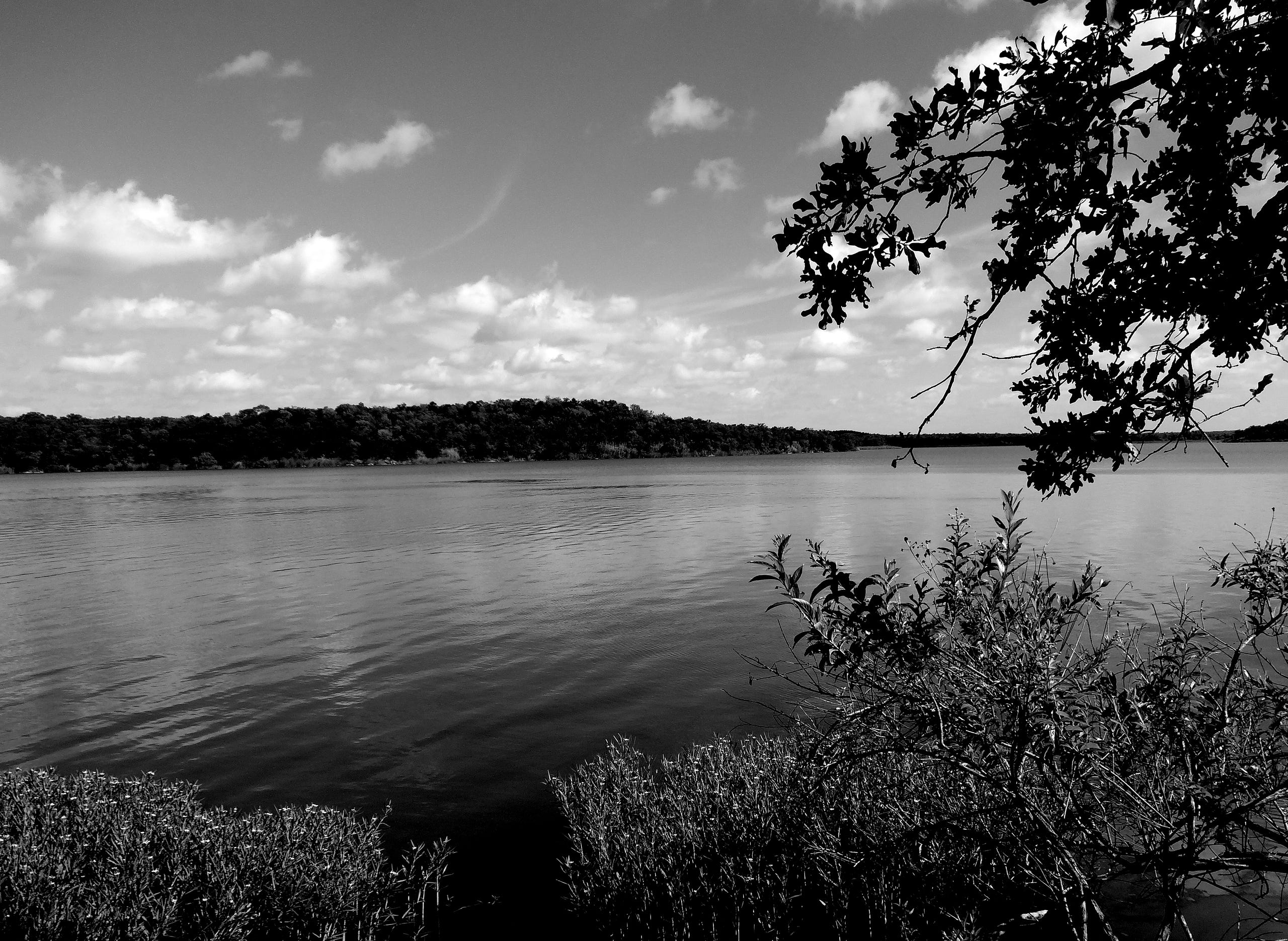
I was excited when Sherry Kappel announced this challenge. I love black and white photographs, the texture of the subject comes through so well. It was perfect timing too, we traveled to Lake Mineral Wells State Park and Trailway in Mineral Wells, Texas last weekend for a night of camping and I still had these pictures on my camera. The challenge gave me the incentive I needed to get them on my computer and edit them.
Hiking trail at Lake Mineral Wells State Park
Our first night at the state park we hiked along a trail in the dark. The photo above was taken during the following day, but the black and white print gives you an idea of what the trail might look like at night when colors are less visible. We had flashlights, and since the trail ended in a loop there was little chance of getting lost. Still, it had a bit too much “Blair Witch” feel for me, and we ended the hike early.
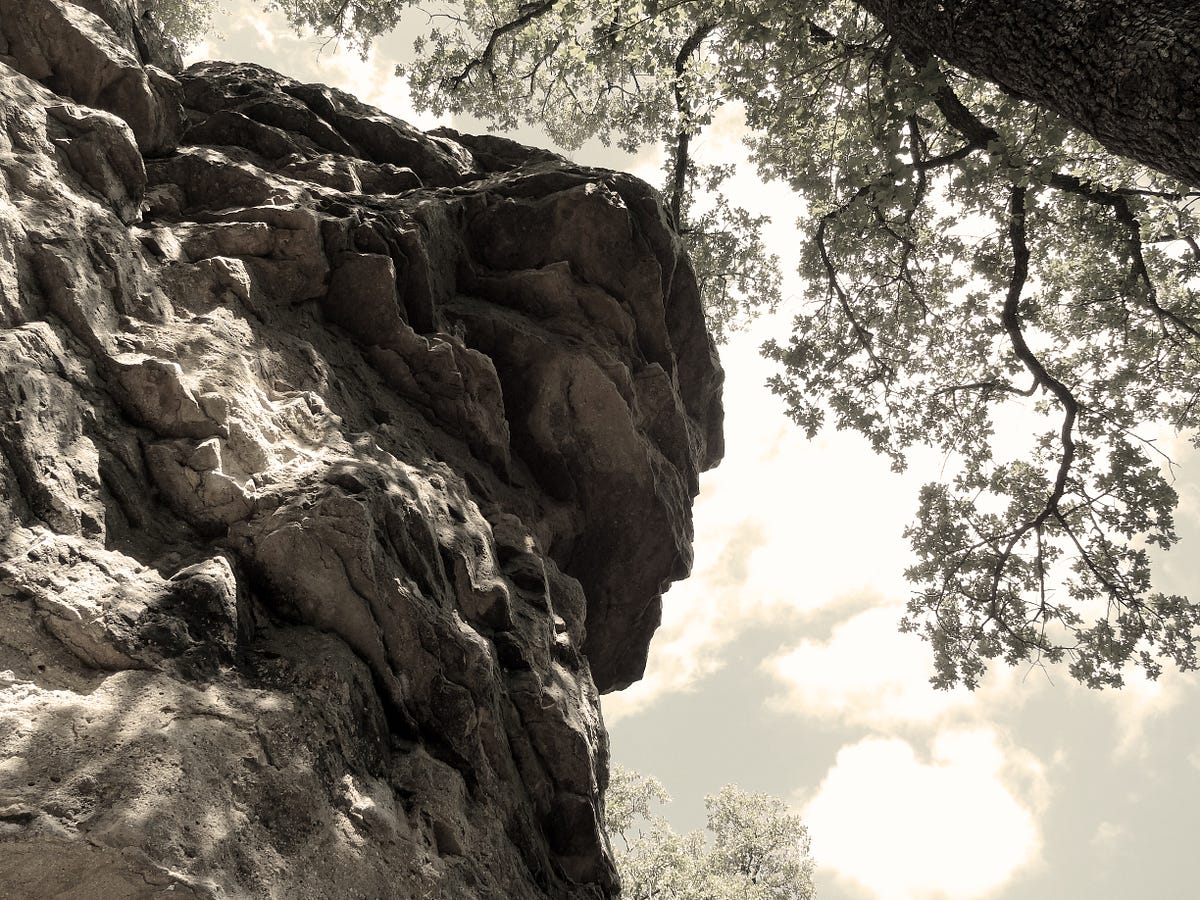
Rock Face at Penitentiary Hollow in Mineral Wells
Penitentiary Hollow at the state park is the rock climbing area. I didn’t try it, preferring to stumble along the ground instead.
A little cove, perfect for launching a canoe or kayak
The lake is perfect for fishing, canoeing, or kayaking. There’s no skiing, tubing, or jet skis allowed so the place is calm and quiet.
Thanks again for this challenge, it’s always a pleasure to share and see what everyone posts!
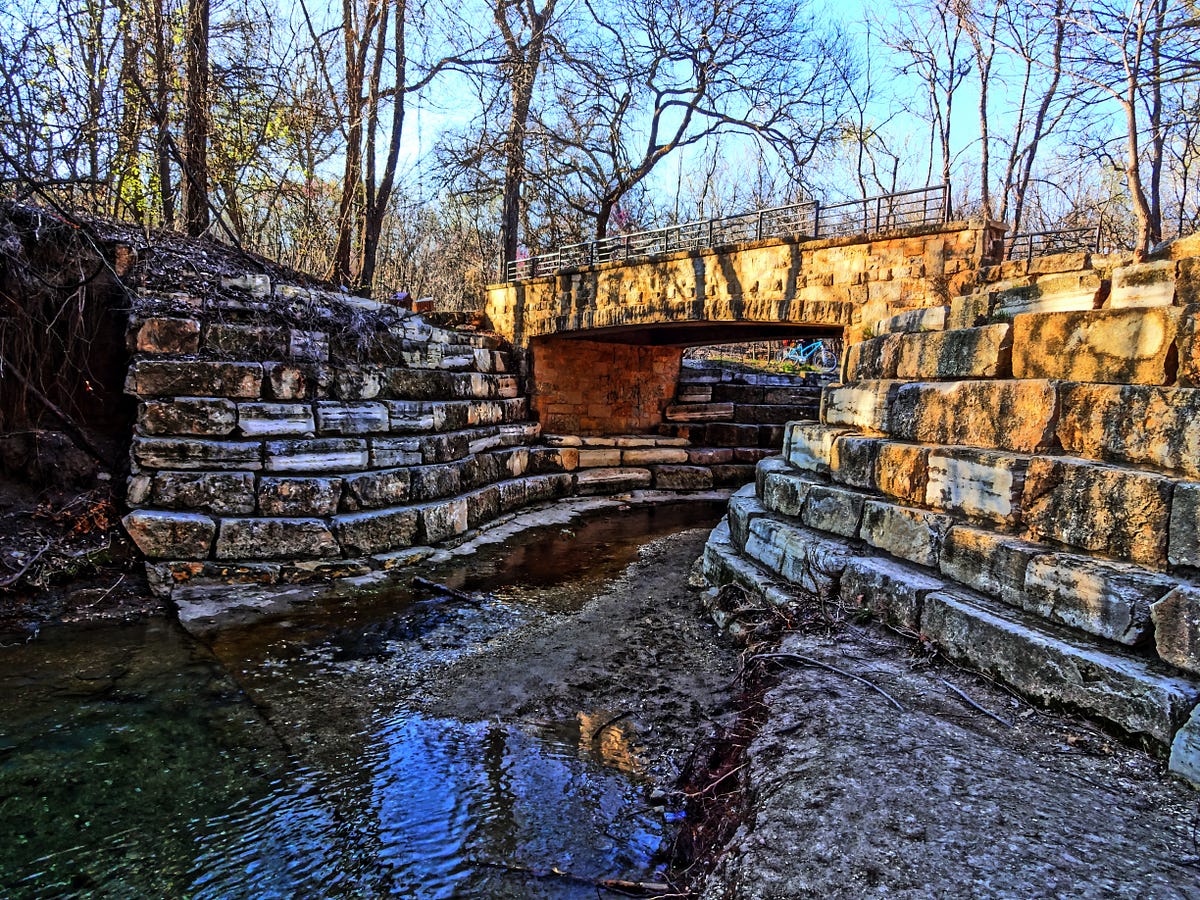
The Bridge at Arbor Hills Nature Preserve Photo by Terrye Turpin
The Artist Challenge
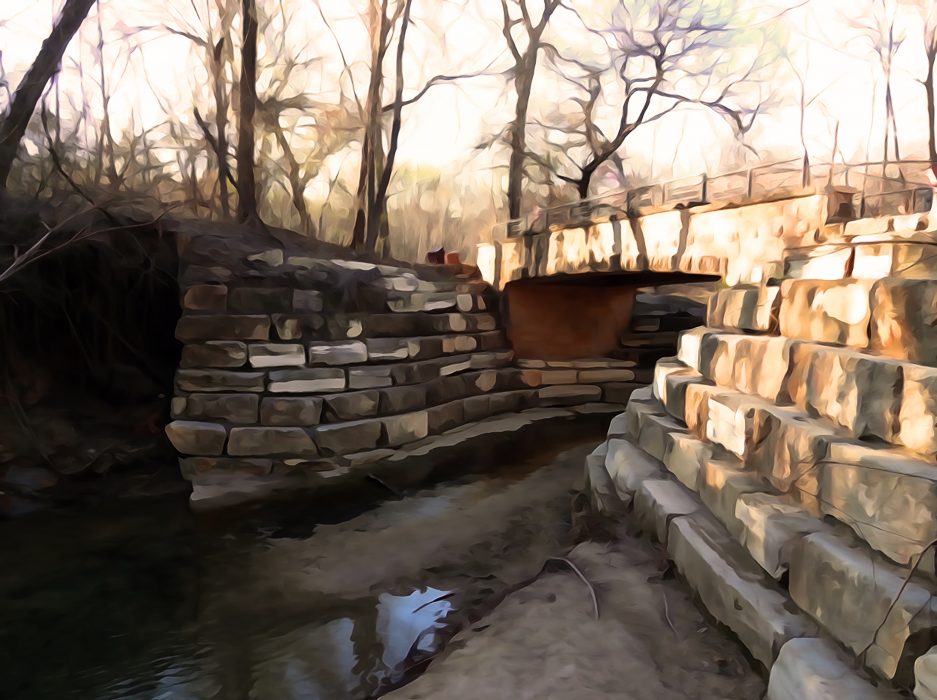
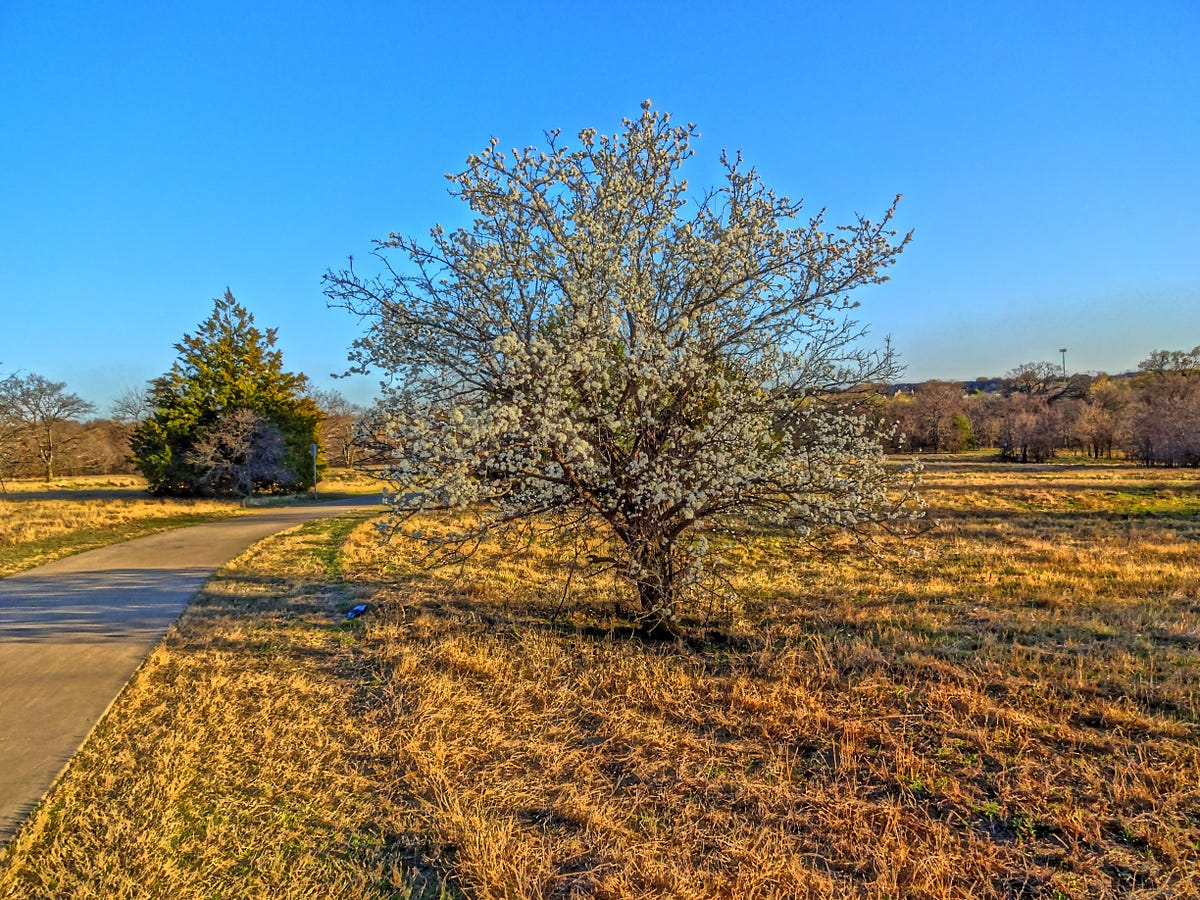
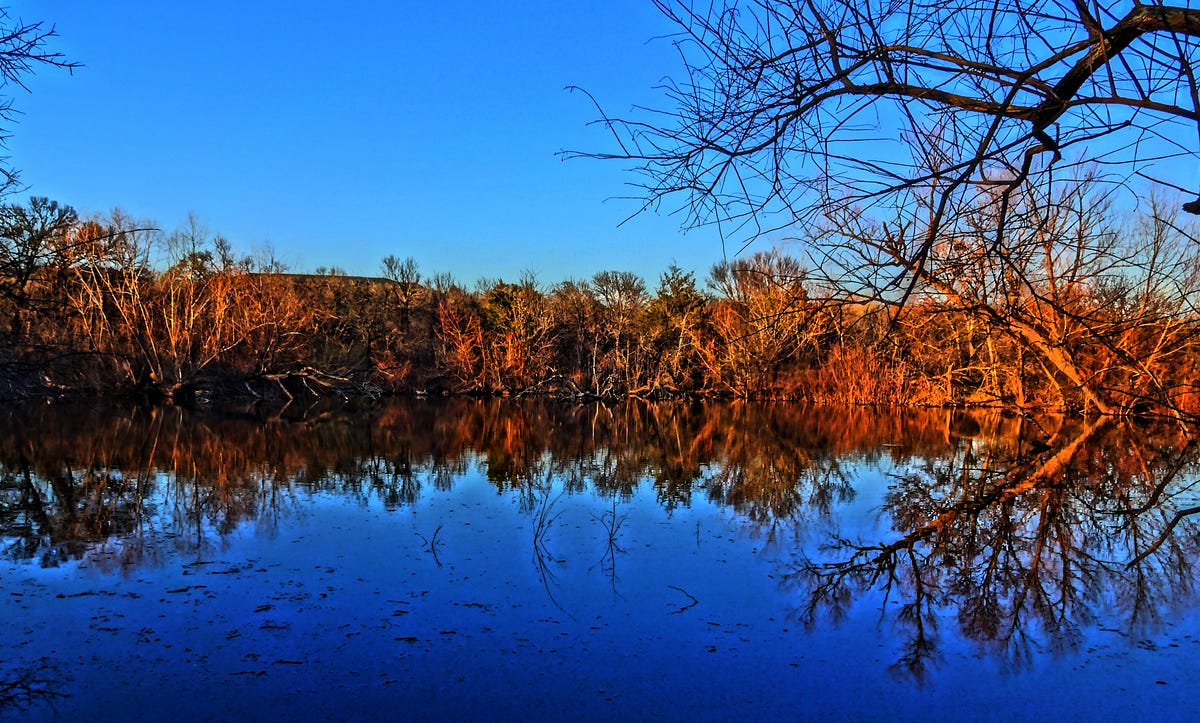
The first three photographs, the bridge, the concrete trail, and the pond, were taken with my little point and shoot Sony Cyber-shot using the “Painting” filter on the camera.
The Concrete Trail Arbor Hills Nature Preserve Photo by Terrye Turpin
The Pond Arbor Hills Nature Preserve Photo by Terrye Turpin
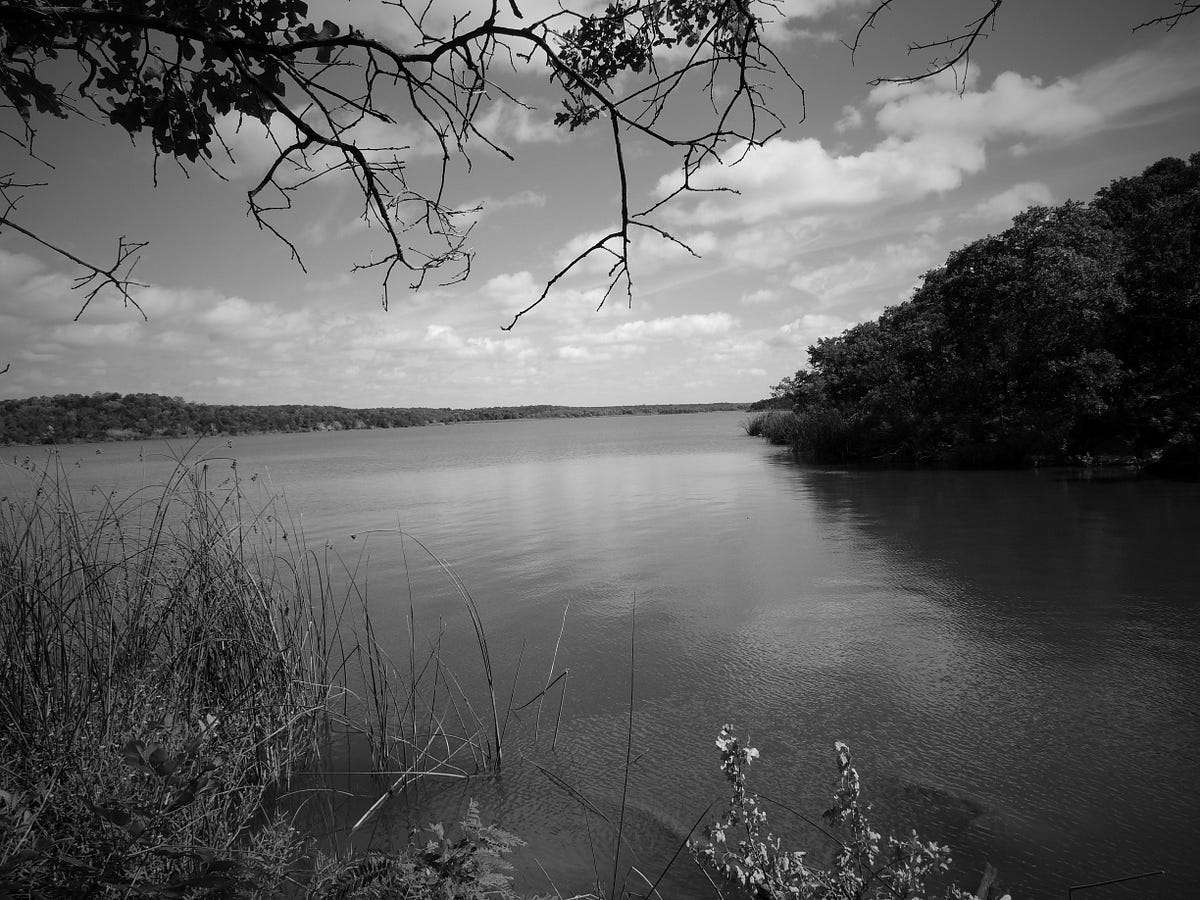
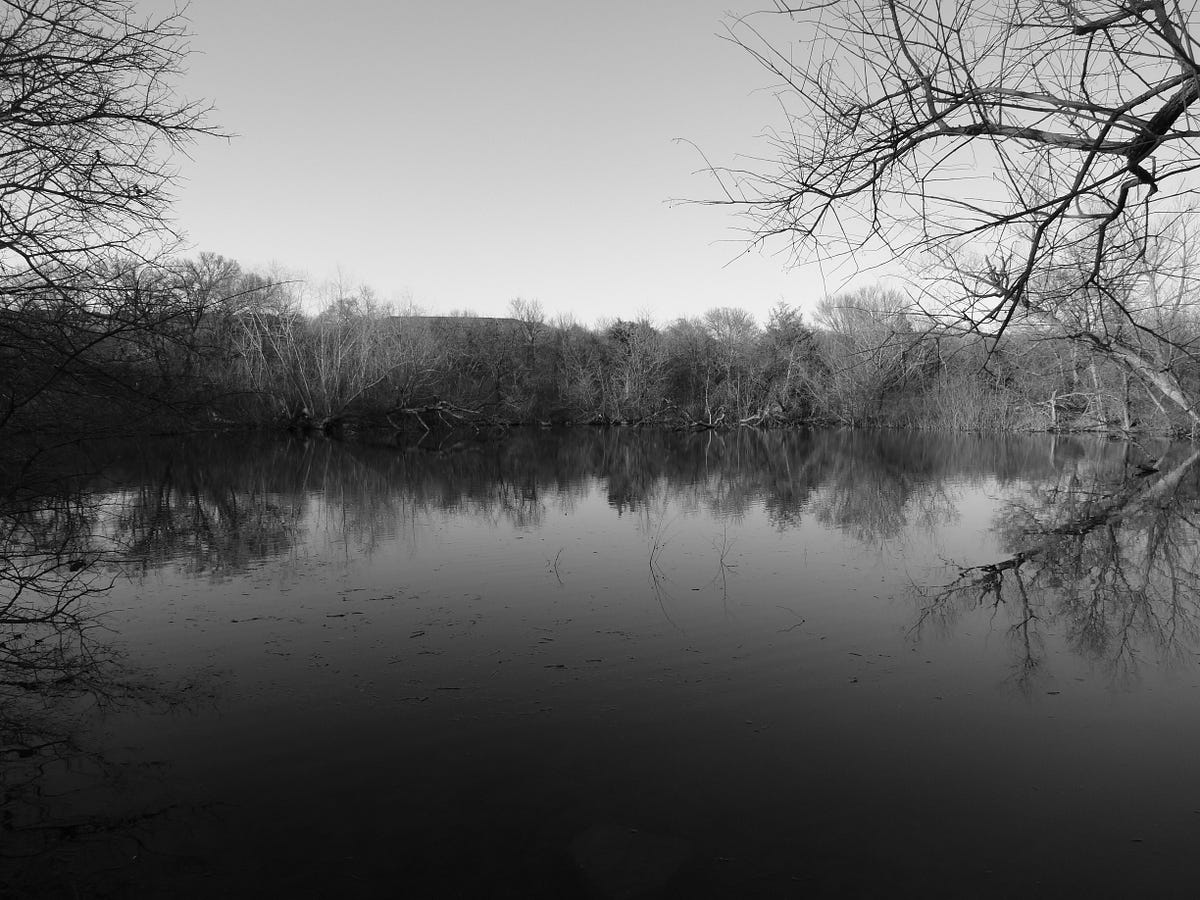
The photo below is a slightly different view of the pond at Arbor Hills Nature Preserve, without the “Painting” filter and edited to black and white.
Photo by Terrye Turpin
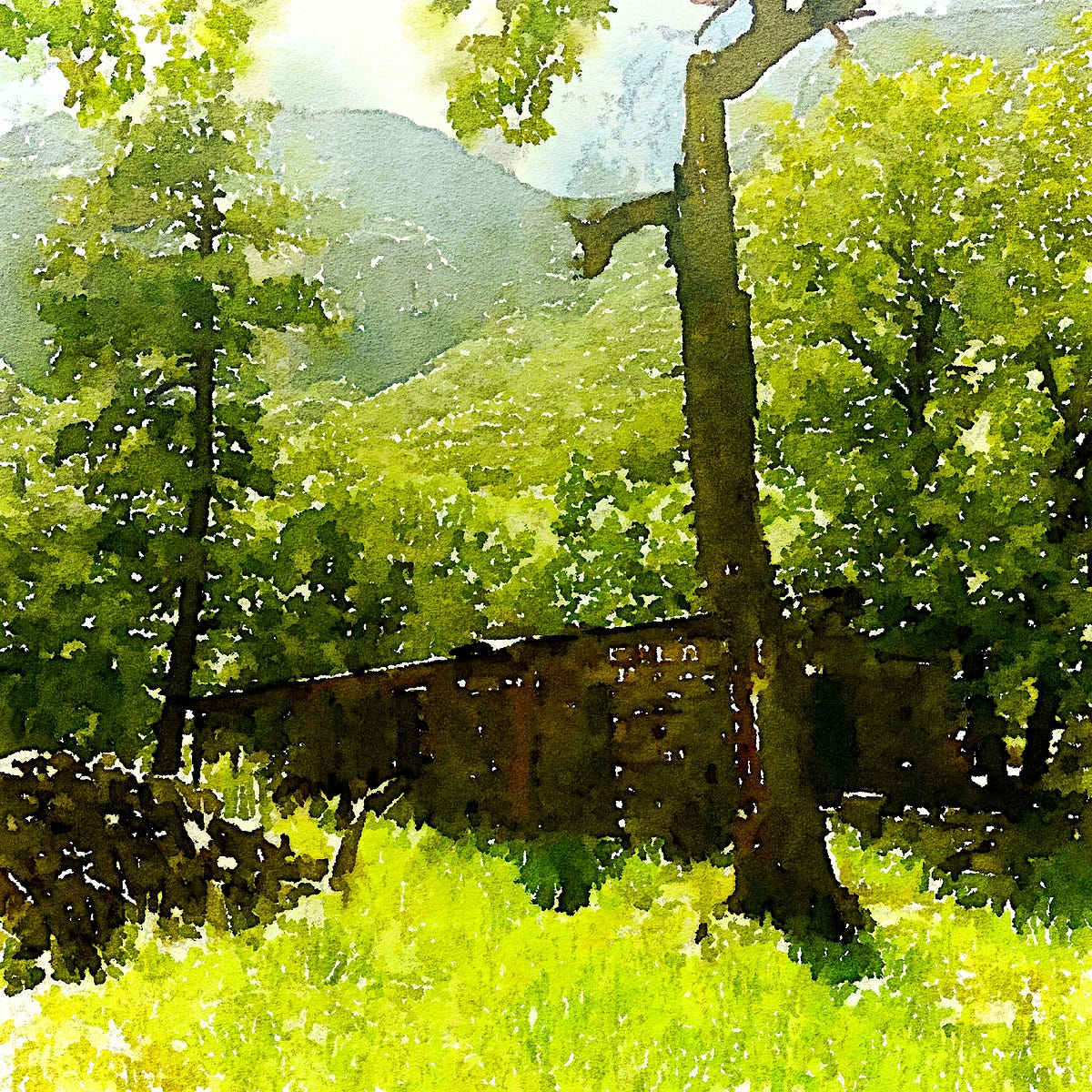
The photo below was taken at Guadalupe Mountains National Park with my iPhone 6 plus, and edited with the Waterlogue app on my phone.
Photo by Terrye Turpin
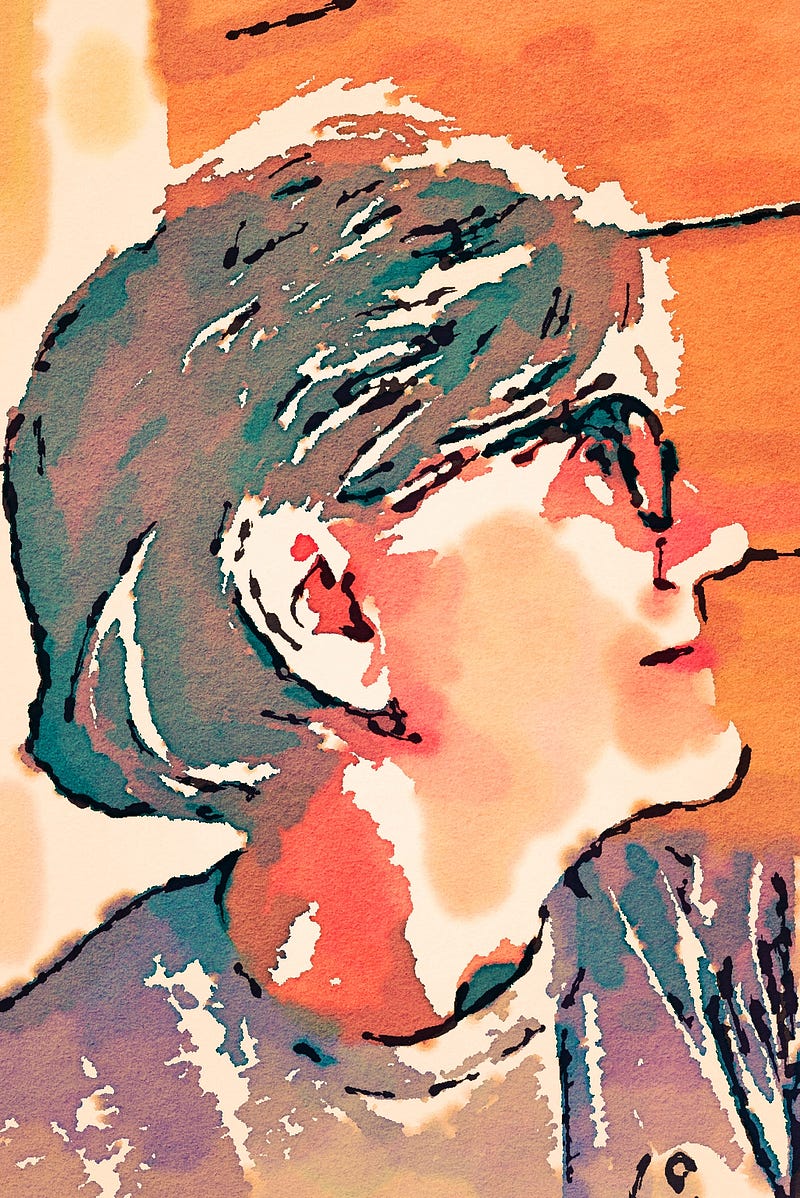
Finally, a self portrait, taken with my iPhone 6 plus, and edited with the Waterlogue app.








 Let's Get Out of Here