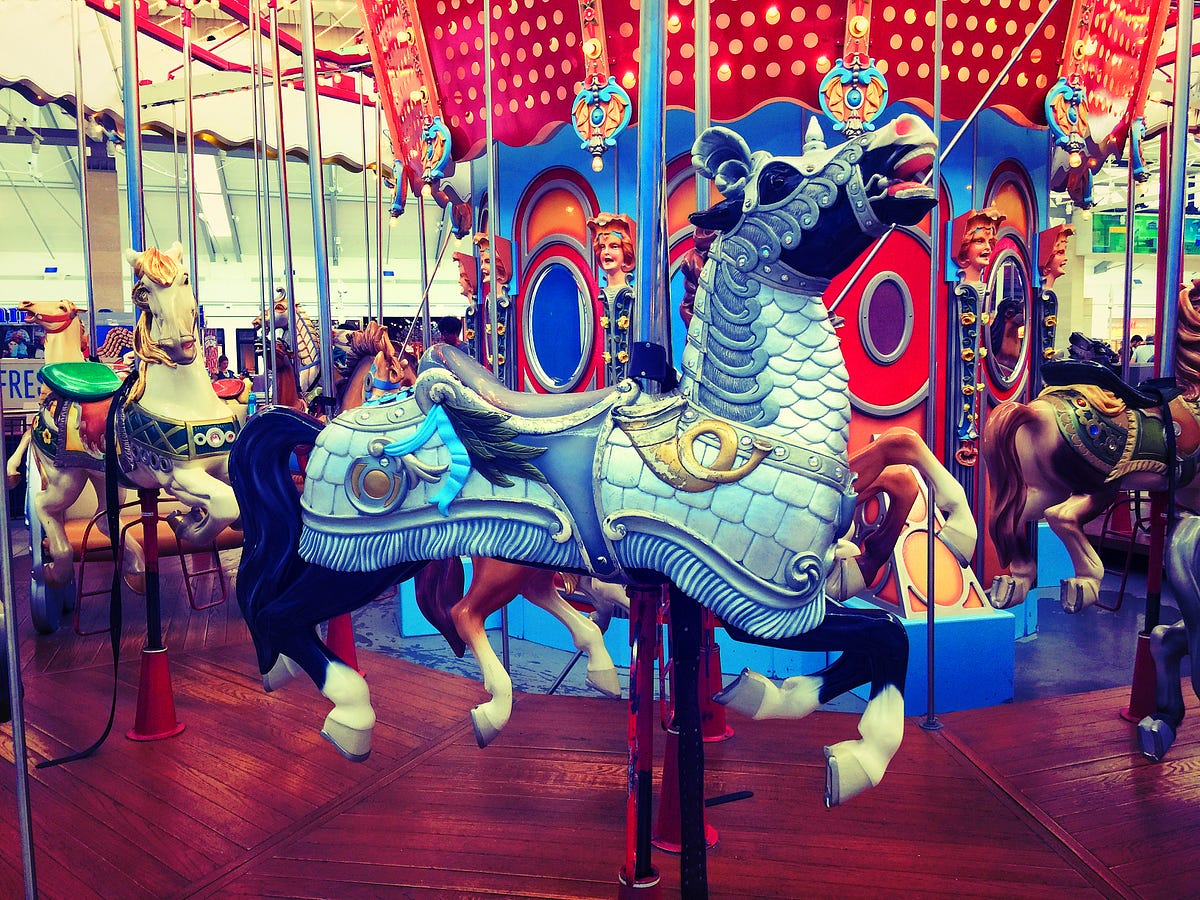
The Chicken Dance

Photo by Terrye Turpin

I’d been sick with a cold, and in case I didn’t recover in time for the weekend, Andrew and I cancelled the camping trip we had planned. Back then we were still in the early stages of dating when broken plans required a spectacular replacement. He asked me what I wanted to do instead of spending the night shivering in the woods, and I offered up a polka band.

“Brave Combo!” I said, as I hooked my thumbs in my armpits and flapped my arms up and down.

“What is that?” he asked. “Do you still have a fever?”

“Chicken dance!” I said. “Don’t tell me you’ve never done the chicken dance?”

“I’m afraid I’m not much of a dancer,” he answered.

I explained that the famous polka band Brave Combo would be performing in a nearby town, Grand Prairie, during the street festival that weekend. When I added “You can sit out the dancing if you want,” Andrew agreed the festival would be a fine alternative.

We arrived at the main street and located the stage where the band would perform later that evening. Drawn by the drowsily rotating Ferris Wheel and the sugar scent of cotton candy we ambled over to the carnival games. We stopped at one game that offered the chance to win a goldfish or a hermit crab. Dozens of glass bowls and cups sparkled on a plywood tabletop while the game operator, a grandmotherly looking woman wearing a canvas apron, bounced a white ping pong ball on the railing surrounding the playing area. Occasionally she flipped the ball over the table where it bounced through the bowls until, with a last jitter, it came to rest like a round egg in a crystal nest.

“Hermit crabs!” Andrew leaned over the tank on display at the front of the game booth where dozens of the crustaceans, housed in neon bright painted shells, crawled over each other. Several of them seemed to be waving at us, their tiny claws raised in a happy salute, so I put down five dollars for a basket of ping pong balls and we went to work. Five dollars later we had landed one ball in a glass bowl, earning us a coupon we could redeem for a plastic baggie of water with a live goldfish.

“If you want to keep trying, you can trade four goldfish for a hermit crab,” the helpful operator of this game suggested.

“Should we try for a hermit crab?” Andrew asked.

“I should probably tell you about my history with hermit crabs,” I replied.
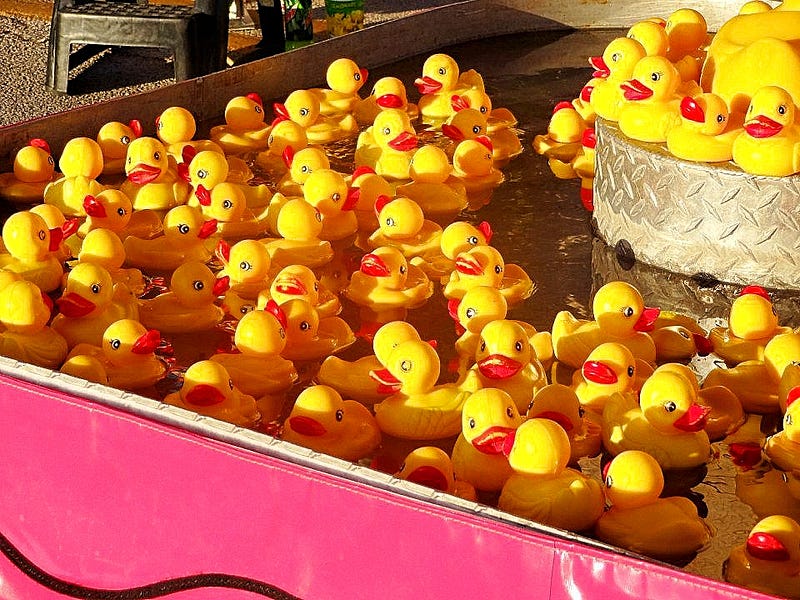
Photo by Andrew Shaw

When I was twelve years old, my family spent a long summer weekend in Corpus Christi. The three of us, my mom, my dad, and me — spent those lazy days strolling the beach, picking up shells and storing them in a five-gallon bucket, the sort you could pick up at the hardware store and might have once held paint. At the end of the weekend we snapped on the lid and the five-gallon bucket rode home to Dallas in the trunk of the car where it stayed throughout the four hundred and fifty-mile, seven hour drive in hot summer heat. At home at the end of our journey my dad opened the trunk, and we discovered the shells were inhabited by hermit crabs. Once alive, they were now well steamed.

We had to air out the trunk of that car for weeks, and it took me ten years to be able to look at a plate of seafood. I still feel a twinge of guilt whenever I walk past the lobster tank at Central Market.

When I finished the story, Andrew sighed, and we gave our goldfish coupon to an excited child and her not so enthusiastic mother. As we walked away, I hummed my own version of the chicken dance song–“I don’t wanna be a chicken, I don’t wanna be a duck. Please don’t lock me in the trunk, nana nana nana na.”

We shared a snack of popcorn and made our way toward a booth with rows of multi-colored balloons arranged as a backdrop behind a low wooden counter.

“Darts!” I stepped up, eager to play. I love a game where there might be a risk of physical injury in exchange for the chance to win something.

“A guaranteed prize every time!” The man behind the counter shouted as we arrived. One of his eyes tilted downward, and I wondered if this could be a dart related injury. But he held out to us soft vinyl balls, not sharp pointy darts.

“No darts?” I asked.

“No,” the man replied, “But we got this nail behind the balloon, so all’s you got to do is hit it.”

He stepped over and slapped the nearest balloon, which obligingly popped and revealed the sharp, rusty nail behind it. Rusty nails made a fine trade-off for darts, so I nudged Andrew and he offered up a five-dollar bill to the operator.

“Oh! You don’t pay until you win.” The man shook his head and stepped back as though Andrew were handing him a snake. Two throws later we had popped one balloon and scored a toy stuffed goldfish the size of my palm. I shrugged and turned to walk away.

“Wait!” The operator held out another three balls to Andrew. “Keep throwing, and if you don’t hit anything you don’t have to pay.” The man shrugged, his wayward eye winking. “You only pay if you win.”

While I counted on my fingers the cost of the balls so far, Andrew tossed and hit two more balloons. The carnival operator held up his hand. He looked around as though about to impart a government secret.

“Okay, you hit one more balloon and you win the medium sized prize.”

I clapped until the man continued, “And you’ll owe me twenty dollars.”

I tried to decide whether to take my stuffed goldfish and run, and while I hesitated Andrew threw the last ball, popped a balloon, and earned himself the prize of handing over a $20 bill for a stuffed toy made by third world child labor.

Andrew, a good sport, just looked slightly pained while he paid the man and I picked out my prize. The giant fluorescent yellow bananas required a forty-dollar commitment. I wavered between the glittery cobra with jiggly eyes, and the stuffed toy lemurs with bright, fuzzy tails.

“I’ll take the white lemur with the orange striped tail,” I said.

Over the calliope of carnival music, I could hear the strums and toots that signaled the band warming up, so I suggested we go by the car and put the lemur up for safe keeping. His little stuffed paws seemed to grasp my hand in trust and the black stitching making up his mouth smiled up at me like Mona Lisa. I patted his soft fluffy tail and settled him onto the back seat of the car. The glimmer of carnival lights reflected in his big orange plastic eyes as they twinkled back at me.

“I really like this lemur,” I told Andrew.

“I should hope so,” he replied.

“You think he’ll be okay here in the car?”

“Oh, I don’t know, I’d hate for someone to see him and break a window to get in. Better put him down on the floorboard.”

“But not in the trunk,” I replied.

“Oh no, never in the trunk.”

I moved the overpriced but not undervalued lemur to the floorboard. Andrew and I held hands as we joined the revelry near the stage. The saxophone called, and the trumpets joined in while Andrew took a seat at the picnic tables set up around one edge of the parking lot. I smiled and waved as I joined a ring of strangers and danced the chicken dance under the lights from the Ferris wheel.

©2019 Terrye Turpin
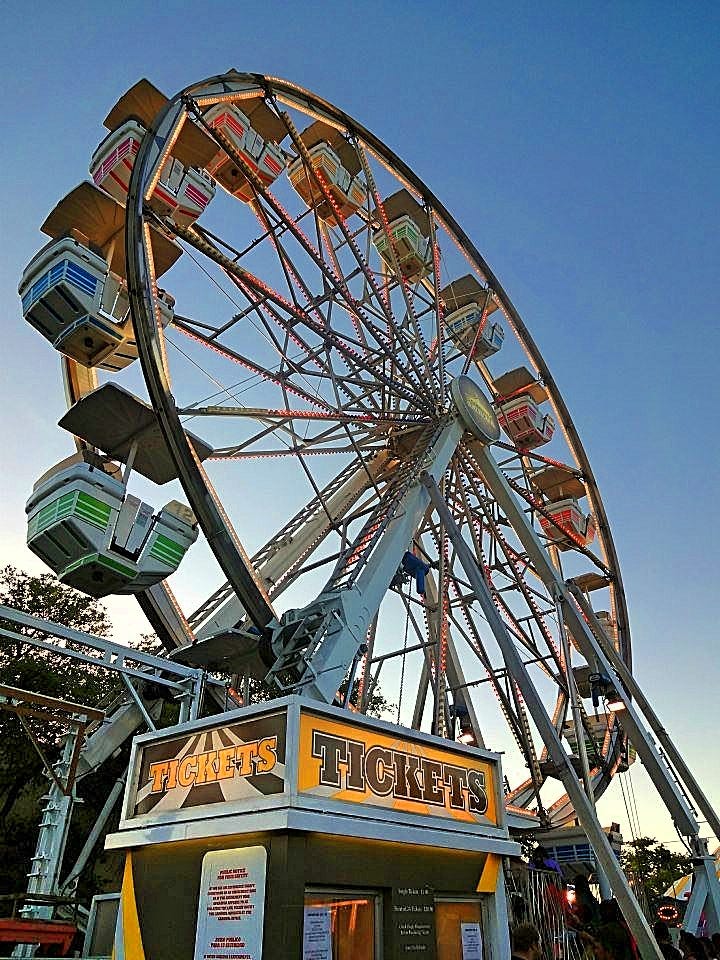
Photo by Terrye Turpin

The Things I Kept

Photo by Don Agnello on Unsplash

I packed up my apartment in one afternoon, amazed at the amount and the variety of useless stuff I collected in fourteen months. Some of it I had when I moved in, but not the one hundred plus ketchup packets or the fifty little plastic sleeves of soy sauce. I certainly didn’t remember owning hundreds of clothes hangers. It’s funny the items you consider worthwhile when you are choosing which to leave and which to take. Two of my possessions I consider valuable enough to be the first on the “keep” list — a small statuette of a sad dog in a Boy Scout uniform, and my 1958 Barbie doll.

Photo by Terrye Turpin

The ceramic dog was a present from my father. By the time I came along he no longer led a scout troop, but I liked the little statue and asked him for it. The Barbie doll might be worth some money if her feet weren’t marked with the imprint of my childish teeth. Barbie and the little dog were among the first things I took out of the home I left to my ex-husband.

The more stuff you own the more dusting you need to do. If I could, I would reduce all my possessions down to what would fit into a backpack. I could make do with a travois I guess and drag the lot along behind me. I fled a twenty-five-year marriage with just what fit into my car, plus a futon. A small price to pay for a quick retreat.

Three months after I appeared alone in court to finalize the divorce, my ex-husband’s sister asked if I wanted anything from the house. They were selling it in a last gasp effort to avoid foreclosure. I brought friends, boxes, and a pickup and arrived to find the front door of the house covered in plywood. Law enforcement had kicked in the door, looking for a man my ex had let stay at the house. We loaded up photo albums, dishes, books, odds and ends I thought I might want.

I wound up with a collection of novelty coffee mugs, a flock of ceramic roosters and chickens, battered pots and pans with loose handles, puzzles, games, blankets, paperback books and bookcases–it grew exhausting dragging it all along behind me. I decided to hold a garage sale. I convinced my son, Andy, that he should let me hold the sale at his house by offering to split the proceeds with him.

I’ve lived long enough to have suffered through several garage sales, they seem to come in ten-year cycles, like a plague of locusts. The day of the big event I set up in Andy’s driveway with a cup of coffee and watched the sun rise while our first customer arrived. The woman struggled out of the passenger seat of an older model pickup truck with a bed piled high with used furniture. She ambled toward me and asked “Is your lawnmower for sale?”

I explained that we didn’t own a lawnmower, let alone have one for sale, and she huffed, turned around, and walked swaying back to the truck. The treasure hunters appeared. They rummaged through the mismatched coffee mugs, torn sheets and worn out bath towels, boxes of puzzles with just one piece missing, and clocks that no longer worked. They turned to ask, “You got any gold or silver jewelry?”

I had my wedding ring, but I didn’t sell it. Not then. I kept it stashed in a wooden jewelry box for a year after the divorce. I sold it at a store front with a large black and yellow banner proclaiming “We Buy Gold! Silver! Top Dollar!”

Each item that sold meant one less thing to pack up and move. I felt lighter as the boxes of knick-knacks, throw rugs, and collections of paperback books left with each buyer. I had been carrying the weight of these things for years. By ten o’clock on the second day of the sale I was down to several dozen coffee mugs, some pots and pans, a used television antennae, and a warped dresser with loose knobs and sticky drawers.

Andy joined me on the driveway as we watched people cruise by, checking out the remnants from the safety and air conditioning of their cars. Our last customers were a pair of older Hispanic men who paid two dollars for a dozen coffee mugs. Before they left, they asked if we would like to buy some tamales. The men led us to their car, parked at the curb in front of the house. They popped the trunk and lifted a foil wrapped bundle from a red plastic cooler. The tamales were warm, fragrant with chili and garlic. My son and I closed our enterprise. We packed up the left-over goods to donate to charity and placed the bulkier stuff out by the curb with a sign that read “Free.”

I still have the Barbie doll and the ceramic dog. The other things I own do not all fit in a backpack and I doubt I could get it all into my SUV. The possessions we own and the memories they contain can weight us down and bind us in one place like anchors, keeping us from moving on toward a better destination. And sometimes our things act as ballast, giving our life balance, reminding us of where we came from and holding us steady on our course.

The Rivers

Photo by Terrye Turpin — Llano, Texas

We arrived in San Saba, Texas, the Pecan Capital of the World, in the hot late afternoon, in time to check into our hotel and stash the packs filled with what we thought we’d need for the weekend. My fiancé, Andrew, and I wandered down the small town street while I sipped a cup of coffee from a waxed paper cup. Our reflections cast back in mirrored glass and revealed a late middle-aged couple dressed in comfortable, travel wrinkled clothes. We stretched our legs and popped joints stiff from the three hour drive. We did our best to outwit the Texas sunshine by dodging along the shade cast on the sidewalk from awnings over businesses closed for the holiday weekend. I set down the paperboard cup at last to step through the doorway and into Harry’s Boots.

Photo by Terrye Turpin

The store, established in 1939, seemed to fill half the city block. Shelves and racks lured shoppers with pearl snapped and buttoned western shirts in peacock colors or solemn, solid dyes. Sturdy denim jeans, in every size that man or woman might exist, lay neatly stacked and folded into cubbies along the walls. But the main attractions, and those which filled the space with the heady fragrance of leather and the clean, sharp scent of saddle soap and polish, were the boots.

Boots in sizes dainty through durable, made from every type of hide imaginable. Boots from alligator, ostrich, lizard, goat, buffalo, and rattlesnake. I would not miss this last, but I cringed to pick up a pair labeled “elephant.” We left after browsing through rooms crowned with hats, straw and Stetson, felt and ten gallon, fit for cowboys, cattle barons, and weekend tourists with money to spare.

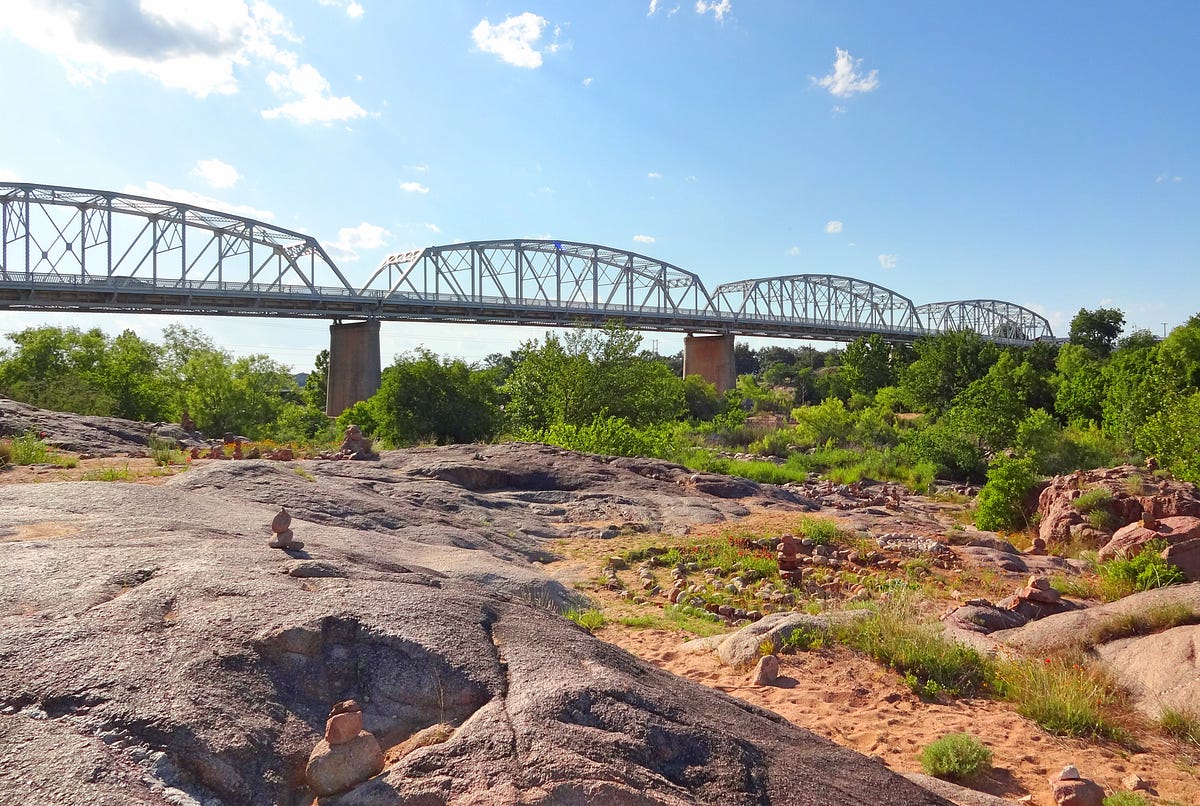
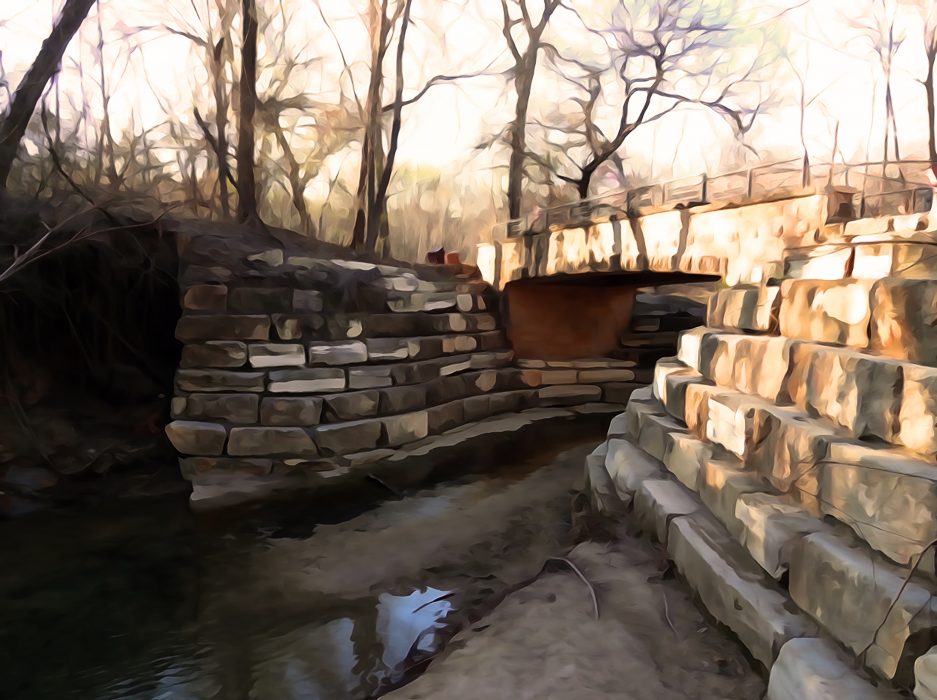
Bridge over the Llano River, photo by Terrye Turpin

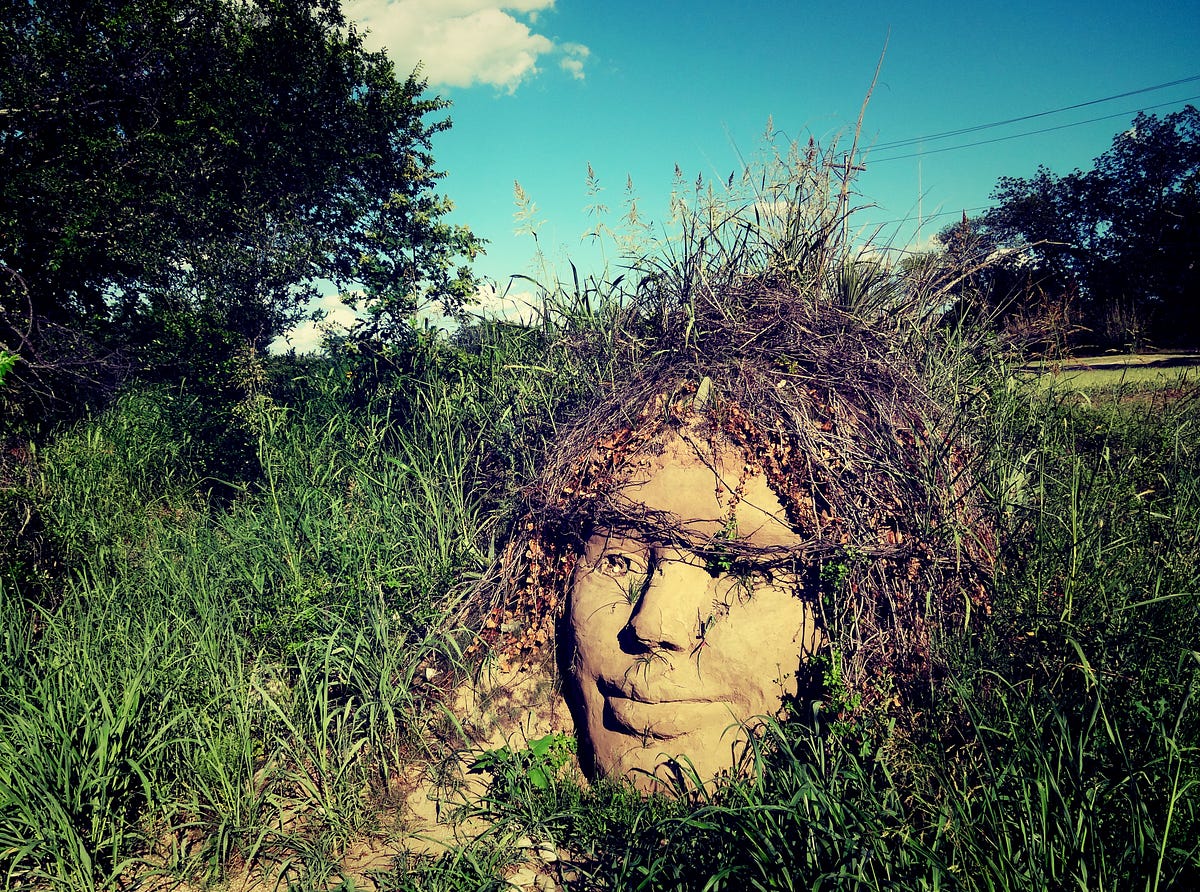
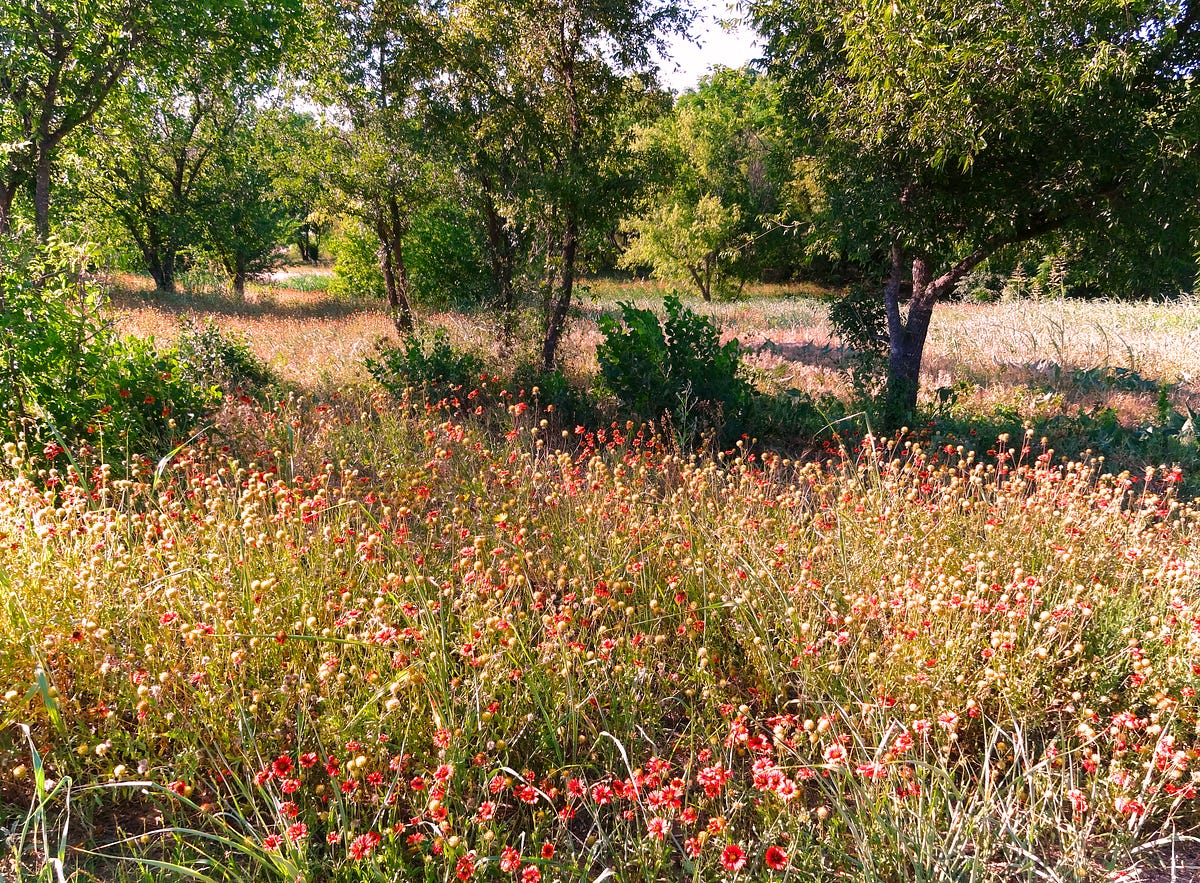
Too early for dinner, we cruised down the road to Llano, leaving the San Saba River behind and seeking the Llano in the city that bore its name. We hiked along the river bank and wondered at sculptures woven into the landscape, they seemed to have sprung up like the wildflowers, unassisted by human hands.

Photo by Terrye Turpin

Photo by Terrye Turpin

Back in San Saba we walked again, this time along a concrete trail through a park along a different river and through stands of pecan trees whose branches weaved overhead like lovers holding hands. Twilight came upon us while we bickered over which path led back to our car. Andrew held out his phone for a flashlight as we traced our steps back, past neon yellow bursts from fireflies waking to search for love. A family of deer lifted their ears and paused in their grazing to mutely ask what we thought we were up to, lingering so long near sundown.

Photo by Terrye Turpin

Photo by Terrye Turpin — Pecan trees in San Saba, Texas

Safely back in our room at the Dofflemyer Hotel, I pushed back the curtains to look down upon a street I imagined traveled by horses instead of Hondas. We turned in early after a snack of pecans roasted in butter and salt and left for us instead of mints on the pillow. I dreamed of Texas, a big land for sure, to hold those whose faith and fitness drew them here. Like the pecan I am native with roots that tap to green river water. If others wonder why I so long linger here, I’ll take a breath to remember the scent of leather boots, the charm of fireflies at dusk, and the graceful bend of prairie grass to wind.

The Changing Room

Photo by Terrye Turpin

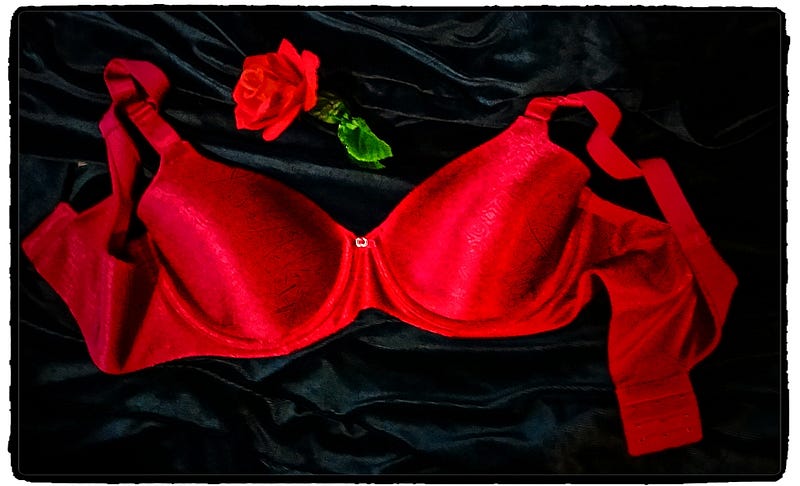
The scar on my breast is a dark reddish brown, fading slowly at the edges. It is curved, like a parenthesis. There is a slight indentation, a flat spot under the blemish that shows when I stand in profile. The scar is hidden, even by my most revealing bathing suit. Most of the time I don’t even think about it, except when I’m undressed.

My usual routine when I can’t fall asleep consists of surfing the internet for cat memes and funny videos. The other night I sat up, bolstered on both sides by the collection of pillows my boyfriend and I have on our bed, and picked up my phone. The dark bedroom was lit by the tiny bluish glow from the screen, and I turned the volume down low so that Andrew wouldn’t hear and come in to remind me I had to get up early for work the next day.

I found a comedy sketch on YouTube that started with a woman entering a gym. Her dark hair piled on top of her head, she carries a gym bag over her arm as she walks up to the smiling young woman in a green polo shirt at the front desk. As she signs in an alarm sounds and the uniformed staffer stands up and congratulates the woman. The visitor has just turned forty, and the attendant leads her back to a special area that she is now entitled to enter. It is a changing room filled with naked women. They sprawl on benches and strut around the space without as much as a towel to hide behind. One of the women appears to be shaving her pubic hair. Another lifts her breasts and towels off underneath them. When the birthday girl protests that she’s not that comfortable with nudity, her clothes magically disappear and she’s left standing there, naked. She does, however, still have the gym bag over her arm. The other women gather around to welcome her to “not giving a shit at the gym.”

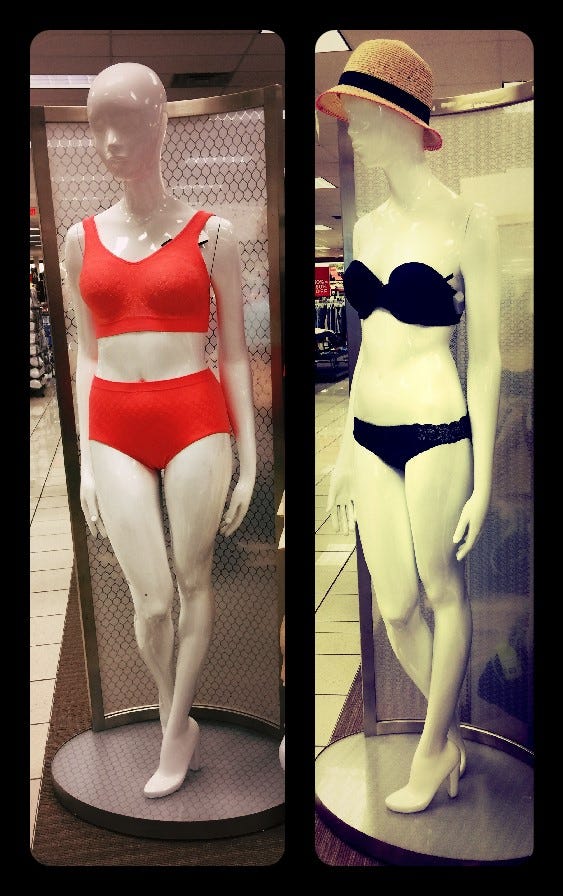
I have never been comfortable in locker rooms. I don’t like undressing in front of anyone unless they’re going to have sex with me or give me a medical exam. A changing room filled with other people has always necessitated contortions worthy of a gymnast or a Chinese acrobat. I can both remove and replace my bra without taking off my t-shirt. If I’m at the lake I can completely undress and put on a one piece bathing suit while wrapped in a beach towel. It’s not the scrutiny of strangers that bothers me, it’s being seen naked by someone I might encounter later at the grocery store.

Last year, I hesitated when one of my coworker friends invited me to come with her to a Korean spa. My friend is in her thirties, two decades younger than I am. She’s blonde, single, and a frequent shopper at Groupon, where she found a great deal on the spa visits.

“Isn’t there a lot of walking around naked at a Korean spa?” I asked her. It’s one thing to picture people without their clothes when you’re nervous about giving a presentation, but it’s another thing entirely to know exactly what they look like without their underwear. After my friend assured me that the mineral baths were the only area where nudity was required, I went with her, but I arrived later and undressed by myself in a different part of the locker room. I put on the baggy pink shirt and shorts assigned to me by the spa, and wore my bathing suit underneath.

When I told my son Robert about my visit, he encouraged me to go back and try out the mineral baths. “The nude part is no big deal, Mom” he said. Robert makes his living as a plumber, a job requiring both physical skill and tolerance for messy situations. My son is very comfortable with his body. One Christmas he arrived at a gathering of friends and family and announced “I have a new piercing!” I often wish I had his confidence, and that he had my tact.

I considered his suggestion, and I went back to the spa by myself. I decided I would take advantage of every area, including the mineral baths in the women’s locker area. I checked in with the twenty-something year old blonde girl at the counter, and paused before answering “No” when she asked if I would be consuming alcohol. She strapped the electronic device that looked like a watch on my wrist. It stored my credit card information, and I would use it to both open my assigned locker, and pay for any food or drink I might want purchase. It didn’t cover much of my body, but it did eliminate the need for pockets.

After I took off my shoes and socks, I stowed them away in the first locker area and then made my way barefoot down the white tiled hallway toward the changing room. I stopped to pick up the uniform I would wear after the bath. The friendly girl at the counter handed me a folded pair of pink shorts and a faded pink t-shirt and said “Have a good visit!” Because I was still fully dressed, except for my feet, I smiled back at her and said thanks.

After checking to make sure no one there was even remotely familiar, I undressed and stowed my belongings in my locker. Had I spotted my favorite barista from Starbucks the whole deal would have been off, but I bravely set off for the shower area. I discovered that walking naked through a crowded changing room required a degree of relaxed composure I didn’t possess. I couldn’t walk through the place with my eyes closed, but I didn’t want to be seen staring at someone’s nipples either. Direct eye contact is uncomfortable for me. Even if I am fully dressed I tend to look away nervously as if I’ve just stuffed a handful of collection plate money in my purse. I gave up staring at my feet after I almost walked into a column, and finally found that the area between the collarbone and the bottom of a person’s ear lobe is a nice, neutral area. I could avoid both running into obstacles and giving the impression that I wanted to have a conversation.

The glass walls around the mineral bath area were fogged with condensation and as I walked closer, I was greeted with warm, moist air that smelled like chlorine and salt. The first spa had just two women, an elderly Asian grandmother and a middle aged Asian woman who could have been her daughter. Their eyes were closed in blissful relaxation. I lowered myself into the hot whirlpool, and found that if scooted down on the seat around the edge of the bath, the churning water safely concealed most of my body. If I closed my eyes I could imagine myself alone, and not sharing a bath with naked strangers.

Photo by Terrye Turpin

I haven’t been back to the spa since my lumpectomy. The mass in my breast was familiar to me. It was there, in the upper right quadrant of my right breast, a small, hard lump that had been felt, scanned, and needle biopsied in the three years since I first discovered it. But when I went in for my annual well woman checkup, my gynecologist, a young woman with freckles and shiny black hair in a ponytail, paused during the breast exam.

“Was this lump there last year?” She gently tapped her fingers over my breast as I lay on the examining table. I raised my head a little bit to look at her instead of focusing on the many pictures of babies plastered on the walls. Her usual smile was replaced by a slight scowl. We had discussed this same lump last year. I even had a follow up ultrasound, but I felt as though I had conspired to hide this growth from her, maybe tucked away under my shoulder or behind my ear, one of the few places on my body not exposed during the annual exam.

“Yes.” I replied, “But maybe it’s bigger?” At this my doctor nodded her head and sent me off to a mammogram.

“You need an ultrasound.” The female technician, dressed in scrubs patterned with small hearts, frowned at me after the mammogram. Her eyes squinted at the images pinned up on the lightbox. She pushed her glasses up and pointed to the black and white pictures on the lightbox. “You have dense breasts” she said, shaking her head and blowing out a little puff of air. This was not news to me, although her tune was new, I’d heard the same refrain throughout my adult, yearly mammogram life.

I took my dense, uncooperative breasts for an ultrasound, which led to a referral to a specialist, a breast surgeon. My familiar lump had grown from the size of a small pea to slightly larger than a marble in the space of a year. The radiologist, a young man with dark hair and serious, black framed glasses, told me the growth did not look like cancer, but I would need a biopsy to be sure. The diagnosis read “Intermediate suspicion of malignancy”, which I took to mean I should make the appointment with the surgeon soon.

The next month I had the first surgery and a biopsy of the tumor. The week after that I met with my surgeon, a slim woman with a slight southern accent and soft, sure hands. Her walls were decorated with reassuring accolades and degrees. I sat on the examining table at her office and listened while she looked over the incision on my breast and discussed the lab results. The paper on the table crinkled as I shifted position.

“You have a phyllodes tumor” she explained. She went on to say that it wasn’t malignant, but that sometimes these tumors can come back, and develop into malignancies. “They are nasty” she said. I imagined a face on my tumor, like the Grinch from How the Grinch Stole Christmas. Nasty. I could choose to have her go back and remove the rest of the tumor, and the margins of tissue around it, or I could wait and monitor it with screenings. I imagined myself crossing off the days on the calendar until my insurance would cover the next ultrasound. I knew that I would feel the need to constantly check my breast, fingers measuring the skin over the lump, comparing and wondering if it had grown. If this urge overtook me in the grocery store check-out line it might be disturbing to the cashiers, so I chose the second surgery.

The scar, like the memory of the surgery that created it, fades more each day. Like the other bumps, stretch marks, and wrinkles, it is just a punctuation mark on my body, the grammar to my life story. If I were naked, the scar might require an explanation. I’m not embarrassed by it, but by the assumptions that might come from its presence. It is a purple heart from a battle that I did not have to fight.

I pull the covers up to my chin and slip down in my bed. The sheets smell pleasantly of floral fabric softener and they feel softly worn against my skin. I queue up the video again on my phone, and watch as the woman enters the gym. Once more the alarm sounds and the smiling attendant takes the lucky lady back to the changing room. The light from my phone screen lights up my face in the dark as I watch the naked women greet the newcomer. They all seem happy and relaxed, like friends I believe I would like to meet for coffee. I hear their laughter echo against the metal cabinets, as though from a distance. I think that maybe I am getting closer to where they are, in that kind and accepting place where everyone is welcome, as long as they are at least forty. As I turn off my phone for the night I take comfort in the thought that somewhere there is a room, a place for women, where no explanations or apologies are needed, and no one there gives a shit.

Originally published in The Same.

All Our Wishes Granted

Photo by Andrew Shaw

My oldest son, Robert, is an adult, but he has always been my challenging child. His youth brought parent teacher conferences because he could not sit still in class. In his teenage years he dressed in black and listened to music that screamed pain in lyrics only the young could tolerate. Not loved any less, or more, than his calm, quiet brother, but the child, and now the adult, always at the front of my worries. When my fiancé, Andrew, and I started dating, he understood that to love me was to also love my sons.

When Robert called me up and asked “Could we go look at the stars in Albany?” I asked Andrew if he would bring his telescope. We drove three hours to Fort Griffin State Historic Site, the closest dark sky location, far from the pollution of neon signs and city streetlights. We arrived just as the visitor center was closing, and picked up the keys to the small metal shed where we would all sleep, huddled under blankets on cots, and lulled to slumber by the rattle of the window unit heater.

Photo by Andrew Shaw

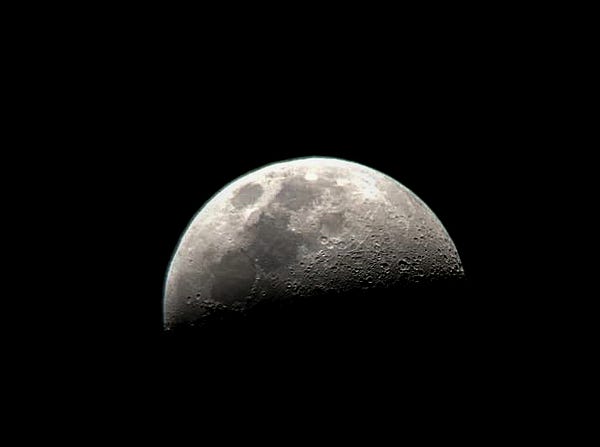
That night the sky was a jewelers’ black velvet coverlet, tossed with millions of diamond stars. We set up the telescope and peered at the moon, a half full round of blue white cheese. Celestial Venus, the bright goddess, graced us with her image. We hoped for shooting stars to tag with our wishes, but the stars refused to drop.

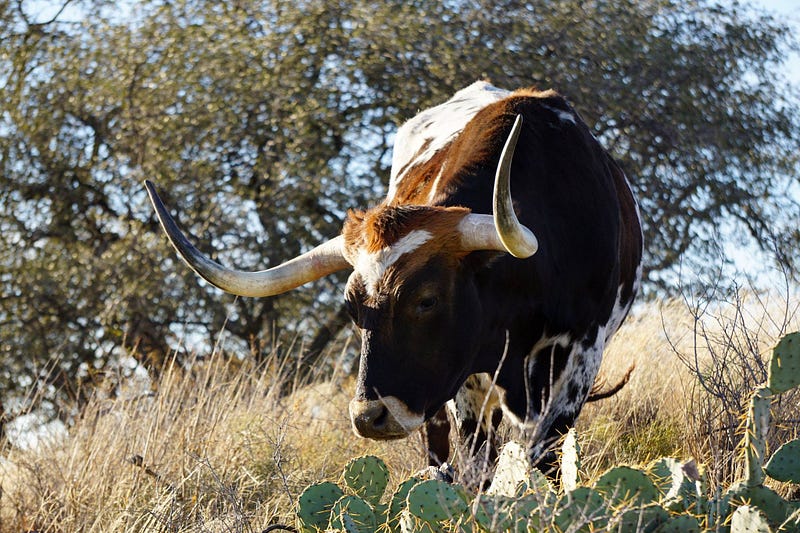
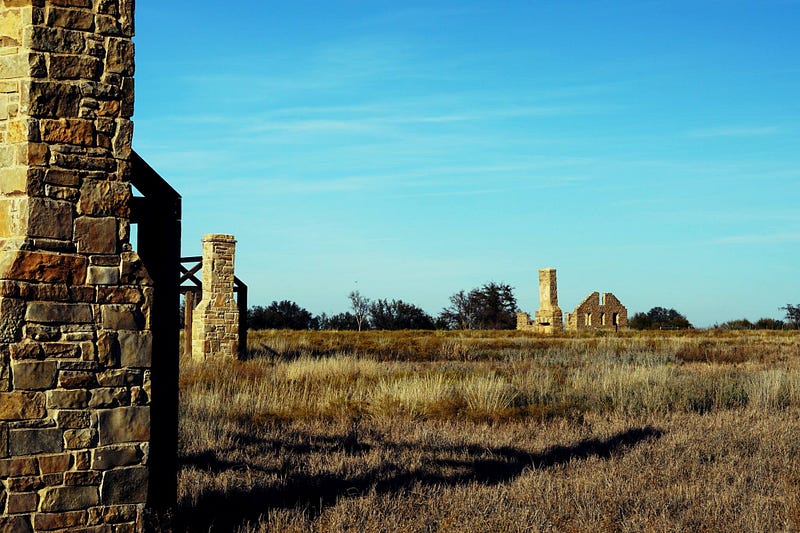
The next day we hiked across the dry brown prairie through the ruins of the fort. We imagined lonely soldiers stationed there, rising and retiring to the bugle call of reveille and taps, waiting out their service on the West Texas plains. We thought of them fishing on the banks of the Clear Fork of the Brazos River, while longhorn cattle grazed nearby among the tumbleweeds. The soldiers are long gone, but the official State of Texas longhorn herd remains, patient guardians of their outpost.

Photo by Andrew Shaw

We took pictures. While I stood at a distance and admired the cattle and their horns, Andrew weaved through the cactus and risked impalement to get a better shot. Robert pulled a black knit beanie onto his head to counter the cold wind, and leaned against the ruins of a stone shelter, alone in shadow under a cloudless sky. Andrew caught this unlikely portrait of Robert standing still, waiting for us to come back around and collect him.

Photo by Terrye Turpin

We left without a shooting star. Filled with the moon, soothed by the prairie, and cheered by the stars, we headed home content, as though nature herself had granted all our wishes.

I recently wrote a Shadorma poem as part of a writing challenge from The Creative Cafe. The poem was inspired by the photo I describe in this piece, and this story is the story behind the photograph behind the poem. You can read the poem, “Alone Not Adrift” here:

https://thecreative.cafe/alone-not-adrift-3c310d4becc1

Join Hands, Give Thanks

For the love we are to receive

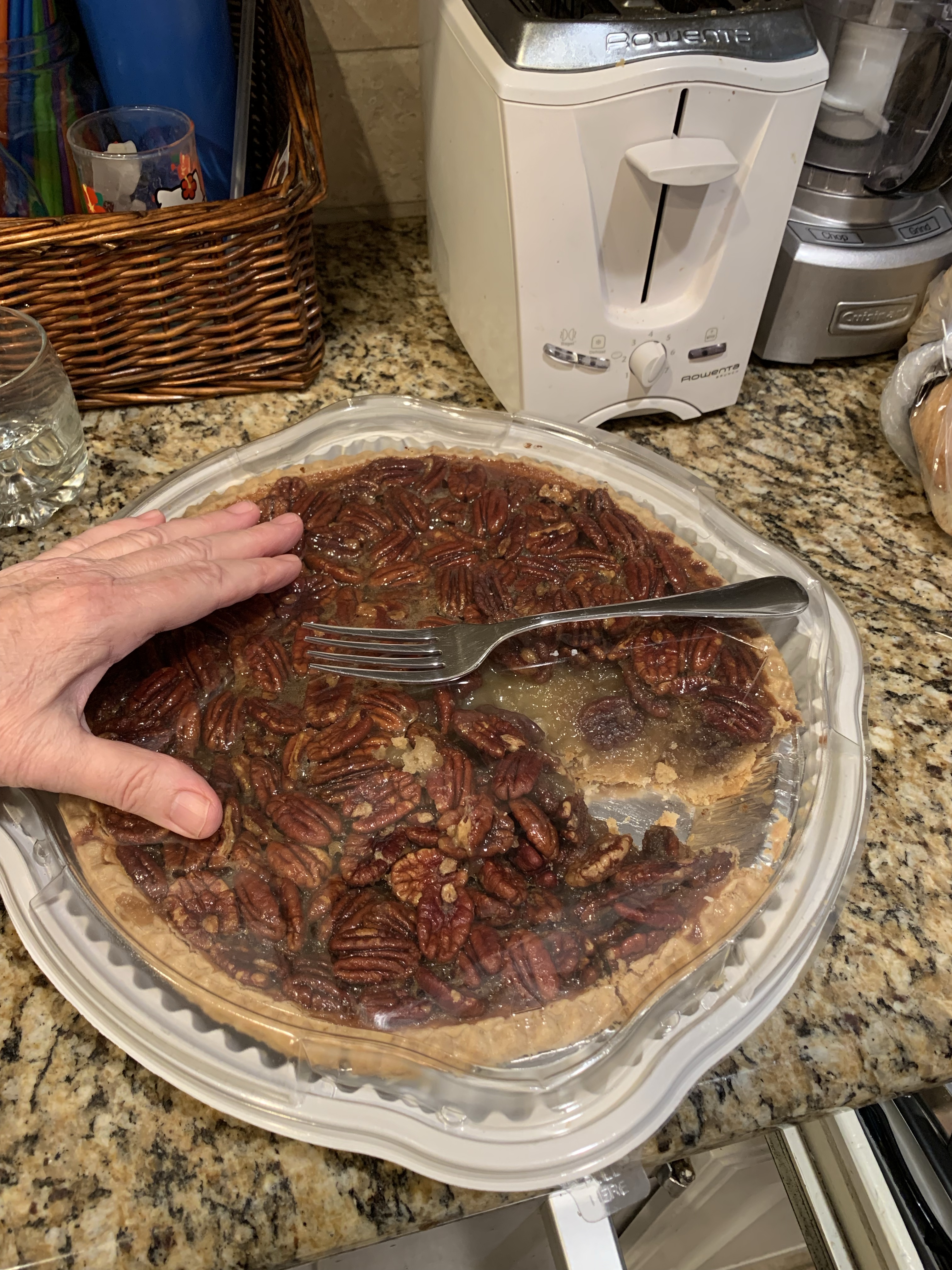
I love pecan pie. Yesterday, our realtor gifted his clients with Thanksgiving pies. We bought our house two years ago, in the middle of a crazy market, when investors were slinging cash like the Monopoly banker. Without his expertise, we wouldn’t have been able to find a place to call home. For that, we are grateful to Kreg Hall. The pie is a bonus. A large bonus as I am the only one in our household who likes or can eat pecan pie. To make it last I’ll freeze portions and enjoy it during the winter months. Each time I sit down with coffee and a slice of pecan pie, warm from the microwave, I’ll lift a fork in gratitude for the blessings we have and the good people in our life. 


Home Baking.jpg

I lived through two decades before I discovered that there were people in the world who made dressing with stale bread cubes instead of fresh cornbread. My oldest sister’s second husband, the nice one, was from somewhere up North, New York I think. He had dark, pomaded hair swept up and back and he smiled and spoke with an accent I had only ever heard on television. He made a bread stuffing with oysters. I forgave him because it was delicious, each mouthful a feast of earthy black pepper mixed with the salty ocean taste of oysters. I was home from college, and my mother volunteered me to drive the two of us up to Malakoff, Texas, where my sister and her new husband had retired to life by the lake. In those days before GPS, I got lost following my sister’s handwritten directions because I didn’t know that “LBJ” was also Interstate 635. We arrived late, but to a feast laid out on their Formica topped kitchen island and still warm. I wish I had asked him for the recipe for that oyster dressing.

My mother made her dish the Southern way, with cornbread. She used white corn meal, soft as sand, with a bit of flour, scooped up and sprinkled in like snow. Baking soda and baking powder for leavening, for we all need incentive to rise. Buttermilk to mix, salt and bacon drippings for flavor, then all poured into her largest cast iron skillet, warmed on the stove so the crust will brown first. It came out like a pale yellow moon and filled the kitchen with the warm, sweet scent of corn. For the dressing she mixed in celery, onions, broth, and enough sage to repel evil spirits.

When I was young, we traveled to my grandmother’s house for Thanksgiving. Not over the river or through the woods, but past the lake and along Highway 380 the 15 miles or so to the town of Farmersville. My mother brought her cornbread dressing and a pie or two as her contribution to the meal. I held the warm pan of dressing on my lap where I sat in the slick vinyl backseat of our 1970 Oldsmobile, and tried not to drool on the foil covering the pan. My grandmother’s wood frame house had a tiny living room decorated with an autographed photograph of a famous televangelist, before the fall. She sent him money and prayed for healing by laying her hands on her Chroma color television while he preached. The children, including anyone under the age of 18, were banished to the back porch. We fought over metal folding chairs and balanced our plates of food on our knees while we fended off the horde of feral cats living in my grandmother’s yard. The cats were only slightly outnumbered by my cousins.

Some years we visited my father’s family, where my aunts made their dressing and gravy seasoned with the chunks of turkey heart, liver, and gizzard that came packaged and concealed inside a store bought turkey. The first time I cooked a turkey I didn’t realize there was this hidden prize inside. I found them after, steamed and tucked under the skin at the front of the turkey, where his neck would have been if it weren’t shoved up into the body cavity. The neck was roasted too, because I didn’t know there was a second, secret scrap part buried inside my turkey.

My first husband was from Missouri, and the bread stuffing his mother made was moist, but thick, and had to be scooped out in chunks. My father-in-law, an honest, hard-working mechanic and assistant Boy Scout leader, led the prayer each year, insisting that we all stand before the table and join hands. You haven’t really experienced Thanksgiving gratitude until you’ve had to convince a squirming toddler to stay still during a ten minute blessing, while the aroma of food wafts over you in a moist cloud of steam you can taste.

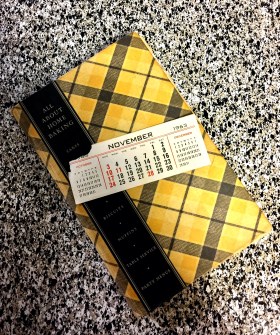
My mother stopped cooking a turkey for Thanksgiving after my parents divorced, when it was just the two of us left at home. She would roast a chicken instead, and make her cornbread dressing. I never saw her consult a cookbook, she cooked from memory mostly, measuring out ingredients to taste except when she was making a pie or cake. After she moved into a nursing home, I found a cookbook tucked away in a box she had stored in her laundry room. The book, All About Home Baking, had penciled notes in the margins and, tucked inside the front cover, scraps of lined paper with recipes written in her delicate, looping cursive. Brittle, yellowed pages from a 1963 calendar fluttered out like falling leaves when I turned the pages of the book.

I roast a turkey every year, even when there are just one or two guests and my vegetarian fiancé at the table. This year I’m cooking both turkey and a ham. I’ll make cranberry relish from fresh cranberries and oranges, and add so much sugar that it passes for jam. We’ll have pumpkin pie and a minced meat pie like my mother used to make, even though no one but me will eat it. It is a deliberate luxury on my part to have a whole pie to myself. My fiancé, Andrew, will mash potatoes so they come out just the way he likes them, a little bit creamy and with a few tiny lumps. When he leaves the kitchen I will sneak in more butter and salt to the dish.

I don’t cook my mother’s cornbread dressing, I’ve fallen from grace and into the boxed, instant variety, but at least it’s the cornbread version. I’ll make traditional green bean casserole with crispy fried onions on top and a spinach rice casserole from a recipe my aunt gave to me. I don’t put marshmallows on the yams, instead I’ll serve them with a pecan streusel topping like my ex-husband’s mother, my first mother-in-law, made.

The guests at the table, the cooks in the kitchen, and the fellowship changes, just as the feast stays the same. I touch my past as my hand stirs the pot, preps the bird, and kneads the bread. I bow my head in silent thanks and join hands with all, even those who are absent from the table. Join hands, bow heads and give thanks, give thanks for the love we are all about to receive.