Reading in a Short Month

Keep turning the pages

She looks bored. Quick! Someone give her a book! (Photo by the author)

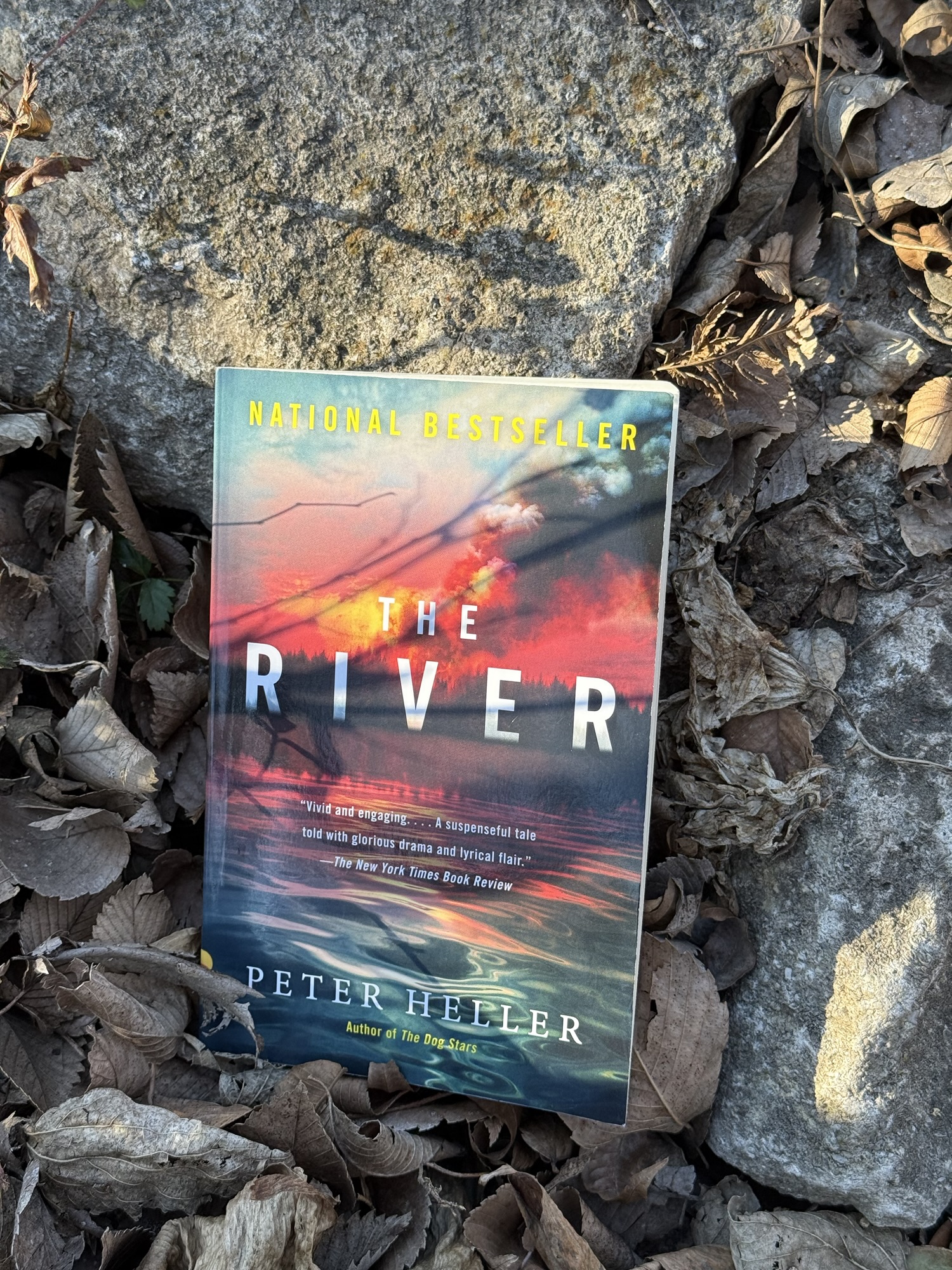
I averaged reading one book per week during February, not counting the ones I started but did not finish. The reading month began with The River by Peter Heller. I had loaned another of Heller’s books, The Guide, to my son and when he returned it to me he mentioned that it was a follow-up to another book that we didn’t have. So of course I had to pick up a copy of The River. (Shoutout to Andy for not revealing any spoilers from that second book.)

Photo by Terrye Turpin

This story lands in the action/adventure genre and is a tale of Man vs. Nature, Man vs. Man, and Man vs. Inner Self. The plot revolves around two best friends and their canoe trip along the Maskwa River in Canada. There’s a wildfire that they must escape, and a twist involving a mysterious stranger and an injured woman that they stop to help.

The setting in this book really makes the story come alive and the writing, even when describing the danger, is lovely and puts the reader right there in the scenes. The story shifts between two POVs, but it was easy to follow when each character was speaking. Reading this book felt like a master class in pacing, setting, and character.

Photo by Terrye Turpin

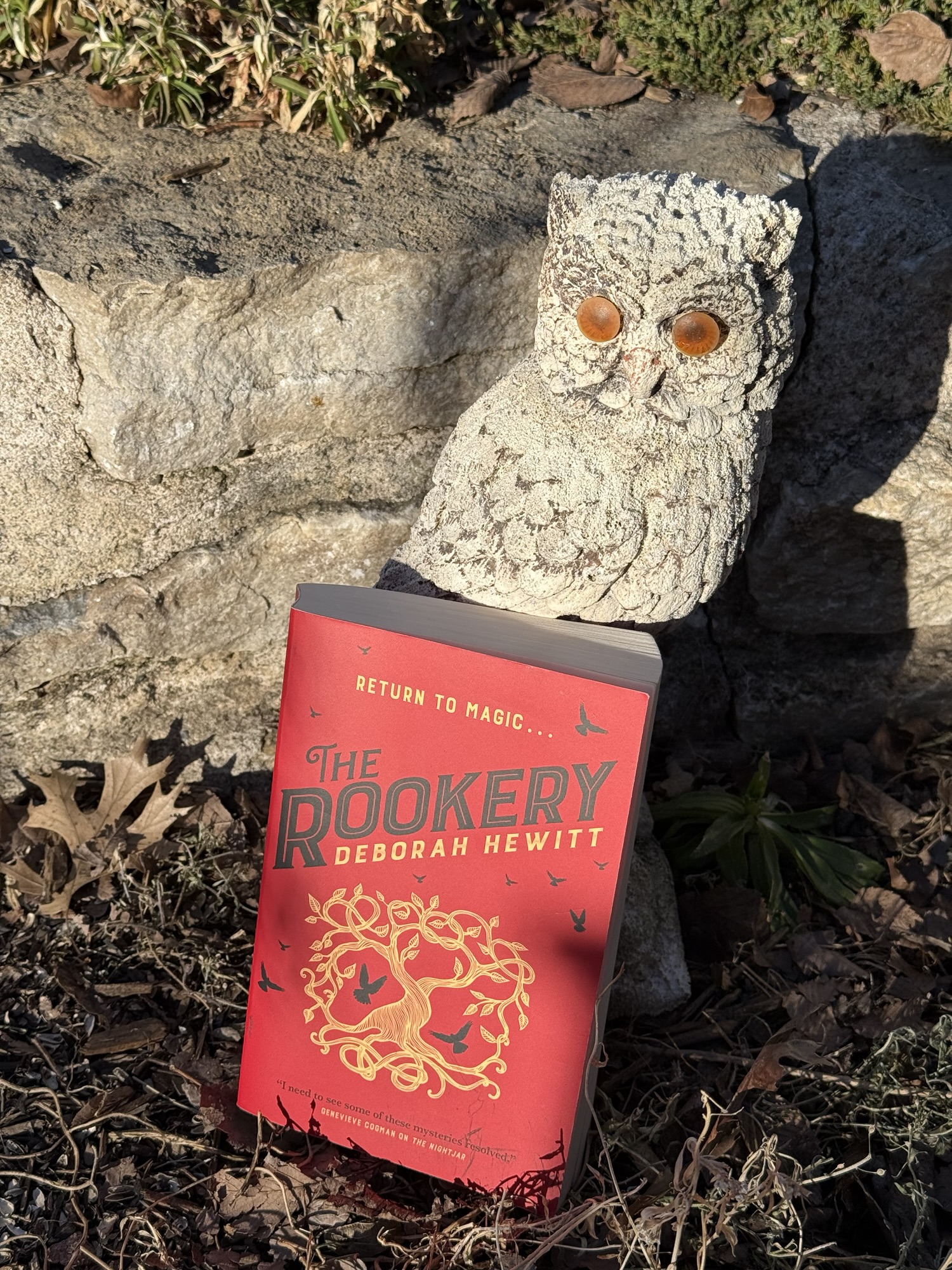
The next book I read in February was The Rookery by Deborah Hewitt. This one is the second book in a series and follows the characters from The Nightjar. Although the world building in this series is impressive and consistent, at times I felt the pacing was slow. There is a romance element that sort of continues from the first book, but the characters don’t get together until toward the very end of this book.

I liked the first book in this series much better, and it was disappointing that the second book didn’t really contribute anything new to the story. The magic system was well developed, however. If you like books with magic, portals, and alternative cities I’d recommend Victoria Schwab’s City of Bones, Bridge of Souls, and Tunnel of Bones.

Photo by Terrye Turpin

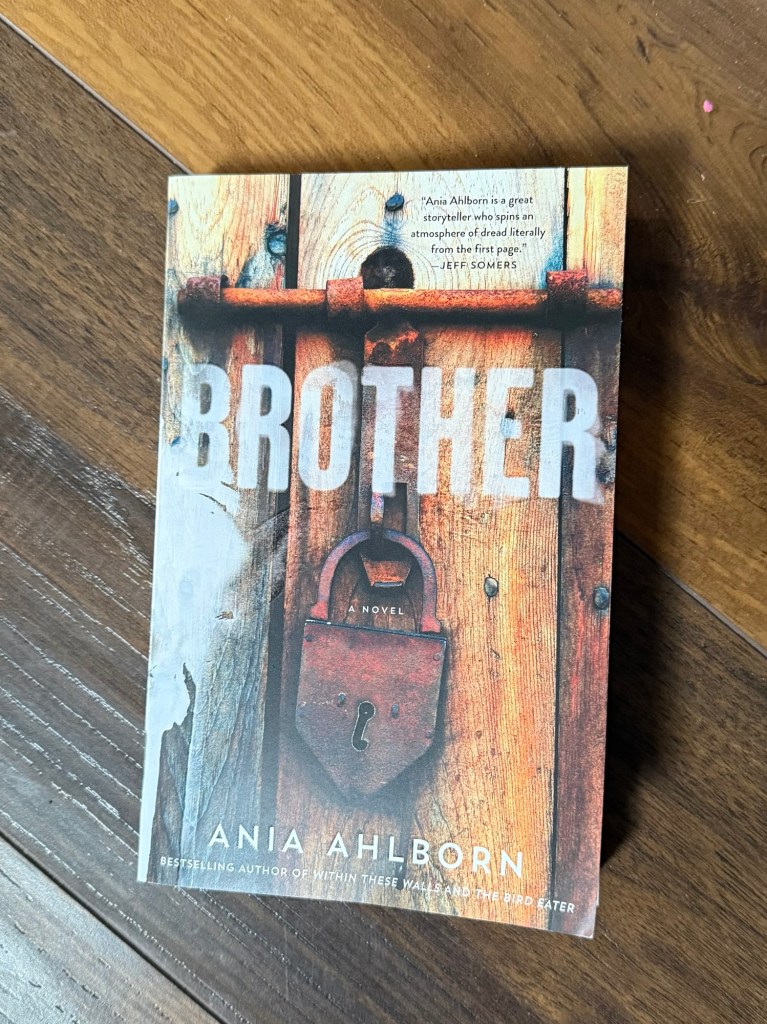
This book, Brother by Ania Ahlborn was a tough one to get through. I almost tossed it into the DNF pile several times. I’m a horror writer and I don’t shy away from gruesome stories, but this one deserves so many content warnings. There’s incest, child SA, murder, cannibalism, child abduction, and rape. Did I finish it? Reluctantly. I kept hoping for some sort of redemption to the plot and the main character.

What kept me reading this slaughterhouse of a book? Pacing and unfortunately well drawn characters. There are multiple points of view in the novel and each was so well done I felt like I was right there in their head. Which turned out to be not such a good thing. If you’re a fan of the slasher genre you might like this story. Everyone else – I’d advise giving it a pass. If you’d like to read something with a cannibalistic bent, I’d recommend The Road by Cormac McCarthy or Tender is the Flesh by Augustina Bazterrica. If you want something along the slasher/serial killer line, then pick up Maeve Fly by C.J. Leede.

Photo by Terrye Turpin

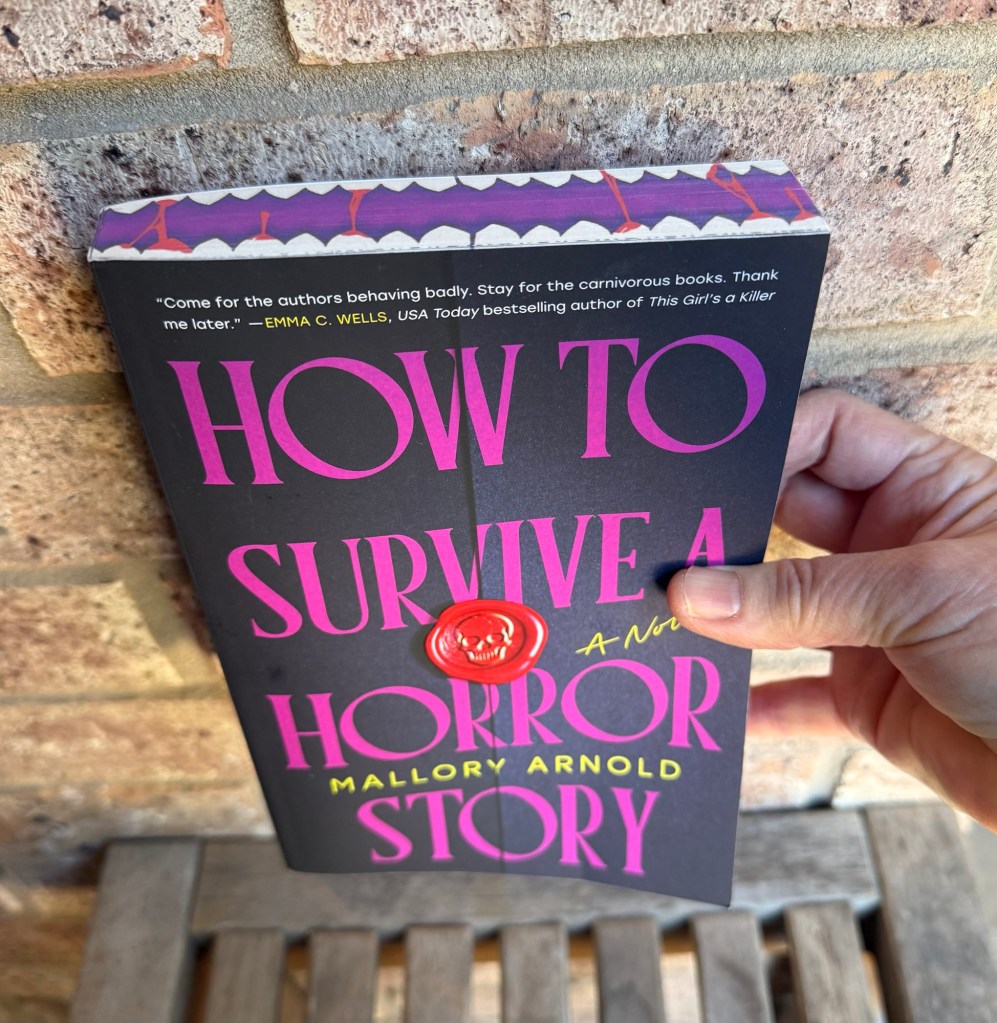
I loved the cover of this book and the premise hooked me in. It features an evil, sentient house and the characters are seven writers summoned to that house for the reading of a famous horror writer’s will. They each arrive thinking they are inheriting something but instead they are stuck in a deadly game of revenge.

In my opinion, the plot didn’t hold up to my expectations. There are multiple POVs and they all seem to have the same “voice.” None of the characters were likable so the only thing I felt at their demise was relief that their story line had ended. The promised riddles that the characters were supposed to solve were not actually riddles, just revelations of some of their bad actions against the deceased.

There wasn’t enough fright for this to be classed as horror, and not enough mystery for that genre. Instead, read And Then There Were None by Agatha Christie.

Photo by Terrye Turpin

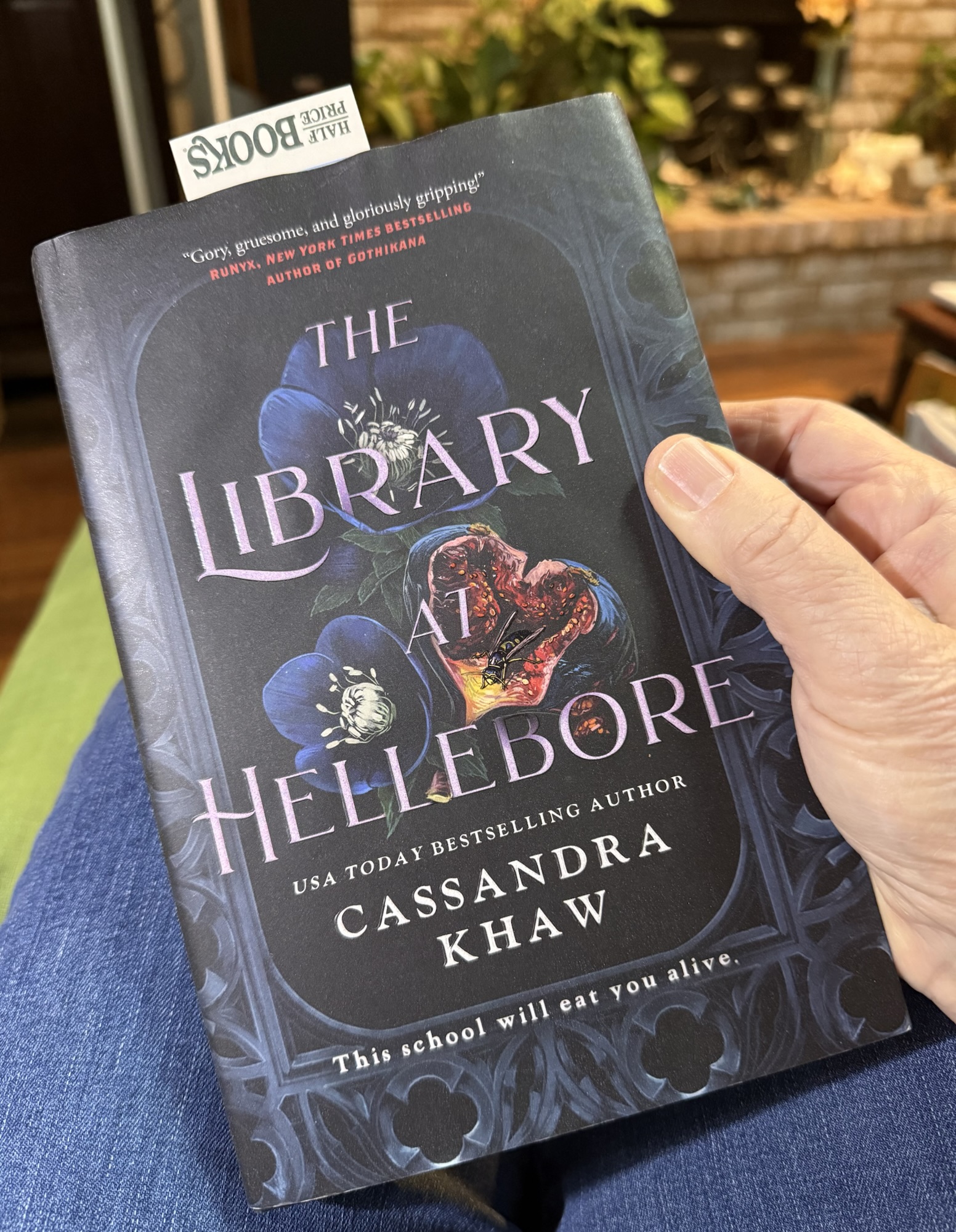
The last book I picked up in February was The Library at Hellebore by Cassandra Khaw. This author also wrote Nothing but Blackend Teeth, a scary novel that I enjoyed. I did not get the same entertainment from this one, but I did finish it.

It had a good hook – there’s a school for people with unusual, demonic abilities and the students must figure out how to escape when the faculty attacks them. They take refuge in the school library, where they are hunted by The Librarian, a monster that is determined to eat them. If that weren’t enough of a problem, the students are also out to kill each other, most often in gruesome detail. (Really, how many ways can you describe someone’s intestines? Read this book to find out.) The world building was interesting but the plot collapsed under the weight of all that rendered flesh.

Read instead: The Library at Mount Char by Scott Hawkins. It’s gruesome at times but at least you care about the characters before they are dispatched in horrible ways.

Photo by Terrye Turpin

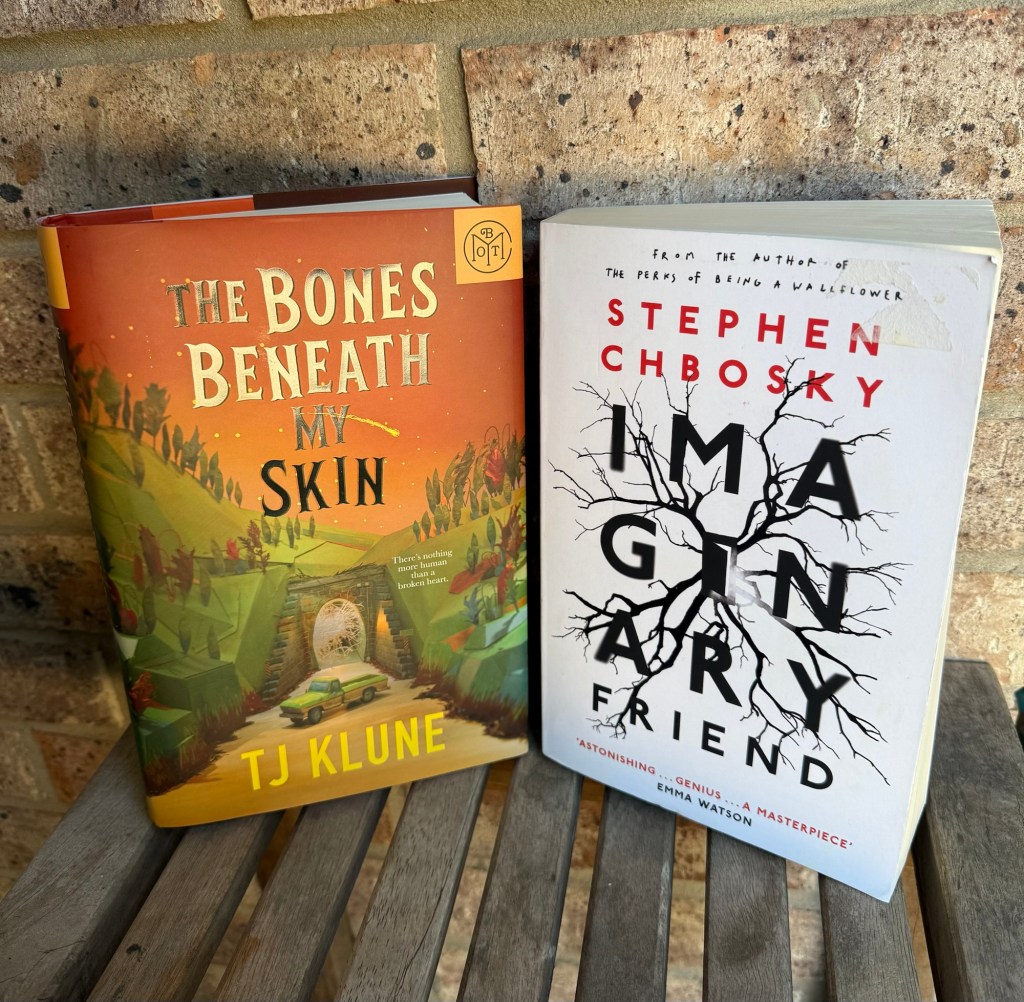
I don’t usually review books that I do not finish reading. What I dislike will probably find an audience that loves it. I tried both of the books above and did not make it to the end of each. I quit each at about the half-way mark, which is much longer than I usually do if I decide to DNF a book. The Bones Beneath My Skin is by an author that I do enjoy, and I have many of his other books. This one, however, took a turn into such a weird place that I couldn’t follow. If you like alien conspiracy theories that veer into religious overtones you might like it. I’d advise sticking to any of Klune’s other books.

I really wanted to like Imaginary Friend by Stephen Chbosky. This book sat on my shelf for over a year before I got around to reading it. I loved the premise – a coming of age type story with a portal to an imaginary world. I gave up because the plot moved so slowly I felt I would never finish this book. Also, the point of view is third person omniscient and this left me feeling distant from the characters. It’s more like watching a movie unfold instead of experiencing the story. (And the movie happens to be your uncle’s endless home movie about his trip to Muskogee, Oklahoma. Nothing against Muskogee – but you don’t need a two hour feature film to get it all in.)

There are so many other great coming-of-age novels in the horror genre. My favorites – Boy’s Life by Robert McCammon, Nosferatu by Joe Hill, Something Wicked This Way Comes by Ray Bradbury.

If you’ve read any of the above books let me know what you thought. And please share any recommendations for books. As for me, in March I’m looking forward to reading the fourth book in the Dungeon Crawler Carl series. Happy reading!

Reading the Room

My plan for completing my to-be-read list

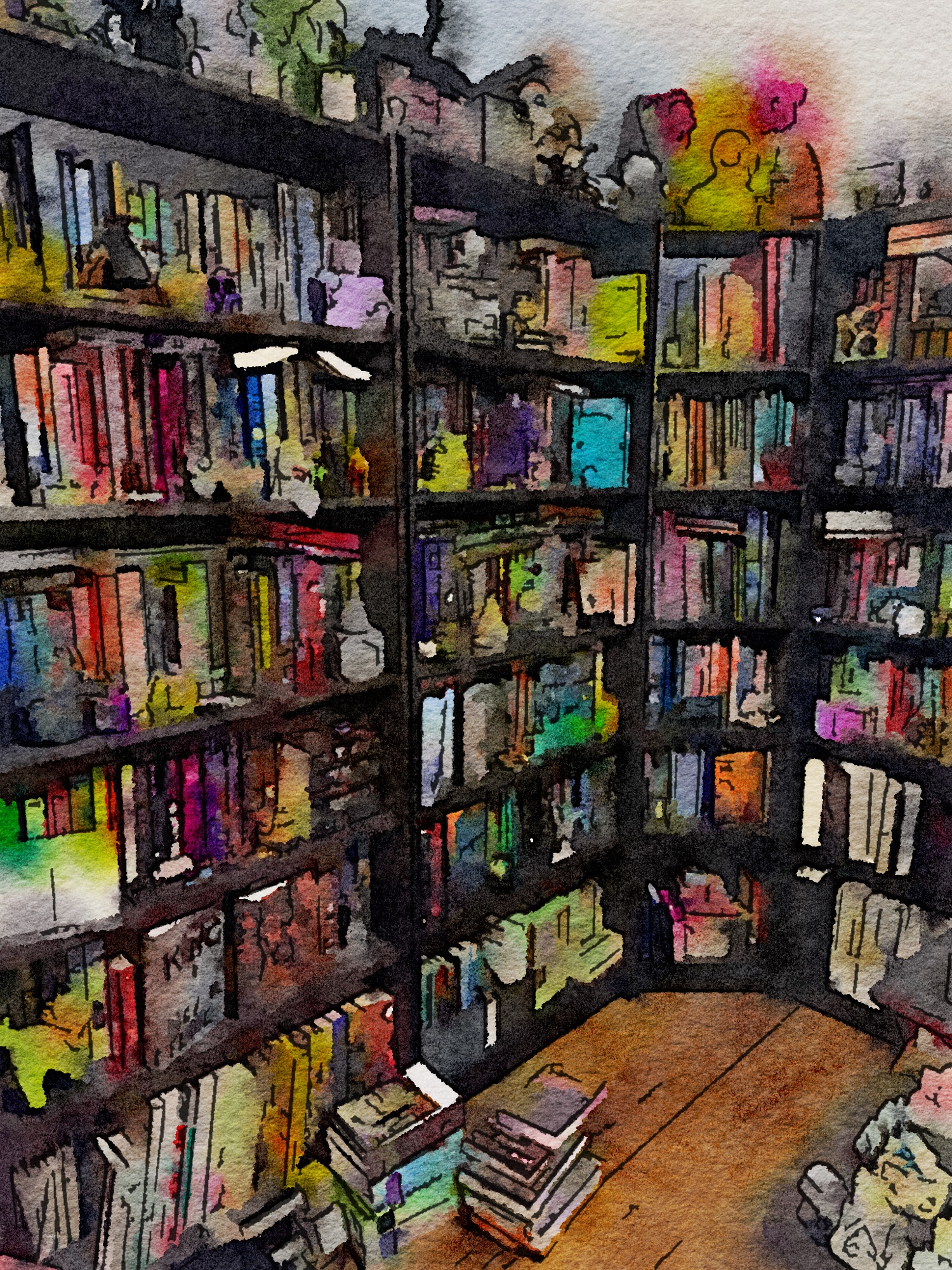
My home library – photo edited with the Waterlogue app

I’ve always felt like there’s no such thing as too many books. I reassure myself that it isn’t the number of books I own, instead the problem is the limited amount of shelf space in our house. I haven’t set a resolution or any reading goals – that is a sure path to failure in my opinion (and based on prior experience). Instead, I’m rewarding myself with reading time instead of doom-scrolling social media. Also, I’m trying to read with a focus on the writing and come away from each novel with something useful I can apply to my own work.

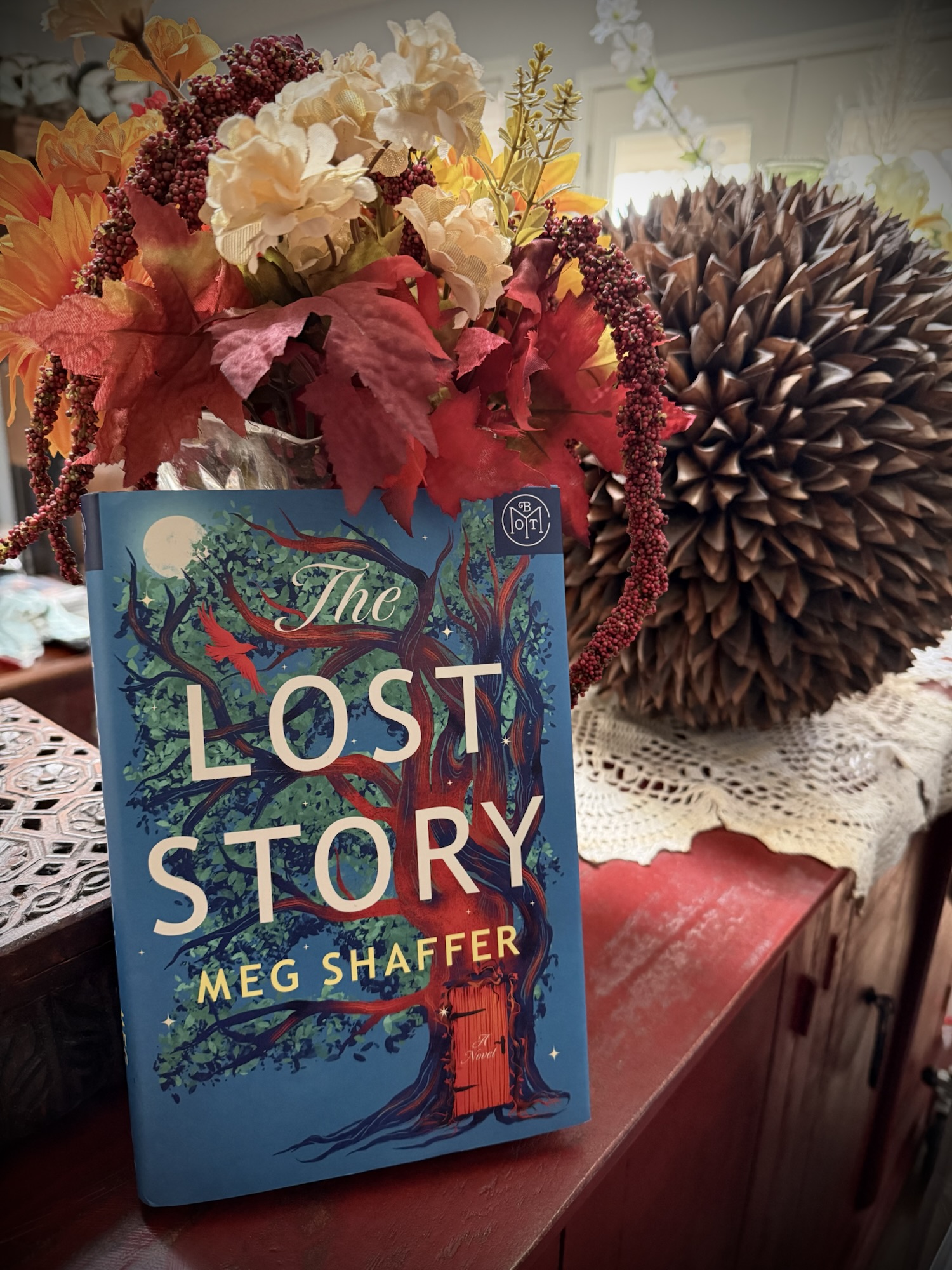
Photo by the Terrye T.

I started off the year with The Lost Story by Meg Shaffer. This is a portal fantasy that features a cozy queer (M/M) romance. The author captured the characters so well I became invested in the love story between Rafe and Jeremy.

Although I did enjoy this book, it fell short in some places. It is a portal fantasy, and there are chapters written in the point of view of an omniscient “storyteller” that give the novel the feel of a fairy tale, but at times this feels a bit intrusive and like an unnecessary explanation of events and how we as readers should interpret things.
There are three main characters – Emilie, Jeremy, and Rafe. Emilie is searching for her sister who went missing years ago, and she enlists Jeremy to help in the search. He, in turn, gets Rafe to lead them to the portal.
The world building is fair, but for this length of a novel it seemed to take too long for them to get to Shanandoah, the fantasy land where most of the action takes place.
Although Emilie’s search is the reason they venture to Shanandoah, not very much of the story is given to develop either Emilie or her sister.
The romance portion is very well done and the characters of Jeremy and Rafe are both well drawn, but so much of the story is given over to them and not enough, in my opinion, to the fantasy portion of the story. This makes the ending feel a little too convenient and easy.
Overall though I’d recommend this book because the style of writing drew me in and I was invested in the characters and wanted them to succeed.

What I learned from this book: I think if you go to the trouble to create a character, that character deserves time on the page. And I really don’t like the omniscient narrator.

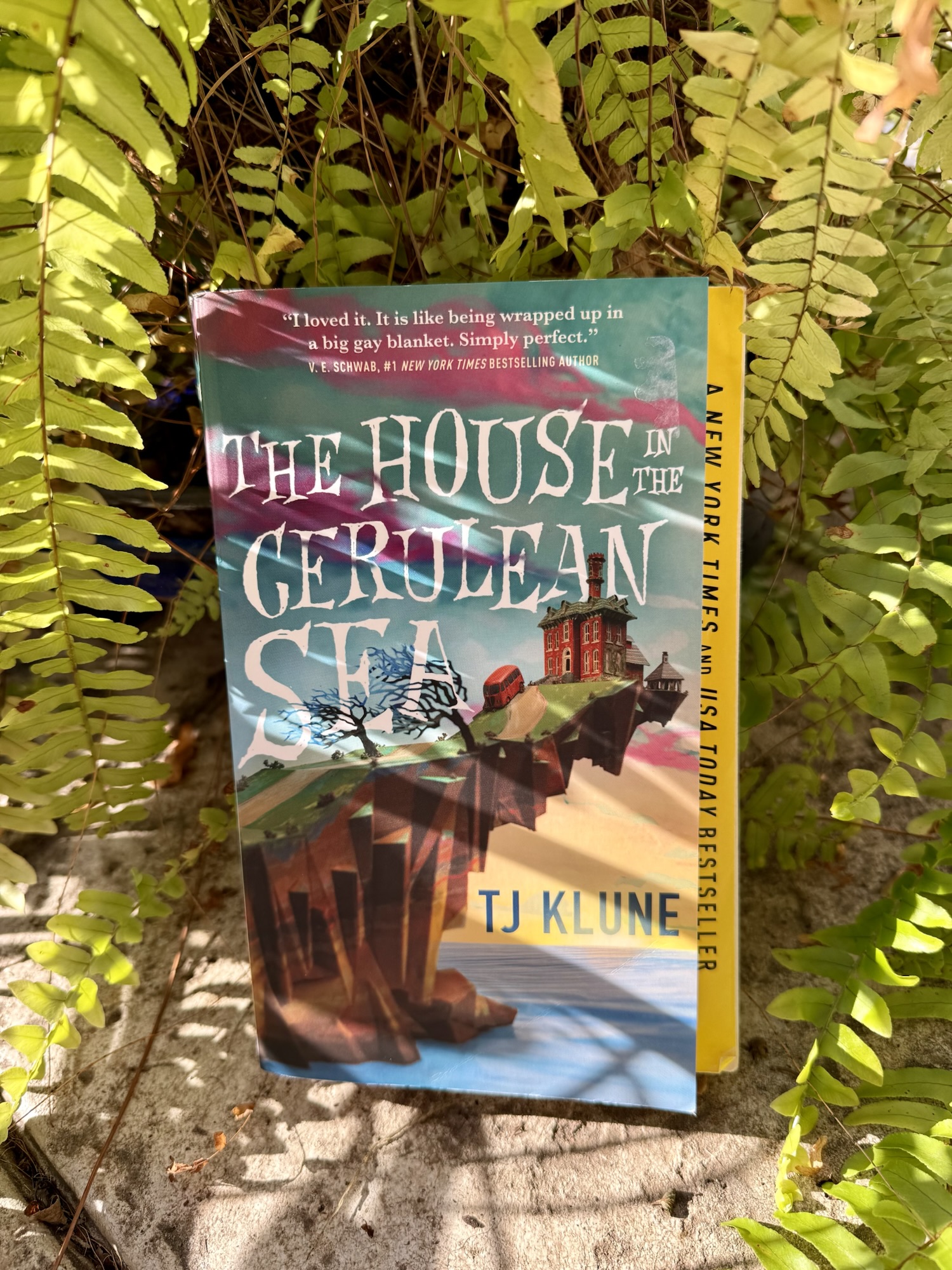
Photo by Terrye T.

This is the second fantasy book I read last month. I enjoyed the characters and in general I love overall vibe of TJ Klune’s books. The story centers around an orphanage for magical children and the adults who care for them. There are themes of found family, overcoming prejudice, and being true to oneself.

My takeaway: Good example of close third person point of view, giving the reader an intimate look into the emotions and perceptions of the POV characters.

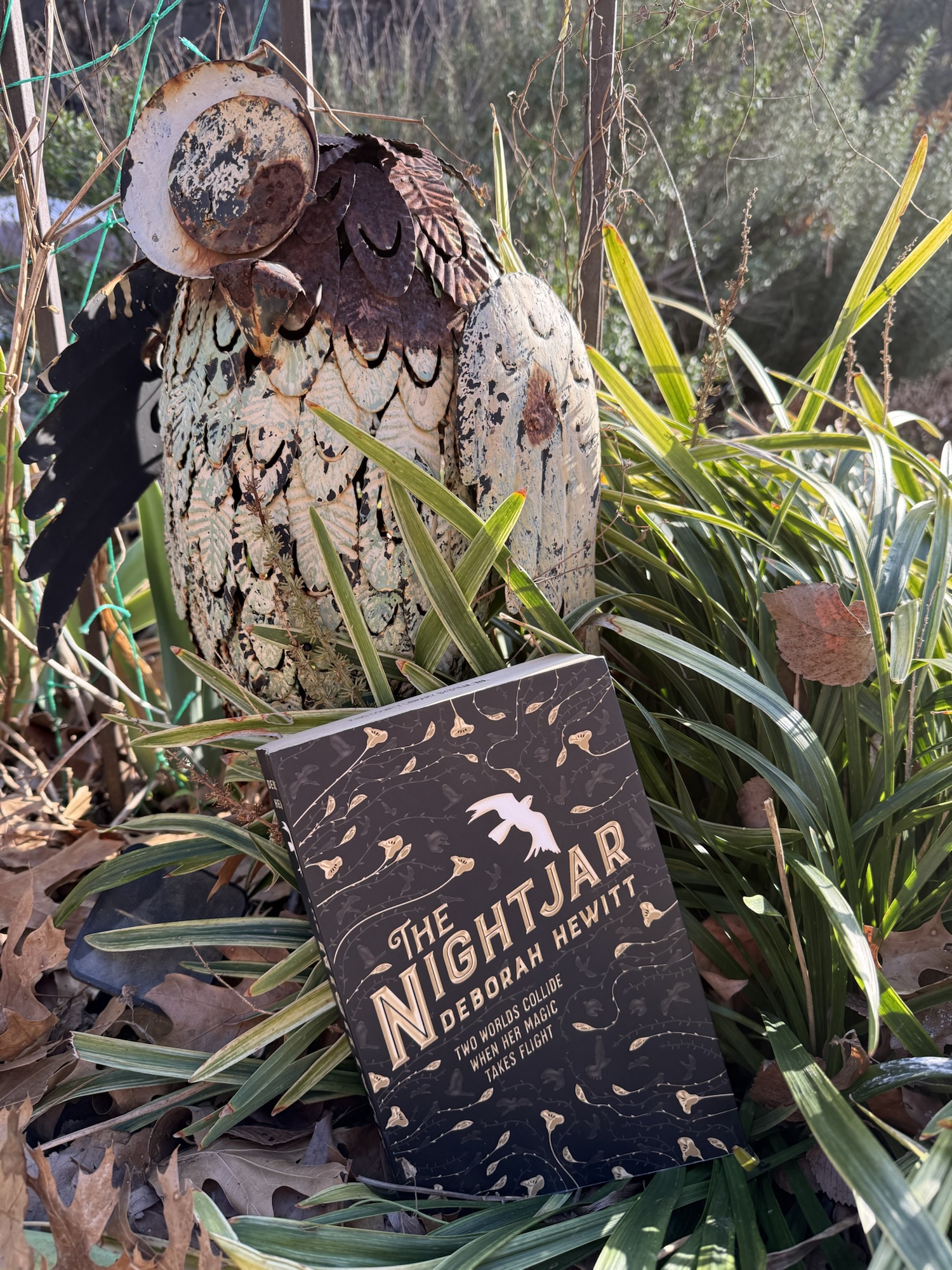
Photo by Terrye T.

This is the first book in a series. I bought the second book, The Rookery, at Dollar Tree, without realizing until later that I needed to read The Nightjar first. Oh woe! Tragedy! I had to buy another book in order to read the one I bought.

This is another portal fantasy, with a magical world existing alongside the real world London. I love that concept, that there might be a secret, alternate universe existing right alongside ours. (I’m still looking for the entrance)

The magic system in this story is one I haven’t seen before – every person has an invisible bird guarding their soul. The main character, Alice, has the ability to see those birds, and an evil faction wants to make her use that ability to hunt down the people with magical talent. There’s a romance subplot that doesn’t get very far in this book, but maybe the characters get together in the sequel.

The lesson here: Nail down the details of any magic system in your writing. Try a new spin on the old tropes.

Photo by Terrye T.

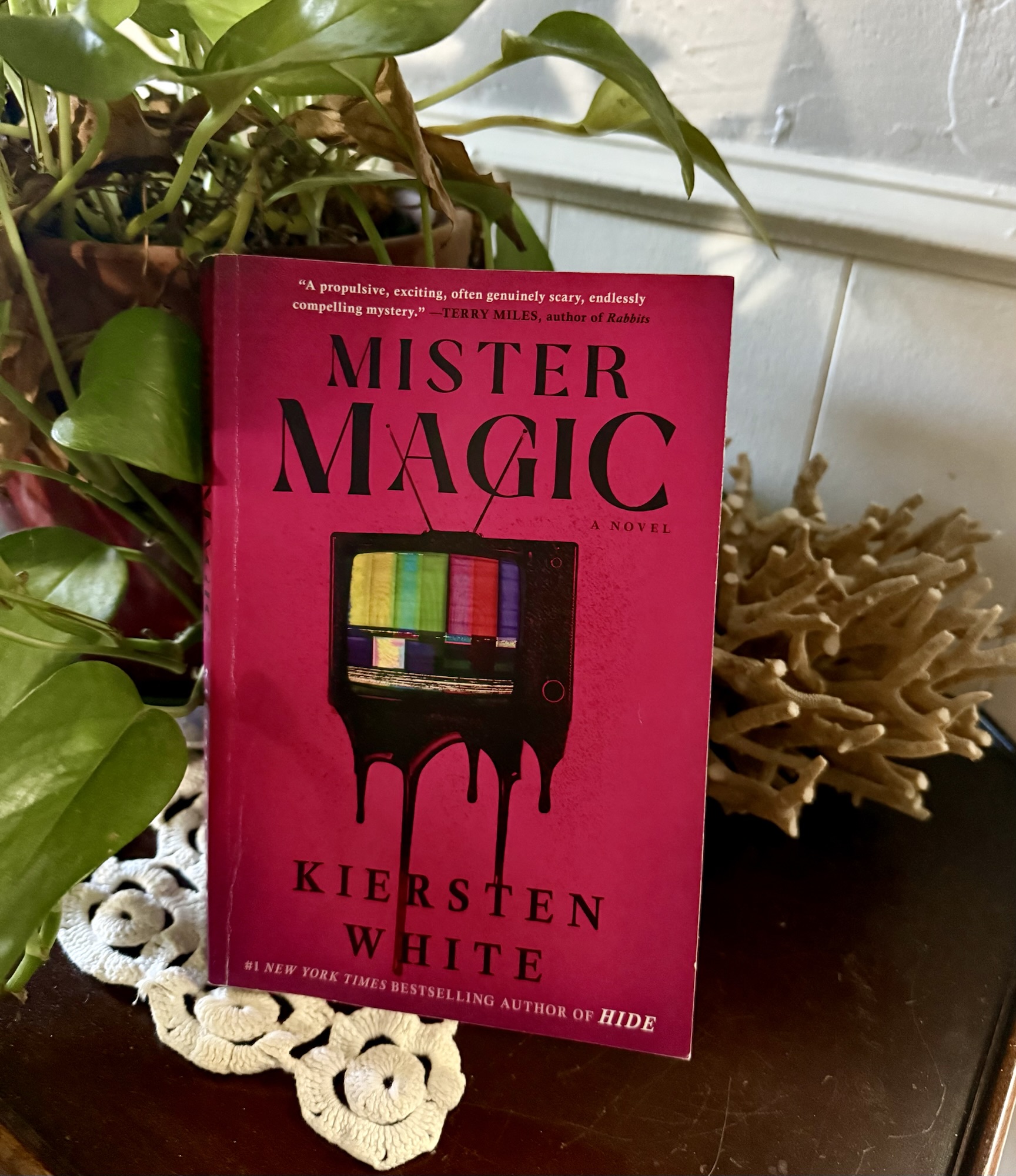
This was almost my first DNF (did not finish) for 2026. I ended up skimming through the chapters to get to the end. And I still don’t know what happened to everyone at the conclusion. It was a confusing and slow read, probably because the main viewpoint character had lost most of her childhood memories around being on the show Mr. Magic. She had only a vague understanding of the events in the past and the details about the weird and ominous show were revealed through the perception of other characters. I felt this isolated me from the tension and horror. This book could be enjoyed by readers who liked House of Leaves or Head Full of Ghosts, another two books I just couldn’t get into.

Photo by Terrye T.

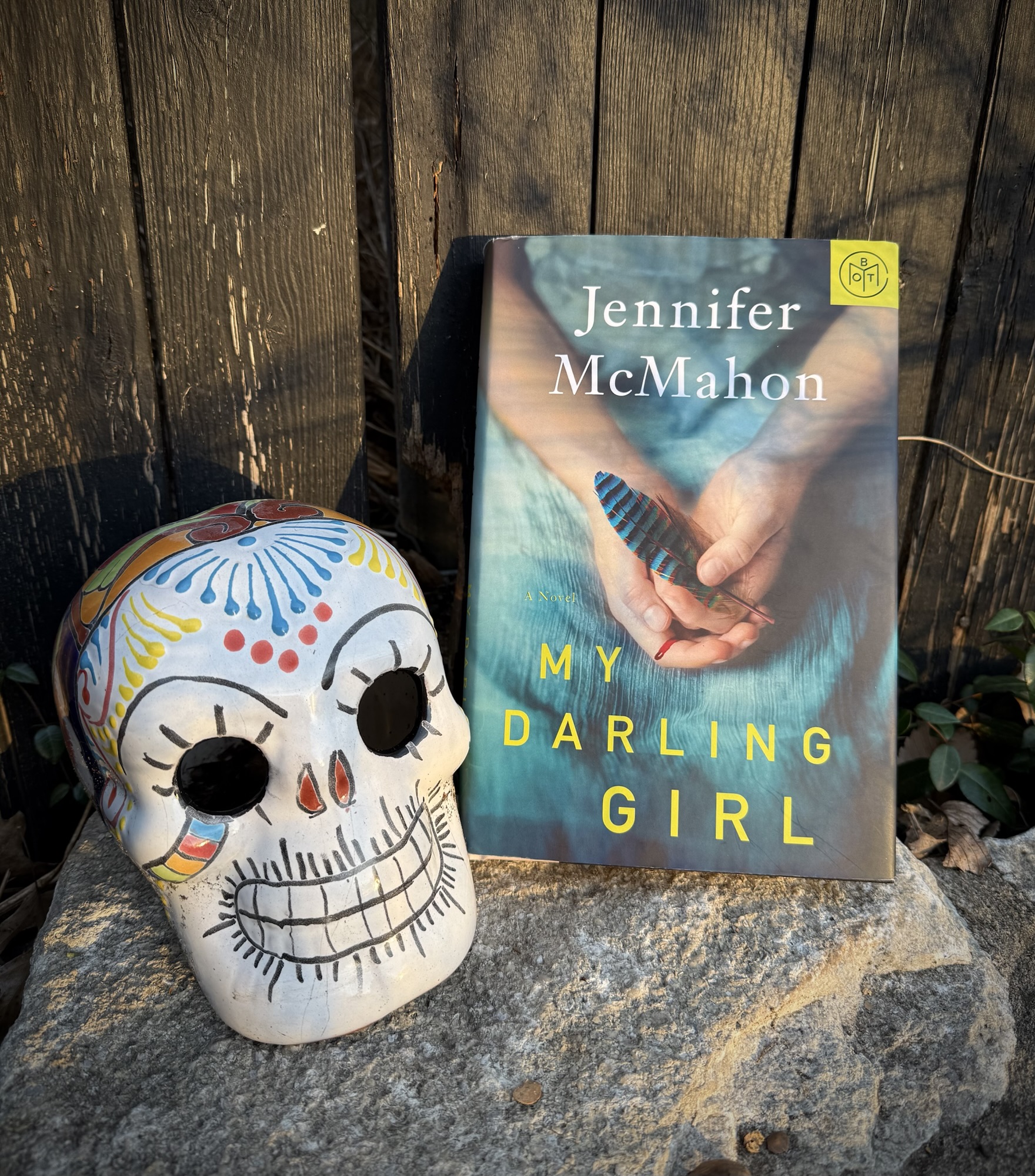
I loved this book. The cover is deceptive – I went into it thinking it might be a mild mystery story and instead got full blown horror with demon possession. Nice! Parts were so scary I had to put the book aside after dark. Plus there was an ending so messed up it made me smile with appreciation. This is toxic family drama to the ninth degree.

Lessons: Build up the characters first, and then let really horrible things happen to them. Drop hints about the ending long before the last chapter, so that when everything wraps up the reader is left smiling because it all makes sense.

Photos by Terrye T.

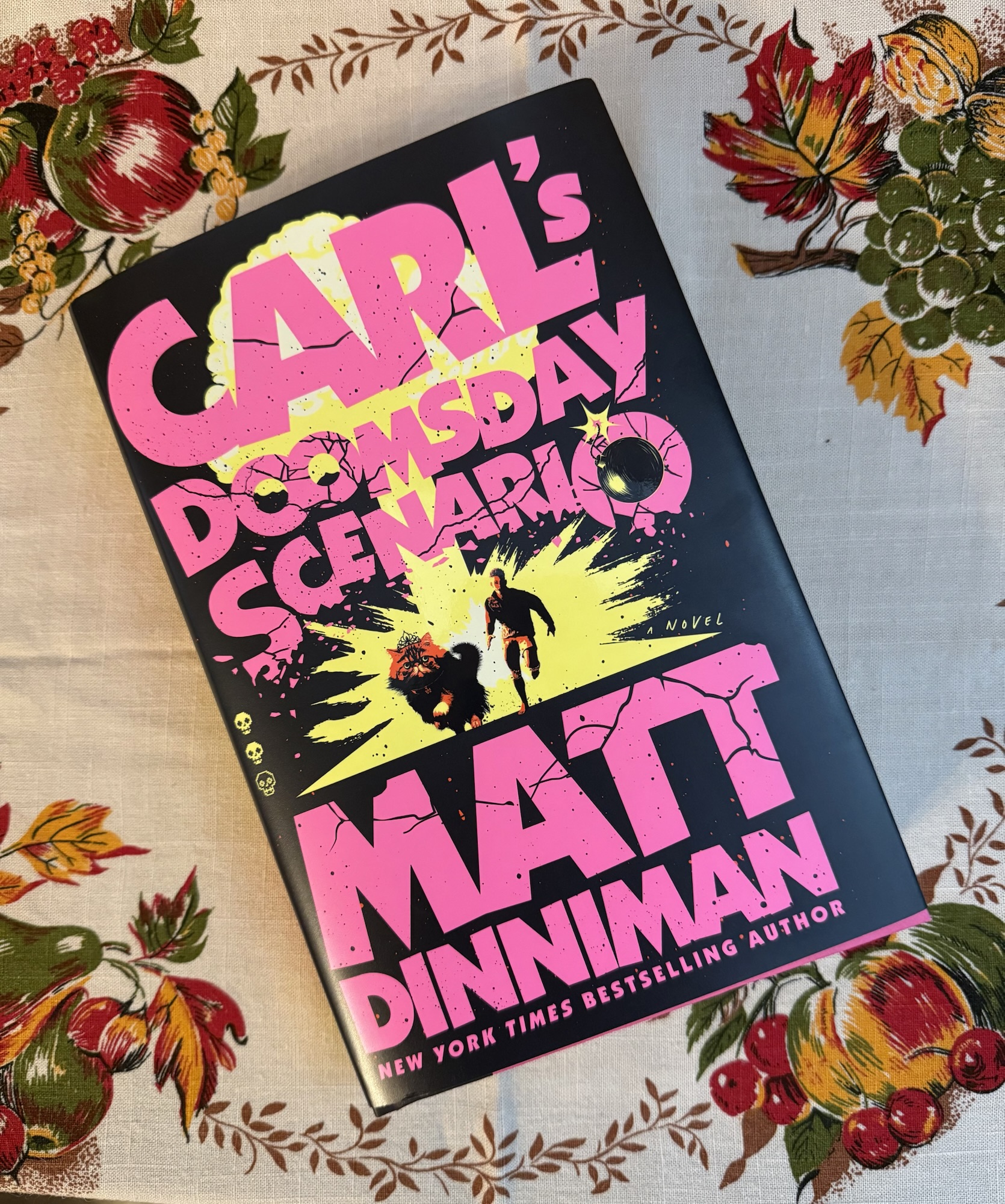
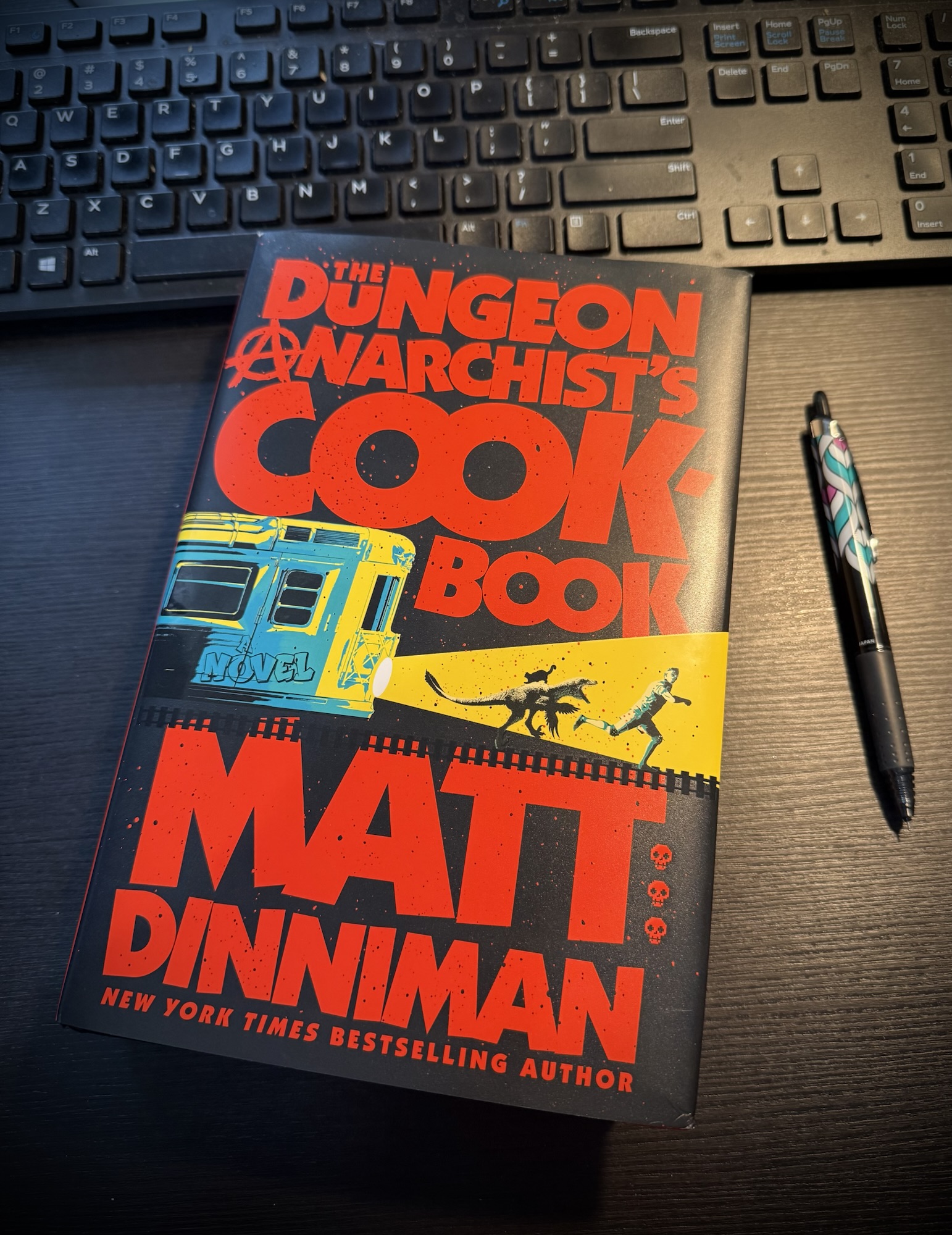
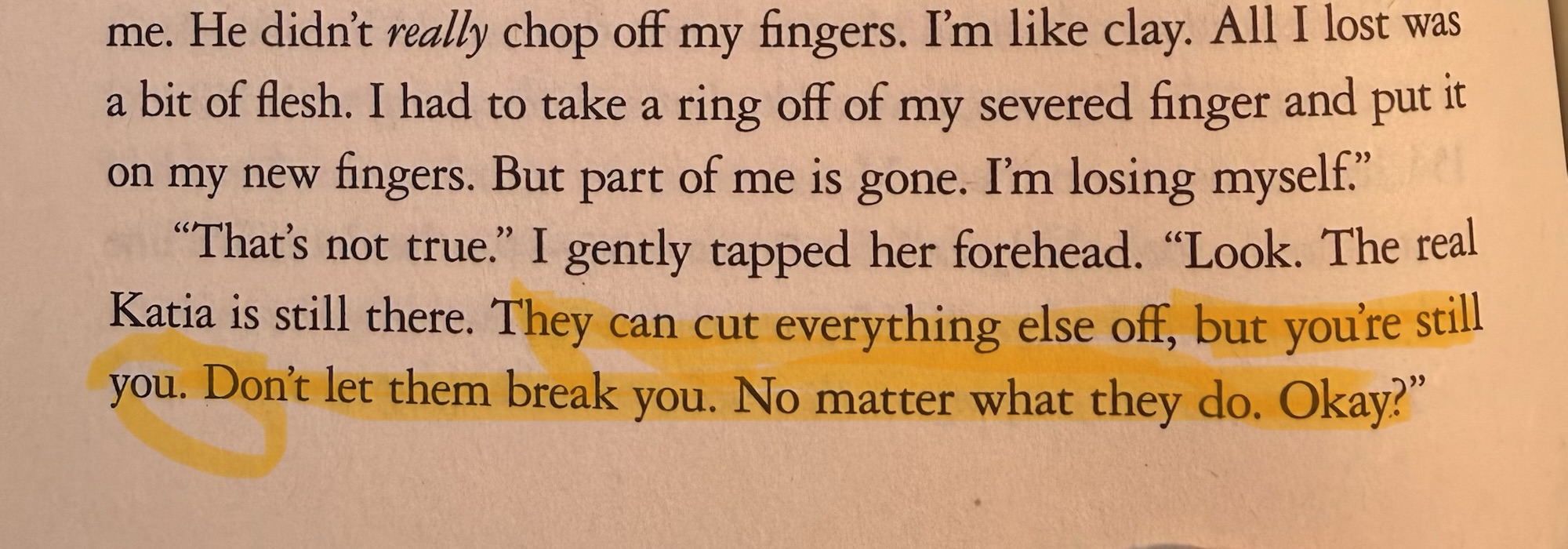
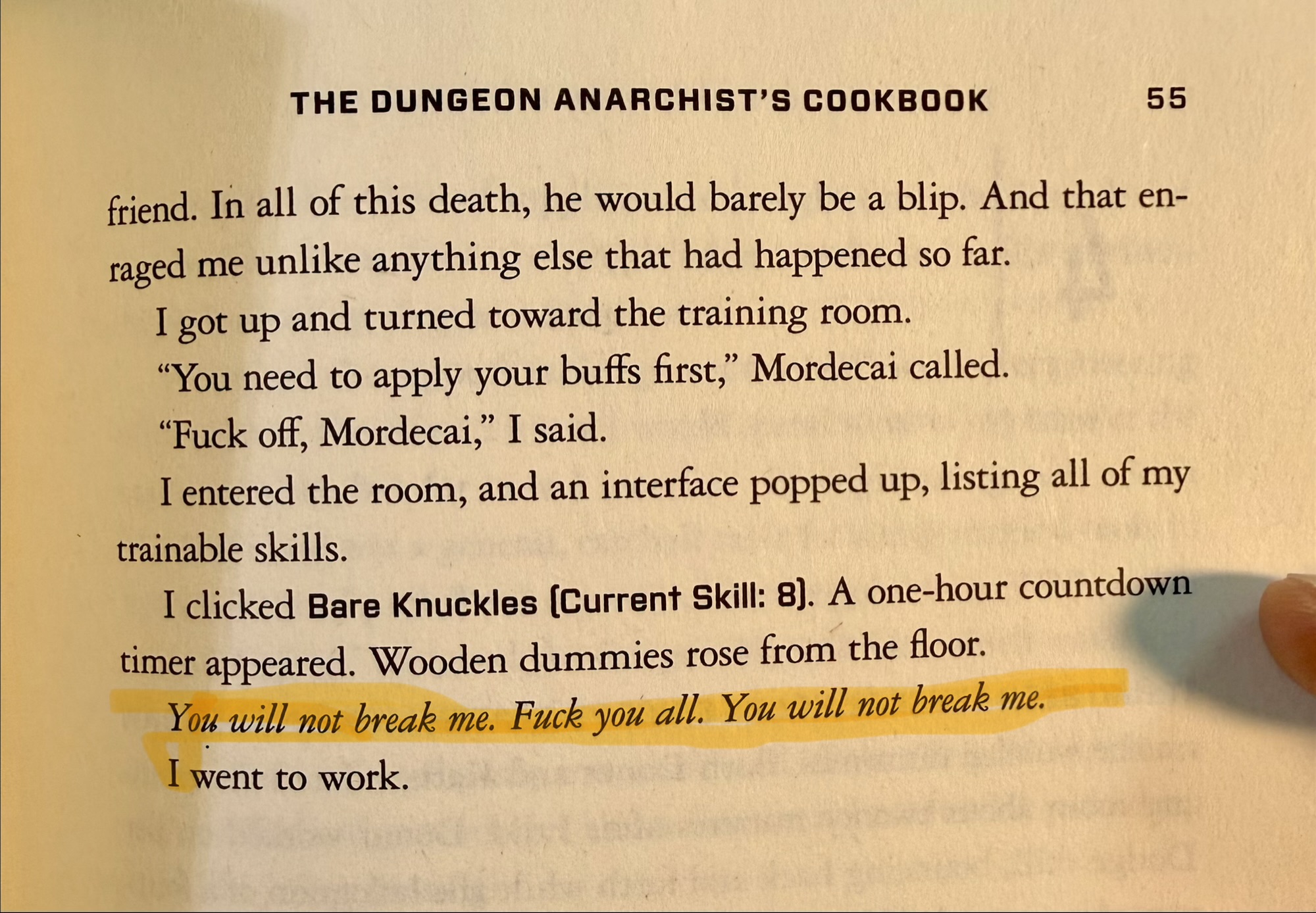
I finished up the month with another two books in the Dungeon Crawler Carl series by Matt Dinniman. These books are the perfect escape from the craziness going on in the outside world. I’d much rather experience the trials of Carl and Princess Donut as they fight their way through the alien dungeon, battling monsters and dodging deadly traps. However, in the midst of the escapism there are lessons on perseverance.

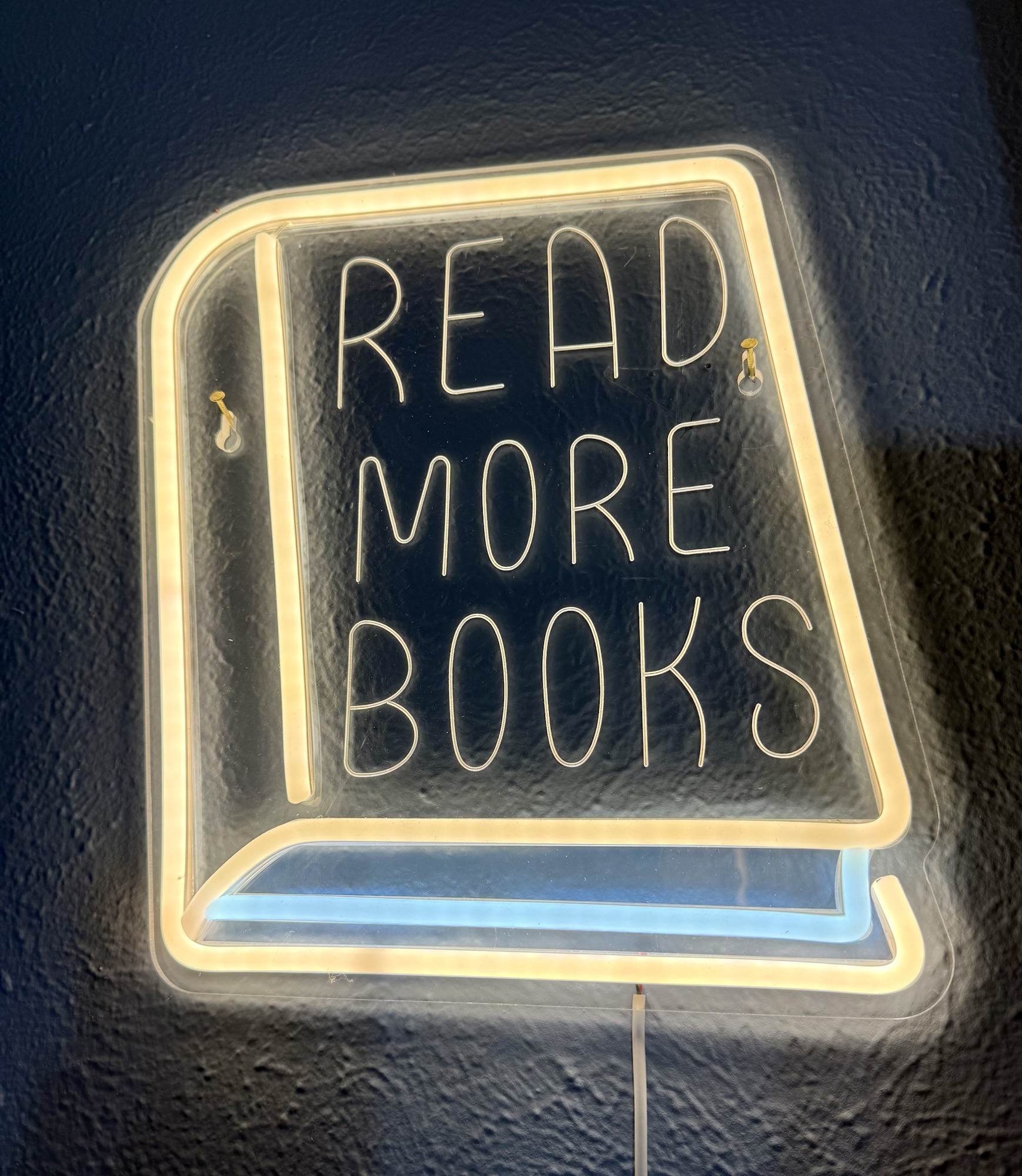
Read More Books

“In the end, we’ll all become stories.” Margaret Atwood

Photo by the author

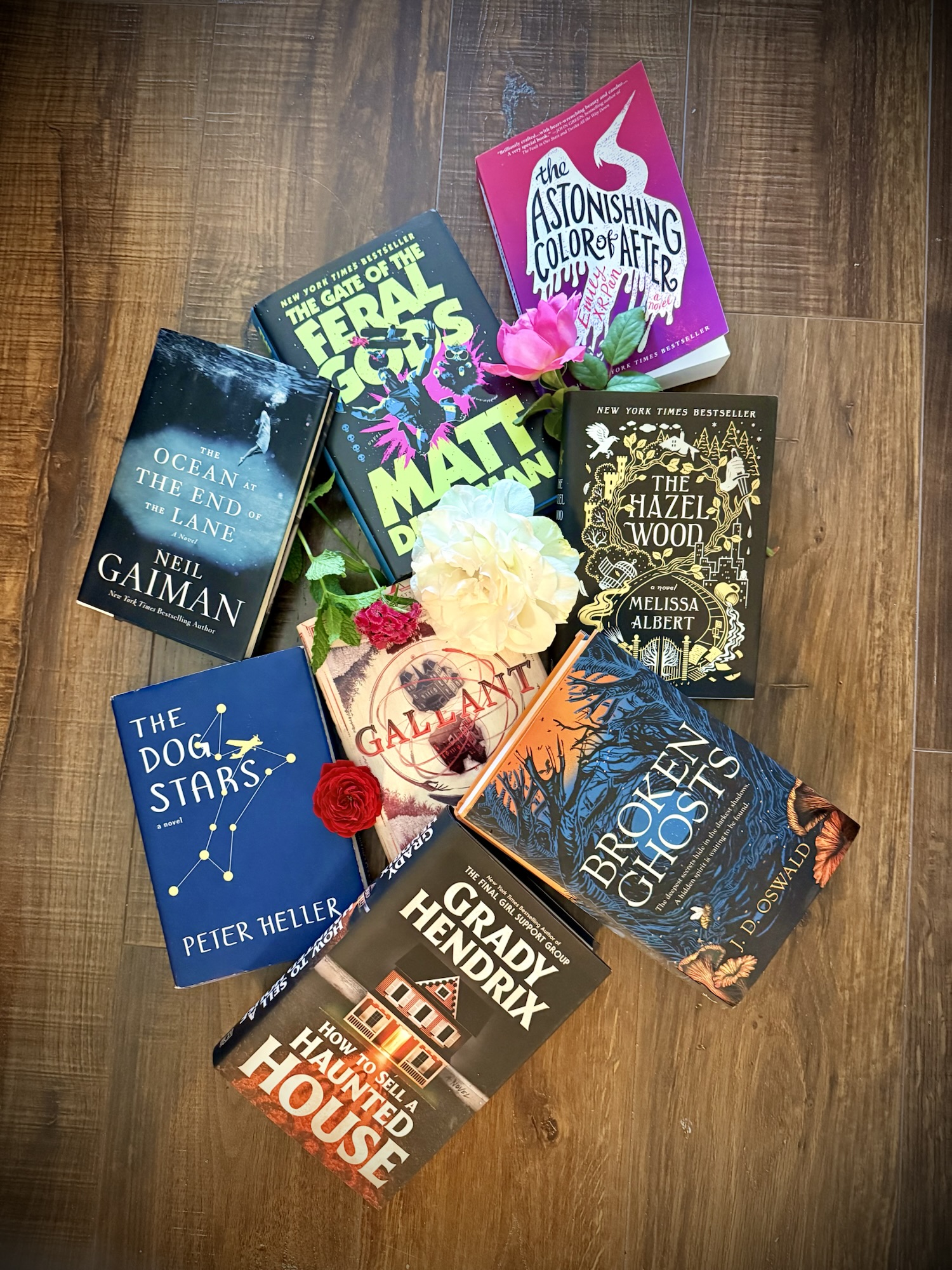
The neon sign on my office wall is a gift from a friend and a subtle reminder that my “to be read” pile is waiting patiently. They don’t really have a choice, unless those books suddenly become sentient. But that’s a whole other story. For now, I’m trying to settle in with a novel instead of doom scrolling through social media. One practice will improve my writing skills, while the other just results in a rise in my blood pressure.

Once I started studying the craft of writing and actually trying to turn out stories of my own, I noticed that my approach to reading shifted. I do read for enjoyment, but it’s hard to turn off that inner editor. Here’s a few of the books I’ve read so far this month and a bit of a review for each, along with what I learned about writing along the way.

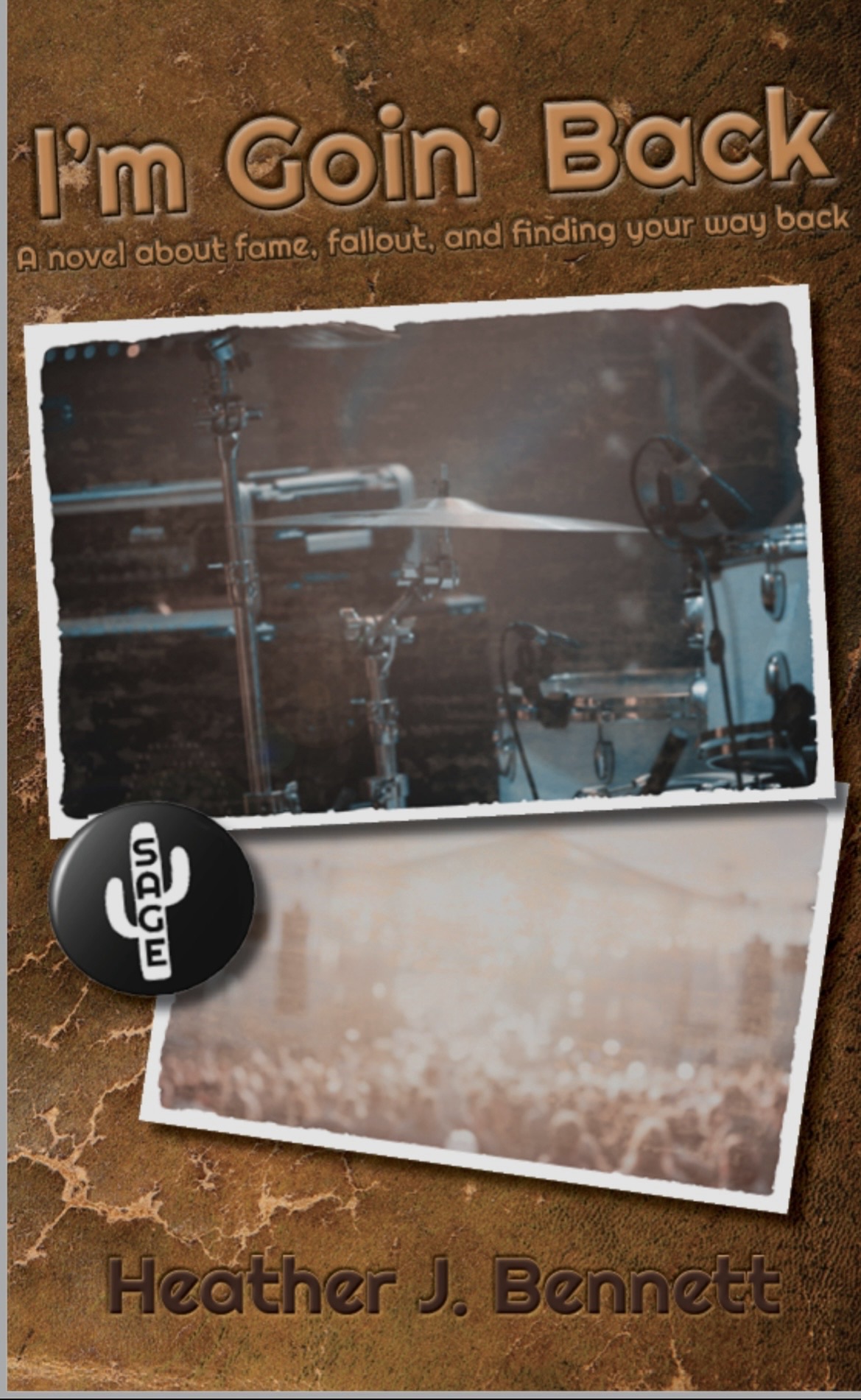
In November I read this novel written by my friend, Heather J. Bennett. She has a way of bringing her characters to life and giving the reader an intimate look at their challenges. Her books capture the 1970s – an era I grew up in – so well that I always feel like I’m settling in with an friend to reminisce about those times. The plots of her novels involve characters in the music industry, most often California rock and roll. Heather brings an authenticity to that setting that brings the reader right along with the characters. Writing wise, it’s good to read and learn from someone with such a good grasp of character development, plot, and setting detail. Plus her books are always a good story!

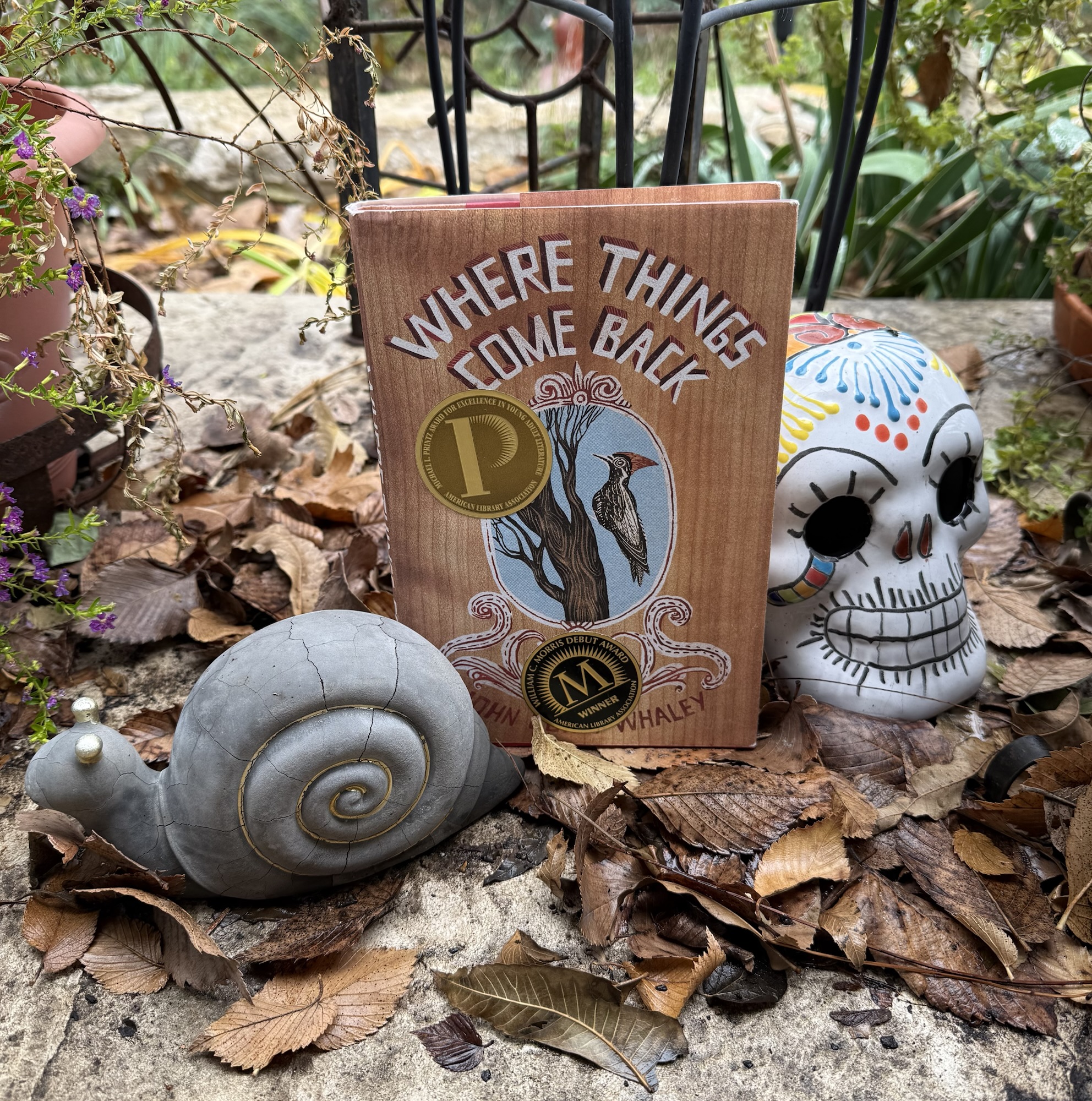
I bought this book at Dollar Tree and it was a $1.25 well spent. The first sentence hooked me in – “I was seventeen years old when I saw my first dead body.” From the title and that sentence, I was expecting something a bit darker from this novel, but I wasn’t disappointed with the story. The main characters are teenagers, so I suppose this would qualify as a “YA” book. There’s a disappearance and dual timelines that eventually converge in an unexpected but satisfying way. I like how the author, John Corey Whaley, tied everything together at the end. There’s a subplot with the town’s reaction to a possible sighting of an extinct woodpecker, and this explains the bird on the cover and also the double meaning of the title. I love it when the writer has a clear picture of how the plot will resolve and doesn’t resort to throwing everything at the conflict in hopes that something will stick. (Riley Sager, stop tossing tropes in the final chapter.)

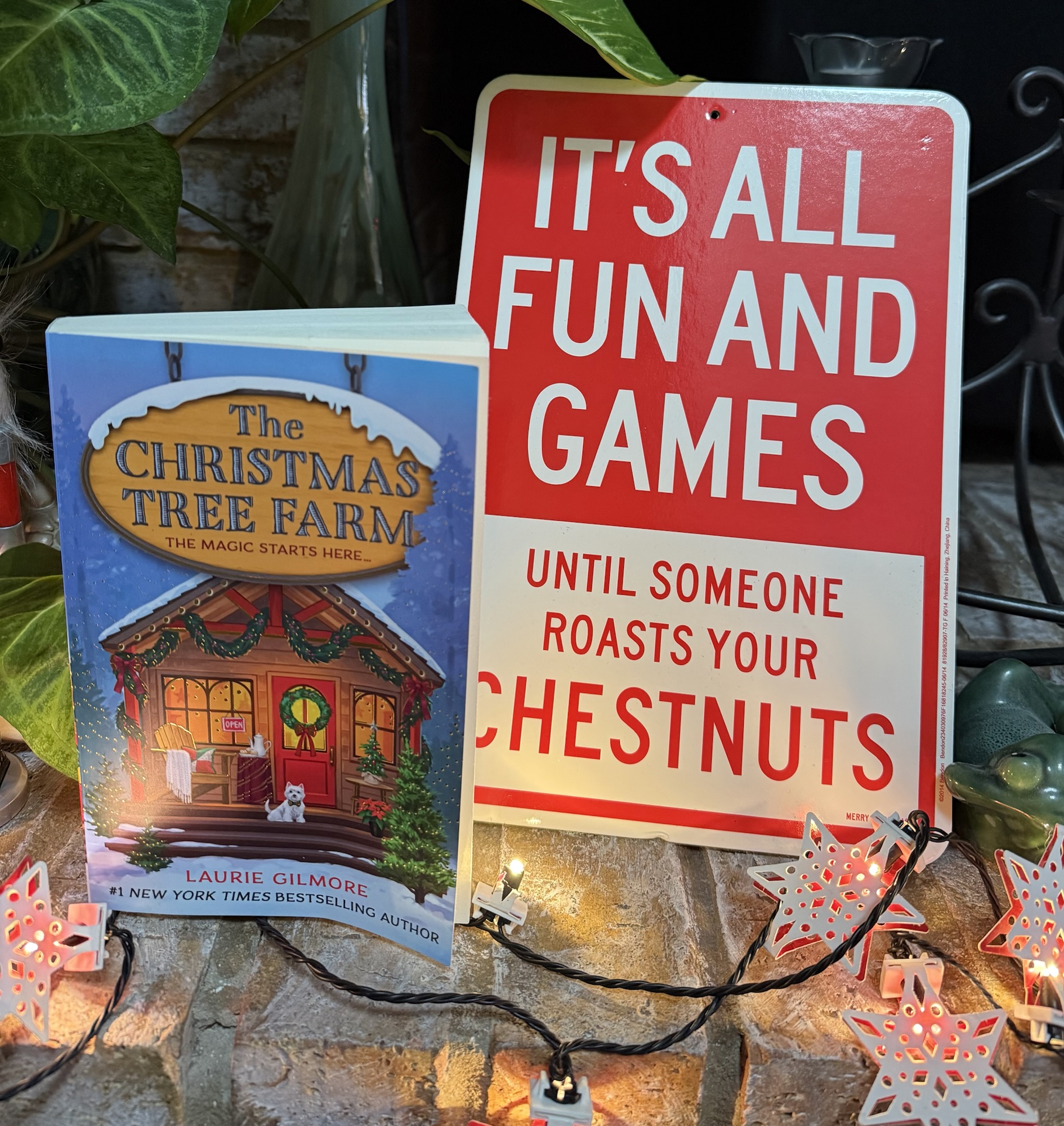
I’ll confess to an occasional binge of romance. I picked up this one based on the cover alone. Plus the author has a whole series set in this town. I loved the Virgin River series, so I thought I’d like these. Going in, I knew there were spicy scenes but I’m an adult, right? How bad could it be? Pretty bad it turns out. I’m not going to smut shame anyone, but if you picked up these books for the sexy parts, be aware the first get together doesn’t happen until about 200 pages in. And then, Kira and Bennett take up almost four pages with dialogue. Enough that I was urging them on to just finish things for heaven’s sake. As for plot, the main character, Kira, buys a Christmas tree farm and meets handsome Bennett. That’s about all that happens, over and over, until they finally hook up during a snowstorm. What I learned from this book – I don’t mind a spicy scene, but I’ve got to care enough about the characters to want them to get busy. I also realized I’ll never write a sex scene. Just coming up with euphemisms for body parts gives me a headache. Unless those parts are being loped off by the grim reaper/slasher who’s been stalking the characters.

Me and Carl

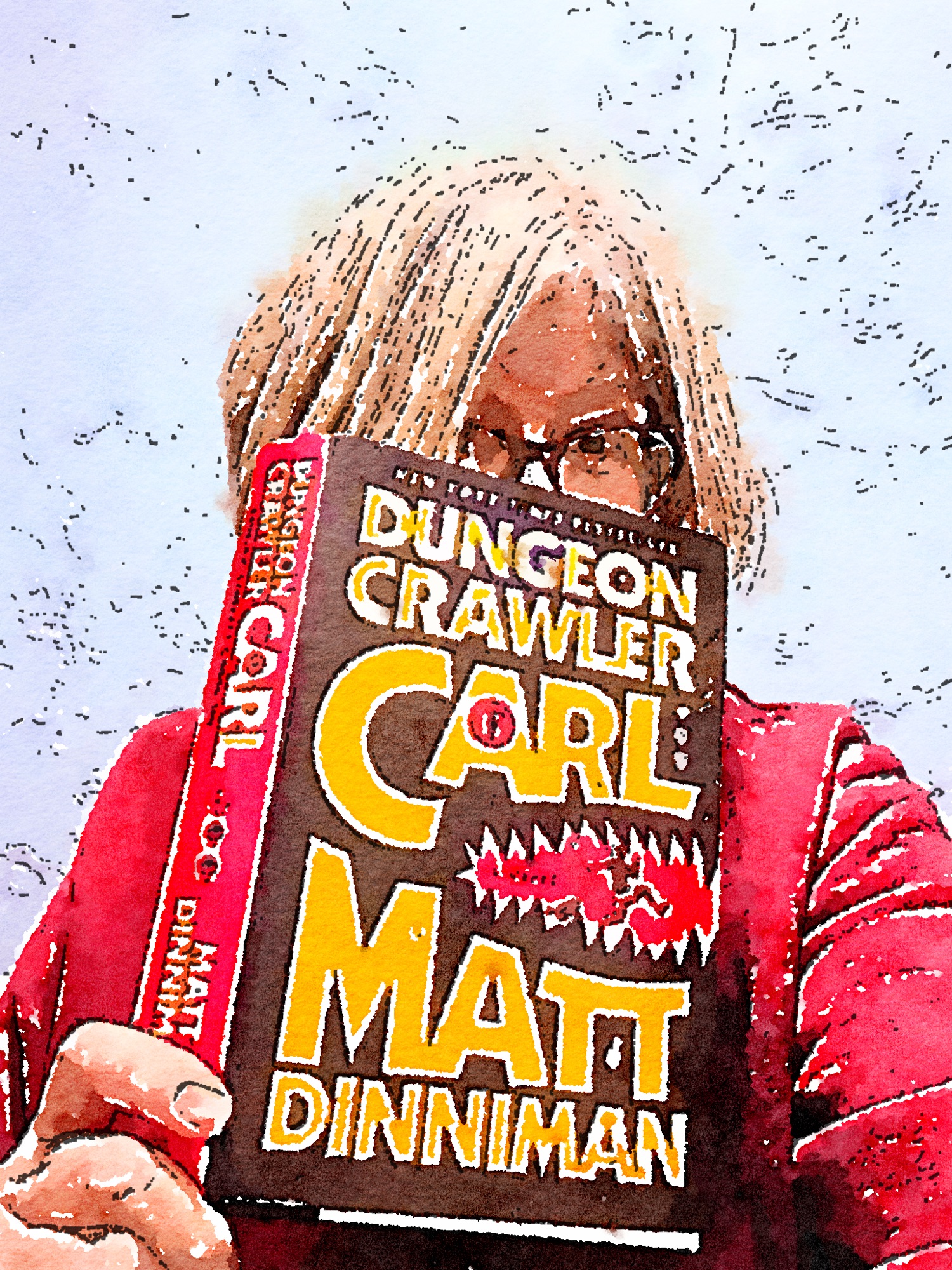
The last book is also my favorite of the month and possibly the entire year. I binged the first few chapters, staying up later than usual with no regrets. This book is a master class on pacing, conflict, hooks, and characterization. The unlikely plot – aliens have destroyed the Earth and the survivors must compete in an intergalactic game show that takes place in a dungeon – makes perfect sense once you get into the story. There’s magic, violence, fantasy, and a talking cat. The cat, Princess Donut the Queen Anne Chonk, is one of my favorite all time characters. By the end of the first chapter, I was rooting for her and Carl and hoping they didn’t get killed by the drug-dealing llamas or exploding goblins. Writing lesson – once the reader loves the main characters they’ll follow them through the story. Another lesson – give a satisfying ending with each conflict but also introduce a new conflict as a result of that ending. I LOVE these books – I bought the rest of the series (what has been published so far, that is) before I made it halfway through the first book. I’ll be reading the second book over the Christmas holiday next week, which will be much better for my blood pressure than doom scrolling Facebook.