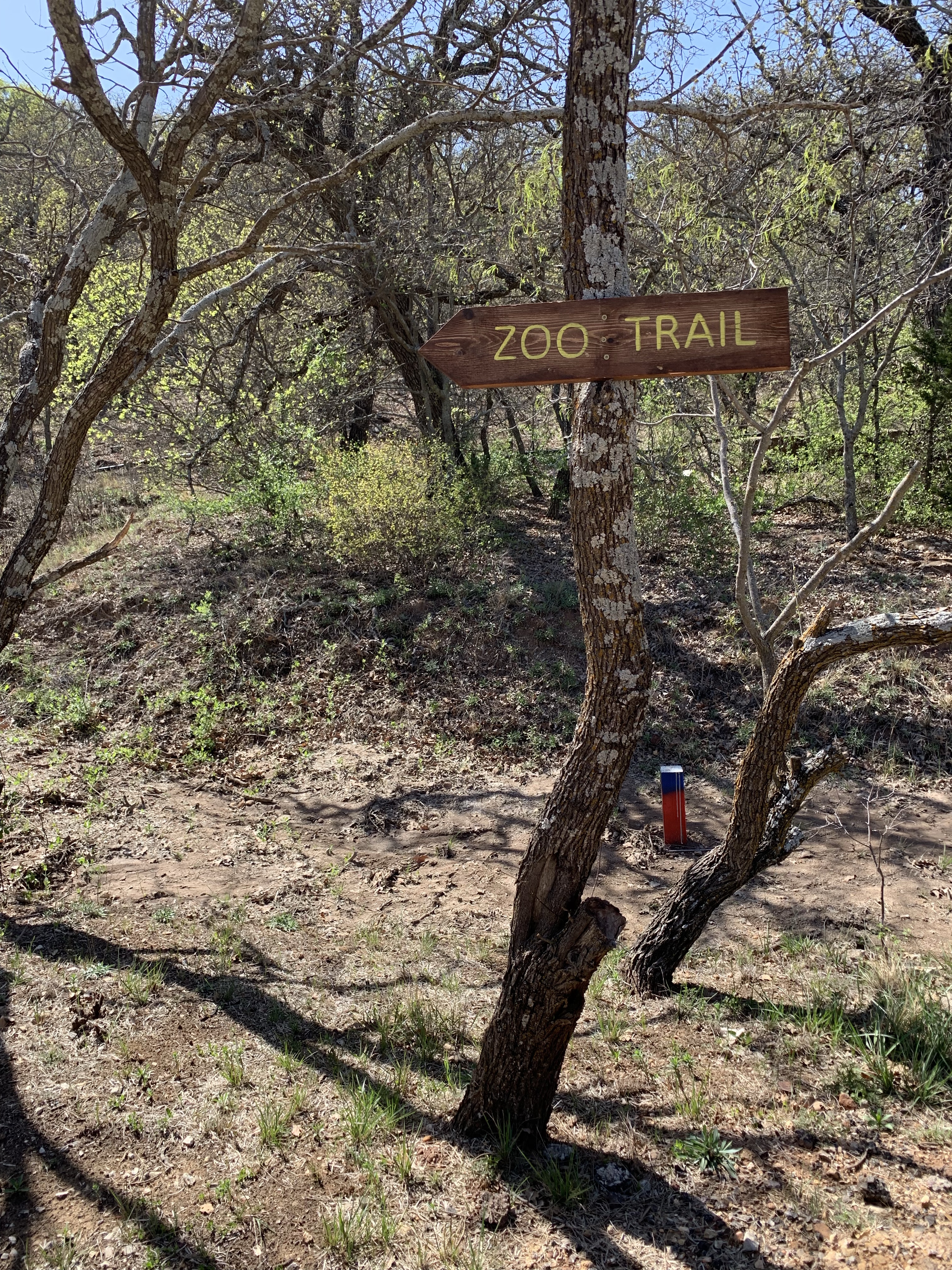
A sign on the trail at the old Cisco zoo. Photo by the author
One of the most common questions that authors get asked is some variation of “Where do you get your ideas?” For most writers, the answer is that we find them in our everyday experiences. This includes people who pen tales about ghosts, demons, and dragons. We don’t encounter those in real life, but we run across settings or objects that spur stories. Stephen King was inspired to write his novel The Shining after a winter stay at the Stanley Hotel in Estes, Colorado. The hotel’s isolated setting and a nightmare about his son gave rise to the plot of the horror story. And a very good one it is.
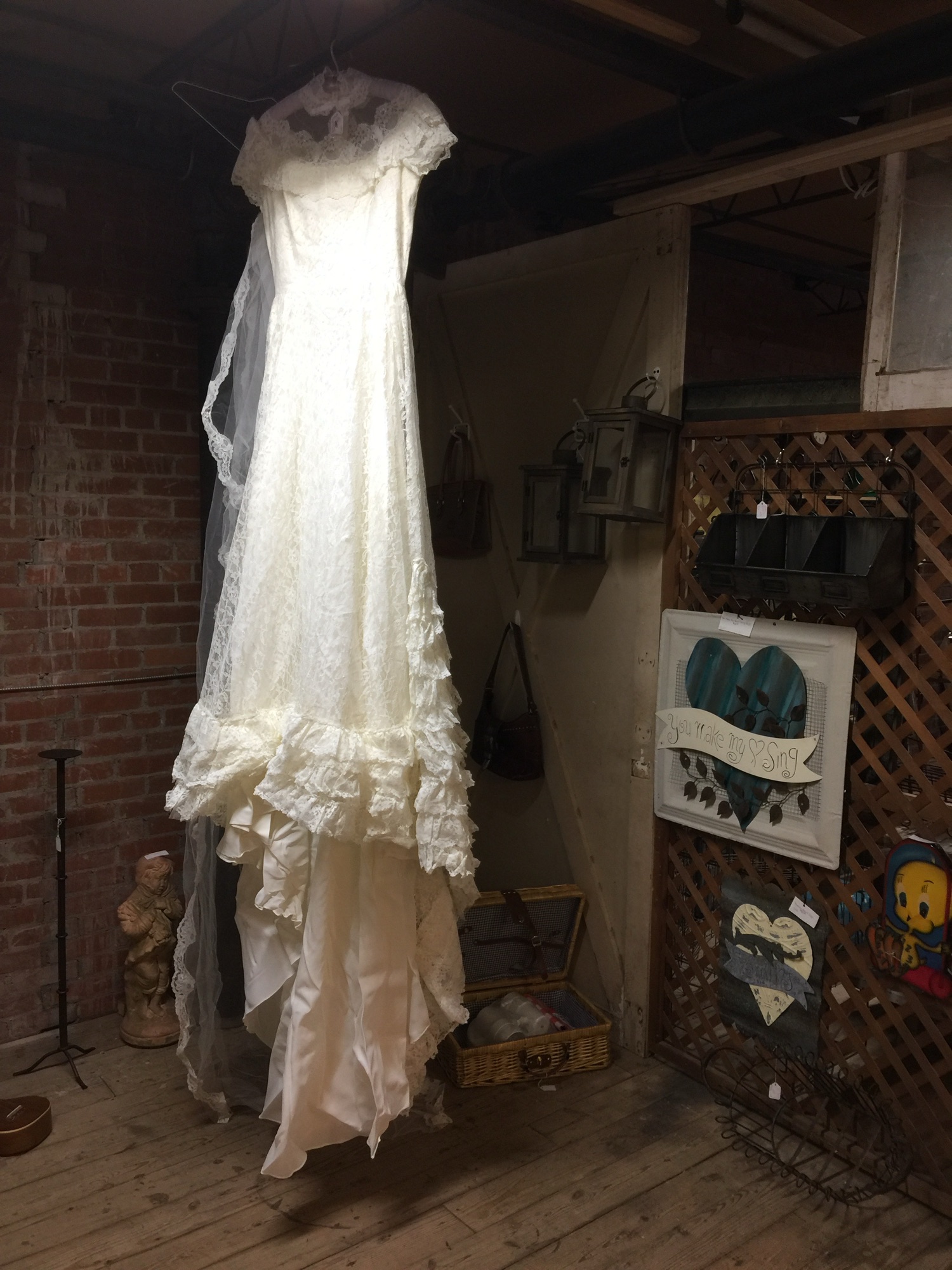
Not a ghost, but a ghostly garment for sure. Photo by the author.
A couple of years back, my husband Andrew and I visited the abandoned zoo trail in Cisco, Texas. I’ve got a separate post about that visit – you can find it on the Road Trip tab and read about it if you’d like. Strolling through that place I felt it would make a great setting. I filed away the memories and images to recall at some later date. They came to life in the Spring 2025 Writing Battle writing contest. I received the prompts “Small Town Secrets”, “Zoo”, and “Rich Aunt.” The minute I saw “Zoo” I knew where to set my story. Once I placed the characters in that abandoned zoo I found the secret that they were keeping.
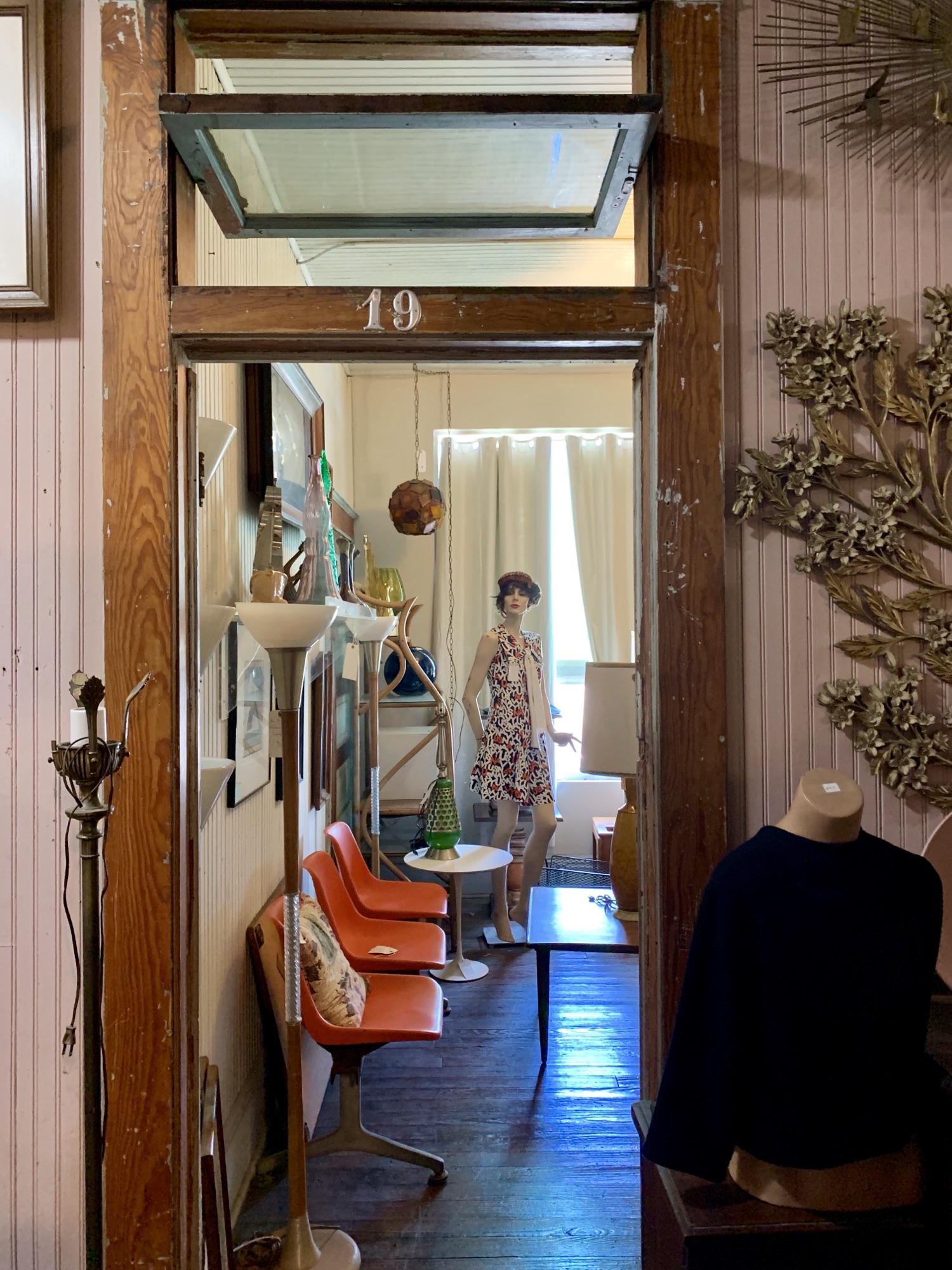
There’s a story waiting inside this room. Photo by the author.
Getting words on the page is the hardest step for me, but the contest had a deadline so that gave me motivation. I ran my first draft through the ProWritingAid app to polish the grammar and eliminate most of the passive voice. After one last edit, I finished the story and submitted it to the contest. It didn’t win any prizes. However, I received some useful feedback from the other contestants. The trick to a good story is that it’s not the writing but the rewriting that makes it stand out. After editing the draft that I had submitted to the contest, I took my pages to my writing group and got their feedback. Then, I submitted the story to the Flash Fiction Magazine’s contest. It didn’t win there either, but one of the editors emailed me afterwards and offered to publish it in the magazine. With some edits, of course. I said yes and off we went on the last round of revisions.
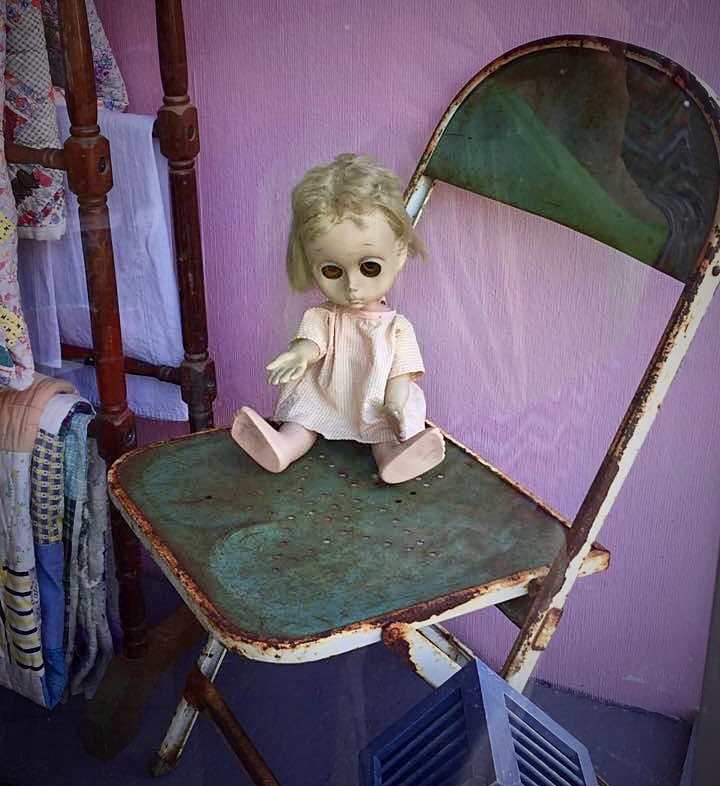
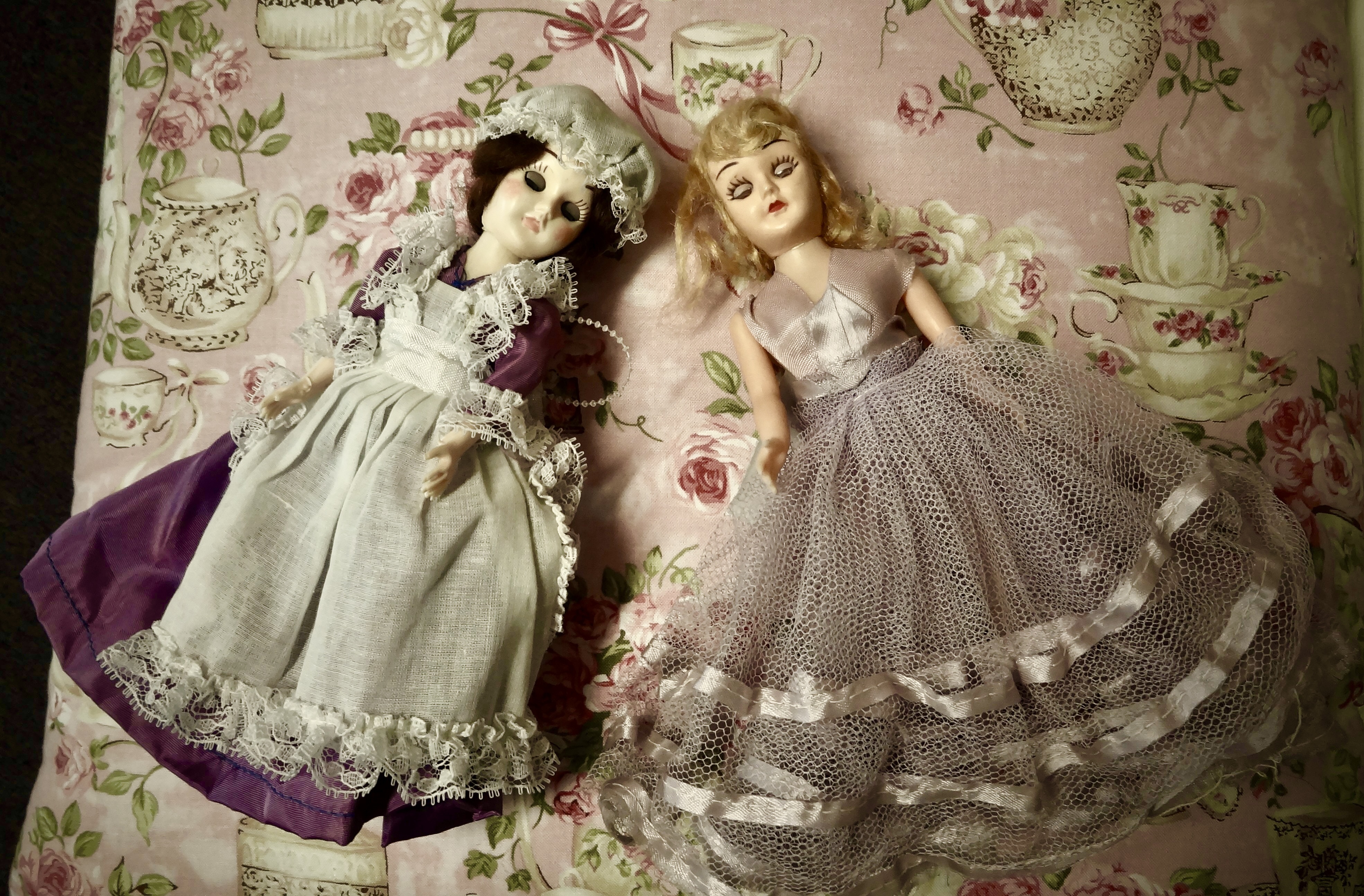
When we encounter haunted objects, there’s story waiting. Photo by the author.
My story, All We Have Abandoned, went through at least six rounds of editing before finally being published. Here is a list of some things that were changed through that process.
The title went from Forsaken but not Forgotten to the current one – All We Have Abandoned. I think the second title brings out the emotions felt in my trip to the old zoo and also fits the plot of the fiction piece better than the first title.
Some of the early readers mentioned that they couldn’t picture the point of view character. I realized that I hadn’t mentioned a gender or even a name for this character until past the halfway point in the story. Way too late – if you don’t introduce the main character early, readers will form their own idea of who that person should be. This can be jarring if they get the wrong picture of them and have to adjust later. I moved the narrator’s name up to the first word in the first sentence and added the phrase “no longer a little boy” as a second reminder of his gender.
I got rid of most of the “rich aunt” details that I had to include in the contest story but kept a couple of things about her character. She wears rhinestone-studded sunglasses and carries a cane with a silver handle. Those details I think will allow the reader to imagine her and also no a little bit about her personality.
My original draft included a full paragraph of back story about the zoo history. Fascinating stuff to me, the author, but not so interesting to readers who just wanted to get into the story. Cutting those lines allowed me room to add a scene where the main character encounters someone in the past.
Speaking of the past, I had a problem with tenses. There’s a flashback while the characters stroll through the zoo, but I wrote almost everything in present tense. Some of my early readers were confused about the timeline until I fixed that problem.
I made a small change to the ending, substituting one word for two in the last sentence. In general, I think it is always a good idea to cut words and this one change gave the story more impact and an ending that will stay with the reader.
Now, if you’d like to read the final, published story, here’s the link to the post on the Flash Fiction Magazine page: All We Have Abandoned
Tonight’s story is one of the first that I wrote for the NYC Midnight writing contest. I don’t remember the prompts, but I think the genre must have been mystery or crime. And I do remember that one of the words that had to be used was “surrogate.” Anyway, here it is copied below. I spent more time selecting the photo to accompany it than I did posting the story, so please forgive any editing that might need to be done.
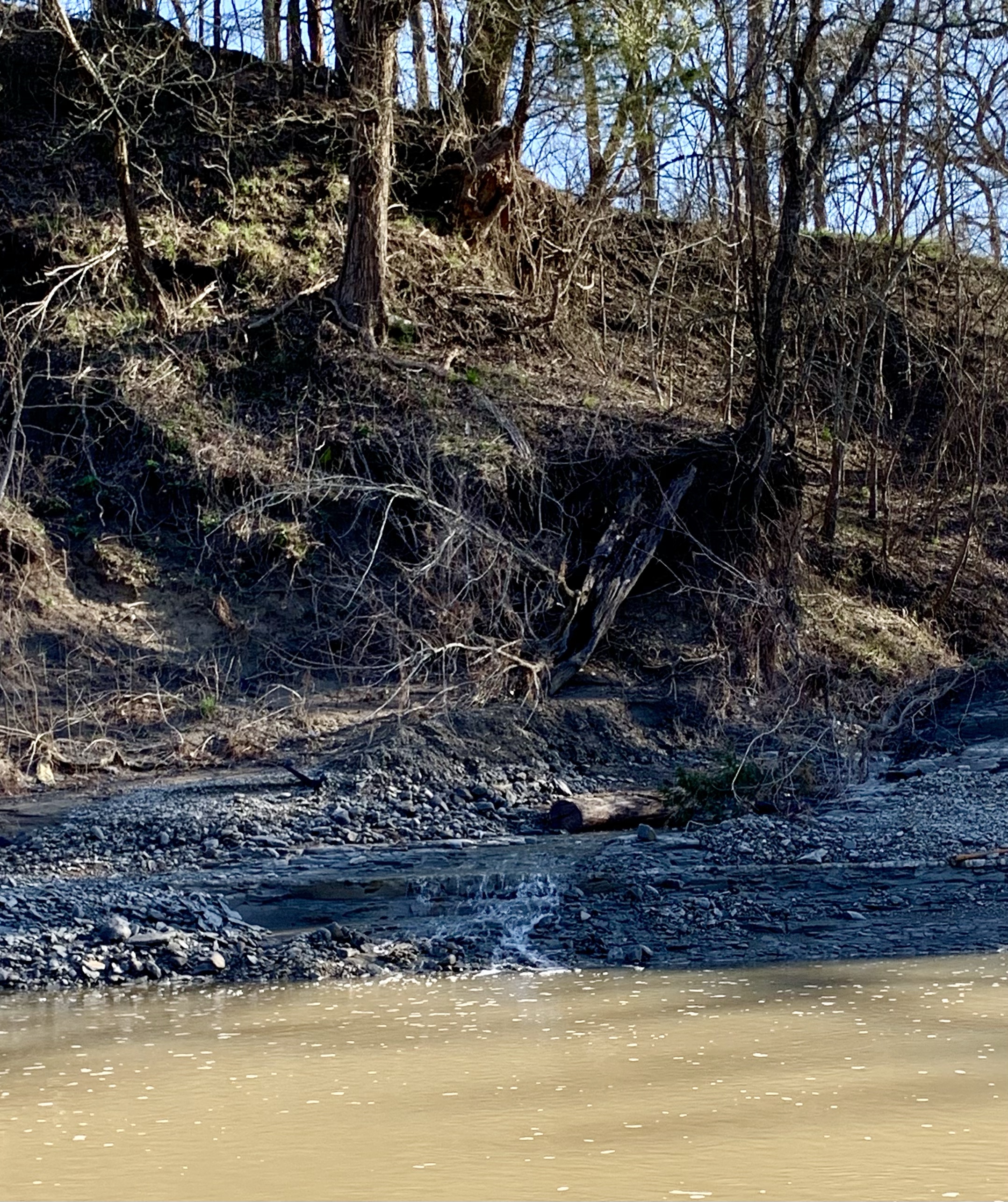
Speaking of photos – I always try to use something either my husband or I have captured. This is harder when it’s a fiction piece. For this story I wanted something mysterious, but most of my landscape shots tend toward picturesque and not eerie. I almost used the one below as the top picture, but decided on one with “water” as the theme. After you read the story, let me know which photo best captures the mood of the tale.
Photo by the author
Blood Over Water
I picked up the hitchhiker a quarter-mile past where our Main Street became TX-86. A rusty pickup blew past where she stood with her thumb out. When his brake lights flashed, I hit my light bar and beeped the siren. The truck kept going. Hitchhiking is legal in Texas, and I wouldn’t have pulled over for just any traveler, but this one looked nine months pregnant.
“Hot for a hike, isn’t it?” I leaned toward the open passenger side window, smiling and hoping the girl wouldn’t bolt. Skittish as a deer, she wavered at the edge of the asphalt. Dark sweat stains circled the neck and armholes of her gray t-shirt, stretched tight across her belly. A black leather purse rested at her feet. She shrugged and tucked a lank strand of brown hair behind her ear.
I pushed open the car door. “Hop in. We can talk about it in the air conditioning.”
“You arresting me?”
“That depends. You committed any crimes?” This earned me a smile. To my relief, the girl eased into the seat beside me.
“Thank you, officer.” She glanced at me, then away. “I’ve never been in a police car before.”
“Good to hear.” I held out my hand. “Chief John Lawson, at your service.”
“Cindy Brinkman.” Her hand was hot and slick with sweat.
“When’s your baby due, Cindy?”
“It’s not my baby.” Her bottom lip quivered, and she turned to stare at the flat West Texas landscape.
I wondered about that, but figured it was best not to push her. “I tell you what, there’s a Dairy Queen in town, has a cold soda waiting.” She nodded, and I put the cruiser in gear and drove off.
Over a pair of cherry Cokes, I learned Cindy was twenty-three, five years younger than my daughter Alice. Cindy lived in town with her boyfriend, Jamie, when he wasn’t working. He stayed in Midland during the week, in a trailer with other oil field workers.
“We had a fight, and I left.” She spread her hand protectively across her stomach.
“He hurt you?”
“Oh, no! Jamie would never do that!” She shook her head, her eyes wide. “It’s just hard, you know.”
“You have someone you can call?”
She rummaged in her purse and brought out a pink phone. “My sister. But my battery is dead.”
“You can use mine.” I went to the counter to order food while she made the call.
Cindy polished off a double cheeseburger and two refills of cola before her sister arrived. I recognized the woman that pushed through the door of the Dairy Queen—she’d made an unsuccessful run for school board last year. Brenda York. Her husband did something in tech.
“What were you thinking? It’s hot as hell and the baby is due any day. Why didn’t you call?” Angry red blotches dotted her face. She swept her arm toward the window, almost clocking her husband, a tall, whip-thin man hovering behind her.
Brenda’s husband leaned across the table. “Carl York,” he said, shaking my hand. “Thank you for picking her up.” Carl had close-cropped black hair—like a military cut.
“Part of the job. I’m glad some good Samaritan called in when they saw her on the side of the road.”
Before Cindy left, I pulled her aside. “You folks go ahead.” When Brenda and her husband were out of earshot, I asked Cindy, “You sure you want to go with them?”
She nodded.
“When things calm down, call Jamie. I’m a father myself, and I know he’ll be worried about you and the baby.”
Cindy gave me a startled look, her eyes wide. “Oh,” she said, “it’s Brenda’s baby.” She pointed outside, where her sister waited, one hand on their SUV. “I’m her surrogate.”
Later that night, while we loaded dishes into the dishwasher, I asked my wife about the surrogacy thing. Barb, my wife, worked as a nurse. I could have looked it up on the internet, but I’d rather someone explain the medical terms in words I could understand.
“There are several ways they can go about it,” Barb said. “The surrogate carries the baby because Mom can’t. Sometimes they use a donor egg.”
“Who’s the father?” I rinsed a plate and handed it to Barb.
“They can use the husband’s sperm, or a donor. Either they fertilize the surrogate’s egg, or if they use the mom’s egg, they’ll fertilize it and transfer the embryo to the surrogate.”
“After that, it’s business as usual? Nine months later, you have a baby?”
Barb laughed. “We hope everything goes as usual. If the implantation is successful, yes—the embryo clings to the uterus and nine months later you have a baby.” She closed the dishwasher and punched the button to start a load. “Now tell me, John Lawson, why the sudden interest in where babies come from?”
I explained about picking up Cindy and meeting her sister and her brother-in-law. “She told me twice it wasn’t her baby.”
“There’s sure to be a contract. She would have to sign away any rights to the child.”
“Why would someone agree to that? Have a baby and give it up?”
“Why does anyone do anything? It’s always for love or money.”
Two months passed before I thought of my pregnant hitchhiker. Labor Day, we had a record of four calls for drunk and disorderly at the RV park. The next week, a grass fire swept up to the edge of town, almost igniting the First Baptist Church.
The night of the grass fire, after our volunteer fire department had it under control, I stopped at the Allsup’s convenience store for a cup of coffee and a fried burrito. A haze of smoke hung in the air, blurring the stars. The heat had broken, ushering in the promise of cool nights in the fall. I leaned against the cruiser, careful to keep burrito crumbs off my uniform shirt. A baby’s wail erupted from the black Lincoln SUV parked at the pump. I recognized the man pumping gas—Carl York. I wandered over.
“That’s a healthy set of lungs. Congratulations.”
Carl grimaced. “Do babies ever stop crying?”
“In my experience, hardly ever.” I peered into the back seat, nodding with approval at the fancy carrier turned backwards to face the seat. I tapped on the window. “Boy or girl?”
“Boy.” Carl hung the hose back in its holder. “I better get going. Only time he stops crying is when the car’s moving.”
“Colic?”
“Yeah. Brenda is exhausted, and I barely get any work done. I’d give anything for a quiet night.” He collapsed into the driver’s seat. I held onto the car door.
“What about Cindy? Can she help?”
“We don’t think that’s a good idea.” Carl tugged at the car door and I stepped back. He snorted a half-laugh. “We gave her the money, and she gave us the baby. Over and done.”
Under the fluorescent lights of the station, his skin looked sallow, like he’d aged ten years in the past month. Lack of sleep would do that. I thought I’d ask Barb if she’d pick up a gift for the baby. Give me an excuse to stop by, check on them. I didn’t follow through, though, and the next time I spoke to them, their baby was missing.
The call came in early on a Sunday morning. Sunrise was a yellow line of promise across the horizon when the police scanner in my den crackled to life. Donna, our night shift dispatcher, called out the code for a missing child. By the time I made it to the York’s house, two of our cruisers sat parked in their drive, lights spinning.
The York’s lived in a sprawling, ranch style home. I met them in their living room. Brenda was wrapped in a pale blue robe. Her brown hair was flattened on one side. Carl had pulled on a pair of loose sweat pants and a t-shirt. He held a heavy-duty flashlight in one hand. As we talked, he tapped the light against his palm.
“Tell me what happened,” I asked them. They’d have to repeat the story later for the FBI field team. I’d called my contact there, and they’d be on the way from Dallas. I wouldn’t wait for them. Time is the biggest enemy in a child abduction.
“I thought he slept through the night. Then when I got to the room…” Brenda broke down in sobs. She took deep, hiccupping breaths.
Carl put a hand on her shoulder. “We heard nothing. Not a sound,” he said.
A uniformed officer stood guard outside the baby’s room. She stepped aside to let me enter, but I stopped at the threshold. I scanned the room. Bright red letters hung on the wall, spelling out the boy’s name, Colton. A framed picture of the baby hung below the letters. He had the flat, formless features of a newborn, topped with a thatch of strawberry blonde hair.
The window curtains over the crib had balloons and rainbows printed on the fabric. The rails on the side of the crib were raised and something white and square lay on the floor. I used a pencil to flip on the light switch. The white thing was a baby monitor.
“Anyone else been in here?” I asked the officer.
“No sir.” She straightened her shoulders and adjusted her belt. “Not since we got here.”
Carl met me in the hallway. I asked him, “Was that window closed last night?”
“Closed and locked.”
“What about the doors? You folks have an alarm?”
Carl shook his head. “I let the dog out the back door last night before I went to bed. I don’t think I locked it after.”
“Was this before or after you put the baby to bed?”
“After,” Carl answered. “Last night, he was fussy. I had to take him out in the car to get him to sleep. It was past midnight when we got back. Brenda was asleep.”
“You see anything on that monitor?” I motioned behind me into the baby’s room.
“Nothing. Not until this morning, when Brenda…” His voice trailed off, and he cupped both hands over his face. “What do we do?”
“The FBI folks will be here later. Right now, we’ll keep things secure, talk to your neighbors and see if anyone noticed anything. We’ll send out an Amber Alert.”
I walked with Carl back to the living room. “Have either of you talked to Cindy?”
Brenda looked from me to Carl before she answered. “You mean this morning? No. Not yet. I should do that.”
After the FBI team arrived, I met with the agent in charge, a tall, square-jawed woman named Twyla Carson, and gave her a recap of all I knew. Agent Carson had steel-gray eyes and a firm handshake. Her suit, despite the five-hour drive from Dallas, looked fresh off the rack. I left the feds at their work and I drove over to check on Cindy.
Her address belonged to a small, wood-framed house close to the Allsup’s where I’d seen Carl and the baby. An apple red Honda Civic with paper dealer tags sat in the drive. Cindy opened the door before I could knock. She stood in the half-open doorway, blocking my view into the house.
“Hello, Cindy. How are you holding up?”
“I’m okay.”
The young woman in front of me looked a world different from the pregnant hitchhiker I’d met three months ago. Instead of a sweat-stained t-shirt, she wore a floral print blouse and dark jeans. I studied her face for signs of tears.
“Is your boyfriend home? If not, it would be a good idea for you to be with family right now.”
“I was gonna go over there, but Brenda said to wait until later.”
“Mind if I come in? I wanted to go over a couple of things. You never know what might help us find Colton.”
Cindy bit her lip and hesitated, but she backed away and opened the door. We walked down a short hallway and into the living room. Empty food containers—pizza boxes, hamburger wrappers and Styrofoam plates—covered the coffee table. A breast pump sat atop one of the pizza boxes. Cindy hustled over and started clearing the trash.
“When’s the last time you saw the baby?” I asked.
“I was over there last night.” She picked up the breast pump. “I’ve been dropping off breast milk. They tried formula, but he does better with this.”
“You’ve done that from the start?”
“I don’t mind it.” She carried the pump into the kitchen and called, “You want a glass of water or something?”
“No thank you,” I answered. “But I’d like to borrow your bathroom.”
“Sure.” Cindy came back into the living room. “It’s right down the hall.”
I didn’t need the bathroom, but it was the best excuse to get a look at the rest of the house. The door to the master bedroom hung open, and I glimpsed an open suitcase laid out on the bed. When I left the bathroom, I stopped in the hall opposite the second bedroom. They’d set this room up as a sort of den. A pair of gaming chairs sat in front of a television.
Back in the living room, I picked up a framed photo of Cindy and her boyfriend, Jamie. The picture showed them standing at the base of a red, sand-stone cliff. Sunshine gave the photo a golden tint, lighting up Jamie’s reddish-blond hair. I handed the photo to Cindy.
“Where are they, Cindy?” I thought at first she wouldn’t answer, but then her face crumpled.
“I thought it would all work out, but after he was born…” She collapsed on the couch. “We’re going to be in so much trouble, aren’t we?”
I called Agent Carson and gave her the address of the hotel where they’d find Jamie and Colton. For the second time, I gave Cindy a ride in my police car. At the station, she told the whole story.
“We already had the money when I lost the baby,” she said. “It was right after the first round. I didn’t go to the doctor. I thought they’d be able to tell at the next checkup and I could pretend I didn’t know.”
But by the time Cindy had her next check-up, she was pregnant. This time, the baby was hers and Jamie’s. They decided not to tell. They had the money—fifty thousand dollars, and Cindy had signed away all rights to the baby. That was the first baby, though. The one that didn’t take. As her due date approached, Jamie pressured her to keep the baby. That was what the fight had been about. That day I’d picked her up.
It would be a mess to sort out. Why did they do it? For love or for money, my wife had said. I figured that was true.
 Let's Get Out of Here