Join Hands Again

In gratitude for the love we are to receive
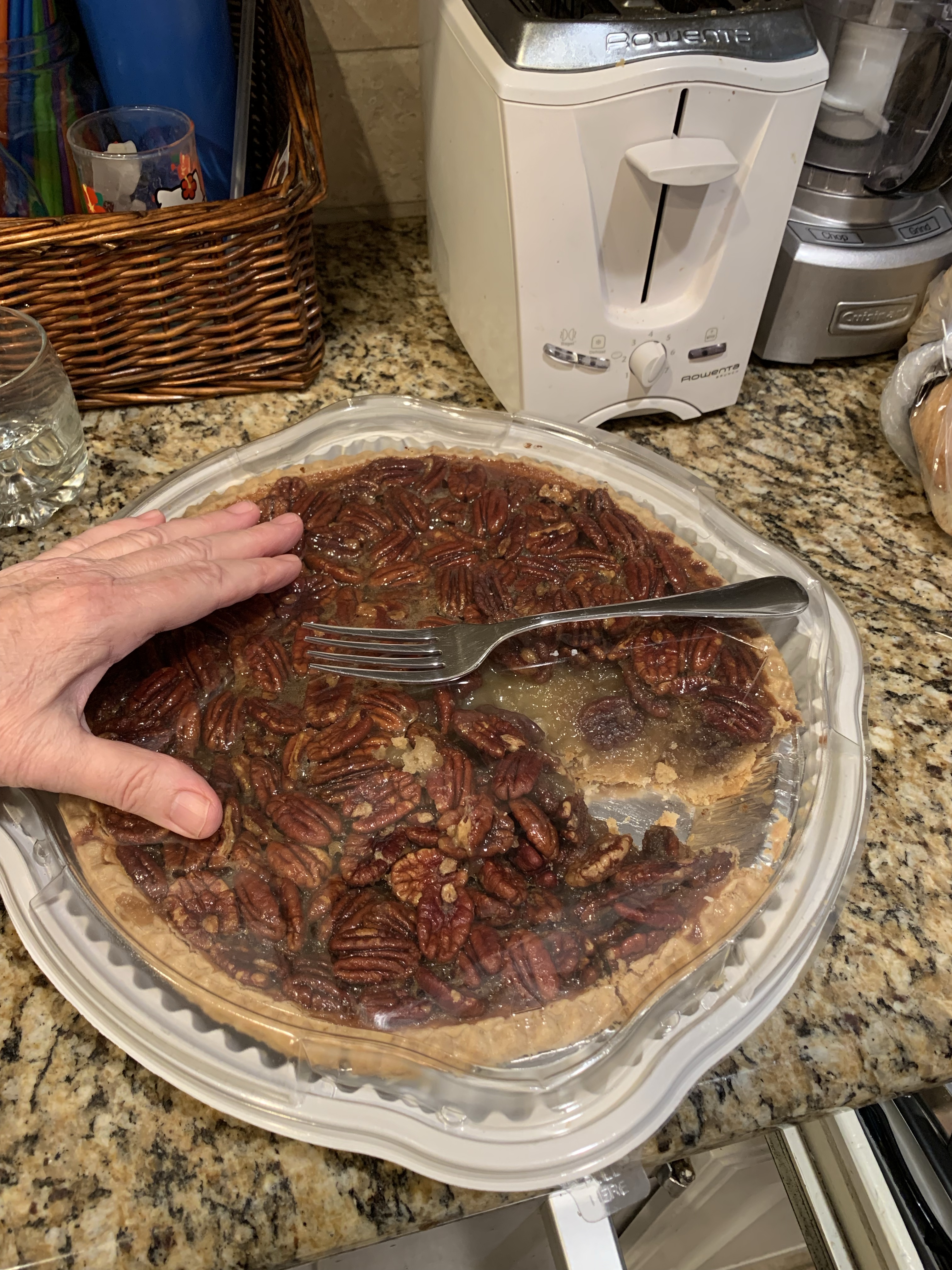
I love pecan pie. Yesterday, our realtor gifted his clients with Thanksgiving pies. We bought our house two years ago, in the middle of a crazy market, when investors were slinging cash like the Monopoly banker. Without his expertise, we wouldn’t have been able to find a place to call home. For that, we are grateful to Kreg Hall. The pie is a bonus. A large bonus, as I am the only one in our household who likes or can eat pecan pie. To make it last, I’ll freeze portions and enjoy it during the winter months. Each time I sit down with coffee and a slice of pecan pie, warm from the microwave, I’ll lift a fork in gratitude for the blessings we have and the good people in our life.

Below is a post from 2017. I wanted to share it again, I hope you enjoy reading it.  


Join Hands, Give Thanks
I lived through two decades before I discovered that there were people in the world who made dressing with stale bread cubes instead of fresh cornbread. My oldest sister’s second husband, the nice one, was from somewhere up North. New York, I think. He had dark, pomaded hair swept up and back and he smiled and spoke with an accent I had only ever heard on television. He made a bread stuffing with oysters. I forgave him because it was delicious, each mouthful a feast of earthy black pepper mixed with the salty ocean taste of oysters. Home from college, my mother volunteered me to drive the two of us up to Malakoff, Texas, where my sister and her new husband had retired to life by the lake. In those days before GPS, I got lost following my sister’s handwritten directions. We arrived late, but to a feast still warm and laid out on their Formica topped kitchen island. I wish I had asked him for the recipe for that oyster dressing.

My mother made her dish the Southern way, with cornbread. She used white corn meal, soft as sand, with a bit of flour, scooped up and sprinkled in like snow. Baking soda and baking powder for leavening, for we all need incentive to rise. Buttermilk to mix, salt and bacon drippings for flavor, then all poured into her largest cast iron skillet, warmed on the stove so the crust will brown first. It came out like a pale yellow moon and filled the kitchen with the warm, sweet scent of corn. For the dressing she mixed in celery, onions, broth, and enough sage to repel evil spirits.

When I was young, we traveled to my grandmother’s house for Thanksgiving. Not over the river or through the woods, but past the lake and along Highway 380 the 15 miles to the town of Farmersville. My mother brought her cornbread dressing and a pie or two as her contribution to the meal. I held the warm pan of dressing on my lap where I sat in the slick vinyl backseat of our 1970 Oldsmobile and tried not to drool on the foil covering the pan. My grandmother’s wood frame house had a tiny living room decorated with an autographed photograph of a famous televangelist, before the fall. She sent him money and prayed for healing by laying her hands on her Chroma color television while he preached. The children, including anyone under the age of 18, were banished to the back porch. We fought over metal folding chairs and balanced our plates of food on our knees while we fended off the horde of feral cats living in my grandmother’s yard. The cats were only slightly outnumbered by my cousins.

Some years we visited my father’s family, where my aunts made their dressing and gravy seasoned with the chunks of turkey heart, liver, and gizzard that came packaged and concealed inside a store bought turkey. The first time I cooked a turkey I didn’t realize there was this hidden prize inside. I found them after, steamed and tucked under the skin at the front of the turkey, where his neck would have been if it weren’t shoved up into the body cavity. The neck was roasted too, because I didn’t know there was a second, secret scrap part buried inside my turkey.

My first husband was from Missouri, and the bread stuffing his mother made was moist, but thick, and had to be scooped out in chunks. My father-in-law, an honest, hard-working mechanic and assistant Boy Scout leader, led the prayer each year, insisting that we all stand before the table and join hands. You haven’t really experienced Thanksgiving gratitude until you’ve had to convince a squirming toddler to stay still during a ten minute blessing while the aroma of roasted meat and cinnamon spiced pumpkin wafts over you in a moist cloud of steam you can taste.

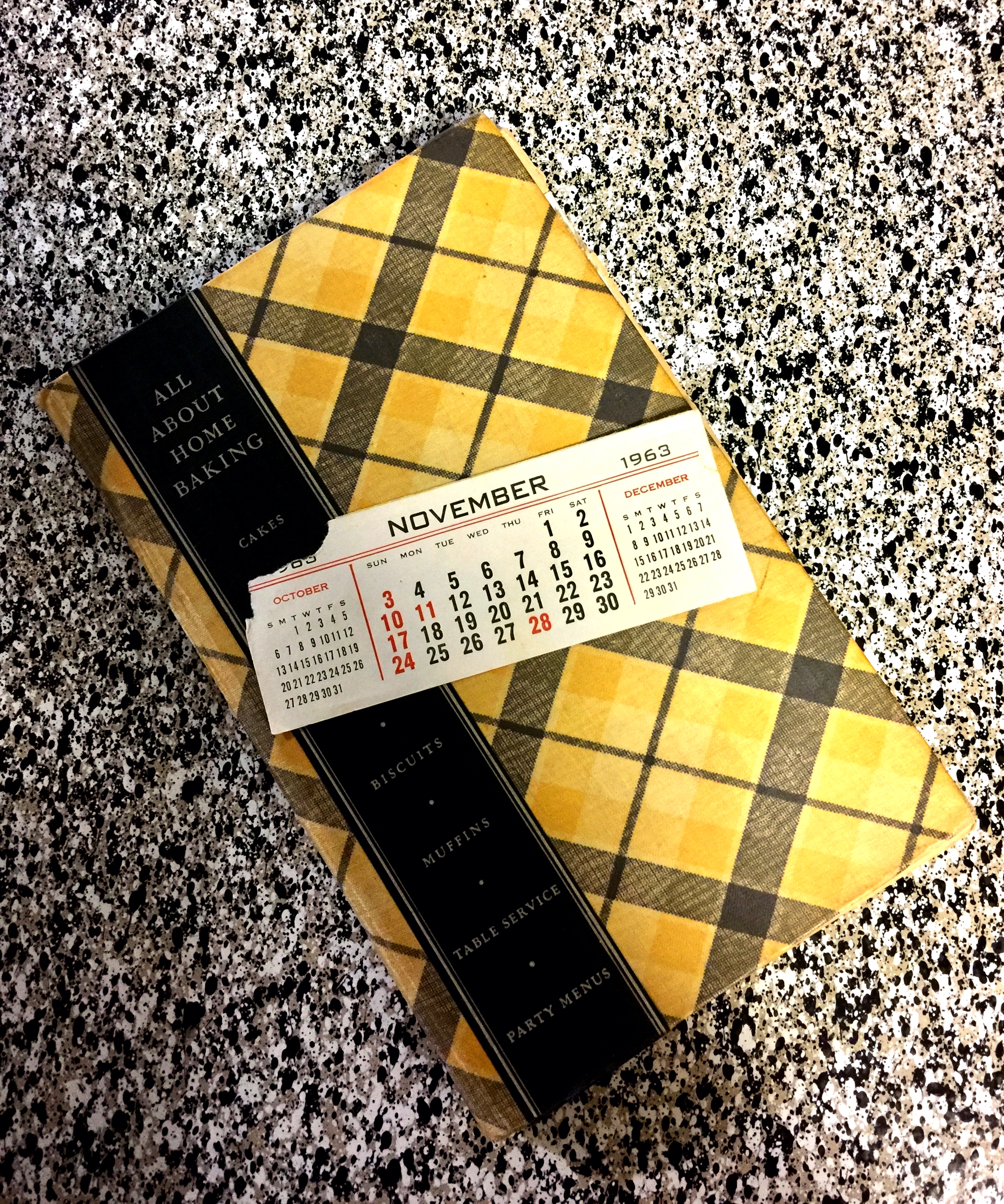
My mother stopped cooking a turkey for Thanksgiving after my parents divorced, when it was just the two of us left at home. She would roast a chicken instead, and make her cornbread dressing. I never saw her consult a cookbook. She cooked from memory, measuring out ingredients to taste except when she was making a pie or a cake. After she moved into a nursing home, I found a cookbook tucked away in a box she had stored in her laundry room. The book, All About Home Baking, had penciled notes in the margins and tucked inside the front cover, scraps of lined paper with recipes written in her delicate, looping cursive. Brittle, yellowed pages from a 1963 calendar fluttered out like falling leaves when I turned the pages of the book.

I roast a turkey every year, even when there are just one or two guests and my vegetarian husband at the table. This year I’m cooking both turkey and a ham. I’ll make cranberry relish from fresh cranberries and oranges and add so much sugar that it passes for jam. We’ll have pumpkin pie and a minced meat pie like my mother used to make, even though no one but me will eat it. It is a deliberate luxury on my part to have a whole pie to myself. My husband, Andrew, will mash potatoes so they come out just the way he likes them, a little bit creamy and with a few tiny lumps. When he leaves the kitchen I will sneak in more butter and salt to the dish.

I don’t cook my mother’s cornbread dressing. I’ve fallen from grace and into the boxed, instant variety but at least it’s the cornbread version. I’ll make traditional green bean casserole with crispy fried onions on top and a spinach rice casserole from a recipe my aunt gave to me. I don’t put marshmallows on the yams, instead I’ll serve them with a pecan streusel topping like my ex-husband’s mother, my first mother-in-law, made.

The guests at the table, the cooks in the kitchen, and the fellowship changes, just as the feast stays the same. I touch my past as my hand stirs the pot, preps the bird, and kneads the bread. I bow my head in silent thanks and join hands with all, even those who are absent from the table. Join hands, bow heads and give thanks. Give thanks for the love we are all about to receive.
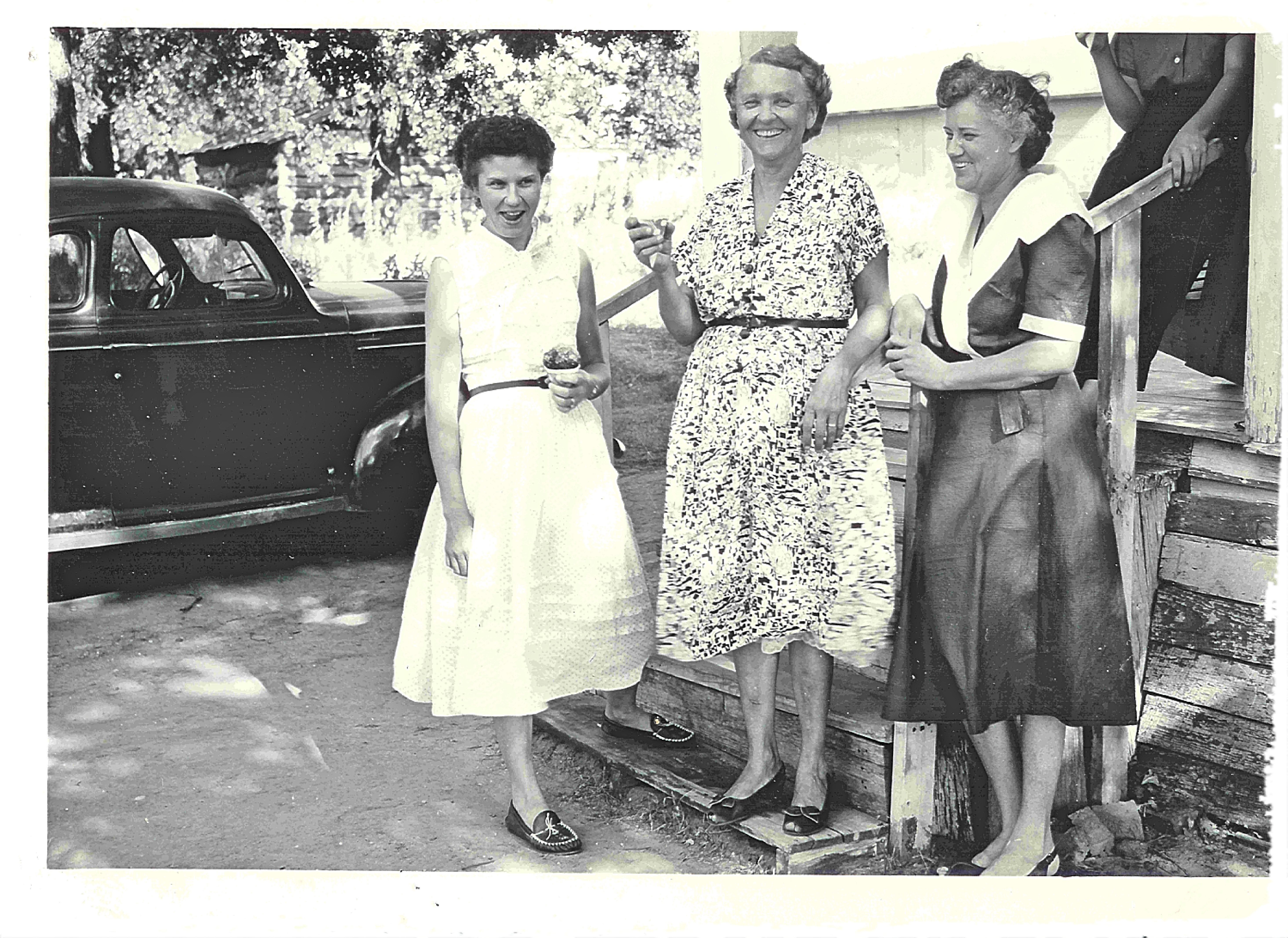
From the left: My mom, my maternal grandmother, and my aunt

Everyone’s Taste is Not Your Own

Photo by the author

The past has flavor. It tastes like cherry popsicles melting red down your arm on a hot summer day. It might taste like Saturday night at home, watching the movie of the week and eating pepperoni pizza. The kind from a box kit, with tiny circles of spicy pepperoni swirled into the sauce. Sometimes it tastes like love and joy, like Friday night dinner out with your family – tacos and enchiladas and queso and salsa and chips hot from the fryer.

Photo by the author

We drove up to Wichita Falls one Saturday, to explore the downtown and see if we could find something interesting in the antique shops. Along the way we stopped in Muenster at Fischer’s, a small grocery stocked with local products inspired by the town’s German heritage. I bought spaetzle and pickles and chow-chow relish. My mouth watered in anticipation of the tang of vinegar. Then, as we made our way to the cashiers at the front of the store, I spotted a box of Chef Boyardee pepperoni pizza mix. I hadn’t seen this product in the Dallas area in ages. I scooped up the last two boxes. This pizza had been a staple of my childhood and teenage years.

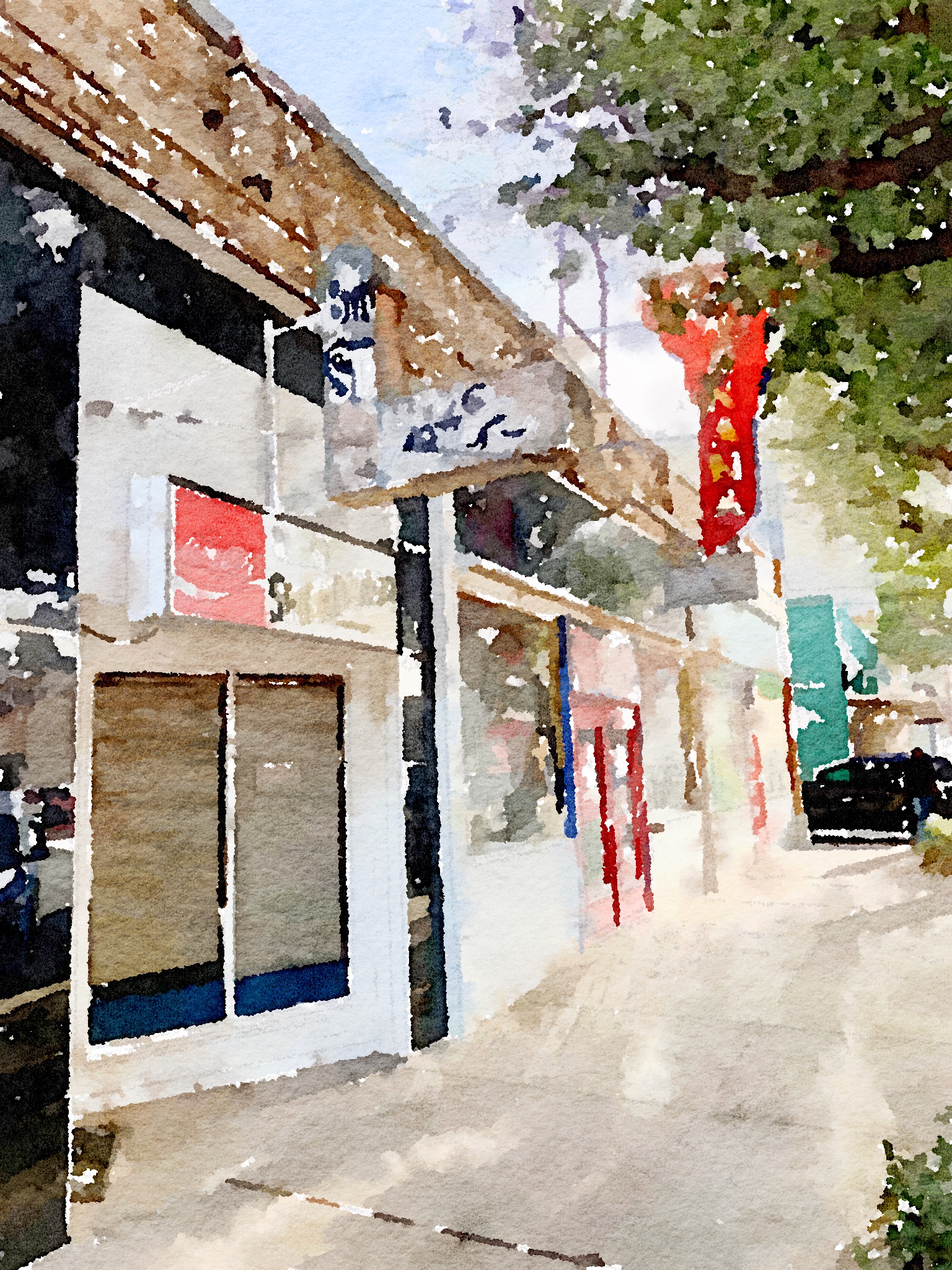
Photo by the author – Downtown Wichita Falls

In Wichita Falls, we trooped through dusty shops and searched for bargains, climbed creaking stairs in hopes of discovering treasure. We had left our drinks in the car, parked two blocks away. As the hot afternoon wore on, I dreamed of a cold glass of iced tea. After wandering through a maze of shelves stocked with foggy glassware, yellowed magazines, and toys with missing parts – Andrew and I decided it was time for an early dinner.

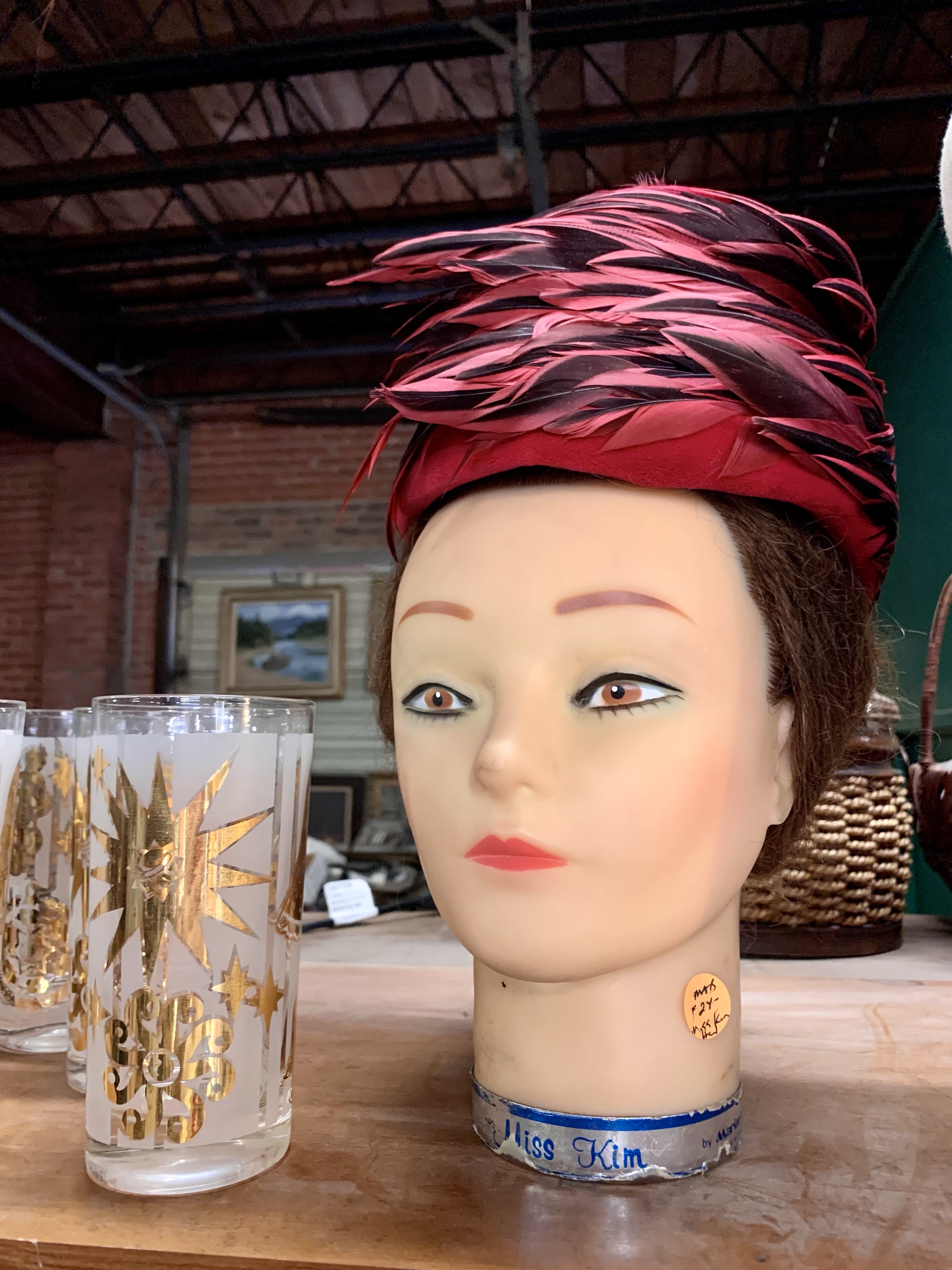
Photo by the author – Miss Kim judges your taste

Photo by the author – the seamstress

I had picked the restaurant based on the Yelp reviews. The place had been in business for decades and had racked up a reassuring 4.5 stars out of 5. Their specialty was something called a “red taco.” I couldn’t wait to try it.

“I don’t know,” Andrew said. “It might be too busy. If there’s a wait we can come back later.”

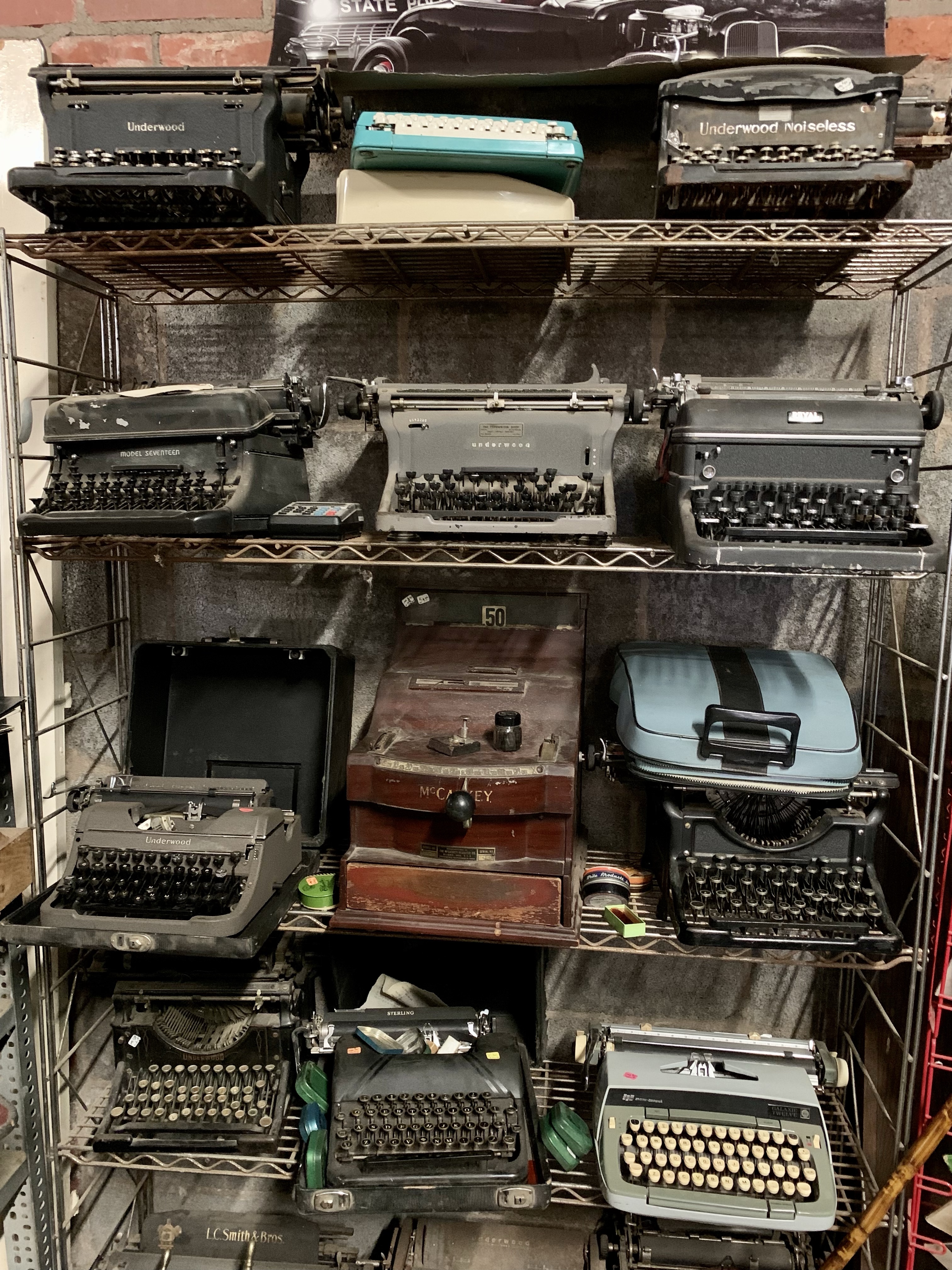
I agreed, but secretly vowed to suffer the wait. I’d dreamed of that taco the whole time we circled through stacks of broken typewriters and piles of musty books.

Photo by the author

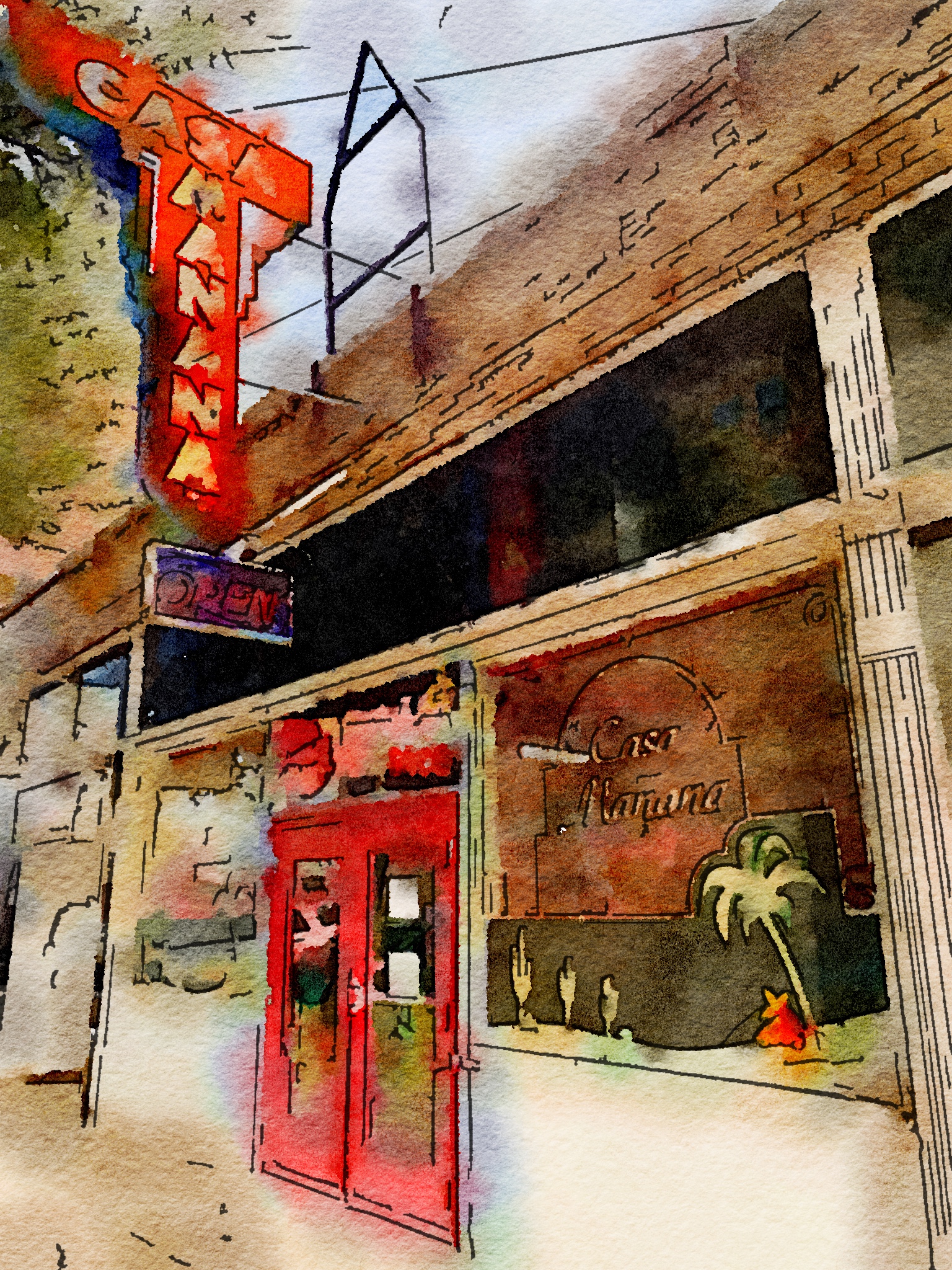
When we arrived at the restaurant, I was thrilled when the smiling cashier told us to sit wherever we wanted. We squeezed into a narrow booth. A waitress popped by to take our order. Andrew decided on enchiladas and asked for queso in place of chili. I had a combination plate – a cheese enchilada and the long anticipated red taco. We added a bowl of queso to start.

When the waitress dropped off our chips and queso, I thought there had been some mistake and we’d been served biscuits instead. Each piece was at least a quarter inch thick and weighed enough to raise a decent welt if I chunked it at someone. The queso sported a suspicious pink tinge, as though the antacid were already blended into the sauce. A pudding-like consistency, it clung to the chips and quivered.

Andrew gave me a stricken look. “I added queso to my enchiladas.”

“Maybe they will mess up the order.”

However, our main meal arrived quickly and was just as we had requested. The famous taco was certainly red. A vivid, siren screaming red that could only come from a lifetime allotment of red dye number 40. The taco shell was thick like the chips, and possibly made from the same tortillas. Where had they come from? I’d never seen anything like that, unless you count the time I attempted to roll out my own corn tortillas at home. The refried beans were lumpy and unseasoned. My cheese enchilada was good, but there wasn’t nearly enough of it to justify the price on the menu.

I pulled up the Yelp app and read through the reviews. Had we stumbled into some alternate universe, one where everyone else thought this tasted fine? Like that Twilight Zone episode where everyone has a pig face except this one girl who believes she’s the ugliest person alive?

This time, I searched for the 1 star opinions. As I read through the ratings, one theme appeared throughout – puzzlement. Then I sorted the positive reviews. Most had one thing in common – memory.

“I’ve been going here since I was a child.”

“I always stop in Wichita Falls for a red taco.”

All around us there were smiling people dining on the chips, dipping into the queso. It must be tradition. So many restaurants closed during Covid. I can count on one hand the stores that are still open that also existed when I was young. How reassuring it must be to have one constant in your life, one place you can go and say you’ve been there for years? The food must taste better when flavored by memory.

Photo by the author

Communion with Cornmeal

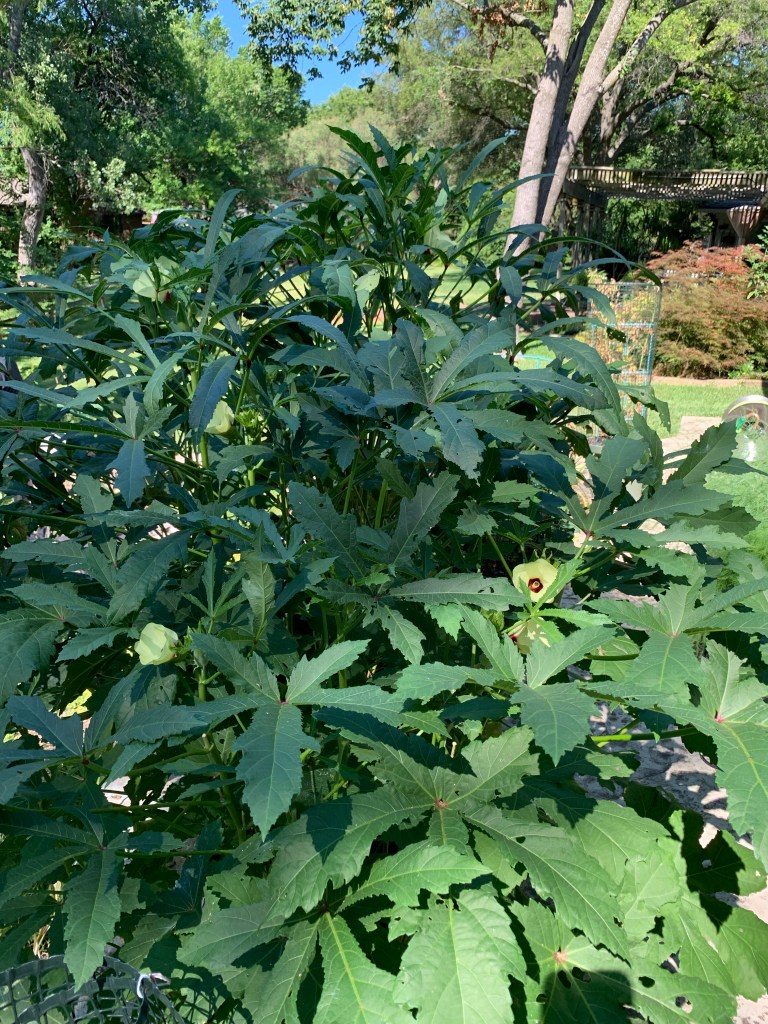
I come from generations of gardeners. When we moved into our house last year, it was too late in the summer for planting. I vowed an early start in the next season. This year, however, brought mostly failed experiments with container gardening. My tomatoes grew weary in the dry heat, dropping leaves and blossoming worth with small, wrinkled fruit. I tried summer squash – remembering the butter yellow vegetables my mother grew. My plants protested confinement in pots, however large. But one hardy vegetable flourished in the ten square feet I allotted it. Okra, that heat-loving Southern staple.

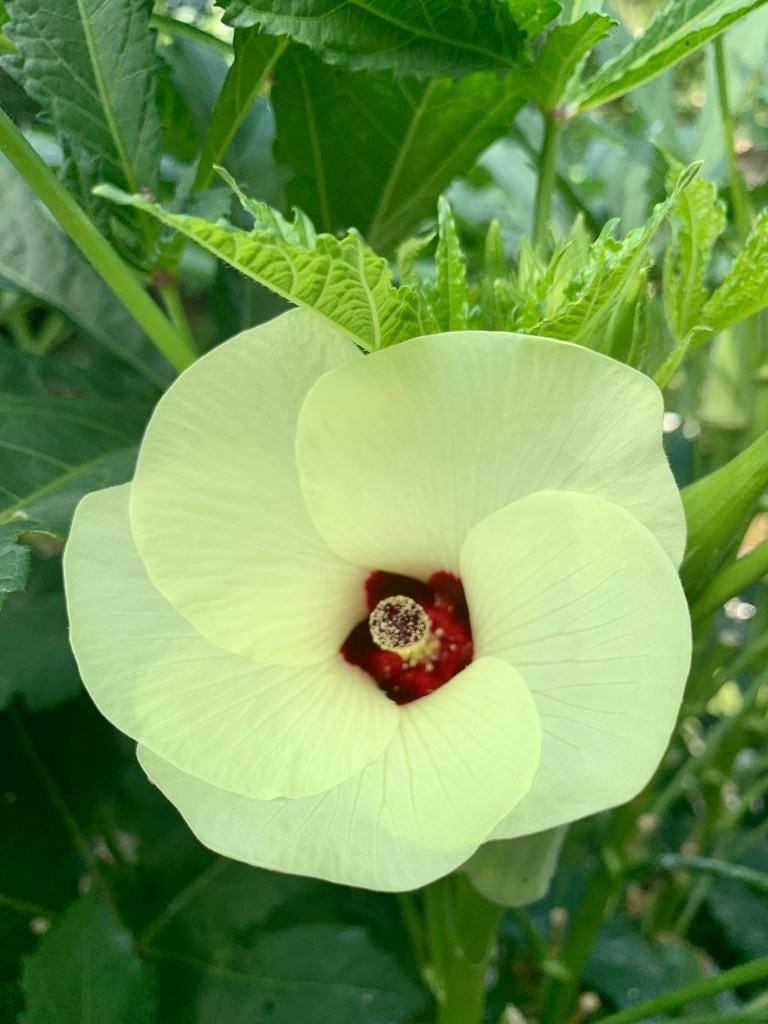
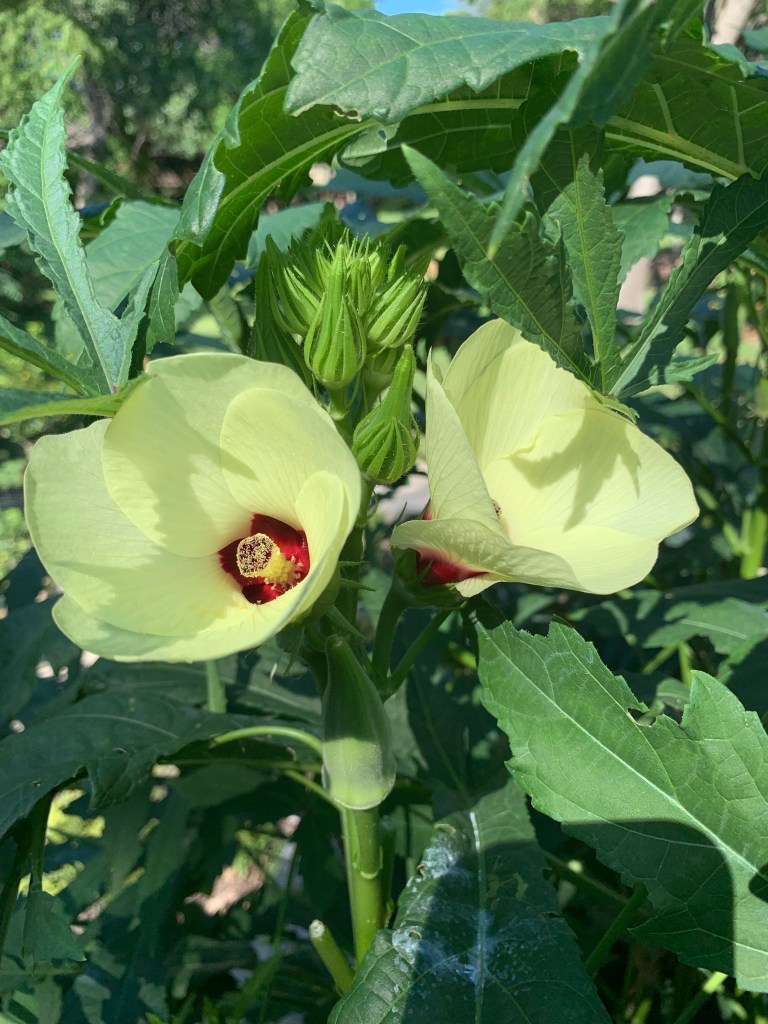
It’s one of the easiest plants to grow, and it makes an interesting addition to your garden. The yellow blossoms with their deep red centers reveal the plant’s place in the mallow family, a relative of the hibiscus. A little water, lots of sun, and you’re rewarded with hardy, heat-loving stalks and enough okra pods to share with your friends and family. Okra is best right after it is picked. The stuff you see in a grocery store most likely will be soft and wilted. If you don’t have a spot to grow it yourself, pick it up at a Farmers Market. Okra is delicious roasted. Boiled it makes a tasty thickener for stews and gumbo. My favorite way to cook it is to bread it in either corn meal or flour and fry it.

Okra

The blooms open in the early morning sun, around the time I set aside for harvesting the pods. Bees circle the plants, landing and picking up their fill of pollen while I brush aside the broad leaves and search for the tasty green okra. I’m growing Clemson Spineless – a kinder variety from the one I picked as a child in my mother’s garden. Those plants and their pods were covered in prickly spines that raised red welts on the tender flesh of my arms. The rash, however, was payment for the reward – plates of crunchy, cornmeal breaded and fried okra.

Okra plants in my garden

As I pick the pods, I can imagine the taste of the crispy chunks. Okra has a flavor that reminds me of cool green grass. It tastes like summer. I remember my mother, setting the table with fried okra and red slices of tomato. She pan-fried her okra in shortening with a little bacon grease mixed in for flavor. I cook mine in canola oil and skip the bacon grease. Like my mom, I use a cast iron skillet. Each bite I take I taste the past.

How Sweet It Is

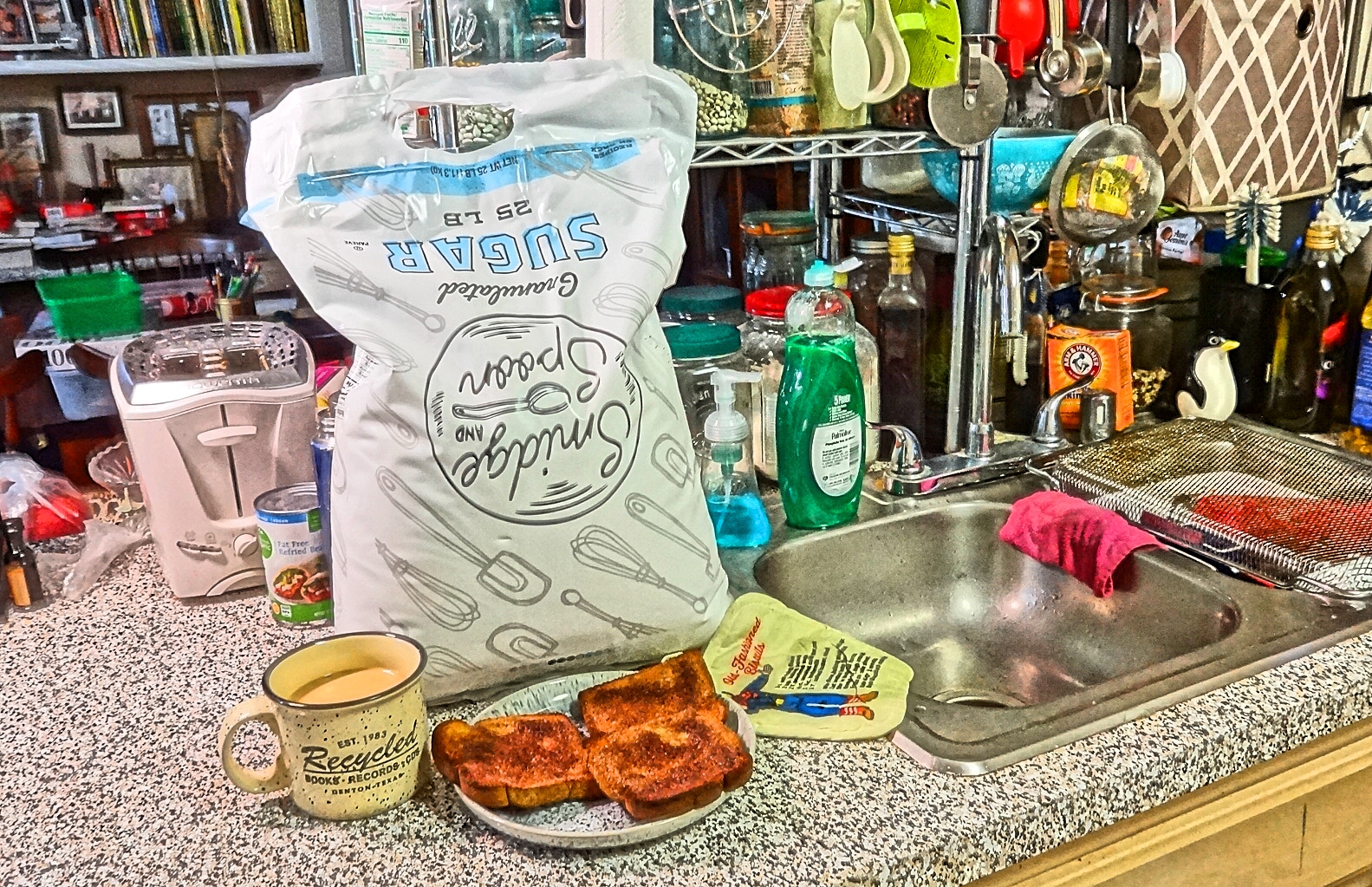
Sugar 1Photo by the Author

We didn’t need twenty-five pounds of sugar, but I felt a small thrill of satisfaction as I lifted the plastic bag onto my cart. The sensation could have been a stab of pain from hefting the heavy sack.

“What will we do with that much sugar?” My husband, Andrew asked.

“I’ll use it for my tea and coffee,” I answered. “It won’t spoil,” I added, after calculating how long the hoard would last if I drew out my usual ½ cup per week. I pointed to the back of the bag. “And here’s a recipe for sugar cookies.”

When I first spotted the shiny white package in the clearance aisle at Kroger, I thought it contained pool chemicals. I stepped over the bag where it lay on the floor, snugged against the lowest shelf as though someone had lost the strength to lift it back into place.

“Twenty-five pounds for $4.89! That’s…” My accountant brain calculated the price per pound—“a great bargain.”

If asked to list the features of their dream home, most people would include a lovely kitchen, a spacious backyard, a sparkling pool. My perfect house would contain lots of closets. Closets with shelves, racks, walk-in closets, storage spaces tucked under stairs, coat closets so wide and deep you’d think there’s a door to Narnia in the back. I need space for my stuff.

“It’s not hoarding if it’s something we will eventually use,” I told Andrew as I crammed twelve skeins of mulberry hued yarn into a cardboard box, to stash under the bed. Buy-one-get-one, how could you refuse?

When I was a child, my mother paid for our family groceries with food stamps. We stood in line for government commodities—five pounds of cheese, flour, canned vegetables, and sometimes sugar. Having survived the Great Depression, my folks were certain that economic ruin lay just around the corner. My dad held onto a booklet of sugar rationing stamps from World War II until the 1970s, when he passed them on to me.

I’ve inherited my parents’ insecurity, as sure as I’ve inherited my dad’s under bite and my mother’s nose. Like them, I ease my anxiety over the future with a full pantry. I consider my Costco membership as thrilling as a ticket to an amusement park. There’s a cult of clutter-clearing going around, but I wonder if any of them have experienced the life-changing magic of buying in bulk.

At home, I transferred five pounds of rice into several smaller jars, dumped a pound of beans into a pot to cook for dinner, and repurposed a plastic tub I had reserved for the ten-pound bag of cornmeal forgotten in the back of the pantry. The twenty-five pounds of sugar had landed on the clearance aisle because of a small hole in the package’s top. I discovered this at the store when I lifted the bag onto the register to scan the price tag.

“No problem,” I reassured Andrew while I swept grains of sugar off my clothes. “I’ll put it up in something when we get home.”

“The ants will love it,” he said, as he knocked sugar from the bottom of his shoes.

Safely secured in large tubs, glass jars, plastic totes, and the china bowl next to the coffee maker, I sighed with relief knowing my sugar future was secure. If we find ourselves in an apocalypse before my hoard runs out, drop by. We will have cookies.

*Originally published on Medium at https://medium.com/@TurpinTerrye/how-sweet-it-is-351b7df85876?source=friends_link&sk=08d4c1eb2f285f01bbffa7f28b0c65f3


Why is Facebook Trying to Sell Me Funeral Potatoes?

img_1820

This showed up in my Facebook feed the other night. Of course I clicked on the link and checked them out on the Walmart website. The back of the package states “Potatoes to die for” but I hope they don’t mean that literally.

You can buy a casket online from Walmart and opt for overnight delivery. I clicked and sorted them from low to high price and Walmart helpfully produced this sponsored product:

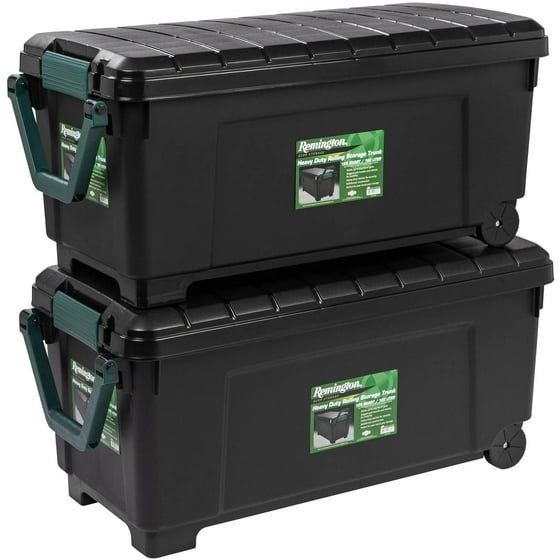
Remington 169 Qt. Plastic Storage Tote with Handle and Wheels, Green

It looks sturdy but I think I’ll go for cremation. I wanted to donate my body to science but Andrew worries that he’ll encounter me somewhere as an exhibit.

“I don’t want to see you encased in plastic and displayed at the State Fair,” he said.

The funeral potatoes are listed as emergency supplies and they have an 18 month shelf life. They might be useful for camping but I’m a little on the frugal side. I’m afraid I’d start counting down friends and family as the package gets closer to the expiration date.

I’m grateful for the Southern tradition of bringing food to comfort loss.

My own memories of grief are soothed by recalling those offerings carried in heavy Pyrex dishes, wrapped in aluminum foil and often still warm from the oven. What meals those lovely church ladies brought – pork chops marinated and baked in mushroom soup, banana pudding with soft vanilla wafers, fried chicken with a crispy golden crust only a cast iron skillet and love can deliver.

One thing I know for sure, no self respecting Southern Baptist would bring reconstituted potato casserole to a funeral.

The Forbidden is the Sweetest


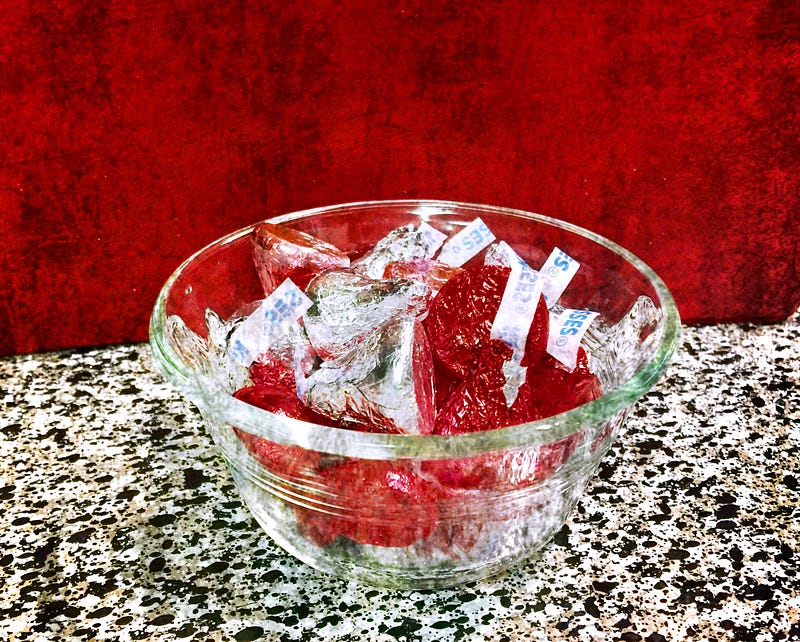
I’m cheating on my fiancé. I’d feel bad about it, but I suspect he’s cheating too. The little foil wrappers are evidence of his infidelity. I’m smarter than that, mine are stashed in my trash can at work.

Andrew and I met online, matched up by our interest in hiking and our affection for cheese. His profile listed his food preference as “Vegetarian”. I envisioned cozy evenings at home, where I would prepare eggplant parmesan and Indian curries. I soon learned that his idea of vegetarian does not include many actual vegetables. He likes beans and potatoes, and sometimes expands his menu to include a salad. And cheese, of course.

I grew up with the ideal of the happy homemaker in the kitchen, nourishing her family with love and meat filled casseroles. There are only so many ways you can cook a bean. Eventually I gave up cooking for Andrew. We prepare our own meals and buy our own snacks.

The real problem, the forbidden love for both of us, is chocolate. The five month gap between Easter and Halloween barely gives us time to lose the weight we gain from discounted chocolate bunnies. Each holiday we vow to ignore the seasonal candy aisle, but I cannot resist a bargain and Andrew cannot resist the sweets.

When I mention to friends that my fiancé is a vegetarian, they give me a pitying look. What they don’t understand and what they don’t know, is that my loving a vegetarian means I get all the bacon, but I better hide the chocolate.