Ghosts in Galveston

All sorrow flows to the sea
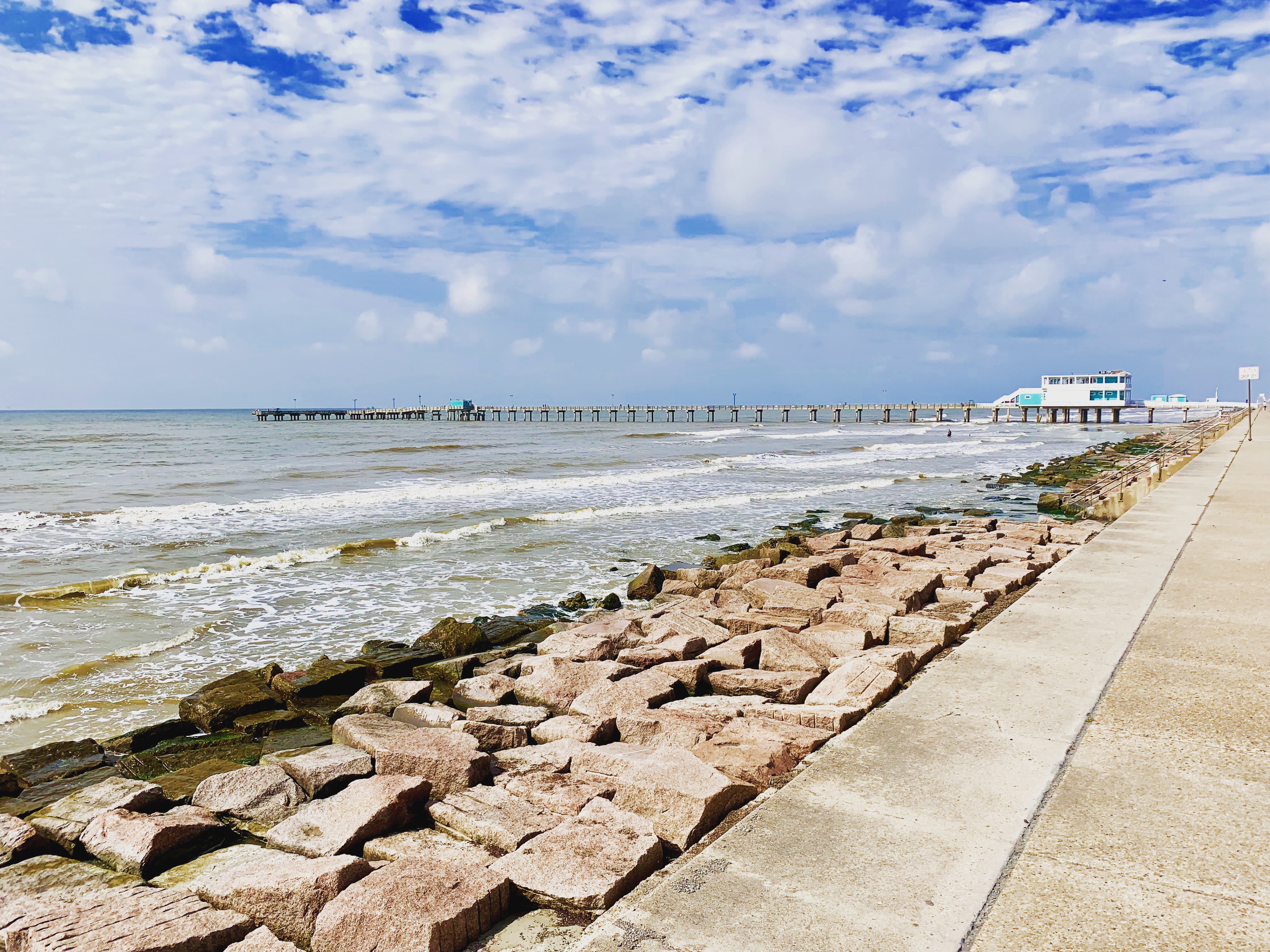
Galveston seawall photo by the author

I wrote the first draft of this story while taking a writing class. The setting is based on some actual places in Galveston, Texas and all the photos in this post were taken by me during the trips I made to that island. Inspiration is the perfect reason for exploring.

The story sat in a file on my computer for a year or two, until I finally polished it enough to submit it to a writing contest. It didn’t place in that competition, so back in the file it went.

I went looking for something to post tonight, found it, and resurrected it here. There are ghosts of a sort in this one, but it isn’t particularly scary.

Speaking of scary stories, my book of short stories will be one of those listed in a “Stuff Your Kindle” event this Saturday, July 18. In case you want to pick up some free and .99 ebooks on that day (including my book, The Imposter and Other Stories), I’ll post the event graphic and link at the end of this post.

And now, here is my story. As always, thank you for reading!

GHOSTS IN GALVESTON

They rolled into Galveston after midnight, Dee and her boyfriend Emery. After they checked into the motel, Dee strode barefoot across the damp carpet in their room and wedged open the metal door to the balcony. Behind a curtain of gray mist, the sea lay hidden, revealed only by the sound of waves breaking against the seawall and the salt scent of the ocean. In the parking lot below, a solitary smoker lifted a cigarette, the lit end like an orange star that rose and fell.

Back inside, she joined Emery in unpacking their bags. Her case held, along with her clothing, a pocket-sized field guide to the island, the tattered paperback romance novel she never had time to read, and tucked at the bottom, a sturdy square cardboard box with eight pounds of bone-white ash. Until this trip, the ashes had rested on the shelf in her coat closet. The last reminder of her dead husband, Mack, she planned on spreading them here, in Galveston. If there had been anyone else to take on that chore, she would have gladly handed it off.  

Emery dumped a handful of tourist brochures on the bed. A high school history teacher, he carried a list of landmarks he wanted to visit. “What should we do first?” He fanned a pair of folders. “The palace or the mansion?”

“It doesn’t matter. We’ll get to both of them, I expect.” She studied the pictures on the brochures—The Moody Mansion with its red-brick masonry and the white stone exterior of the Bishop’s Palace. Which had she toured with Mack? They went to Galveston every other summer until the year he died. Dee believed that by returning to all the places they had visited during her marriage, she might replace the terrible memories with good ones. It had taken her two years to get back to Galveston, the last spot her dead husband haunted. With luck, she’d leave him here.

Natural disaster and faulty recollection threatened her plan. The name of that restaurant, the one where she had dined on fried shrimp, the coating so crisp and flaky—floated out of reach. Dee wanted to test if the food tasted better when she sat across from someone who didn’t chastise her for every bite, who didn’t resent every small happiness she found.

Hurricane Ike wiped out the Balinese Room, the shady night club where Frank Sinatra sang to oil barons sipping margaritas. A gaudy amusement park sprang up on a new pier off the seawall, and Murdoch’s Gift Shop was destroyed and then rebuilt. Dee had purchased cheap trinkets there and hidden them from Mack to avoid the inevitable argument about how she squandered his money. She always had her own job, her own paycheck.

Dee encountered the ghost on their second day on the island, while she and Emery browsed antiques in a store in the Strand, the historical shopping district. They visited a bookstore, a candy shop, and a crystal store. Dee bought a necklace in the crystal shop, a silver chain with a heart-shaped azurite charm. She liked the blue color of the stone, and liked the charm even more when the black-garbed shopkeeper told her, “Good choice, azurite is for memory.”

“Help, please?” Dee handed the necklace to Emery. She lifted her hair from the nape of her neck and he fastened the clasp, his fingers brushing her skin. “Smile,” Dee said, as she took a selfie of them together.

In the bookstore, Dee got Emery to pose under the hurricane watermark etched into a post. The date, September 13, 2008, hovered five feet above his head. While he leaned against the post, Emery used his index finger to push up his glasses. By the end of the day, smudges would cover them so thickly that Dee wondered if he could see. She lifted her new phone, bought for this trip, and snapped his photo.

Their last stop downtown, the antique store, Dee wandered through the jumble of dusty furniture, rusted metal objects, and age-clouded glassware. A wall of broken wooden chairs covered one end of the space, as though stacked there to prevent an intruder from bursting through. Dee framed and focused the shot, then glanced back to where a short older woman, the cashier, spoke to Emery. He lifted his head and laughed, brushing back a lock of dark hair that fell across his forehead. A tiny, star-shaped scar was there, hidden by his hair. Dee liked to think she was the only one who could see it. When they lay in bed at night, she liked to trace its white outline with her finger. She asked him once, “How did you get this?”

“I don’t remember,” he had said. “It happened a long time ago, when I was a toddler.”

This answer amazed Dee. She knew the history of every mark on her body.

“We should go upstairs and look around,” Emery said, after he left the cashier. “This used to be a hotel, built in 1913. It closed and reopened in the 1940s as a bordello.”

“Mm hmm.” Dee nodded. In the space, filled with dividers and cabinets, it was easy to imagine an open lobby filled with travelers and, later, by customers of a different sort.

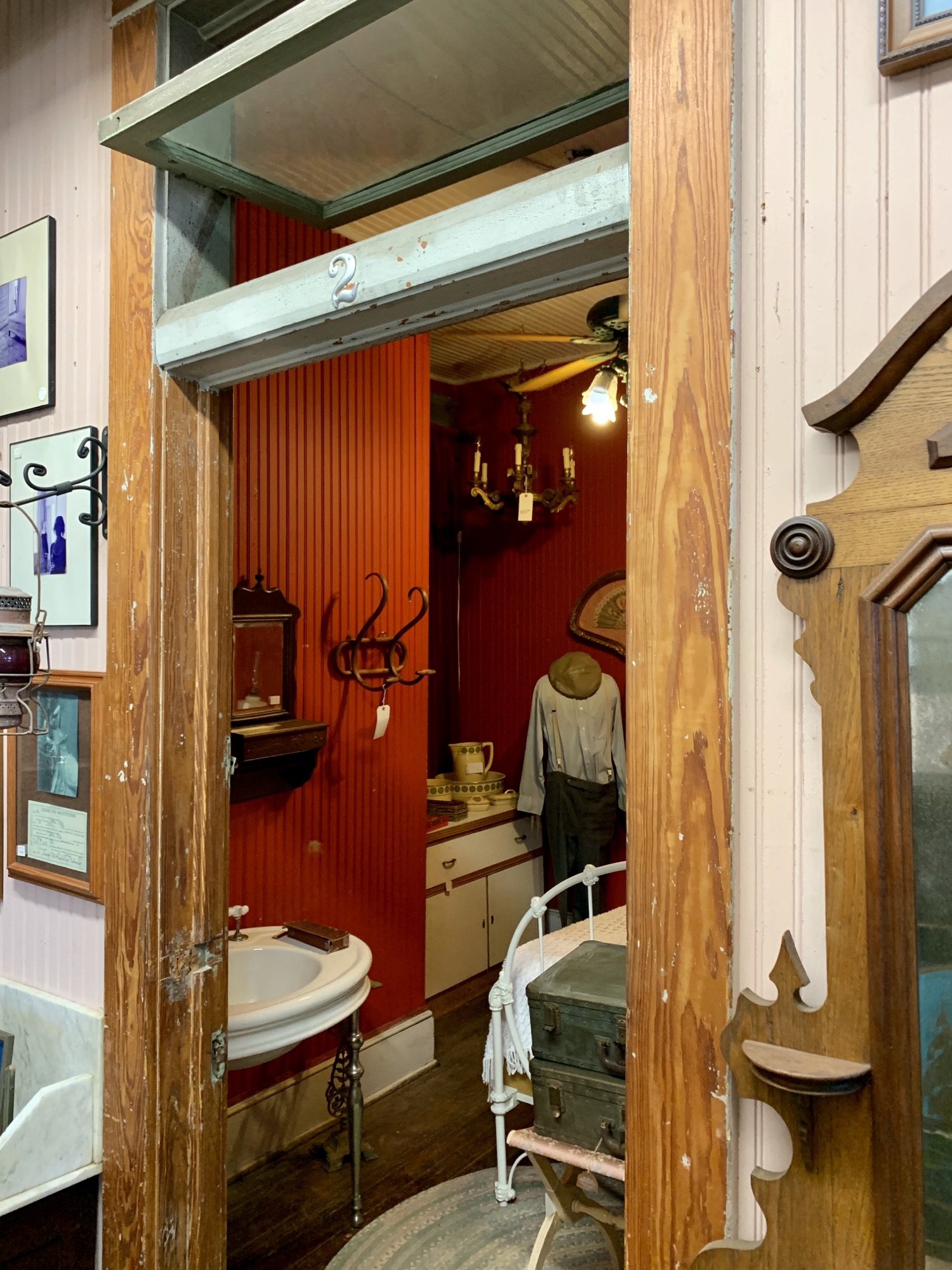
They climbed the creaking wooden steps to the second floor. The rooms were laid out along the outer walls and decorated with antique furniture. Metal room numbers, their paint scratched and faded, were hammered into the wood frames below transom windows at each door.

The first room they stopped in, Dee ran her hand across the velvet coverlet on the bed while Emery dug through a box of old phonograph records. The place smelled like damp cardboard and dust. Faded landscapes hung on the walls, and the nightstand beside the bed held a porcelain wash basin. A vintage tea towel, embroidered by someone’s great-grandmother, lay folded beside the bowl, as though the room’s occupants had stepped outside for a bit.
“This is so cool,” Emery held up a Cole Porter album. “It’s like a museum, but everything’s for sale.”

“I guess that was true back then, too,” Dee said. She smiled at his enthusiasm. Had she been here with Mack, he would have complained over the prices, the maze-like crush of the hallway crowded with furniture and knick-knacks. She held up her phone. “I’m going to look around.”

What would it have been like for the women living in these rooms? Like captive birds, held here at the whim of men. The place felt small, claustrophobic. Dee thought of the baseball bat Mack had kept by their front door, and the loaded gun in the hall closet. “Just in case,” he’d said, part of the paranoia that made him count the used batteries, scratched DVDs, and broken fishing lures scattered throughout their house. As though anyone would break in to steal their rubbish.

In the hallway, Dee dodged an older couple studying the price tag on an oak dresser. She passed rooms occupied with shoppers and left them alone. Through the phone’s camera app, Dee studied the composition of furniture crowding the hallway. A flutter of white at the far corner of the building drew her.

Voices faded as ambled past rooms barely more than closet-sized. The air grew colder the closer she got to the end of the hall. The hair on her arms stood up, the atmosphere charged with static. Dee halted at the threshold. A young woman stood at the window, staring through the glass. A tumble of auburn hair hung to her waist. She wore a linen nightdress, the loose cloth exposing one pale, bare shoulder as the ghost turned, looking past Dee at the hallway outside the room. The spirit’s eyes widened in terror and she backed against the wall.   

“It’s okay.” Dee reached a hand out to the woman. Resisting the urge to glance behind her, Dee swallowed the words in her dry mouth, about to told the ghost, “Run.” Instead, she snapped a photo without taking time to focus. With the touch of the screen, the phantom woman disappeared. The picture illuminated in the preview showed only the white lace curtains.

“What did you find?” Emery appeared at Dee’s side.

“Did you see that?” she asked.

Emery shook his head. “See what?”

“Nothing. No, wait. I thought I saw a ghost.” She showed him the picture on her phone. “But there’s nothing there.”

Dee supposed that if any place were haunted, it would be Galveston. Over six thousand people died in the Great Storm of 1900. After the hurricane, they loaded the dead onto barges and dumped them at sea, only to have the corpses wash ashore days later. Workers buried many of the bodies where they lay, scattering ashes from funeral pyres along the beach. Anywhere you stepped, you could walk across a grave.

They left the Strand, and on the drive back to their motel they came upon the cemetery in the center of the city. Yellow sunflowers and golden evening primrose covered the graveyard. The sun hung low in the sky, casting the last of the light over the field. The blooms blazed as though the ground were on fire.
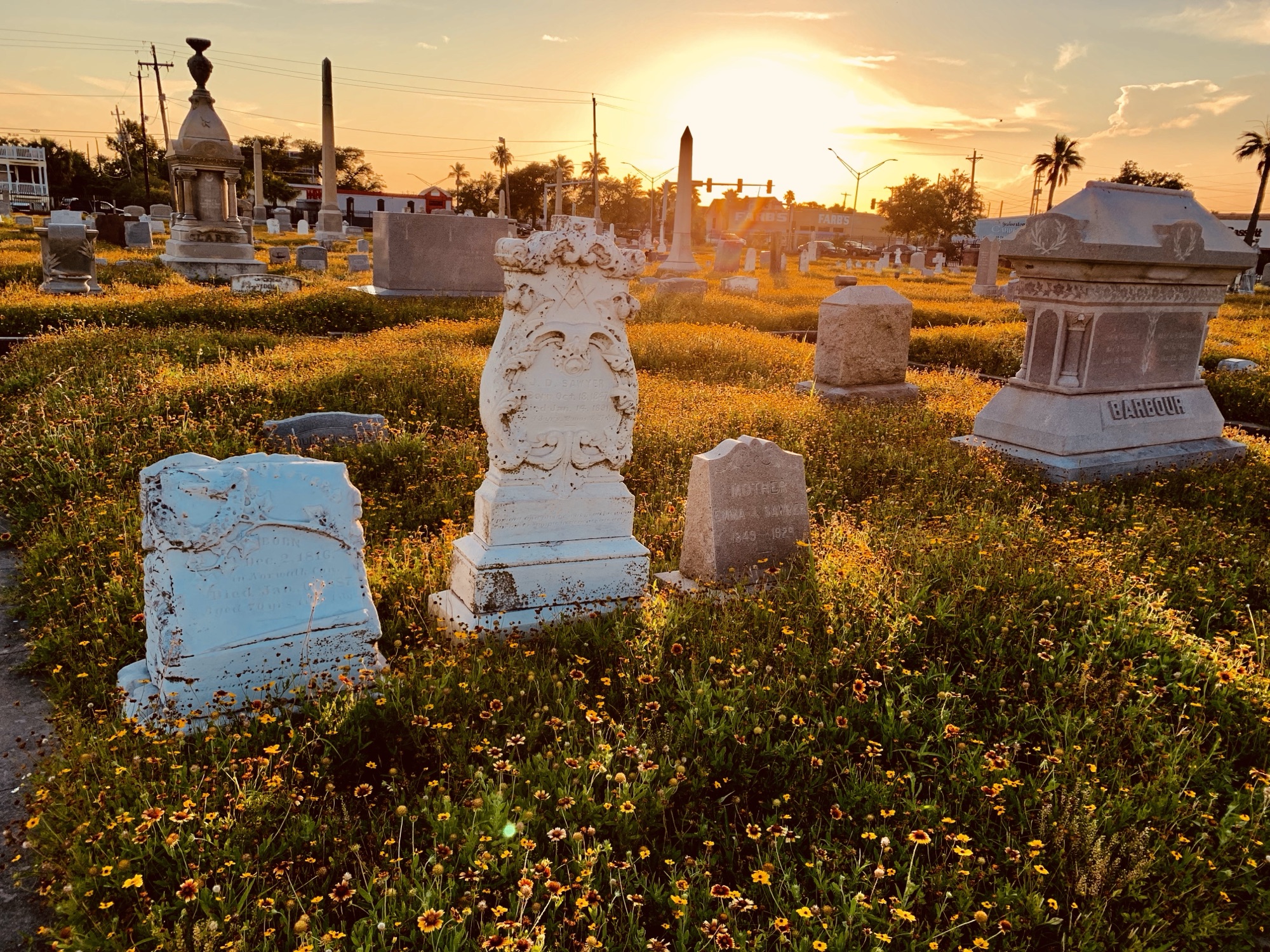
“Can we stop?” Dee asked. “I’d like to photograph the cemetery.”

While Emery read the inscriptions on the headstones, Dee strolled beside him. Tall monuments flung long shadows across the graves. Wear and fading had worn away many engravings, leaving only faint lines to mark those buried there.

“Sad, isn’t it?” Dee ran a finger through the green moss covering one tombstone. “How will they know who is buried here?”

“There’s a saying I’ve heard—that a person dies twice. The first time is their physical death and the second death is the final time someone says their name.”

As far as Dee knew, Mack had no family. An only child, his parents died before she met him. No friends, no far-flung cousins to carry his ghost. In the end, she would be the one to speak his name.  

They had wandered toward the far end of the cemetery by the time the sun set. Her phone’s camera reduced the plots to quaint postcards, showing sleepy cherubs and palm trees dotting the grounds. Too dark now for a decent shot, Dee turned with Emery to head back to their car.

They hurried along the gravel path through the center of the graveyard, racing the sunset. Dee spotted a figure leaning against the gray marble of one of the larger mausoleums. She couldn’t see his features clearly, yet his posture seemed familiar. For six months after Mack’s death, Dee imagined him everywhere. Once, she’d abandoned a cart of groceries and left the store because she spotted a lanky man dressed in the same type of tan cotton duck jacket that Mack used to wear.

As though her memory had conjured her dead husband’s ghost, Dee shivered and grasped Emery’s hand. Reassured by the physical touch, she matched her steps to his until they reached the car. She refused to look back at the graveyard until she buckled her seat belt and Emery started the car. The figure, whatever it had been, was gone.

That night, back in their room, Dee lay sleepless. She waited until the quiet whistle of Emery’s breath slowed and she could be sure he slept, then she rose and pulled the box with Mack’s ashes from her suitcase.

At the beach, she kicked off her shoes and waded into the warm Gulf. The receding tide slapped against her thighs as she drew out the plastic bag that held the cremains. With only the moon to witness, she tossed a handful into the sea, then poured the rest after. She hoped the surf would carry him far from shore as she whispered, for the last time, “Mack.”

THE END

I hope you’ve enjoyed this story, and if you’re in the mood for more fiction with ghosts and ghouls, the link to the Midsummer Night’s Scream Stuff Your Kindle Event is below.

https://www.authordonnataylor.com/stuffyourkindle

Did I Say That Out Loud?

Photo by the author

My husband Andrew and I have both been working from home the past few weeks. There have been some adjustments related to space. We’ve agreed all pooping is to take place in the bathroom farthest from where our desks are set up.

It’s funny the things you notice when you spend 24 hours a day with another person. Andrew discovered I have a “work voice.” It’s like a secret identity where my superpower is cursing.

I binge watched Tiger King last week. I’ve decided Carole Baskin did kill her husband, but it probably didn’t have anything to do with them working together. Maybe. There are no tigers at our apartment complex.

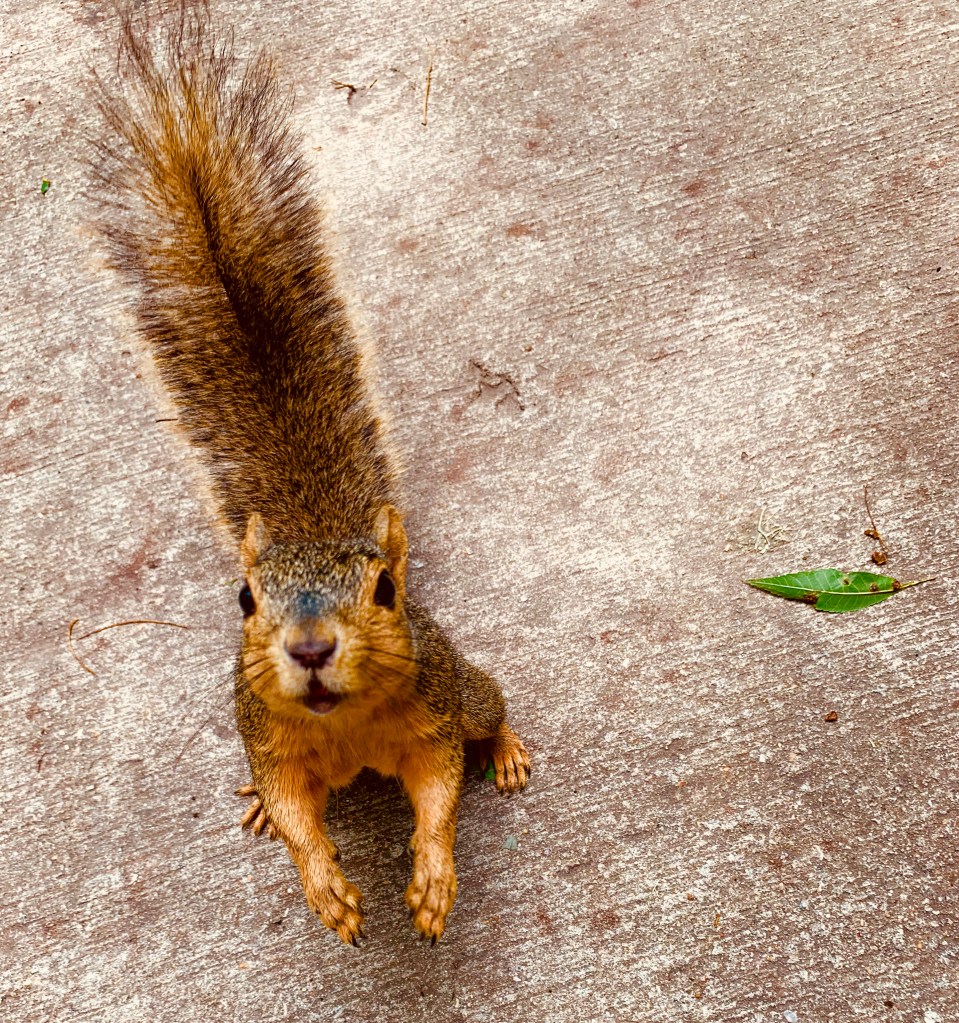
We do have squirrels. They’ve grown used to the both of us being home everyday and they march right up to the glass door on the patio. Like they’re ordering food at Jack in the Box. We’re giving them names. I call the one that knocks over my plants You Bastard.

While we’re in quarantine I’m trying new things. I’ve got a sourdough starter going. Everything I’d read made the process sound pretty easy, but I’ve found it’s like raising a third child. I have to feed it twice a day and keep it warm. I’m knitting it a scarf.

Freaks at the Fair

DSC03128_Fotor
Photo by the author

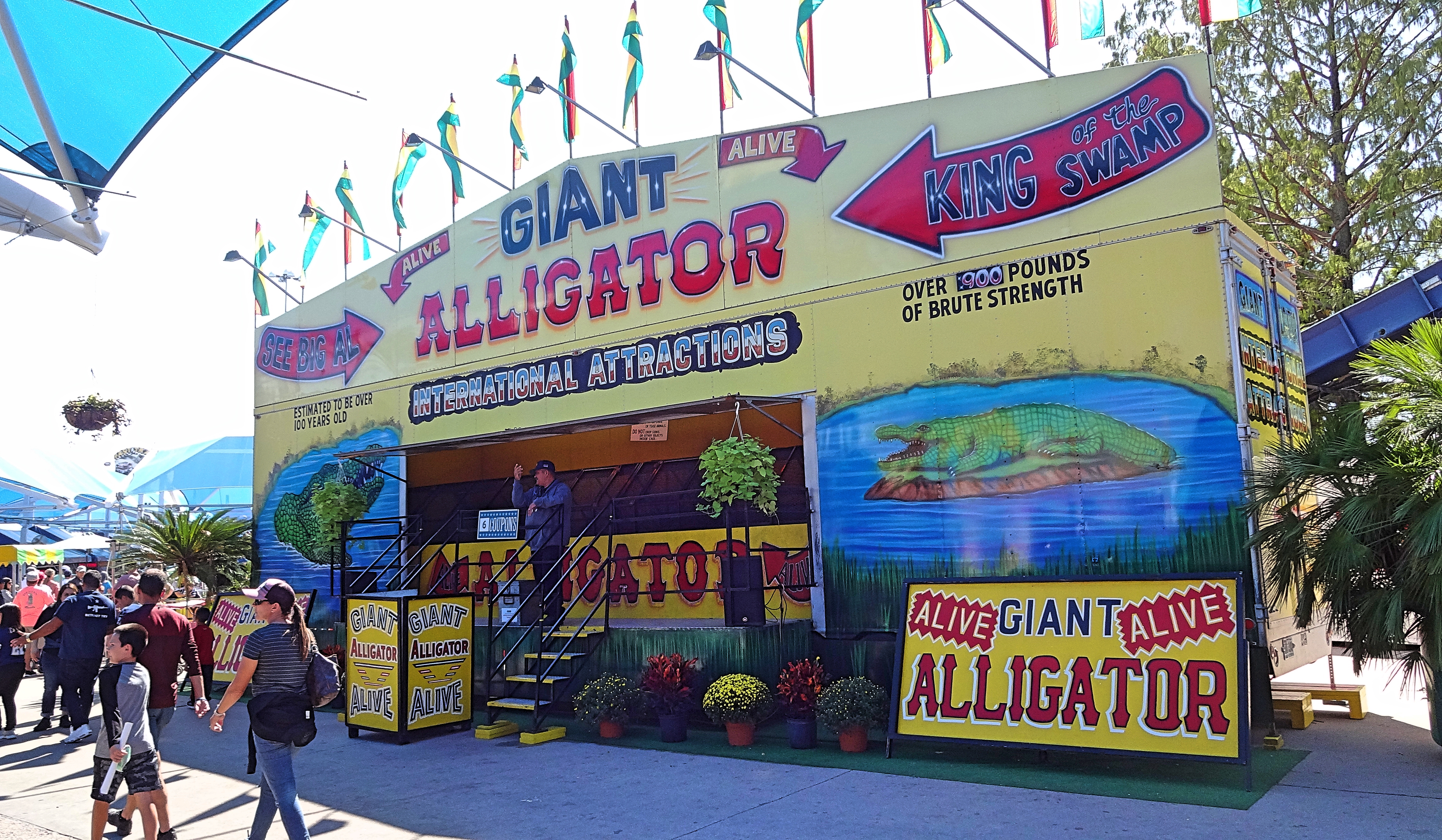
When I was seven years old, my parents lost me at the State Fair of Texas. Their last sight of me, I’d slipped into a crowd of folks shuffling into a garish tent on the midway. I imagine them watching as I stood in line, my hair done up in twin pony-tails in the style we called “dog ears” and my sweaty little fist clutching the ticket to the freak show.

You’d be hard pressed to find a decent freak show now. This was 1967, when no one thought it unusual or awkward to put people on display. We have the internet for that now, but in the 60s you had to show up in person. I didn’t know what to expect from the sideshow. A bright splash of colored posters flapped against the outside of the tent and promised many miracles. An alligator boy, a sword swallower, the pincushion man, the world’s ugliest woman—they all waited inside.

The last one on this list drew me in. I’d started wearing glasses, a homely set in thick tan plastic that magnified my eyes to the size of saucers. Coupled with the elastic waisted pants and polyester tops mom dressed me in, from a distance I resembled a short, middle-aged housewife. Add in my under-bite, square jaw, and the nose I grew into, and you’ll get the picture. I couldn’t wait to spot the world’s ugliest woman.

Once inside the tent I fidgeted through the first part of the show. The only audience member shorter than five feet, I faced a solid fence of adult backsides. I hopped up and down, afraid I’d miss the one act I’d wanted to see. I caught the flash of metal as the sword swallower flourished his props, and from the collective sighs and gasps as the other performers took the stage, I understood they had displayed wonderful things.

At last the slick sideshow barker announced we could all move into a curtained off area to the side of the stage. “Only one additional dollar, folks,” he said, “and you will witness a site certain to frighten children!” The barkers gaze skimmed the crowd, measuring the size of our wallets. “Any patrons with weak hearts might want to skip the act.” I dug the last of my allowance from my pocket.

Half the crowd jostled through the curtains to arrive in a roped off space the size of my living room at home. I pushed my way to the front, determined not to miss a bit of the show. We faced a wooden platform, taller than I was, and barely large enough to support the plain kitchen chair placed in the center. Another set of curtains covered the back of this makeshift stage.

“Presenting the world famous…”

I don’t remember the woman’s name, the color or length of her hair, I couldn’t guess her age. The curtains at the back of the platform parted to allow her passage onto the platform where she settled on the little chair and dropped the robe that covered her body.

There must be some mistake, I remember thinking. This was not the World’s Ugliest Woman. Extraordinary designs—red dragons, blue and yellow birds, circles and flowers and bright flourishes covered every inch of her. I supposed the parts hidden behind her bikini top and shorts were also inked. When she smiled the tattoos moved along her face, as though they held a separate life from hers. She perched on the chair, smiling down at us, her supplicants. I wondered what she thought of me, so plain, so ordinary, without a single story drawn upon my skin.

I didn’t notice the others slipping out from the tent as I stood there, entranced until the sideshow barker, with a gentle nudge, told us, “Thanks for visiting folks.”

Released onto the fairgrounds, I wandered out into the sunlight to find my mother and father standing on either side of a uniformed policeman.

“Where were you?” My mother snatched my arm, dragging me away from the dark shadow of the sideshow tent as though it might suck me back in.

For answer I waved behind us, as a new stream of fair goers exited from the front of the tent. This was where most of the group I’d been a part of had left the show, strolling out past my waiting parents. I’d appeared almost twenty minutes later, from the back of the tent.

“Never again!” My mother vowed.

That was my first, last, and only visit to the freak show. Years passed and they replaced the freak show with exhibits of bizarre animals. The two-headed turtle, the world’s largest snake, the sheep with six legs—none of them had the alluring charm of the World’s Ugliest Woman. There was a brief time when the midway claimed to have a girl without a body, but we all knew that floating head trick was done with mirrors.

I went to the fair this year with my husband, Andrew, on a Sunday, a day when the crowds shuffled shoulder to shoulder past booths selling sheets, candles, cookware, and beef jerky. The air smelled of cotton candy, stale beer, and manure from the livestock barn. We left the carnival music of the midway fading and ducked behind a row of food stalls. With Andrew’s help I perched atop a concrete retaining wall, above the crowd as they streamed past. I wore a t-shirt with the smiling face of Big-Tex, the 55-foot statue greeting the crowd at the fairgrounds. His cheeks stuffed with fair food matched mine as I enjoyed my meal. I nodded to those passersby who met my gaze, and waved to the onlookers, the audience at the show.

5A48BB6C-83DC-426D-BDE3-1A86C3A7832C
The author and Big Tex


How Sweet It Is

Sugar 1Photo by the Author

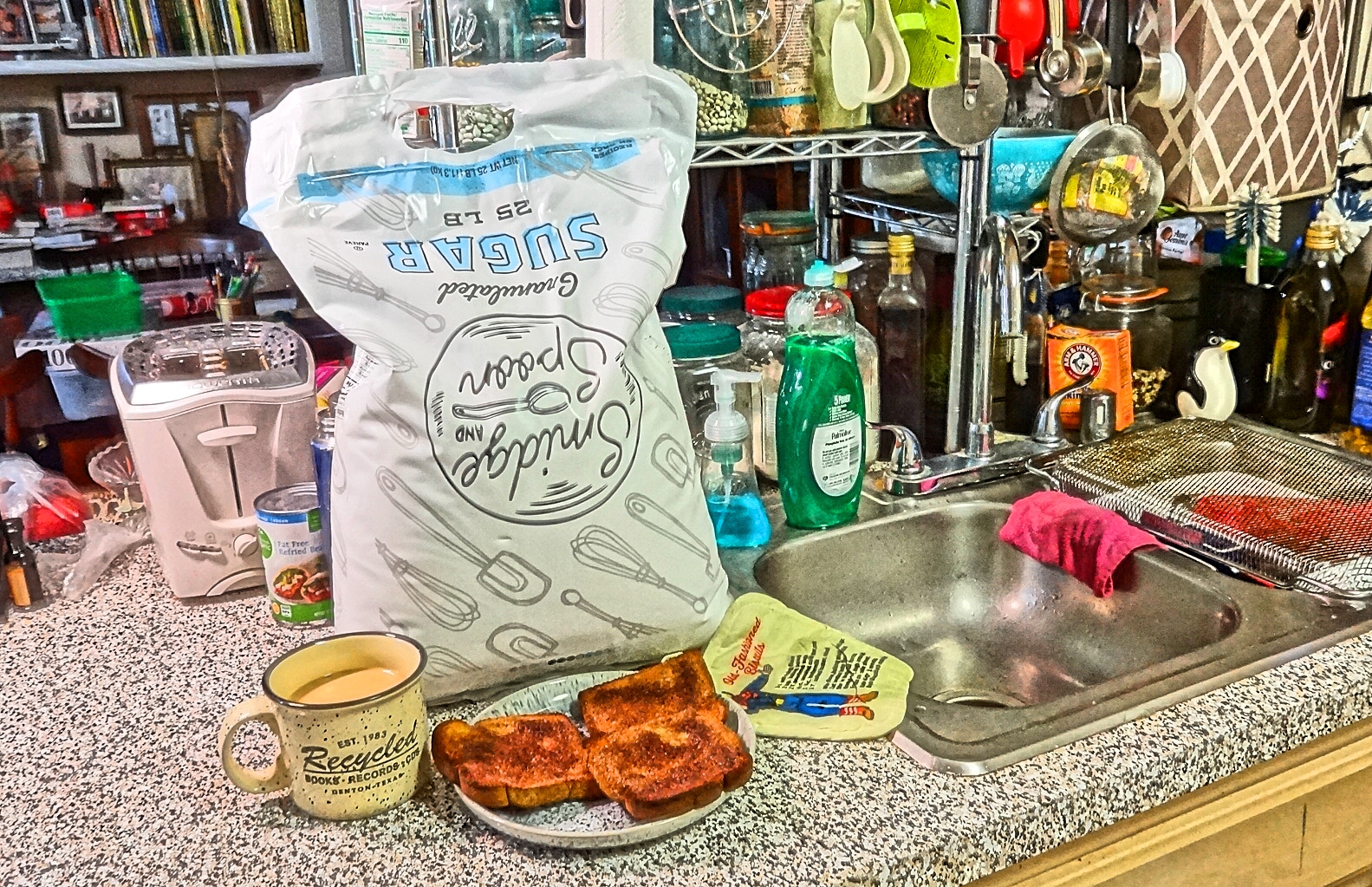
We didn’t need twenty-five pounds of sugar, but I felt a small thrill of satisfaction as I lifted the plastic bag onto my cart. The sensation could have been a stab of pain from hefting the heavy sack.

“What will we do with that much sugar?” My husband, Andrew asked.

“I’ll use it for my tea and coffee,” I answered. “It won’t spoil,” I added, after calculating how long the hoard would last if I drew out my usual ½ cup per week. I pointed to the back of the bag. “And here’s a recipe for sugar cookies.”

When I first spotted the shiny white package in the clearance aisle at Kroger, I thought it contained pool chemicals. I stepped over the bag where it lay on the floor, snugged against the lowest shelf as though someone had lost the strength to lift it back into place.

“Twenty-five pounds for $4.89! That’s…” My accountant brain calculated the price per pound—“a great bargain.”

If asked to list the features of their dream home, most people would include a lovely kitchen, a spacious backyard, a sparkling pool. My perfect house would contain lots of closets. Closets with shelves, racks, walk-in closets, storage spaces tucked under stairs, coat closets so wide and deep you’d think there’s a door to Narnia in the back. I need space for my stuff.

“It’s not hoarding if it’s something we will eventually use,” I told Andrew as I crammed twelve skeins of mulberry hued yarn into a cardboard box, to stash under the bed. Buy-one-get-one, how could you refuse?

When I was a child, my mother paid for our family groceries with food stamps. We stood in line for government commodities—five pounds of cheese, flour, canned vegetables, and sometimes sugar. Having survived the Great Depression, my folks were certain that economic ruin lay just around the corner. My dad held onto a booklet of sugar rationing stamps from World War II until the 1970s, when he passed them on to me.

I’ve inherited my parents’ insecurity, as sure as I’ve inherited my dad’s under bite and my mother’s nose. Like them, I ease my anxiety over the future with a full pantry. I consider my Costco membership as thrilling as a ticket to an amusement park. There’s a cult of clutter-clearing going around, but I wonder if any of them have experienced the life-changing magic of buying in bulk.

At home, I transferred five pounds of rice into several smaller jars, dumped a pound of beans into a pot to cook for dinner, and repurposed a plastic tub I had reserved for the ten-pound bag of cornmeal forgotten in the back of the pantry. The twenty-five pounds of sugar had landed on the clearance aisle because of a small hole in the package’s top. I discovered this at the store when I lifted the bag onto the register to scan the price tag.

“No problem,” I reassured Andrew while I swept grains of sugar off my clothes. “I’ll put it up in something when we get home.”

“The ants will love it,” he said, as he knocked sugar from the bottom of his shoes.

Safely secured in large tubs, glass jars, plastic totes, and the china bowl next to the coffee maker, I sighed with relief knowing my sugar future was secure. If we find ourselves in an apocalypse before my hoard runs out, drop by. We will have cookies.

*Originally published on Medium at https://medium.com/@TurpinTerrye/how-sweet-it-is-351b7df85876?source=friends_link&sk=08d4c1eb2f285f01bbffa7f28b0c65f3


Meet Me at the Vanishing Point

Another version of me has dirt under her fingernails

Photo: Geri Lavrov/Photographer’s Choice/Getty Images Plus

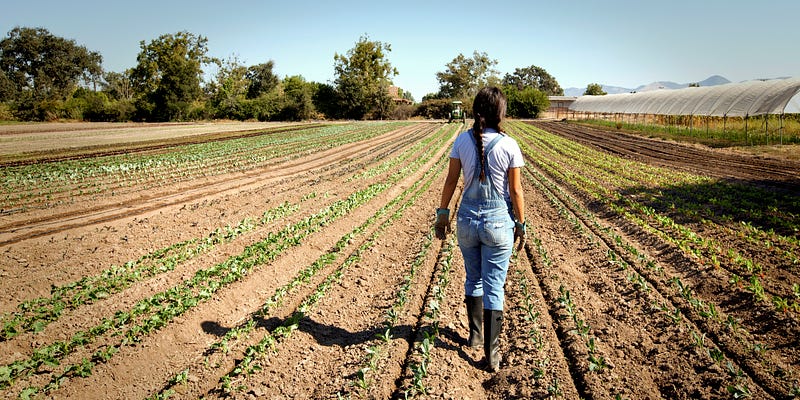
If another me exists in another universe, I picture her clad in a red gingham dress or blue denim overalls. She toils on a farm surrounded by corn and cows. This is the life I might have lived, had I followed the advice of a career aptitude test from my high school days. My life’s work decided by the 17-year-old me, while I sat hunched in a high school auditorium coloring in ovals on a Scantron sheet.

The test, sponsored by a branch of the armed services, revealed I should go into agriculture. Growing up in town, pulling weeds in our family garden was the closest I came to life on a farm. I imagined the work would be the same, only on a much larger scale. Mechanical aptitude came in second place, suggesting the possibility of a career in helicopter repair. I am certain my doppelgänger can both plow a field and fix a broken tractor.

They taught neither farming nor tractor repair at the school I attended. Girls were shuffled into Home Economics and handed a spatula while boys were enrolled in carpentry courses and awarded a hammer. Young ladies learned to bake a cake, sew a skirt, and type a note — all the useful skills we needed in the 1970s. What would I be when I grew up? I wanted to be a doctor, an author, an actress, a missionary, a teacher, or a scientist. Not a farmer.

I fumbled along as a waitress, telemarketer, stay-at-home-mom, carpenter, bookkeeper, and accountant — as though I were working my way backward through the alphabet. The alternate-universe me took the advice from the aptitude test and ran with it. She moved to sunny California and joined a commune. Far from the capitalist demands of a 9-to-5 job, she rises with the sun and feeds the chickens. She bakes her bread, sews her clothes, and types poetry on her Royal typewriter.

This woman exists on a different plane from me, but the older I grow the closer I feel to her. As my husband and I look at houses we might buy and towns where we might retire, I judge each option on whether there might be a spot for a garden. The places earn bonus points if there’s room for a small shed where I can set up a typewriter. Multiverse me would approve, I’m certain. Like parallel lines in a drawing, we’ll meet at the vanishing point.


This story was published in response to Human Parts’ Weekend Writing Prompt, “Give us a snapshot, a moment, an experience from a life you could’ve had. What are you up to out there in the multiverse? What would Multiverse You think of the life you have right now?” To receive prompts like this one every weekend, subscribe to our newsletter by following Human Parts.

A Bird in the Basket

Photo by Alvaro Daimiel on Unsplash

I hadn’t planned on sharing the 650 square feet of space I called home. Andrew and I had reached the point in our dating life where he kept a spare toothbrush at my place and I had cleared out a shelf in my closet for him. I could barely fit all my shoes in the closet, so this was a sacrifice on my part.

Dovey didn’t move into the apartment. She and her mate Lovey took over the hanging basket on the balcony. When they first showed up, they strutted around cooing at the potted plants. They reminded me of an old married couple scouting out real estate, sashaying around wing to wing, nodding their little bird heads and inspecting the soffit for dry rot.

“They’re looking for a spot to nest,” Andrew warned me as I commented on how sweet they were.

“If they’re moving in, I guess I should name them,” I replied.

When I first settled in my apartment, I decided against owning a dog or a cat. The complex required one fourth of my salary for a pet deposit. And the additional pet fee with each rent payment would mean I might have to give up bathing, since I wouldn’t be able to afford the water bill while paying for a pet. I didn’t plan on adding any animals to my household, but a pair of mourning doves decided my place fit them just fine.

I discovered my home had passed the mourning dove inspection and Dovey had moved in when I went to water my petunias the next day. Even standing on tiptoe I couldn’t see past the flowers blooming in the pot, but with the first stream of cold water she burst forth, scattering blooms and whistling bird curses.

She perched on the gutter above my landing to shake off the water droplets, then roosted there to fix me with the stink eye. I took this opportunity to peek in the basket. A single white egg lay cushioned in a mashed down mat of limp petunias. Two twigs tossed to the side of the egg and some dried grass blades stuck on the edge of the basket made up what passed for a nest.

When I described the nest to Andrew, he told me that doves are bad builders. Dove are the trailer trash of the feathered world, living in what amounts to a tornado-ravaged mobile home.

“They’ll set up anywhere, and patch together the bare minimum for a nest. Most of the eggs drop right out.”

I was horrified, and glad Dovey had chosen the hanging basket for a nursery. After I apologized to the petunias for sacrificing them, I stopped watering the flowers.

Mornings I eased open the back door and announced my presence before I stepped out, so as not to startle the little bird.

“Okay, it’s just me. No reason to get scared, I’m coming out now.”

Sometimes a neighbor would pass by walking their dog, and give me a curious look as I stood there, poking my head out the door and warning the plants of my approach. I must have made an even odder sight a few days later, standing on a chair on the back porch and talking baby talk to the dead, wilted flowers in the hanging basket.

“Oh, what’s you got there? Is you got a baby?”

I would lean forward, toward the basket but not too close to the edge of the railing, since I am not known for my sense of balance.

Dovey puffed up and glared at me while trying to stuff the hatched chick back under her wing. I could understand why she tried to hide him. Every parent is proud of their child, but Baby looked like he was missing feathers from his scrawny neck. I did what most people do when confronted by someone else’s homely offspring — I lied and told Dovey what a cute chick she had hatched.

The first hatchling grew up and left the nest while I was out of town on a business trip. My neighbor Lisa kept me informed by text message. “B is out of the nest?! OMG! Cute!”

I was sad to have missed this baby’s first steps until Andrew reminded me most likely Dovey would be back. She returned, even though by this time the basket was bare dirt, with brown, withered stalks dropping off the sides. Dovey felt this was adequate, without adding twigs or grass to the nest inside.

Photo by Andrew Shaw

This time there were two eggs, and I got to watch them from hatching to when they left the nest and spent three days stumbling around on my balcony like drunken sorority sisters. I read on the internet that dove fledglings “stay around hedges and bird feeders, begging for food from adults.” Sort of like human teenagers, I thought, hanging out in front of an open refrigerator and asking “What’s there to eat in here?”

After the second set of chicks moved on, I took down the hanging basket. I thought I had had enough of running a rookery, but Dovey had other plans. She and Lovey returned and placed a few dried blades of grass on top of an empty ceramic planter balanced at the top of a rickety wooden shelf on the corner of my porch and called it their new home.

“You will need to put that basket back up,” Andrew said.

Since I had already thrown away the old pot, there was only one thing to do. I went shopping, and returned with one of those coconut husk liners and an assortment of bright orange, artificial hibiscus flowers. Andrew and I lined the new basket with trimmings from the coconut fibers, carefully arranged the large fake flowers, and transferred the new nest to the balcony. This arrangement suited the happy couple, and soon after Dovey was raising another pair of chicks in the tropical atmosphere of the new pot.

Dovey left now and then, but she always came back to my balcony. She appeared to be satisfied sharing my porch. I was content too, living in a place where the fake flowers bloomed and I had room for most of my shoes, even if I had to share my closet space. At the end of summer Dovey took off for vacation. While she was gone, I planted a tiny American flag in the basket and added a small wooden plaque to welcome her return — one that read, “Home Sweet Home.”

Photo by Terrye Turpin

Password Questions I Might Remember


Who comes up with those password security questions? I recently had to update the ones on my bank account, and I had a devil of a time finding five that I knew the answer to. Really, questions about the middle name of my oldest female cousin on my father’s side? Does anyone ever answer that question? (Not counting people whose hobbies include genealogy; or the members of the Church of Latter Day Saints).

The original questions were bad enough; I could never answer the one about my favorite ice cream because there wasn’t enough room to write “Whatever is in the freezer right now.”

I can’t possibly pick a favorite color. Won’t the other colors feel left out? Does anyone ever pick grey?

I have trouble remembering where I was last week, let alone where I spent New Year’s Eve 1999. Just because Prince wrote a song about it doesn’t necessarily mean most of us will remember what we were doing that evening, unless you were arrested and spent the night in jail.

And the question about my first prom date? What if I didn’t ever go to prom? I never expected my financial institution to bring up unpleasant memories of teenage angst. These questions seem to belong to some bizarre trivia challenge designed to point out my failings in personal relationships.

If you really are bent on selecting questions that would be difficult for a hacker to guess the answers, I would like to suggest including the following five questions:

1. What is your favorite spider?

2. If you were in a Starbucks and they were out of the Venti Caramel Macchiato with soy milk, what would you order instead?

3. If you were invisible, where would you be most likely to walk around naked?

4. Which zoo animal can you most closely impersonate? (Do not pick lion, anyone can produce a passable “Roar!”).

5. What color underwear were you wearing on Super Bowl Sunday, 2001?

Feel free to leave your answers in the comments. By the way, my favorite spider is the Bird Dropping Spider (Celaenia excavata).