The Orchard

A ghost story

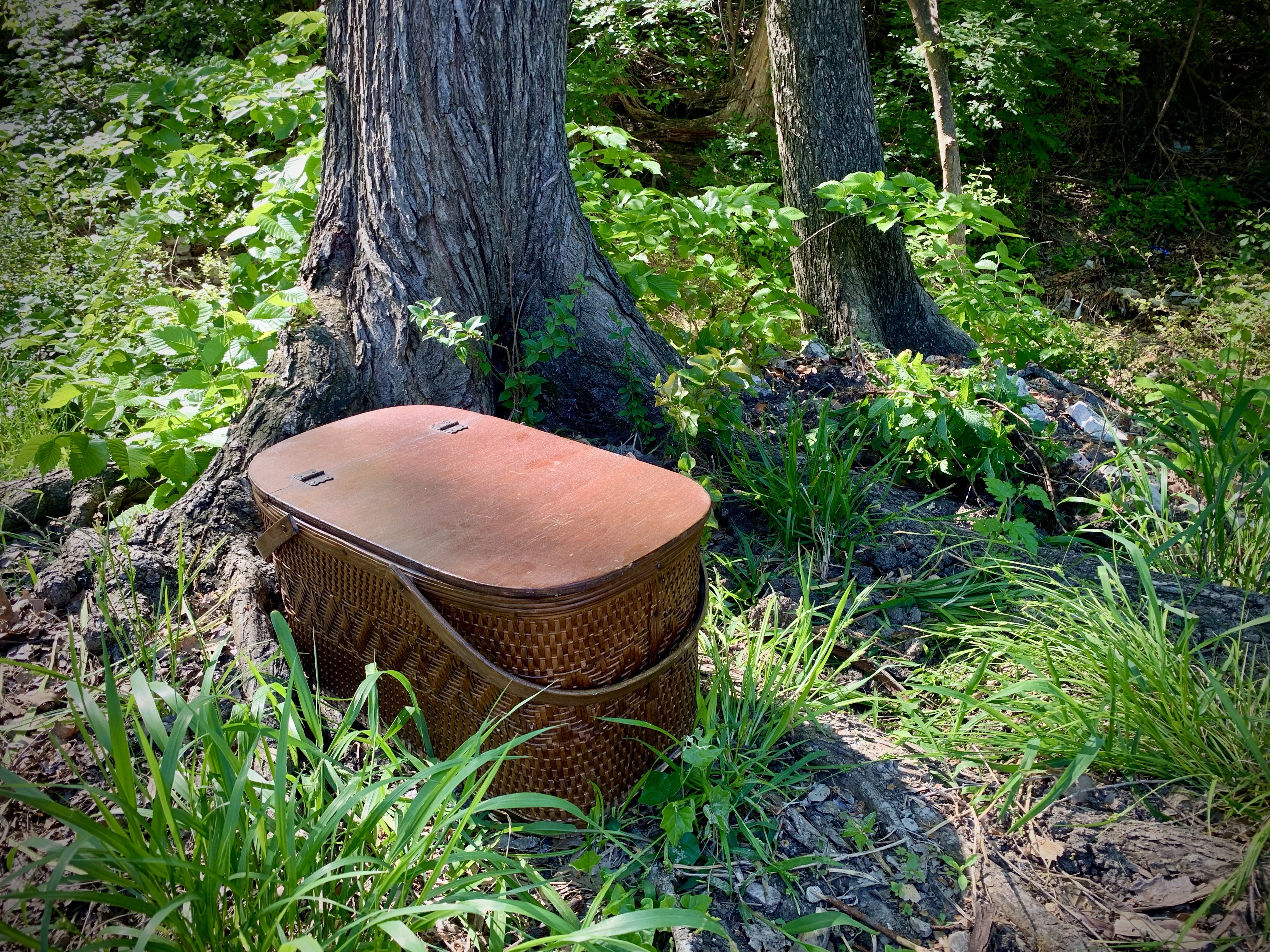
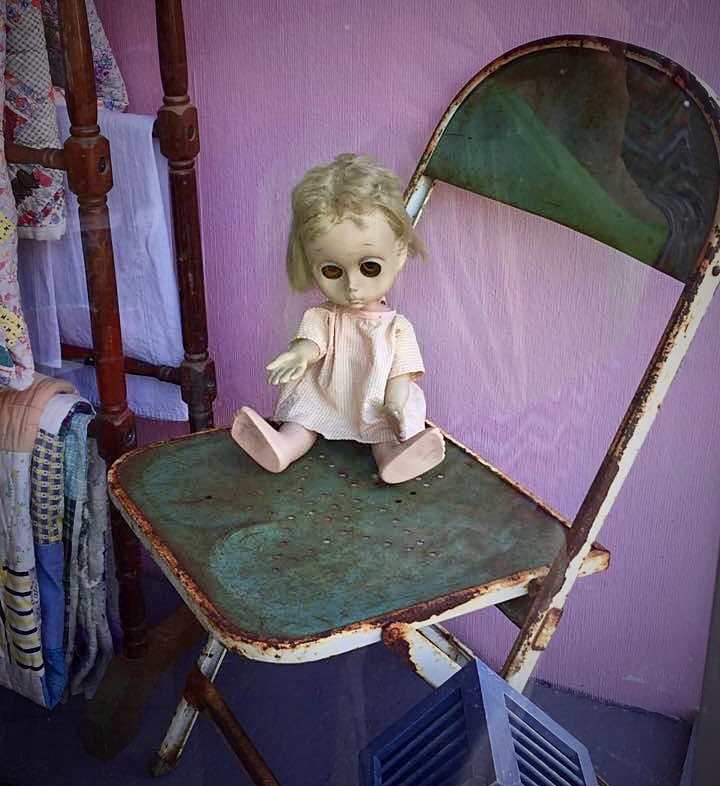
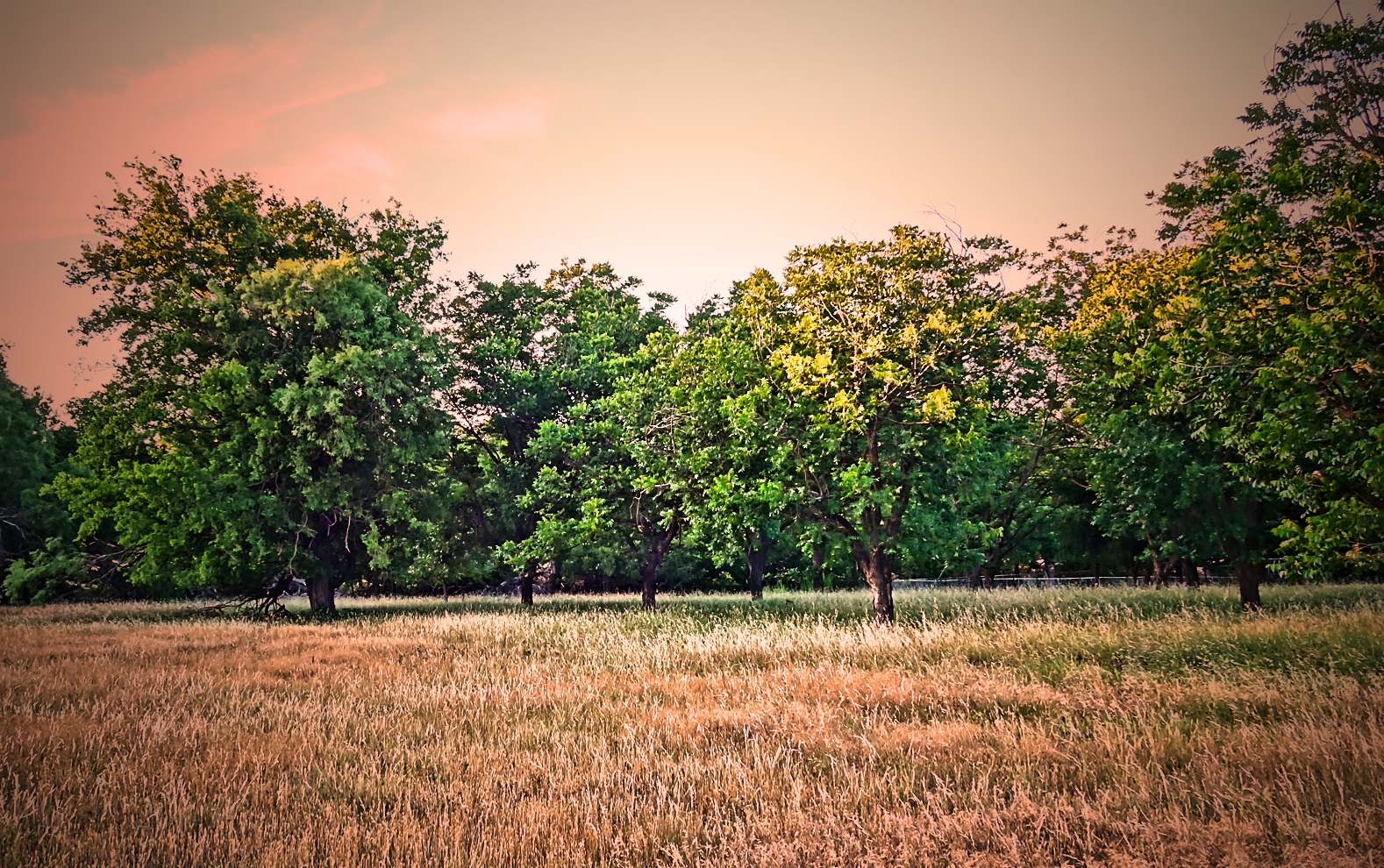
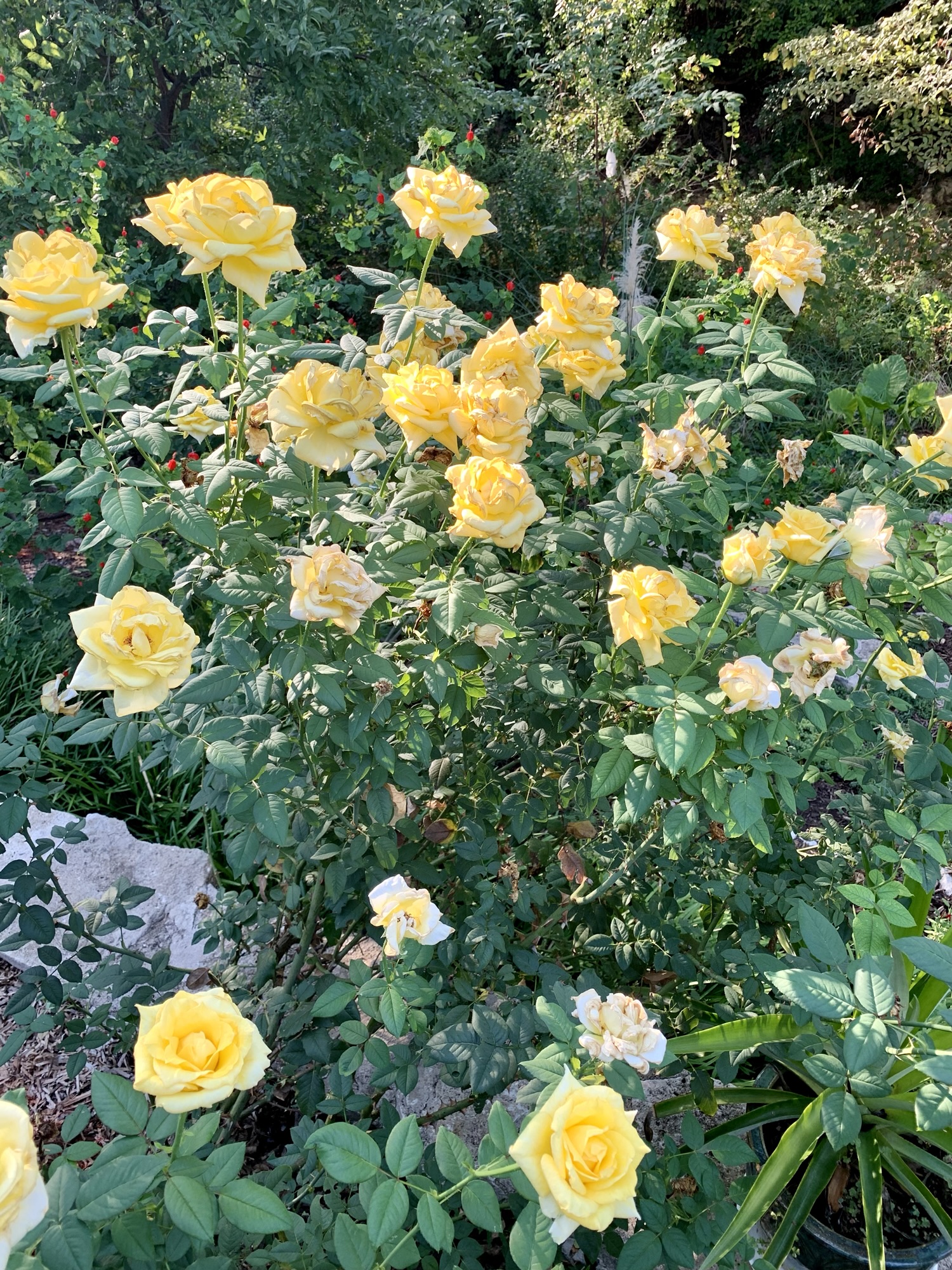
Photo by the author

I don’t remember why I wrote this story. Possibly it’s one I entered in a contest on the Vocal website. Like Medium, Vocal is a site where writers can publish stories and collect a few pennies when people read them. I wasn’t successful there and finally closed my account once I reached the $20 minimum to cash out. I won’t mention how long it took to earn that money.

And that, dear readers, is one example of why I don’t recommend trying to make a living writing short stories.

This one’s a ghost story, but it’s not too scary.

The Orchard

Mae Emery returned, as she had each year since childhood, to her Aunt Judy’s orchard. The sultry dog days of summer gripped Pennsylvania, but Mae couldn’t get warm. She wrapped her body in bulky sweaters and stiff jeans, clad her feet in heavy boots. Workman’s clothes.

“I’m so glad you’re here. Your mother would want you to be with family.” Aunt Judy pulled her close as soon as Mae stepped from her car. The last of the season’s blossoms swirled around their feet like snow.

“It’s good to be back.” Mae studied the older woman, searching for some sign of the breast cancer her aunt had survived years ago. They didn’t talk about things like that back then, Mae’s mother had told her, as she herself lay dying from that same disease.

That summer and into the fall, Mae worked in the gift shop alongside her aunt. The orchard had been in their family for generations, passed down at last to Mae’s mother’s older sister, Judy. Less than a hundred miles from Gettysburg, the farm attracted tourists and local families both. As the pears ripened, the orchard filled with workers. The bell above the gift shop’s door chimed as customers flooded in, searching for trinkets and t-shirts. Mae forced a smile upon her lips while her hands dished out pies, jars of pear butter, and doughnuts warm from the fryer.

Evenings, Mae retired to her tidy room above the store, scented with cinnamon and the sweet smell of candles in the gift shop below. Snuggled underneath a faded quilt, she slept beside a view of the trees from her window. Aunt Judy had offered Mae her mother’s old room in the main house, but Mae could not imagine resting there. At night, the house settled with creaks and pops like footsteps on the wooden floors.

Below her window, at the edge of the orchard, the orange flames from the pickers’ campfires glowed. If the wind blew from the right direction, it would carry their soft conversation. Mae could pretend their words were those of the ghosts rumored to haunt the orchard.    

One night, when the full moon cast its glow, Mae dressed and strolled barefoot among the trees. The leaves rustled like restless spirits. The grass on the ground as familiar as the rug beside her bed. This was the one place she thought might melt the cold center of dread and sorrow she carried.   

She found the canteen, propped against a trunk, as though someone had dropped it there. Worn wool cloth covered the rusted tin container. She tipped it over the grass and a stream of dry soil spilled from the spout. A flash of white drew her gaze. Mae froze. Something drifted out from the trees at the end of the row. Mae drew in a breath. A boy’s pale face appeared in the moonlight. He wore a jacket, long trousers, and a flat-brimmed hat, the colors muted by the dark.

“Hello?” Mae stepped toward him.

His eyes were blank as pennies. He stared past her, alert, as though watching for someone else to come through the trees. A snap, a heavy step on a twig, sounded behind her. A brush of cold flicked against her neck. Mae spun. The row was empty. When she turned back, the boy had disappeared.  

Clutching the flask to her chest, Mae jogged back to the gift shop. When she reached her room, she slammed and locked the door then collapsed against it, panting and shaking.

The next morning, before the shop opened, Mae brought the canteen to her aunt. “I found this last night in the orchard.”  

Judy turned the flask over, her fingers tracing the circles stamped into the tin. “This is very old,” she said. “Things turn up now and then. Civil War stuff, mostly bullets. Metal lasts longer.” Judy handed the canteen back to Mae. “What else did you see?” she asked.

“There was someone there, a boy.”

“Dressed strangely?” Judy asked. When Mae nodded, Judy said, “A spirit. I haven’t seen him in years.” She brushed the hair back from Mae’s face. “Sorrow calls to sorrow,” she said.

That night, Mae studied the canteen. How had it come to be there, in the orchard? Who had left there it, for her to find? Soft notes of guitar music drifted in through the open window from the pickers’ cabins. Mae carried the canteen outside.

An older man, face creased and lined by days spent in the sun, sat next to a dying campfire. He nodded hello as she strolled by. Mae had known many of the regulars, the pickers who returned season after season. She’d taken turns working the trees, her back aching at the end of the long day, bent from the weight of pears.

Most times, her mother stood at the bottom of the ladder, steadying it and pointing out the ripe fruit. High in the green of the branches, Mae couldn’t see every side of the fruit, but together, they saw all the pears. This was the first year she hadn’t worked among the trees.

With the canteen tucked under her arm, Mae crept through the orchard. The guitar music faded, and not even a whisper of wind moved the leaves. This was her world—the pears, the trees, everything around her constant and comforting. If she belonged here, then so did the boy.

“It’s okay,” she said. She lifted the canteen, an offering.

Then, all around, spectral figures wafted through the trees. They passed by Mae, the stream of ghostly men parting as they flowed around her. Soldiers. Ghosts, filled with fear and sadness, but with courage as well. They marched forward, unseeing. In the distance, a drum beat a tap, tap to their steps. Mae waited as wave after wave of blue-coated foot soldiers appeared.

She spotted him. He marched, beating the drum strung at his waist. Mae held out the canteen. The boy’s icy fingers brushed hers as he gripped the container and it faded to transparency. Canteen slung over his shoulder, the boy took up the drumbeat and joined his company. The soldiers passed—mounted men silent except for the creak of their saddles, foot soldiers gripping their rifles, cannons mounted on caissons whose wheels did not disturb the grass. Mae lifted a hand in a half-salute and stood watch until they faded and broke up like mist over the ground.
THE END

The Homecoming – A Scary Story

500 word flash fiction

Photo by the author

This story is one I wrote last year for the NYC Midnight Scary Story contest. The judges liked it enough that I advanced to the second round in that contest. One of the prompts that had to be included was a character that was a nomad. I don’t remember the other prompts. The story also had to be 500 words or less, a real challenge when you have to include specific things.

I’m not entering any NYC Midnight contests this year. They have been a good incentive to stretch my creativity, but I’ve put off writing a novel for too long and now is the time to concentrate on that. For now, I hope you enjoy this little tale. It’s a ghost story of sorts, but not too scary.

The Homecoming

Every October, Evangeline was drawn back to the place she had known as home. No matter how far she traveled, like a bird she returned, drawn to dark mysteries in the East Texas house.

She parked the RV in the weed-filled drive and waited as the witch came outside. The old woman’s name refused to rise in her recollection, but her face was one Evangeline could imagine as her own reflection, twenty years forward.

“You’re here,” the witch said. “Come inside.”

Evangeline left the motor home, with its collage of bumper stickers from places pinned on a map. Never settling, lest she mistake familiarity for forgiveness.

The porch creaked with her steps, the wood gone soft and gray. Beside the house, laundry hung on a line—cotton dresses and sheets that snapped like sails in the wind.

She followed the old woman down a hallway with portraits on the walls. A young man in a soldier’s uniform, a bride in an oval frame, a family of stern-faced folk. Last, a photograph, colors faded to blue-green, of a mother and child. Broken glass hung in the frame. Someone had carved out their faces, taken a sharp edge to the paper. Evangeline trailed her fingers across the clinging shards of glass. A carmine drop of blood bloomed on her thumb.

Inside the bathroom, water dripped into a claw-footed tub. The scent of mold and rain-damp leaves, of things left to rot, drifted out. Evangeline covered her face to hide from the room.

“Sit.” The old woman pointed at the kitchen table. Scattered across the surface were dried herbs, a hen’s egg, a black candle, and a clump of clay molded into the shape of an infant.

After lighting the candle, the woman grabbed Evangeline’s hand and squeezed a drop of blood into the flame. A clock chimed three times.

“Hurry.” The witch pushed a wicker basket at Evangeline.

Outside, dark clouds threatened. She raced to save the wash. When she tried to return the basket, the witch blocked her. “You must face this.”

Evangeline shivered. The bathroom door creaked closed, hiding what waited inside. No giggling play, no splashing. Only drip, drip, drip.

“The spell didn’t work. I don’t remember,” Evangeline lied.

“It was an accident. Forgive yourself.”

Before she climbed into the RV, Evangeline kissed the old woman’s cheek. “I’ll see you next year,” she said. “Goodbye, Mother.”

THE END

Counting Dead Flowers

A 500 word flash fiction story

Photo by the author

The story below is one I wrote last year for the NYC Midnight 500 word contest. I’ve held onto it, thinking maybe I would expand it and put it into a book of short stories, but the longer I put that off, the less interest I have in editing. There are folders on my computer filled with half-finished stories. At least this one is complete, although it could have used a few more words. But it’s enough for now and it gives me something to post on the weekly blog.

One of these days I’ll pull those other stories together into a book. I don’t feel too guilty letting them sit. I’ve started work on a novel, and I’ll use that as an excuse for now.

This one is a horror story and it’s a bit dark, so be warned.

Counting Dead Flowers

On my fourth trip to the cellar, the rotten step collapsed. Luckily, most of my weight had shifted, my foot planted on the next tread. Cursing, I gripped the handrail, glancing over my shoulder at the gap where the middle board had been. Much of the stairs lay in shadows due to the burned-out bulb at the top.

I could imagine my sister Ivy chiding me for not replacing it. She’d be angry enough that I was here alone. “Don’t go without me. I’ll be there by Thursday at the latest,” she’d said.

Three days had passed since our father’s death. Eager to begin the search, I had sorted through the mounds of newspapers, broken dishes, empty takeout containers, and discarded electronics that filled the home like barnacles on a ship.

I’d arranged our father’s cremation. There was no point in a funeral—the man had no one other than Ivy and me. He had lived alone in this house for twenty years.

At the bottom of the stairs, I weaved through the cardboard boxes I’d moved to clear a path to the back. The place stank of mildew and the damp earth of the cellar’s dirt floor. My shadow, cast by the pale light of the bare bulb on the ceiling, hovered over the old chest that I had uncovered. Made of cheap particleboard, one end had rotted out, spilling the contents. A child’s jump rope lay coiled on top of the chest. Lifting the rope, I recalled the rhyming song we had chanted.

I know a secret. Can you guess?

which little flower he likes best?

Setting aside the rope, I scooped out folded sheets of paper, yellowed and dotted with black and green mold. Childish handwriting covered the pages that could still be read. I shivered, remembering the scratch of pencil against paper as I created a list of names.

Daisy, Rosy, Violet, Belle,

hide in the cellar, and don’t you tell.

Upstairs, the front door creaked open, followed by my sister’s voice. “Lily?”

Frantic, I tried to stuff the papers back into the chest, but they slid out, along with a stack of Polaroid photos.

Sister doesn’t care, sister doesn’t mind.

How many petals will you find?

Her heels tapped along the wood floors. I turned over the first photo. A pale face stared at me. One of the missing girls we’d planted in the cellar dirt. How many were there? I kept getting the number confused with the count at the end of our jump rope rhyme. One, two, three, four—we stopped when he had the first stroke, when I was twelve, Ivy fourteen.

“Where are you?” Ivy’s steps halted.

“Down here.”

She wanted to confess, to set the past right. Would a jury forgive our acting as lures for the innocent? No. We clipped them, gardeners deadheading blooms.

Counting the steps as Ivy descended, I picked up the rope. If the broken tread didn’t do the job, I would finish it.

THE END

Die Hungry

A flash fiction short story

Photo by the author

The story I’m sharing tonight was my entry for the second round in the NYC Midnight Scary Story contest. I didn’t advance to the finals and I’m a choosing to look on that as okay news as this means I now have the weekend free to work on the novel that I’ve started.

I received some good feedback from the judges, and I considered whether I wanted to go in and re-work the story to submit somewhere. But I then decided that it would just be one way of putting off the hard work of novel writing.

The prompts for this story were: burial, skipping a meal, and a couponer. I do love the prompt based writing contests, as they are always a challenge to creativity. And now, here is the story in all its unedited glory. Enjoy! (or not – this one’s a bit dark)

Die Hungry

The line of people wound through the cemetery. At the edge of the graveyard, a backhoe idled. Hayla shuffled forward, clasping her vouchers. Armed guards strode beside them, like wolves stalking prey.

“It’s fine weather for Parting Day,” the bearded man in front of her said. He grinned, revealing rotten teeth.

Shrinking back, Hayla nodded. Was this his mandatory age of disposition? She had signed up on her fiftieth birthday, five years early, to gift the unused time to her daughter.

The man leaned close enough she could smell the onion stink of his body odor. “I heard they don’t embalm or cremate folks so they can test whether the virus is still around.”

“Don’t care,” Hayla said. “Better to be buried with a full stomach than die hungry and rise as a ghoul.”

“You think this is enough?” The man held a single orange ticket, the color of the free government vouchers. Hayla had five meal coupons, one in each color, collected in preparation for today. A full digestive system halted the disease.

She turned, eager to glimpse the feast table. The scent of roasted chicken drifted through the air. Her stomach rumbled. She shouldn’t have fasted yesterday, but she wanted to gorge today. She swallowed, her mouth slick with saliva.  

“Get back!” One of the armed men shouted. Across from the queue, a dozen people, men and women, fought against the ropes binding them. The unfed. Hayla shivered. Buried under concrete, unable to claw your way out. The group struggled toward the feast line.

“Go!” A guard pushed Hayla into the bearded man.

Screaming, the bound group surged into the queue. Hayla tripped, falling hard on her side. A large man landed on her, crushing her breath. She rolled, pushing the man away.

Gunfire thundered, bullets thudding into victims. Hayla crawled across the grass, shuddering as people fell wailing around her. Within seconds it was over. Hayla staggered to her feet. She ran trembling hands down her body. Her meal coupons were gone.

She grabbed a guard. “I’ve lost my tickets!”

“Sure. And I’m the pope.” He pulled her toward a pile of bodies.

A bulldozer roared, scooping up the fallen. The guard raised his gun.

Hayla woke, lying cold in absolute darkness. Something soft and wet pressed her cheek. Someone moaned. She grasped their arm and pulled it to her mouth. Hungry. She was so hungry.

THE END

The Evolution of a Story

From inspiration to publication

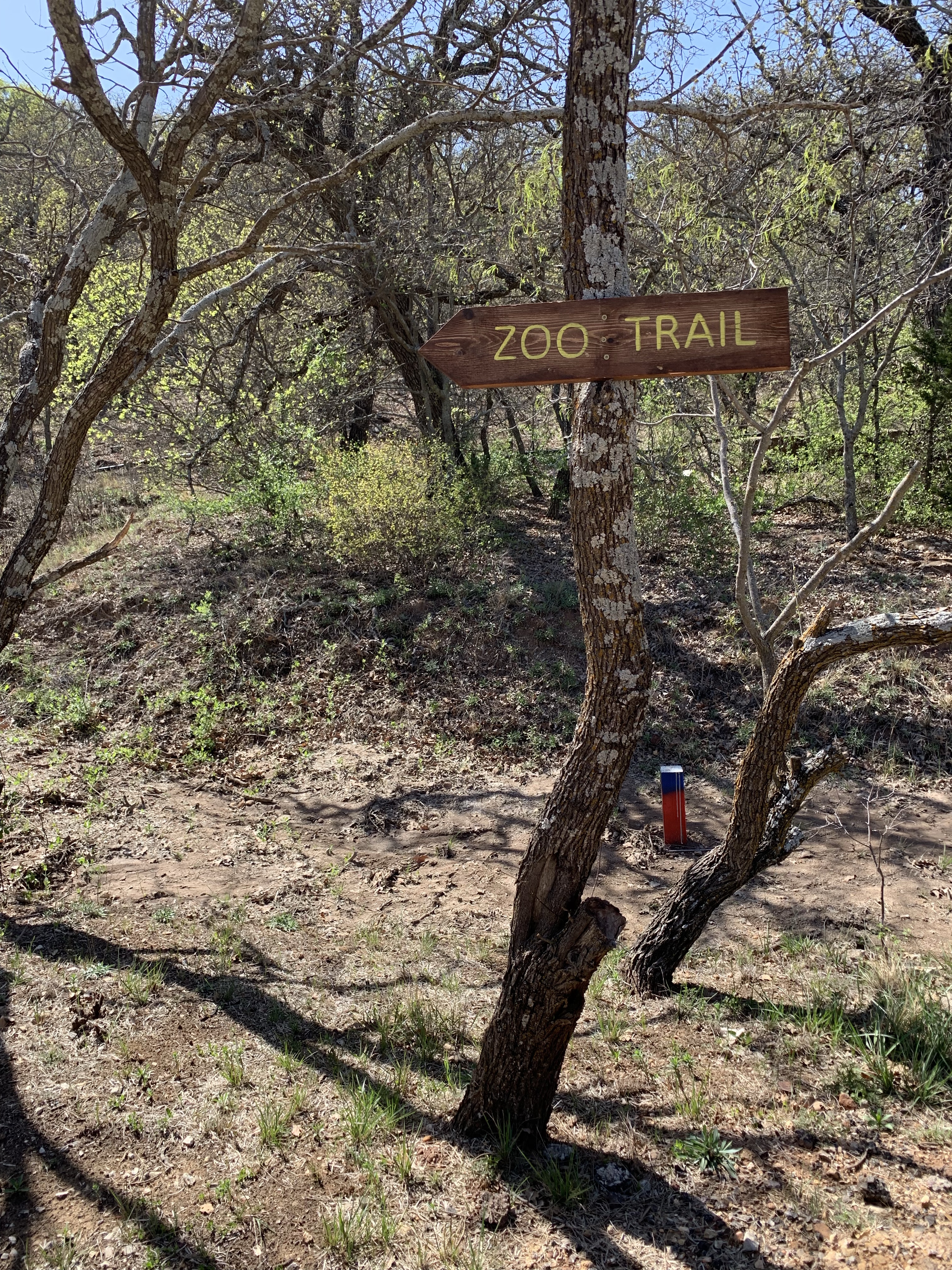
A sign on the trail at the old Cisco zoo. Photo by the author

One of the most common questions that authors get asked is some variation of “Where do you get your ideas?” For most writers, the answer is that we find them in our everyday experiences. This includes people who pen tales about ghosts, demons, and dragons. We don’t encounter those in real life, but we run across settings or objects that spur stories. Stephen King was inspired to write his novel The Shining after a winter stay at the Stanley Hotel in Estes, Colorado. The hotel’s isolated setting and a nightmare about his son gave rise to the plot of the horror story. And a very good one it is.

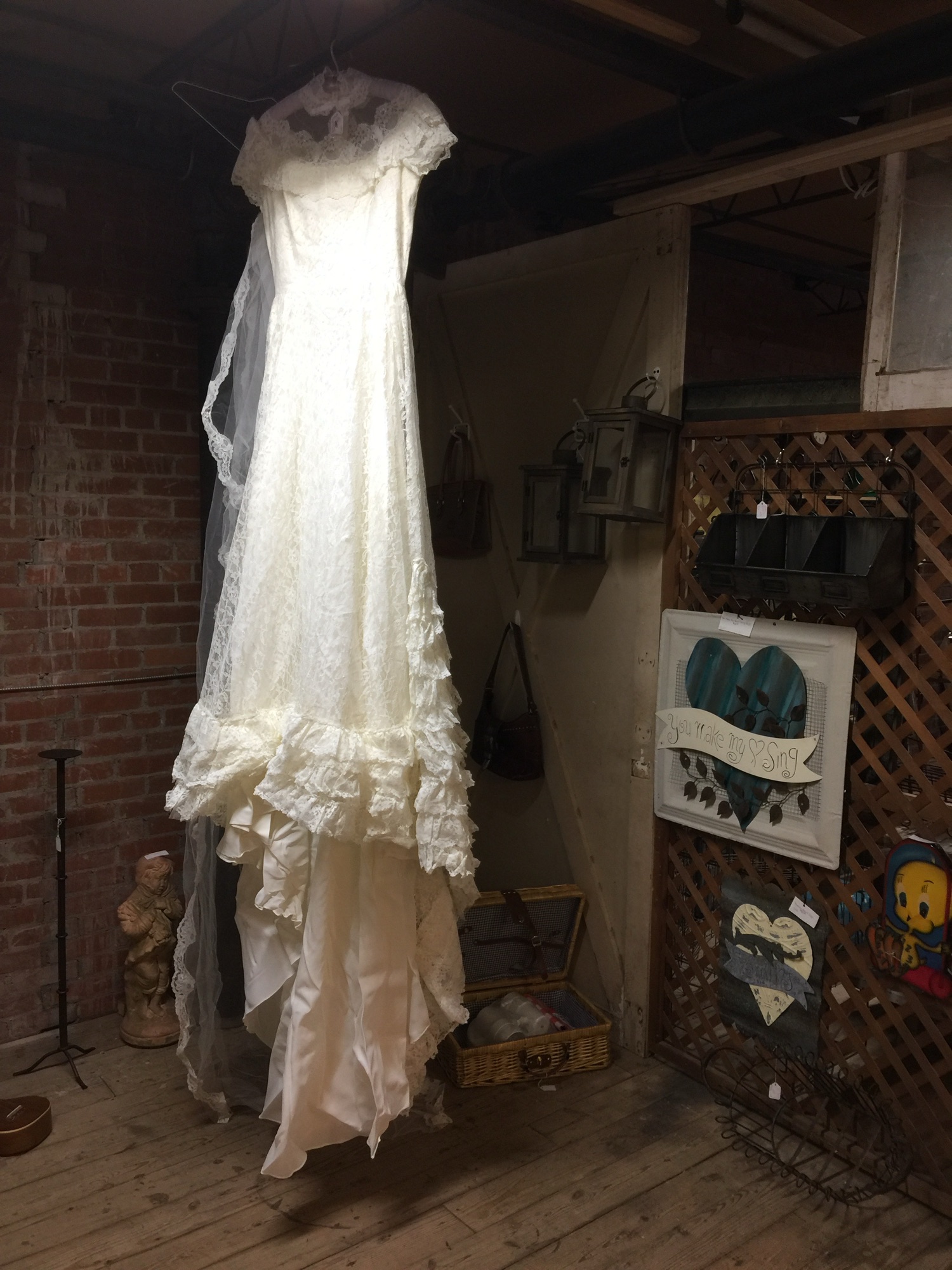
Not a ghost, but a ghostly garment for sure. Photo by the author.

A couple of years back, my husband Andrew and I visited the abandoned zoo trail in Cisco, Texas. I’ve got a separate post about that visit – you can find it on the Road Trip tab and read about it if you’d like. Strolling through that place I felt it would make a great setting. I filed away the memories and images to recall at some later date. They came to life in the Spring 2025 Writing Battle writing contest. I received the prompts “Small Town Secrets”, “Zoo”, and “Rich Aunt.” The minute I saw “Zoo” I knew where to set my story. Once I placed the characters in that abandoned zoo I found the secret that they were keeping.

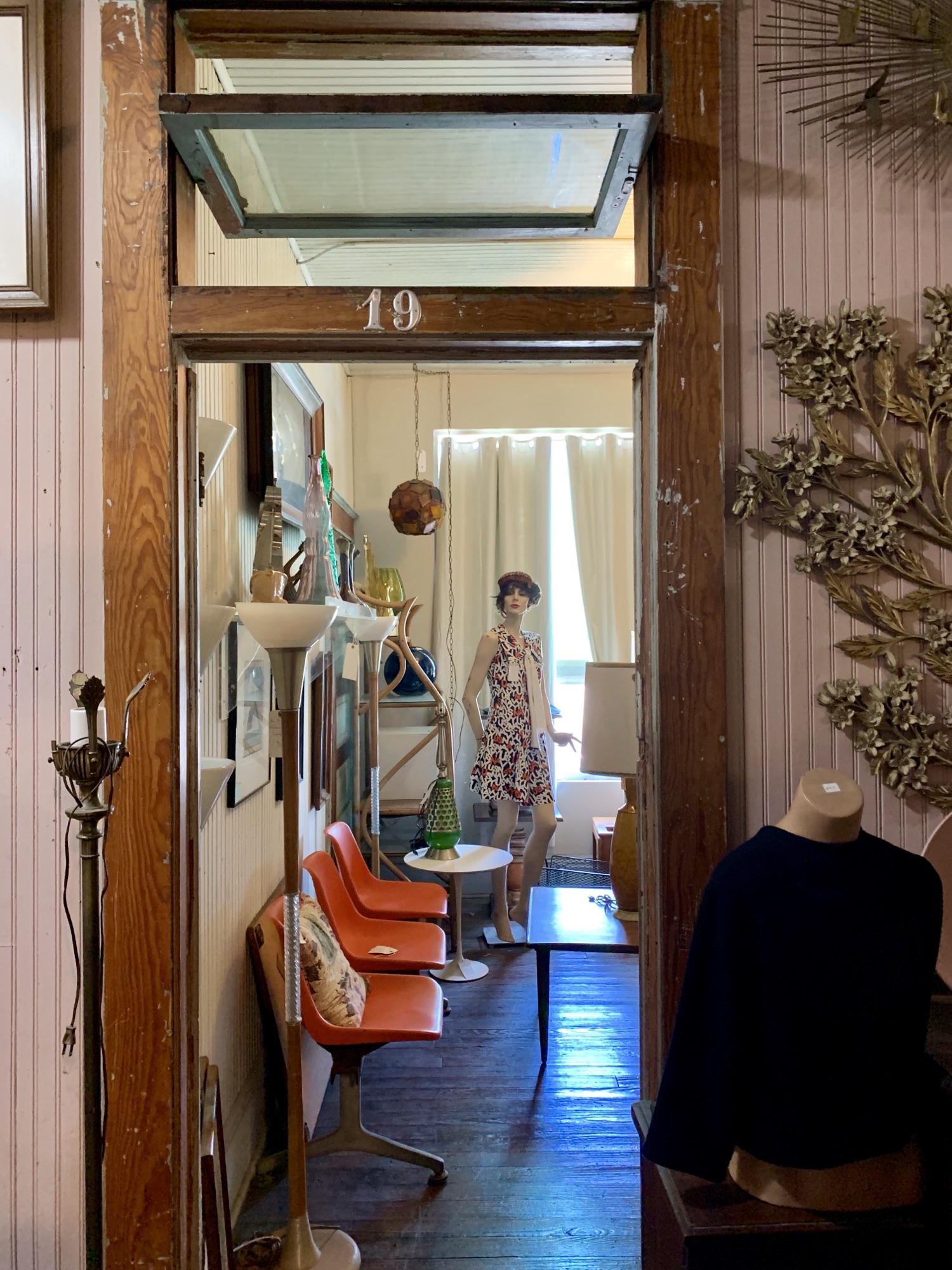
There’s a story waiting inside this room. Photo by the author.

Getting words on the page is the hardest step for me, but the contest had a deadline so that gave me motivation. I ran my first draft through the ProWritingAid app to polish the grammar and eliminate most of the passive voice. After one last edit, I finished the story and submitted it to the contest. It didn’t win any prizes. However, I received some useful feedback from the other contestants. The trick to a good story is that it’s not the writing but the rewriting that makes it stand out. After editing the draft that I had submitted to the contest, I took my pages to my writing group and got their feedback. Then, I submitted the story to the Flash Fiction Magazine’s contest. It didn’t win there either, but one of the editors emailed me afterwards and offered to publish it in the magazine. With some edits, of course. I said yes and off we went on the last round of revisions.

When we encounter haunted objects, there’s story waiting. Photo by the author.

My story, All We Have Abandoned, went through at least six rounds of editing before finally being published. Here is a list of some things that were changed through that process.

  1. The title went from Forsaken but not Forgotten to the current one – All We Have Abandoned. I think the second title brings out the emotions felt in my trip to the old zoo and also fits the plot of the fiction piece better than the first title.
  2. Some of the early readers mentioned that they couldn’t picture the point of view character. I realized that I hadn’t mentioned a gender or even a name for this character until past the halfway point in the story. Way too late – if you don’t introduce the main character early, readers will form their own idea of who that person should be. This can be jarring if they get the wrong picture of them and have to adjust later. I moved the narrator’s name up to the first word in the first sentence and added the phrase “no longer a little boy” as a second reminder of his gender.
  3. I got rid of most of the “rich aunt” details that I had to include in the contest story but kept a couple of things about her character. She wears rhinestone-studded sunglasses and carries a cane with a silver handle. Those details I think will allow the reader to imagine her and also no a little bit about her personality.
  4. My original draft included a full paragraph of back story about the zoo history. Fascinating stuff to me, the author, but not so interesting to readers who just wanted to get into the story. Cutting those lines allowed me room to add a scene where the main character encounters someone in the past.
  5. Speaking of the past, I had a problem with tenses. There’s a flashback while the characters stroll through the zoo, but I wrote almost everything in present tense. Some of my early readers were confused about the timeline until I fixed that problem.
  6. I made a small change to the ending, substituting one word for two in the last sentence. In general, I think it is always a good idea to cut words and this one change gave the story more impact and an ending that will stay with the reader.

Now, if you’d like to read the final, published story, here’s the link to the post on the Flash Fiction Magazine page: All We Have Abandoned

As always, thank you for reading!

The Cook in the Kitchen

A short story

Photo by the author

This story is one I submitted to one of NYC Midnight’s writing contests. I don’t remember the prompts, but they had to be something amusing to result in the following tale.

The Cook in the Kitchen

Betty Norman held the dusty cookbook angled toward the sunlight spilling through the thrift shop’s window. Her husband Eustace tromped up behind her, his arms filled with a dozen mildewed copies of Popular Mechanics magazines and five dull-brass cabinet knobs. He propped his chin on her shoulder as she traced the spidery handwriting in the margins of the cookbook. Betty flipped through the yellowed pages. She tapped a brown stain on the cover, shaped like the state of West Virginia. “I bet there’s good recipes here.”

Smiling, Eustace agreed. “This one might do the trick.”

At home, she stashed her purchase between a worn Fanny Farmer cookbook and a hardcover copy of The Joy of Cooking. The shelves on the bookcase sagged beneath the weight of thousands of recipes. Despite all this instruction, Betty had never grilled a steak she couldn’t burn to bitter charcoal, had never baked a cake that rose above the batter. If she put eggs on to boil, the water would simmer away until the pan ran dry, without so much as firming up a single yolk. When it came to cooking, she was cursed.

Her mother hadn’t meant to put a hex on her. Betty’s mother had never let her help in the kitchen. Two cooks would spoil the broth.

Later that night Betty woke to the clink of silverware, and the hushed whisper of drawers sliding open. In the dark kitchen she discovered the new cookbook on the counter, surrounded by a dusting of flour. A stove burner blazed blue flame. Betty rushed to turn it off. A pale woman wearing an apron stood reaching for the refrigerator door.

“Hey!” called Betty.

Just then, Eustace stepped into the kitchen and flipped on the light. The woman disappeared. “You fixing a late-night snack?” He pointed to the open cookbook.

“Not me.” Betty shook her head. She picked up the cookbook and shook the flour from the pages. “We brought home a ghost.”

Sighing, Betty pulled a thin, cloth-bound volume from the shelf. She opened it and ran her finger across the bold, block letters scrawled across the margins as she said, “Mom. I need your help again.”

Betty stacked her mother’s cookbook atop their latest purchase. She and Eustace went off to bed, certain the ghost would be gone. Betty’s mother never allowed anyone else in the kitchen.

THE END

Short Story or Vignette?

One needs a plot, the other doesn’t

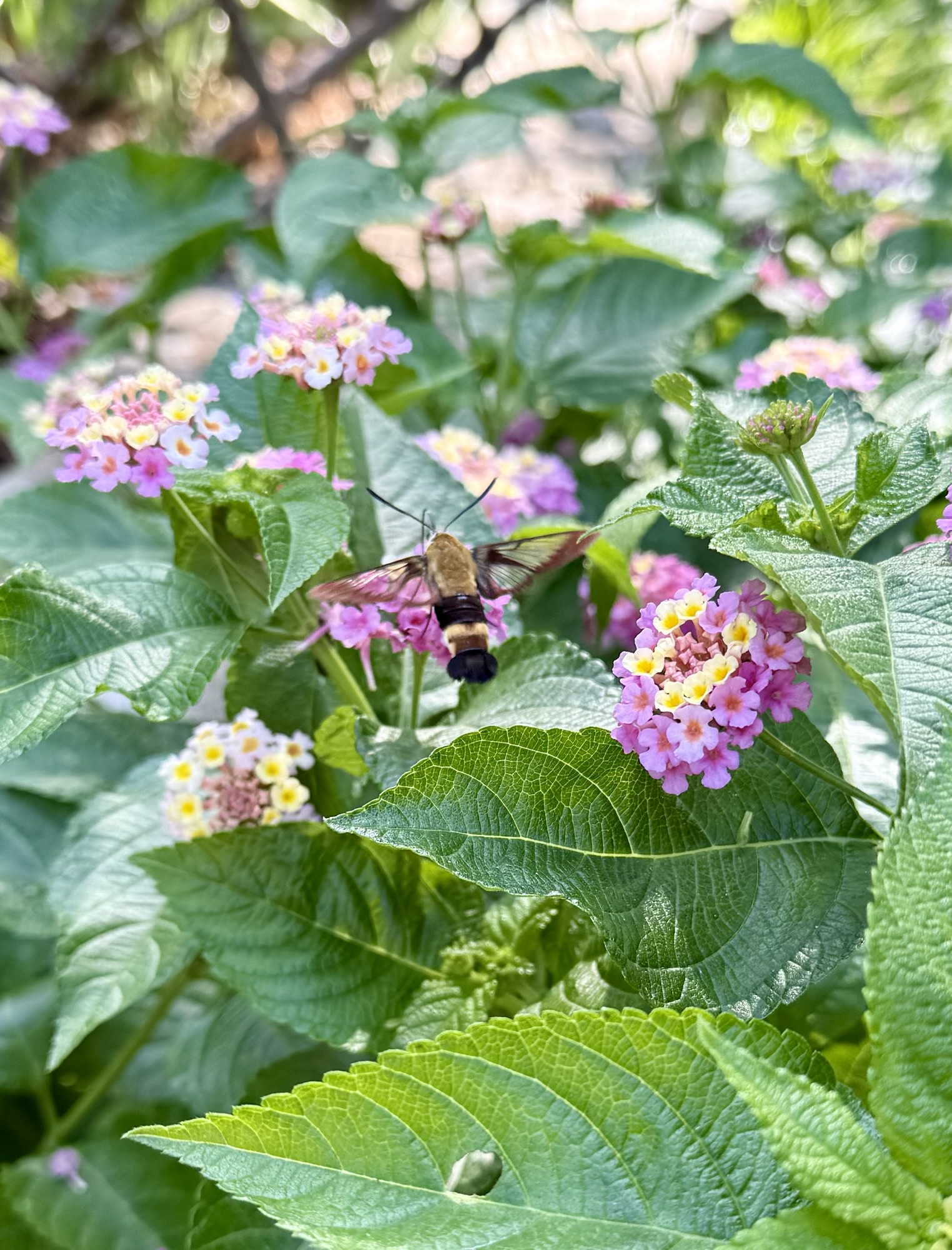
Moth on Lantana – photo by the author

I’m sharing another piece from a Writing Battle contest. This one had a limit of 250 words. The question I struggle with when writing very short, micro fiction is this: “How do you produce a complete story with characterization, rising and falling action, plot, and resolution when you only have X number of words?” Sometimes I feel like I hit the sweet spot on all those things that make a story a story, and sometimes I just have to be happy writing a vignette.

Vignette: a brief evocative description, account, or episode.

The story below made it to the top 16 in my category, but didn’t win any prizes. My genre was “Summer Fling”, I had to have a character “Bumbling Adventurer” and I had to include the word “Prudent.”

After the contest, I tried to expand the piece and I submitted it to a couple of other contests, only to get it back with the feedback that it wasn’t a complete story. Anyway I like it, so here it is. What do you think? Short story or vignette?

Lantana

Alina rolled through life like a tumbleweed — reckless, never prudent. She wore odd combinations—crimson flowers on an orange shirt and blue striped shorts, as though she dressed in the dark. One summer morning, she braided her sun-gold hair and set off to meet her latest boyfriend, Jay, at the pier. 

She strolled across the sand toward a Ferris wheel outlined against a periwinkle sky. After she lost a shoe in the surf, Alina stopped at the gift shop and bought a pair of rubber sandals.

When she found Jay, he held a paper container of fries. His kiss tasted of salt. Holding hands, they weaved past carnival games and their clanging, ringing, flashing lights. A summer season of popcorn bits and peanut shells crunched underfoot. Alina purchased a souvenir cup topped with a plastic dolphin’s head. They shared a pink puff of cotton candy, the hot-sugar stickiness clinging to their fingers. So sweet, before dissolving to nothing.   

They paused at a giant wooden track. Overhead, cars filled with screaming passengers rattled past. “Last chance, ride it with me?” Alina asked.

“I don’t do roller coasters.”

She thrust the dolphin cup at him and joined the queue for the ride. At the second hill, the coaster froze at the summit. In the moments before the cars resumed their plunge, Alina stretched her arms overhead. The wind carried a hint of coolness, heralding summer’s end. She searched the ground for Jay. Below, he lifted the cup in salute, or farewell.

THE END

Another Contest Story

Very short fiction

Photo by the author

The story I’m sharing tonight is from a Writing Battle contest. I like this contest because it is peer judged and each writer gets feedback from other contestants. To make it fair, you read and judge stories that aren’t in the same category as yours. The prompts and genres are always a surprise, and include some crazy combinations. For the story below, my genre was “Military Lampoon” and I had to include the subject of “Justice” and the word “Zealous.” Also, it had to be less than 500 words.

The feedback I received mentioned that the tale didn’t quite meet the justice theme, but I had fun with it.

The War of Roses

Lee Hammond had no quarrel with his neighbor until the crape myrtle incident. He kept silent over the neon dandelions dotting the yard next door, figuring someone who had spent his life at sea wouldn’t understand the complexities of lawn maintenance. Lee’s grass was an immaculate spread of green, like a soft blanket thrown across the ground. Saturdays, at exactly 0800, he zealously attacked the shrubbery, chopping it into uniform rectangles.

He ignored the Navy flag flapping from the man’s porch and ordered a larger version of his own banner—a sparkling white Army flag with gold fringe. 

The morning of the crape myrtle massacre, a landscaping truck parked in front of Lee’s driveway. Workers spilled onto the ten-foot-wide strip of grass separating the two homes. Music throbbed from a boom box, accompanied by the buzz of a chainsaw. 

“Hmph.” Lee dropped the blind he’d been peering behind.

Lee’s wife folded her newspaper. “You should go over. Introduce yourself.” 

He stooped to pet Ike, their English bulldog. “And say what? Why are you cutting down that tree? The one shading my drive?” 

“You two have much in common, being retired military.”

Lee grunted and parted the blinds again. “In common? The man has a cat, Helen. I see it over there, in the window.” An orange tabby pressed against the glass, staring at him. 

At the end of the day, the lawn between the two homes had been transformed. A squat rosebush sported crimson buds, and pink and yellow zinnias were sprinkled throughout the bed. That evening, while he took the dog out, Lee paced off the distance from his drive to the flowers. He smiled when Ike raised a leg to relieve himself against the rosebush. 

Things went on quietly until the morning Ike slipped under the backyard fence. Lee woke to a clamor of shouts, barks, and howls. He raced outside to spot Ike panting in the yard next door. Muddy flower petals littered the driveway and the rose bush tilted half out of the dirt. The orange tabby peered from atop the neighbor’s garage. 

“I’m sorry.” Lee grasped the dog’s collar. “Ike never does this.” 

“Ike? As in Eisenhower? Commander-in-chief?” When Lee nodded, the neighbor waved at the cat. “Meet Admiral Chester Nimitz.” The neighbor held out his hand. “I’m Jack.” 

After securing Ike inside, Lee offered the ladder from his garage. He held it as Jack climbed. 

Once they’d rescued Chester, Lee gestured to the ruined landscaping. “Since my dog did this damage, I’ll pay for replacements. And help you replant.” 

“I suspect it was a joint operation, Army and Navy,” Jack said. “Half is fair. Why don’t you come with me to the nursery?” 

Lee accepted the man’s offer, glad to offer advice on drought and pet tolerant plants. Later, their work finished, he had to admit they made a pleasant view, though he missed the crape myrtle’s shade. Red roses, blue lobelia and white gardenias—a perfectly patriotic compromise. 

THE END

The Emerald Forest

A short story

Photo by the author

Tonight I’m sharing a short story I wrote for Writing Battle, one of my favorite writing contests. This piece didn’t advance very far, but I like it enough that I’ll share it here. I don’t remember all of the prompts for this one, but I do remember that the story had to include a ladder.

The Emerald Forest

Neena Dasari called me three days after Katy’s funeral. “Reid,” she said, “Jack’s in trouble.”

“Why isn’t he calling?” I was surprised to hear from her. As senior programmer, she was one level below the CEO. Hell, they had given her my office.

“We were developing an AI with true consciousness.” Neena took a breath and when she spoke, her voice trembled. “He used Katy as a template and placed her inside the new program, the Emerald Forest. Now Jack’s trapped there, playing the game.”

Neena buzzed me into the EIG office and we crossed the empty lobby, our footsteps echoing. Emergent Intelligent Games, EIG, had been founded by me, Katy, and Jack. The first massive multiplayer online game we created launched EIG and made us billionaires before forty. I used to play that game, but I stopped after Jack bought my share of the company, forcing me out. I’d worked with Katy on the coding for Emerald Forest, and played one of the first levels, but I was gone before we completed it.

We took the private elevator up to the top floor suite. Inside, Jack hung suspended in a haptic rig. Webbing cradled him in an upright hammock. He wore a helmet with earphones and a faceplate. A second rig stood next to him.

“He’s been online 48 hours,” Neena said. “He doesn’t respond and I can’t log onto the game. They’ve restricted access.”

I stared at the man who had been my best friend. We hadn’t spoken in almost a year, since before Katy’s diagnosis. The day of her funeral, I hid in the crowd at the back of the chapel.

I strapped into the second rig, then logged onto Emerald Forest using my old password. No one had gotten around to deleting it. The screen displayed a choice of three characters. I selected the third, the Exiled Knight.

Emerald Forest, as we had imagined it, took players through an adventure in an ancient woodland. The opening shot was an overhead view of the land. Now, instead of that green landscape, my character stood in a crush of high school students as they flowed past, down a white-tiled hallway. 

The scene dissolved and reassembled as a menu of game levels. Instead of the storyline I remembered, the options were Jessom High, Truman Hall, Mother Dell’s, and Kauai. The last block was just labeled “Final.” I recognized the names. Jessom was where we had gone to school. Truman Hall was our college dorm. The three of us had first imagined and planned EIG over pizza at Mother Dell’s. Jack and Katy had honeymooned in Kauai. Jack had recreated scenes from our past.

I held my hand over each level, ignoring the temptation to replay those memories. What would it be like to linger here before everything went bad? I needed to find Jack and figure out how to end the game. Looking over the menu choices again, I decided to skip to the final one.

The scene for that level was an open field of wheat. At the far end, a rusted water tower rose against the horizon. I strode through waist high plants, toward the tower. In the game, it looked just as it had all those years ago, when the three of us had climbed it on a dare, back when we were college freshmen. When I reached it, I met Jack at the base of the ladder that led to the top.

“She’s up there, waiting, but I can’t climb,” Jack said. He glanced at me, but his character showed no reaction. “Every time I reach for it, it disappears.”

“What is this place, Jack? Why did you create it?”

“I only did the first one. She coded the rest.”

“The AI?” If this was true, it was an amazing breakthrough—artificial intelligence that could change the rules of a digital world.

“It’s Katy. I put everything in—her thoughts, memories, personality fragments.”

If Katy’s consciousness had been responsible for this level, I wanted to see how it would end. In the real world, this place had been the turning point for the three of us. Friends before, but after we climbed this tower, Katy chose Jack. Would she choose differently inside the game? I stepped onto the first rung and shook the ladder. “It’s okay. Let’s go up together.” I was willing to bet the reason the ladder didn’t work for Jack alone was that it needed all three of us. Katy waited at the top.

Like the past, I was second up the ladder. Clothed in the haptic rig, I felt the wind rush past as we climbed, and heard the squeal of metal with each step on the rungs. At last, we reached the end.

“You can see the football stadium.” Katy sat gripping the railing, her legs dangling over the side. She was exactly as I remembered her from that day on the tower. Her green eyes looked up into mine. Hair the russet brown of oak leaves in autumn fell in curls across her shoulders.

Jack settled beside her and I stood on her left. I tightened my hold on the railing, the haptic gloves transferring the feel of cold metal to my hands. Looking down, a wave of dizzying nausea passed over me. The ground below seemed both impossibly far and close enough that if I stepped off the walk way, I would land unharmed.

“I’m going.” The temptation to linger, to try to change this alternative history, was strong. I had taken the first step on the ladder when Jack spoke up.

“Wait,” Jack turned to Katy. “Did you love Reid more?”

She held out her hand. “We can’t change the real past, but we can fix the future.”

This wasn’t Katy. This was a machine system programmed with data and built to respond like her. I couldn’t alter the past, but I could give us a way forward. “She loved you, Jack. Always. She never loved me.”

“That is true.” When she spoke, the screen dissolved to black.

The game ended. Jack had his answer, but I wondered which one of us had told the truth.

THE END

The Final Illusion

Another NYC Midnight Short Story

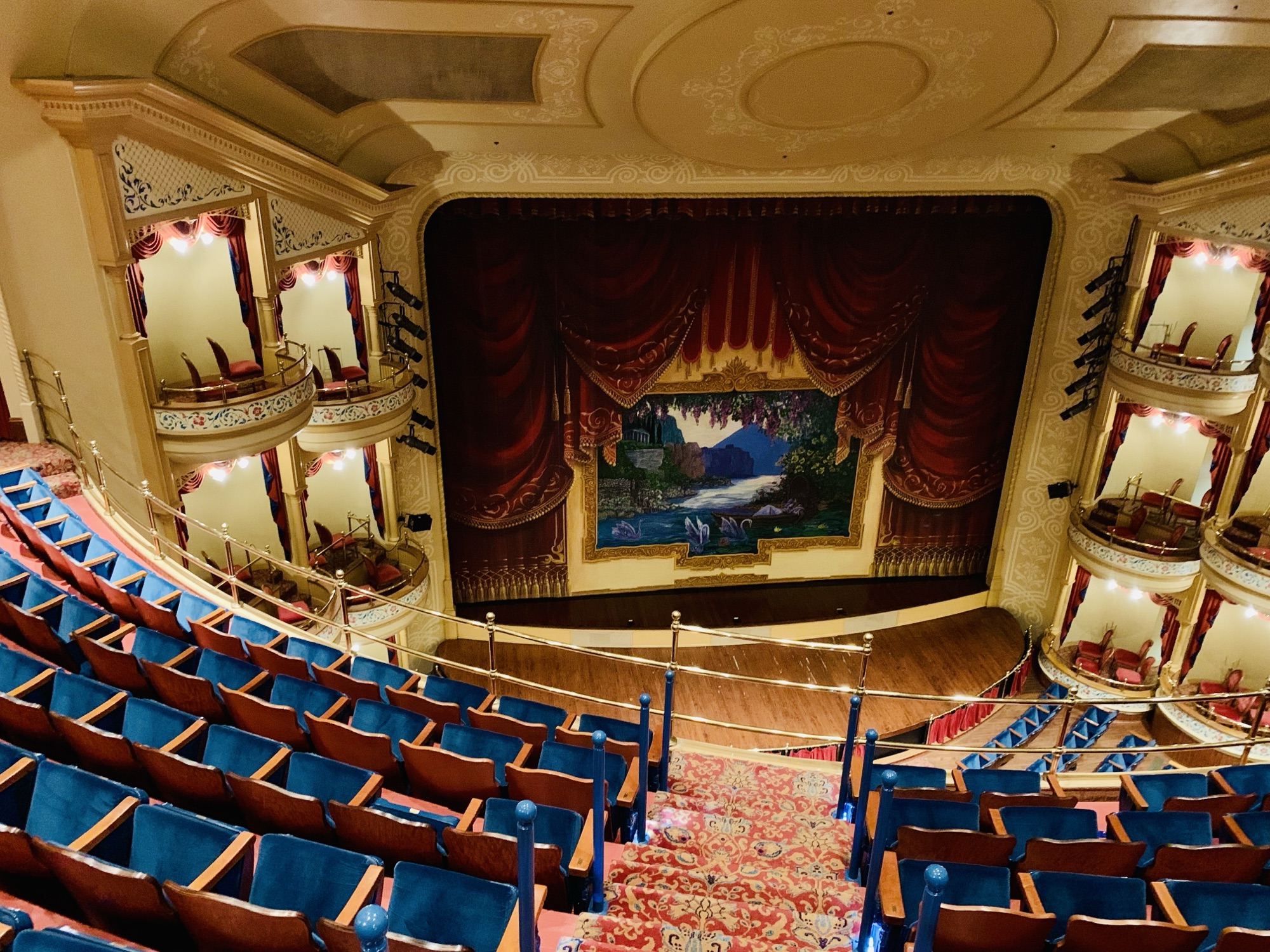
The Grand Opera House in Galveston – photo by the author

Tonight I’m sharing another NYC Midnight contest entry. This one made it through the first round of the Flash Fiction challenge this year. I had to write a 1,000 word or less story in 48 hours in the thriller genre with the setting in an auditorium. And I had to include a ladder in the piece.

Here’s my summary of the story: Magician Mark Ruska and his wife Gigi are involuntary accomplices to a pair of armed assassins during a live show. Working together, the Ruskas perform a dangerous illusion that will be their only escape.

And here is the story, complete in 999 words. (Not counting the title)

The Final Illusion

Every illusion depends on misdirection. The magician, Mark Ruska, paced the stage of the Grand Palace, noting where the set pieces would be during the performance. Everything had to be perfect. On the other side of the velvet curtain, murmurs and shuffling footsteps sounded as the audience filed into the auditorium.

“You done?” The man at the side of the stage motioned with his chin. His hands were busy holding a matte black gun. A red, ridged scar traced across his brow, above eyes the watery gray of a shark’s.

Mark’s wife Gigi stood beside the scarred man. She wore a black tuxedo coat and pants—the outfit matching Mark’s. She nodded to Mark, then wiped her face.

“We’re ready.” Mark scanned the fly space overhead. Heavy sandbags and counterweights hung suspended over a metal catwalk. At the top, accessed by a thin metal ladder, was the wide concrete hallway leading to the rooftop doorway and to an entrance to the theater’s third level.  

“We’ll do our job and you guys can go,” the man said.

Mark doubted that. Neither the scarred guy nor the assassin perched on the catwalk had bothered to cover their faces. They would not leave anyone to identify them. Hopefully, their sound and lighting guy, Jim, would stay in his booth, isolated and unknowing of the drama.

At last, the house lights dimmed, the curtains opened, and the show began. The scarred man slid hidden at the side of the stage. Mark wheeled out the large steamer trunk, big as a coffin, that held their equipment.

As they worked their way through the first set—levitation, a transformation illusion, and Gigi’s disappearing rabbit trick, Mark wondered who was the intended victim? The Grand held two hundred seats among three tiers, including six balcony boxes with another twenty-four places. The boxes were positioned directly next to each stage side. Whoever sat in those seats would be at the perfect angle for the catwalk sniper.

 A silver-haired man wearing a dark suit sat in the middle box at stage left. Two younger men, both with thick necks and arms that strained the sleeves of their polo shirts, sat behind him. Mark, holding up a chain of clinking triangles, risked a glance at the scarred man. The gunman leaned forward, weapon lowered, his gaze fixed on the man in the box seat.

With a flourish, Mark held the metal triangles up. The chain magically separated into two parts. When the applause faded, he spoke. “For our next trick, we will need a special assistant.” Their usual routine would be to call on a pre-screened audience member. Mark turned to Gigi, hoping their decade of performing this illusion in this theater would allow her to understand his desperate plan. Mentally counting off his steps, Mark rolled the trunk to the position he had noted earlier. Gigi met his gaze, smiled and turned to bring out the folding screen.

“Ladies and gentlemen, please welcome our backstage assistant, John.” Mark waved to the scarred man, motioning him forward. Several beats of awkward silence followed as the man scowled and shook his head.

The next few moments would determine whether they would walk out or perish in the gunfire. Mark assumed they planned to kill their target at the show’s end, hoping the distraction of everyone exiting would cover their escape. Now, some in the audience began to mutter and confused laughter sounded. The silver-haired man half-rose from his seat and looked around. Would the sniper take this as his chance? Mark held his breath, waiting.

Finally, the scarred man strode onstage. “There you are!’ Mark led the man to the steamer trunk. Gigi spun the wooden box, showing the audience the lid and locks. As she helped him into the trunk, Gigi whispered escape instructions to the gunman—instructions he wouldn’t be able to follow. Mark rattled the lock and spoke to cover her voice. “One person goes in, but who will come out?”

Mark leaned to whisper to the man inside. “Listen to the music and wait for the drumroll.” He slipped the lock from its fake, unsecured position and threaded it through the clasp holding the lid closed, then spun the box to show the audience. After he helped Gigi move the screen into place, they walked behind it. The lights dimmed and music played.

In normal times, the audience member would open the fake unlocked panel on the steamer and Gigi would climb inside. Mark would escape the stage by climbing the ladder up to the top and take the door to the third level, reappearing in the audience at the end of the drum roll. It all came down to timing. If they got this right, they might have a chance.

“Go out the back, get security, and call the police.” Mark kissed her. “Don’t look back.”

Gigi squeezed his arm. “I love you.”

The music rose in a crescendo, covering the squeak of the metal rungs as Mark climbed. The lighting changed to dark blue with silvery flashes that looked like stars. All distraction to keep the audience on edge.

When he reached the catwalk, Mark slipped off his shoes and crept toward the sniper. The man remained focused on his target, not noticing as Mark neared.

Four feet away, Mark swung the nearest sandbag in an arc at the gunman. The bag, with its thick rope, knocked the man to the edge of the metal ledge. He grabbed the rope, wrapping his hand around it to steady himself. Mark rushed forward. He pushed the man off the catwalk, then released the counterweight to the bag. The sniper, still grasping the bag, plummeted onto the stage. At the end of its line, the bag jerked to a stop. The sniper fell the last twenty feet—onto the steamer trunk.

The police arrived. An ambulance carted off the handcuffed and injured criminals. Mark looked for the silver-haired man, but he had vanished into the crowd.

THE END