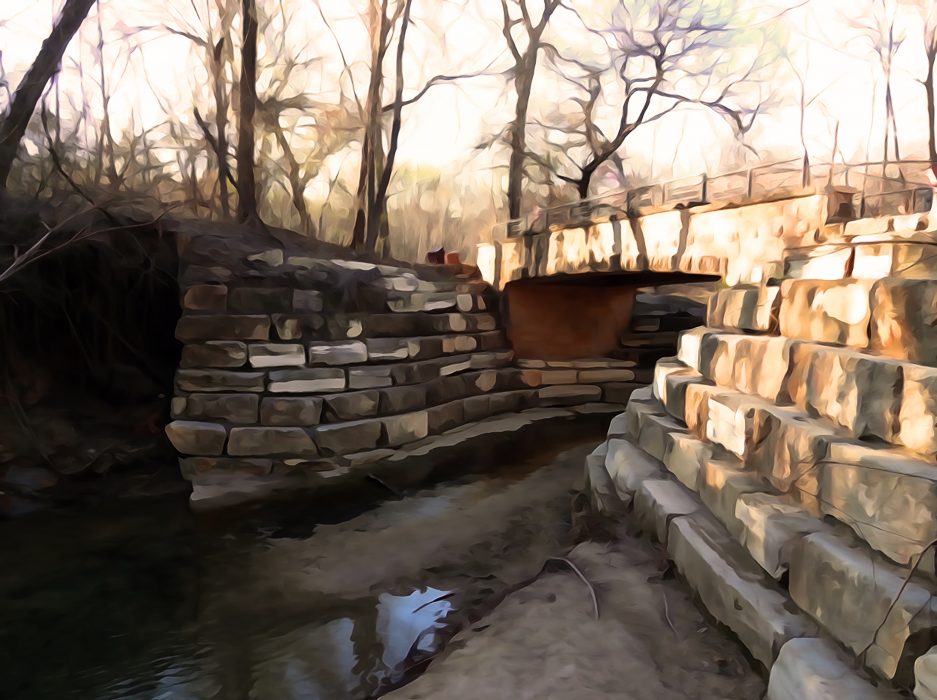
A ghost story
I don’t remember why I wrote this story. Possibly it’s one I entered in a contest on the Vocal website. Like Medium, Vocal is a site where writers can publish stories and collect a few pennies when people read them. I wasn’t successful there and finally closed my account once I reached the $20 minimum to cash out. I won’t mention how long it took to earn that money.
And that, dear readers, is one example of why I don’t recommend trying to make a living writing short stories.
This one’s a ghost story, but it’s not too scary.
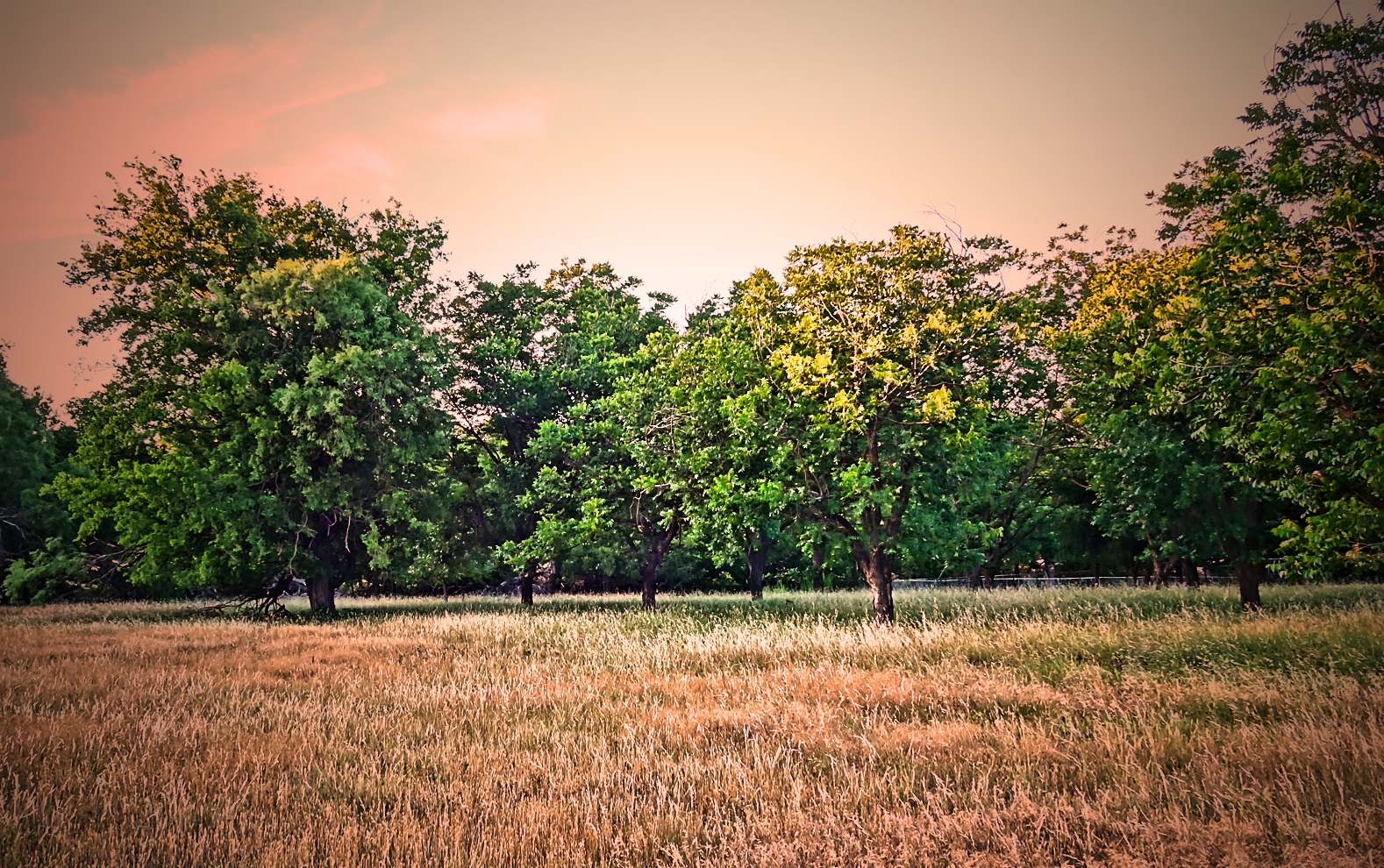
The Orchard
Mae Emery returned, as she had each year since childhood, to her Aunt Judy’s orchard. The sultry dog days of summer gripped Pennsylvania, but Mae couldn’t get warm. She wrapped her body in bulky sweaters and stiff jeans, clad her feet in heavy boots. Workman’s clothes.
“I’m so glad you’re here. Your mother would want you to be with family.” Aunt Judy pulled her close as soon as Mae stepped from her car. The last of the season’s blossoms swirled around their feet like snow.
“It’s good to be back.” Mae studied the older woman, searching for some sign of the breast cancer her aunt had survived years ago. They didn’t talk about things like that back then, Mae’s mother had told her, as she herself lay dying from that same disease.
That summer and into the fall, Mae worked in the gift shop alongside her aunt. The orchard had been in their family for generations, passed down at last to Mae’s mother’s older sister, Judy. Less than a hundred miles from Gettysburg, the farm attracted tourists and local families both. As the pears ripened, the orchard filled with workers. The bell above the gift shop’s door chimed as customers flooded in, searching for trinkets and t-shirts. Mae forced a smile upon her lips while her hands dished out pies, jars of pear butter, and doughnuts warm from the fryer.
Evenings, Mae retired to her tidy room above the store, scented with cinnamon and the sweet smell of candles in the gift shop below. Snuggled underneath a faded quilt, she slept beside a view of the trees from her window. Aunt Judy had offered Mae her mother’s old room in the main house, but Mae could not imagine resting there. At night, the house settled with creaks and pops like footsteps on the wooden floors.
Below her window, at the edge of the orchard, the orange flames from the pickers’ campfires glowed. If the wind blew from the right direction, it would carry their soft conversation. Mae could pretend their words were those of the ghosts rumored to haunt the orchard.
One night, when the full moon cast its glow, Mae dressed and strolled barefoot among the trees. The leaves rustled like restless spirits. The grass on the ground as familiar as the rug beside her bed. This was the one place she thought might melt the cold center of dread and sorrow she carried.
She found the canteen, propped against a trunk, as though someone had dropped it there. Worn wool cloth covered the rusted tin container. She tipped it over the grass and a stream of dry soil spilled from the spout. A flash of white drew her gaze. Mae froze. Something drifted out from the trees at the end of the row. Mae drew in a breath. A boy’s pale face appeared in the moonlight. He wore a jacket, long trousers, and a flat-brimmed hat, the colors muted by the dark.
“Hello?” Mae stepped toward him.
His eyes were blank as pennies. He stared past her, alert, as though watching for someone else to come through the trees. A snap, a heavy step on a twig, sounded behind her. A brush of cold flicked against her neck. Mae spun. The row was empty. When she turned back, the boy had disappeared.
Clutching the flask to her chest, Mae jogged back to the gift shop. When she reached her room, she slammed and locked the door then collapsed against it, panting and shaking.
The next morning, before the shop opened, Mae brought the canteen to her aunt. “I found this last night in the orchard.”
Judy turned the flask over, her fingers tracing the circles stamped into the tin. “This is very old,” she said. “Things turn up now and then. Civil War stuff, mostly bullets. Metal lasts longer.” Judy handed the canteen back to Mae. “What else did you see?” she asked.
“There was someone there, a boy.”
“Dressed strangely?” Judy asked. When Mae nodded, Judy said, “A spirit. I haven’t seen him in years.” She brushed the hair back from Mae’s face. “Sorrow calls to sorrow,” she said.
That night, Mae studied the canteen. How had it come to be there, in the orchard? Who had left there it, for her to find? Soft notes of guitar music drifted in through the open window from the pickers’ cabins. Mae carried the canteen outside.
An older man, face creased and lined by days spent in the sun, sat next to a dying campfire. He nodded hello as she strolled by. Mae had known many of the regulars, the pickers who returned season after season. She’d taken turns working the trees, her back aching at the end of the long day, bent from the weight of pears.
Most times, her mother stood at the bottom of the ladder, steadying it and pointing out the ripe fruit. High in the green of the branches, Mae couldn’t see every side of the fruit, but together, they saw all the pears. This was the first year she hadn’t worked among the trees.
With the canteen tucked under her arm, Mae crept through the orchard. The guitar music faded, and not even a whisper of wind moved the leaves. This was her world—the pears, the trees, everything around her constant and comforting. If she belonged here, then so did the boy.
“It’s okay,” she said. She lifted the canteen, an offering.
Then, all around, spectral figures wafted through the trees. They passed by Mae, the stream of ghostly men parting as they flowed around her. Soldiers. Ghosts, filled with fear and sadness, but with courage as well. They marched forward, unseeing. In the distance, a drum beat a tap, tap to their steps. Mae waited as wave after wave of blue-coated foot soldiers appeared.
She spotted him. He marched, beating the drum strung at his waist. Mae held out the canteen. The boy’s icy fingers brushed hers as he gripped the container and it faded to transparency. Canteen slung over his shoulder, the boy took up the drumbeat and joined his company. The soldiers passed—mounted men silent except for the creak of their saddles, foot soldiers gripping their rifles, cannons mounted on caissons whose wheels did not disturb the grass. Mae lifted a hand in a half-salute and stood watch until they faded and broke up like mist over the ground.


